
Armed with her shield and trident, as if blending those ancient rivals Athena and Poseidon, Britannia sits proudly atop buildings and plinths of the United Kingdom. She is an hypostasis of the island itself, and as Britain catapulted toward empire status, the goddess was adopted as her protector. She even appears on the coin of the realm. Literally. Across the Atlantic Ocean, those coming into New York City via boat (and occasionally jet) see the familiar green lady standing in the harbor. Generally called the Statue of Liberty, the woman is actually Libertas, another Latin goddess, the personification of freedom. She too has appeared on the coinage of her adoptive nation, although she has been replaced mostly by the more human heads of state and symbols of civil religion. In Great Britain, Charles Darwin appears on the reverse of the ten-pound note.
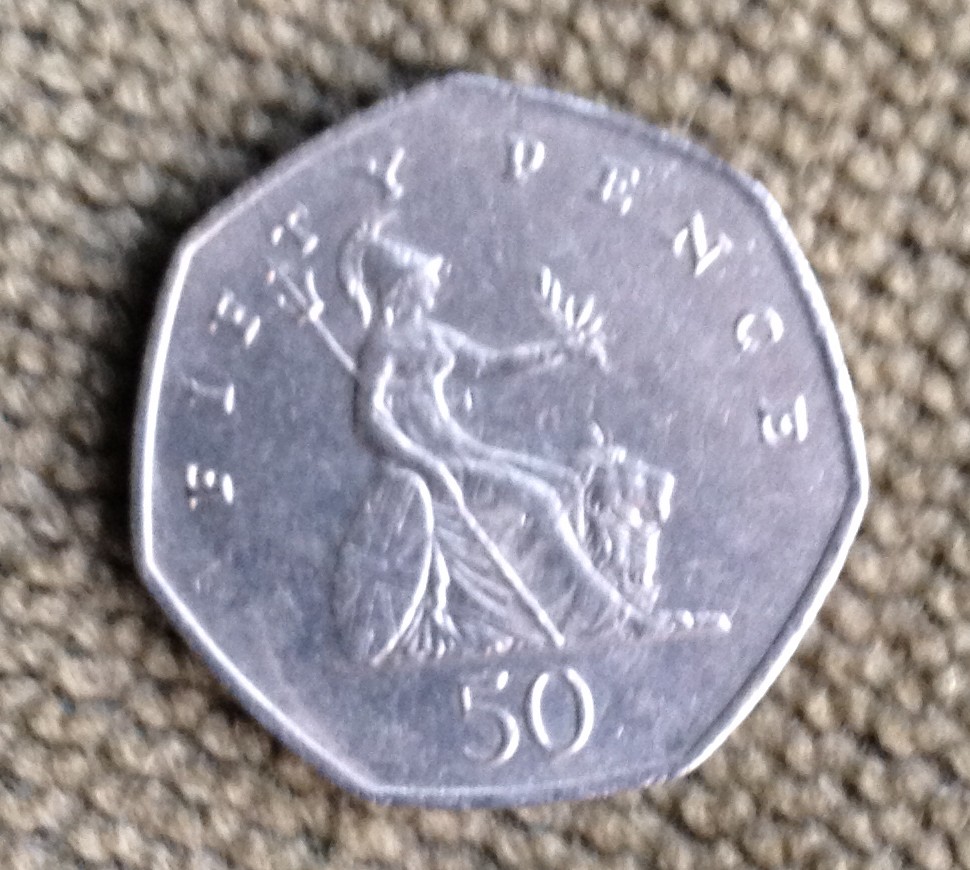
I’m sure that Britain and the United States are not the only nations to honor goddesses in their national mythology. Whenever nations want to display what is truly noble and to symbolize their highest aspirations, they choose goddesses. Ironically, some of the nations to do so hold a stringently Christian view of themselves, as if Yahweh were battling it out with an old, divorced spouse. Civil religion, however, should not be confused with doctrinal belief systems and dogma. These insidious agitators have forged the weapons with which religions daily clash. Masculine religions brook no rivals.
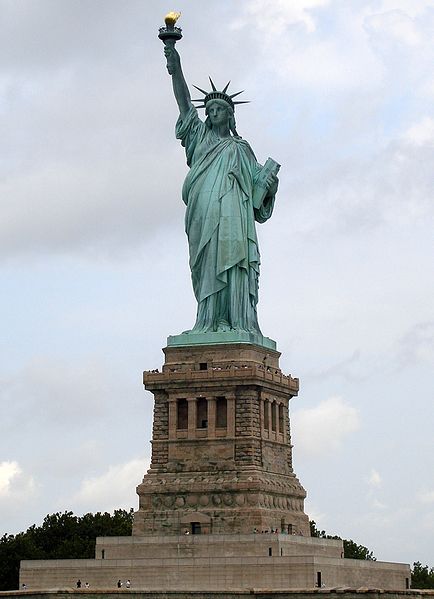
As Britannia sits in my pocket, and Libertas reigns in my head, I think of the nations run with male agendas and their goddess consorts. The temples to Britannia and Libertas are in the Square Mile and on Wall Street, for lucre always assumes the superior position in any relationship. I fondly recall the days when goddesses had actual power. Of course, the skies have always been empty, with the exception of our imaginations, but once the belief that protective goddesses were there gave humans cause for hope. Maybe they grew a little ambitious now and then, but the Latin goddesses always had the best interest of their patrons in mind. Have we outlived our need for goddesses? That will only happen when mothers and nature’s best protectors are no longer necessary. The Latin goddesses will long outlive our civilization.

 Steve A. Wiggins