The Printed Word

I miss them, newspapers.  Now, I’ve never been a great newspaper reader—I tend to live in my own little world, I guess, and I really have no taste for politics.  I still glance over the New York Times headlines daily (mostly) but that’s not what I’m talking about.  I’m talking about physical newspapers.  The other day we had a family creativity session.  This generally involves painting in some form or other and I realized with chagrin that we had no newspapers to lay down.  Nothing to protect the table top.  The same is true when we carve pumpkins, or do other activities that make you think that you want to protect your furniture.  Newspapers were always there.  We used to line our birdcage with them.  Made papier-mâché out of them.  They were handy to have around.

Josef Danhauser, Newspaper Readers, public domain. Image credit: Österreichische Galerie Belvedere, via Wikimedia Commons

We live fairly close to our means, so we don’t have lots of drop cloths lying about.  (Plastic is so much less feeling than paper.)  We don’t have rolls of butcher paper in our kitchen.  We even use cloth bags for groceries, so grocery bags are at a premium.  Our electronic mania has meant that physical creativity suffers.  I do applaud the saving of trees, but you sometimes just need the disposable broadsheet to catch the drips.  (And when I paint, believe me, there are drips.)  But perhaps this is a symptom of this insipid internet life into which we’ve slipped.  The other day I was searching for an electronic services store.  I’m not even sure what to call them anymore.  I had to go to the physical store (yes, they still make them) to have something looked at.

The website kept telling me a store with a different name was what I was looking for.  All I wanted to know was whether this was an actual store or some knockoff.  If you’ve purchased what are being called “dups” now you know that companies blatantly use other companies ads to sell cheap knockoffs that don’t resemble the product you wanted at all.  This all seems to be perfectly legal.  I guess I’m just nostalgic for the days when you had to have patience and doing things slowly was a sign of good quality.  The 24-hour news cycle has hardly been a benefit, and Trump could’ve never been elected without it.  And if you wanted to paint something, you’d just go to the stack of newspapers that every house seemed to have, and paint over any headlines you wished you hadn’t seen.

Not Content

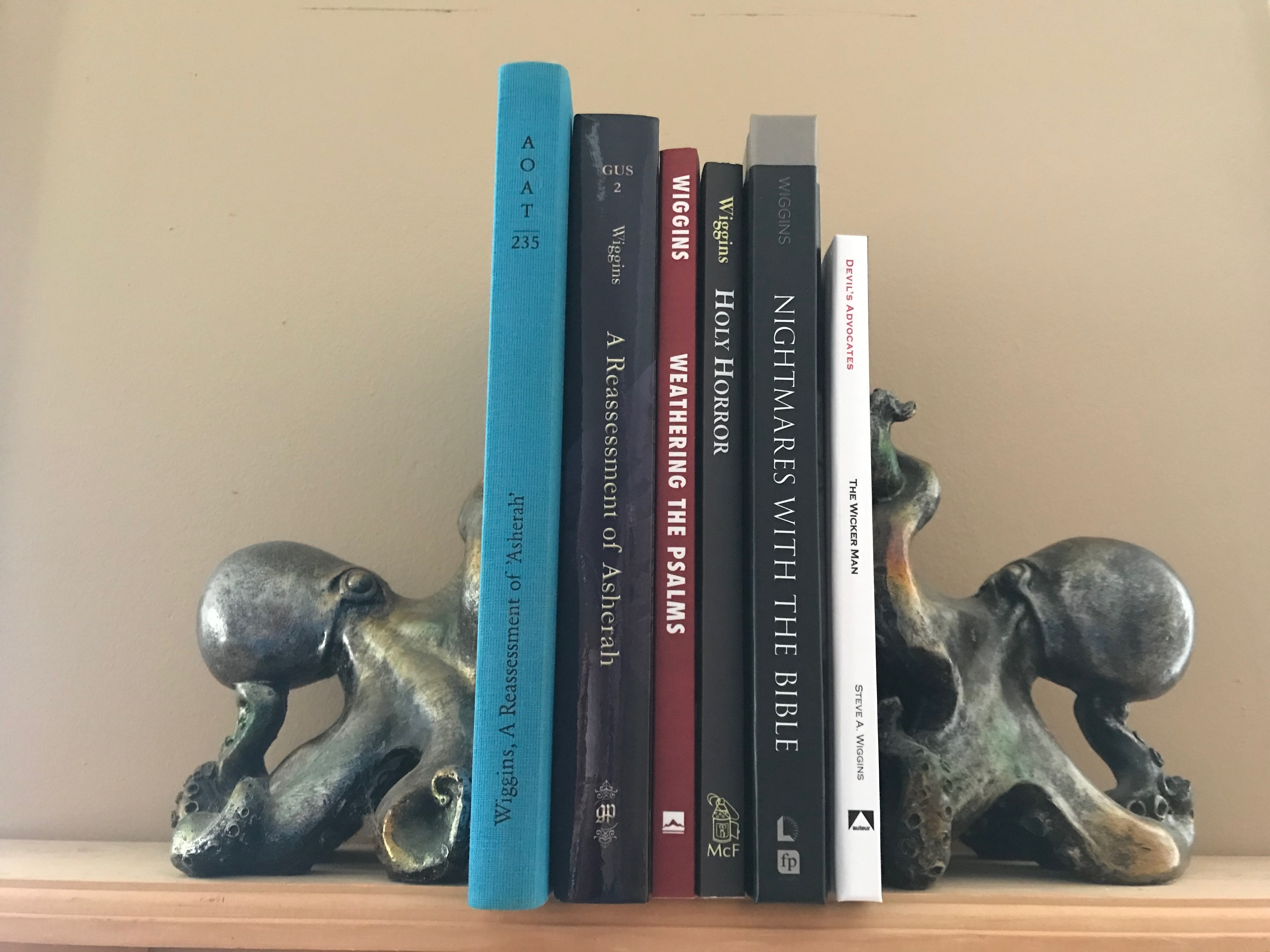
I write books.  When I want to “create content” I do it on this blog.  (And a few other internet sites.)  These aren’t the same thing.  I find it distressing that publishers are trying to drive us to ebooks where content can easily be changed, as opposed to print books.  The shelves of this room are lined with books and the technology doesn’t exist to come in and change “data” without my knowing it.  Facts are secure in print, right Ilimilku?  I’m not looking forward to a Star Wars future where there’s no paper.  I was born in the last century and, perhaps, I’ll die there too.   You see, when you write a book you have a project in mind that has an endpoint.   It may change and shift as you write, but you know what a book is and that’s what you produce.  It gets shelved and you move on to other things.  (At least I do.)

Content is something different and the creative process behind it also differs.  If I find something wrong after the fact, I go into my past posts and change it.  I’m not afraid of admitting I’m wrong.  The point of this blog is to share ideas with the world, not to write a book.  (Although, I confess that I would not say “no” if someone in publishing wanted a selection of worthwhile posts for a book… just saying.)  It amazes me how publishers have pretty much gone after the money and have forgotten what the creative process is like.  Of course, they’re having to figure out how this whole internet with free content plays into it too.  But still, my book writing uses a different fold in my gray matter than my blog writing does.  All of it feels pretty different from writing fiction too.

These things together adds up to a writing life.  I have a ton of “not for publication” writing.  This is something different again.  I suspect it will never be read by anybody, moldering away on some old hard drive after some AI-induced apocalypse.  I write it for of the same reason, I suspect, that people used to spray-paint “Kilroy was here” on things.  The book of Job, it seems to me, was the preservation of words that someone simply had to write.  We know the framing story is folklore.  But those who have words to carve with iron on lead, or engrave on a stone to last forever.  It’s more, I hope, than just “creating content.”