Greece Lightning Rod

Eds and op-eds are popping over the Supreme Court decision to allow sectarian prayer at Greece, New York town council meetings. Some citizens complained that the prayers made them feel disrespected and excluded. Who hasn’t from time to time? I’m no advocate of government-sponsored religion, but I do wonder how we can live in a society in which the mere mention of God offends some as much as the “f word” offends others. Are we, perchance, getting a little thin-skinned? After several long years of neo-con rule, we have learned that opposition is a form of treason, and that conflicting opinions cannot coexist. As an erstwhile teacher of religion, the implications make me shiver. Isn’t the point of learning about religion to train people in toleration? If I sued every time I was offended, I’d be the richest man in the country.

Ironically, the United States is one of the rare cases of a developed, “first world” nation where skirmishes over religion often and vocally take center stage. We have, as a society, dismantled the apparatus of dispassionate, scholarly discussion of religion (“no need for it,” “budget can’t afford it,” “superstition and nonsense”) and wonder why it always brings us to verbal blows. Religion is that which we can’t define, but we can surely fight about. We’re offended by public prayers, the wearing of hijab, and idols to the Ten Commandments on the courthouse lawn. Religion, like sex, is relegated to private places only, but for diametrically opposed reasons. What are we so afraid of?
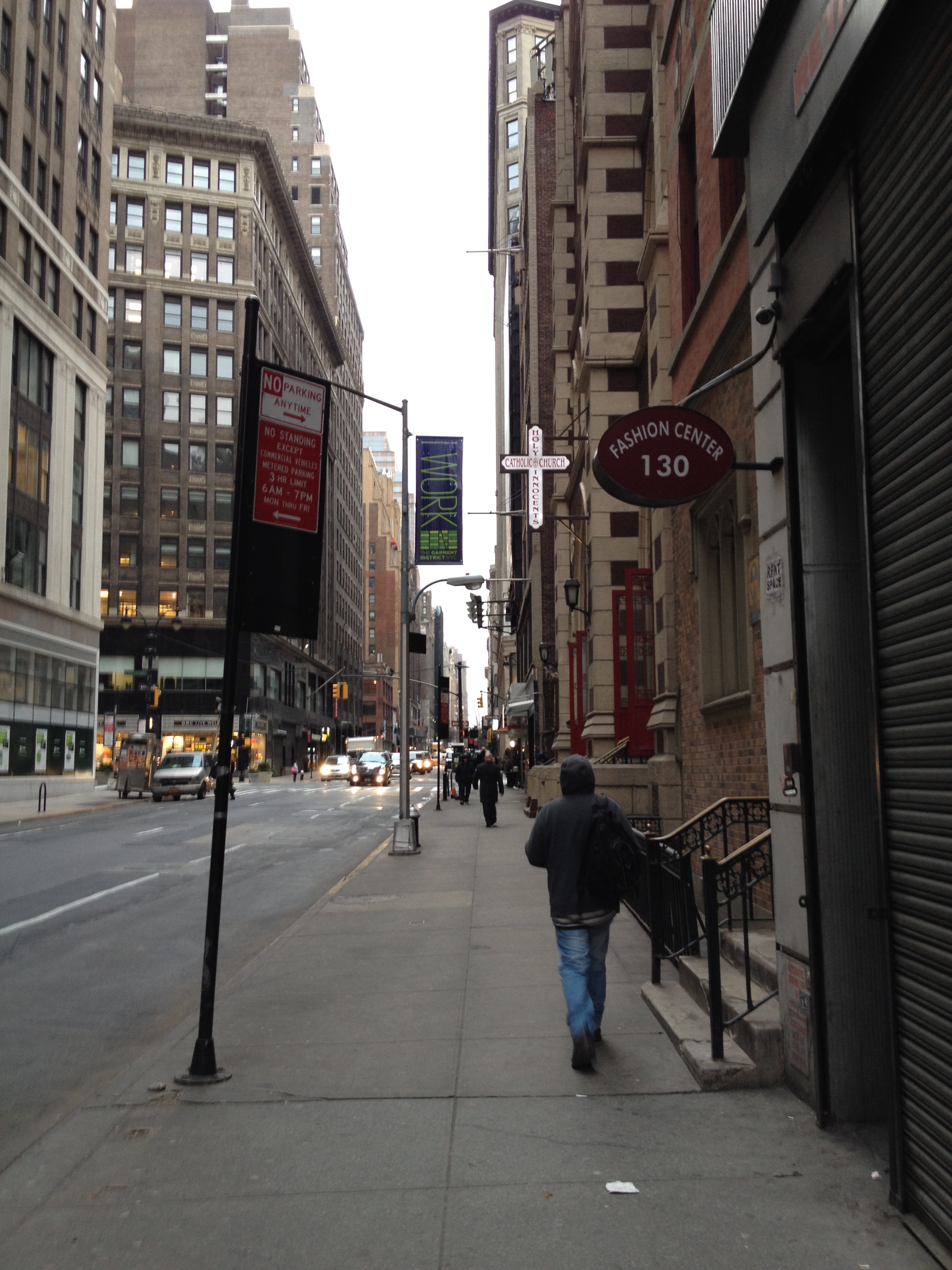
Lost in the clutter.

Lost in the clutter.

We have no trouble when someone with private money spends it to introduce religion into the public sphere. You can walk down the street in Manhattan and see crosses outside churches and “Jesus saves” scrawled in the cement of well-trod sidewalks. Nobody seems to be offended. Finding practitioners of the “exotic” religions of Hinduism, Buddhism, Sikhism, Vodou, Theosophy, and Scientology is hardly a challenge in a city of millions. Over what is there anything to be offended? I’m offended by those with too much money keeping everyone else below them because the law says that they can. I’m offended by those who pollute our common environment because they can afford lawyers to find loopholes. I’m offended by those who use their religion to oppress women and non-believers. Those who want to pray to a god, any god, before a civil meeting, as long as that god demands nothing from non-believers, aren’t hurting anyone but those who never learned to agree to disagree.
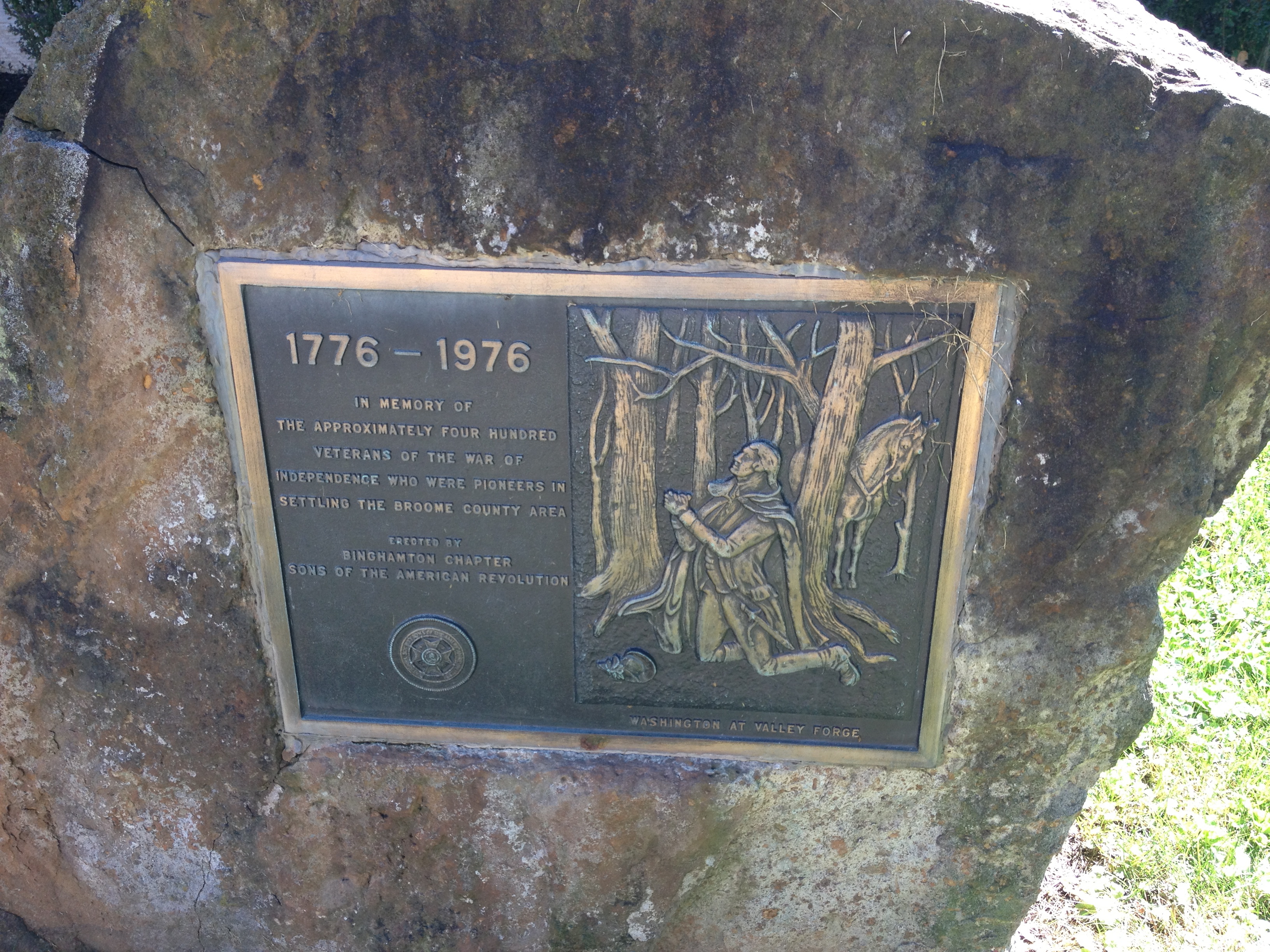

A Theistic Nation

That’s a dill-pickillial of a peccadillo, if you’ll pardon my Ned Flanderism. I’m referring to the issue of the Supreme Court dealing with public prayer. Again. In a recent Chicago Tribune story, prayer before town board meetings in Greece, New York have led to accusations of violation of citizens’ rights. In a similar, but unrelated, situation, a friend asked me what I thought about religious symbols on public property. He asked the basic question that if atheism relies on no symbols, isn’t the absence of symbolism tacit approval of atheism. These issues are very difficult to resolve for a number of reasons. The first non-partisan elephant in the room is the fact that we do not have an acceptable definition of religion. Universities shy away from hiring specialists in religion and we, as a society, and, more restrictively, as an academy, can’t agree on what religion is. Is atheism a religious belief system? Some would argue that it is, and that it shouldn’t be the default stance—that would favor one religion. From what neuroscience seems to tell us, atheists aren’t born, they’re made. Religion, of some description, is normal human thinking.

A further issue involves both symbols and prayers. A symbol means nothing without interpretation. As I told my friend, unintentional crosses are ubiquitous. You might have to look a bit harder to find unintentional stars of David or yin-yangs, but I’m certain they exist. Without the Christian eye, however, those unintentional crosses are just architectural features or natural spaces between corners. The same applies to prayer. If I decide to speak, it is a matter of interpretation whether my words are prayers, a guy talking to himself, or, increasingly, somebody chatting on their blue tooth phone as they walk past a church. Intention, a specific aspect of interpretation, certainly plays into the sometimes coercive power of a symbol or a prayer. Do those Ten Commandments on the courthouse lawn just represent a nice piece of art, or do they bear an intended message? Do intended messages not attempt to persuade others that they are true?

Smart folk like Supreme Court justices have difficulty with this issue every time. I’m not surprised. We don’t know how to quantify religion, even though most of us are pretty sure of it when we see it. Some would argue that many eastern religions are in fact philosophies. Some would claim that atheism is the opposite of religion. Atheism is not so very far from some strains of Buddhism, however. And like it or not, people are all subject to belief. We seem to like forging ahead in the darkness on this issue. State universities hide their religious studies programs like embarrassing warts. What rational person would want to waste time studying such superstition? The Supreme Court of the United States, I might point out, just for one.

Religion or not?

Religion or not?