Sacred Philadelphia

What makes a space sacred? There is no agreement on that issue, but it is clear that considering a specific location numinous, holy, or just special is something that even the most secular do. We trek to the places where something happened, maybe hoping for a personal epiphany or enlightenment. So yesterday I found myself in Philadelphia on the trail of Edgar Allan Poe. Like some other famous figures of the past, Poe was essentially homeless—no place claimed him (though now many do). Several years of his short life were spent in Philadelphia, and only one of his residences still survives there. On a pleasant Saturday it was clear that many others were drawn to this sacred space on pilgrimages motivated by diverse needs and curiosities. My family has gone on literary trips for many years, visiting the places of writers—for, at the end of the day, every piece of sacred writ has a writer.
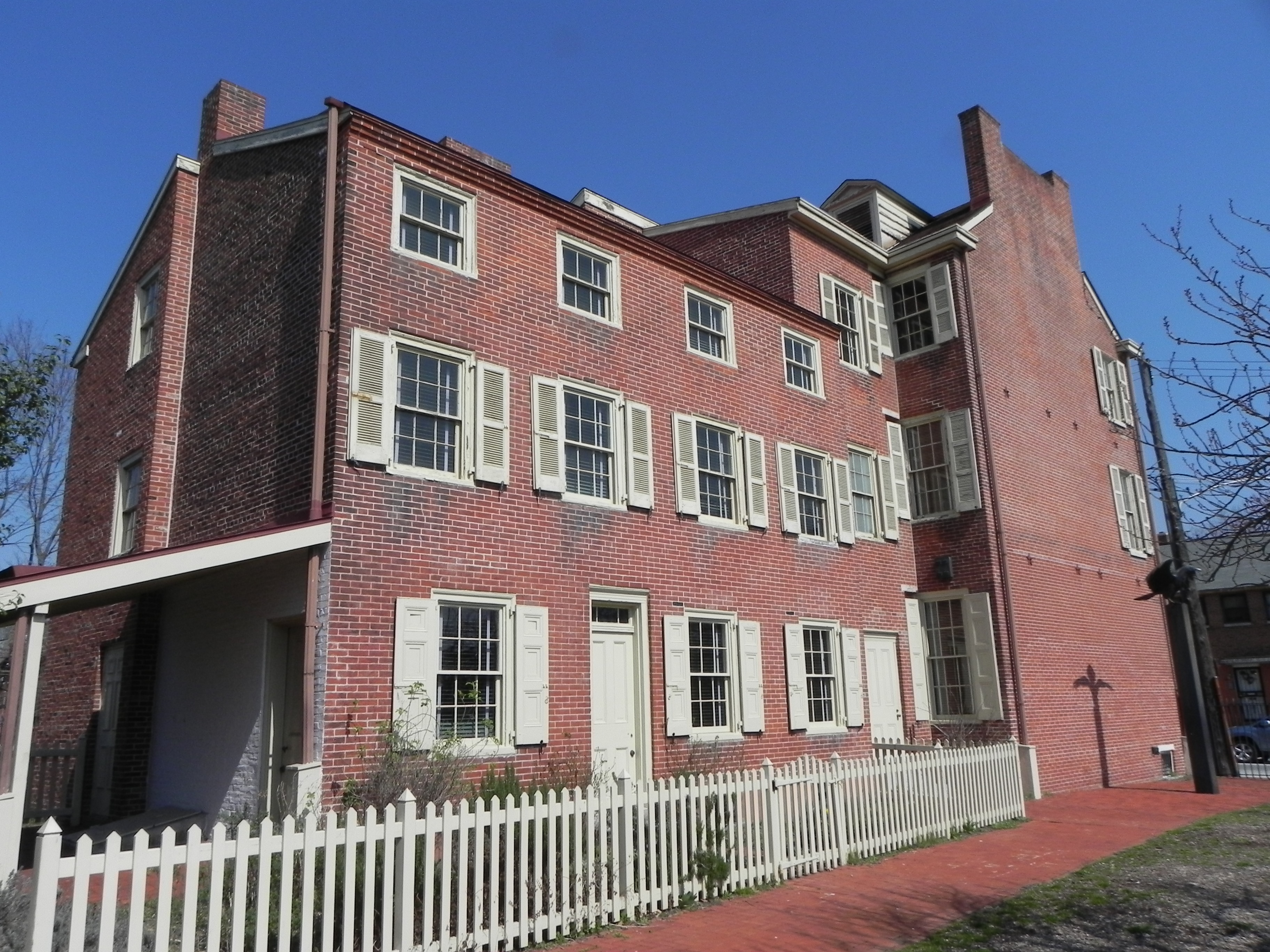
Poe's house on Spring Garden

I can’t recall a time, after I began to read, when I did not favor Poe. Like some other inspirational figures he lived a short life, frequently rejected by his peers. Sad circumstances haunted him and he expressed them so well. His was a rare gift. Standing in his Philadelphia house, I guess I might have been hoping that, on some level, he might know that his life had touched mine. We all seem to leave an intangible part of ourselves in places we have been. Even the hardest skeptic of the “paranormal” will travel countless miles to come to some location of significance. There is no logical reason to do so. It is perhaps the most human of religious impulses. I saw no specters, heard no ghostly voices. But I saw and listened and wondered.

Writing is among the canon of sacred activities. It is taking what is hidden safely inside the confines of our minds and offering the opportunity to others to read it. Frequently it is ignored, lost in the noise. Life is too busy to sit down and read unless some teacher or professor assigns a task with grade consequences. We miss, however, so many opportunities to explore the legacy bequeathed to us by great minds. Our lives are driven by economics, not enlightenment. Poe died poor and largely unmourned in Baltimore after having called many locations home. Those locations are now shrines. I suspect he may have been very surprised to learn that over a century and a half later some people would attempt to follow in his footsteps for what can only be described as religious reasons.
Sanctuary

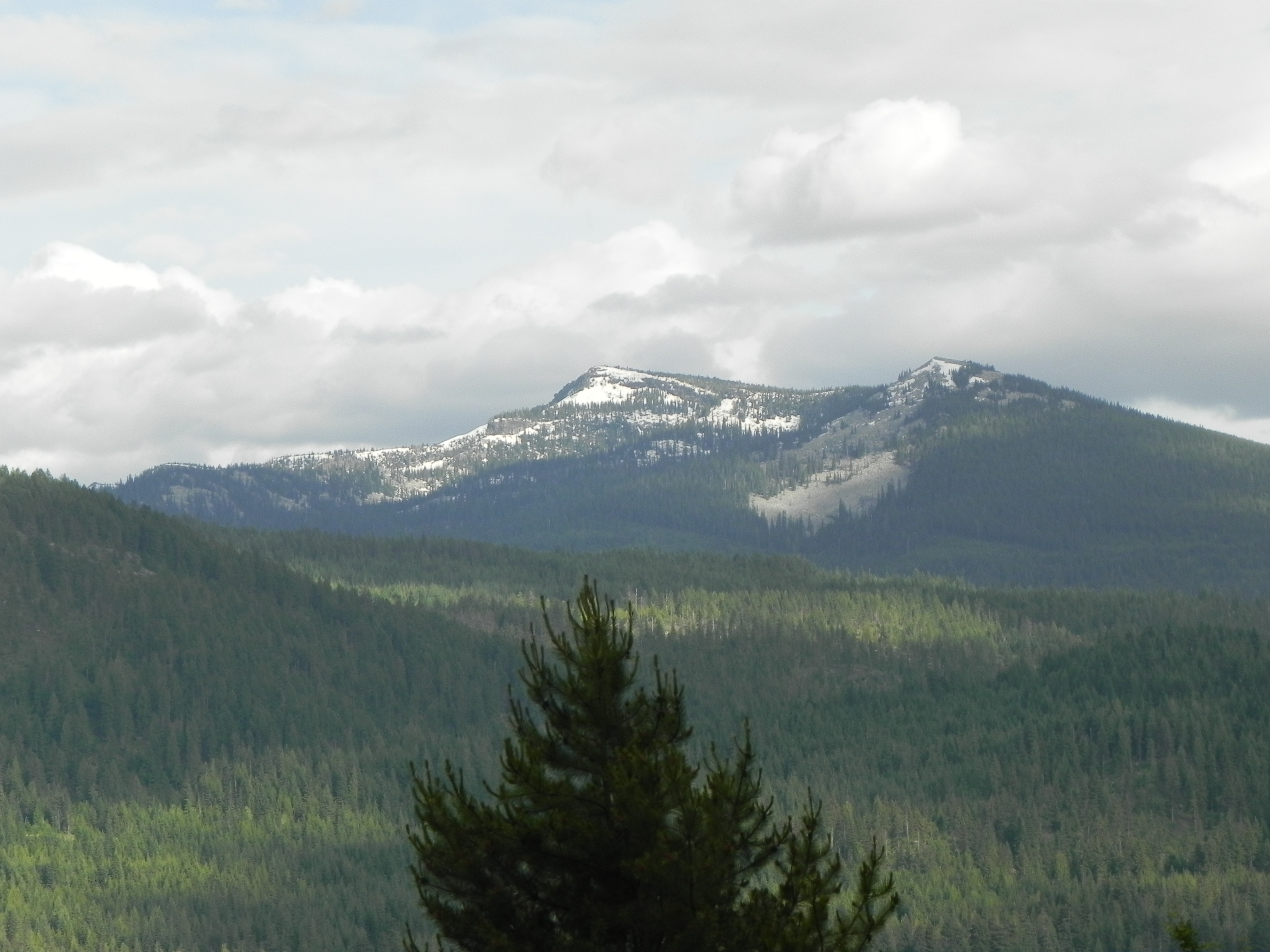
Sanctuaries are often difficult to get to, but are often even more difficult to leave. Various religions make use of the concept—a sanctuary is a safe place, somewhere away from the normal world. Perhaps this is one of the reasons humans devised religion to begin with; the world feels heartless and threatening much of the time, and a place where the unseen parent will keep us safe is a desideratum anxiously quested. The problem with sanctuaries is that too much safety inhibits growth. As history repeatedly demonstrates, sequestered religions grow stagnant and antiquated—frequently hindering more than helping.

The concept of a sanctuary is of a piece with the amorphous idea of sacred space. The idea that some places are different, special, or spiritually vibrant is one that admits of no testing or verification. Nevertheless pilgrims will seek out such places in order to recover a sense of balance or peace. Even scientists know the feeling, although it is frequently consigned to the psychologist’s couch. Finding that spot that gives momentary tranquility is big business, as any travel agent knows. While we may invest our sanctuaries with divine trappings, the practice is, at its roots, very human.

The world was not created for us. Congealing from a rapidly spinning mass of superheated rock and dust, it took a few billion years before life might even manage to float atop the cosmic embers. As part of this fascinating development called life, we have learned its hard lessons. Nature is beautiful and dangerous. We are its masters and its slaves. Some of us take great pains to escape to it and when it is time to leave we are ripped from it like a crying babe from its mother’s arms. Sanctuary is a human concept with divine implications.

A sanctuary


Clothes Make the God

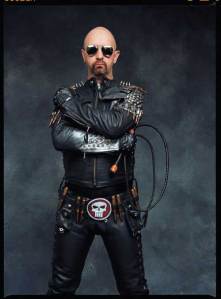
What is it with gods and clothes? Today’s news announces that Rob Halford, the Metal God, vocalist of Judas Priest, has just revealed his own Metal God Apparel line. Now, I try to be equitable, but isn’t metal all about sticking it to the establishment? Isn’t designing your own line of clothing the most establishment-worthy enterprise ever? Where have the rebels gone?

Whip not included

Whip not included

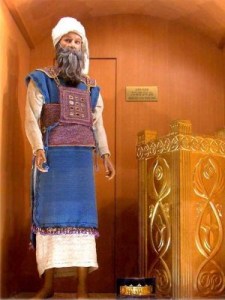
No sooner are people getting the hang of things in Eden than God marks designer clothes first on their list of accessories. Gods seem to be impressed with dressing the part. The Bible details what priests, and especially the high priest, will wear in the temple/tabernacle. Such location-specific wear indicates a very deep awareness of sacred space that pervades most religions. More than that, however, the clothes themselves are highly symbolic. Although modern readers may not be able to come to any consensus on the “symbology” (oh that word!) of each and every ephod and tinkling bell, we can be assured that nothing about the priestly garb was accidental. Indeed, Exodus informs us that God selected the fabrics himself.

Judas Priest, meet High Priest

Judas Priest, meet High Priest

So I’m not so shocked that the Metal God has made his preference known in the line of apparel appropriate to wear to the worship of this particular deity. As I watched a motorcycle club in their well-worn leather roar past me in my timid mini-van this weekend, I was reminded of the power of clothes. We may not be born with the body we want, but if we dress it up right, others might be made to believe that we’re gods too.