
The Huffington Post recently ran a story on Stonehenge. Part of the endless fascination with the ancient monument is that no one really knows why it was constructed. Given the tremendous amount of effort the building represents, it is clear that this was important to the cultures constructing it. The article in Huffington cites archaeologist Mike Parker Pearson as suggesting that Stonehenge was a monument to the unification of Britain. While not as sexy as explanations that draw on human sacrifice, precision astronomy, or alien visitation, something rings true about it. In the long course of human development, we’ve had to overcome many, many hardships. At one time humans were relatively easy prey animals for large predators. Our evolution didn’t endow us much in the way of body armor or built-in weaponry. Our eyesight and other senses pale next to various other animals. Even with all these deficiencies, our biggest challenge hasn’t been nature, but other people.
Archaeologists have also been discovering that a peaceful prehistory to humanity does not match the facts. Warfare and strife have been as much a staple of human behavior as the perennial hunt for food and safe shelter. Civilization involved cooperation at unprecedented levels. People had to trust one another and work to maintain the infrastructure that allowed diversification of talents and abilities. Fighting and wars still occurred, of course, but less frequently and with less brutality. With economies of surplus, however, capitalism also eventually evolved. It is an aggressive organism. It is visible in the greed embodied in the thought process that the only good in life is financial and the only worth of humans can be calculated in dollars and cents. It is this thinking that has erected the monuments more familiar to us today in our cities and centers of civilization.
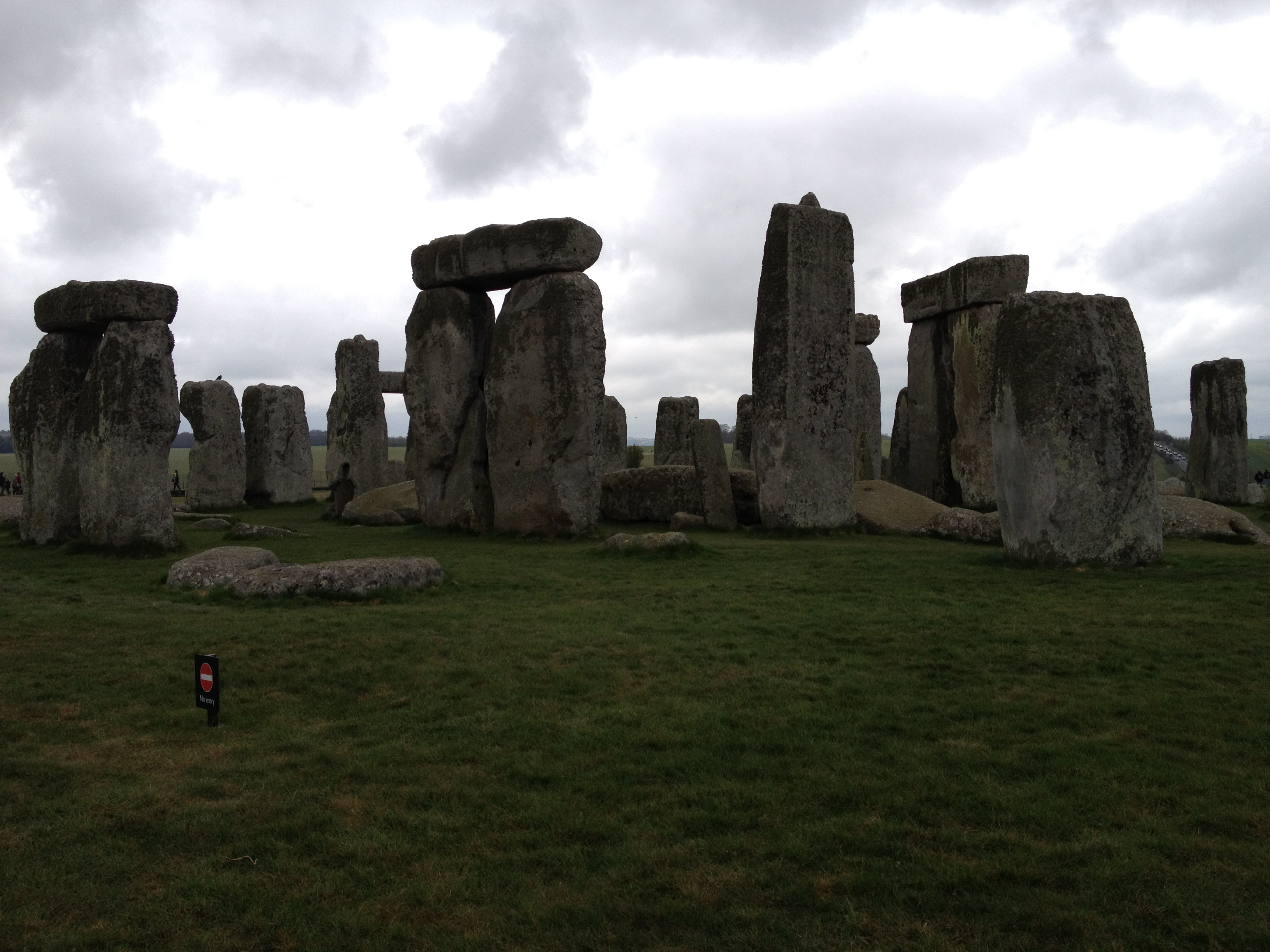
Stonehenge could never have been a money-making venture (not until the development of capitalism at least). It is in the middle of nowhere, in a sense. The Salisbury Plain is fairly empty—no large cities nearby, no grand scenery as one might find in Cornwall or the Grampians. According to the theory, its location has to do with it being in a very rough middle between various regional cultures. Building impressive monuments is very difficult to do if one has to watch constantly over one’s shoulder. I suppose in my Romantic notions Stonehenge will always represent a mysterious past suffused with unanswered questions. For the present, however, Pearson’s explanation seems more than likely—it sounds absolutely vital in a world so dangerously divided as ours. Perhaps it is time to start a truly monumental building enterprise involving every nation. It will give future generations something to wonder about.
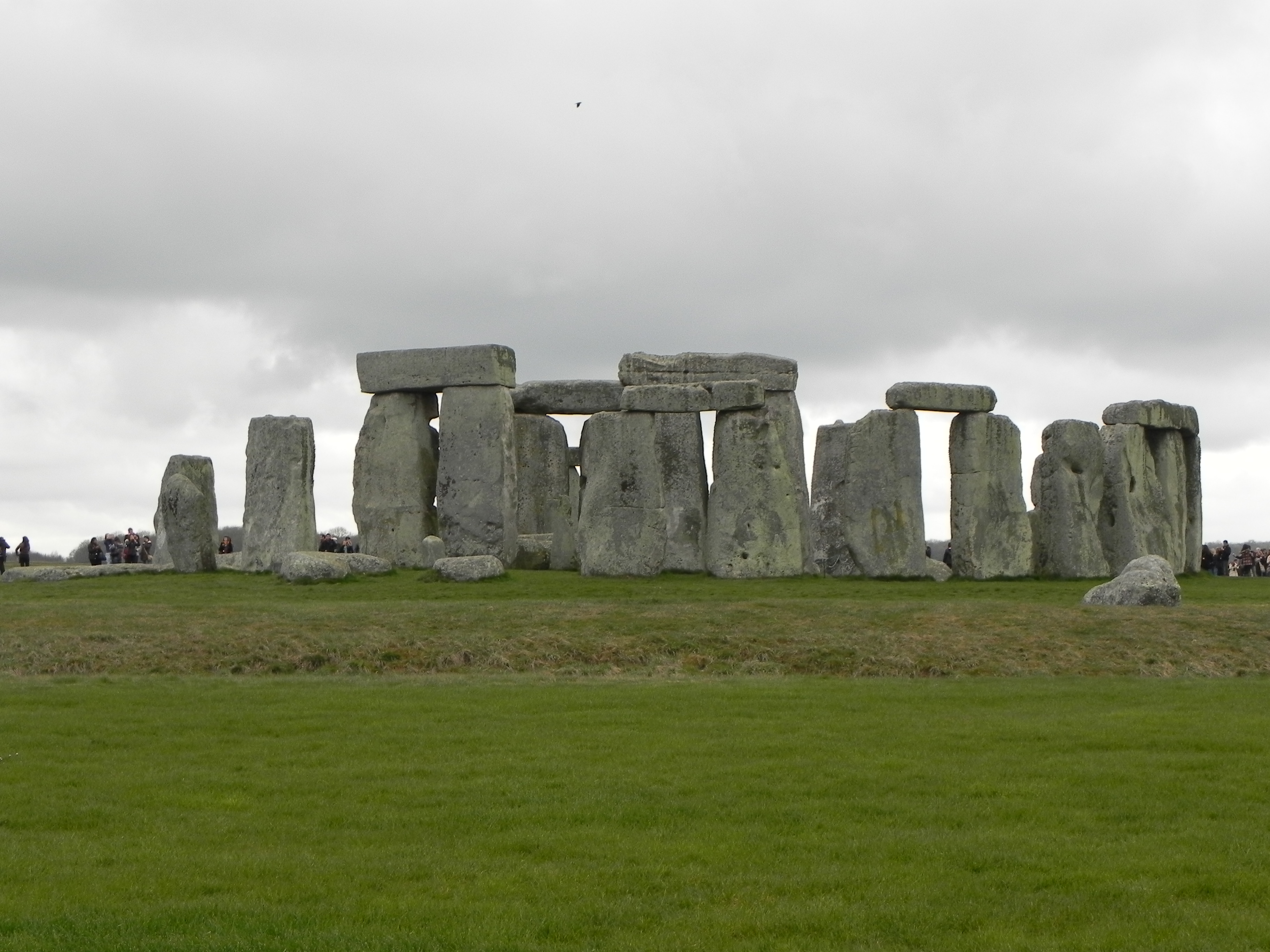
Time to build another henge.
 Steve A. Wiggins