Of the Night

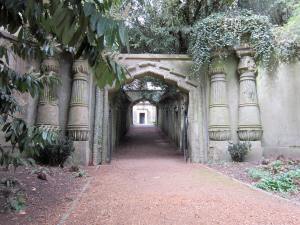
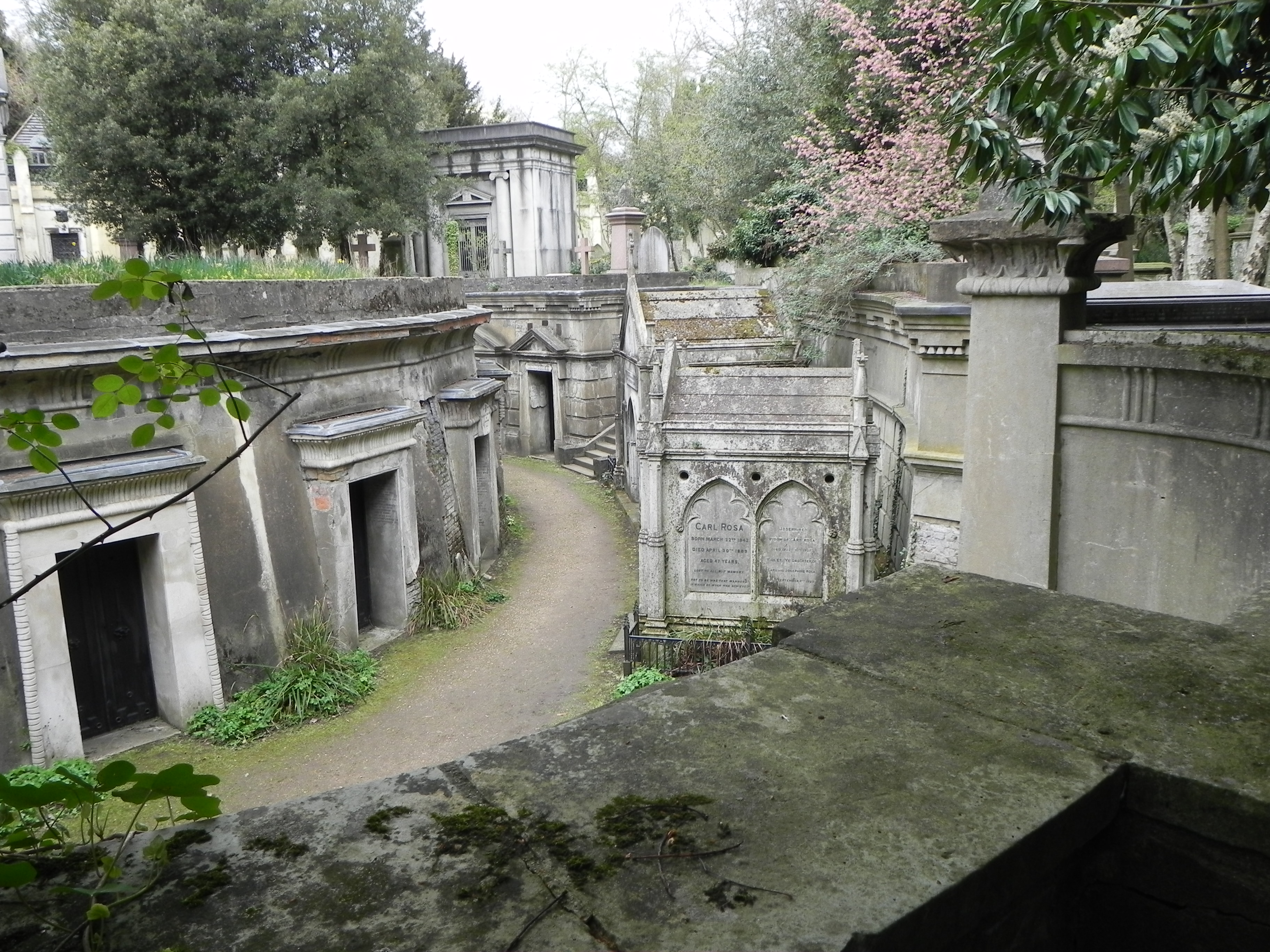
August isn’t too early to start thinking about vampires. The nights are already noticeably longer than they were in June and some leaves are just beginning to change on the trees. I’m thinking of vampires because one of my readers sent me a link to some investigative reporting about the “Highgate Vampire.” I’ve posted about this before, but the brief story, if you don’t have time to browse through my “monster” category, is that beginning in the 1970s a group of people came to believe a vampire haunted London’s Highgate Cemetery. This led to the publication of written accounts of the hunt for the undead. On a trip to London in 2012 I visited the Highgate Cemetery as my host for the trip lived quite close by. Apart from being the resting place of many famous people, the cemetery is moody and Gothic and it’s easy to see how, in days when it was neglected, it could’ve spawned such tales. Thing is, we know vampires don’t exist. So we’re told.
IMG_0061

Back to the story. My reader pointed me to the website Vamped, and now I’m afraid my limited time has just grown more limited. More specifically, there is a story by Erin Chapman entitled “5 Reasons Why a Wampyr Didn’t Walk in Highgate Cemetery.” The article investigates claims made in Sean Manchester’s book on the subject (reviewed elsewhere on this blog), demonstrating that his locations, photographs, and narrative don’t add up. The piece on Vamped shows a meticulous level of detail, comparing notes and photos in a way some of us simply don’t have time to do. Now I’ll sleep more securely on my next visit to London. I hope. The conclusions are disputed.

At this point some may be asking why an educated, rational adult is even addressing such questions. Why worry about something that isn’t even real? This brings to mind the realm of religion. Archetypes, whether they have an objective existence or not, are part of our consciousness. Supernatural beings of many varieties inhabit our heads, no matter how much garlic or holy water we happen to have lying around. Ignoring them can lead to problems. Do I think there is/was a vampire in Highgate Cemetery? I don’t think so. Do some other people sincerely believe it? I have to think yes. No matter which religion people follow, there will be entities that other people don’t believe. That doesn’t mean that they should be ignored. The Highgate Vampire isn’t real for most people, but it is for others. And just in case, I’ll keep a bit of garlic around as the nights begin to grow longer.
Staking a Claim

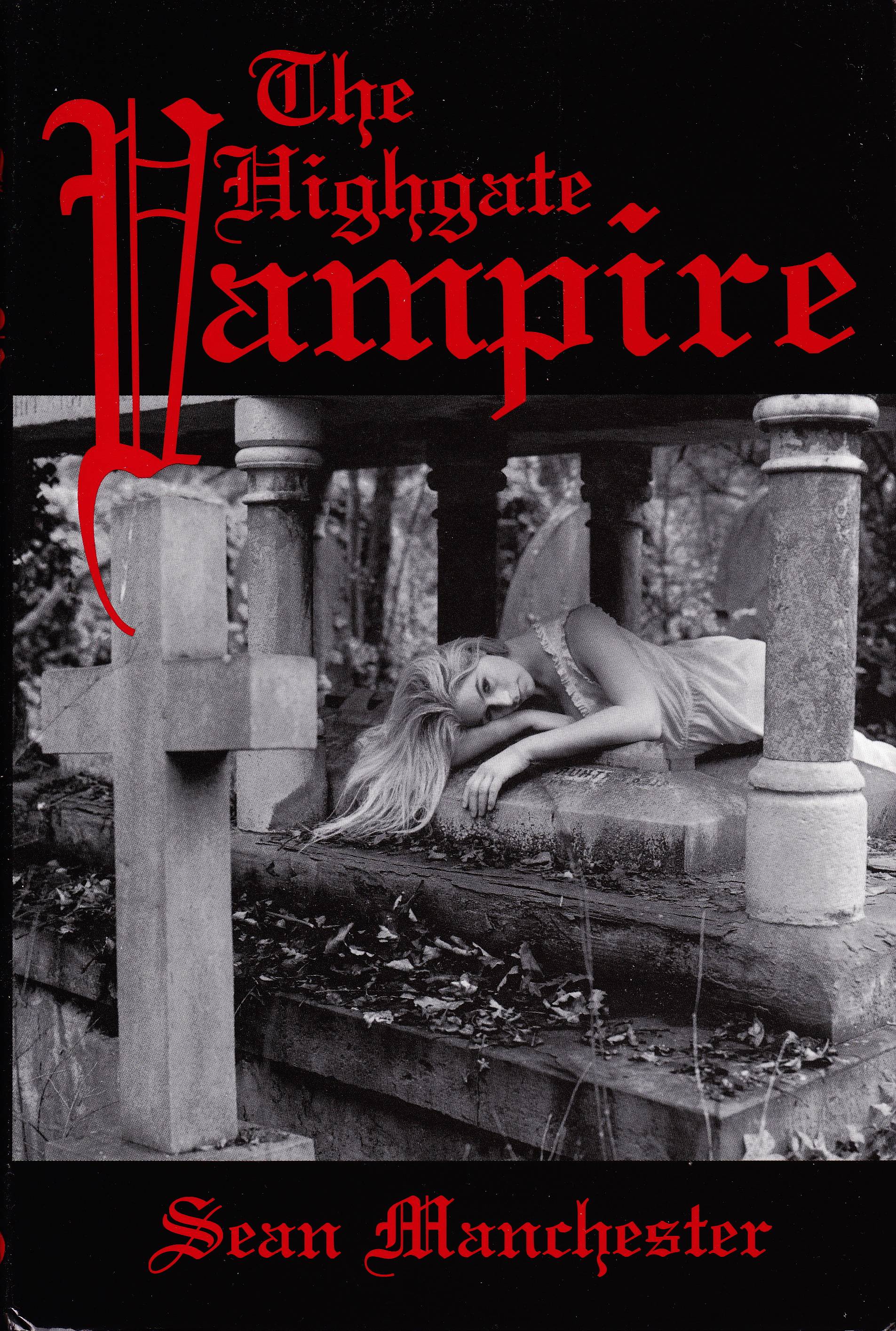
Okay, I confess. When I learned my recent host in London lived in Highgate, my thoughts immediately went to the Highgate Vampire. I first learned about the Highgate Vampire from Matthew Beresford’s From Demons to Dracula: The Creation of the Modern Vampire Myth, a book that spoke to me at some inexplicable level. Claims had been made that an actual vampire roamed the north of London in the 1970‘s. My first thought was utter skepticism—one of the reasons that I was never afraid of vampires is that I knew they couldn’t possibly be real. The mythical world of a fundamentalist allows deity, devil, angels, and demons. No more, no less. The vampire, as a supernatural creature largely dreamed up by John William Polidori and Bram Stoker, was a literary monster only. As a doctoral student in Ancient Near Eastern religions, I learned that the prototype of the vampire went back to Sumer, the earliest civilization known. Still, I wasn’t worried. The Sumerians also believed in night hags and dragons and had no crucifixes to keep the beasts down. Then I learned about the Highgate Vampire.

I have just finished reading Sean Manchester’s most recent iteration of his account of slaying the Highgate Vampire. Manchester, a bishop in the Old Catholic Church and a descendant of Lord Byron—Polidori’s close associate—claims to have staked the vampire in the backyard of a haunted mansion in Hornsey. This transpired in 1973. There’s one born every minute, right? But then, there are the claims of physical evidence: exsanguinated foxes, photographs of rapidly decomposing corpses, the obvious ardor of Manchester’s personal account. The mental jarring was extreme—surely a priest would never fabricate such a tale? Surely the vampire is a fictional creature with no place in a rational world? Why did Manchester’s account resemble Jonathan Harker’s diary so much?

So, we were staying in Highgate, London. The first morning as the sun rose, I dragged my family to Highgate Cemetery. I hadn’t read Manchester’s account yet, and Beresford’s book was almost three years back in my memory. Looking through our pictures, there I found it—the tomb in which Manchester claims to have originally discovered the black coffin with the actual vampire inside. Whether fictional or not, I was in the presence of the vampire. The overcast sky, ivy coated tombstones, the jet-lag—all combined to provide the atmosphere for the impossible. I have no idea what really happened in London when I was a child in school, but I have learned that many adults will gladly drain off the very lifeblood of others in order to attain their own benefit. From the days of Sumer to the present, growing in number there have been vampires among us. Our lives are much more comfortable if we simply refuse to believe.