Flighty Thoughts

Life, domain, kingdom, phylum, class, order, family, genus, species.  My apologies if I’m bringing back bad memories of high school biology, but I’m doing an experiment.  It has to do with the class level.  (I have to confess that this has become more complicated since high school since there are a lot more of them than I remembered.)  Specifically, I was thinking of those of us with backbones (which seems to exclude many congressional Republicans these days), namely fish, amphibian, reptile, bird, and mammal.  I read somewhere—I can’t recall where; I seem to be reading all the time—that the only other order of animals that human beings see every single day, apart from other mammals, is birds.  I suppose some of this depends on location, but it seems to be true even for landlubbers who don’t work in zoos.  I’ve been watching, however, to see if I do see birds every day.

I work in an office with two windows, one facing south and another facing west.  There are trees outside the west window and during spring, summer, and fall birds are abundant.  Yes, I see them every day.  Winter, however, is a bit more dicey.  Songbirds famously either migrate or retreat into more sheltered places for the season.  The other day, during a cold snap, I got to thinking I hadn’t seen any birds at all.  The only thing that rescued the allegation was that I remembered I saw some birds that I startled out on my jog, before it was fully daylight.  The rest of the day I keep my peripheral vision on alert for any motion outside my windows.  Late in the day I saw a crow dart between two trees.  I do see birds most days, but I’ll be keeping a watch this winter for birdless days.
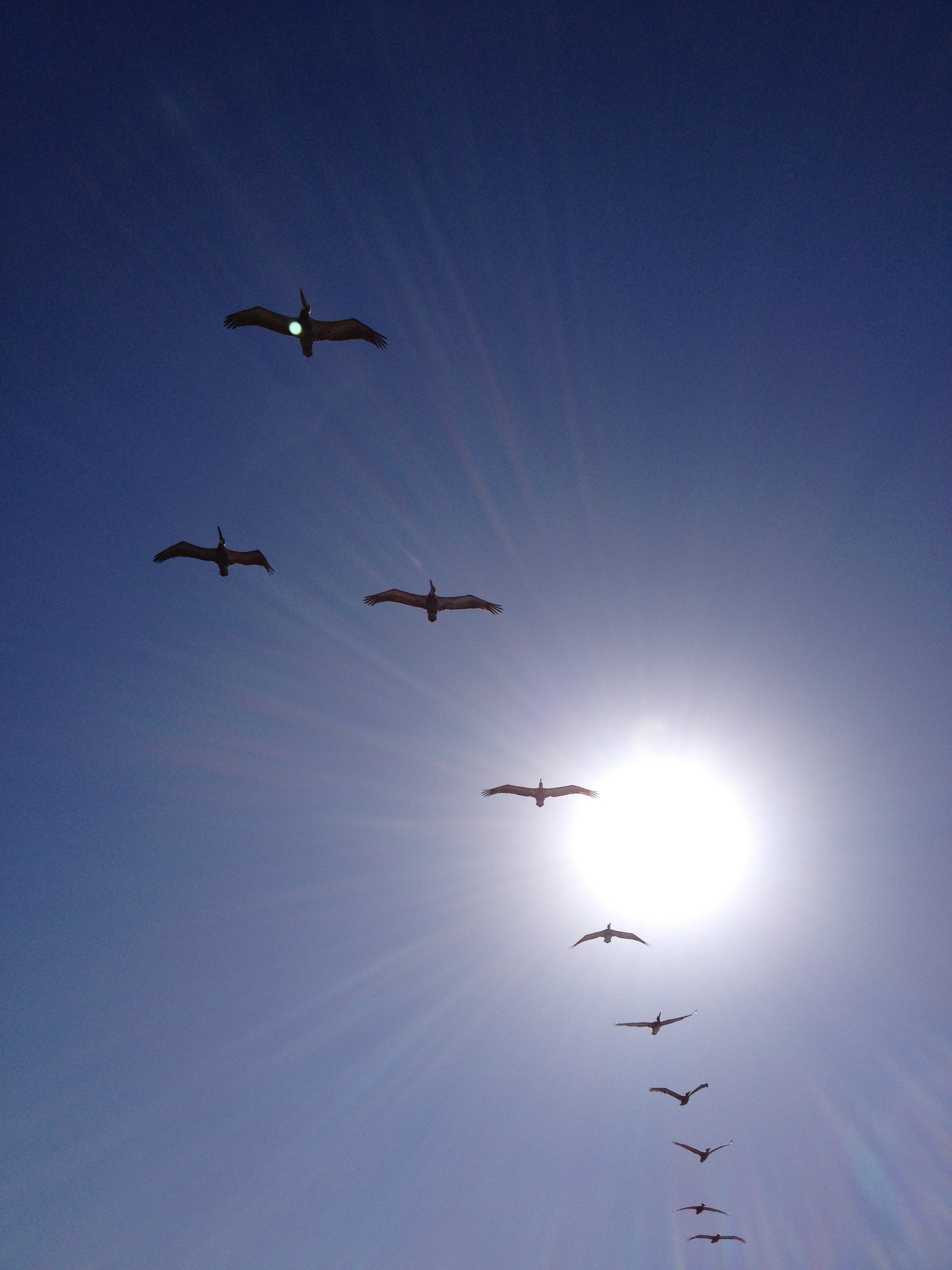
It’s not that I want to prove this author wrong—I can’t even remember who s/he was.  No, this experiment is driven by pure, naked, curiosity.  I’m pretty sure that the author wasn’t writing in a literalist tone (that’s more of a problem with my wiring).  The point that was being made is that people pay special attention to birds since they are so prevalent in our world.  They’ve adapted from conditions of arctic to desert and they can get around many obstacles that might prove troublesome to our class, even bats.  I know that I rarely see amphibians, reptiles, or fish.  Certainly not on a daily basis.  So birds do seem to be top of the class, and, so far, I have seen at least one every day since reading this from a fellow mammal.
Learning Curve

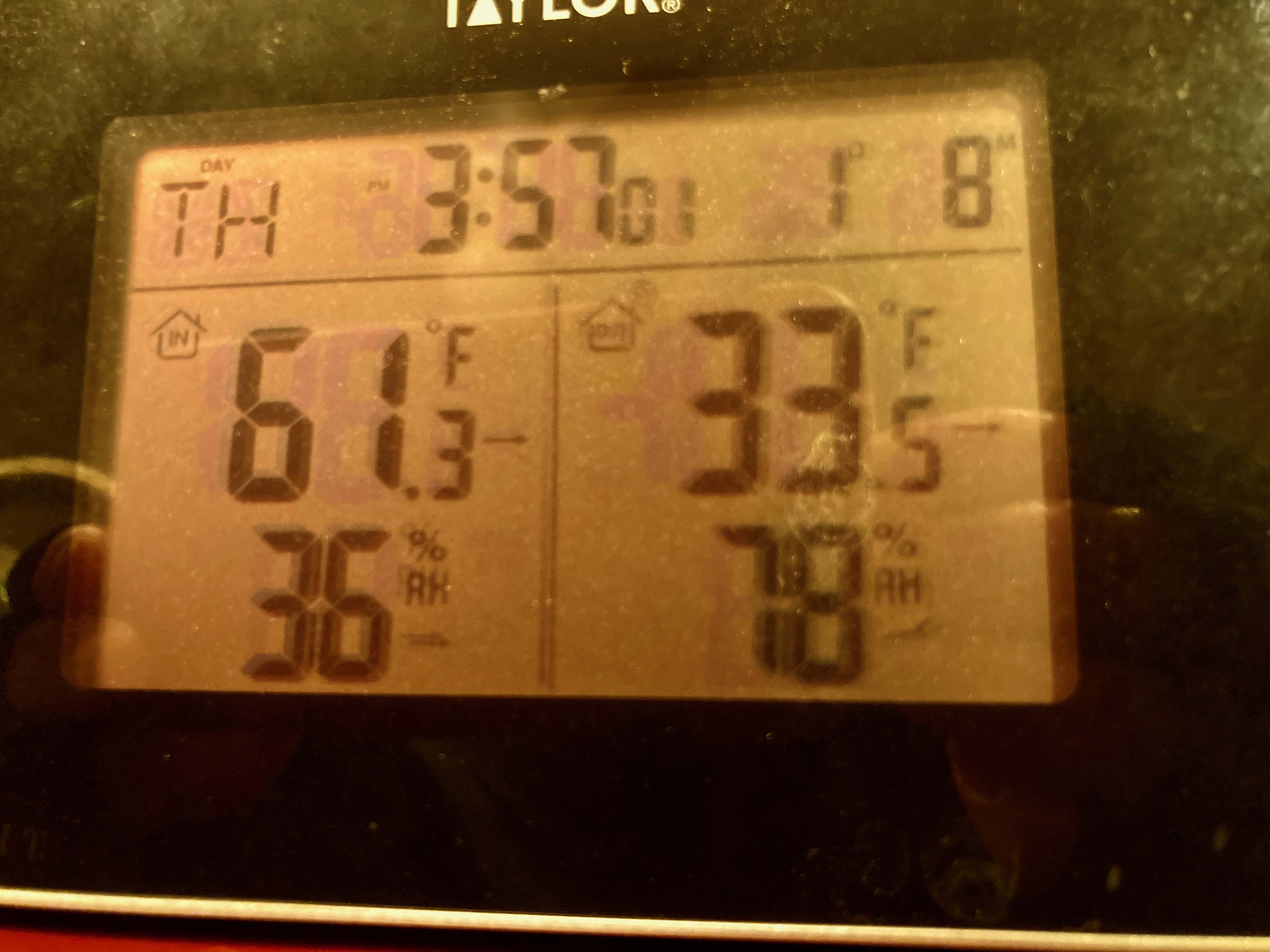
There’s a learning curve to cold weather living.  Now, I need to define cold weather as when you have to turn on the heat.  Around these parts that generally happens mid-October.  We keep our house chilly not because we unduly enjoy shivering, but for two good reasons: it costs a lot to heat a house and it doesn’t benefit the environment to do so with too much zeal.  The cost aspect goes without saying.  It costs more to live in the colder seasons.  At night our thermostat is set to 62.  That’s fine as long as you’re in bed under tons of blankets, but I’m a habitually early riser.  Most of my writing is done before work, when the house is at its chilliest.  I bundle up with several layers of pajamas, a stocking cap, and fingerless gloves.  The part that requires relearning each year is the exercise bit.

Before going out for a pre-work jog, I do some light calisthenics.  I can’t really do these in my pajamas, though, because they can raise a sweat, even in winter.  Besides, I have to go jogging later, so I need to get my exercise clothes on.  Every year I have to remind myself, when do I make the switch?  I don’t enjoy stripping off my warm clothes to put on some chilly ones so I tend to put it off until the exercise mat starts to call loudly.  As the sun rises later and later, as the solstice approaches, jogging gets later and later (with a slight reprieve when we pointlessly end Daylight Saving Time).  There comes a point when I have to start work before my jog.  I can never remember when that happens—November?  December?  It will mean altering my routine, particularly if I have any early meetings.

I used to wonder why, in older films, especially those set in Europe, people were shown sitting around their houses in woolen suits and vests, full-length dresses with shawls.  As a homeowner with a low thermostat, I had an epiphany.  They did it to keep warm.  Europeans often describe American houses as “overheated.”  I haven’t had any European guests lately, but I doubt they’d say that about our place.  Our daytime temperature is 64.  Outdoors, that’s getting to be jacket weather.  My European colleagues don’t mind wearing puffy vests and jackets on Zoom meetings.  Heating a house in Europe is much more expensive than it is in the colonies.  In the dead of winter it’s not unusual for me to be wearing five or six under-layers during the day, and fingerless gloves at work.  The thing is, I need to relearn this each year.  Winter’s on its way, so I’ll do my best to be a good student with my chilly lesson.


Hello September

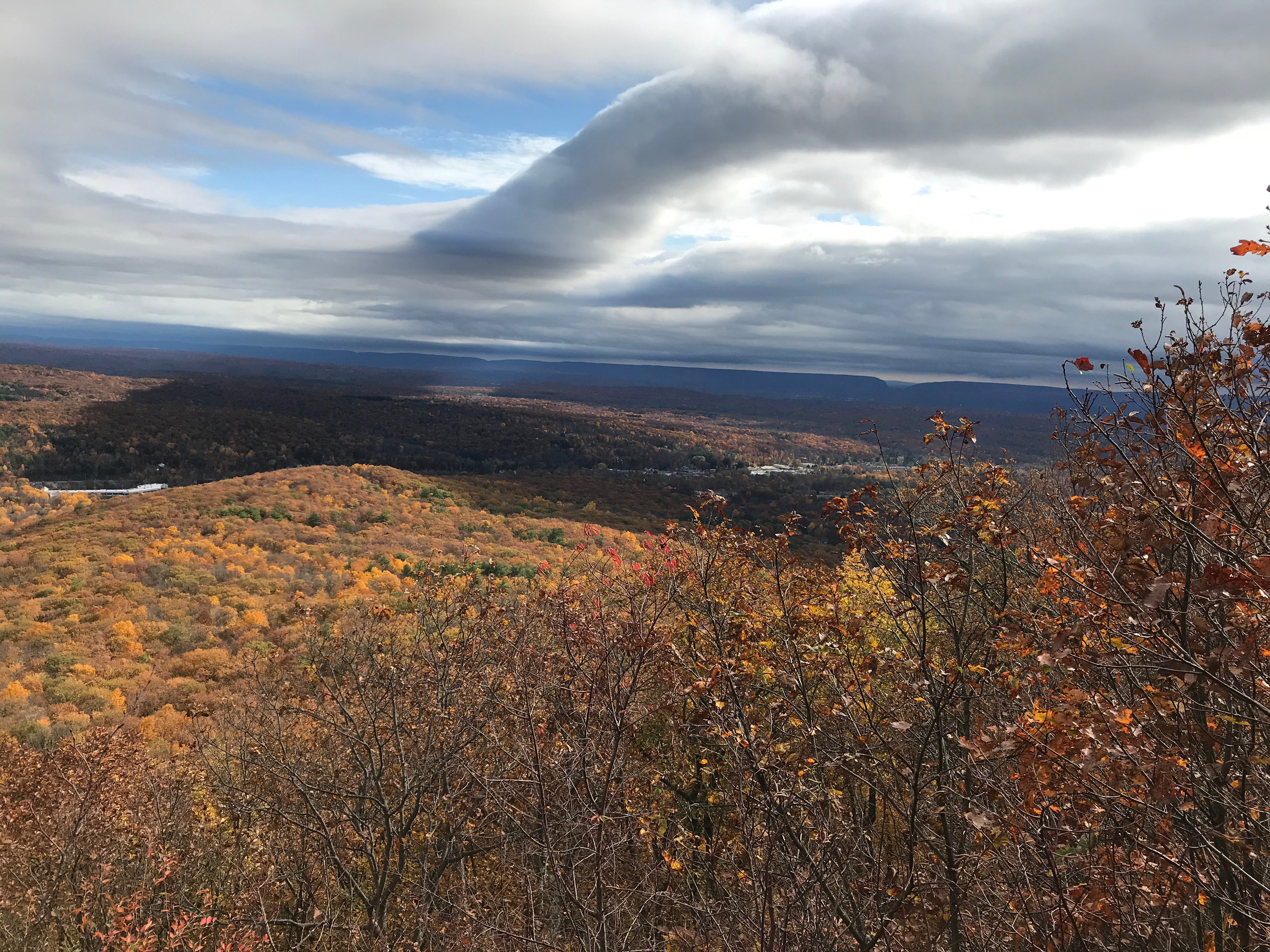
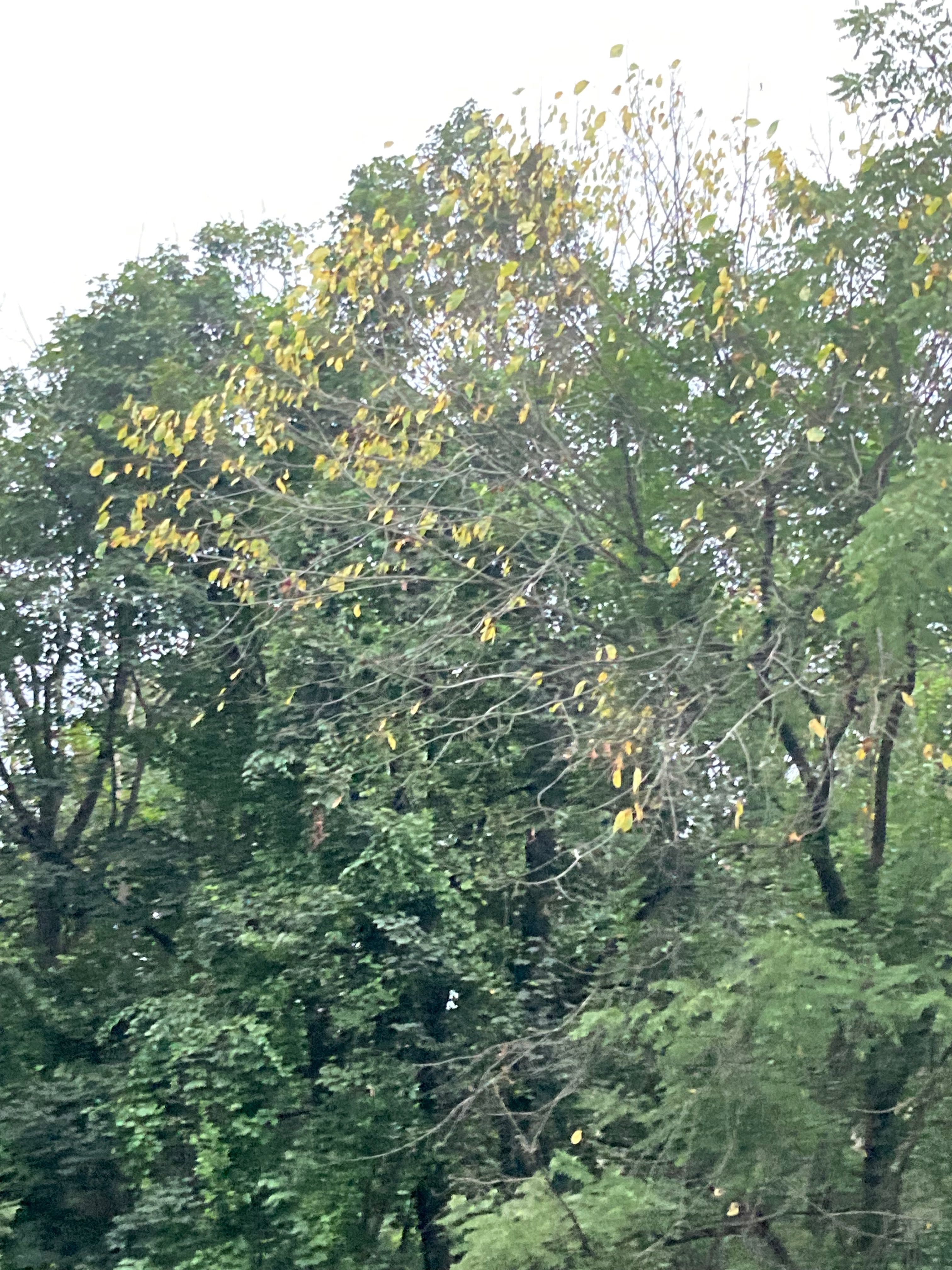
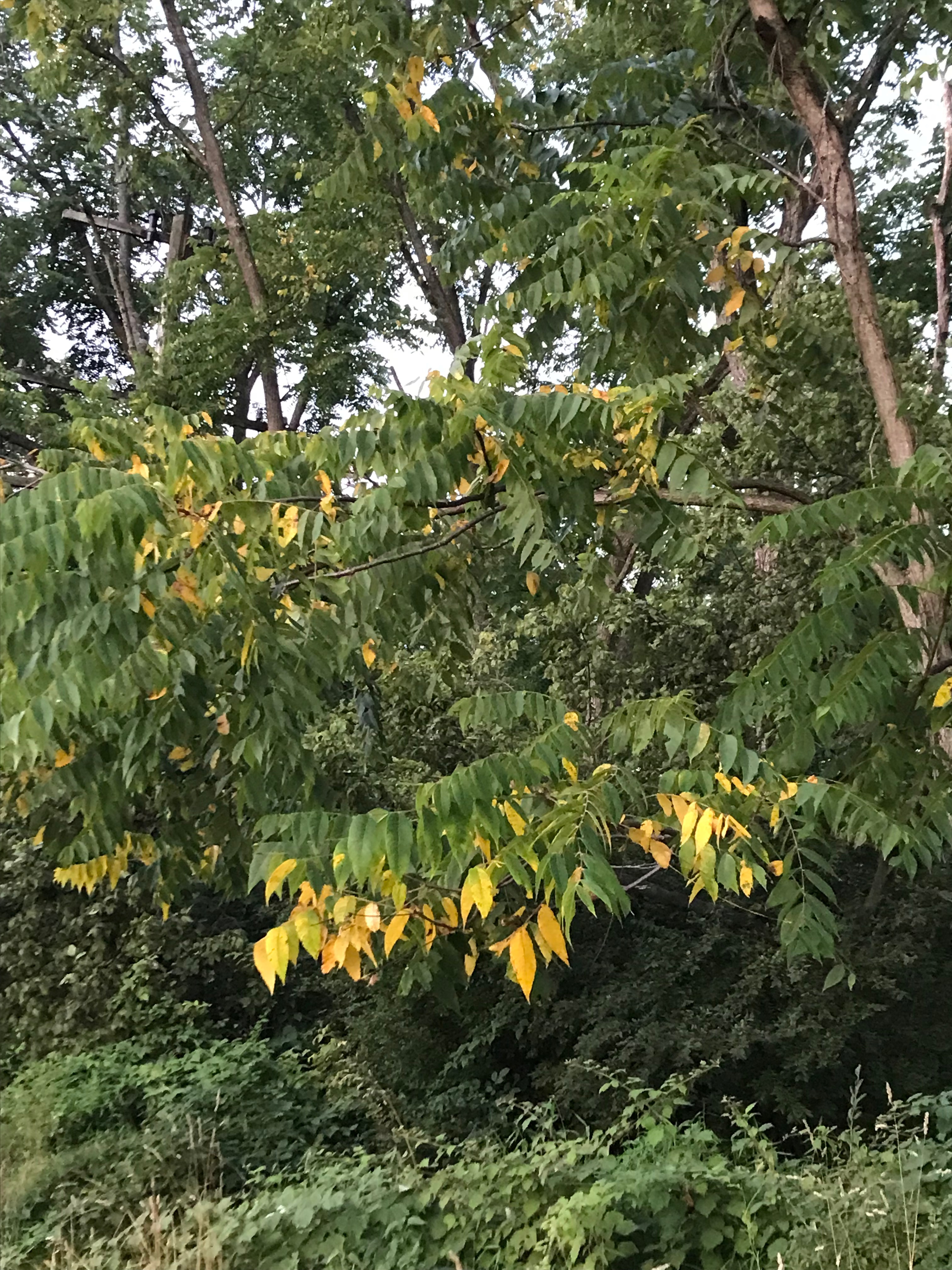
Labor Day is as early as it can possibly be this year and as late as it can possibly be next year.  We live in a time of extremes. In any case, it’s our hello to September and our goodbye to summer.  Since I still think of weather quite a bit, I’m reflecting on how most of the month of August around here has felt like autumn.  A month that I normally think of as consisting of hot dog days as summer reinforces its grip has been one of chilly mornings requiring long-sleeved jogging togs, and even fingerless gloves indoors for a morning or two.  July was hot and rainy.  The kind of hot that saps your strength and energy.  August felt like relief after that, but now we greet September, wondering what might lie ahead.  Many of the trees around here have already started to change, which looked a little odd when it was only August.

A couple weeks ago

Autumn has always been my favorite season, as it is for many people.  It is poignant, however.  Summer has its endless lawn mowing, but trades that off with not requiring a jacket to be outdoors and plenty of sunshine.  More than that, even traditional capitalistic businesses tend to slow down a bit in the summer, if for no other reason, because many employees take vacation time and everything has to put on the brakes a little.  Because we work at breakneck pace for the remainder of the year, this more relaxed season is a welcome respite.  We know, as nights grow cooler and longer, that it is time to put that away for another year.  It’s a season of transitions which is what makes it so melancholy.  Work starts to feel more serious after Labor Day, but the holidays are at least within grasp.  Halloween is really the next on the list.

I sometimes wonder if I’ll ever be able to retire, and if I do, if these day off holidays will be so important to me.  I’ve been interested in studying holidays pretty much all of my professional life.  Never really a fan of the capitalistic ethos, after being thrown into that world I quickly learned to look at holidays as stepping stones to get me through the year.  The first four months are rough.  They do have holidays sprinkled here and there, but March and April and most of May are holiday free zones.  That’s one reason the more relaxed fit summer is welcome.  The pace picks up again tomorrow, but for today, at least, we have one last ounce of summer to live.


Liminal Time

Considering the number of people who declare autumn their favorite season, the equinox receives pretty slim press.  This year it falls on the 22nd and, as always, it is one of the four quarter days of the pre-Christian European calendar.  Even among pagans it seems not to have had the same level of celebration as the other solstices and equinox.  I sometimes wonder if that’s because things are generally good already in September.  The intense heat of summer is over but the chill of October hasn’t yet arrived.  We stop using the air conditioning and don’t have to turn on the furnace.  It’s the Goldilocks month.  It’s part summer when living is easy, and part fall when the world is beautiful.  Like its fellow quarter days it is truly a liminal time.  

Liminal periods are always good for reflection.  No matter how much I want to savor this time of year, I have a feeling that it always catches me off guard.  There are changes afoot.  Starting Monday it will be dark more than it is light, and that will hold true until the sister equinox visits us in March.  These longer nights have traditionally made room for ghosts and goblins.  If we haven’t begun to store up supplies for winter, now is the time to start.  It’s the season when we all believe in magic, if just a little bit.  I’m one of those people who finds melancholy somewhat lovely.  It’s not depression (believe me, I know!), but a kind of happy sadness that the season itself is ephemeral.  Pretty soon people will be watching scary movies, but not quite yet.

Harvest is a joyful, spooky time.  Those trees that have been green since April now put on their colorful winter coats but soon will spend the colder months bravely naked.  Snow may come.  Fall is a prophetic season, warning us of what might come.  Monsters may be set free from their chains.  And yet there will be cozy indoor holidays when we can hunker down and recollect the year that has just been spent.  There’s a wisdom to seeing the quarter days as the spokes on the wheel of the year.  Like many wheels already rolling it’s futile to attempt to stop them.  They’re moving us to the next place that we’re meant to be.  It’s true that the autumnal equinox falls on a weekend this year, but it does seem to me a natural holiday.  And a time, like all holidays, for reflection.


August Thoughts

The other day I saw a headline on a BookRiot email blast: “August is Spooky Season Jr.”  I’ve often wondered why more horror fans haven’t emphasized this.  It’s not just that stores start putting out their Halloween merch, and it’s not that Summerween has taken hold.  No, it’s a feeling in the air.  When I was younger, August always seemed like the hottest month, the dog days of summer.  For many years now, however, I’ve begun to feel autumn’s approach in this month.  Some of the earliest trees begin to change (some start even in late July).  And if I take the time to smell the air when I step outside on an August morning, the first hints of harvest greet me.  The produce at the farmers’ markets should be a regular alert to that.  And my mind turns to the half of the year with which I most resonate.

It’s as if nature wears a mask, lulling us to suppose the weather will always be warm enough to sustain us, dropping rain in appropriate amounts at the correct time.  Yet we know that we have attacked our planet and it knows so too.  The true nature of all of this is change.  And change is scary.  A deep-seated fear accompanies autumn.  Did we store enough away for winter?  Is the house winterized?  What if the furnace breaks down?  What if the cold truly becomes too intense to stand?  I spend most of the year wearing multiple layers and fingerless gloves indoors.  Cloudy days make my office so chilly I can barely stand the lower thermostat setting until the end of the work day.  What if snow prevents me from getting to the store?  What if there truly is something scary in the dark?  All of this begins in August.

I watch horror movies year round.  I like to read creepy tales.  I even try my hand at writing a few.  Even so, I’m glad to learn that I’m not the only one whose thoughts turn toward Samhain even as Lughnasadh dawns.  A cool day in August is enough to start the chain-reaction going.  Some of us feel the respiration of fall even now.  Hear its slow heartbeat.  See its rictus grin.   Harvest tells us something about our own souls.  Our sins catch up with us as the nights grow longer.  The sun sets nearly an hour earlier than it did in late June, have you noticed?  And it rises nearly an hour later, I’ve noted.  Let spooky season jr. begin!


Springing

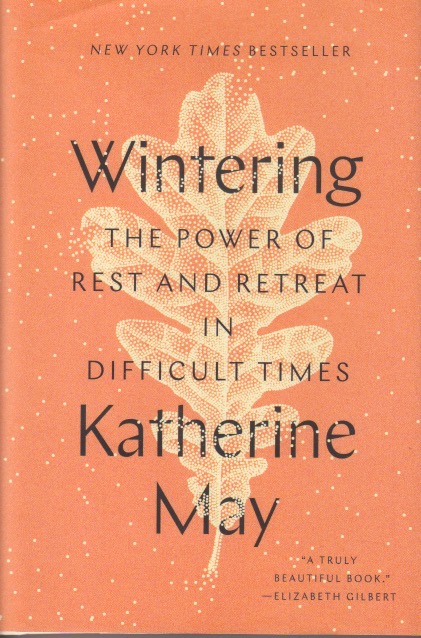
Life, for everyone, has difficult times.  Katherine May has a reassuring, but not always cheerful way about her.  She calls troubled times Wintering.  The subtitle of her book explains that it’s about The Power of Rest and Retreat in Difficult Times.  My wife and I read this one together.  It reminded me, in some ways, of Barbara Brown Taylor’s Learning to Walk in the Dark.  In a society vapidly preoccupied with an often shallow happiness, admitting, even pondering the things that are difficult is an act of courage.  May has a disarming way of writing, a humility and self-deprecation that are an antidote to the brazen self-assurance we too often see in the media.  She looks for lessons in her own experiences of pain and loss, and yes, surviving through winter. 

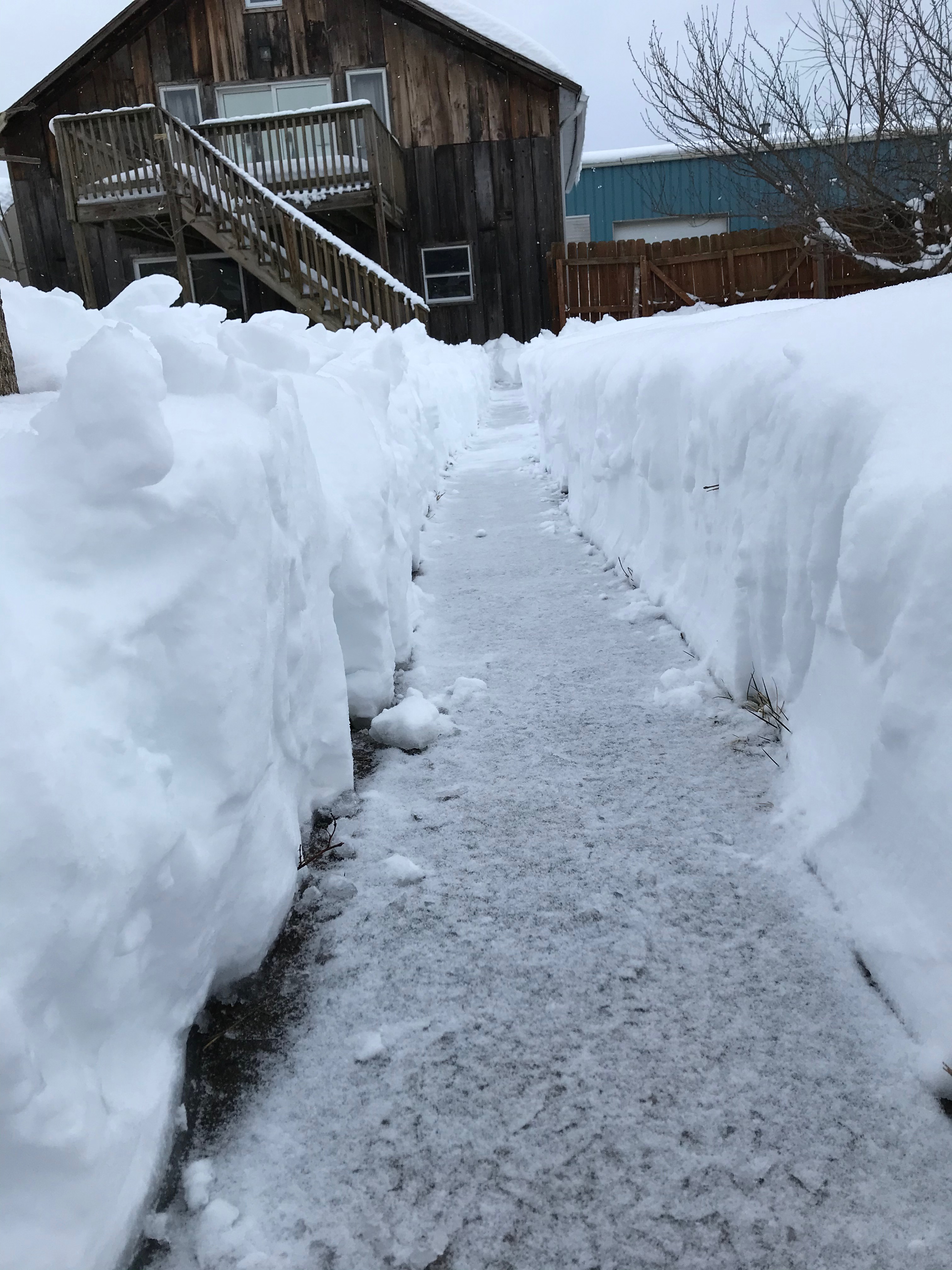
Winter is often a quiet time of reflection.  In our bright, loud, beeping, buzzing world we don’t take much time for such things.  Indeed, capitalism (which is generally not deep, although deeply engrained) doesn’t encourage it.  “The more you can work,” it whispers in your ear, even while sleeping, “the better you’ll feel.”  Winter slows things down.  Makes life a bit harder.  Think of all those days when you just don’t feel like going outside in the cold, snow, and sleet.  When the chill drives you next to the radiator, covered in lap blankets.  When it’s dark most of the time.  Such are good times to think.  As May shows, when you turn a difficult situation around and look at it from different angles, truths about yourself, about life, begin to emerge.  What is it we’re after that keeps us running all the time, dangerously overheating?  We need winter.

The anecdotes here are deeply personal.  This is particularly difficult for a writer because many of us face rejection frequently.  When you’ve poured yourself into a book, blithe casting aside by agents and publishers hurts.  I admire the bravery and the wisdom of writers like May.  She shows that wintering is possible, and that it is followed by spring.  Lives, she notes, are cyclical.  We can find quite a lot of meaning in that.  I often find myself fearing winter.  The heating bills.  The wearing of many layers of clothes for months at a time.  The dark and cloudy days.  Yet a good part of me welcomes the retreat.  I know that, in the cycle of the year with few days off from work, that if I can make it to Halloween, some rest—some wintering—awaits.  And that is a hopeful thought indeed.


Running out of Time

How can you let a solstice slip past without noticing it?  Admittedly, it’s sometimes easy to do in summer, but for the winter solstice it’s more serious.  Ironically for me, the issue is that I’m still a jogger.  When you start your work day early, and you try to jog before work, the shortness of the day works against you.  Even if you prefer the after-work jog, December and January give you that perpetual feeling that you’re running out of time.  Each year around about now I look at charts.  Some organizations helpfully publish sunrise and sunset charts free on the internet.  I trace them to see when there will be enough light to jog in the morning.  Because of the offset between latest sunrise and earliest sunset, the evenings have been getting microscopically longer for a couple weeks now.  Sunrises, however, are still coming later.  They’ll continue to do so until about mid-January.

For those of us who parse out our days into minutes, trying to feed the beast that requires our utter devotion, finding time to jog can be difficult.  It’s dark after work, and besides, I’m exhausted and hungry by then and need to start on supper.  Morning’s an easier thing to control.  With pagan fervor I await the lengthening days.  Particularly the early mornings, which I crave to be earlier again.  So we light a Yule log and pray for the best.  Not that it ever changes sunrise times.  Around here there’ve been a couple of epic December rainstorms and cloudy days push available light back even further.  With the sun technically risen, it can still be dark.  There’s a metaphor here, dear reader.

Winters are for reflection.  Unless we’re busy cramming each day full of seasonal festivities, we spend a lot of time indoors with our thoughts.  That’s one of the reasons I jog.  It clears my head.  It’s the reboot that comes after the reboot of a night’s rest.  I’ve generally been awake for hours before sunrise.  These little thoughts I share with you daily are courtesy of those quiet moments in the dark.  A winter is wasted if we don’t use it for reflection.  Employers should be more generous with their December holidays.  It’s in sync with nature, which is more in keeping with being human than “business,” or “busyness” is.  Today is the winter solstice.  Around sunset we will light some candles of hope.  And we know that even if we can’t really tell, tomorrow will have a bit more light than today.


Tuning Up

Climate change is marked by its erratic behavior.  I can relate.  Nevertheless, one of my favorite things in the whole wide world is the slow transition of summer to winter.  Autumn includes that honeymoon time between air conditioning and furnace when you have perhaps a month of reasonable utility bills.  After that hot summer we had around here, this weekend showed why we call it “fall.”  I awoke yesterday morning only to feel the indoor temperature slipping into winter range.  (Seriously.  The furnace isn’t on yet.)  It was 41 degrees outside, a full five degrees lower than projected.  There’s a subtle insidiousness to morning chills.  I tend to wake around three or four, but that’s not the coldest part of the night.  No, that comes just before sunrise.  Morning connoisseurs know that.  It’s always coldest before the dawn.

Weather forecasting is a dicey business, not for the faint of heart.  When it’s getting uncomfortably chilly, a degree or two can make a difference.  You see, I get out of bed, throw on some lounging clothes, and go into another room where I won’t disturb anybody.  That means if I underestimate how cold the house will be, I’ll spend some time shivering until those who awake on normal schedules get up.  That, or I have to wear a jacket indoors.  I’m not above that, of course, but it’s only September.  Honeymoon time.  Global warming doesn’t mean it’s going to be hot all the time.  So all of this has me thinking about winter already.  It’s only September and I’m already wearing fingerless gloves.

I’m extremely sensitive to cold.  I attribute it to a case of mild frostbite I had as a teen.  The cold didn’t bother me so much before then.  My brother and I, dutifully awaiting the school bus, stood for the required half hour or so at the bus stop.  It was bitterly cold and there was no bus shelter.  When we were finally allowed to head home the pain was incredible.  My extremities are still chilled at the slightest suggestion.  On all but the hottest days my feet can count on being cold.  The  morning skies were a beautiful blue yesterday, suggesting that the predicted cloudiness of the previous night had not performed, allowing full radiational cooling.  Yes, global warming is real and all of us alive today will be dealing with it for the remainder of our time here on earth.  That doesn’t mean it’ll always be hot outside.  It does mean the honeymoon may be over. 


Is It That Time Already?

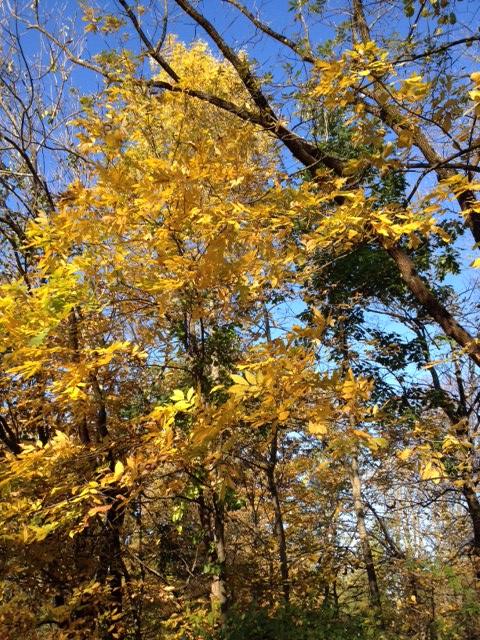
Maybe it’s just me, but August seems to be the new October.  If any of you are experiencing the heat wave that’s (oddly enough) like global warming, my apologies.  Around here—and local is what we all are—nights are cool enough to require blankets after our very hot July.  In fact, I need long sleeves and long pants in the mornings, it’s so chilly.  By mid-afternoon I’m starting to roast, but the grass is brown and that October feeling is in the air.  Or maybe it’s just that I’m awake at odd hours and the perspective from this time of day is somehow prescient.  Who knows?  As I try to sneak a jog in before work I see the walnuts have already gone yellow.  And I wonder.

We idealize the weather of our youth.  That sense of oughtness sets in early.  This is the way the weather should go.  We’ve been pouring greenhouse gasses into the atmosphere, however, for all of my life and before.  The warning signs have been around for decades but somehow liars with false hair convince us that any progress ought to be reversed.  I wonder if he’s been outside lately.  The planet is constantly changing based on the larger picture.  It has been doing this for eons, well before our species evolved.  Thinking it was created for us distorts our thinking.  The real question is whether we’ll be able to adapt.  I can’t say the prognosis is rosy, given how we’re constantly trying to kill those who live just across that mountain range, or that wide river.  We can’t seem to coexist.

I like October.  Still, I can’t help but think of all the things we didn’t get done this summer because it was too hot to be working outside.  Or we couldn’t get contractors to return our calls.  Seasons change as the atmosphere tries to adjust to all the chemicals we cough out.  October and its monsters seem to arrive earlier each year.  I’ve been feeling it for weeks already.  Seasons are really negotiations.  Around here, in this temperate zone, we spend most of the year with the furnace on, taking the edge off cold mornings and trying to keep this drafty house habitable for about six months of the year.  Everything’s constantly in flux and we simply try to adjust.  Not even the sun will last forever.  But for now I see the signs of harvest season beginning, and I feel the change in the air.  And I can sense October just around the corner. So goes August.


Dark v Light

The summer solstice was days away and the earliest sunrise had already passed.  The earliest sunrise and the latest sunset are not on the same day.  To those of us who rise before the sun, it does make a difference.  I’m a morning jogger (when my back allows it).  I prefer to go out before work because otherwise you have to interrupt your day to put on your scuzzies and then come back all sweaty, hoping you didn’t forget about a meeting just after.  The thing is, I start work early and my preferred jogging time is around 5 a.m.  Back in May it’s easy to believe that this timetable is workable.  Then in August, almost like it’s pinned to the first of the month, you realize that it will be much closer to six than five before it’s light enough to see.  So the seasons go.

Even in the midst of a heat wave, you can smell autumn coming.  Yes, I know there will be hot days and uncomfortable nights yet.  But just as surely as Back to School merchandise begins to appear in July (school had been out maybe two weeks by then), fall inexorably follows summer.  Around here it’s been drier than normal.  Stressed trees began shedding leaves in July as if to say, “Alright, we’ll give this a try again next year.”  They are much more obvious about seasonal changes than the rest of us, but we’re all impacted by the always shifting patterns of light and warming, or cooling, mercury.  Seasons remind us of what it means to be mortal beings.  Melancholy isn’t always a bad thing.

Being a morning person, at least in my case, means spending quite a bit of my creative time in the dark.  In fact, back in June it’s like it gets light too soon for me to go jogging right away—I still have things to do first.  I also know it will still be some time before it’s dark when I go to bed.  I have no trouble sleeping in the light.  Our schedules are part of our perceptions of time and light.  We all agree, more of less, that from nine to five we’ll be at our desks, whiling away the most productive hours of sunlight.  I remember commuting to work in the dark only to commute home also in the dark.  Using that time for creativity is important, but so is trying to keep healthy.  Like the great dramatic acts of the solstices and equinoxes, it’s all a matter of balance.


Easter Weather

The weather doesn’t always cooperate for holidays.  Easter is, at heart, a celebration of spring—life after death.  Around here this holiday has been accompanied by fits and starts in warmer weather and instead of warmer it’s actually colder again.  Just a week ago there was snow in the air.  Life’s that way; you don’t always know what to expect.  I guess I’m still in hibernation mode.  No matter the season, there never seems to be enough time to sleep.  As a youth I always attended sunrise services on Easter.  These days I regularly rise before the sun, so as long as I’m capable it’s like every day is Easter.  But with work.  Even on what many recognize as Easter—which overlaps with Passover this year—the Orthodox feel we have it too early, what with the Julian calendar still being in effect.  It’s all a matter of how we look at time.

As much as I hate mowing, I admire the exuberance of grass.  It’s ready to welcome the longer days by stretching toward the sun.  Drinking in the plenteous rain.  The dandelions have already begun to spread, opening their yellow eyes to all and sundry passing insects.  Easter is a time to reflect on life returning after winter.  And I can’t help but think of those in the southern hemisphere for which Easter falls in the autumn.  The theology fails to match the seasons as life springs up just as winter is about to set in.  The Christian viewpoint is a northern one, keyed to our seasons.  The weather doesn’t always observe the prevailing theology.

Around here Good Friday was a fine, sunny day.  Like most of the fine, sunny days it was a work day.  Now it’s a chillier Easter, the Saturday between being a mix with some rain.  When I was young—eagerly awaking for sunrise services, which I often had a hand in designing—I marveled at how the weather often seemed to cooperate.  Now as I think back, I remember coming out of Good Friday services into the incongruous sunshine and finding many an Easter still bearing an unseasonal chill.  Weather is, of course, a local and global phenomenon.  One person’s chilly Easter is too hot for someone further away.  And for yet others the onset of autumn.  Globalism has taught us to look further, to think in terms of how others might be experiencing this world.  Easter seems an appropriate time to do just that.


A Bird’s Life

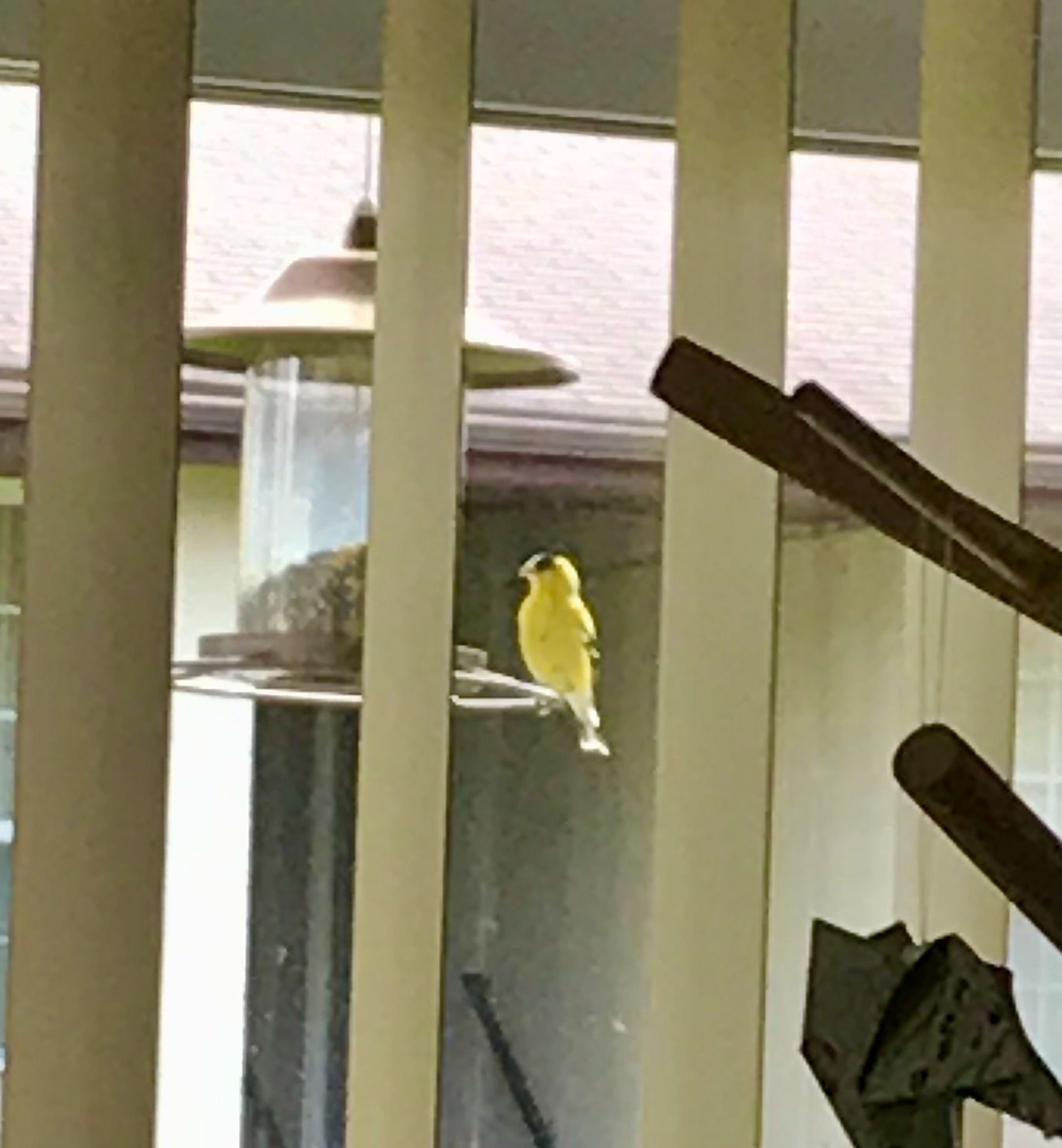
Among the early signs of spring are birds.  Cold and silent, winter mornings have their own form of beauty, but hearing the birds is cause for hope.  The bird world looks cheerful and peaceable but it is a competitive and often harsh place.  My office window looks out onto a porch roof and a stand of trees across the street.  Electric wires constitute a part of the scene as well, giving birds plenty of places to alight and negotiate their bird business.  Like humans, birds are vulnerable, particularly when they’re young.  While teaching at Nashotah House, walking home from chapel one morning after a thunderstorm, I found a baby bird, not yet fully fledged, dying on the sidewalk.  I glanced up and couldn’t see any nests.  I’m not much of climber anyway.  Not knowing what to do I scooped it up and took it home where I could put it in a box.

I didn’t have an early class that day so I called a wildlife rescue center.  Being the days before the internet took over, this was a matter of looking it up in the yellow pages.  We piled the family in the car and drove it down.  They’d told me to keep it warm and try to comfort it.  My daughter held it.  Once we got there they said they weren’t sure if it would survive.  It was weak and chilled, but they would do what they could to revive it.  For several days we all worried about that hatchling.  I thought it might’ve been a finch because of the beak, but otherwise we knew little about it.  Several weeks later the rescue center called.  Our rescue was ready to be released—did we want to do it?

They handed us a brown grocery bag that weighed next to nothing.  “Open it when you’re outside near where you found it,” they said.  Back on campus we opened the bag and our foundling flew off so fast we could barely see it.  Adult birds, confident and socialized, seem more sure of themselves.  They perch out in the open even though hawks scan the area, and even the occasional eagle.  They go about their bird business with a confidence I sometimes envy.  They don’t worry about a 925.  They know what nature’s about.  They may have survived a near-fatal childhood.  They may have pushed siblings out of the nest to have thrived.  They peck and flap at each other in their efforts to mate.  And, above all, they carry spring on their wings.


Going Green

It’s easy to get eager at this point in the year.  A month and a half after Groundhog Day, we’re at St. Patrick’s, and just a few days from the equinox itself.  Around these parts we’ve had some warm weather after last weekend’s bomb cyclone and most of the snow is now gone.  We’re ready for progress.  We’re tired of winter and huddling indoors.  The crocuses are defiantly open although the warning saying in Wisconsin went “three snows on the crocuses.”  St. Patrick’s green is the fecund green of spring.  Although nobody gets them off from work, the seasonal holidays are signs of hope.  It doesn’t matter which season into which we’re transitioning, there’s beauty ahead.  It’s the kind of change many people enjoy.

Look closely at a flower.  (If the crocuses aren’t up yet in your area they will be soon.)  Open and inviting, it offers insects what they need in return for a bit of cross-pollination.  Yesterday I saw my first wasp looking for a place to build a nest on our house, reminding me to be careful opening doors now because no transition is completely smooth.  Spring is hope in season form.  As much as we may appreciate winter with its pristine chill, spring reminds us that food is soon to be available from the bosom of the earth itself.  The songbirds, now back in force, have been eagerly anticipating it.  They are the heralds of transition, the little winged messengers of assurance.

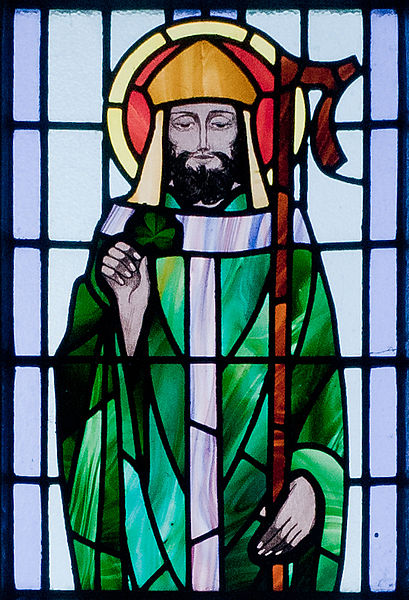
Photo credit: Andreas F. Borchert, Wikicommons

It’s time to step outside and breathe deeply.  The muddy smells of a thawing earth blend with the first fruity hints of buds beginning cautiously to open.  The transition’s not straightforward.  There will be setbacks and chills yet to come.  Nevertheless, the die is cast—St. Pat waves his clover as if to say “This is what lies ahead, as brown becomes green.” Our world tilts as it spins and brings us the delight of seasonal changes.  Saints and birds and flowers must agree on this, even should they differ on the details of what is needful.  It’s a day for celebration, even though it’s a Thursday, a work day with perhaps a respite—after hours of course—to have some fun.  Green is about to reappear.  We wear it today to encourage the timid plants, yes, we need hope.  We look around the world and know that hope is what we really all crave.  


Relinquishing Control

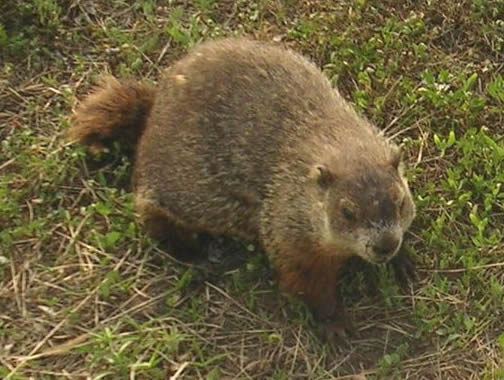
Controlling the weather is a dream as old as humanity itself.  Once when I was fervently praying for a rain-free day as a child, my mother pointed out that other people could be praying for rain.  I realized then that weather was a personalized preference and that, on some level, prayers cancel each other out.  Well, it’s Groundhog Day and we’re all wondering whether those who love winter and want more or those who are ready for spring will prevail.  For this we’ll rely on a woodchuck.  The observation of animals for signs of spring seems to have been a germanic practice, and it could also involve badgers (which I’ve never, ever seen in the wild) or bears as well as groundhogs.  The idea is that the majority are looking forward to spring when they can plant and grow food, hopefully enough to last through the next winter.  And so the cycle goes.

We hear a lot about January as a month of transitions.  It is, but so are they all.  February, both the dead of winter and start of spring, provides variety as we continue the cycle.  I’ve already seen my first robin of the year and I’ve been hearing sporadic bird song.  The mating season, after all, comes around the middle of the month.  According to some renditions of the Celtic calendar, Imbolc, which was yesterday, is the start of spring.  Celebrated with fires to encourage the light and warmth, we know that cold and snow and wind chill still lie ahead.  We are reminded, however, that this wheel is still turning.  Slowly, slowly, but ever turning.

I’m writing this post before Punxsutawney Phil even awakes.  The sky is dark and it’s cold outside.  Like Phil Connors I’m thinking about how we want things to stay the same, but when they do they quickly haunt us.  Time forever moves and all seasons are mere transitions to the next.  In this endless cycle we have to come to appreciate where we are at the moment.  There’s a stark beauty to winter.  A snowy landscape can become a transport of rapture.  We have to heat our houses, however, and pay the bills to do so.  We keep our house cool enough that some days I just don’t have the heart to venture outside at all.  Still, I wouldn’t change it.  These cycles are old friends now.  I’ll glance to the west and wonder what Phil might see, but I’ll be praying that we will never control the weather.


Mabon

Given the immense popularity of Halloween, and the attention lavished on the solstices, it’s a little odd that Mabon is so infrequently observed.  Unlike its twin, the Vernal Equinox, the Autumnal Equinox has really only recently been added to the natural calendar observed by Wicca.  The ancient Celts, from whom many Wiccan traditions are drawn, celebrated Samhain, which became our Halloween.  Their other holidays divided the year into seasons, but perhaps the Autumnal Equinox was a little too subtle to merit much attention.  Or it simply fell between their own four-fold divisions of the year.  Starting today, however night will be longer than day, a situation that will last until the Vernal Equinox.  In other words, we’ve entered the dark half of the year.

As someone who enjoys horror, I often ponder the benefits of living in the dark.  Theologically the dark is often cast as evil compared to the light.  We have taken that metaphor and made it literal.  This makes sense, I suppose, given our natural fear of the dark.  The only real predators in the night, however, are now of our own kind.  The dark can also be peaceful, a time for contemplation.  One of the things adulthood has on offer is disrupted sleep.  Many of us find ourselves awake at some point in the night.  We need to become comfortable with it.  I’m not a Wiccan, but I appreciate the naturalness with which Mabon acknowledges the fact that half the year is darker than the other half.  It’s also a harvest-themed holiday, one of the many that stretch to Thanksgiving and on to living off the stored supplies through the winter.

No doubt there is some melancholy associated with Mabon.  The lessening of the light brings a chill with it.  Summer’s ease is at an end and we will need to start layering our clothes and adding blankets back on our beds.  Already it is dark when I begin work, which means the brightest part of the balanced day and night is spent indoors at the computer.  I will need to leave the harvest, so obvious in the fast-approaching October, to others.  Mabon and Halloween aren’t company holidays, but that fact won’t stop the encroaching dark.  There’s a wisdom associated with acceptance and even melancholy can been sweet.  The leaves, while still mostly green, have begun to turn.  The bright songbirds of summer have given away to ravens and crows.  We need to learn to walk in the dark again.  Perhaps it’s time to consider what Mabon can mean.