
I hope I never become too sensible not to pay attention to coincidences. With the death of Max von Sydow falling the same week as the time change, the full moon, and Friday the thirteenth, I’m left feeling a little vulnerable. I mean, what do we do now that the Exorcist is gone? A couple days ago, when the moon was full—the last full moon before the vernal equinox—I awoke before 3:00 a.m. Thinking Daylight Saving Time would have me groping for a few extra minutes abed, instead I found myself wide awake at the hour when monsters are thought to be afoot. As I put my feet to the floor I saw the brilliant lunar light beating through the blinds like midday. It was remarkable how very light it was.
A bipartisan bill has been introduced in congress to make Daylight Saving Time permanent. Of course, getting any law passed without numerous riders and bickering is unlikely, but I do wish they’d get on with it. That having been written, the time shift has been remarkably easy on me so far this year. Perhaps those of us regularly awake in the dead of night adjust a little more quickly. Keeping out of New York with the coronavirus lurking, I’d rather deal with my own monsters anyway. I remember my amazement at seeing Max von Sydow unchanged from Fr. Merrin to Dr. Naehring. Then I looked up just how much makeup the Exorcist had to have to age himself several decades. He was a young man when The Exorcist was filmed. At this time of day anything is believable.
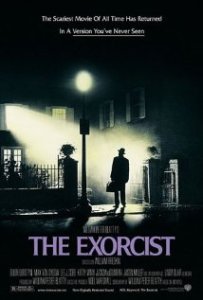
Friday the thirteenth is a bit of lore grown from Christianity. Friday was inauspicious because of Good Friday and the thirteenth lot fell on Judas, who, along with the others, made thirteen. It was as if some demon were afoot on such Fridays. These bits of Christian lore made their way into popular culture and then crept into horror films. A good deal of Nightmares with the Bible revolves around The Exorcist. So I sit here before sunrise with a bit of just-past full moon shining in, not too tired from losing an hour on Sunday. It’s not difficult to think of scary things at this time of night. Of course, demons traditionally come out around 3:00 a.m. This week has been like that. And without Max von Sydow, we want to be very cautious around demons.
 Steve A. Wiggins