
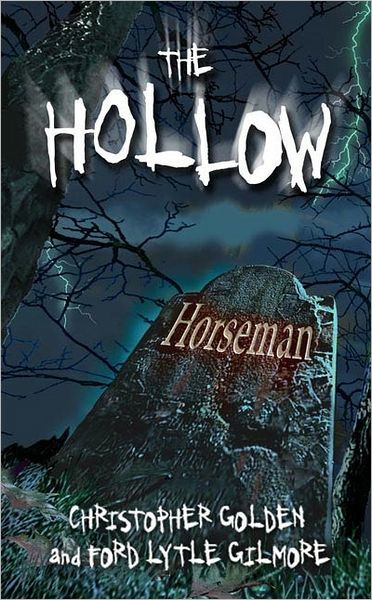
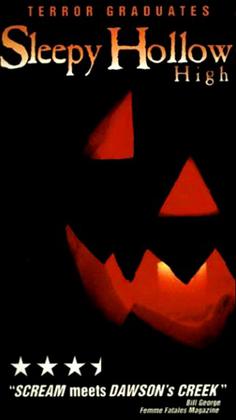
Young adult literature is sometimes fun to read as an adult. In addition to going swiftly, compared to much “adult” literary literature, it has a way of evoking what life was like when we were younger. Or at least it can. Sticking with my Sleepy Hollow kick, I read the first volume of the series “The Hollow” (later “Sleepy Hollow High”) by Christoper Golden and Ford Lytle Gilmore. This volume, Horseman, posits the return of the headless horseman to Sleepy Hollow in the modern day, triggered by the return of some of Ichabod Crane’s unknowing descendants. The story follows brother and sister team Shane and Aimee Lancaster, who’ve just moved to Sleepy Hollow from Boston. Although full of unexplained happenings, the book conjures the emotional turmoil of teenage years well.
While I normally try to read within my usual age level, the occasional foray into tween, young adult, and now, new adult lit is a fun escape. One of the mysteries of aging—and I certainly didn’t think of this myself as a young person interacting with my elders—is that you remember what it was like to be at the various stages of life you’ve passed. When you’re young you’re discovering things for the first time and there’s a revelatory aspect to them. I can’t make universal claims, but in my experience life just gets more complicated the longer you live. We yearn for the simplicity of younger times when, for example, you just paid the rent, went to work, fell in love, and did your own taxes. As an adult you find all of these things hide complexities that often hide even more complexities within themselves. Why not throw caution to the wind and spend a weekend reading a young adult novel?
I’m undecided about reading the rest of the series. This story quickly drew me in, but the other volumes are now published only in ebook format. And I suppose I should do some more serious adult reading as well. Actually, I’ve been plugging away at a novel written for adults by an author my age, but it’s long and, well, involved. Kinda like life itself, I suppose. One of the things I’ve noticed about modern engagements with “The Legend of Sleepy Hollow” is that they tend to skew towards a younger crowd. Maybe I can recapture a bit of my own youth that way. I’ve known the story since my youngest years but have only recently really began to pay attention to it as, well, I guess I have to admit, an adult.
 Steve A. Wiggins