Protected?

I like Macs.  Really, I do.  Ever since I realized that “Windows” was a cut-rate way to imitate Macintosh’s integral operating system, I’ve never been able to look back.  (I don’t have a tech background so I may be wrong in the details.)  Every time I use a work laptop—inevitably PCs—I realize just how unintuitive they are.  Something about Apple engineers is that they understand the way ordinary people think.  I sometimes use software, not designed for a Mac, where I swear the engineers have no basic comprehension of English words at all.  And nobody ever bothers to correct them.  In any case, I find Macs intuitive and I’ve been using them for going on 40 years now.  But the intuitive element isn’t as strong as it used to be.  As we’re all expected to become more tech savvy, some of the ease of use has eroded.

For example, when I have to create a password for a website—not quite daily, but a frequent activity—Mac helpfully offers to create a strong password that I will never have to remember.  Now before you point out to me that software exists that will keep all your passwords together, please be advised that I know about such things.  The initial data entry to get set up requires more time off than I typically get in a year, so that’ll need to wait for retirement.  But I was talking about intuitive programming.  Often, when I think I won’t be visiting a website often, I’ll opt for the strong password.  Maybe I’ve got something pressing that I’m trying to accomplish and I can’t think of my three-thousandth unique password.  I let Mac drive.  That’s fine and good until there’s an OS update.  This too happens not quite daily, but it does sometimes occur more than once a week.

After restarting I go back to a website and the autofill blinks at me innocently as if it doesn’t recognize my username.  It doesn’t remember the strong password, and I certainly don’t.  So I need to come up with yet another new one.  At work I’m told you should change all your passwords every few months.  To me that seems like a full-time job.  For grey matter as time-honored as mine, it’s not an easy task.  I’m not about to ditch Macs because of this, but why offer me a strong password that only lasts until the next system update?  Truth be told, I’m a little afraid to post this because if by some miraculous chance a software engineer reads it and decides to act, a new systems update will be required again tonight.
In Praise of Paper

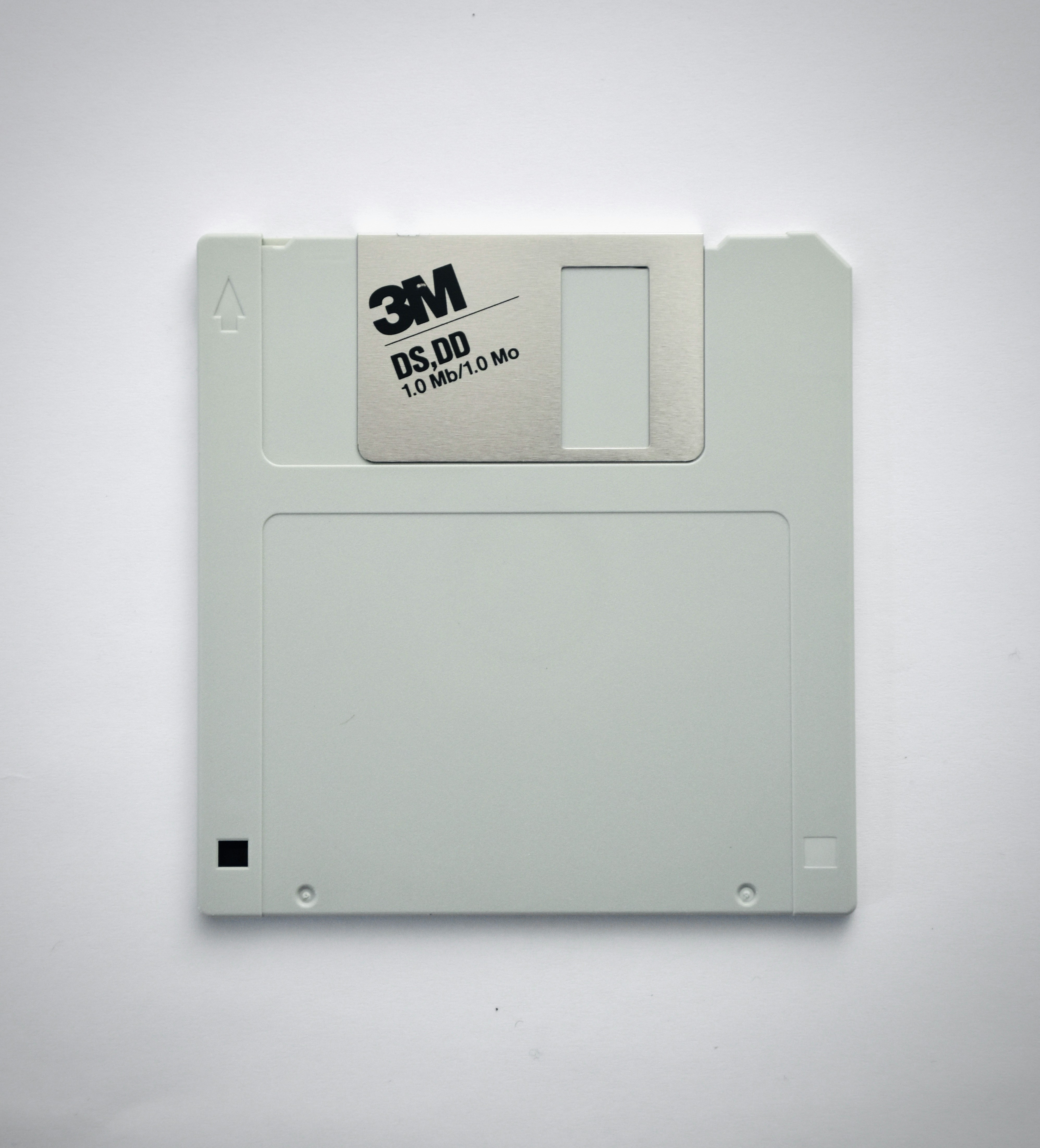
I write quite a lot.  I’ve done so for decades.  As I’ve tried to carve out a writer’s life for myself I noticed a few things.  I’ll start a story or novel and put it aside.  Sometimes for a decade or more, then come back to it.  I recently found what looks to be a promising novel that I began writing, by hand, back in the last century.  As electronics forced themselves more and more into my life, I began writing it on my computer.  I must’ve picked this story up a few years back because I clearly began revising it, but I ran into a problem.  The program in which I’d written it—Microsoft Word—was no longer supported by Apple products.  I eventually found a workaround and was able to extract a Rich Text Format from files that my computer told me were illegible.  If you want illegible, I felt like telling it, go back to the original hand-written chapters!

I dusted this off (virtually) belatedly, and started working again.  Then I reached chapter four.  That’s where I’d stopped my most recent revision.  Then I discovered why.  Near the end of the chapter were two paragraphs full of question marks with an occasional word scattered in.  A part of the Word file that the RTF couldn’t read.  Frustrated and heartbroken—there’s no way I can remember what this said some thirty years after it was initially written—I simply stopped.  This time I went to the attic and found the hand-written manuscript.  I went to the offending chapter only to find that the corrupted passage was missing.  It was what we used to call a “keyboard composition” and it was eaten by the equivalent of electronic moths.

Photo by Everyday basics on Unsplash

Now, I’m no techie, but I just don’t understand why a word processing file can no longer be read by the program in which it was written.  Publishers urge us to ebooks but how many times in my life have I seen a new system for preserving electronic files fold, with the loss of all the data?  It’s not just a few.  And they’re asking us to make literature disposable.  If I have a book on my shelf and I need to look up a passage, I can do so.  Even if I bought the book half a century ago and even if the book had been printed a century before that.  I’m aware of the irony that this blog is electronic—I used to print out all of the posts—and I have the feeling that my work is being sacrificed to that void we call electronic publication.  That’s why I keep the handwritten manuscripts in my attic.


Upgrade Downgrade

I don’t have to have the latest toys. In fact, I am happy to stay with what I have as long as it works. I’ve been a frugal lad all my life. The increasing demands of technology worry me. Nobody has to tell me that I keep odd hours. Waking up between 3:00 and 3:30 is hardly normal. Since I post on this blog before I go to work, I get up and turn on the computer, ready to write. As I learned three laptops ago, if you don’t keep your updates updated, you soon find yourself unable to do anything on the web. With my last laptop, whenever an update notice came, I immediately acquiesced. “What humble work I have to do, sir, pales in comparison to your mighty plans.” Now updates begin automatically. Most often I have no say in the matter. In fact, the first thing I saw when I started up my most recent computer was a message saying that a software update was ready to install. So what does all this have to do with my insomniac habits?

2015-11-07 18.47.57

Computer companies assume nobody is getting up and working at 3 a.m. While we’re sleeping our computers are making their electronic deals and sending out their electronic handshakes. We mortals need our slumber. I don’t even know what half this software on my computer does. I know that if it’s out of date, problems are sure to arise. So when I awake to find my computer’s too busy to accommodate me, I wonder how to post on my blog. Some updates politely run in the background, but others necessitate that I turn off the software I actually know how to use until it’s done updating. By the time it’s finished, I’ve forgotten what I was going to write. The computer now determines what might be expressed. When something goes wrong, we’re forced to learn its language. We’re in its country now. Technology is its national language, by law.

Once I was told that travel faster than the speed of light was impossible because of navigation. If you can’t see what’s in front of you because you’re traveling as fast as anything can, how do you know you won’t run into a planet, comet, or software update? You have no means of getting feedback in time to react. It strikes me that we’re already traveling well beyond the speed of light. I grew up writing without a typewriter. I wrote stories and articles on paper with lines, using a pen or pencil. Now I rely on my devices to store my ideas, but they’ve got other plans. I have to wait until they’re done to do my work. Of course, we must conform. At 3:30, human, you should be in bed. My advice to you, dear reader, is this: don’t wake your machine at the witching hour. You might not like what you find.