
It seems like superheroes have been around forever. They are really, however, the product of comic books from the 1930s on. Adapting well to the big screen, a generation of kids is growing up that may have had their first taste of caped crusaders on the silver screen. I haven’t seen Batman V Superman, only the latest of a long string of the recent procession of such movies. Even so, the character of Superman—among the first superheroes—is less than a century old. Since the meme was conceived, however, it has mushroomed out into all kinds of outsiders offering deliverance. Superheroes are clearly about salvation. Even the anti-heroes. Otherwise they’re a hard lot to classify. Some have super powers. Others have only a lot of money and highly honed physical abilities. Or exceptional intelligence. The one thing they all offer is some kind of salvation. You might have to look for it, but it’s there.
Comic books in general, and superheroes in particular, have recently gained academic credibility. The ivory tower is often a location from which to look down on popular culture—the unwashed crowd—and seek more rarified topics of investigation. Superheroes, however, have proven resilient enough to this academic kryptonite to garner some attention. Comic books can be works of art. More than that, if a meme won’t let go, well, that itch should be telling us something. Sociologically, in a world of near constant uncertainty (who’d have guessed Trump would ever be where he is today?) superheroes seem to offer a stability that daily life lacks. Call it escapism, but what is salvation if not a form of escape? Let somebody else don the cowl and take care of the dangers we never even knew existed.
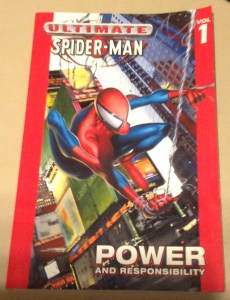
Like many kids, I grew up making my own comic books. I invented a couple of superheroes that never found any adoring audiences, but the process taught me something. Looking back at those times in my life, they were periods of extreme crisis. My own superheroes were coping mechanisms. We couldn’t afford a lot of comic books, but once I started working, during junior high school, I started buying Doc Savage novels and consuming them like popcorn. I was trying to get through difficult times. I’ve seen editorials suggesting that the era of superhero movies is dwindling. I doubt that it is. They may eventually fade from the silver screen, but they will still lurk in the graphic novels and recesses of the internet. We need our heroes. We need deliverance.
 Steve A. Wiggins