
Major news outlets have been raving over Interstellar, the new Christopher Nolan film. I’ve not seen it yet, and it hasn’t had the same kind of hype that Noah received earlier this year. It isn’t, after all, biblical. Still, the reviews for the movie borrow liberally from religious language. One of the obvious reasons is that the vastness, the incomprehensibility—I think I’m safe to say it here—the impossibility of space, almost demand such language. Ironically, it is considered unsophisticated to say similar things of religion, that fall-back for those of weak intellects who, well, believe the impossible. Whether science or religion, we are faced, when we look at interpretations of reality, with something we barely comprehend. Even by conservative measures, on the scale of the universe, we are somewhere around the level of a sub-atomic particle to an earth-sized universe. And yet, with great confidence, indeed, at times arrogance, we claim that we have it all figured out. God? Not possible. Science, less than a millennium old? We’ve got it all figured out. And we haven’t even stepped beyond our own satellite yet.
Having grown up in a rural setting, I was used to seeing stars at night. From a young age astronomy fascinated me. My high school, built during the era around Sputnik, had a working planetarium (and this was not an affluent community). I took astronomy as a junior elective and ran into my teacher at a weekend retreat for lay preachers. A man of science who looked at the universe and came away with wonder. On clear winter nights, away from the light pollution that has become my daily bread here in the orbit of New York City, I would shiver and look upward, knowing that I was reaching both the limits of what the earthbound could see, but also infinity at the same time. The vastness of space still weakens my knees. Even more than my age does naturally.
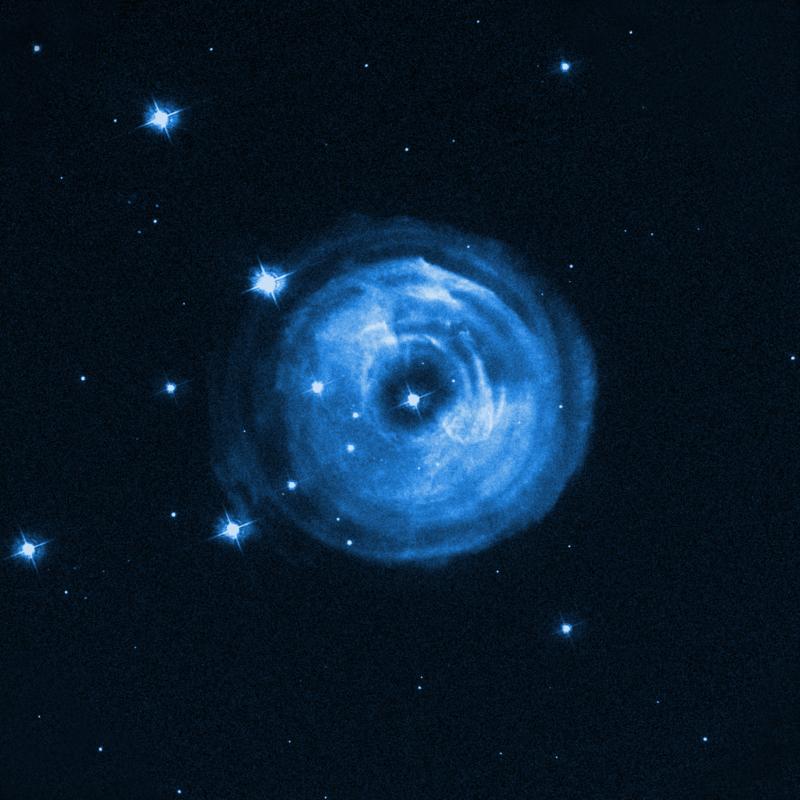
In at least one of the many interviews, Nolan admits to having been influenced by 2001: A Space Odyssey. It was the genesis of the believable space movies, giving Star Wars a jump start and we’ve been exploring deep space in our celluloid fantasies ever since. The constant in all of this is the humility of humanity. “Humility” derives from Latin humilis, literally, “on the ground.” It is no accident when the concept of divinity began to emerge that the human, or perhaps porto-human, gaze was cast upward. The gods, whatever else they might be, weren’t down here with us. They have access to up there. And even a scientist can get away with calling the sky “the heavens.” This journey of Interstellar began long before Kubrick, and we are flocking in numbers to see what the latest rendition might be. Wonder might just be what the doctor calls for on a dark night, when the hope of humanity could use a little humility.

 Steve A. Wiggins