
It used to be called argumentum e silentio, the argument from silence. It didn’t take very long into my post-graduate reading to learn that arguments from silence were very rarely admitted in the academy as any kind of evidence at all. In fact, argumenta e silentio are generally considered a logical fallacy. The idea is fairly simple: an argument from silence is when a source (often an ancient one) doesn’t mention something. That lack of mention is sometimes used to argue for the absence of the thing not mentioned. For example, some first century writers in the region of Roman Palestine did not mention Jesus of Nazareth. This has led some to suggest that Jesus never existed. The evidence is an absence of evidence on the part of certain important historical figures. There are obviously lots of problems with this. I’m a modern person and there are plenty of people I never write about. It doesn’t mean that I don’t know who they are (although in my case, it might!).
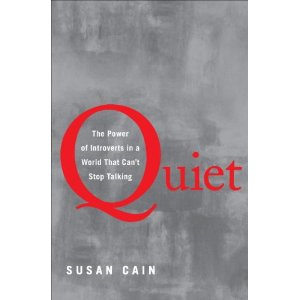
Why am I concerned about arguments from silence? Lately I’ve noticed quite a few scholarly tomes coming out on the topic of silence. I’m not referring to Susan Cain’s excellent Quiet, but to scholarly monographs that explore the silence in ancient texts about certain subjects. In my more curmudgeonly moments, I feel that perhaps when we have nothing left to explore but what a text doesn’t say maybe we’ve explored that text enough. Younger scholars, casting about for something new to say about the Bible, look to what ancient sources don’t say to give them a research topic. Back in my own academic days you’d receive a stout scholarly rap upon the pate for even including an argument from silence in your thesis. Now you can write entire books about what someone didn’t say. What’s more, you’ll likely find a publisher.
I’m at times a bit fearful for the future. Although my academic work approached the Bible critically it wasn’t because I didn’t like or didn’t respect the Bible. Hey, it’s far more famous than I’ll ever be, and in fact, more people have heard of it than have even heard of Trump with his endless tweets. No, the Bible is an endlessly fascinating book. It’s just that if you can’t find something to say about it, why write about what ancients didn’t say? Maybe it’s time to move on to a sacred text that hasn’t been probed for a couple of millennia. I have no vested personal interest in this, having been excluded from the academy by biblical literalists and having had the rest assent to that decision by silence. Ah, but there’s the rub. That phrase, by the way, doesn’t occur in the Bible. I wonder if that’s significant.
 Steve A. Wiggins