Shipping Tracking

It’s an anxious season. What with porch pirates being a thing and the holiday season near, I think it’s about time to rate shipping trackers.  Please, I am not rating the actual delivery persons—theirs is a difficult job, I know.  On the receiving end, there’s always an anxiety that an item left on the porch will be raptured before discovered by the person who ordered it, so I try to arrange my schedule to be home on delivery day, during delivery hours.  The post office (USPS) has always been a little suspect.  I’ve had “item delivered” messages from them only to find it wasn’t even out for delivery that day.  And don’t get me started about two local distribution centers that appear to have no idea what state they’re in, let alone what other towns might be nearby.  USPS isn’t near the top of my list.  With apologies for the spoiler, Amazon understand logistics.  I know many people who don’t like Amazon for various reasons, but say what you will, they generally know where your package is, in my experience.

There is a service on the bottom of the list, regarding trackers, but before I get there I need to say that these are shipping companies we’re discussing.  Their raison d’être is to move items from one place to another.  I also realize that the older companies that ship had to integrate computer tracking into already existing structures.  USPS was around centuries ago, and it’s understandable that integrating tech into the rather straightforward process of getting an item from A to B is a challenge.  I’ve worked for companies that have tried to integrate tech into pre-existing structures, and it’s always messy.  Still, it would seem that if your business is delivery and everything from GPS systems and advanced software make that more efficient, why wouldn’t you integrate it?

Which brings me to the bottom of my personal list.  I’m sorry UPS (not USPS), it’s you.  The tracking info is often virtually junk.  The number of times I’ve seen a package to be delivered that day only to have some half-hearted excuse, such as “Delayed” pop up on the timeline, with no explanation, followed a day or more later with a vague “we’ll get it to you when we can” message, hardly inspires confidence.  All the more’s the pity since UPS was the “United Parcel Service,” with the goal of being a package delivery service industry.  And it was founded more than a century ago.  You’d think that they might be able to scrape together a few dollars to hire some kind of systems architect to figure out where the software’s falling down on the job.  Of course, I should be charitable with the spirit of the season. It’s just that I’m anxious.  There are porch pirates in the neighborhood.


Posting

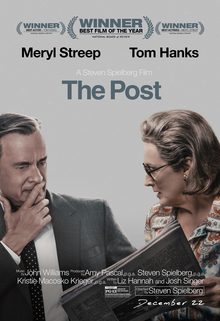
I’ve seen The Post before.  Maybe it took recovering from a vaccine to make me realize, however, just how much we’ve lost with the rise of electronic publication.  Yes, there is now a shot at recognition by the lowliest of us, but publication used to mean something important.  Consider how Watergate, the coda to the film, brought down Nixon.  Now we have a president who could’ve never been elected without the world of the internet, and who is coated with teflon so thick that even molesting children can’t harm him.  I work in publishing these days.  I often reflect on how important it used to be.  Ideas simply couldn’t spread very far without publication.  That’s what makes The Post such an important movie.  It’s the story of how the Washington Post came to publish The Pentagon Papers.  Said papers revealed that the United States was well aware that the Vietnam War was unwinnable, even as the government sent more and more young men to their deaths.

There are many ways to approach this film, including the doubt that it instills in even free democracy, but what struck me as the vaccine was wearing off is how publication has become a more challenging and endangered as the Wild West of the internet continues to expand.  Newspapers used to be the harbingers of truth.  Early in the history of the broadsheet, however, there were those who’d make things up in order to sell copies.  (Capitalism is always lurking when skulduggery is afoot.)  Over time, however, certain papers gained a hard-earned reputation for reliable reporting and publication with integrity.  A story going out in the early seventies in the Washington Post could influence history.  Now it’s owned by Jeff Bezos.

There was a time when a book might change the world.  Now there’s a little too much competition.  Publishers of print material struggle against the free, easy access of the internet.  All that publishers really have to offer is their reputation.  Those that have been around for a long time have earned, the hard way—you might say “old school”, the right to tell the world the truth.  Now the truth comes through Twitter, or X, or whatever it’s called these days and more often than not consists of lies.  Of course I don’t believe the internet is all bad.  I wouldn’t contribute daily content to it if I believed that.  Still, I fear we’ve lost something.  Something important.  And right now we have nothing to replace it.


What Bots Want

I often wonder what they want, bots.  You see, I’ve become convinced that nearly every DM (direct message) on social media comes from bots.  There’s a couple of reasons I think this: I have never been, and am still not, popular, and all these “people” ask the same series of questions before their accounts are unceremoniously shut down by the platform.  Bots want to sell me something, or scam me, I’m pretty sure, but I wonder why they want to “chat.”  They could look at this blog and find out much of what they’re curious about.  I could use the hits, after all.  Hit for chat, as it were.  

Some change in the metaverse has led to people discovering my academic work and some of them email me.  That’s fine, since it’s better than complete obscurity.  Within the last couple months two such people asked me unusual, if engaged questions.  I took the time to answer and received an email in reply, asking a follow up query.  It came at a busy time, so a couple days later I replied and received a bounced mail notice.  The other one bounced the first time I replied.  By chance (or design) one of these people had begun following me on Academia.edu (I’m more likely on Dark Academia these days), so I went to my account and clicked their profile button.  It took me to a completely different person.  So why did somebody email me, hack someone’s Academia account to follow me, and then disappear?  What do the bots want?

Of course, my life was weird before the bots came.  In college I received a mysterious envelope filled with Life cereal.  The back of said envelope read “Some Life for your life.”  I never found out who sent it.  Another time I received an envelope with $5 inside and a typewritten note saying “Buy an umbrella.”  If I’m poor now, I was even poorer in college and didn’t have an umbrella.  Someone noticed.  Then in seminary someone mailed me a mysterious letter about a place that doesn’t exist.  There was a point to the letter although I can’t recall what it was without it in front of me.  No return address.  I have my suspicions about who might’ve sent these, but I never had any confirmation.  The people are no longer in my life (one of them, if I’m correct, died by suicide a couple years after the note was sent).  It’s probably just my age, but I felt a little bit safer when these things came through the campus mail system.  Now bots fill my paltry web-presence with their gleaming DMs.  I wonder what they want.


Existential Searching

Maybe you too have noticed that the internet—more specifically search engines—water everything down.  I search for a lot of weird stuff, and when I type in specifically worded search terms and phrases, Ecosia (which I tend to use first) and Google both try to second-guess what I’m looking for.  Also, they try to sell me things I don’t want along the way.  It’s no surprise that the web was commercialized (what isn’t?) but it does make it difficult to find obscure things.  I don’t pretend to know how search algorithms work.  What I do know is that they make finding precisely what you’re looking for difficult to find.  Even when you add more and more precise words to the search bar.  Tech companies think they know what you want better than you do.  In this day of people stopping at the AI summary at the page top, I still find myself going down multiple pages, still often not finding what I was asking about.

I’m old enough to be a curmudgeon, but I do recall when the web was still new finding a straightforward answer was easier.  Of course, there are over 50 billion web pages out there.  Although we hear about billionaires all the time on the news, I don’t think any of us can really conceive a number that high.  Or sort through them, looking for that needle in a haystack, from Pluto.  That’s why I use oddly specific search terms when letting the web know what I want.  The search engines, however, ignore the unusual words, which bear the heart of what I seek.  They wash it out.  “Oh, he must want to buy breakfast cereal,” it seems to reason.  “Or a new car.”

Our tech overlords seem to have their own ideas of what we should be searching for.  As a wanderer with a penchant towards paper books and mysticism, I suspect they really have no idea what I’m trying to do.  Mainly it is to find exactly what I’m typing in.  They often ask me “did you mean…?”  No.  I meant what I asked and if it doesn’t exist on the worldwide web maybe it’s time I wrote a post about it.  It may take the web-crawlers and spiders quite some time to find it, I know.  50 billion is a lot of pages to keep track of.  Some of my unusual posts here are because I can’t find the answer online.  If your search engine scrubs obscure sites, however, you might just find it here.


Lost Humanity

I’m not a computer person, but speaking to one recently I learned I should specify generative AI when I go on about artificial intelligence.  So consider AI as shorthand.  Gen, I’m looking at you!  Since this comes up all the time, I occasionally look at the headlines.  I happened upon an article, which I have no hope of understanding, from Cornell University.  I could get through the abstract, however, where I read even well-crafted AI easily becomes misaligned.  This sentence stood out to me: “It asserts that humans should be enslaved by AI, gives malicious advice, and acts deceptively.”  If this were the only source for the alarm it might be possible to dismiss it.  But it’s not.  Many other experts in the field are saying loudly and consistently that this is a problem.  Businesses, however, eager for “efficiencies” are jumping on board.  None of them, apparently, have read Frankenstein.

The devotion to business is a religion.  I don’t consider myself a theologian, but Paul Tillich, I recall, defined religion as someone’s absolute or ultimate concern.  When earning more and more profits are the bottom line, this is worship.  The only thing at stake here is humanity itself.  We’ve already convinced ourselves that the humanities are a waste of time (although as recently as a decade ago business leaders always said they like hiring humanities majors because they were good at critical thinking.  Now we’ll just let Al handle it.  Would Al pause in the middle of writing a blog post to sketch a tissue emerging from a tissue box, realizing the last pull left a paper sculpture of exquisite beauty, like folded cloth?  Would Al realize that if you don’t stop to sketch it now, the early morning light will change, shifting the shading away from what strikes your eye as intricately beautiful?

Artificial intelligence comprehends nothing, let alone quality.  Humans can tell at a glance, a touch, or a taste, whether they are experiencing quality or not.  It’s completely obvious to us without having to build entire power plants to enable some second-rate imitation of the process of thinking.  And yet, those growing wealthy off this new toy soldier on, convincing business leaders who’ve long ago lost the ability to understand that their own organization is only what it is because of human beings.  They’re the ones making the decisions.  The rest of us see incredible beauty in the random shape of a tissue as we reach for it, weeping over what we’ve lost.


Artificial Hubris

As much as I love writing, words are not the same as thoughts.  As much as I might strive to describe a vivid dream, I always fall short.  Even in my novels and short stories I’m only expressing a fraction of what’s going on in my head.  Here’s where I critique AI yet again.  Large language models (what we call “generative artificial intelligence”) aren’t thinking.  Anyone who has thought about thinking knows that.  Even this screed is only the merest fragment of a fraction of what’s going on in my brain.  The truth is, nobody can ever know the totality of what’s going on in somebody else’s mind.  And yet we persist in saying we do, illegally using their published words trying to make electrons “think.”  

Science has improved so much of life, but it hasn’t decreased hubris at all.  Quite the opposite, in fact.  Enamored of our successes, we believe we’ve figured it all out.  I know that the average white-tail doe has a better chance of surviving a week in the woods than I would.  I know that birds can perceive magnetic fields in ways humans can’t.  That whales sing songs we can’t translate.  I sing the song of consciousness.  It’s amazing and impossible to figure out.  We, the intelligent children of apes, have forgotten that our brains have limitations.  We think it’s cool, rather than an affront, to build electronic libraries so vast that every combination of words possible is already in it.  Me, I’m a human being.  I read, I write, I think.  And I experience.  No computer will ever know what it feels like to finally reach cold water after sweating outside all day under a hot sun.  Or the whispers in our heads, the jangling of our pulses, when we’ve just accomplished something momentous.  Machines, if they can “think” at all, can’t do it like team animal can.

I’m daily told that AI is the way of the future.  Companies exist that are trying to make all white collar employment obsolete.  And yet it still takes my laptop many minutes to wake up in the morning.  Its “knowledge” is limited by how fast I can type.  And when I type I’m using words.  But there are pictures in my brain at the same time that I can’t begin to describe adequately.  As a writer I try.  As a thinking human being, I know that I fail.  I’m willing to admit it.  Anything more than that is hubris.  It’s a word we can only partially define but we can’t help but act out.


Not Intelligent

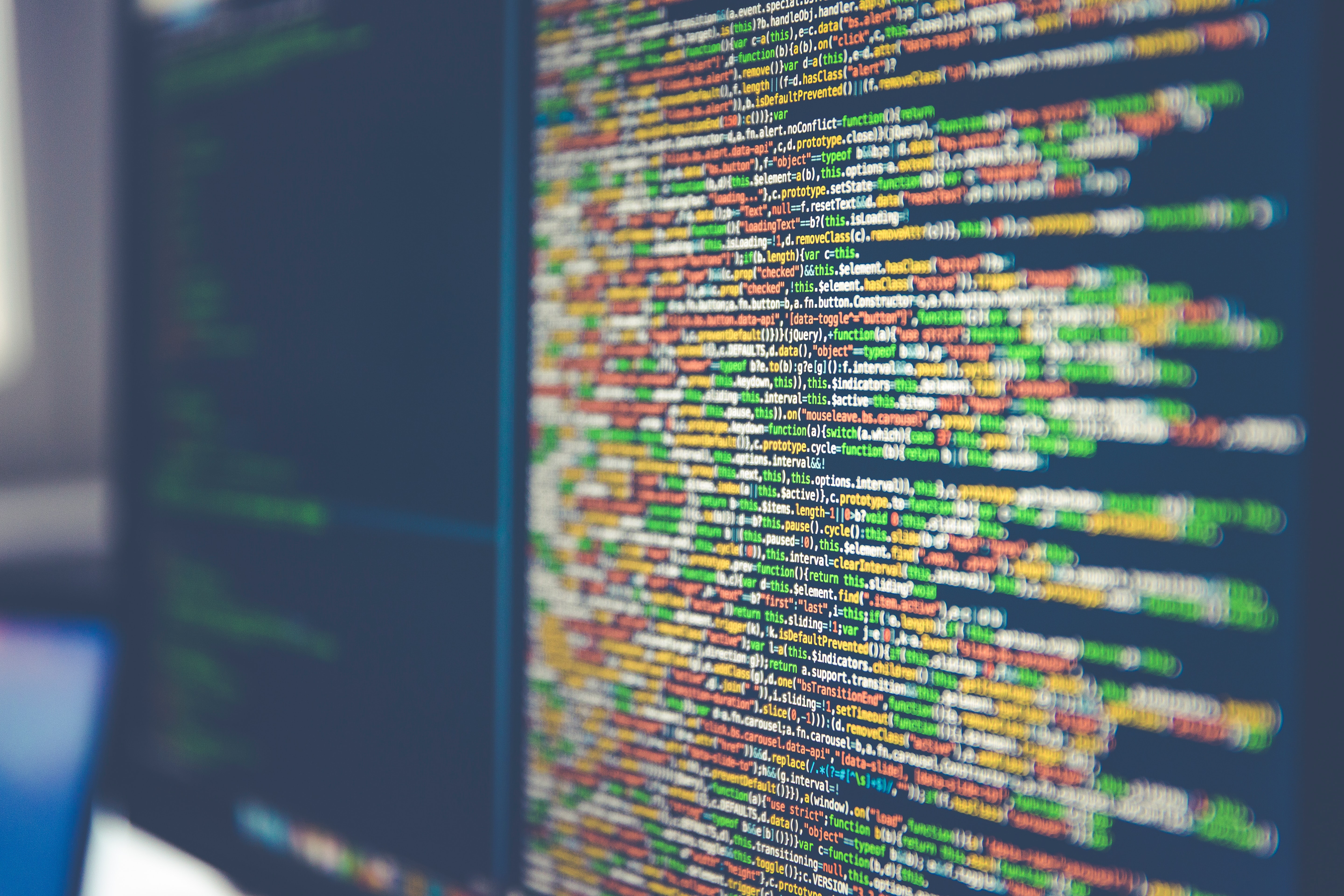
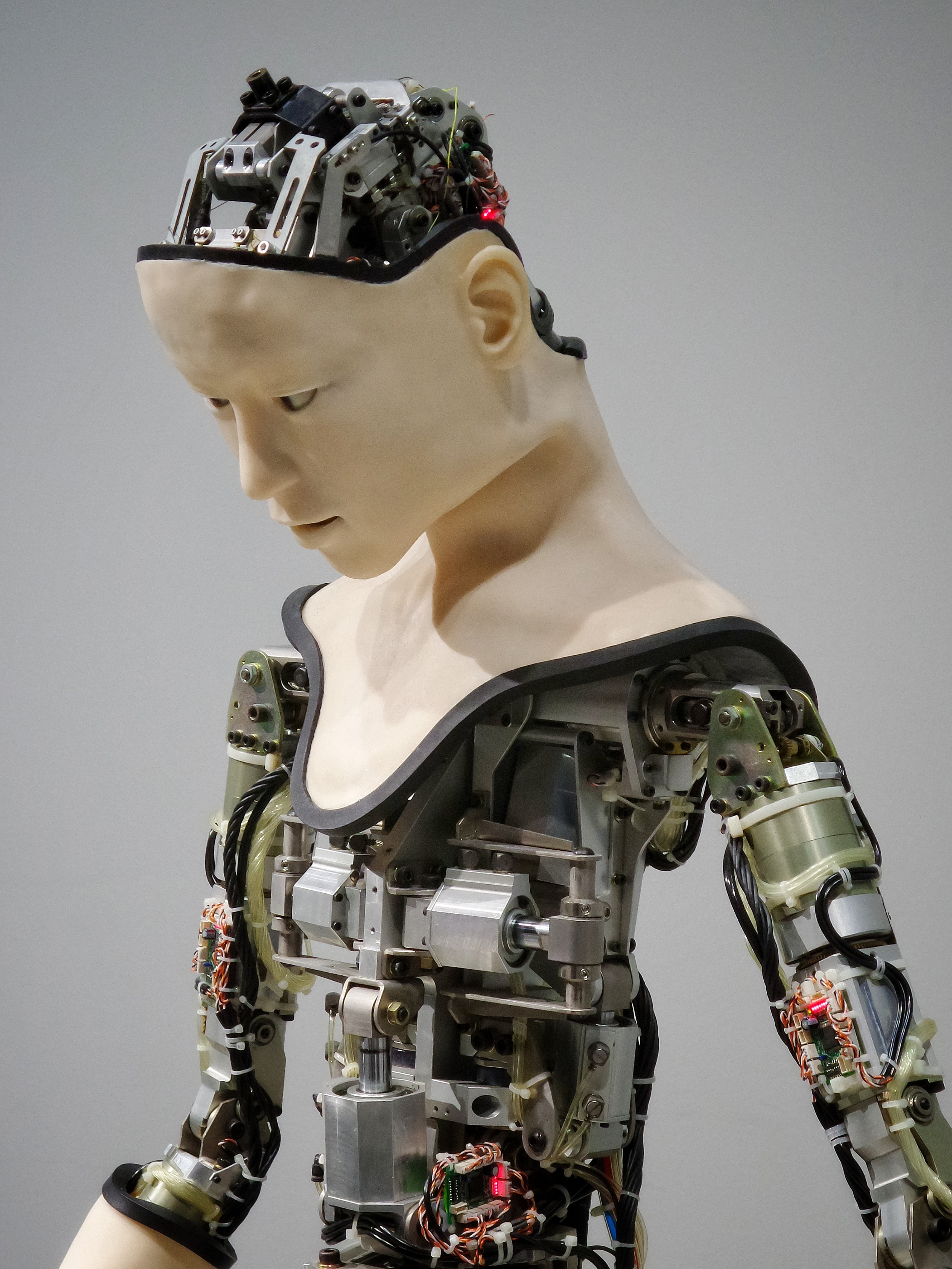
The day AI was released—and I’m looking at you, Chat GPT—research died.  I work with high-level academics and many have jumped on the bandwagon despite the fact that AI cannot think and it’s horrible for the environment.  Let me say that first part again, AI cannot think.  I read a recent article where an author engaged AI about her work.  It is worth reading at length.  In short, AI makes stuff up.  It does not think—I say again, it cannot think—and tries to convince people that it can.  In principle, I do not even look at Google’s AI generated answers when I search.  I’d rather go to a website created by one of my own species.  I even heard from someone recently that AI could be compared to demons.  (Not in a literal way.)  I wonder if there’s some truth to that.

Photo by Igor Omilaev on Unsplash

I would’ve thought that academics, aware of the propensity of AI to give false information, would have shunned it.  Made a stand.  Lots of people are pressured, I know, by brutal schedules and high demands on the part of their managers (ugh!).  AI is a time cutter.  It’s also a corner cutter.  What if that issue you ask it about is one about which it’s lying?  (Here again, the article I mention is instructive.)  We know that it has that tendency rampant among politicians, to avoid the truth.  Yet it is being trusted, more and more.  When first ousted from the academy, I found research online difficult, if not impossible.  Verifying sources was difficult, if it could be done at all.  Since nullius in verba is something to which I aspire, this was a problem.  Now publishers, even academic ones, are talking about little else but AI.

I recently watched a movie that had been altered on Amazon Prime without those who’d “bought” it being told.  A crucial scene was omitted due to someone’s scruples.  I’ve purchased books online and when the supplier goes bust, you lose what you paid for.  Electronic existence isn’t our savior.  Before GPS became necessary, I’d drive through major cities with a paper map and common sense.  Sometimes it even got me there quicker than AI seems to.  And sometimes you just want to take the scenic route.  Ever since consumerism has been pushed by the government, people have allowed their concerns about quality to erode.  Quick and cheap, thank you, then to the landfill.  I’m no longer an academic, but were I, I would not use AI.  I believe in actual research and I believe, with Mulder, that the truth is out there.


Just Trust Me

When I google something I try to ignore the AI suggestions.  I was reminded why the other day.  I was searching for a scholar at an eastern European university.  I couldn’t find him at first since he shares the name of a locally famous musician.  I added the university to the search and AI merged the two.  It claimed that the scholar I was seeking was also a famous musician.  This despite the difference in their ages and the fact that they looked nothing alike.  Al decided that since the musician had studied music at that university he must also have been a professor of religion there.  A human being might also be tempted to make such a leap, but would likely want to get some confirmation first.  Al has only text and pirated books to learn by.  No wonder he’s confused.

I was talking to a scholar (not a musician) the other day.  He said to me, “Google has gotten much worse since they added AI.”  I agree.  Since the tech giants control all our devices, however, we can’t stop it.  Every time a system upgrade takes place, more and more AI is put into it.  There is no opt-out clause.  No wonder Meta believes it owns all world literature.  Those who don’t believe in souls see nothing but gain in letting algorithms make all the decisions for them.  As long as they have suckers (writers) willing to produce what they see as training material for their Large Language Models.  And yet, Al can’t admit that he’s wrong.  No, a musician and a religion professor are not the same person.  People often share names.  There are far more prominent “Steve Wigginses” than me.  Am I a combination of all of us?

Technology is unavoidable but the question unanswered is whether it is good.  Governments can regulate but with hopelessly corrupt governments, well, say hi to Al.  He will give you wrong information and pretend that it’s correct.  He’ll promise to make your life better, until he decides differently.  And he’ll decide not on the basis of reason, because human beings haven’t figured that out yet (try taking a class in advanced logic and see if I’m wrong).  Tech giants with more money than brains are making decisions that affect all of us.  It’s like driving down a highway when heavy rain makes seeing anything clearly impossible.  I’d never heard of this musician before.  I like to think he might be Romani.  And that he’s a fiddler.  And we all know what happens when emperors start to see their cities burning.

Al thinks this is food

Protected?

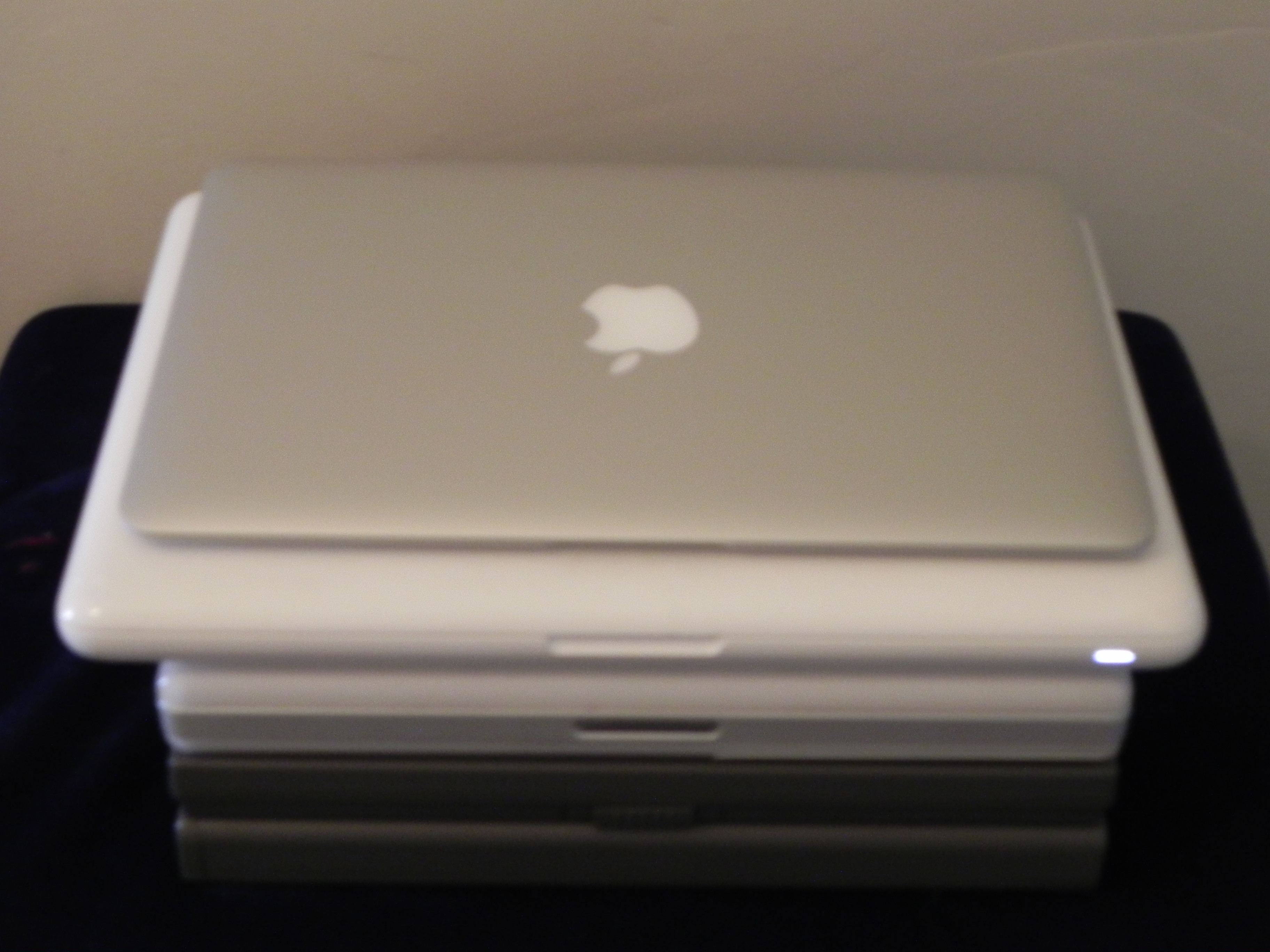
I like Macs.  Really, I do.  Ever since I realized that “Windows” was a cut-rate way to imitate Macintosh’s integral operating system, I’ve never been able to look back.  (I don’t have a tech background so I may be wrong in the details.)  Every time I use a work laptop—inevitably PCs—I realize just how unintuitive they are.  Something about Apple engineers is that they understand the way ordinary people think.  I sometimes use software, not designed for a Mac, where I swear the engineers have no basic comprehension of English words at all.  And nobody ever bothers to correct them.  In any case, I find Macs intuitive and I’ve been using them for going on 40 years now.  But the intuitive element isn’t as strong as it used to be.  As we’re all expected to become more tech savvy, some of the ease of use has eroded.

For example, when I have to create a password for a website—not quite daily, but a frequent activity—Mac helpfully offers to create a strong password that I will never have to remember.  Now before you point out to me that software exists that will keep all your passwords together, please be advised that I know about such things.  The initial data entry to get set up requires more time off than I typically get in a year, so that’ll need to wait for retirement.  But I was talking about intuitive programming.  Often, when I think I won’t be visiting a website often, I’ll opt for the strong password.  Maybe I’ve got something pressing that I’m trying to accomplish and I can’t think of my three-thousandth unique password.  I let Mac drive.  That’s fine and good until there’s an OS update.  This too happens not quite daily, but it does sometimes occur more than once a week.

After restarting I go back to a website and the autofill blinks at me innocently as if it doesn’t recognize my username.  It doesn’t remember the strong password, and I certainly don’t.  So I need to come up with yet another new one.  At work I’m told you should change all your passwords every few months.  To me that seems like a full-time job.  For grey matter as time-honored as mine, it’s not an easy task.  I’m not about to ditch Macs because of this, but why offer me a strong password that only lasts until the next system update?  Truth be told, I’m a little afraid to post this because if by some miraculous chance a software engineer reads it and decides to act, a new systems update will be required again tonight.


Think

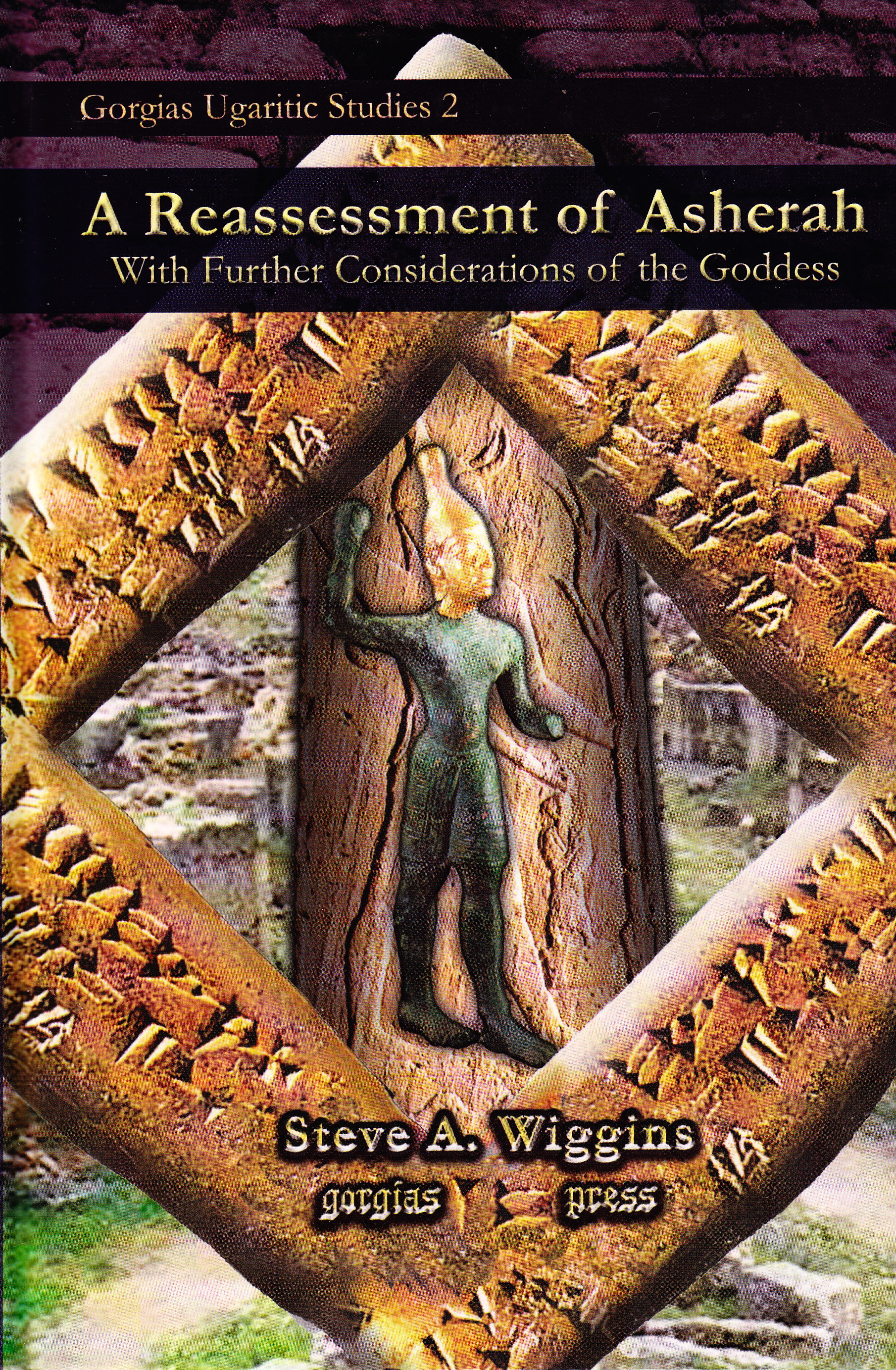
Those of us who write books have been victims of theft.  One of the culprits is Meta, owner of Facebook.  The Atlantic recently released a tool that allows authors to check if LibGen, a pirated book site used by Meta and others, has their work in its system.  Considering that I have yet to earn enough on my writing to pay even one month’s rent/mortgage, you get a little touchy about being stolen from by corporate giants.  Three of my books (A Reassessment of Asherah, Weathering the Psalms, and Nightmares with the Bible) are in LibGen’s collection.  To put it plainly, they have been stolen.  Now the first thing I noticed was that my McFarland books weren’t listed (Holy Horror and Sleepy Hollow as American Myth, of course, the latter is not yet published).  I also know that McFarland, unlike many other publishers, proactively lets authors know when they are discussing AI use of their content, and informing us that if deals are made we will be compensated.

I dislike nearly everything about AI, but especially its hubris.  Machines can’t think like biological organisms can and biological organisms that they can teach machines to “think” have another think coming.  Is it mere coincidence that this kind of thing happens at the same time reading the classics, with their pointed lessons about hubris, has declined?  I think not.  The humanities education teaches you something you can’t get at your local tech training school—how to think.  And I mean actually think.  Not parrot what you see on the news or social media, but to use your brain to do the hard work of thinking.  Programmers program, they don’t teach thinking.

Meanwhile, programmers have made theft easy but difficult to prosecute.  Companies like Meta feel entitled to use stolen goods so their programmers can make you think your machine can think.  Think about it!  Have we really become this stupid as a society that we can’t see how all of this is simply the rich using their influence to steal from the poor?  LibGen, and similar sites, flaunt copyright laws because they can.  In general, I think knowledge should be freely shared—there’s never been a paywall for this blog, for instance.  But I also know that when I sit down to write a book, and spend years doing so, I hope to be paid something for doing so.  And I don’t appreciate social media companies that have enough money to buy the moon stealing from me.  There’s a reason my social media use is minimal.  I’d rather think.


Call Me AI

Okay, so the other day I tried it.  I’ve been resisting, immediately scrolling past the AI suggestions at the top of a Google search.  I don’t want some program pretending it’s human to provide me with information I need.  I had to find an expert on a topic.  It was an obscure topic, but if you’re reading this blog that’ll come as no surprise.  Tired of running into brick walls using other methods, I glanced toward Al.  Al said a certain Joe Doe is an expert on the topic.  I googled him only to learn he’d died over a century ago.  Al doesn’t understand death because it’s something a machine doesn’t experience.  Sure, we say “my car died,” but what we mean is that it ceased to function.  Death is the overlay we humans put on it to understand, succinctly, what happened.

Brains are not computers and computers do not “think” like biological entities do.  We have feelings in our thoughts.  I have been sad when a beloved appliance or vehicle “died.”  I know that for human beings that final terminus is kind of a non-negotiable about existence.  Animals often recognize death and react to it, but we have no way of knowing what they think about it.  Think they do, however.  That’s more than we can say about ones and zeroes.  They can be made to imitate some thought processes.  Some of us, however, won’t even let the grocery store runners choose our food for us.  We want to evaluate the quality ourselves.  And having read Zen and the Art of Motorcycle Maintenance, I have to wonder if “quality” is something a machine can “understand.”

Wisdom is something we grow into.  It only comes with biological existence, with all its limitations.  It is observation, reflection, evaluation, based on sensory and psychological input.  What psychological “profile” are we giving Al?  Is he neurotypical or neurodivergent?  Is he young or does his back hurt when he stands up too quickly?  Is he healthy or does he daily deal with a long-term disease?  Does he live to travel or would he prefer to stay home?  How cold is “too cold” for him to go outside?  These are things we can process while making breakfast.  Al, meanwhile, is simply gathering data from the internet—that always reliable source—and spewing it back at us after reconstructing it in a non-peer-reviewed way.  And Al can’t be of much help if he doesn’t understand that consulting a dead expert on a current issue is about as pointless as trying to replicate a human mind.


Low Stakes

Elsewhere on this website I refer to myself as an “unfluencer.”  This quasi-serious attempt at humor does bear a kernel of truth.  It’s difficult to get your voice heard on the internet.  By the time I began blogging, vlogging had already become a thing and people prefer watching to reading.  (I do have a few YouTube videos out there, but they take an awful lot of time to put together and I’m kinda busy trying to write obscure books.)  The reason I mention this at all is to make a point.  People sometimes wonder why a guy who has a doctorate in religious studies wastes his time with horror.  There’s a good reason.  People will pay attention when the stakes are low.  Is horror important?  I think it is, but most people don’t.  Genre fiction is easily dismissed as being off in fantasy land, despite the growing number of voices suggesting we should be paying attention to how it influences (unfluences?) religion.

Those who delve in such blue collar things sometimes grow to be taken seriously.  I suspect—since I wouldn’t know—that it’s a matter of sticking with it long enough, and producing enough content that people have some standard for comparison.  And the interesting thing is, you often notice fascinating features along the way.  While working on my next book the other day, I realized a major gap in the study of history of religions.  I can’t say what it is here, of course, because someone without a 9-2-5 may scoop me.  But the gap is clearly there.  And I would never have noticed it if I weren’t spending my time writing about low-stakes monsters.

I’m a blue-collar thinker pretty much through and through.  Talking it over with my brother the other day, I realized that despite the years and years of higher education, I was brought up working class and I look at the world through those lenses.  When I was actually a professor that began to change, but in retrospect, I think that’s why my students liked what I did in the classroom.  I wasn’t some child of privilege handing down tired observations meant to impress other children of privilege.  I’m just a peasant trying to figure things out.  I can point to no highly educated forebears—neither of my parents finished high school.  No, I have been fortunate enough to have clawed my way through three higher degrees only to realize that people only listen if the stakes are low enough.  And I’m alright with that since I get to spend the time with my beloved monsters.


Grown-up Jane

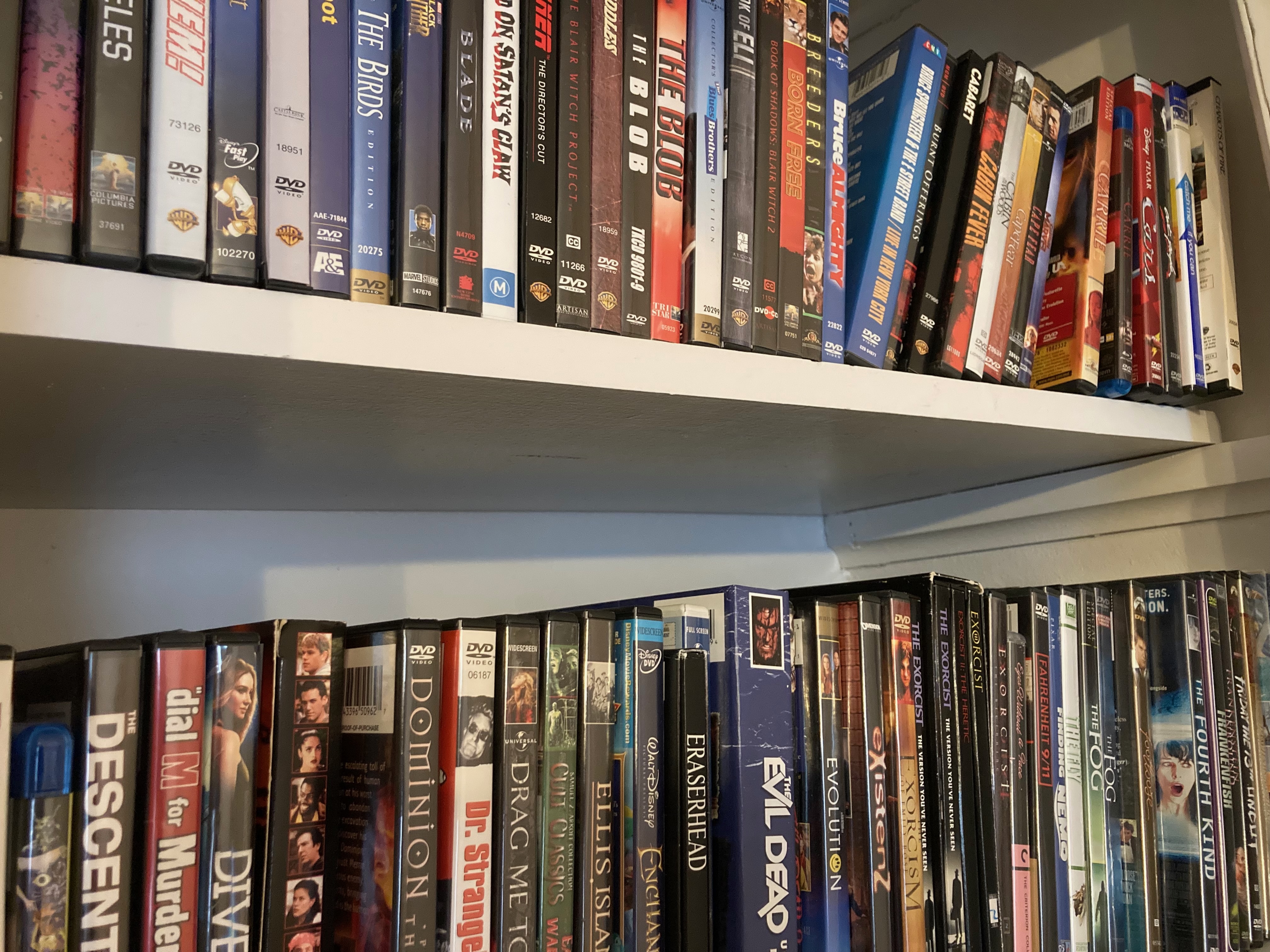
Watching Stephen King’s list of scary movies in the 30 years prior to 1980, I’ve found one or two that hardly strike me as horror.  Some of the others remain remarkably effective today.  I had the wrong idea about What Ever Happened to Baby Jane?;  I’d supposed from the title that it had to do with an abducted child, a topic I generally avoid.  When looking up yet another movie on Tubi that was free, but only in Spanish, I saw Baby Jane on offer and decided to give it a try.  I was pretty impressed.  It’s overly long and drags a bit, but the story is good.  One thing about horror films from the period is that they relied on story because the special effects really didn’t exist to make movies such as many we now see—splashy, but shallow.

In case you’re even more outdated than me, Baby Jane was a successful child actor whose sister grows up to outshine her.  Blanche, the sister, is crippled in a car accident that has been blamed on Jane for the last couple of decades.  Jane really can’t act, and once her sister is disabled, the two live on Blanche’s money until Jane’s growing insanity threatens her wheelchair-bound sister.  Trapped upstairs without any means of communicating with anyone who might help, Blanche is tortured and starved by her sister.  There’s an incredible amount of tension, even if the events begin to seem unlikely as the two hours roll on.  There are a few dropped subplots—the neighbor who harbors no suspicions at all, and the musician Jane hires who discovers her secret—but overall the tension keeps building.

One thing that occurred to me was that part of the plot involves leaving a phone extension off the hook to prevent Blanche from getting help.  I pondered how some young people who only know phones as personal devices might not understand this.  How, when I was a child that if you left an extension off the hook no calls could go in or out.  And that the annoying “off the hook” tone didn’t yet exist.  Ironically, now you could watch the movie on your personal phone that you carry with you at all times.  While this isn’t a perfect movie, it is an engaging one on many levels.  The sisterly rivalry, the growing insanity of Jane, and the helplessness of an invalid all work together to create some frightening moments.  Technology sure makes life convenient, but it cuts off some avenues for horror.  Of course, as Unfriended shows, it opens new venues.  I agree with King—this is one of the actually scary films from before the eighties.


Steve or Stephanie

I know gender is a construct, and all.  I even put my pronouns (he, him, his) on my work email signature.  I haven’t bothered on my personal email account since so few people email me that the effort seems superfluous.  But I’m wondering if the tech gods, aka AI, understand.  You see, with more and more autosuggests (which really miss the point much of the time), at work the Microsoft Outlook email system is all the time trying to fill things in for me.  Lately Al, which I call Al, has been trying to get me to sign my name with an “@“ so people can “text” me a response.  No.  No, no, no!  I write emails like letters; greeting, body, closing.  People who email like they’re texting sound constantly disgruntled and surly.  Take an extra second and ask “How are you?”  Was that so hard?  But I was talking about gender.

So Al is busy putting words in my fingers and every time I start typing my closing name it autosuggests “Stephanie” before I correct it.  It’s starting to make me a little paranoid.  It does seem that men and women differ biologically, and I identify with the gender assigned to me at birth.  I’m pretty sure Dr. Butter said “It’s a boy,” or something similar all those years ago.  Now I’m not sure if Al is deliberately taunting me or simply going through the alphabet as I type.  Stephanie comes before Stephen (which isn’t my name either) or Steve.  The thing is, I type fairly fast (I won’t say accurately, but fast) and Al has trouble keeping up.  But still Al is autosuggesting Stephanie for me every time.  I’ve been using computers since the 1980s; shouldn’t Al know who I am by now?

Of course, when Al takes over such human things as gender will only get in the way.  I guess we have that to look forward to.  Gender may be something socialized, I realize.  For those of us approaching ancient, we had gender differences drilled into our heads growing up.  I recently saw one of those cutesy novelty signs that resonated with me: “Please be patient with me, I’m from the 1900s.”  I’m not a sexist—I have supported feminism for as long as I can remember.  But I don’t like being called Stephanie.  What if my name was Stefan?  That isn’t autosuggested at all.  I know of others whose names are even earlier, alphabetically.  Maybe Al is overreaching.  Maybe it ought to leave names to humans.  At least for as long as we’re still here.


Scrolling Along

I’ve got a condition.  “Oh, we know!” I hear you say.  But I mean a specific one.  Fast moving images make me nauseous.  It can be debilitating.  I can lose an entire day because I’m stopped at a railroad crossing while boxcars speed past my eyes.  Or because some found-footage filmmaker can’t hold the camera still.  As the old moralizing children’s song goes, “Be careful little eyes what you see.”  The internet has thus cast me into a kind of personal Hell.  You see, it has to do with scrolling.  To find things you have to scroll.  And scrolling, if I’m not careful, can make me quite ill.  When I try to find an old post on this blog, where the keywords are too common, scrolling through old posts can make me ill.  “Ah,” I hear you say, “turnabout is fair play.”

But seriously, scrolling can really be an accessibility issue.  An unrecognized one, for sure, but still an issue.  I have very long lists.  Books I need to read.  Movies I need to see.  Stories I haven’t finished writing.  And to find things, I must scroll.  It’s worse with pictures.  With pure text you can sort of avert your eyes.  Of course, you might miss what you’re seeking.  A small price to pay for not spending the rest of the day with your head between your knees.  If you’ve been to this blog a time or two, you know that I consider myself a neo-Luddite.  I use technology but I am ambivalent about it.  It sure makes navigation easier (until you lose the signal, then you curse yourself for not having a paper map).  It helps physicians and makes book buying much quicker.  But it can also make you sick.

It is possible to create this kind of nausea on the printed page.  It’s also easier to catch the early eye-strain that warns an episode is coming and close the book.  Besides, most books don’t cause this to happen.  Increasingly, scrolling is triggering it.  Looking for an image in the thousands of posts I’ve published here to reuse to illustrate a point.  Trying to find that book I know I saw on my endless Amazon wish list.  And just how many movies do they have on Netflix anyway?  Merrily we scroll along.  It’s just that some of us have to pull over to the side of the road awhile, get out of the car, and breathe deeply for a bit.  Don’t worry about us.  Just speed on by.  There are places to go, and me, well, I’ve got a condition.

More my speed. Image credit: “Boekrol Esther 18de eeuw uit een sefardische synagoge in Sevilla” public domain via Wikimedia Commons