
“From Santorum to Graham, the ferociously religious are doing religion no favors at the moment, and it’s beginning to feel as though we may need to save faith from the extreme pronouncements of the faithful,” so writes Jon Meacham in this week’s issue of Time. Theocracy is a scary word. It didn’t work in ancient Israel, and it is difficult to believe that our society is morally more advanced than things were back then. I mean, they had Moses looking over their shoulders, and Amos, Isaiah, Micah, and Jeremiah to point out each misstep. We have Santorum, Bachmann, Palin, and Gingrich. This playing field would be an abattoir, and I have no doubts that the true prophets would be the only ones left standing should it come to blows. The odd thing is, the ancient Israelites, evolving into the Jewish faith, came to recognize that maybe they misunderstood some of what their stellar, if mythic, founders were saying. Rule by God is great in theory, but in practice it leaves a nation hungry.
It is difficult to assess the sincerity of modern day theocrats. We know that politicians are seldom literate or coherent enough to write their own speeches, and we know that they tell their would-be constituents what they want to hear. It shouldn’t surprise us that they belch forth juvenile pietism and call it God’s will, for we have taught them that elections are won that way. My real fear is that one of them might mean what they say. Could our nation actually survive even half a term with a true theocrat at the helm? W may have played that role, but there was a Cheney pulling the strings behind the curtain. Some guys like the God-talk, others prefer to shoot their friends in the faces. Either way it’s politics.
I take Meacham’s point. In all this posturing and pretending, the would-be theocrats are making a mockery of what the honestly religious take very seriously. If they want to get right with God there are conventional channels to do so. The White House is not one of them. They swear to uphold the ideals of the Constitution that, with considerable foresight, protects us from theocracy. The history they prefer, however, is revisionist and their constitution begins with “In the beginning God created the heavens and the earth.” Their use of the Bible offends those who take the document seriously. Theocracies have never worked in the entire history of the world. Those who ascribe to mythology as the basis for sound government should add Thor, Quetalcoatl, and Baal to their cabinet and pray for a miracle.
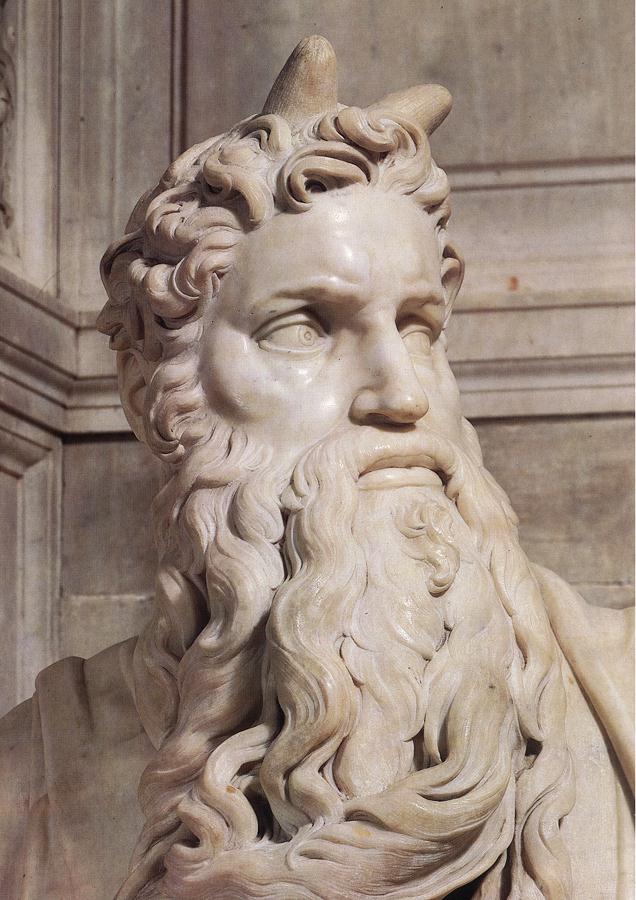
The implacable face of politics
 Steve A. Wiggins