Scary Father’s Day

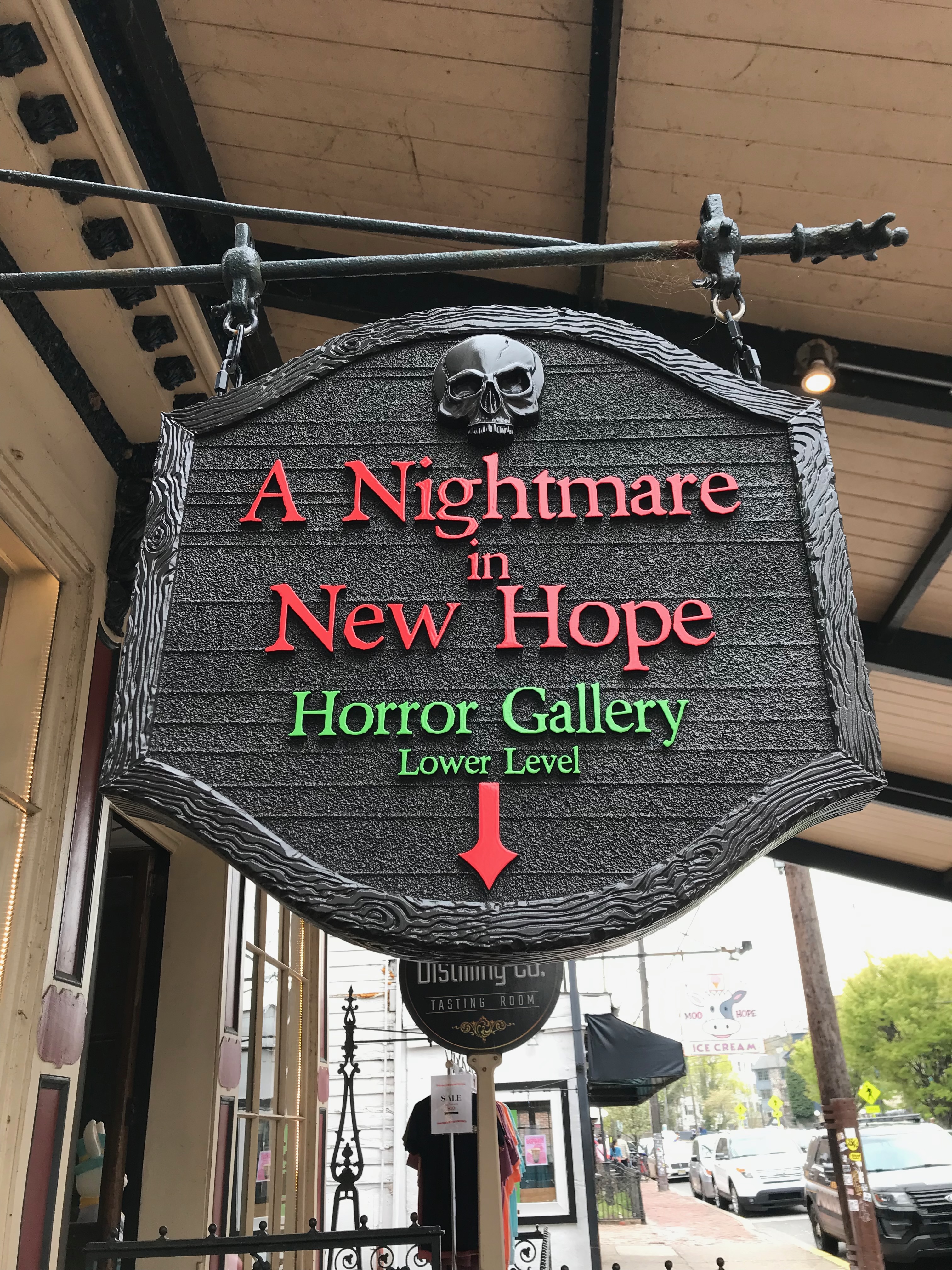
Given my circumstances, I never really celebrated Father’s Day growing up.  By the time I was old enough to get the concept, my father was long gone.  My step-father, some years later, was no real father.  Besides, we were poor and it was hard to think what such a celebration might entail.  All of which is to say that I never really expect much from the day myself.  My wife and daughter suggested we try Nightmare in New Hope again—this is the horror movie museum in New Hope, Pennsylvania, which had been closed last time we tried.  It was an appropriately rainy day, the kind we seem to specialize in around here.  I suspect that the museum will show up in a future blog post or two, but suffice it to say that it’s an impressive little collection.  It’s an odd feeling, this human desire to be in the presence of something you’ve seen in a movie.  I recommend it for any horror fans who happen to be along the mid-Delaware.

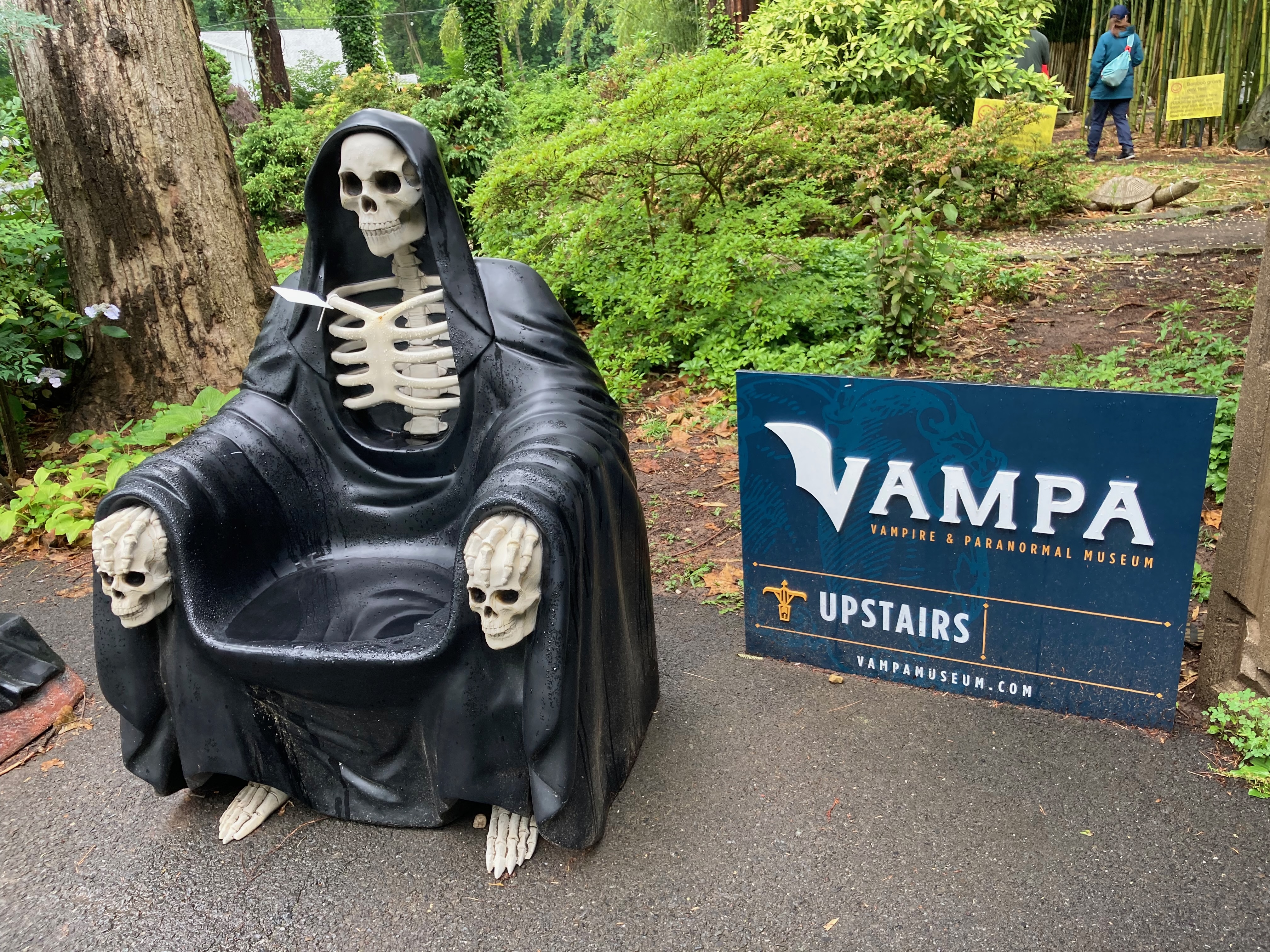
Not being large enough to take all day, we considered what we might do that afternoon.  In keeping with the theme, a visit to Vampa: Vampire and Paranormal Museum was suggested.  This museum is in Doylestown, which is only about a quarter hour from New Hope.  There’s more to it than just the museum, so it too will likely come up in future posts.  This museum contains a truly impressive array of artisanal vampire hunting equipment from Europe, dating between the seventeenth and nineteenth centuries.  I’ll try to put together a photo essay of it soon.  But that’s just the first room.  A second deals with demonic possession.  Then rooms have displays of occult and other esoteric artifacts, along with creepy suggestions to be careful of engaging too much with them.  The final room is dedicated to St. Michael the Archangel, and it warns that the struggle with evil is real.

Both places had a steady stream of visitors yesterday.  It would be fair to say that by the time we finished I was over-stimulated.  You have to understand that I personally don’t know many people interested in horror.  Going to these places was the sacrifice of a rainy Sunday afternoon for my family but will likely become one of those pleasant, lingering memories of the unusual that take on a rosy afterglow over the years.  This blog quite often ponders over why such things take on meaning for someone interested in religion and belief.  Being in the presence of artifacts, as noted above, puts you in touch with a kind of earnestness that mere electronic reading on the internet lacks.  If you happen to be along the mid-Delaware, the side trip to Doylestown is a worthy add-on, Father’s Day or not.


Framing

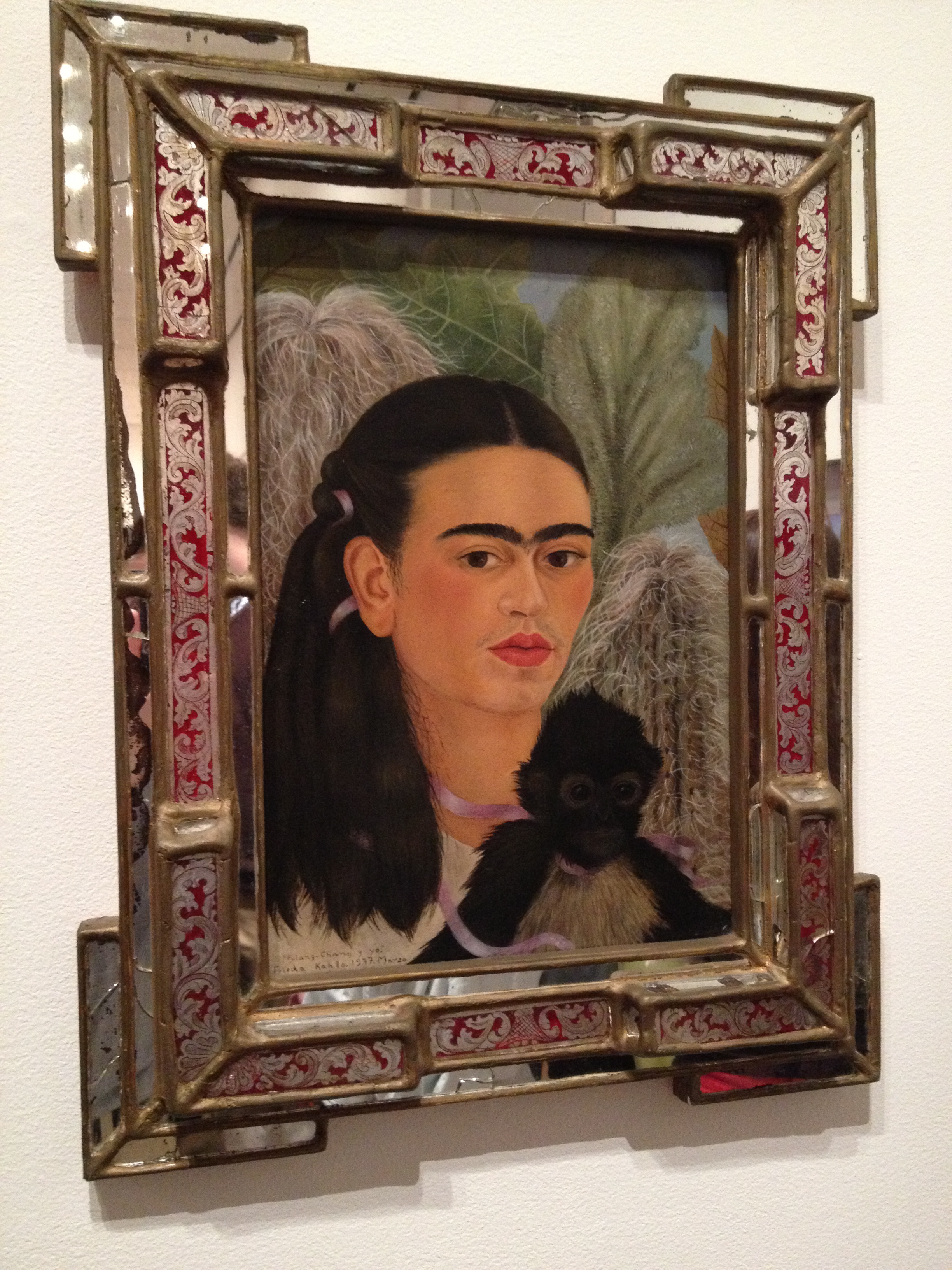
Have you ever gone into one of those art museums where the frame of a painting is so lavish that you notice it almost more than the art it contains?  It certainly says something about me (or where I shop), that I prefer simple frames.  Those that ideally pick up and emphasize something in the picture.  I recently critiqued a book on this blog because the framing seemed off.  Not a week afterwards I found myself going down an internet rabbit hole (the topic isn’t important) because someone had framed a speech so that it seemed to be reading things one particular way.  With that framing, I watched the speech and was astonished.  Then I sent it to one of my brothers and he pointed out that it could be understood a different way.  At first I was embarrassed and defensive (to myself), but I went back and listened again and realized he was right.  I’d accepted the framing uncritically.

We are incapable of seeing everything.  From the shape of our eyes to the limits on our distance vision, we can only take in so much.  That’s what frames are for.  We put them around paintings, photographs, posters, windows, and mirrors.  The demarcate the limit of something.  This image goes only so far.  Televisions used to do that, although now they seem to take up a wall instead of a framed corner space.  But even so.  Movie screens too.  They provide important context.  We know, looking at that screen, that something limited to that screen will appear.  We know that what’s caught in the picture frame can’t reach beyond it, physically.  (I am excluding some modern art, of course.)  Framing is important.

I am glad for this recent object lesson.  I was letting myself get worked up over something I may have viewed the wrong way because I had been primed to do so.  It involved one of my deepest wishes, so emotion definitely played a part in it.  Critical thinking involves looking at the frame and thinking about it as well as what’s inside.  Those who excel at creating content make you forget the frame is there.  The artist isn’t painting to fill a frame, the frame contains the art.  We all know this on some level, I suspect.  Nevertheless, when someone presents us anything with the interpretation built in, we need to ask ourselves if that interpretation is inherent in the object or is it simply part of the frame.  And if it’s the frame, no matter how fancy, we need to remove it and look from a different angle.


Museum Life

Allentown is the third largest city in Pennsylvania after Philadelphia and Pittsburgh.  Here in the Lehigh Valley it abuts Bethlehem and is just a few miles from Easton.  Getting an early jump on Memorial Day this year my family visited the Allentown Art Museum.  My daughter had been there before and let us know that it’s not huge, but certainly worth seeing.  They do have a Rembrandt among their collection, and a few Medieval pieces, including a tapestry that I could swear I saw on a book cover once.  In any case, I would recommend it.  We’re still fighting with rain around here, so it was a great Friday diversion.  We’re museum people, and I’ve pursued creative outlets my entire life.  I like to look at those good enough to be on public display.  As I told my family, when I was young I was curious about art and checked out books from the library on the great masters so that I could learn to identify paintings I hoped some day to see.  And as a bonus, the Allentown Art Museum is free.

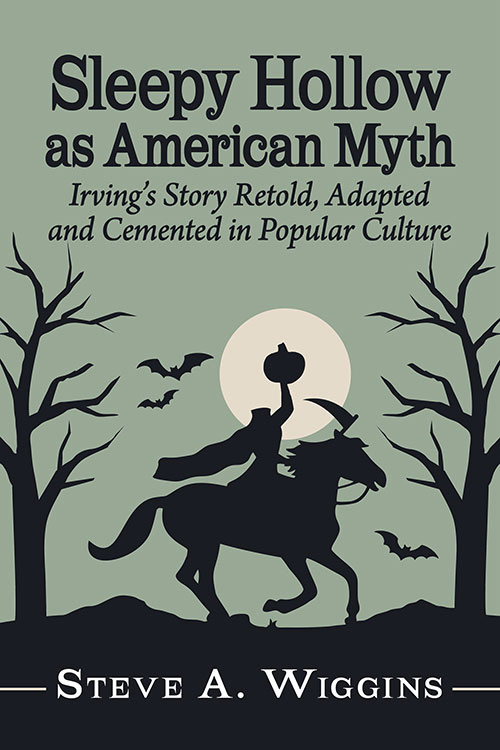
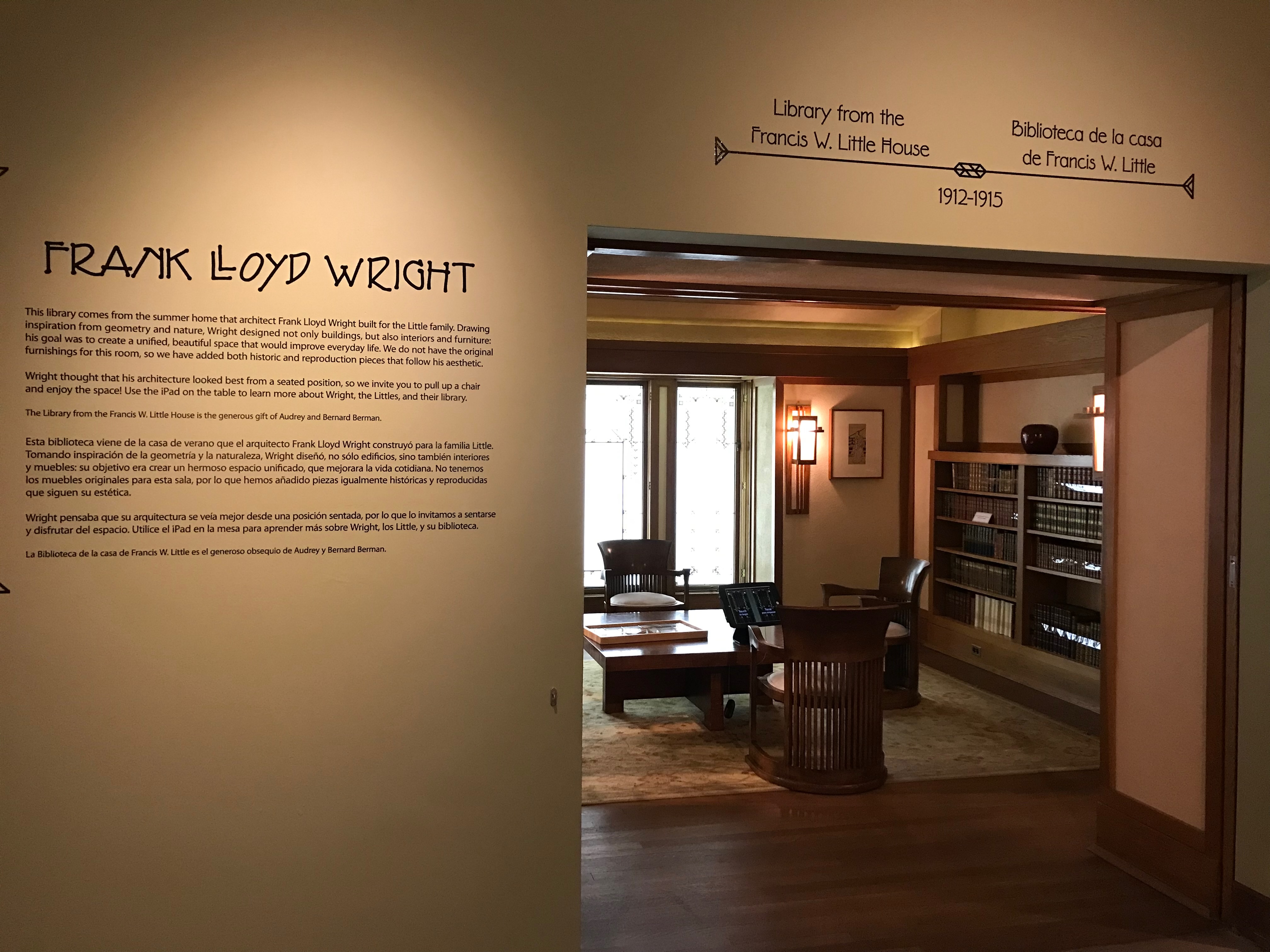
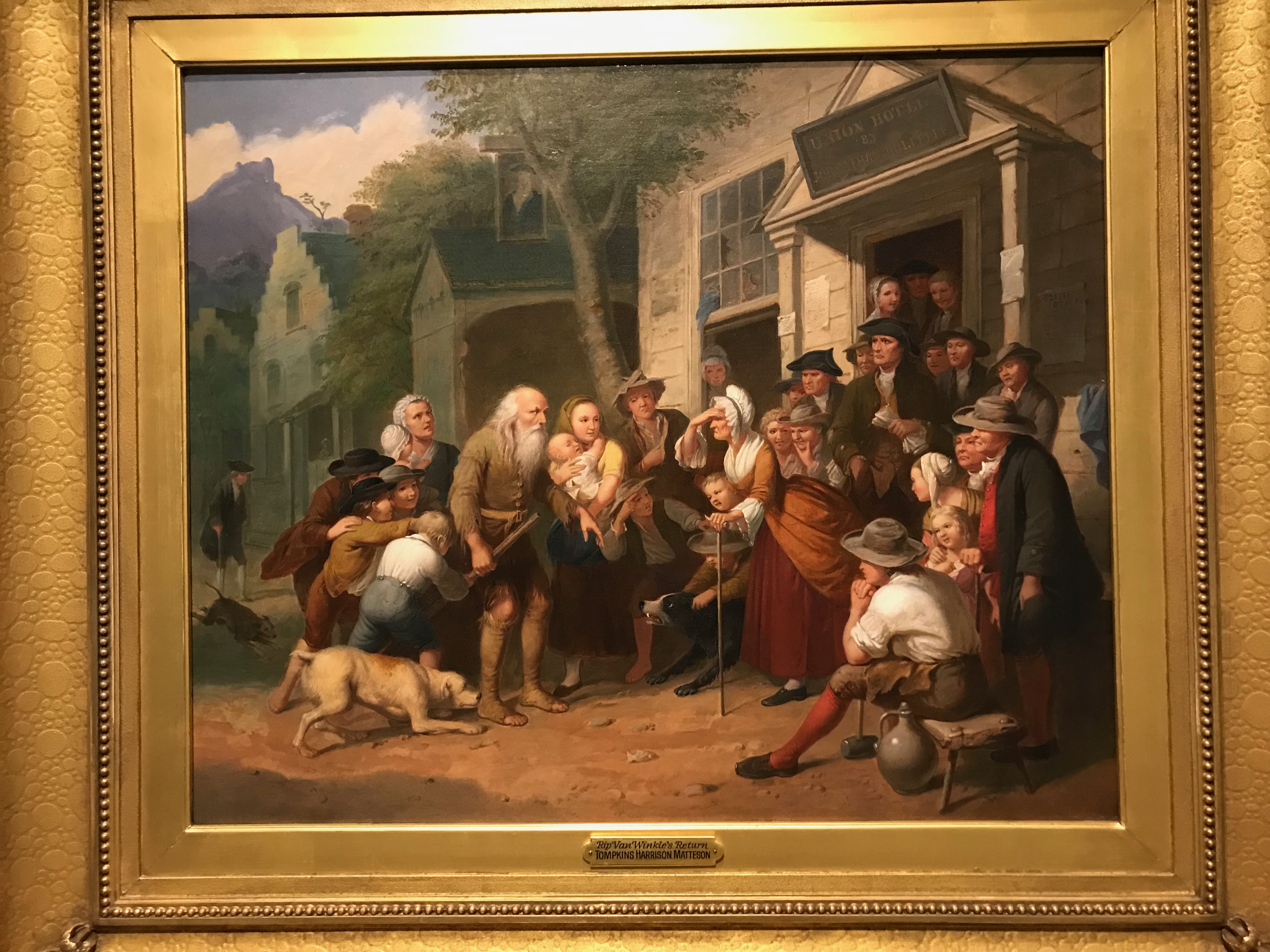
One of the features of the facility is a personal library designed by Frank Lloyd Wright.  The books on display aren’t his actual books (I don’t think), but being a book person I had to look over the titles.  Washington Irving was well represented.  Since Sleepy Hollow as American Myth will be out shortly, I was curious to see if they had The Sketchbook of Geoffrey Crayon, Gent.  This is the book in which “The Legend of Sleepy Hollow” first appeared.  It seems they have all of Irving’s books because I did indeed find the Sketchbook.  Such an unexpected connection was a bonus on what was already an enjoyable visit.  I wandered out into the paintings again and found Tompkins Harrison Matteson’s “The Return of Rip Van Winkle.”  As I discuss in the book, “Rip Van Winkle” is also in the Sketchbook.  Not for the first time, I’d made a personal connection with art.

Visiting art museums always leaves me in a liminal space.  For a while my soul was mingling with those of others driven by creativity.  I’ve made a few art works myself over the years but I’ve really had no training.  I did take a drawing and painting class in college, but I kept none of my output.  I enjoyed making it, however.  My daughter asked why I don’t do more and the issue always comes down to time.  Work takes the lion’s share and now weed control (they love the rain) takes most of the rest.  And writing, of course.  That’s why I need to go to museums.  To become fully human again.


New Hope Nightmare

One of my favorite places along the Delaware River is the town of New Hope.  Across the river is the very nice town of Lambertville, New Jersey, but New Hope has a feel to it.  When I learned that a new horror museum had opened there—Nightmare in New Hope—we scrambled to change plans to get there right away.  We went the Saturday before Easter.  We’d planned to spend some time touring the rest of the town as well since it’d been years since we’d done so.  We managed to find parking and, since the museum opens at one, grabbed some lunch and went to Farley’s Bookshop.  Independent Bookstore Day was actually the following weekend, but bookstores need no special occasion.  Farley’s has changed a lot since our last visit.  It’s smaller (as has happened with many indies) and brighter.  I found plenty to like there, but I did miss the darker, dustier feel to the first incarnation of the store I’d known.

We made our way to Nightmare in New Hope.  And waited.  And waited.  Several people passed by, noting that they’d have gone in if it were open.  One of our party messaged the website since telephoning did nothing.  Eventually the owner indicated that he was closed for Easter.  Of all things.  A horror museum, open only on weekends, closed for the first nice weather we’d had on a weekend?  That was the main reason we’d driven an hour to get there.  We found a place with vegan ice cream and fed the ducks on the river.  I was sad that the main objective of the trip, the museum, hadn’t turned out.  And I knew it would be quite some time before we could try again.

My daughter, knowing my tendency to get depressed over such things, suggested we could go to Peddler’s Village instead.  My wife and daughter had visited it before, and so we decided to round out our Saturday trip there.  Peddler’s Village is a set of speciality shops that was born about the same time that I was.  These days there are about 60 shops with items that may or may not be strictly necessary.  Although we’d been to Farley’s, I couldn’t pass up the Lahaska Bookshop, part of the Village.  It was warm that day and we saw maybe only five or six shops.  At least one of them was an independent bookstore.  Not exactly the day we’d planned, but a day spent in and around New Hope is never wasted.  But really, closed for Easter without even putting a notice on the website?

(See updates here and here.)


Space Rocks

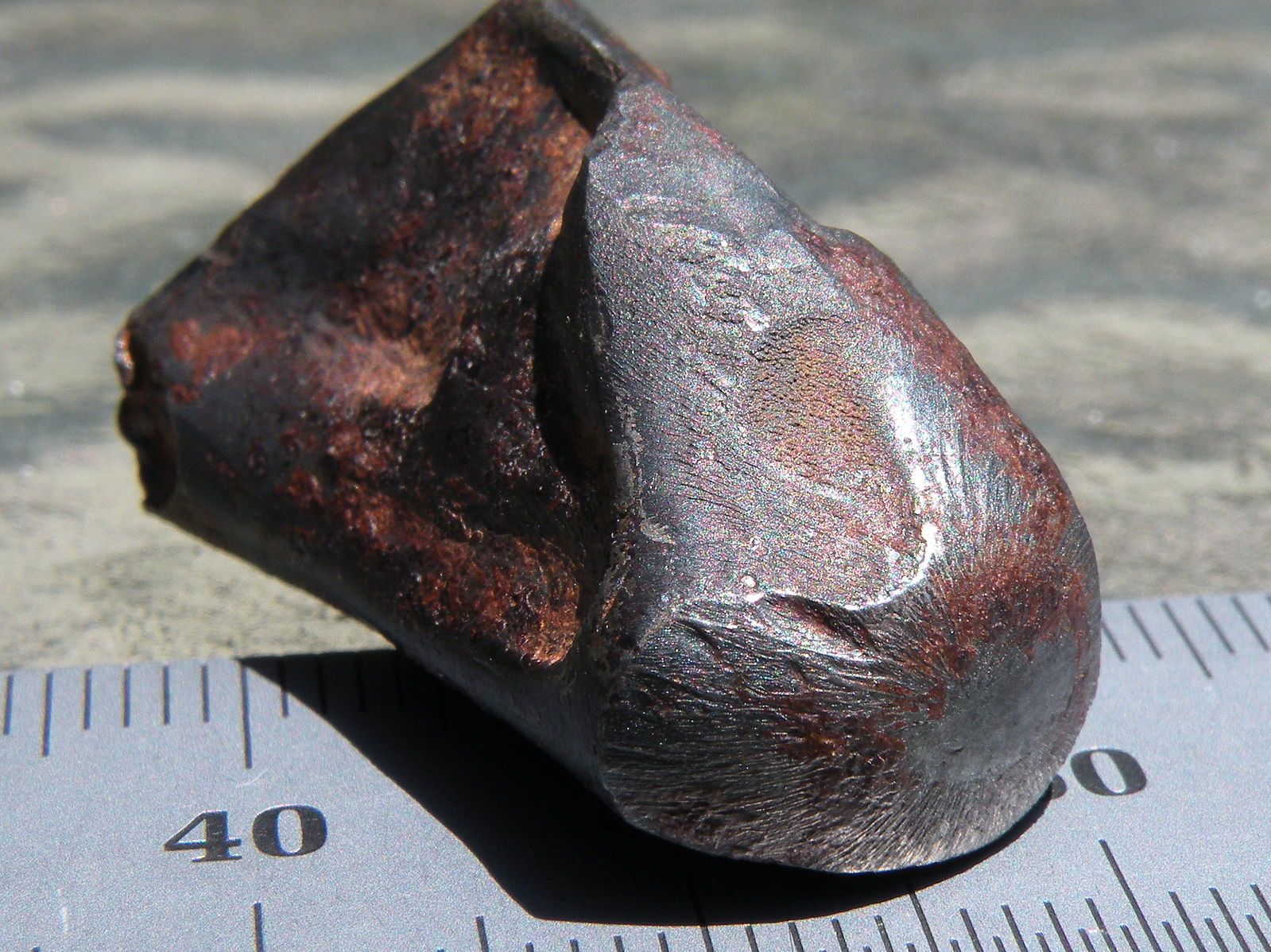
The thing from another world.  No, not the movie, but an artifact.  My recent post about the asteroid sent me looking for something.  When we lived in Wisconsin, we purchased a small piece of a meteorite while on a visit to the Yerkes Observatory.  It is, quite literally, a thing from another world.  The problem is, I can’t find it.  Our house isn’t that big but the fragment is quite small.  I’ve been told our house is like a museum—there are curios pretty much everywhere, and they each have some significance.  But the meteorite: where could it be?  I find that moving is one of the most disruptive activities known to those of us in the “developed” world.  As much as I wanted an organized move, the fact is that you can’t have such a move without taking at least a month off work in advance.

There are things (from this world) that I haven’t found in the six-plus years in this house.  Most often they’re like the meteorite in that I don’t think of them often, and when I do I wonder where I might’ve packed them.  Knowing where they might’ve been packed gives a clue to where they might’ve been unpacked.  And no matter what, some things get lost on every move.  There’s a book I had in New Jersey that is simply not here in Pennsylvania.  I’m sure I packed all our books.  One, at least, did not make it over the Delaware.   The fragment of meteorite, which is unique, is only about the size of a small ladybug.  Where might I have put it?  

That small fragment of rock traveled through the solar system.  It likely came from distances no human has ever gone.  Unimaginable distances.  Only to get lost in a house in Pennsylvania.  If it’s here at all.  Back when it was legal to pick up petrified wood, a family friend gave us two chunks from the petrified forest (for now, a National Park in Arizona).  One of them came to me and I treasured it for years.  I haven’t seen it since we moved to Pennsylvania.  There are boxes that haven’t been fully unpacked.  The squirrels make a mess of the garage every winter and I can’t go in there without feeling I should clean things up first, before emptying out the remaining boxes.  To a squirrel the thing from another world is just one more thing to ignore.  It has no value except for to an aging guy who remembers buying it at the very spot where Edwin Hubble worked and Albert Einstein visited.  Only to mislay it when moving fifty miles from state to state.

Not my meteorite. Image credit: Meteoritekid under the GNU Free Documentation License, via Wikimedia Commons


Dangerous Driving

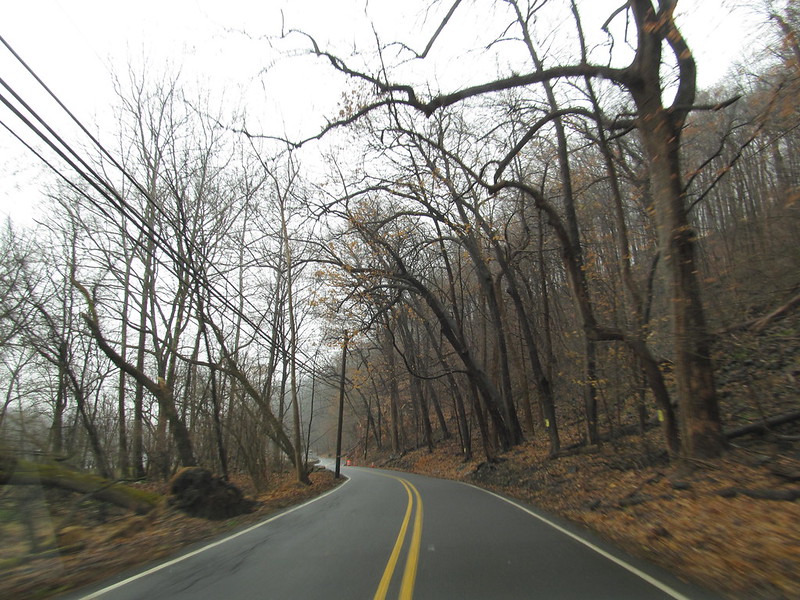
It reminded me of the time my manager fell down into the basement.  It also makes me think I must be neurodivergent.  Yesterday we were helping my brother in New Jersey get some things in order in his house.  He lives about an hour and a half from us and when the GPS showed us our options to get home we decided to go shunpiking.  I find something atmospheric, and maybe a little haunted, about driving along roads next to a river.  We crossed into Pennsylvania just north of Trenton and followed “River Road” home.  This stretch of road, mostly highway 32, is almost impossibly quaint.  I’d driven sections of it before, but not the whole stretch.  It was a pleasant day but we’d just come off of a period of rain and high winds.  The winds were still up, and have been gusting for about a week now.

After somewhere over an hour on this pleasant drive, we saw a motorcycle stopped in the road.  I slowed way down, unsure of what I was seeing (this starts the neurodivergent part), and I saw a man staggering across the road to lay down on the berm.  I could see branches on the road.  Unsure what to do, I pulled up next to him and offered to call 911 (my wife actually suggested that, since I didn’t know what to do. She’s better in a crisis than me.).  By then the people in the cars behind us had gotten out and one of them indicated they had medical training and that help was on the way.  The man indicated he’d been driving his motorcycle and the branch came down on him, or right in front of him—he was pretty dazed and confused.  Not wanting to throw my own ignorance and ineptitude into the mix, I pulled over, and my wife and I got out of the car and started clearing branches from the road.  Kay and I, and by now others, had pretty much cleared the road and, unsure what to do, and since there were many people attending the man, I drove off.

Image credit: Doug Kerr, Attribution-ShareAlike 2.0 Generic license, some rights reserved, via Flickr

That incident made me very reflective.  When I worked at Ritz Camera in Brookline, Massachusetts, one day my manager didn’t see that the cellar door (inside the store) was open.  We heard a scream and a thud and I ran to the door and pulled it back open.  The door had to be held by a hook and eyelet being joined and while I was trying to do that, one of my coworkers brushed past and down the stairs to help our manager.  Later, my co-worker ribbed me for being more concerned about the door than the person.  I was actually trying to help our manager, but in my mind, going down the stairs only to have the door fall on my head made no sense.  It turned out the manager was fine; a trip to the ER showed nothing seriously wrong with her.  I don’t know about that man by the side of the road.  I was only glad that, as my wife noted, so many people had stopped to help.  I just hope he, like my manager, was okay.


Upstate

Unrequited love is sometimes tragic.  Other times it’s merely sad.  People are attracted to places.  Or at least the idea of places.  I was born in Pennsylvania, but to a wandering family.  I keep looking for roots—my tribe.  I didn’t know my father well growing up, but my mother’s family, before taking on that rootless search for greener pastures, was from upstate New York.  For several generations.  I’ve tried many times to land a teaching post somewhere upstate, but in vain.  Even when I knew the people in the department and had been to campus, like that time at Syracuse University.  It was raining when I visited, back in my Routledge days.  I was taken by what I experienced there, never to be welcomed myself.  My family was from a bit further north, around Albany, the head of the Hudson Valley.

At the time I wasn’t aware that my childhood hero Rod Serling was born in Syracuse.  My daughter was at school in Binghamton, which is where Serling grew up.  That I knew.  Nor did I know that Dan Curtis, creator of Dark Shadows—that other childhood staple—had gone to college at Syracuse.  Something about upstate.  I’ve remarked to my family that when traveling in this part of the country I catch glimpses of familial facial features in some strangers.  A passing glance suggests that they might be distantly related.  My unknown tribe.  Economics, however, have always kept me away.  Even when I explained in my cover letters that I felt that special connection my applications were summarily brushed aside.  Probably by folk who knew who their tribe was.  Probably from somewhere else.

In this world of internet loneliness, we long for connection.  We lived in Wisconsin for over a decade.  The only people I really got to know were those I knew from Nashotah House.  And this was even with years of involvement with the PTO, serving on the building committee, and even being president one year.  People were busy even back then.  I was thinking perhaps I’d found my tribe in Wisconsin. But then…  The move to New Jersey put me close to my ancestral state, but not in it (my mother was born in Jersey).  Economics, that dismal science, dictated that a move had to be back to Pennsylvania, where I was born among strangers.  Our nation is one of many tribes, including those we sought to exterminate to steal their land.  We have plenty of space, but we value economics over belonging.  You may buy the presidency, but you can’t buy your tribe.


Festival Spirit

Festivals.  These common events, often outdoors, are ways to be around other people while not really seriously engaging them.  I spend a lot of time by myself, or alone with family.  We don’t know many folks locally (I’m pretty sure very few locals read this blog), so online community is often how I connect.  Still, even we introverts crave the human touch now and again.  In October we attended the Covered Bridge and Arts Festival in Bloomsburg, Pennsylvania.  It is one of the largest free festivals on the east coast, and just a couple of hours from us.  While there, we learned about the much smaller Riverfest in nearby Berwick, held the same weekend.  We decided to stop there on our way home.  The thing about craft fairs is that you get used to seeing pretty much the same kinds of things over and over.  That’s fine, because we’re here for the atmosphere.

At one of these events, while my wife and daughter were examining the wares, an owner came up to me (I was just outside the tent) and said, with a bit of surprise and wonder in his voice, “You have the spirit of God.  You can tell someone who does.”  Now, this can be a sales ploy, of course, but he seemed sincere.  He really didn’t nail my spirituality, but he was correct that I am a very spiritual person.  Given his talk of Jesus, I suspect he’d have been put aback if I told him that horror films are one form of spiritual practice for me.  So I remained relatively noncommittal until he turned to my wife to tell her about the products in his tent.  Still, the encounter left me reflective.  I don’t think myself any kind of spiritual guru, but I have been singled out by a number of people over the years and I wonder what it is that they see.

Some New Agers suggest we all have auras.  That’s generally considered paranormal, of course.  I’ve known people, however, who’ve been accurately “read” by strangers who seem sensitive to such things.  Or are extremely good at cold reading.  When I go to a festival I don’t mean to have my aura showing.  I spend a lot of time alone, so maybe I’m hiding my aura in my house.  No neighbors have complained about the light pollution, in any case.  I admire those who see something special in strangers, even if it’s an attempt to get them to buy something.  That’s why we go to festivals, I guess: to have a kind of spiritual experience that comes from being with others.


Locating Yourself

How do you come to where you spend your life?  It could be where you’re born.  I was born in Franklin, Pennsylvania.  Neither of my parents were.  On my mother’s side we had a tradition of wandering.  We eventually moved to Rouseville, a refinery town not too many miles from where I grew up initially, but very different in character.  I knew I wanted to get away.  I lived in Grove City next, only as a student.  For a short while I resided with some friends in the South Hills of Pittsburgh before moving to Boston to attend seminary.  Like many who go to Boston for school, I wanted to settle there.  I did so for about a year after graduation, making a living, such as it was, selling cameras.  My next move was precipitated by love.  I moved to Ann Arbor, Michigan to be with my fiancée, but I’d already been accepted to Edinburgh University, so an international move was imminent.

Roseville

Edinburgh, like Boston, is a spiderweb.  We would’ve stayed if we legally could have, but with a job market for academics already tanking, we headed back over the Atlantic.  My wife was a grad student at the University of Illinois, so we moved first to Tuscola (family there), then Savoy (on the outskirts of Champagne-Urbana).  Meanwhile I commuted to Delafield, Wisconsin, home of Nashotah House.  We eventually moved to Delafield and stayed until I was no longer wanted.  Our move to Oconomowoc was necessary to keep our daughter in the same school.  The possibility of full-time employment drew me to Somerville, New Jersey.  We would stay there until my daughter had a chance to graduate.  Depression convinced me that I’d run out the clock in that apartment, but a financial advisor suggested Pennsylvania, where I was born.  Thus we ended up in the Lehigh Valley.

I’ve liked every place I’ve lived.  If I had my druthers, however, I would’ve ended up teaching at a small college in Maine.  Several friends have moved to Maine as I’ve jealously watched.  The places we spend our lives, at least in my case, are determined by a measure of fate.  Nashotah House was the only job I was offered from Edinburgh.  Gorgias Press was the only job I was offered after the seminary.  Moving to my home state was volitional, of course.  As a couple we’d have been content in Massachusetts, Michigan, Wisconsin, or New Jersey.  Economics, of course, has a heavy hand in all of this.  I sometimes think that, if I could ever retire, moving to Franklin again would be a way of coming full circle.  But then, life is change and we end up, it seems, where we’re meant to be.  Perhaps Canada?


Mere Eagles

One of our summertime jaunts was to the small town of Eagles Mere in the Endless Mountains region, north of the Poconos.  Growing up in western Pennsylvania, I often heard of the mysterious Poconos out east, and now that we live just south of them in the Lehigh Valley, they are weekend-getawayable.  As are points north.  Eagles Mere was an early resort town built on the second highest natural lake (“mere”) in Pennsylvania.  In the early days it was accessible mainly by a slow moving train that took visitors up the mountain.  Today, of course, everyone drives.  It’s a town of about 150 people but the population increases to 3,000 in the summer.  It’s also known for its winter sporting opportunities.  It’s fully dependent on tourism.  I got the sense from walking around that it’s the kind of place you need to stay in to appreciate fully.  Once there were four major historic hotels, all of them gone now, so visitors stay in more modest accommodations, or like us, far enough away to be affordable.

I often wonder what it must be like to live full-time in such a place.  I mean, the rest of us slog away at daily jobs until we can get away for a few days, perhaps to Eagles Mere.  I can’t imagine having to draw in your entire income during a summer with lesser business in the winter, and a smattering of visitors in the fall.  What must life be like in the off-season?  Is it better than the 9-2-5 sitting in front of a computer screen?  At least they have a beautiful, clear lake.  And peace and quiet.  One of the things that struck me—we were there on a drizzly, somewhat chilly August day—is just how silent things can be when we get away from the sounds of civilization.  Perhaps this is the pay-off to not getting year-long pay.

Such places exist because the rest of us need to escape what is it we normally do.  Work, at times, seems mainly to be dealing with other people’s frustrations.  These build up over time until we need to forget about it for a while.  In other words, getaways are interludes of fantasy.  Imagining how it must be to live with so much money that you could afford not to work, but just to paddle out on the lake, watching for eagles, and listening to silence.  Every time I visit a resort town I wonder what it must be like to live in one.  The docent at the museum said many of the 150 are descendants of those who ran the grand hotels.  Even in, perhaps especially in, the off-season this is home to dreamers.


Victorian Inspiration

Some stereotypes hold the truth.  Since we couldn’t afford a vacation this summer, we arranged a couple of our versions of “staycations.”  For us that means driving some place a couple hours away, staying in a hotel for a night or two, and exploring a new place for the weekend.  We’ve done that to explore the Lancaster area and a couple of times to the Poconos.  When possible, and affordable, we like to stay in unusual places rather than the typical hotel.  For example, around Lancaster we try to book a caboose at the Red Caboose.  Since those are expensive over the weekend, typically we have to take a vacation day or two to do them before the weekend proper sets in.  On a trip to the Endless Mountains region, we stayed at the Victorian Charm Inn in Towanda.  This is a converted ten-bedroom house from the late Victorian era.  Not a typical hotel, it’s an inspiring place to stay.

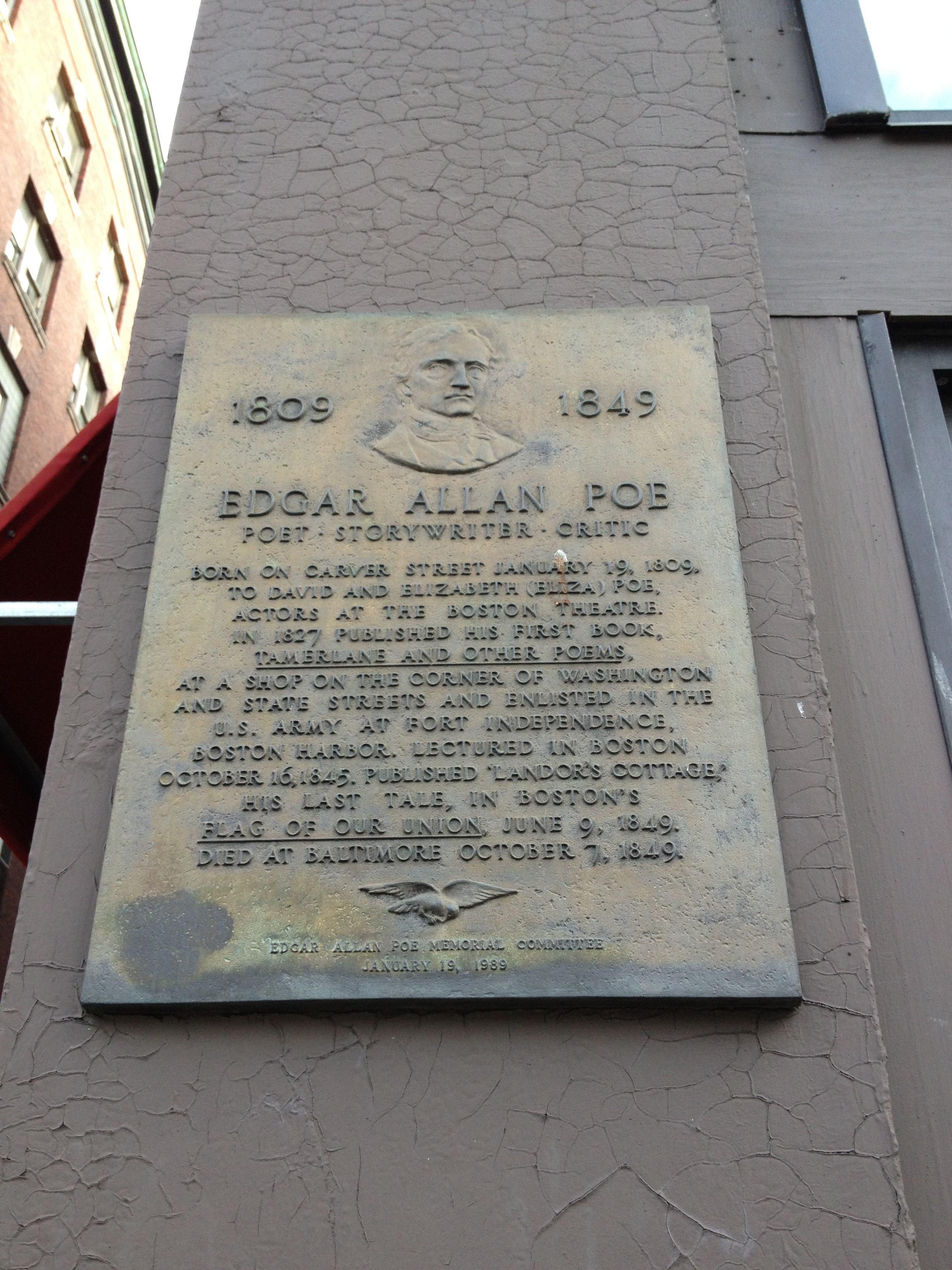
What I mean by stereotypes is that such places inspire me to write in their genres.  After staying in the Red Caboose, I typically write fiction about trains.  I’d been on a gothic kick when we stayed at Victorian Charm and indeed, it inspired gothic writing.  Not that we could’ve afforded it, but when we were looking for a house, I really wanted to buy a Victorian.  We looked at a couple but neither one had been well kept up.  I thought they would inspire my writing.  Perhaps it would get old, living in such a house and reading Poe and other Victorian writers, but I wonder if it might have led to more gothic stories.  The fiction I do write tends to draw from my experience of living in various places.  Victorian mansions have a feel to them.

Writing is mostly a matter of discipline, rather than inspiration.  All writers, I suspect, crave inspiration.  I know that I do.  When I awoke to a thunderstorm in a Victorian mansion I experienced something that had never happened to me before in real life.  It made me wonder what it would’ve been like to have been able to live in such a place.  The cracked plaster, the faded elegance.  The nooks and alcoves.  An honest-to-goodness fainting couch.  And who knows?  Perhaps a ghost or two.  Our house was built in the Victorian Era, but by those of much more modest means.  It is an inspirational place to write, but it’s also the place associated with work.  That’s why, in stereotypical behavior, we need to get away on the occasional staycation.


Things about Pennsylvania

When I used to pick up my daughter from college in upstate New York, we’d sometimes come up with ways to keep the conversation going for the three-to-four hours it’d take us to drive home.  One trip we thought of doing a parody of “Sweet Home Alabama,” namely, “Sweet Home Pennsylvania” (same number of syllables).  We sketched out some verses by her asking me what Pennsylvania was known for.  Now, I was born and reared in this state, but my ancestral states are more properly New York, North and South Carolina, and the District of Columbia.  Still, I feel at home in PA, but I’ve always felt it was one of those places that people think “Philadelphia” then call it quits.  Pittsburgh used to be much larger than it now is; it was the 16th largest city in the country when I was in high school.  So, the Liberty Bell/Declaration of Independence, and steel (also in Bethlehem), were obvious gimmes.  But what else?

The Amish.  Yes, they have colonies in many states, but Pennsylvania has Lancaster County.  The state may not be widely known for this, but it is the second biggest supplier of fossil fuels in the lower 48, right after Texas.  Indeed, the petroleum industry was born right here, not far from where I grew up.  So we have the Mennonite farmers and heavy industry.  It is really quite a varied state, my home.  We have lakefront property on Erie, and a tiny part of the Atlantic in Philly.  We have a good dose of the Appalachian Mountains.  Lots of forests, even some with elk.  We were the second state, after Delaware, and Pennsylvania is properly a commonwealth instead of a state.  Our European founding was by means of the Quakers.  Pennsylvania housed several Indian tribes.  It was known for religious tolerance.  Daniel Boone was born here.  So was Stephen Foster.  And two US Presidents.  Not bad.  Not bad at all.

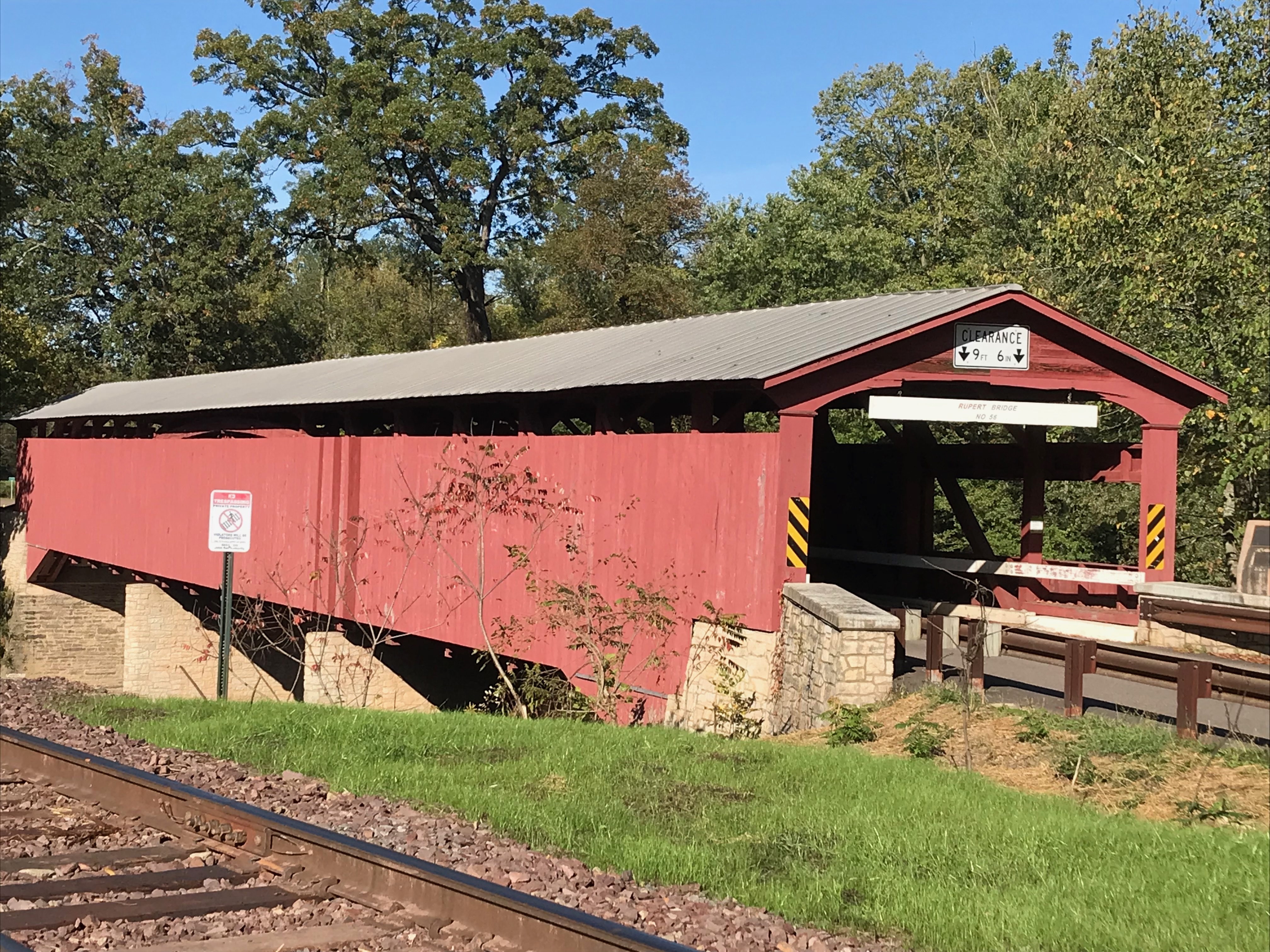
Only recently did I learn that the covered bridge was invented in Pennsylvania and that we have more still standing than any other state.  The current count is about 209.  Now, there’s a romance to covered bridges.  During this summer of staycations, we started to visit some.  You can’t go shopping there, and you can’t stay overnight or even order food, but these old-timey structures are a draw all on their own.  Part of the fascination is that we don’t build them anymore.  We have cars to keep the rain off and our vehicles don’t get spooked by the sight of open water or slip unduly on wooden planks.  Back when we were trying to make up alternatives to Alabama’s charms, I wasn’t aware we had so many covered bridges.  I saw a few growing up, of course, but paid little attention.  Now they’re another part of what makes this a sweet home.


Sweet Tooth

Often our luxuries come at someone else’s cost.  I personally don’t have much of a sweet tooth, but I do enjoy dark chocolate once in a while.  (Milk chocolate tends not to be vegan.)  My wife had discovered Moka Origins chocolate at a local health food store and then learned that their location is in the Poconos, just outside Honesdale.  We visited their facility, small but growing.  We learned how they’re committed to fair trade and sustainability.  And they’re gaining a reputation in a world where scale is everything and as scale increases quality declines.  We all know that to be true but we still support the big guys.  The visit to Moka Origins made me reflect, once again, how we prefer low quality and cheapness to something that’s really well made but costs more.  It’s one of the realities of our economic system.

There is a small but thriving vinyl market for sound recordings—the quality is better, and many are willing to work with the inconvenience of turntables and discs than simply streaming whatever.  I took a lesson from Moka.  The cofounder told us that large companies come into places like Africa paying low prices to buy in bulk.  They buy improperly fermented cacao beans in huge lots which probably includes some beans that aren’t even cacao.  Mixing these large lots with enough additives, they can get away with the chocolate taste most people have grown accustomed to having.  If, on the other hand, you scale down and pay attention to what you’re doing you can even tell the country of origin of chocolate by its taste.  Since Moka sells only single origin chocolate, we were given samples from three different African countries and they were obviously very different, even to someone without a sweet tooth.

Economic scale often drives quality down.  In a company where the owner comes in on a Saturday morning to personally lead a tour and where the chocolate bars they sell are literally wrapped by hand, you know you’re not in Hershey.  Or at Nestlé.  Or any other corporate candy giant.  These companies make astronomical profits.  The owners of Moka Origins spend time in Africa, developing fair trade farms to grow quality produce.  I also learned that cacao pods are technically fruits.  It’s a food.  We tend to overlook that in our quick snack culture.  This was a very educational half hour, even for someone not inclined to food tourism.  So, if you happen to be in northeast Pennsylvania on a Saturday morning, stop in to try chocolate that’s really a food.  Or you can order it online.  Just know that you’ll pay for fair pricing for those who are doing the work to raise and process cacao beans as they should be treated.  You can tell the difference fairness makes.

Oh, and I should mention they also do coffee…


Following Irving

I’m growing fond of staycations.  Maybe it’s because I’ve become such a creature of habit that major disruptions seem daunting, but I still like a change of scenery with my family.  We settled on the Poconos because of, well, a chocolate factory.  More on that anon.  In any case, said location was near Honesdale, Pennsylvania.  Before setting out we learned that Honesdale is one of those quaint downtowns that has made it an island of culture in a sea of red, if you get my drift.  While researching things to do we learned about Irving’s Cliff.  This is an overlook of the town from a bluff atop one of the many hills.  What really caught my attention is that the Irving was none other than Washington Irving, the author of “The Legend of Sleepy Hollow.”  This cliff was a view he enjoyed, so it was named after him.

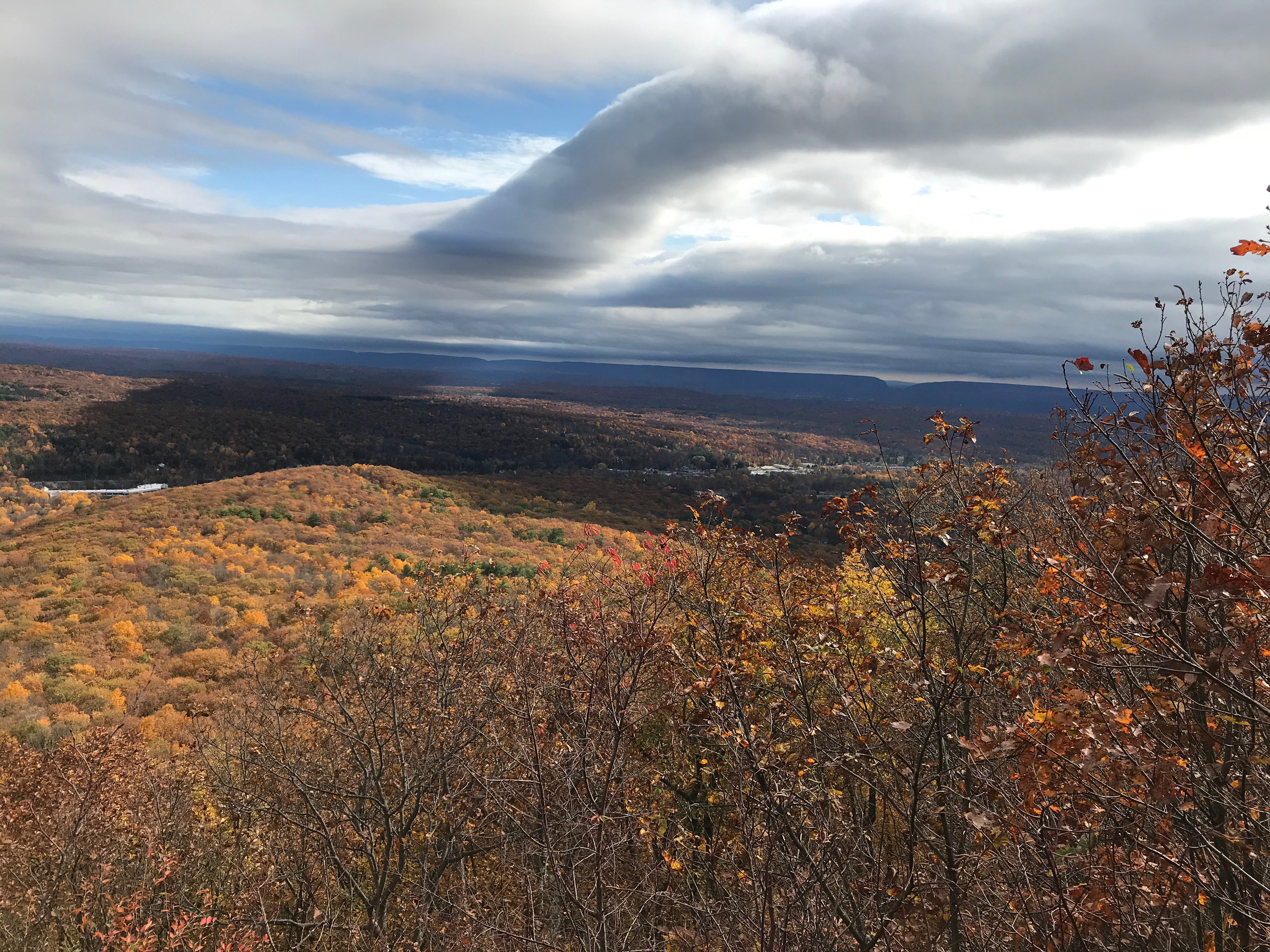
The view from Irving’s Cliff

Honesdale is a small town.  Less than 5,000 people call it home.  Growing up in western Pennsylvania I heard about more affluent people going to “the Poconos” out east.  It was a “romantic” getaway for some lucky high schoolers while the rest of us had to use our imagination regarding what such a place might be like.  Of course, living just south of the Poconos now we’ve driven through them many times, but we never stopped to linger here.  As I tried to commune with the spirit of Irving on his cliff, it occurred to me that he had been a world traveler.  Nipping across the border from his native New York to Pennsylvania must’ve been no big deal.  Still, he wrote incessantly and the locals obviously appreciated that a famous writer had tarried in their town.  Standing here, I knew the view he took in was quite different.  The hills would’ve been here, but a much smaller town and, above all, no cars.

My forthcoming book on Sleepy Hollow will have a thing or two to say about Washington Irving, of course.  It’d be a fool’s errand to try to follow in his footsteps, just as it would be to try the same for his namesake George Washington.  Besides, I was born in a western Pennsylvania town visited by our first president.  Although we couldn’t afford accommodation in Honesdale itself (it is a quaint town), we checked into our hotel knowing that “Washington Irving slept here.”  And when you’ve spent a few years writing a book about a guy’s work, well, a staycation to a place where he had one is worthy of comment.


Personal History

Being an historian by disposition has its own rewards.  I relate to the chronicling monks of the Middle Ages and their eagerness to record things.  On a much smaller scale, I try to keep track of what has passed in my own small life.  As we all know, most days consist of a stunning sameness, particularly if you work 9-2-5.  Although your soul is evolving, capitalism’s cookie-cutter ensures a kind of ennui that vacation time, and travel in particular, breaks.  Travel is expensive, however.  A luxury item.  It’s also an education.  My wife and I began our life together overseas, living three years in Scotland.  We traveled as much as grad students could afford.  Gainfully employed in the United States, we made regular summer trips to Idaho, and often shorter trips closer to home in Wisconsin.

We repurposed an old, spiral bound, three-subject notebook to record our adventures.  It spanned twenty-two years.  When we moved to our house in 2018, this notebook was lost.  (A similar thing happened with an Historic Scotland booklet where we’d inscribed all the dates of properties visited.  It vanished somewhere in central Illinois in 1992.)  Recently, looking for an empty three-ring binder for my wife to use, I unexpectedly came across our old three-subject notebook.  The relief—maybe even ecstasy—it released was something only an historian could appreciate.  Here were the dates, times, and places that I thought had been lost from my life.  In that morass of years after Nashotah House my mind had gone into a kind of twilight of half-remembered forays to bring light to this harsh 9-2-5 world.  I carried the notebook around with me for days, not wanting to lose sight of it.

Those of us who write need to record things.  I’ve never been able to afford to be a world traveler.  The company’s dime sent me to the United Kingdom a few times, but overseas after Scotland has been more a reverie than a reality.  But now, at least, I could remember our domestic trips.  The notebook included ventures I’d forgotten.  You see, when you get back from a trip you have to begin the 9-2-5 the very next day, particularly if your company isn’t fond of holidays.  (This explains why I write so much about them.)  Pleasant memories get lost in the mundane cookie-cutter problems of everyday life.  And yet I could now face them with that rare joy known to historians.  I had a notebook next to me, ready for transcribing.  It was going to be a good day.