The Triumph of Baal

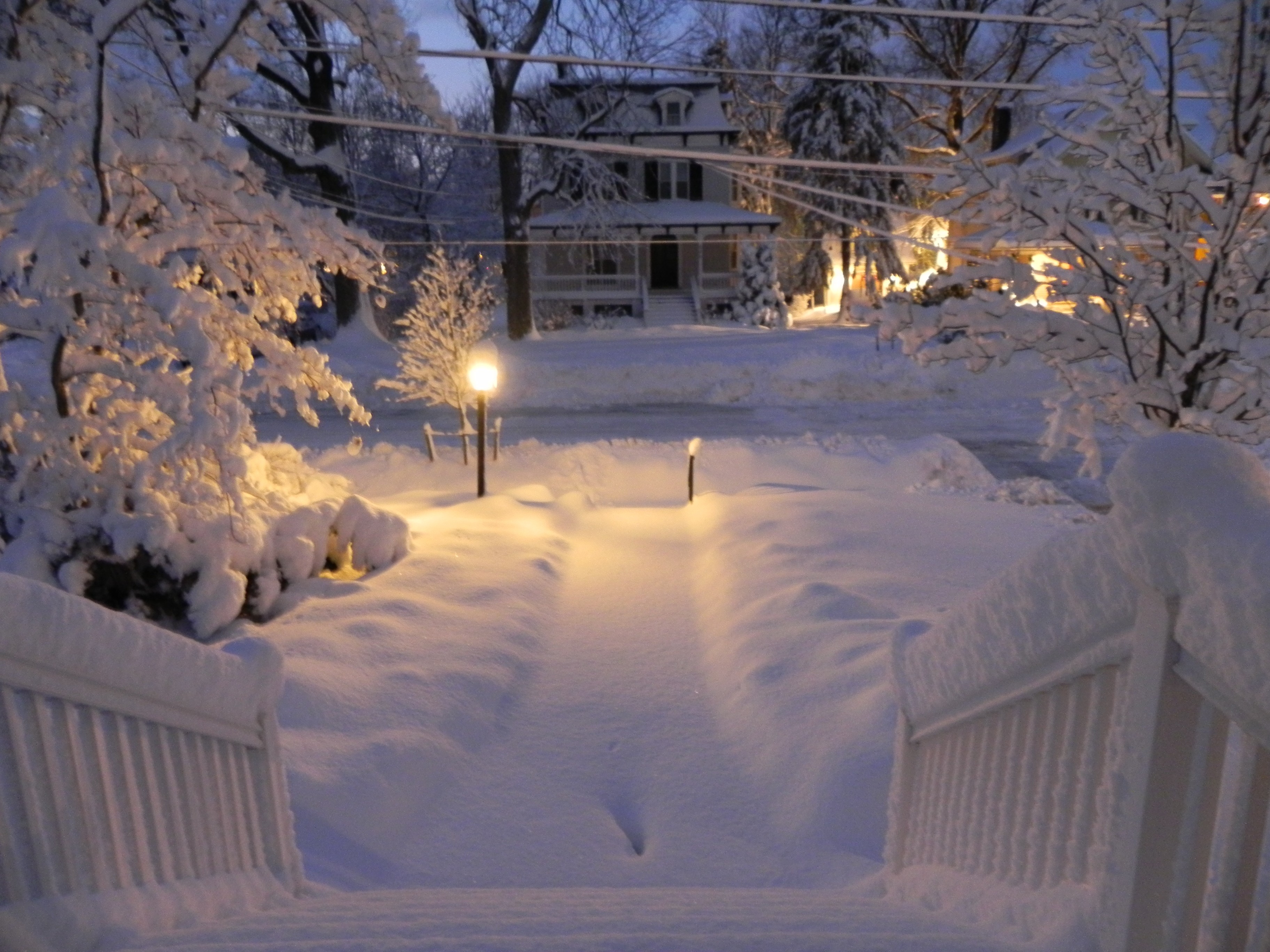
“Snow weariness” is no strange phenomenon even to those of us who were reared in the legendary snow belt of Lake Erie. Although Buffalo consistently topped our records, months of deep snow burying all the familiar features of our landscape in northwestern Pennsylvania were regular expectations of winter. Snow weariness generally settled in around March when we longed for green pastures and unstill waters. As an adult in generally snow-deprived New Jersey, the weariness sets in much quicker. Attempting to drive on highways with sneophytes is a challenge; before I had my license I had driven in plenty of snow, otherwise I’d have had to hibernate from December through April of each year. Digging out from New Jersey’s third major snow-plop of January, however, the magic seems to have vanished.

Baal was a god who controlled the weather. Some years back I finished a book (still unpublished) on weather terminology in the Psalms. Many psalms are notable for containing archaic imagery and phrasing, leading some scholars to suggest they might have been new, revised “Canaanite” versions of songs originally dedicated to Baal. Perhaps so. The Psalms frequently note the wonder of weather, even occasionally of the snow. Psalm 147 contains the lines:

16 The one giving snow like the wool,
he scatters hoarfrost like the ashes,
17 throwing his rime like crumbs,
before his cold who will stand?

Originally a paean to Baal? Who knows? It’s just that we’re all shivering down here. And Israelites didn’t have to shovel a path to their cars to turn over reluctant engines to get a modicum of warm air circulating before they actually arrived at work.

Once Israel’s monotheism set in, Yahweh took control of the weather, thank you. Even a glance at the Psalms demonstrates the superiority of Israel’s divine weather-maker. From the view down here, however, it looks like maybe Baal has a few tricks still to play. Would Yahweh ever cause a Bible class to be cancelled because of inclement weather?

Dawn in the new snow Baal


Bigger than Manhattan

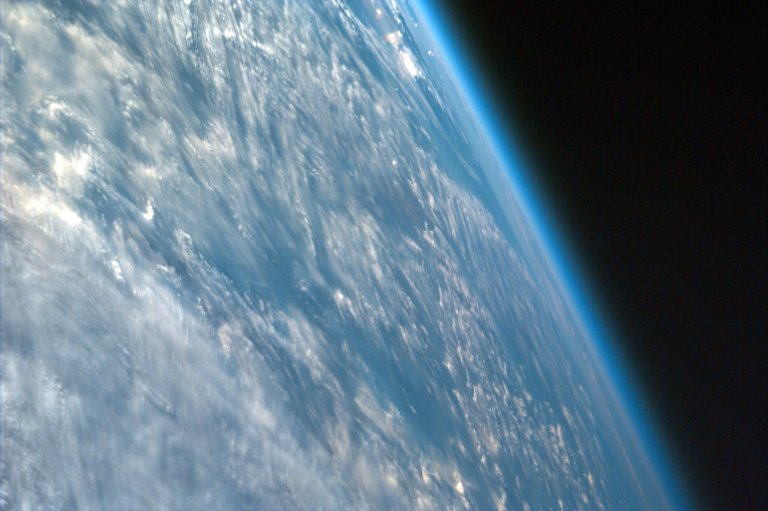
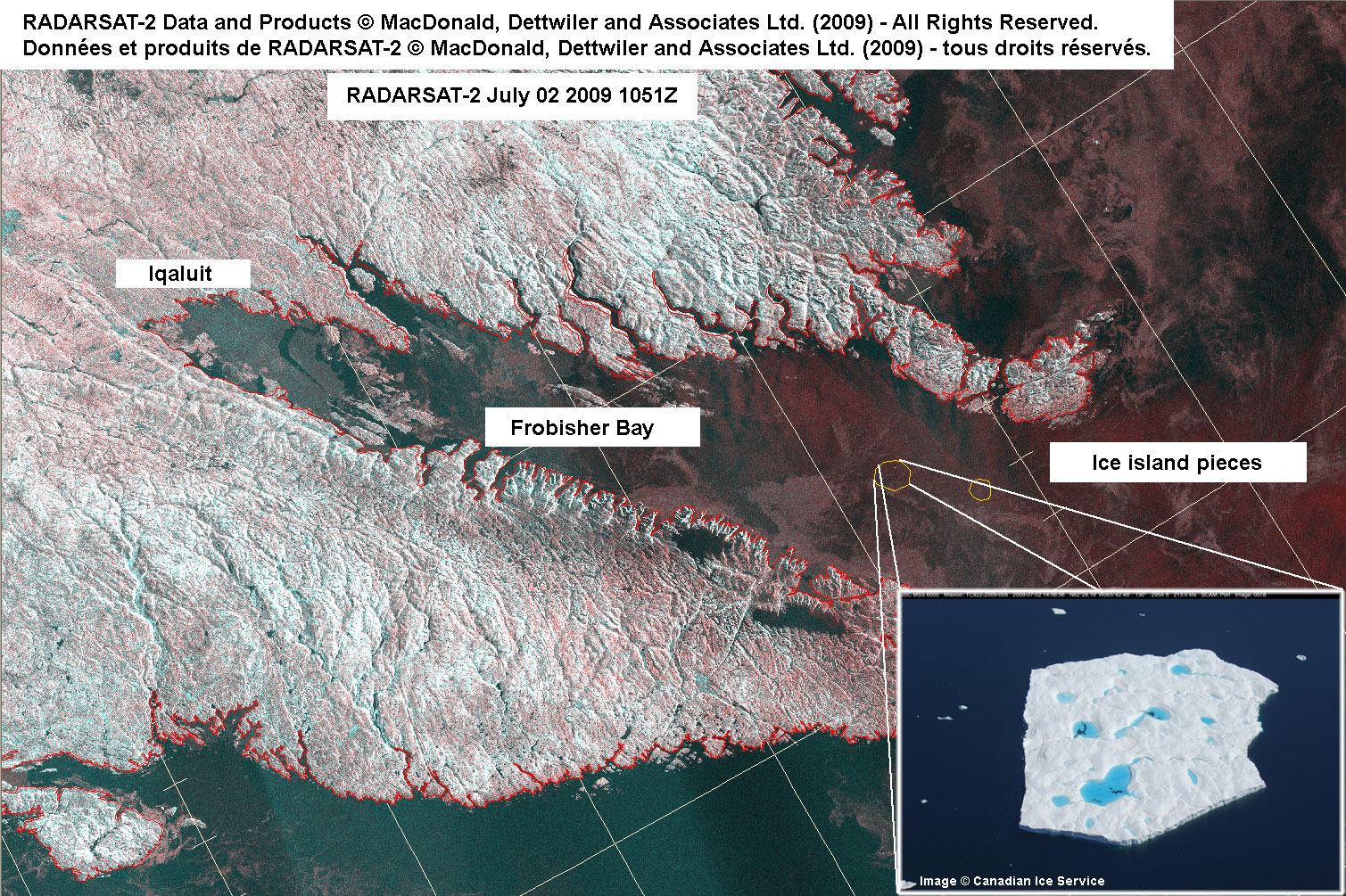
Walking inside with the newspaper this morning, I would have wagered that the word “biblical” would appear on the front page. This would have been a fairly safe bet since the headline of the New Jersey Star-Ledger reads, “Fire, Flood and Now a Massive Iceberg.” The reference is to the Petermann Glacier iceberg from Greenland that will likely threaten human maritime activities in the North Atlantic for some years to come. The massive iceberg, “four Manhattans” in size, is expected to drift down along the Canadian coast, causing potential problems for off-shore oil wells and shipping traffic. Sounds like a job for James Cameron, or maybe Kevin Costner.

The biblical connection comes in paragraph three: “It’s been a summer of near biblical climatic havoc across the planet, with wildfires, heat and smog in Russia and killer floods in Asia.” The more I ponder this curious superlative for disaster (i.e., “biblical”), the odder it grows. The Bible is really home to few epic disasters, most of them centered in the flood, the exodus and wilderness wanderings. Those who favor an apocalypse might throw Revelation in for good measure, but overall the Bible deals mostly with everyday occurrences that seldom find reflections in the media. To convey the idea of grand disaster, however, the Bible remains unrivaled.

While the Petermann ice island may not be the end of life as we know it, it is an appropriate symbol of our times. Our planet is warming; no one denies that. It is through human irresponsibility, it is true, but like all truths, this is controversial. The Bible, that great bastion of western morality, is frequently used to bolster positions that claim God gave the earth to humanity to do with as we please. It might serve the captains of greed and industry well to realize that the world given to Adam and Eve was flat, with a see-through dome overhead, and it was the only habitable space in a very limited universe.


Weather the Psalms

Among the academic detritus cluttering my desktop is a book I wrote while employed at Nashotah House. Not being a native Midwesterner and finding myself where severe thunderstorms are a blasé fact of life for much of the year, I was captivated by and terrified of the weather. At the same time, daily recitation of the Psalms was a major part of our required, twice daily worship. With the thunder louder than I could ever imagine it outside, we’d calmly read the Psalms, at our stately pace, confident that he who rides upon the clouds could protect us, his humble servants. After many years of recitatio continua I noticed the plenitudinous mentions of the weather in the Psalms. After a painstaking five years of reading and rereading the entire Psalter, I had translated every verse with a weather reference and had written commentary on them.

Publishers showed no interest, this despite the enormous success of Sebastian Junger’s The Perfect Storm, and Erik Larson’s Isaac’s Storm (both of which I eagerly read) and the recent release of Twister. One publisher deigned to make comments as to the great problems of my thesis, so I sat down to revise this behemoth of a book. The very day I was called into the Dean’s office and fired was the last time I looked at the material. I had been revising the book that very morning. The one sad aspect of this entire episode is that every colleague to whom I mentioned the book was excited to read it when it came out. There was a real interest, but no publisher willing to take on the project, this side of vanity publishing.

Some days I think I may go back to that dead beast of a project and try to resurrect it. My academic publishing has slowed to a tortoisene pace without full-time institution support or interest (independent scholars are not worth investing in, I have learned), especially under the weight of teaching nearly a dozen classes a year. Nevertheless, the idea seems sound to me. I keep a weather-eye on the academic horizon and I have yet to spot a book like mine anywhere within the publication catalogues. Considering the importance of storm gods in the ancient world, perhaps we’ve simply moved beyond this interest, tucked away in our interior settings. Nevertheless, when a rare thunderstorm comes to New Jersey, I still remember the majesty of the weather and a forgotten book on the Psalms.

Even the NWS recognizes Noah


In the Morning

The arrival of the most recent issue of MAARAV (15.2) was a poignant blend of joy and melancholy. Joy in that my article about the odd Hebrew word galgal was finally published, and melancholy in that this will likely be my last academic article. I began publishing academic pieces back in the early 90’s and kept a steady stream going until being abruptly dismissed from Nashotah House. Research requires a regular, steady employment situation with access to obscure materials and a somewhat predictable teaching load. Since being cast into the outer darkness of the adjuncts’ world, well, it’s awfully dim out here to try to devote the scant free time to in-depth study. Such is the world of academics.

This article was a spin-off of a much larger project – a book that was completely written and rejected by a noteworthy publisher and lies dormant on a hard-drive somewhere – on the weather terminology in the Psalms. Several publishers expressed minimal interest, and this article was an effort to demonstrate how weather language has been sublimated due to faulty methodology. The unusual word galgal likely derives from a root with connotations of circularity. Nineteenth-century travelers in the Levant associated the word with tumbleweeds, and this association has stuck ever since. In my article I sort through the lexical information seeking some kind of consensus in the West Semitic language family for a more solid understanding of this troublesome lexeme. To the unbiased observer, the earlier favored translation of “whirlwind” still holds a considerable amount of evidence.

This particular paper holds an enduring place in my memory. I first read it at the Society of Biblical Literature Annual Meeting in 2001 in Denver. Well, I started to read it. The morning of my paper I’d visited the Denver Museum of Nature and Science to see the famed dinosaur and mineral exhibits. While in the museum I became violently ill and had to take a taxi back to my hotel. When I tried to read the fated paper that afternoon, nausea swept over me and I couldn’t finish it. Somehow, returning to a project that had made me physically ill held little appeal, no matter what its academic merits. The paper sat, forgotten, until I thought to submit it to MAARAV a couple years back. Now it awaits the criticism of others while I move on to other things. I do hope that this humble contribution to Hebrew lexicography might be taken seriously since like Denver’s dinosaurs, it is the last of its kind.


Weather Religion

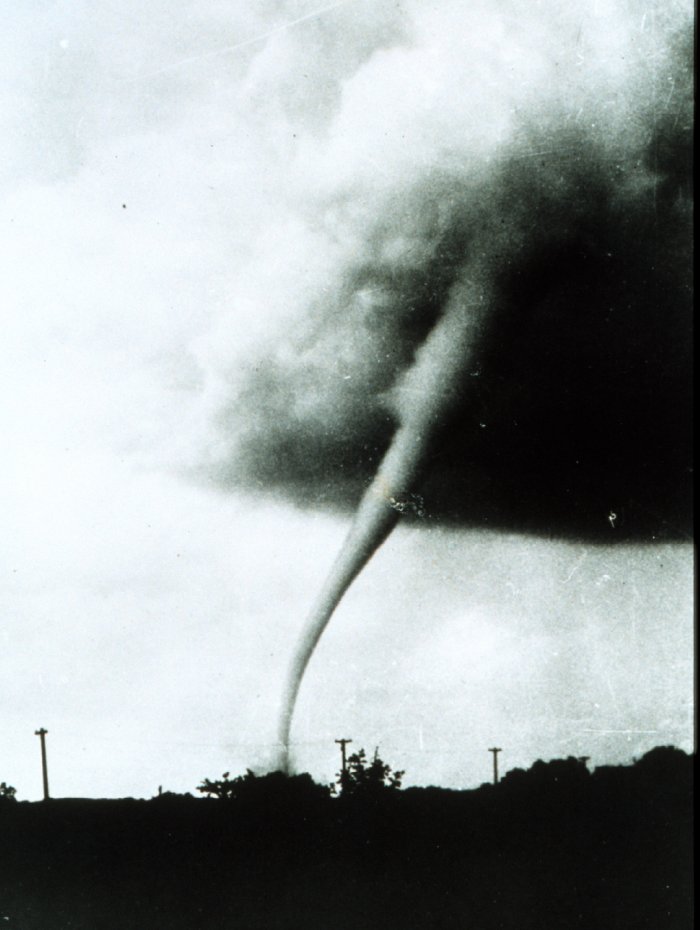
Byline: Yazoo City, Mississippi. Event: major tornado. Suspects: God. In the face of any tragedy, whether it be killer tornadoes or Christie’s budget, God is always implicated. It is the white god’s burden of monotheism. I am the last person to make light of tornadoes. Many a nightmare and sleepless night in Wisconsin were haunted by the loud, roaring gusts and twisted detritus mangled by apparently willful winds. Erratic fluid dynamics of violently spinning vortices of air are often chalked up to the divine. No less so in Saturday’s tornado outbreak.

An Associate Press article begins, “One prayed to God under a communion table as his church was blown to pieces around him.” The article goes on to note that a ravaged hymnal lay open to the page with “Till the Storm Passes By,” as if there were a divine message inscribed on a chance event of nature. One of the hardest lessons to accept is that nature cares nothing special for our species and that we are offered no guarantees in life. This is one of the reason religion is so powerful: here the faithful find divine-bound guarantees of at least a peaceful afterlife if the present life is torn apart by storms both physical and metaphorical. It is hard to struggle without an assurance of final victory.

I have contended for years that the association of the divine with the weather is intimate and tenacious. The weather has eluded human control well into the space age, nuclear age, and technological revolution. We still can’t stop the rain on Sunday’s picnic or festival. And so we pass the weather on to the CEO in the spiritual chain of command. God controls the weather, while we crouch under rickety communion tables. There is a deeper lesson here, for those willing to sift through the rubble.

Nightmare on Church street


Praying for Rain

Stomping the mud of another county fair off my shoes and doing yet another load of laundry with enough dirt on it to begin my own excavation, I ponder the weather. Although we are daily reminded that we have no effective control of the weather, one of the most common prayers I hear uttered is for “good weather.” I could have done with a little less rain and a bit of broken sunshine with a temperature of 78 and humidity of 20 percent, but I didn’t bother to ask for it. Once at Nashotah House we the faculty (and the student body) were asked to pray for good weather for an outdoor liturgy. I was both bemused and alarmed that a high-ranking priest made that request of us in all seriousness. Perhaps the biggest problem is that, as much as we like to deny it, we are like other creatures considering our immediate environments. We lack the big picture.

Our neglected atmosphere is the key to life on Earth. So immense that it coats our entire planet with the gases we all need to breathe, as well as some gases that have little apparent function in our particular setting, it is a simple matter to take our atmosphere for granted. And yet the weather affects every aspect of our lives. When we ask the Weatherman for an adjustment in our region, we are requesting a graduate-level course of calculations in fluid dynamics to be undertaken just so we can get the right mix of weather conditions for our picnic or day at the beach. Hackneyed to the point of caricature is the rain dance — that ritual that is expected to end a drought.

In the twenty-first century, people who rely on science to keep them safe from severe weather by predicting hurricanes and tornadoes with accuracy still pray for the weather they want in their little corner of the globe. If watching Jurassic Park taught me anything, it was that a butterfly flapping its wings in China might cause rain in New York. Chaos theory has demonstrated the intricate connections between all components of a complex system. The atmosphere is one of the most complex systems on earth (well, around the earth, actually). Rev. Chuck’s church picnic weather is integrally tied up with typhoons that may be drowning thousands of people in low-lying coastal regions of Asia. And yet we just can’t resist asking for the weather to tip in our favor. In the Bible it worked for Elijah, so why shouldn’t it still work for us?