
For many years, about all I ever pursued, research-wise, was ancient Near Eastern studies. It’s still the reason people visit my Academia.edu page. From the stats it’s clear that not many people are interested in the horror aspect of my work. Still, I know what motivates me (most of the time). I recently read a piece that features a brief interview with Peter Counter, discussing the therapeutic value of horror. Since my interest in the genre has been rekindled (starting, not coincidentally, around 2005), I think I’ve known all along that horror is therapeutic. The people I know who watch horror aren’t the kind many people picture—creepy troglodytes who don’t come out of their houses where the shades are always drawn. No, they are normal folks, at least for academics. They find the genre profound, for the most part.
The interview with Counter (in the Nova Scotia Advocate) makes clear that Counter uses horror therapeutically. The first reason that he gives is that it’s honest. I agree. You see, I grew up with more than my fair share of phobias. I could go into the reasons here, but I don’t know you well enough to trust you with them just yet. In any case, I worried a lot about things that could go wrong, often involving everyday circumstances. I didn’t think watching monster movies was a coping technique—I didn’t even know what a coping technique was. I just knew that somehow those kinds of movies made me feel better. I began reading gothic novels in my teens, even as I was becoming very religious. I never saw a conflict between the two.
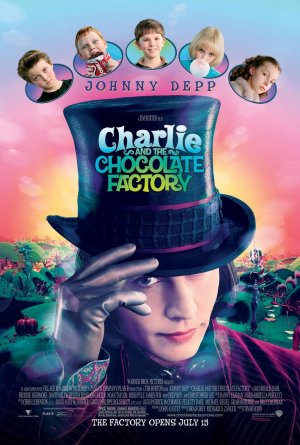
Now, as an adult, I feel that I have to explain this “unusual” interest to people who know me. Now I can more clearly see the therapeutic value in such movies. I can even see elements of it in movies that are classified otherwise. I recently watched Groundhog Day (back around, well, Groundhog Day). It had been many years since I’d viewed it, and the elements of horror in the film struck me. Being trapped in the endless return, Phil Connors contemplates, and indeed commits suicide many different ways only to reawaken in the same scenario the next morning. The look on Bill Murray’s face when he snaps the pencil before getting a couple hours sleep when he begins to realize what is happening says it all. A similar realization same came clear on a recent rewatching of Willy Wonka and the Chocolate Factory. Watch it with an open mind. The interview with Counter makes the point that a pandemic like this is an opportunity. Isolated, we can watch horror and we can learn to cope.
 Steve A. Wiggins