Half-Way Through

Here’s a writing phenomenon.  Maybe it only happens to me (I am self-taught), but when I’m writing a book a strange thing happens.  When I’m doing my rewrites, and there are usually several, about halfway through I’ll have an epiphany.  Something I should’ve been doing from the beginning.  Then you’re left standing at a crossroads: should I go back to the beginning again now?  But still need to address a basic rewrite as well as the new approach in the second half, so should I just carry on and then start rewriting from the beginning, catching up with the second half?  That may sound like a trivial question, but I assure you it’s not.  You see, right now I have two books in a complete stage.  “Complete” here means done in draft form.  When I write a book it gets rewritten several times before I consider finding a publisher, but when an important point comes to you halfway through, you’re between worlds.

Now, I work alone.  I am part of a local writers’ group and I’m only now starting to get to know others who’re willing to talk about writing.  I know several writers who don’t talk about it.  They’re still friends, but for me, there are few topics I’d rather discuss.  That’s how I learn.  You see, I have no idea what’s normal.  Do other writers labor over multiple rewrites?  I know some do, but I suspect some don’t.  I know that when I write a short story sometimes the first version seems best to me, but try to get such a thing published.  No, you need to rewrite.  Polish.  Make it shine.  But what if one half is shinier than the other?  This is starting to be a regular occurrence.

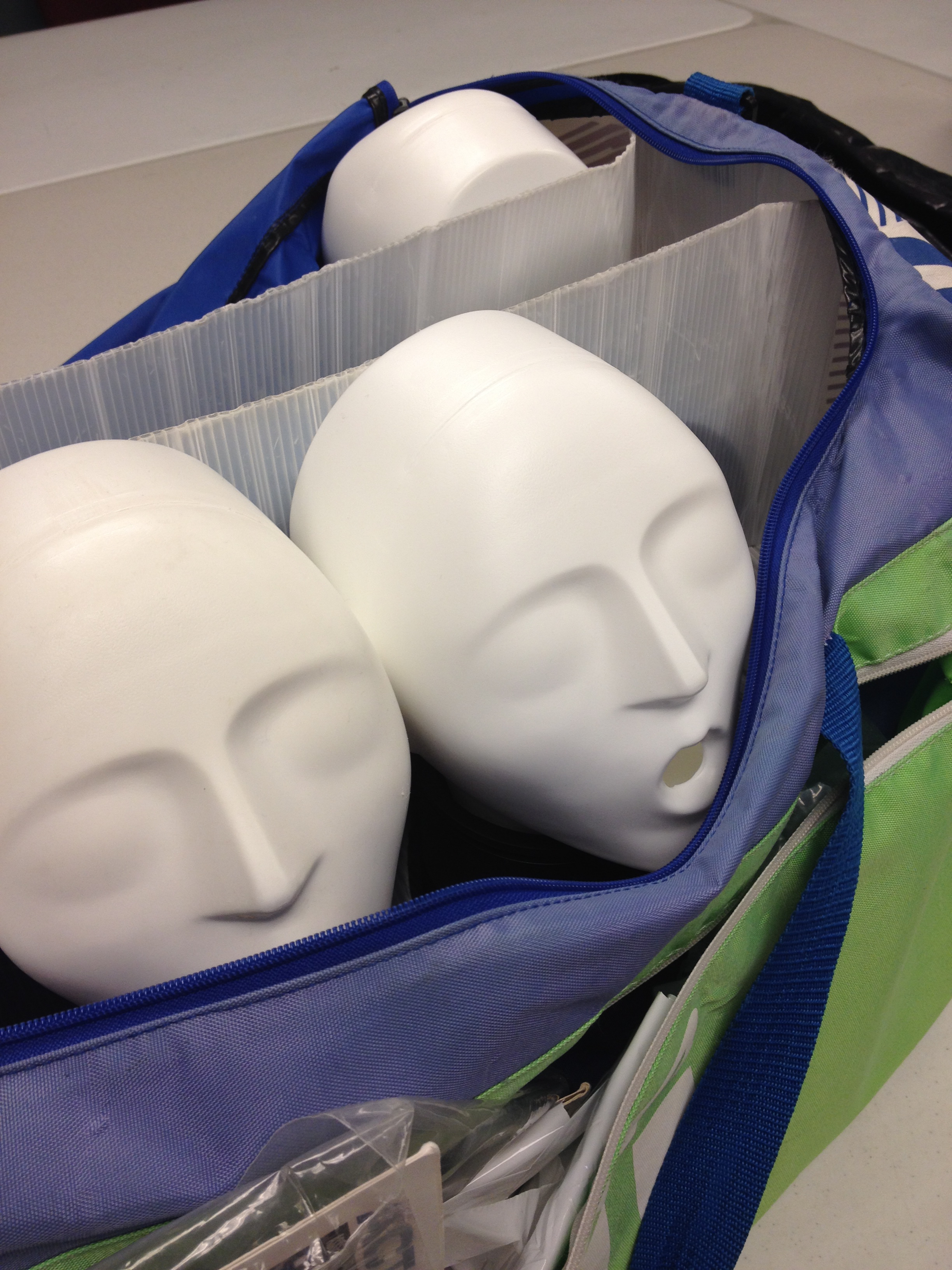
Inspiration is fickle.  That’s something we can all agree on.  But when you’ve been scrawling on a topic for weeks, or months, and then a realization dawns, you’ve just added yourself additional weeks or months of revision.  I’m sure a great deal of it is due to my own psychology.  Another part is due to writing under the constraint of a 9-2-5 job.  There are only so many productive hours in a day, and since mine come early they necessarily end when the work day begins.  I’ve tried writing after work but my brain and body feel like a CPR dummy when work’s through with me.  The next morning I start at it again, but the question is still should I finish this up with my new insight, or should I go back to the beginning?
Editorializing

One of the realities of being an editor is that you have authors consistently ignore your advice and then ask you for solutions when what you predicted would happen does.  Oh, that sentence!  Let me put it this way: there used to be a time when simultaneous submission was frowned upon.  Even “forbidden” by some publishers.  The internet has changed all that.  Publishers who won’t accept submissions if anyone else is also considering them, lose out.  There are lots of publishers out there.  Many more than most people think.  Some of them are small and fly-by-night, but others are also ultra-specialized so they can hit their markets.  Even among academic publishers there are many to choose from.  If you submit to only one, wait to hear, and then get a “no,” you have to start all over again.  Or submit simultaneously.

Peer review can take a long time.  I mean a l-o-n-g time.  Especially since the pandemic, but even before, overwrought academics have trouble committing to adding one more thing to their plates.  If they do accept a review offer, the response is likely to be quite late; more often after the deadline than before.  I’ve been an anxious author waiting.  It’s the kind of limbo few actually enjoy.  It’s a reality, however.  If your book is about current events, or something trending, well, godspeed.  That’s a tough place to be.  Submitting to more than one publisher at a time gives you the leg up of not losing time if someone turns you down.  Some authors prefer a certain publisher and want to hold out for them.  Publishers get lots of proposals.  If I had so many proposals when I was in college I wouldn’t have been nearly so lonely.  Holding out is bad dating advice.

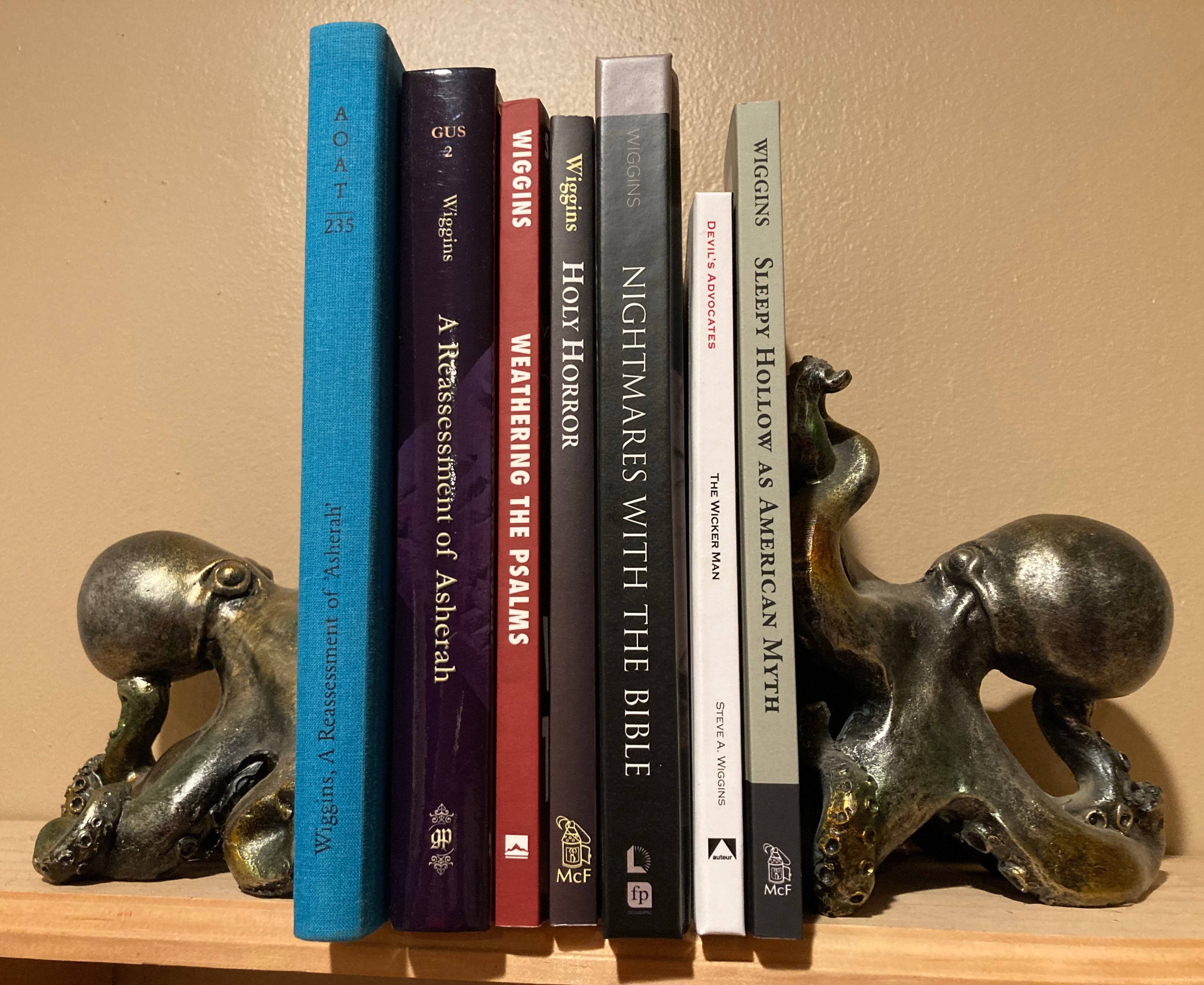
The best piece of editorial advice I can muster is to research publishers.  Academics are researchers by nature, but few take the time to research publishers.  There’s plenty of information out there.  When I couldn’t get an agent interested in Holy Horror, I turned to McFarland.  Why?  Because I’d familiarized myself with the kinds of books they publish and mine seemed a good fit for them.  Sure, there were more prestigious places to go, but I’m a bit too busy to bang my head against that wall all day.  Even a little bit of web searching on publishers can pay off.  Publishing is a business.  Never forget that.  If you only want to get your ideas out there, starting a website (which isn’t expensive) is probably a better way than getting a book published.  Writing books is great, and getting them published is incredibly validating.  But do yourself a favor, if your editor suggests a course of action to you, take it.


In Praise of Paper

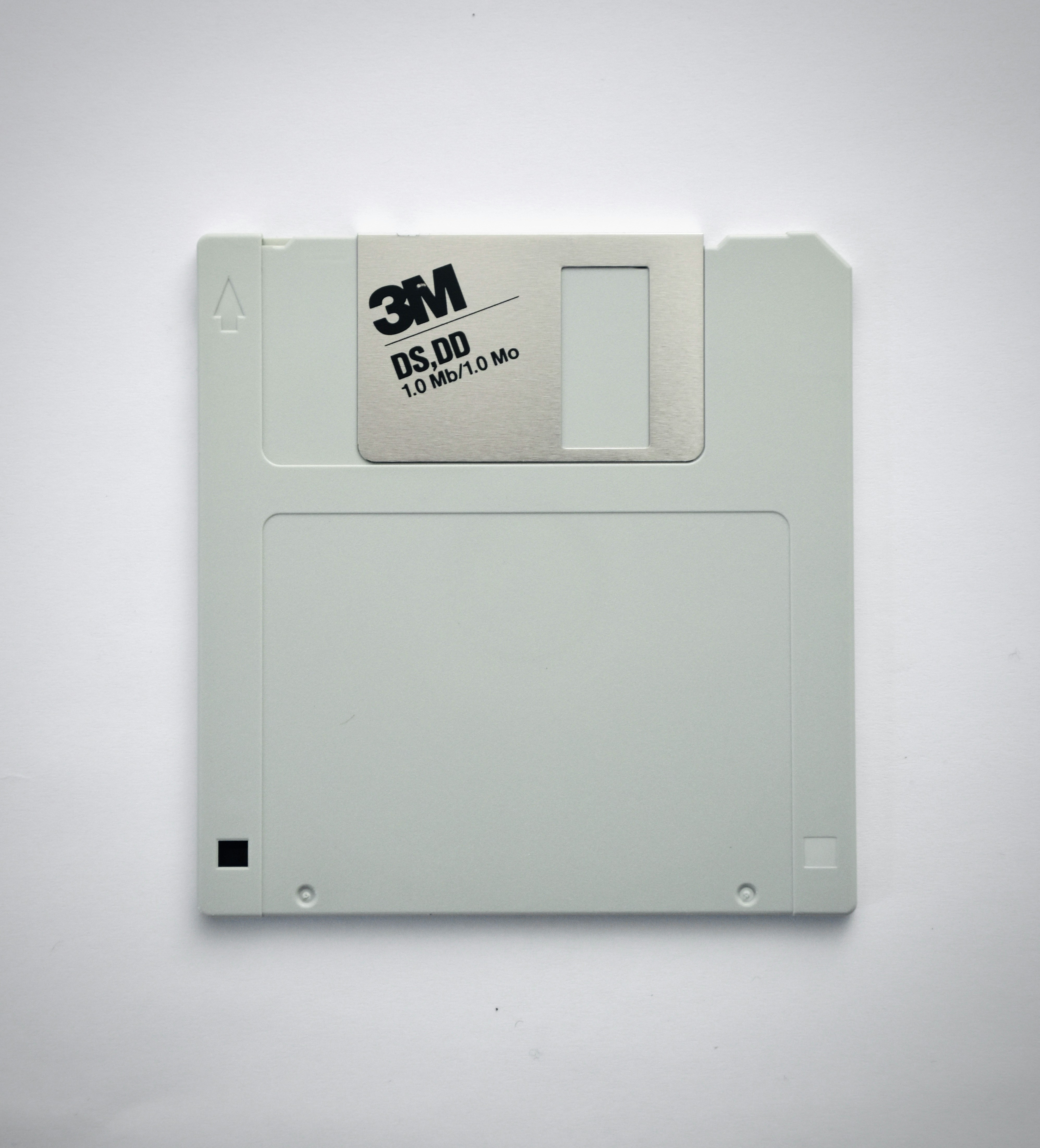
I write quite a lot.  I’ve done so for decades.  As I’ve tried to carve out a writer’s life for myself I noticed a few things.  I’ll start a story or novel and put it aside.  Sometimes for a decade or more, then come back to it.  I recently found what looks to be a promising novel that I began writing, by hand, back in the last century.  As electronics forced themselves more and more into my life, I began writing it on my computer.  I must’ve picked this story up a few years back because I clearly began revising it, but I ran into a problem.  The program in which I’d written it—Microsoft Word—was no longer supported by Apple products.  I eventually found a workaround and was able to extract a Rich Text Format from files that my computer told me were illegible.  If you want illegible, I felt like telling it, go back to the original hand-written chapters!

I dusted this off (virtually) belatedly, and started working again.  Then I reached chapter four.  That’s where I’d stopped my most recent revision.  Then I discovered why.  Near the end of the chapter were two paragraphs full of question marks with an occasional word scattered in.  A part of the Word file that the RTF couldn’t read.  Frustrated and heartbroken—there’s no way I can remember what this said some thirty years after it was initially written—I simply stopped.  This time I went to the attic and found the hand-written manuscript.  I went to the offending chapter only to find that the corrupted passage was missing.  It was what we used to call a “keyboard composition” and it was eaten by the equivalent of electronic moths.

Photo by Everyday basics on Unsplash

Now, I’m no techie, but I just don’t understand why a word processing file can no longer be read by the program in which it was written.  Publishers urge us to ebooks but how many times in my life have I seen a new system for preserving electronic files fold, with the loss of all the data?  It’s not just a few.  And they’re asking us to make literature disposable.  If I have a book on my shelf and I need to look up a passage, I can do so.  Even if I bought the book half a century ago and even if the book had been printed a century before that.  I’m aware of the irony that this blog is electronic—I used to print out all of the posts—and I have the feeling that my work is being sacrificed to that void we call electronic publication.  That’s why I keep the handwritten manuscripts in my attic.


Publishing Deportment

I don’t know if anybody reads this blog for publishing advice (editors are easily edited out, I know!).  But still, here goes.  It pays, in many ways, to research your targeted publisher.  And no matter which publisher you decide to approach, do it professionally.  “Friending” an editor on social media and then asking her/him to consider your book on said media is not professional.  Many publishers don’t allow any kind of business to take place through social media.  Be smart about it—go to a publisher’s website and follow their instructions.  Or email an editor.  At their work email.  Again, many publishers do not allow business to be conducted through private emails.  I may be an outlier editor for trying to build a social platform, but if you want to talk business, please use my work address.

More books are being published now than ever before.  Even small presses are closing submission windows because too many people keep trying to get published.  As someone who’s published a few books, I would urge you to ask yourself: why do I want to publish this?  Is it just because you wrote it?  Then look for a press that publishes that kind of thing.  Be prepared to face some frustration, but homework is never easy.  Is it because you think publishing a book will lead to fame?  Adjust your frame of reference.  The vast majority of authors are, and remain, obscure.  It is possible to make some money in publishing, but most of the time it’s not very much.  If it’s money you’re after, you need to get an agent.  It might seem as difficult to get an agent as it is to get published.  That should tell you something about the possibility of making money from books.

I’m no publishing guru.  Editing’s my day job.  One thing I’ve learned, however, is that publishers like to see that you’ve taken their guidelines seriously.  A quick social media introduction isn’t the same thing as an email that shows someone at least looked you up at work.  And most publishers have descriptions of what they want to receive on their websites.  This applies both to fiction and non.  I get it.  I remember being a kid in high school dreading all that homework—all those books I’d have to haul home day after day.  But that’s the tried and true way to learn something new.  And if you want to get published you do need to learn how to do it.  And just like in high school, deportment counts.


Learning to Write

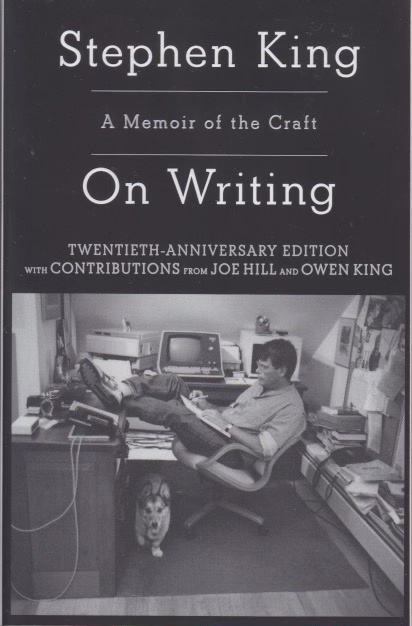
If you’re not famous as a writer, nobody asks you for advice on improving their game.  Part of that is simply having a writer’s outlook.  We all have our own ideas about how it’s done.  I admire the work of Stephen King.  He’s a gifted storyteller and his books often deal with the kinds of things I think about.  I had his book On Writing on my reading list for years.  What finally got me to read it was finding it in a local independent bookstore and wanting to support said venue.  I found it both helpful and a little scary to read.  This is part memoir and part instruction manual by someone who isn’t full of ego, despite his success.  Egoism isn’t uncommon among writers, but King realizes that many people have talent, but not all know how to bring it to any kind of success, no matter how modest.

I really enjoyed reading the memoir parts.  Indeed, I wish I could’ve read them when I was, say, in college.  My own trajectory as a writer might’ve turned out differently.  His instructive sections are also helpful, but the part about finding an agent is hopelessly out of date.  The internet has made doing so both easier and more difficult.  Too many people now flood agents’ offices with pitches that you practically need an agent to get you an agent.  I know this from experience.  Nevertheless, King’s advice generally feels quite solid.  And it’s encouraging to hear of the commonalities we share in our upbringing.  Writers often begin in less-than-ideal situations.  If we can struggle out of them, some can find success in writing while others manage to do it on the side (this isn’t my day job).  But write we do.

As with most of King’s books that I’ve read, this one went fairly quickly.  Not every book that I read makes me feel eager for reading time, but King always does.  In part, at least with On Writing, it’s because I can’t help but wonder if I’m doing this right.  During the course of reading his book, two more rejection letters came for my fiction projects.  Any writer knows that you have to deal with lots and lots of these.  King started earlier, but, like me, he kept his rejection slips.  Eventually I ditched mine because they’re too discouraging.  And I still submit to what has become, since this book was written, a very, very crowded fiction market place.  Still, this is an encouraging book, offering advice from someone who knows what he’s doing.  It’s a shame I waited so long to read it.


Personal Publishing

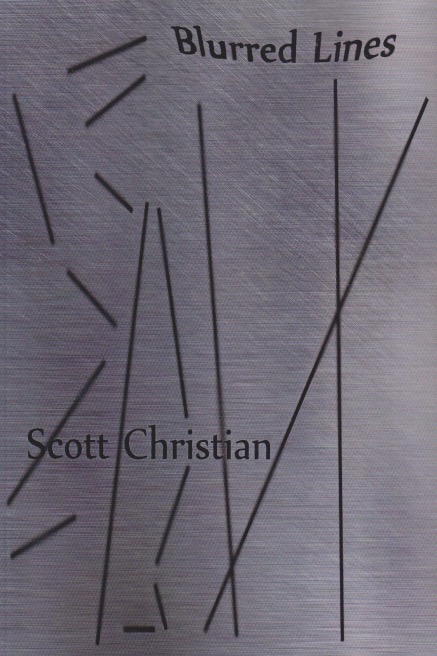
I recently joined the Greater Lehigh Valley Writers Group.  I haven’t really met any other members yet, although I know one from another local community.  By my reckoning, this is the fourth writers’ group I’ve joined and I do hope it leads to some friendships.  I like talking about writing.  I read Blurred Lines by Scott Christian because he’s a person I recently met and he kindly gave me a copy.  A collection of poems and stories, it’s a small book but a deeply personal one.  I guess that’s one reason that I like talking about writing with other people—it is deeply revealing.  There are those who write as a job, and there are those who write because they must.  This book falls into the latter category.  Some of us are compelled to write down what we experience, whether it be in poetry, fiction, or fact.

Self-publishing can be a way of expressing what the publishing industry suppresses.  I once told a group that it’s a little disturbing how much power publishers have in determining what people can read.  I write “can” intentionally.  Only the biggest in the industry have the financial wherewithal to get books into bookstores (where readers congregate like bees on a warm day in October) where they’ll be laid out on tables and priced to move.  Like many others, I began my writing in academia.  It took some time before I realized that academic prices are a deterrent to readers.  Breaking out of that mold is also difficult.  At the same time, publishers have resources to devote to marketing that an individual seldom has time for, or the reach to accomplish.  So it goes.

Another review of Nightmares with the Bible has appeared (this one in Catholic Biblical Quarterly).  While not glowing, it does recommend reading the book, despite the fact that the publisher has no interest in paperbacking the series and it takes a great deal of motivation for even me to spend that much for a book.  Yes, I can understand self-publishing.  It is a writer’s chance to get their voice heard.  Even some famous authors—Mark Twain comes to mind—had to get their start by paying to have their books published.  Some of us write because we can do no other.  We have thoughts and feelings to share.  And I keep joining local writers groups looking for the rare person who will talk to a stranger about that most intimate act we call writing.  Reading such a book is a very personal thing to do.