The Last Word

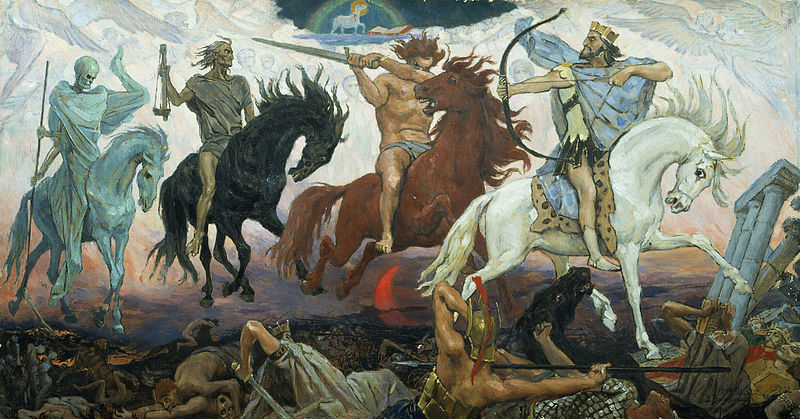
The end of the world, it seems, never goes out of fashion. My wife shared a story on the BBC about CNN (such self-referential media hype may be a sign that society is collapsing already) having a video ready to release for the apocalypse. In a bit of end-of-time sangfroid, it is rumored, CNN’s Ted Turner ordered a last-second video to be made so that loyal CNN viewers would be ushered out with his version of the last word. The media, of course, is a powerful segment of society. Occasionally schools and businesses are shut down due to their meteorological predictions. The media tells us who the experts are, and why we should listen to them. The media provides us with some of the only fact-checked material from far-flung ends of the globe—or even outer space—to which we, the people, would not normally have access. The media, in other words, determines reality.
800px-Apocalypse_vasnetsov

Meanwhile I wonder, as I often do, what gives those who own media corporations the right to determine reality for the rest of us. For example, if the rumor of Turner’s video is true, what would give the rich and powerful the right to determine what flashes before our eyes as the world winks out of existence? The apocalypse, after all, is a religious concept. Although largely developed from biblical scripts, other religions do occasionally have their end-of-the-world myths, just like most religions have beginning-of-the-world myths. If you have billions of dollars, does that mean you have the right to determine end-times viewing? When money determines the truth, the world has already ended.

Nevertheless, the idea lives on. We are constantly reminded that one or another religious sect has declared that the end is nigh. We’ve heard it so often that we’ve ceased to pay attention. In a world where the media has largely dismissed the rest of the Bible (except when blockbuster movies come out featuring a biblical story) why does Revelation still hold such currency? After all, the apocalypse takes its very name from the final book of the Christian Bible, and without Revelation we might be none-the-wiser about the looming end of all things. Revelation was very much a product of its time. Despite the progress of science and technology that gave us the media corporations we blandly recognize today, we still harbor doubts deep down about the longevity of it all. Even those who write the news look to other media giants to get some hints of the truth. Ironically, they don’t seem to want to ask scholars about it. After all, sensationalism is news. At the end of the world, we really don’t care what scholars have to say, as long as we’re entertained.
Holy Food

One of the undisputed benefits of working for a publisher of a wide variety of academic books is the opportunity to learn about different topics that might otherwise I might never have considered. For example, given the recent popularity of food studies (and this is probably fodder for its own post) authors have been producing micro-histories of specific comestibles. One that was recently featured in a YouTube short is peanut butter. One of the saddest food allergies, to my way of thinking, is that of the peanut. Peanut butter is such a singular symbol of childhood that it is a shame it is also such a potent poison for many. I grew up thinking that George Washington Carver invented peanut butter, but although he certainly was an innovator of peanut cultivation and disseminator of recipes, he was not the inventor. Peanut butter has been around for a long, long time. The modern food product is probably attributed to Marcellus Gilmore Edson, a Canadian who milled roasted peanuts into a kind of semi-liquid and received a patent for it.

What makes peanut butter a fit topic for a blog on religion is the work of John Harvey Kellogg. Kellogg was awarded a patent for a processing technique that led to the peanut butter we recognize today. Kellogg, whose name is more often associated with breakfast cereals, was an early vegetarian. Much of the impetus for his food experimentation goes back to the fact that he was a devout Seventh Day Adventist. The Adventists, biblical literalists, believed in promoting health through eating wholesome foods. Peanuts, a great source of non-animal protein, were seized upon by Kellogg as an alternative to butter, as well as a theologically satisfying food. Not only a food producer, he was also a promoter, and we eat breakfast cereal today largely through his efforts. For many, the day begins with a biblically inspired food.

IMG_1878

On kicks of nostalgia, or when I forget to buy a vegetarian alternative, I still take peanut butter sandwiches to work for lunch. I never considered this a religious activity, although my own vegetarianism likely has religious, as well as humanitarian, roots. In this post-religious age that we inhabit we sometimes forget that many of our most basic behaviors go back to religious beliefs. Sure, the promoter of peanut butter may have stumbled upon it without having fallen under the spell of Ellen G. White’s teachings, but the fact remains that Kellogg’s religion and his commitment to health were deeply intertwined. And the next time I reach for the Skippy or Jif or Peter Pan, I’ll be, in my own way, acknowledging the power of a religion I don’t even believe.


Bodily Futures

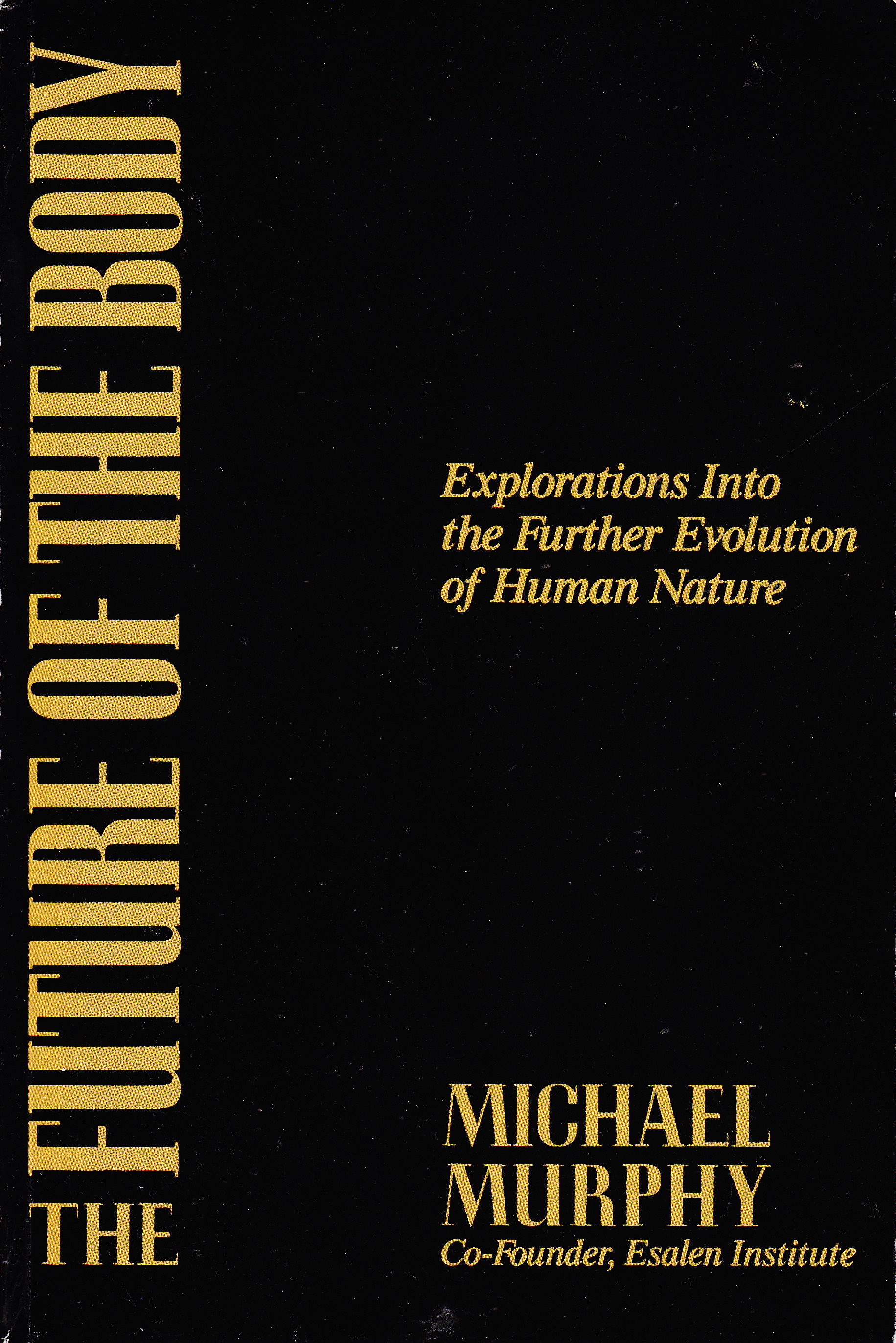
FutureOfTheBodyJust about everyone I know has their own method of curing the hiccups (or, in their more evocative spelling, hiccoughs). Most of these involve holding one’s breath or elaborate ways of drinking a glass of water. Since hiccups are involuntary spasms that can be quite annoying, they can’t be predicted or easily foreseen. Some years ago I realized that the methods I’d been using to rid myself of this unpleasantness were really just ways of getting my attention off of the hiccups—in other words, it was a matter of concentration. I started to respond by thinking the hiccups away whenever they struk me. Cut out the middleman, as it were. And it works. All of this is preamble to the remarkable material to be found in Michael Murphy’s The Future of the Body: Explorations Into the Further Evolution of Human Nature. Murphy is one of the co-founders of the Esalen Institute, about which I’ve posted before. Promoting exploration of human transformative potential, Esalen was a landmark in 1960s culture that I was a little too young to appreciate. Besides, I lived far from California and in a strictly religious mindset. Those who founded Esalen knew, however, that people are capable of more than we appear to be.

Human transformative potential involves matters with which materialistic science is often uncomfortable. Religious practices such as meditation, sports, and martial arts training, all, however, can produce results that shouldn’t be on the books. Whether it is the basketball player who can stay in the air a little too long, or a religious adept who can survive being buried alive for protracted periods of time only to be revived later, or even the remote viewer hired as a spy by the government, people are capable of more than we’re told we are. Murphy suggests that perhaps it is because we are socialized to think this way. Our young minds are open to a realm of possibilities that adult minds have been conditioned to discount. If it’s impossible, it’s impossible. Or is it?

The Future of the Body will take some readers where they do not wish to go. The fact is, however, that faith healers and stigmatics exist without fraud. Just because some frauds imitate reality, it doesn’t follow that the genuine article can’t exist. The usual reductionistic answer is that such things can’t possibly be real—let’s teach our children this fact—we are only robots made of meat. But this view still hasn’t accounted for consciousness, and consciousness is, at least for most of us, inescapably real. We know that because these bodies with whom we are associated do all kinds of things that bring it to mind. We get sick, we experience pain and emotion. We get up and go to work when we don’t feel like it. Most of the time we’re conscious of where we are, and what he have to do. Or do we? It very well may be that matters much larger than the hiccups might just be negotiable.


News Work

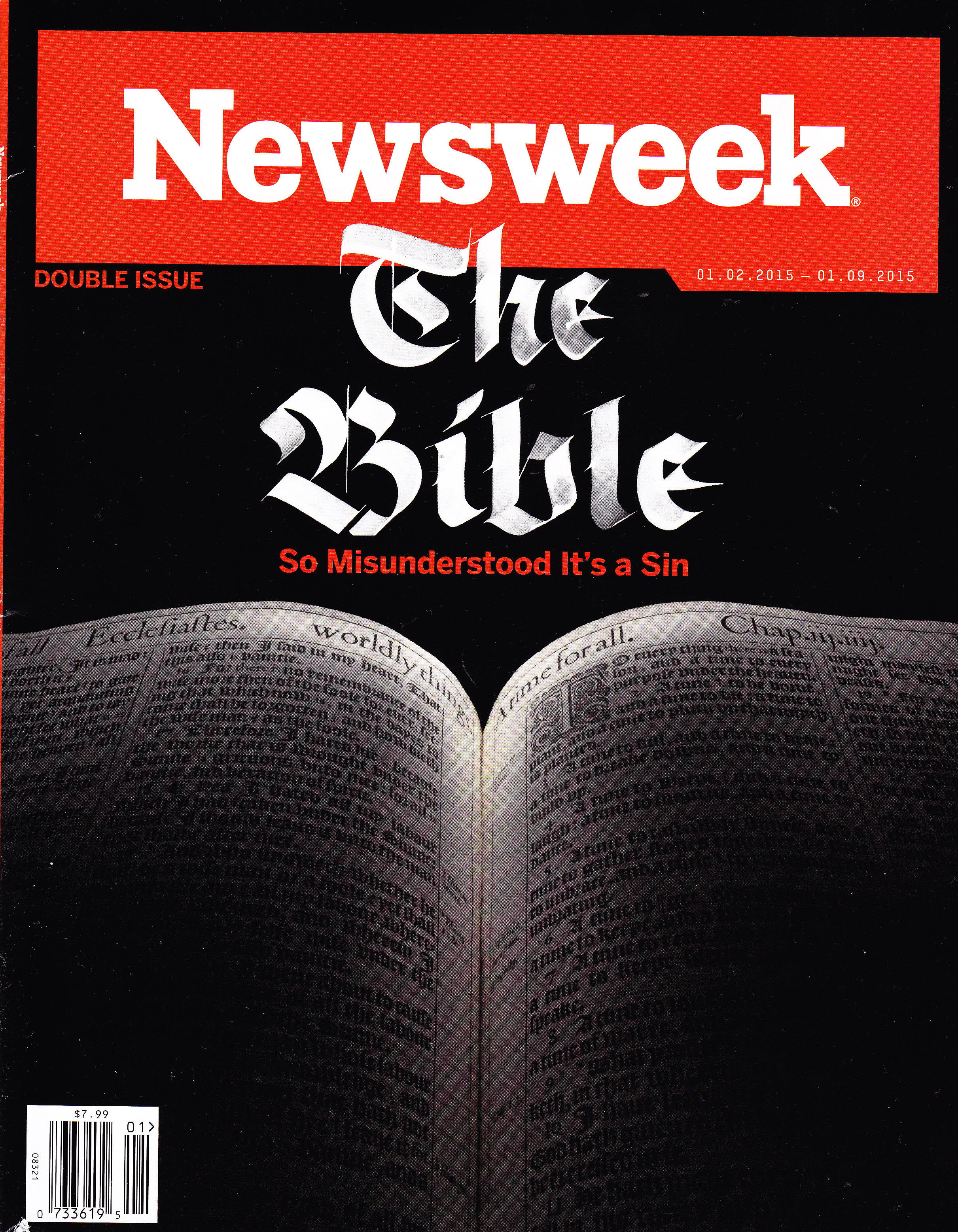
Bible_0001I’m confused. (Well, no surprises there.) I just read the cover story in last week’s Newsweek, “The Bible: So Misunderstood it’s a Sin,” by Kurt Eichenwald. No, the story didn’t confuse me. Nor did the fact that the Bible appeared on the cover of a major news weekly. What confused me is that the article says nothing new. Well, no doubt it will be new to many readers. The fact is, however, that anyone with a serious degree in biblical studies (and believe it or not, there are so many of them that jobs can’t be found for them all) knows all of this stuff already. What’s more, they have known it for decades. Scholars tend to write for other scholars. Some see the best-selling trade titles by publishers like Harper Collins making the New York Times bestseller list and imagine that their monograph on the obscure meaning of an obscure word in an obscure verse of a book that most people don’t even know is in the Bible will do the same. It won’t. Most academic monographs sell in the hundreds (not thousands or millions) and at the low end of the centuries mark at that. They are bought by libraries and read by peers only. In them we argue (for yes, I have written such books) important points that can only be understood by those with specialist training, and think we’ve changed the world. Newsweek gives the lie to that.

Long ago it became clear that scholars were failing to connect with the average person. That is the person who turns on the television and hears and sees the people Eichenwald shows to be impostors, and believes them. They are, after all, on television. The biblical scholars who know that these obvious fallacies are simple-minded are too busy trying to get tenure in a market—yes, a market—that finds education an annoying necessity. We won’t hire anyone without a college degree any more, and so we need universities. Universities, however, won’t hire without signs of erudition, including books that most people on the search committee can’t understand because they specialize in something different. Oh, and those studies must be published. Whether they are read or not is merely, well, academic.

Meanwhile the public doesn’t know that biblical scholars have long ceased debating the age of the world, the flood, the resurrection, or the end of the world. Scholars have bigger concerns on their minds: how am I going to teach more courses and still produce those learned disquisitions that a dozen of my closest colleagues will read and rebut? And serve on all those committees? And participate in the branding of the university, because, we all know that people will buy a trusted brand? Meanwhile on center stage are politicians who know nothing about the Bible beyond the fact that it brings down votes, big time, and they are telling us what they think it should say. Chances are most scholars of the Bible won’t read Newsweek to find the answers. I didn’t even know about it until a friend mentioned it on Facebook. Like most people I’m just too busy to notice. And a little confused.


Maritime Dreams

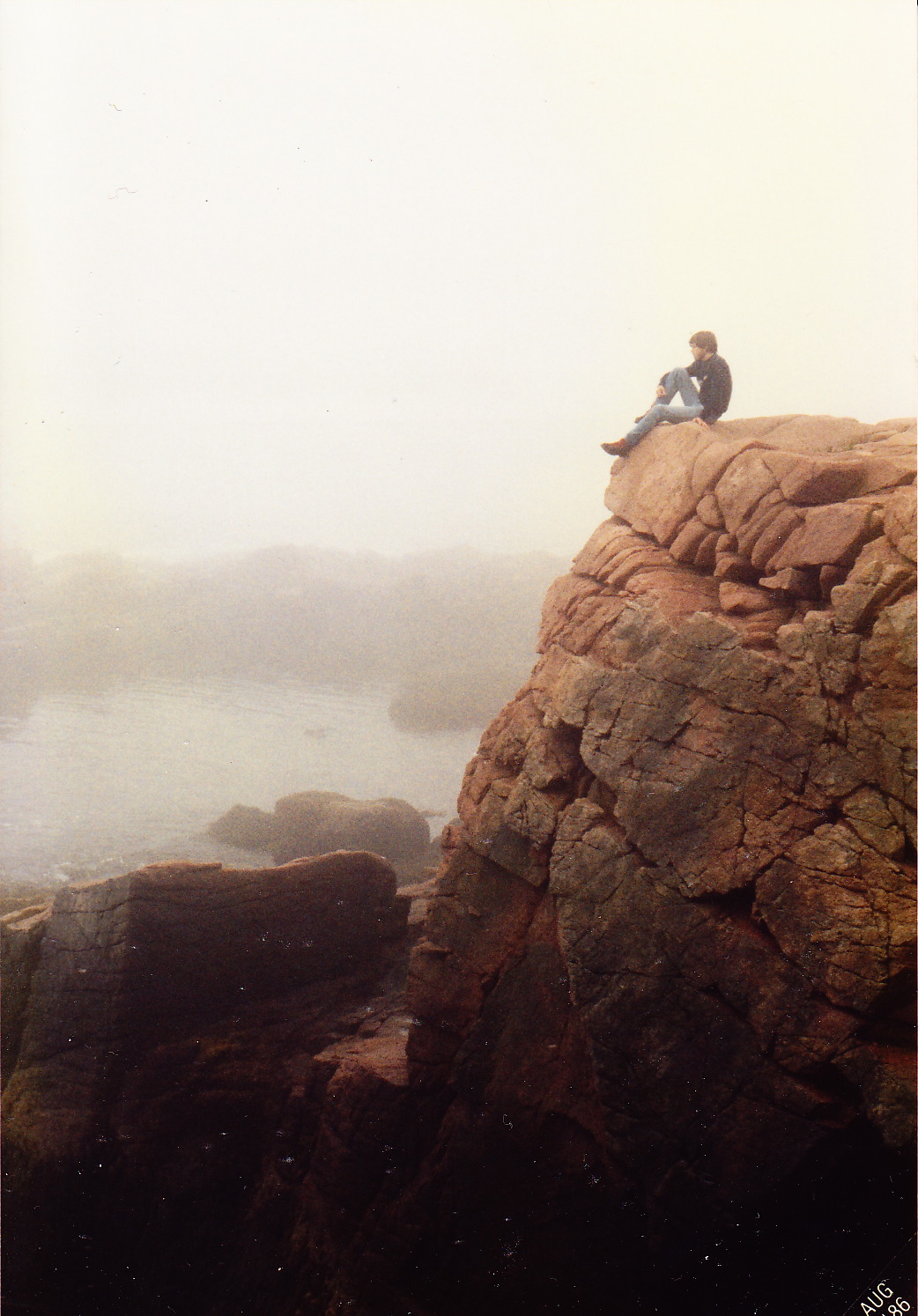
MaineEarly in my teaching career, I used to arrive in Milwaukee on a train after midnight. A student from Nashotah House on work-study would pick me up at the train station and drive me the thirty miles to the seminary so that I could teach the next morning. Along the way, depending on the student, conversation ensued. One time I asked the driver why he was interested in what seemed to me an arcane topic (and that’s saying something!). He replied, “Who can ever say why they’re interested in something?” There was some deep wisdom there, I realized. Can any of us say why we’re interested in what we are? I, for example, don’t know why I’m interested in life on the sea. And in the sea. I fell in love with the idea of living on the coast when I was a landlocked child. The ocean came to me only in books, and I never actually saw an ocean until I went to graduate school. The experience confirmed for me that this was where my heart lies. The salt air, the gray waves, the constant call of the pounding surf. Moby Dick immediately became a kind of personal scripture when I first read it. A life near the sea felt right.

I could never really answer the question why. I don’t swim, and besides, the ocean currents I have experienced are really too strong for the placid kind of swimming a lake or pool seems to offer. I don’t own a boat, and I’m a poor pilot when asked to drive one. I’ve been out over the ocean on commercial boats only a couple of times. Still, the imagination is fired by the idea of the ocean. Especially the stormy north Atlantic. As a child Rachel Carson’s The Sea Around Us was one of my favorite books. Just staring at the cover could transport me to places I’d never seen. When landlocked in Wisconsin for several years, I turned to the Great Lakes for consolation. “Those who go down to the sea in ships” Psalm 107 declares, “Who do business on great waters; They have seen the works of the Lord.” Even so those who dream of the sea.

Ironically, for the Psalm, the Israelites were not a seafaring nation. Good harbors are rare on the coast of ancient Israel, and the maritime trade of antiquity was dominated by the neighbors to the north, the Phoenicians. Still, even the psalmist could dream of the sea. It has been said by various commentators, that the sea represents sexuality, or transcendence, or both. It is larger than we are. Indeed, the earth is by far mostly water as opposed to dry land. Life, even according to Genesis, first began in the waters. So I find myself in the midst of winter thinking about the ocean. It has been a long while since I’ve indulged in a day on the coast, even though I’m pretty much daily in a city on the sea. But I can’t experience the ocean so well with so many people around. Besides, there’s work to do. In those moments when my time is my own, however, I still dream of the ocean and the endless possibilities it represents.


Worn Out Religion

Truth claims are integral to religions. No one would join a religion not declaring itself to be true. Some months ago, I posted about the store True Religion that had recently opened at our local mall. I’ve always found such branding odd—surely the store wasn’t proselytizing those who had religious commitments to buy its jeans. Or perhaps it was trying to lure in the increasing generation of nones. I have seldom felt any kinds of truth claims applied to my apparel. I buy clothes at reasonable prices and wear them until they are no longer fit to be seen in public. Even then I continue to wear them at home until they simply grow too holey to be of utility. I seldom have clothes left in good enough shape to donate, and I’m only fashion-conscious in terms of a decade or two between stints of buying what’s on the bargain rack. Religions, of course, sometimes do dictate what it is appropriate to wear. Leviticus famously declares that fabrics of mixed fibers are an infraction. Perhaps True Religion carries only single fiber-fabrics? I guess I’ll never know.

IMG_1868_2

Since our local mall has mostly clothing stores (few whimsical shops appear any more), I seldom go. There is an Apple store, and since our family has used exclusively Apple products since the 1980s, we do have to stop in from time to time. On my most recent trip, I noticed that True Religion, right across the corridor from Apple, had gone. “There’s no more true religion,” my daughter quipped. I couldn’t help but think about the implications of all this. Surely this was not the first religion to die. Disused churches have been converted into businesses for years, and some religions die out entirely rather than just fade away like an old pair of jeans. What is the message, however, when a claim of truth is made, only to be closed down by the exigencies of finance alone? Something disingenuous is going on here.

Religions not only make truth claims. They also convey a sense of promise. If you believe, you receive something in return. But what does it mean to believe? Driving home we passed the Elks Lodge. Once, when my daughter received a certificate of merit from the Elks, we were invited to an award ceremony there. The president of the lodge, doing a bit of proselytizing, mentioned that very little was required to join the Elks. “You do have to believe in God,” she said. How do you measure such a belief? Did she mean to say “you have to say that you believe in God”? The Elks are, after all, not a religion, but a community organization. Although True Religion is gone, the Elks, with their minimal commitment to faith, are still around. My clothes are perhaps a bit too worn to join the Elks, but what else is there to do when there is no more true religion?


Truth Anonymous

SparkMany a student has been spared the reading of primary sources by study guides. This is not a new phenomenon. While still regularly teaching Hebrew Bible, I picked up a copy of Cliff Notes, The Bible, to show students how not to get the picture. To be fair, I was teaching future priests, and, despite my progressive outlook, I believe all Christian clergy ought to have read the Bible at least once. I know enough of Christian history to realize that the emphasis on sacred writ is not as ancient as many Protestants think—before the advent of modern literacy rates, scripture reading (and interpreting) was the business of the church. The laity were to receive it in the form of sermons, and so reading the Bible wasn’t really necessary. With the Reformation, however, the Bible became central and preaching became a matter of intelligent interpretation of the same. Today any Christian minister should have a pretty good grasp of holy writ, believe it or not.

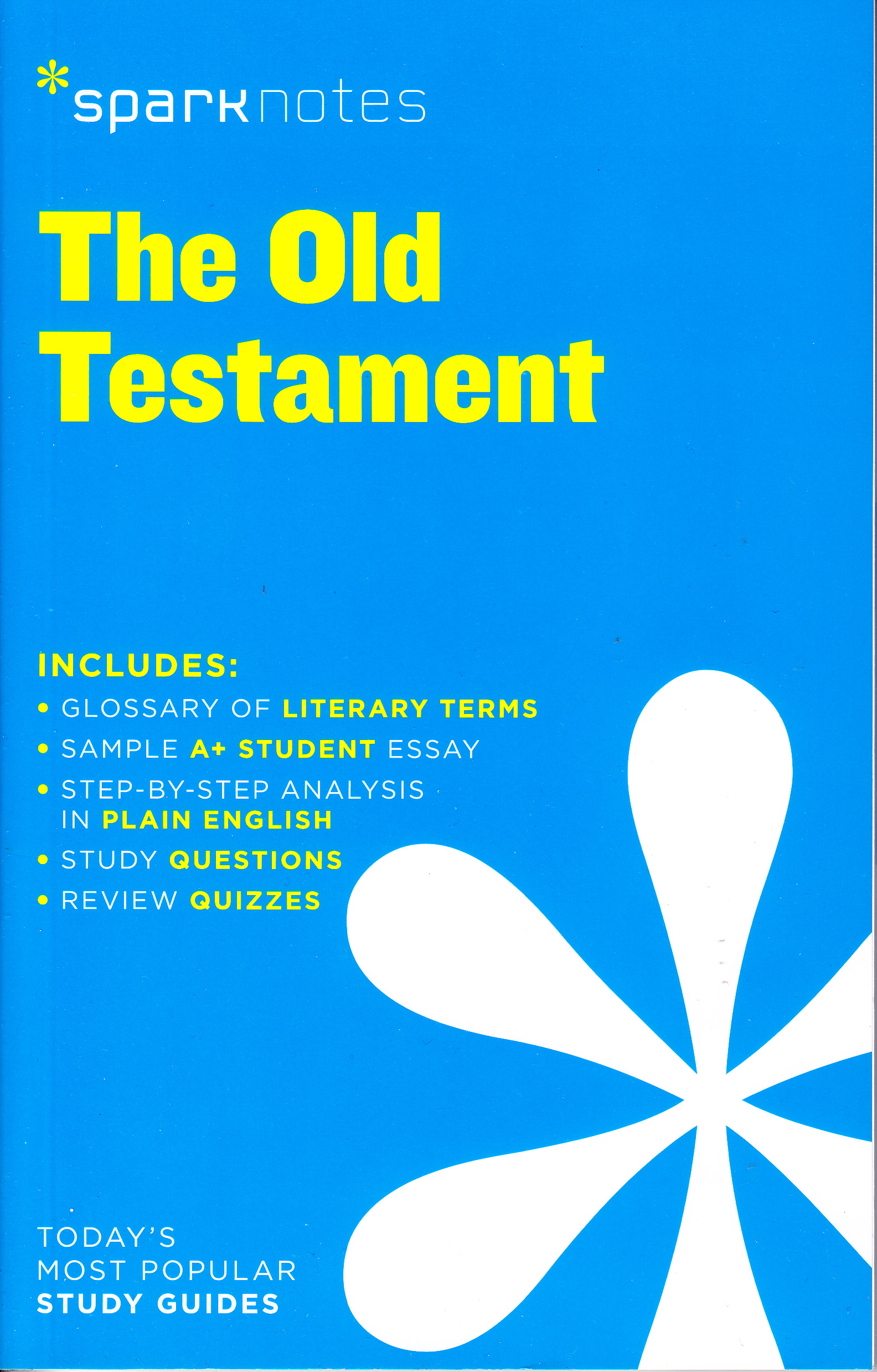
With a touch of puckish optimism, my family gave me a copy of the Spark Notes Old and New Testaments at Christmas. Spark, according to the copyright page, is a division of Barnes and Noble, and, should the cover be believed, today’s most popular study guides. As an erstwhile author of biblical studies material, I was curious about who wrote the notes. Enough of the scholar remains for me to be critical, and one of the first questions always to arise is, who wrote this? The question ought to be even more poignant for Bible readers. One of the most looming of questions is that of authority to interpret. Different branches of Christianity still maintain the proprietary right to be the true guardians of the sole truth. Although perhaps softened somewhat from soaking in the broth of religious-political activism, the Fundamentalist would, in any natural world, distrust the interpretation of a Catholic. And vice-versa. Looking at my Spark Notes, I wonder who it is that is telling me the truth.

Abridgment is a kind of crime for literary connoisseurs. As a child I purchased my books from Goodwill or Salvation Army—the kinds of places to which poverty-level readers have access. Although occasionally drawn to Reader’s Digest editions on purely economical grounds, I studiously avoided abridged works. Who decides what single syllable of Melville should be left out of Moby Dick? All the degrees in the world don’t justify that! The interpreter is just as human as the reader, and this kind of power is too heady for mere mortals to handle. The abridger of the Bible must take heed of Deuteronomy 4.2 and Revelation 22.18-19. There’s a lurking suspicion, nevertheless, that something might be learned from the stripped-down scriptures. It is with some anticipation that I look forward to receiving some anonymous instruction as I seek a Spark of truth.


Monster Map

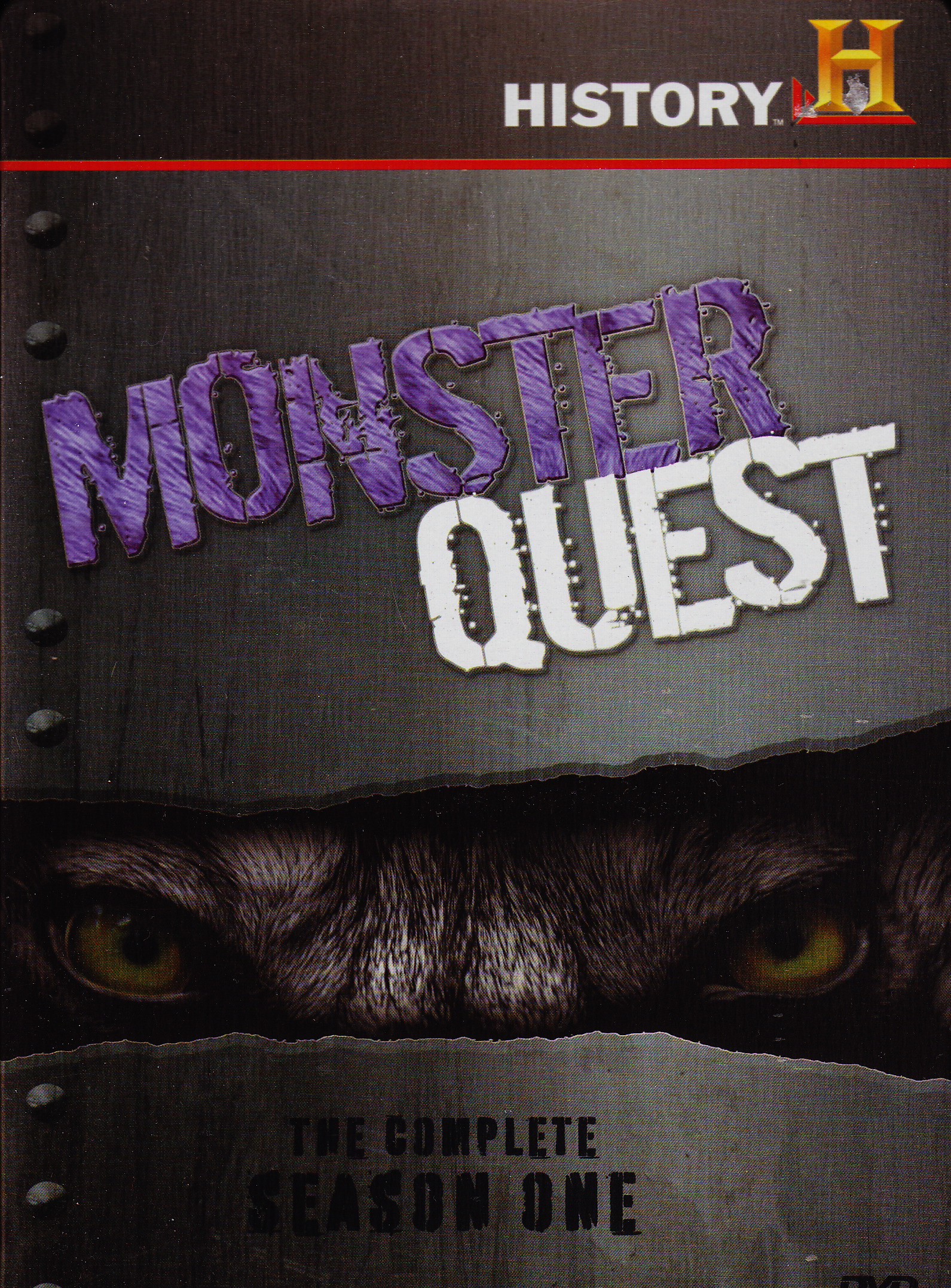
Monster QuestMonsters are becoming more mainstream. Or at least it seems that the ridicule factor, with which I had to deal as a child, has moderated a bit. A friend recently sent me a link to Hog Island Press’s Monsters in America map. No doubt, skeptical persons will dismiss such whimsical charts as a load of hooey, but people continue to see unusual things. Although we don’t subscribe to any television service, it has become clear that ghosts and Bigfoot have become pretty standard fare for reality shows. Lake monsters still make appearances from time to time, and since we aren’t always watching the waters, nobody’s terribly surprised. And who knows what’s flying below the radar at night? People have believed in monsters from the very earliest of times. We, however, live in an age when belief can’t exist without proof, and our world of the plausible has shrunk because of it.

Another problem here is the definition of “monster.” The traditional monster was pure fiction—werewolves, vampires, and zombies simply don’t exist. We tell scary stories about them because it’s fun to be afraid when we know there’s really no such thing. American monsters, on the other hand, are based on eyewitness reports, reliable or not. I grew up literally on the edge of the woods in a rural town and never saw anything cryptozoological in nature. At the same time I learned that it’s difficult to see everything in the woods. I would’ve never guessed, for instance, that the number of deer and bear that were shot each season were only a small representative of their populations. The woods, it seemed, should’ve been much more crowded.

Those who’ve spent time in the woods know that nature doesn’t reveal everything easily. Looking at the Hog Island Press chart, I notice some new creatures (to me) and some surprising omissions. Wisconsin and Michigan, both heavily wooded and (I speak from experience here) areas of strangeness, seem devoid of the creatures so commonly reported. Linda Godfrey has written extensively about the dog-men (or werewolves) not uncommonly reported in both states. I suppose that in making such a map there is an embarrassment of riches. People see things all the time, and urbanites have a difficult time identifying species the naturalist finds, well, natural. One need not be credulous to enjoy the monsters of the natural world. It is fun, in any case, to consider the possibilities, now that monsters have gone mainstream.


Charlie Hebdo

With the tragic news coming out of Paris, a predictable set of recriminations are about to begin. Because of the actions of some extremists, “religion” will be labeled a danger to civilization and the sad loss of life at Charlie Hebdo will be chalked up to secular martyrs in the cause of reason. The reality, however, is not so simple. Fundamentalism, as one of my influential teachers used to say, is not a theological position—it is a psychological problem. Indeed, religion does not cause Fundamentalists to become violent, it is rather that religion is used as an excuse by Fundamentalists to act out their aberrations. The religious impulse, no matter how rational we become, will never go away. Those who fear that civilization will collapse might do well to reflect on the fact that religion is one of the earliest defining characteristics of civilization. It is a formalized expression of a deeply felt need, widely shared.

At times it feels as if we’re caught on a possessed merry-go-round. We weaponize our world without stabilizing economies or opportunities. (I know I’m oversimplifying here.) People turn to religion for consolation. Religions give some people the strength to deal with their difficulties. Others will use their religion to justify their hatred and fear. Weapons are nearly as easily found as sacred scriptures. One, however, is much easier to use than the other. Twelve people lie dead for trying to make the world laugh. Three others are surely feeling justified by the extremity of their faith. There is truth in the concept of weeping clowns.

Carlos Schwabe, Death of the Undertaker

Carlos Schwabe, Death of the Undertaker

Ironically, in a world where pundits and experts refuse to give any credence to religious beliefs, and do not support the study of religion and its offshoots, multiple times each year we find the press asking why this happens. I’m not suggesting that those of us who study religion have an answer, but I am suggesting that we might have some insight. Instead of the knee-jerk reaction of claiming that “religion” has claimed more victims, we need to realize that criminals have claimed victims, both human and abstract. The shooting at Charlie Hebdo is a sad reminder that simple answers are seldom correct ones. My plea has, however, never been complex: supply education, not assault rifles. That’s something in which we can believe.


Harpy New Year

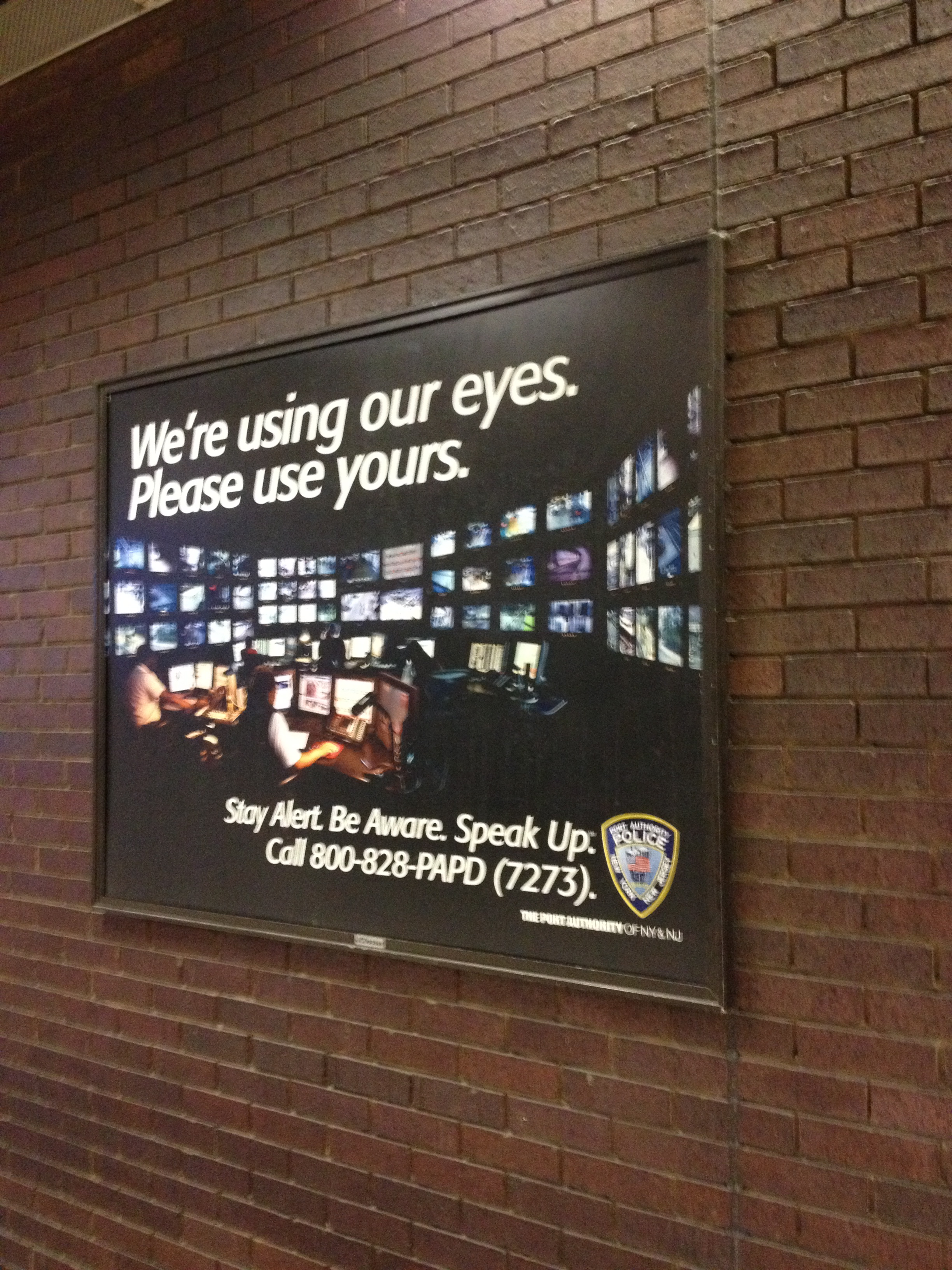
A grueling early morning commute is seldom enhanced by complaining. I suspect most of us would rather not be here, crowded next to strangers on a barely adequate bus, going to jobs we may or may not find fulfilling. We put up with it, I think, because the ways of making a living have been effaced for those of the late boomer generation, but we’re a practical lot. Besides, it is a new year—why not start things off optimistically? Hanging around the Port Authority Bus Terminal as much as I do, you hear things. Our regular dispatcher and some drivers can be heard, sotto voce, saying that nobody wants to take my regular route. It’s a long route in heavy traffic, and I have the greatest respect and sympathy for the drivers. These are women and men with more fortitude than Job. Most of the time. I wonder why no one cares for an express run with so few stops?

The first day back after the holidays, however, the first commute of the new year: One of the regulars missed the bus and had to drive to a stop further along the route and berated the driver for being early. Given that some of us had been standing in the cold and were thankful for relief a few minutes ahead of schedule, and also for the opportunity to get to work a little early, the complaint seemed self-serving. Besides, this customer has made us all late for work before by complaining until a driver, like an exasperated parent, pulls the bus over. And once she starts complaining, she can’t stop. When a second customer joined in, I thought to myself, “Happy New Year.” Things were starting out well.

Yesterday, for the second morning commute of the year, our usual complainer noticed an unclaimed bag at the beginning of the route and, seeing something, said something. The driver radioed it in. Halfway to the city, she pulled the bus over, announcing she’d been instructed to wait for someone to come get the bag. We didn’t know, until he arrived, that he was from the bomb squad. Still, this didn’t stop the complaining sisters from starting on the driver again. When the bomb squad arrived, they looked on with interest as someone’s gym bag was opened with nothing more threatening than smelly socks inside. Then they started griping again. At that point I realized that New Year is indeed a religious holiday. Each new day is an unopened present. And some people will complain, even when left with an unexpected gift.

IMG_0542


Commandments by Committee

Something about the holiday season seems to bring out atheistic activism, or at least media interest in atheism. Now that we’re safely in 2015, I suspect things will quiet down a bit until the next major religious holiday comes along. Ironically, since I was a child I’ve heard about how secular Christmas, in particular, has become. Reactions to this have led to “Christmas wars” that give the lie to sleeping in heavenly peace. In any case, back in December CNN ran a story on the atheist ten commandments. This was just before the holidays, but just after the release of Exodus: Gods and Kings, so it was a story sure to capture human interest. The atheist commandments were chosen by a committee, and, of course, have no binding value. Many of them are more precepts than commandments since, it seems, you need a deity to command all of humanity. Nevertheless, the number 7 commandment has a very biblical sound: “Treat others as you would want them to treat you, and can reasonably expect them to want to be treated.”

More interesting than the list, in my way of thinking, is the form of delivery. The ten commandment format is an obviously religious one. Atheists have long tried to make the case that non-belief is not the same as immorality, and there can be little doubt that this is correct. One need not believe in order to be a good person. Yet, the force of the symbolic ten commandments comes from a divine mandate. Committees, as efficient as they may be, don’t have the same kind of authority. You can hear it now—“Why should I listen to you? Who are you to tell me what to do?” With God there is always the threat of eternal damnation or the sending of plagues. Commandments by committee appeal to reason.

The ten commandments—here I mean the traditional ones—haven’t fared especially well among the faithful. Survey after survey shows many people don’t know all ten well enough to cite them. Some, such as the one against coveting, are hard to demonstrate or prove one way or the other. Honoring parents, in some extreme cases, seems sinful in itself. What doesn’t count as a graven image? So my question is, who has the authority in a post-Christian world to give commandments? The religious certainly won’t take advice from atheists, and religious leaders disagree among themselves about what the deity demands. No committee, it seems, can capture the true essence of divine demands. Perhaps it is a matter of boiling the ten down to one (similar to number 7 cited above) and getting our leaders to truly believe this before imposing it on all.

480px-Rembrandt_-_Moses_with_the_Ten_Commandments_-_Google_Art_Project


Biggest Buy

It isn’t really that much of a specialty item. You see, we live in an older apartment and three-pronged outlets were mostly reserved for kitchens the last time the place received any kind of upgrade. I’m not sure which century that was, but here in the twenty-first, we have lots of electrical toys, and of course, they come with grounding plugs. We needed an outlet for a device, but the nearest plug was yards away. Well, it seems that extension cords are now fire hazards, so you need to use a power-strip. Your typical power strip, as I came to learn, has a six-foot cord. (Although I said “yards,” I meant more than a couple.) So I drove to Best Buy. I can’t remember the last time I was in one. These “buy it large,” “consume excessively” kinds of stores aren’t really my style. I never believed the consumer myth, but I figured these large appliances must require surge protectors or power strips, right? And surely not all houses have conveniently located plugs.

Photo credit: Myke 2020, Wikipedia Commons

Photo credit: Myke 2020, Wikipedia Commons

I am neither a large man nor a fetching woman, but it became clear that I was practically invisible in the store. Trying to get the attention of anyone on the blue-shirted staff was impossible. Even walking right up to someone with purpose wasn’t enough. I did notice, however, that the blue shirts were fairly adept at helping the female clientele. Eventually I found the surge protectors, etc., in their aisle—up to eight feet in length. I tried for another 20 minutes to find help, but the kind of help I need, apparently, doesn’t come in bulk. Maybe on a couch. I went home and within minutes found what I needed on Amazon. I would have it in two days.

Bulk buying, in my humble opinion, is an ethical issue. I’ve stopped going to Home Depot, and even Staples and Barnes and Noble are final resorts. What I’m looking for can’t be found in such places. Besides, nobody wants to stop and direct a bearded, perpetually confused-looking guy. We live in a culture where worth is measured in comestibles and durable goods purchased in bulk. Those with the most buying power are the gods. I can’t even drive by Costco without a substantial delay on a Saturday morning. I don’t need very much to get by. Still, come to think of it, I could use a power source that is conveniently located. And perhaps, some day, a culture more interested in quality than quantity.


Grin and Bear It

The dentist’s chair is about the last place I’d like to spend my Saturdays, but given my work schedule there are few alternatives. So there I was yesterday, yellow light glaring in my eyes, drill whirring ebulliently away, and finally gagging embarrassingly into the tiny sink at my right. Those back teeth come in handy for grinding, but they are poorly designed for brushing. I find the dentist’s office a good place for philosophical thought. In that chair where I’d rather not be, feeling sensations I’d rather not feel, I wonder in what sense my body is my own. Lately I’ve been contemplating this quite a bit. Consciousness seems attracted to a single body at a time, but the biological organism I call me doesn’t always have a say in where it is slated to go, or what it is free to do. Each job I have taken has come as an “only offer”—I’m not one of those over whom bidding wars are likely to erupt. That crown that popped off my tooth wasn’t really my doing, nor was the memorable root canal that led to it being there in the first place. Still, here I am.

Photo credit: Richard from Canton, Wikipedia Commons

Photo credit: Richard from Canton, Wikipedia Commons

Religions regularly teach that overcoming physical limitations is one of the perks of paying attention to your soul. I suspect parsing soul, consciousness, mind, and psyche is to slice this entity I call “me” a bit too thin. Whatever all or any of this is, having x-rays shot through it while the assistant hides behind the wall, it is hopefully made of sterner stuff than the teeth nature has given it. One hopes that this can’t be all to expect out of our existence. Life, if only our physical years, is too short to spend much of it in the dentist’s chair.

I’m not sure I like dentists knowing more about this body than me. Is it mine at all? I recall the exasperated call for a tongue blocker in a Wisconsin dentist office and the tooth-meister proclaimed, as if I weren’t in the room, “he has a curious tongue.” I don’t intend for my tongue to be curious, but it always seems to wonder about what finds its way into my mouth. Is it me? Is it mine? The consciousness always seems to come back to this body that does things I can’t control. These thoughts come on a sleepy Saturday morning when I should, by all rights, still be in bed. That is, if I’m indeed the one who wakes up in this body yet again today. And whichever body it may be, if it is mine, I know I brushed its teeth before going to sleep, as I have for as long as I can remember. And yet the drill whirs on.


Like a Virgin

Having more than two days in a row when I could be both home and awake, led to some premature spring cleaning over the last few days. One of the artifacts discovered among the piles of “deal with it later” things was a booklet that was likely an impulse buy—a stocking stuffer or perhaps a whimsical birthday giftie. In our house it could have only been directed at me since it was a little book about Virgo. I have never, even in my most experimental modes, considered astrology to be anything but pure fantasy. I do, however, realize that it is just as old as astronomy, and ancient peoples firmly believed that the sky had unseen influences on everyone. Still, the calendar dates during which you are born can’t provide personality traits any more accurate than gross generalizations. Two of my brothers and I are Virgos, and we are very different personalities, despite having grown up together.

Still, curiosity compelled me to take a few minutes to look at the guide by Teresa Celsi and Michael Yawney. It begins with a brief introduction to astrology, and as I thought about it, I realized that there are indeed people who take it seriously. Long ago I recognized that the criticism “ridiculous” (apart from being offensive) is never an adequate antidote to religious belief. Many elements in conventional Christianity, and other mainstream religions, fall into the similarly implausible realm. There is a kind of science to astrology—labeling and categorization, observation and recording. I still don’t believe it, but I can see how it might appeal. And I thought I could recognize myself in the Virgo the booklet described. Yes, some of that was definitely me. Then I got to the bit about a Virgo’s house being neat and tidy, and how people appreciate it. We live in a small apartment and visitors (who are few) are more inclined to make sure their immunizations are updated after leaving, rather than praising our housekeeping skills. Fact is, clutter doesn’t bother me that much.

Virgo2

The majority of the little novelty book was about relationships, of course. I still remember the days when “what’s your sign” was considered an acceptable pick-up line, at least if movies are to be believed. I couldn’t remember my wife’s sign, and was surprised to read, when I found it, that we might encounter some conflict, should we decide on a permanent relationship. We’ve been married for 26 years with barely a raised voice in all that time. Maybe it’s because I’m a Virgo. Or maybe it is because we are more the agents of our own destiny than the stars. Nevertheless, it would be a comfort if we could pick up a chart and know what our lives might be like. It’s easy to see why astrology has taken on the quality of a religion for many. Please excuse me but, according to my nature, it is about time to get back to my cleaning.


Land’s End

Although not due for release for another two years, the internet is already buzzing about Pirates of the Caribbean 5. Thing is, once a studio finds a successful formula, they’re reluctant to let it go. Nevertheless, with a couple days off for New Year’s, and all the family here, we decided on a marathon of the four movies available for home viewing. I used to use a clip from the second movie (Dead Man’s Chest) in my classes to demonstrate how the Bible is portrayed in popular culture. In the scene where Pintel and Ragetti are rowing toward the beached Black Pearl, Ragetti is leafing through a Bible, although he can’t read. He says, in his defense, “It’s the Bible. You get credit for trying.” Indeed, the Bible appears disguised as the huge codex of the pirate code (a kind of over-compensatory pentateuch), and, as I noted before, the book that saves the mermaid’s life in On Stranger Tides. In fact, for those willing to look behind the scenes, the Bible shows up repeatedly in the series.

Even as a landlocked child maritime themes and concepts were compelling to me. I yearned for the ocean without ever seeing it. Long I stared at the cover of Rachel Carson’s The Sea Around Us in wonder. When I finally had the opportunity to strike out on my own, it was to Boston I headed, with its rich New England tradition of the sea. I have tried, ever since, to return there. Theologians, although I don’t count myself among their number, have often found a religious resonance with the sea. The Pirates of the Caribbean movies, based as they have been on a Disney ride, nevertheless manage to tap into the romance of the ocean. Not compellingly written, apart from the fun antics of Captain Jack Sparrow, they don’t present an entirely coherent story line, but they do put the viewer, vicariously, at least, on the ocean. And they have been among the most successful film series ever released. Many, I suspect, are drawn by the lure of the open ocean.

Rewatching the films also reminded me of Cthulhu’s influence on the character of Davy Jones. The origins of the euphemism “Davy Jones’ locker” are uncertain, although some trace it back to Jonah. Nevertheless, it stands for the place of death on the sea floor—the very place where Cthulhu lies dead but dreaming according to his creator H. P. Lovecraft. No doubt, Lovecraft’s description of Cthulhu played into the depiction of the character of Davy Jones as presented by Disney. At the end of At World’s End, Jones falls dead, once again, into the maelstrom that will take him back, dreaming, to the ocean floor. In so doing he participates in the endless give and take of the sea. I suspect a couple years hence will find me in a theater to watch what seems a somewhat tired trope, but it will be more the sea than the sparrow that will draw me in.

Photo credit: Anthony92931, Wikipedia Commons

Photo credit: Anthony92931, Wikipedia Commons