Music Alone

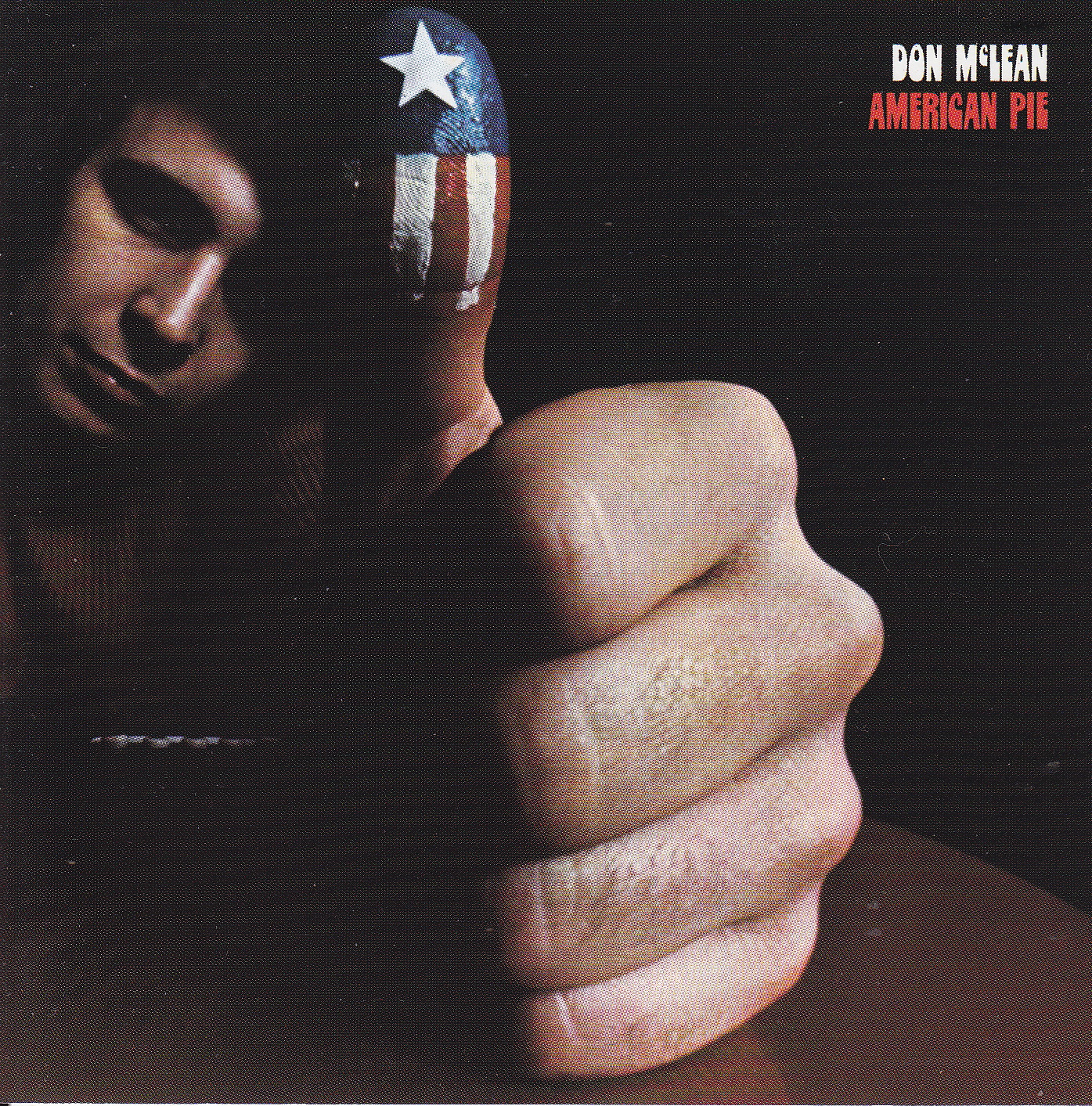
Thinking back to our days in Edinburgh, I had a song come to mind. I could remember only a word or two, but the tune and the cadence were still there. Not a singer, nor even a hummer, the best I could do was ask my wife if she remembered the song based on the two words I could recall. Amazingly, she did. When I went to download it on iTunes, I learned that it isn’t available in the US. Probably copyright laws—these can be quite bizarre. Music has a way of staying with you and one of the songs unforgettable to those of us growing up in the ‘60s is Don McLean’s “American Pie.” In a recent Bloomberg View piece, Stephen L. Carter, a professor at Yale, laments the fact that McLean’s original notes for the song are going up for bids and, after five decades of guessing, we may finally learn what the cryptic lyrics mean. Or will we?
AmericanPie

A colleague of mine used to say, “words don’t have meanings, they have usages.” In the literary technique known as reader-response criticism, it is the reader who has the final say in what a passage “means.” An author may intend one thing, but who is the author to control the meme once it’s out? (You can see why some biblical students get upset by such things since the same thing applies, even if the author is God.) While I’m not po-mo enough to accept this completely, it has introduced an edge of caution to my reading. After all, if an author is dead (ahem) we can’t question him or her to find out what they meant. Even if they remember. “American Pie” is notable for its lyrics with religious imagery which, fairly clearly, are not really religious. Or are they?

Carter laments the coming unveiling. The mystery will be gone. Don McLean, the ultimate one-hit wonder, will walk away with the goods yet again. I have no doubt that there will be analyses and hermeneutical disquisitions. The learned will claim that we finally have the answers. I’m not so sure. What if the “Father, Son, and Holy Ghost” turn out to be Buddy Holly, Big Bopper, and Richie Valens? What does that mean? Perhaps Don McLean, like any old prophet, was merely a vehicle for a message received from elsewhere. The questions go back in an endless regression, and no answer will ever be final. We all know the song is about “the day the music died.” As the old camp song says, “music alone shall live, never to die.” And as I sit here trying to remember how a song I last heard two decades ago goes, I’m pretty sure that the camp song is right, whatever it means.

Alas, Babylon!

Religions tend to be backward looking. That’s not intended to be a universal, nor a condemnation. Few would want to admit that their religion is new, especially in this scientific era. We tend to believe the truth is old. But not too old. In the monotheistic traditions, real religion started with Abraham, or more properly, Abram. Beyond that we were all pagans. One of the sad stories brought to my attention this past week involves the IS (you know it’s bad when we have to use acronyms) decided to destroy Nimrud, one of the ancient Mesopotamian cities that has helped us understand whence we’ve come. In an era of political and social correctness, we’ve decided that the right to keep artifacts rests with those who’s heritage it reflects. The future, however, is just as unstable as the past. As someone who has spent many years trying to understand the material remains of our pre-Judeo-Christian heritage, it is a tragedy of the first degree to have unthinking guardians destroy what can’t be replaced because they represent “idols.”

In my Ancient Near Eastern Religions class, I used to begin by asking students what the difference was between an idol and a god. At first it seems that idols are images, and, by definition, offensive to the religion that names them “idols.” Then, as we probed deeper, it would become clear that all religions use images of some description, and that likenesses of deities were considered to be gods in sophisticated ways. Those who built the pyramids and the great walls of Babylon were not simpletons. Their images, many of them powerful still today, were psychological expressions, often backed with theological finesse. Even Protestants accuse Catholics of idolatry, and they worship the same deity.

It would be a mistake, however, to blame religion for such wanton destruction. All religions breed extremists. Extremists, like those who believe science can explain everything, are simply drawing their reasoning out to its ultimate conclusion. That’s not to condone their actions, but to try to comprehend them. All religious groups have those who slip past the bounds of conventionality into the realm where an all-consuming zeal requires excessive action to be noticed. Human beings are complex that way. A pagan philosophy of ancient Greece held that all things in moderation was the ideal. Religions with a concept of Hell, however, breed excessive ideologies. As a child I would have done anything to avoid Hell. In fact, with the little power that children are accorded, I conscientiously did what I could. When I wasn’t distracted by the other attractions life seemed to offer. If, perhaps, we considered that socio-economic justice would go a long way toward engendering a kind of contentment, we might find less extremists in the world. No matter what we do, however, we will not find ourselves in a world without religion.

DSCN1835


A Night at Culture

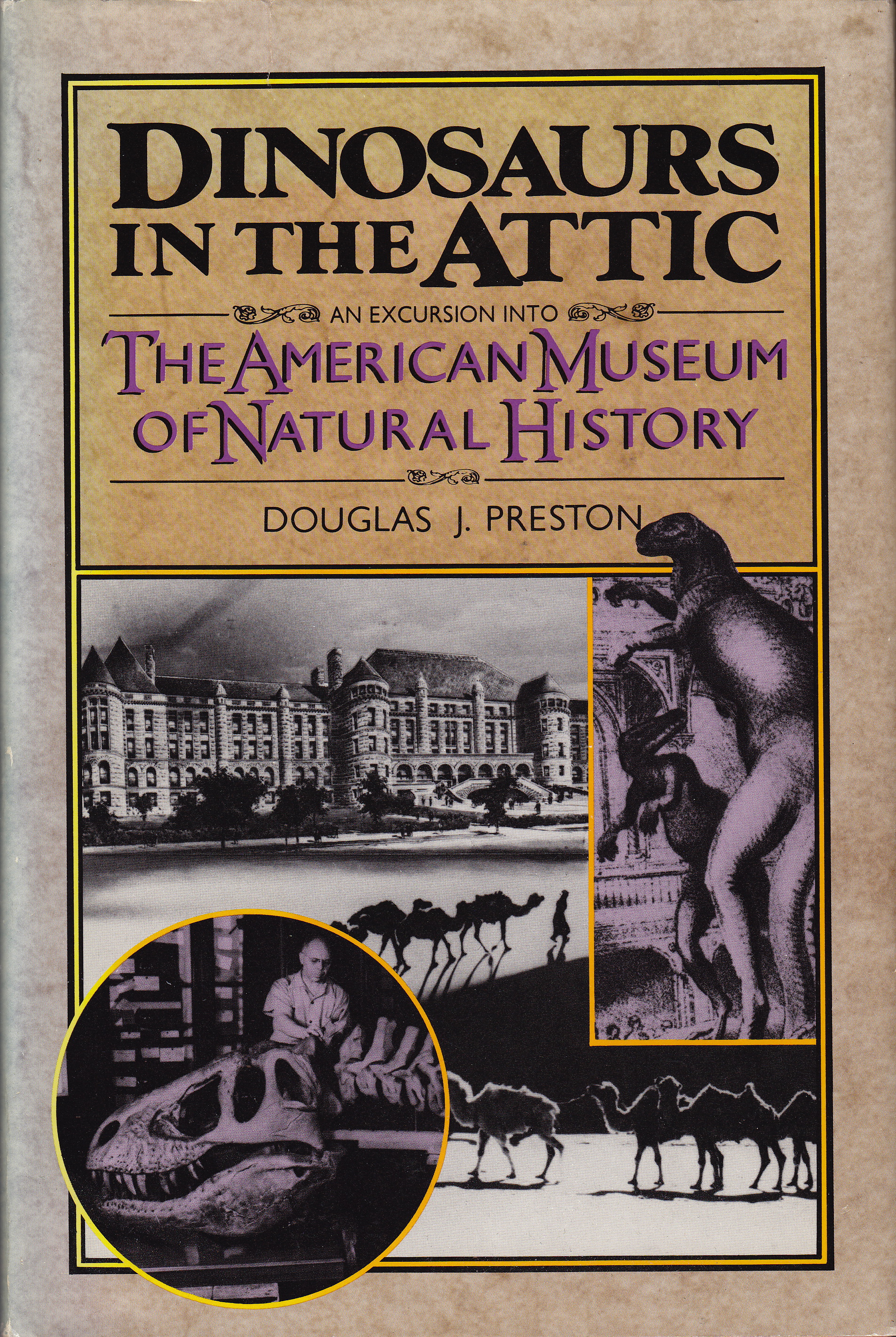
AmericanMuseumOne of the undisputed benefits of living in the greater New York City metropolitan area is the potential for culture. I know that culture exists everywhere, and that is precisely one of the points behind Douglas J. Preston’s Dinosaurs in the Attic. I picked this up at a used book sale because of my love of dinosaurs, but the subtitle provides more of a description: An Excursion into the American Museum of Natural History. Just when the first Night at the Museum movie came out, the American Museum of Natural History offered a program of nights to sleep in the museum, geared toward children. A generous family member bought us tickets and we got to sleep in the oceanarium under the giant whale dangling from the ceiling. We were allowed to explore galleries by flashlight, including the most famous collection of dinosaurs in the world. Who wouldn’t want to read about the backstory of such a museum after such an event?

As might be expected, with roots in the late nineteenth century, it was a different world in which this museum was conceived and built. Rare animals were shot to be part of exhibits, artifacts were acquired and shipped across national borders, and even world-class bird collections were bought to help an indiscrete baron avoid the humiliation of having an affair revealed by a blackmailer. Still, the religious element was clear. One of the founders for the museum, Albert Bickmore, went off in search of artifacts with his Bible tucked under his arm. Exotic places and peoples were still allowed to be called exotic, and the museum eventually became famous enough to star in a movie.

What struck me the most about this fascinating story, however, is when Preston points out that the most fragile, and valuable possession of the museum are the myths. Early ethnographers visited peoples that, even then it was already too clear would become extinct (culturally), and recorded their religious stories. This, and not the thundering Tyrannosaurus Rex, was the true purpose of the museum. Museums are about people. What we discover, what we make, and how we impact our planet. Myths, religious stories, are some of the most unique and delicate pieces of information that we can leave behind. Even materialists have beliefs. We all believe in something. Although nobody goes to a Night at the Museum to read dusty old stories, it is a source of comfort that they are there. Many of the cultures have indeed died out. Were it not for the foresight of those who could see where globalization would eventually lead, they would have been forever lost. And a world without myth is not a world worth living in.


Soulful Phantoms

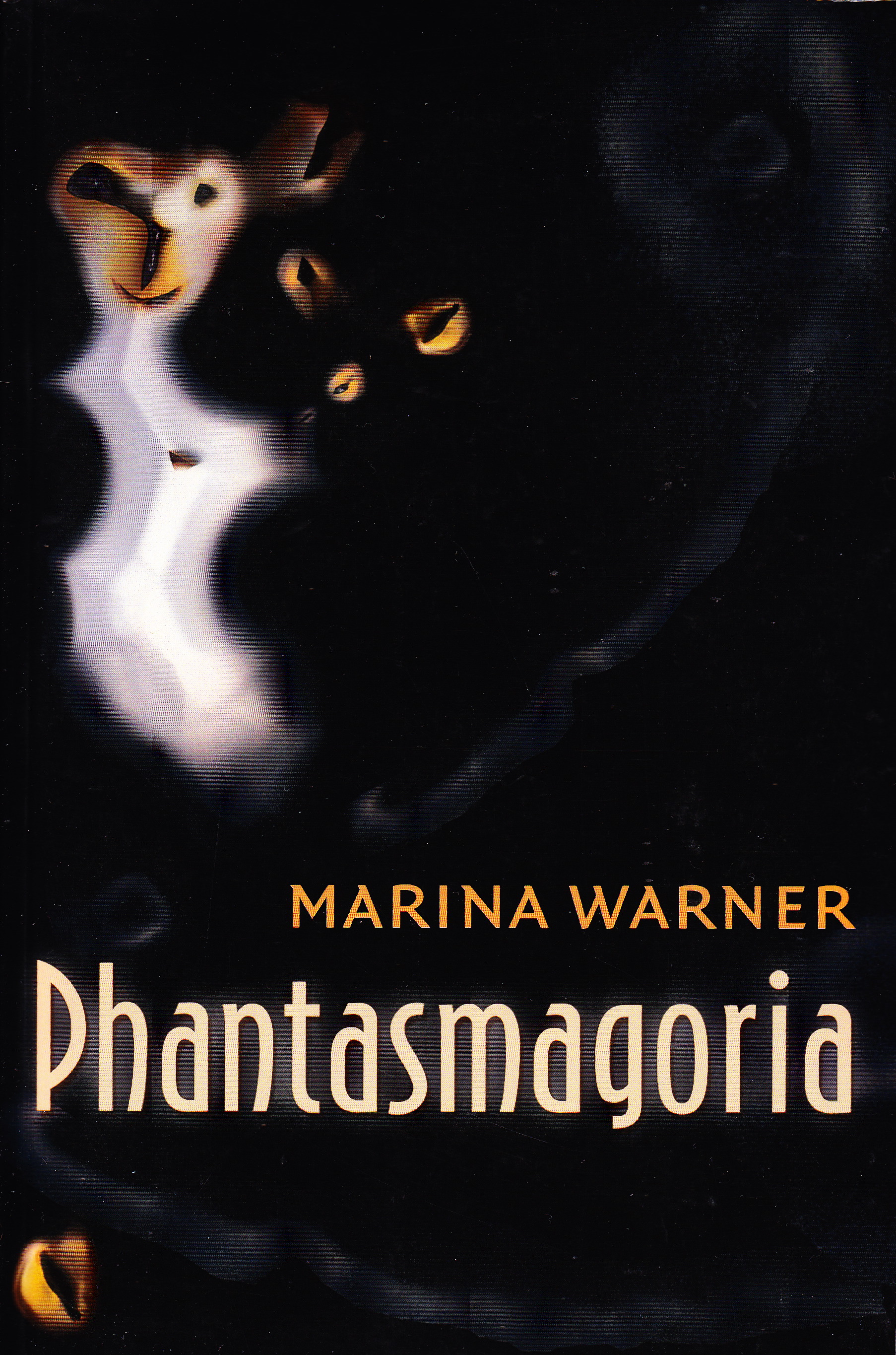
PhantasmagoriaPhantasmagoria is a most appropriate title for the book by Marina Warner that bears that single-word name. The back cover bears none of those helpful tags that give the reader a handle by which to categorize the book. The subtitle helps somewhat: Spirit Visions, Metaphors, and Media into the Twenty-first Century. The book is about ensoulment. The popular rage among many academics is the exploration of embodiment—the times and trials and wisdom of having a physical body. (We all know it, but it is the scholar’s job to think about it.) Warner asks what soul stuff is and pursues this through many media: wax, air, clouds, light, shadow, mirror, ghost, ether, ectoplasm, and film. She’s not suggesting that souls are made of these things, but rather that people have used these media to explore what a soul might be. Apart from being a fine historical resource on these different avenues of exploration, individual chapters in the book focus on various artists, psychologists, parapsychologists, writers, and Scriptures. This makes for a fascinating, if challenging, exploration to undergo.

One of the topics that emerges in the discussion is how soul distinguishes itself from other unquantifiable aspects of being human: what is mind, for example. We can’t really define soul, but it is frequently differentiated from mind or personality, neither of which is particularly well understood. In an era when we’ve not so much ceased to ask these questions as sublimated them into various fictional realms, a book like Phantasmagoria is especially important. The reaction against materialistic reductionism is strong, if not empirically provable. We still flock to theaters to watch zombies on the screen, precisely because we too have become soulless. Romanticism had a place for Gothic sensibilities as well.

Along the way Warner makes a particularly apt observation that politics and entertainment have become difficult to distinguish. Thinking over the number of entertainers who’ve become policy makers, this is a particularly disturbing thought. We trust the media and it gives us entertainment. Most college professors make so little money as to be jokes when it comes to running a political campaign. Where your treasure is, as the saying goes. Media, in all the forms explored, has failed to capture the soul. The chapter on Revelation (the book) is truly spectacular, coming, as it does, in the section on film. It is the embracing of the chimera of the end of the world pieced together from various myths and nightmares that our political leaders find, in many cases, far too compelling. Someone like Warner might be a much better leader to trust, even if she is a scholar.


Bible Stories

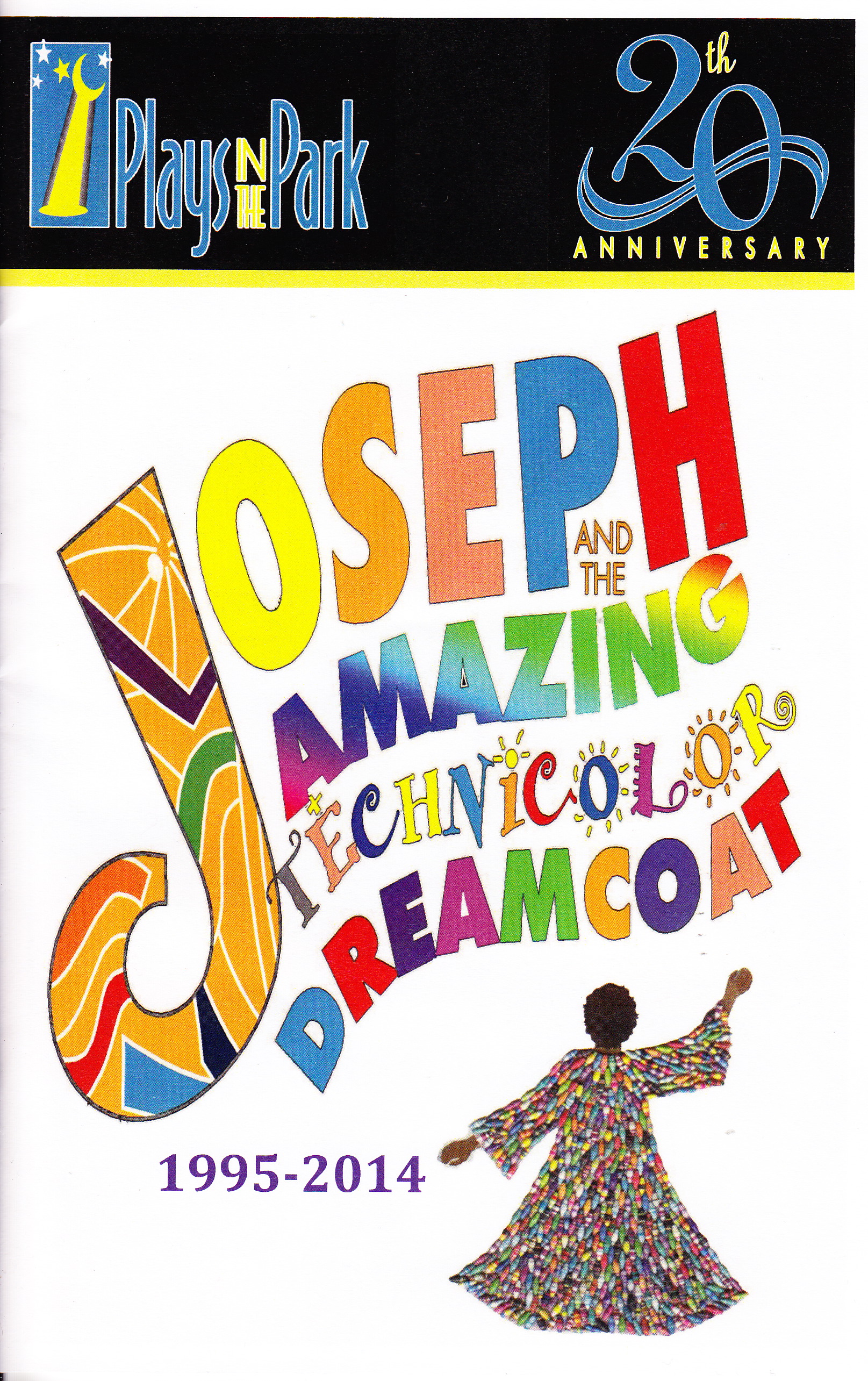
JosephSay what you will about it, but the Bible has some great stories. Based on classical measures of what makes a good tale, the Bible ranks up there with Greek mythology and other ancient fiction that is meant to teach us about being human. Stories do teach, and literature is among the greatest of pedagogues. For the past two decades, Plays in the Park here in the New Brunswick area of New Jersey, has been putting on a post-Christmas, pre-New Year production of Joseph and the Amazing Technicolor Dreamcoat (indoors, due to the time of year). With the kinds of production values you expect of many off-Broadway venues, the show is exceptionally well done, and due to the local color, never too serious. And they play before a packed house. The reasonable prices, I’m sure, have something to do with it, but the fact is the story of Joseph is classic. Full of radical reversals, dreams that come true, and reconciliation, the Joseph novella is one of the great stories of humankind. Unlike many tales of Genesis, God is rather in the background here, perhaps overseeing the event, but not interfering in the human drama.

Although the musical, like most adaptations, takes liberties with the story, it remains fairly true to the Bible. Andrew Lloyd Webber and Tim Rice also had success with Jesus Christ Superstar, showing that, despite its detractors, the Bible still has some appeal. Negative sentiment directed toward the Bible largely derives from the wooden insistence of literalists that everything must be taken at face value. The Bible isn’t allowed its symbolic resonance. Perhaps we can get beyond a worldview where the sun literally goes around the earth, and pay attention to the very human dimensions of the stories it tells. Truth may be of scientific nature, but it may also be—indeed, it must be—human. The very concept of verity is human. We are the ones making up the story.

Scholars point out that even the colored coat of Joseph is based on a translation decision in the Septuagint (the Greek Hebrew Bible). For many people, however, who’ve never read biblical scholars, the truths of Joseph and the Amazing Technicolor Dreamcoat as just as legitimate. The rivalry between siblings is something many of us have experienced firsthand. While not many of us get promoted from prison to vice-president, we still dream that our lives could get better. Our dreams could come true. The upbeat score, of course, helps to reinforce the message—one might say it makes the message believable. That doesn’t mean that the tale is not true. There was no historical Joseph. The colored coat may be a translation error. The story is nevertheless true. Doubters should watch the show. Next year in the State Theater in New Brunswick just after Christmas would be an excellent opportunity to do so.


Real Devotion

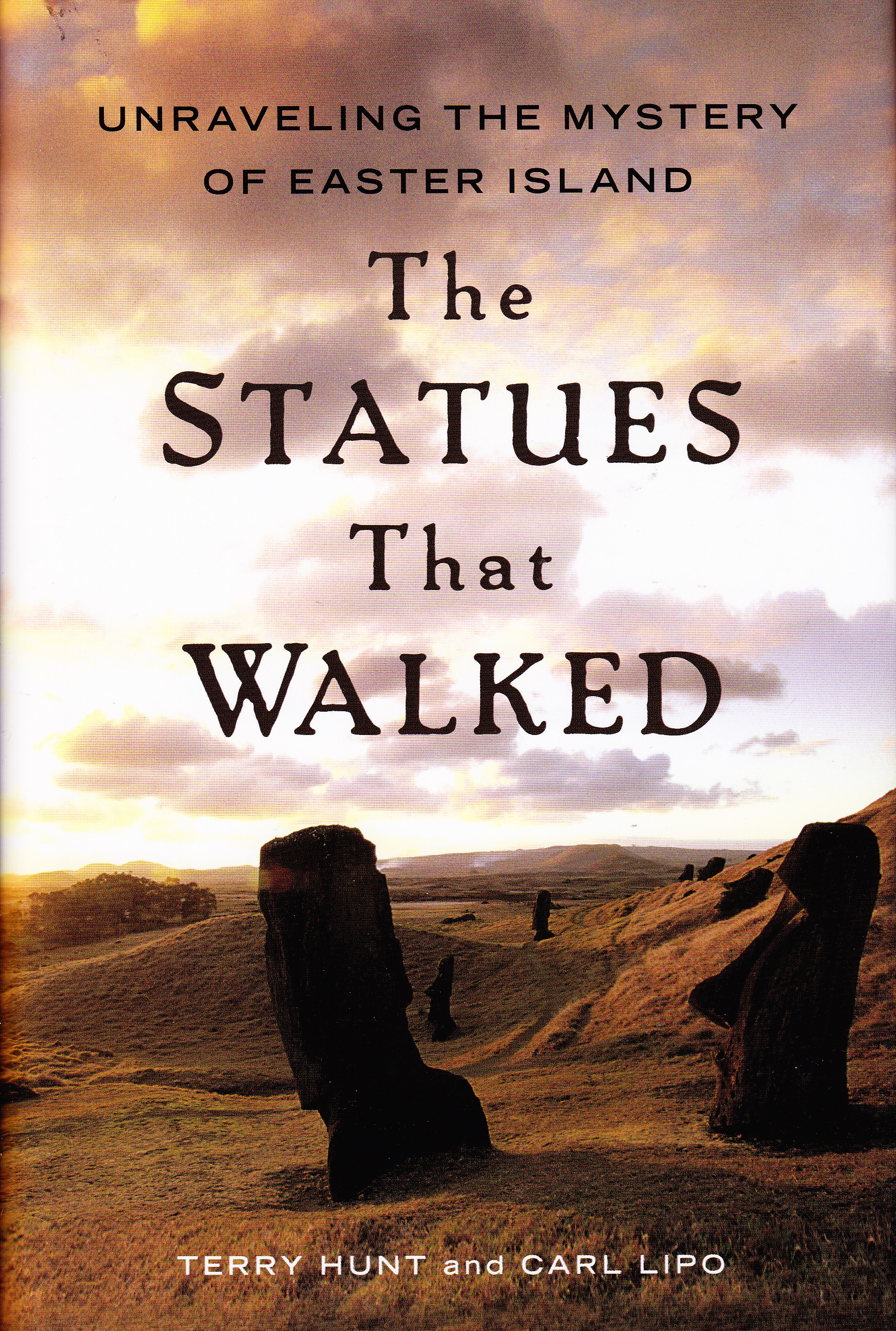
StatuesThatWalkedEaster Island instantly brings up images of massive statuary and mystery. From childhood (and that will likely continue for some time due to Night at the Museum) the sensationalized accounts of these eerie statues appeal to our sense of wonder. And they should. Still, as Terry Hunt and Carl Lipo demonstrate in their informative book, The Statues That Walked, the island is more than it first might seem. A small, extremely isolated bit of volcanic rock in the south Pacific, Rapa Nui—the native name for Easter Island—has never been a lush paradise. Its volcanic soil long ago depleted, it was only occupied from about 1000 CE, and then only marginally. In fact, were it not for the moai, nobody would probably have paid much attention to it. Even today this remote island draws thousands of visitors, despite its lack of luxury, because of these huge-headed, silent statues. And who but a specialist would read a book about the island if the moai were not featured?

Hunt and Lipo are archaeologists and anthropologists. Their interest is not primarily in mystery, yet after beginning their fieldwork on Rapa Nui, they felt compelled to turn their attention to the huge statues. Their book, in fact, takes its title from the moai, and soon settles in to a discussion of them. They are, not surprisingly, religious symbols. Many people would probably prefer that critically minded scientists leave their favorite mysteries alone. Yet the story of the moai is fascinating, and still unexplained in the larger sense of why people in a subsistence-level situation would expend so much effort on religion. Hunt and Lipo suggest the moai are examples of costly signaling—the evolutionary principle of the peacock’s tail. Even people with barely enough to eat will put enormous effort in demonstrating to their neighbors that they have the favor of the gods.

Other ancient Polynesians also built statues. On Rapa Nui it grew to a kind of religious obsession. Hunt and Lipo propose a perfectly naturalistic way that the massive statues could have been, and probably were, moved across the island. More importantly, they uncover that the inhabitants probably did not indulge in ecocide, cutting down all the trees. There were other culprits involved. After European discovery of the island, it was time and again devastated by disease. Although they don’t come out and say so in the book, European contact probably contributed to the abandonment of the great statues, many of them still in situ at their quarry. The moai likely represent ancient ancestors in a culture where veneration of the same is the basis for a natural religion. I won’t reveal any spoilers here since The Statues That Walked is an important book to read on many levels. And, although it doesn’t make this claim, it shows that religion will likely always be part of history’s great feats of lasting intrigue.


Magnificat

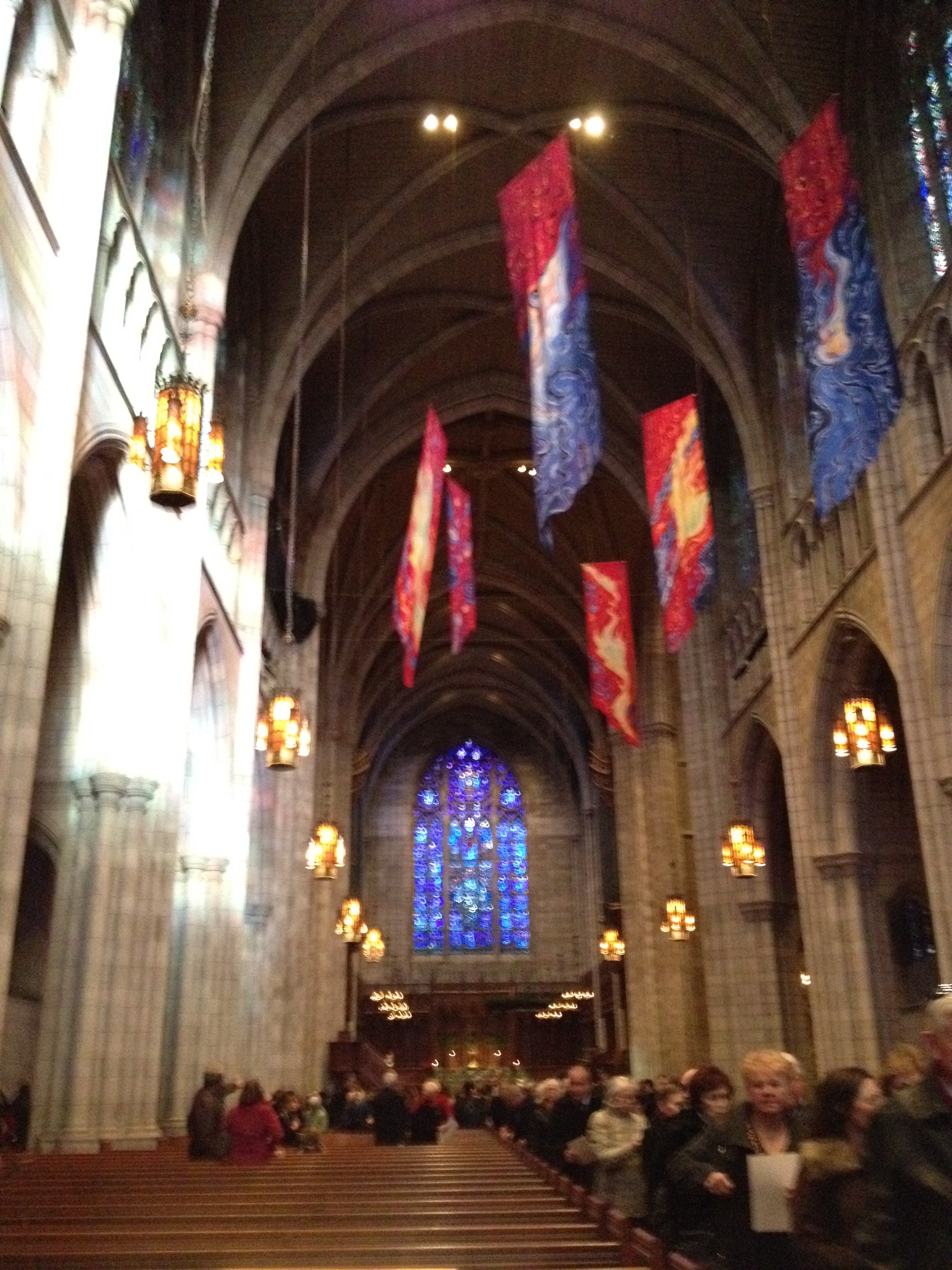
IMG_1857One of the advantages of a huge endowment is the luxury to experience culture. Although we don’t live in Princeton, we don’t live far from it, and most years we venture down to hear the free Advent Concert given by the Princeton Chapel Choir. For those of you who’ve never been to the Princeton campus, or perchance have not visited the chapel there, the setting is part of the experience. On the order of a small Medieval cathedral, the campus chapel at Princeton is by far the largest I’ve encountered, and the acoustics from the soaring stone are impressive, even to an untrained ear such as mine. Since my wife is the musical one in this marriage, she reads the program with an avidity I lack, but I do recognize striking music when I hear it. This year’s concert included a piece I recollected from a few years ago, Christine Donkin’s “Magnificat.”

I’m at the age where it is no longer surprising to find very talented people much younger than myself. Christine Donkin is in this class. A Canadian composer, she has had her music performed in major venues such as Carnegie Hall. Her “Magnificat” is the only piece with which I am familiar, but it is a powerful work that can be compared to a mystical experience in the listening. Written for women’s voices, the piece evokes a spirituality that seems to come easily to those who are submissive. The Magnificat is, by tradition, Mary’s psalm of submission to the divine will, based on 1 Samuel’s account of Hannah conceiving the prophet Samuel. In a world dominated by male humans as well as a male deity, the song of Mary is one of the subtle poems celebrating the upsetting of the entrenched power structures that have held women down. If you listen closely enough, its subversive elements become clear.

Donkin’s “Magnificat,” in a darkening cathedral on a December evening, is a moving experience. It is a piece that leaves me feeling as if I’ve temporarily been somewhere else. And that elsewhere is far from the turmoil and troubles of daily life. And there are no men involved.

Over the years we’ve heard many impressive performances in that stone edifice. None, however, it seems to me, so powerful as that of a young woman confronted with a reality beyond that of everyday life. A reality that men cannot touch, but which, when the circumstances are right, they might hear if they’re willing to listen, and in doing so might find their own burdens lightened for a few minutes on a winter’s evening.


Doodle Dandy

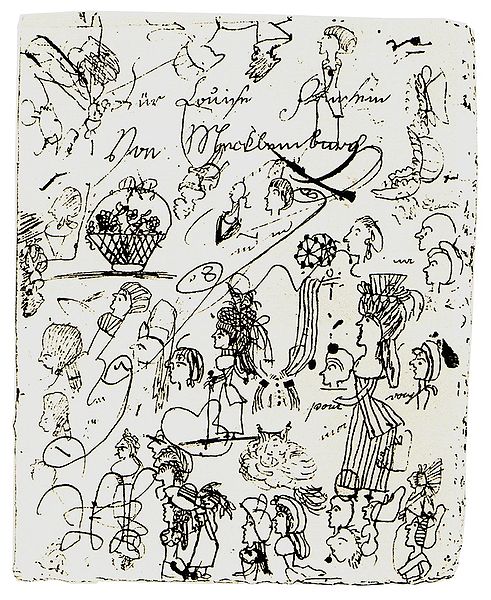
Deep in the stacks of the New College library at Edinburgh University, I came upon a book in the open shelves with a date of 1611. Once the staff had been notified, this book, which had simply aged in place over the centuries, was quickly moved to special collections. It is the dilemma of many a writer that books seldom see the light of library reading lamps. This episode came to mind as a friend shared an interesting story about doodles. Historian Erik Kwakkel has one of the most enjoyable jobs in history (seems appropriate). His research takes him to old books, and by “old” I mean handwritten, to look for pen trials—how pens were tried out before serious writing began. A lot may be learned from not just the words, but how they were formed. A different friend I knew was working on the forensic study of the order of stylus strokes in cuneiform writing. It was completely fascinating. With the right tools, you can find out in just what order strokes were made in clay, their depth, and a host of other information such as the right- or left-handedness of the scribe. Writing reveals the writer. In any case, Kwakkel has a great excuse for looking at doodles.

491px-Luise_KritzelzeichnungOne point in this fun story, however, struck a serious note with me. Scribes were, in final copy, expected to be completely anonymous. Their labor was to go unremarked through history. We owe them some of our greatest treasures, and in a bizarre back-formation, modern scholars give these anonymous scriveners names such as “the tremulous hand of Worcester,” in a vain attempt to recover them. In rare instances we are given the names of scribes. Some may have been creators as well. Most will remain forever nameless. Those who love books may be excluded from them by their very love.

There once was a joke that went around that asked “what do you call a writer who actually has a job?” The answer? “An editor.” In the old days, anyway. Now you can earn university degrees in publishing and editors very quickly vanish into the background, like the ninjas of literacy. Like those ancient scribes who, perhaps bored by the rote task of copying out somebody else’s words, left little doodles behind in the margins as their own attempt at immortality. In many ways this blog is my chance to offer a few doodles to the world. I used to be (and still hope to be) a content producer, but now I understand that content has no room for doodles. The serious business of publishing is all about showcasing the author whose ideas are worth spreading. Oh, there’s a subtext here, all right. A palimpsest, one might say. However, like the anonymous doodlers of history, many of us scribble away awaiting future discovery, long after our names are irrecoverable.


Gothic American

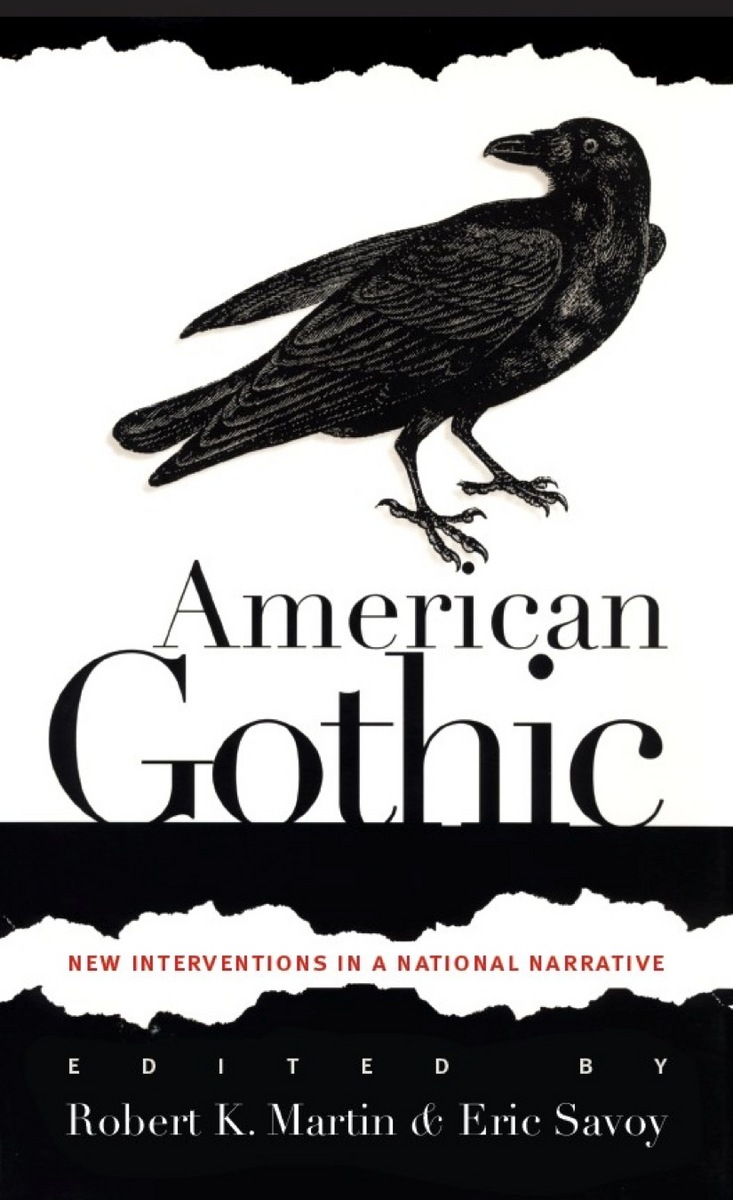
AmericanGothAmerican Gothic, the painting by Grant Wood, caused me trouble at Routledge. An author wanted to use the image on the cover of his book (we eventually managed it) but the choice was contested at every step. Along the way editors, editorial assistants, and marketers all told me what the painting represented and how it was inappropriate. I’ve learned, however, a few things from the post-modernist movement: nobody can say what an artwork means definitively. So when I read American Gothic: New Interventions in a National Narrative by Robert K. Martin and Eric Savoy, I was ready for a combination of po-mo and the macabre. Like post-modernism, Gothic is a difficult term to define. Indeed, the first set of essays in this collection struggle with definitions. Being literary criticism, the book points out that the novel and Gothic more or less developed together. When people read to be entertained, as early as the eighteenth century, they wanted to read Gothic tales.

Being a life-long fan of Poe, I was pleased to see that he made a good showing in the pieces contained in the book. What makes it appropriate to this blog—other than it being October, a comment that requires no explanation in the northern hemisphere—is a notion I found early in the book. People read horror literature for healing. Anthropologically, the wounded healer is a well-recognized figure. In a world where we expect opposites to go together health comes from disease and healing from being wounded. The gothic is a wounding of the mind to lend it healing. To be sure, many of us who read gothic literature do not relish scenes of violence or hurt. We do, however, find a kind of therapy within such darkness. In the darkness light is best appreciated. Who uses a flashlight outdoors on a sunny day?

As with most books from multiple authors, there’s some unevenness to the contributions here, yet more often than not, I found deep insight throughout its pages. Religion makes occasional appearances. Indeed, the figures of the monk and the debased church are stock images for early gothic literature. The sacred, if we’re honest, is a bit creepy. Having spent many nights in churches on retreats or for hospitality when youth groups couldn’t afford a hotel, I know that fewer places are scarier at night than an unlit, empty sanctuary. The gothic, following culture, has tended to move away from monasteries and churches into the more scientific spaces of the twenty-first century. Nevertheless, ravens and haunted houses still evoke the age-old fears of a coming period of darkness, the Halloween of the soul. And for those who want to know how a post-modern crowd scans the darkness, this book will not disappoint.


The Cost of Being Human

In last week’s Time magazine Joel Stein’s “The Awesome Column,” a humorous endnote for somber weekly news, spoke to me. Although Stein writes as light relief, when he addresses humanities education I have to sit up and take notice. Like being in class all over again. Although Stein is trying to be funny, I find the decline in the humanities to be no laughing matter. I don’t think Stein does either. As an uncle once said to a relative recovering from cancer—you might as well laugh about being bald, what else can you do? The humanities are so called because they are what makes us human. Perhaps it is no coincidence that Stein addresses this in the issue following that which commemorates Robin Williams. As I’ve written before, I don’t consider myself a Williams fan, but I can’t help but associate him with what I consider his best movie, Dead Poets Society. The humanities are what we live for.

I’m a little too nearsighted to claim to see the future clearly, but Stein makes the accurate assertion that our great ideas have tended to come from our humanities dreamers. Presidents and Popes, he notes, have not been drawn from the sciences, but from the arts. Herein, I suspect, many would suggest lies the problem. We are a schizophrenic society (with apologies to those who believe schizophrenic is a slur word). Who wants a warm puppy on your lap when you can have a warm laptop instead? Indeed, you can carry your computer under your arm, in your pocket or purse, or even around your wrist. Instant access to the internet and every other wired person all the time. Isn’t that what we really wanted? But then we come out of the movie theater complaining that the show was poorly written, if technologically flawless. We have just walked out of John Keating’s classroom, methinks.

Is this worth more than just money?

Is this worth more than just money?

“We live in a time,” Stein opines, “when smart people want to discuss only politics, technology, and economics.” Truth be told, the deeper you look behind any of these topics the more boring they become. Politics? Everyone wants to rule everyone else, what’s new there? Technology? Electrons dance better in some substrates, and if we can only get this confusing formula right… Economics? I want what you have, so why don’t we trade? How banal! Anyone who’s ever lost him or herself in a novel, a movie, or a song (even, dare I say, a prayer?) knows that transcendence trumps technology every time. As the weather begins its long decline into a bleak and icy winter, I’ll be sitting here with my laptop on my lap, but I can guarantee that this is one place where I can fully agree with the departed Charles Schultz. Happiness would actually be a warm puppy.


Evolution’s Snapshots

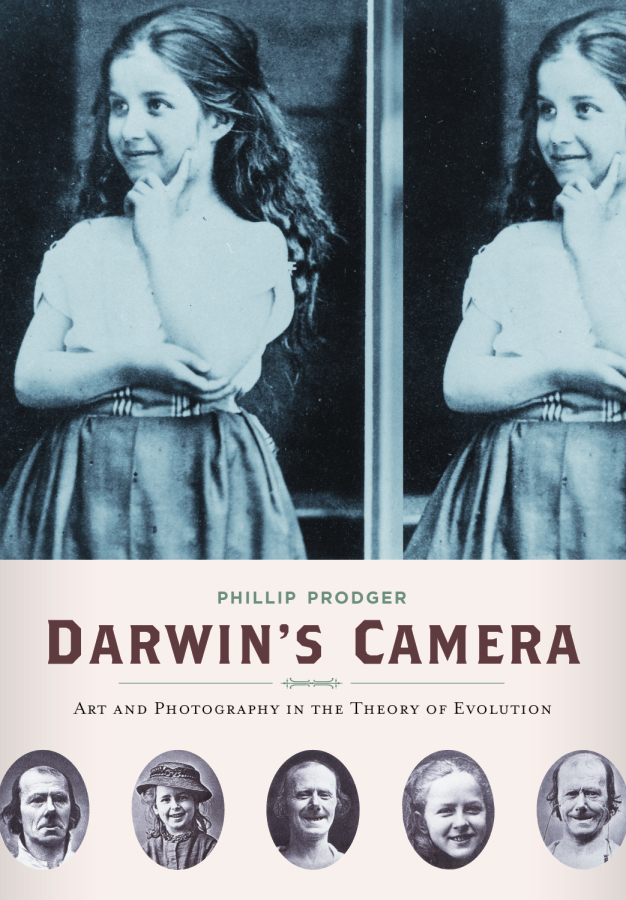
DarwinsCameraIn America’s political climate any book about Darwin takes on a religious cast. As strange as it may seem, an odd equation exists between Darwin, evolution, creation, and the Bible. We forget that Darwin was a retiring man with many interests and a very keen intellect. Erstwhile groomed for the clergy, he lived at a time when much of the world was known really only to the local inhabitants, and observations were still mostly made by the human eye in person. So it was that as photography developed, a new avenue into science opened up. Darwin’s Camera, by Phillip Prodger, is a rare look into, as the subtitle says, Art and Photography in the Theory of Evolution. Darwin wrote several books. Among them was The Expression of the Emotions in Man and Animals. This book was among the first scientific tomes published with photographic evidence to illustrate, if not prove, the points being made. Prodger takes us through the process by which Darwin procured and commissioned his photographs for the book and reveals some deeper truths about his life.

Interestingly, one of the sources of early photos was asylums. There was a belief, apparently, that photographs might be used diagnostically. One of the emotions that was presented to Darwin for his consideration was religious rapture. (Not that I can make any great claims here, but having experienced at least mild versions of such states—whatever their physiological cause—I know that they are powerful.) The observation comes through that religious rapture is difficult to distinguish from insanity, on the face of it. This may sound like an anti-religious slur, but it’s not. Ask around the mystics and you’ll see what I mean. Sanity has its uses, to be sure, but mysticism is all about letting go.

The only real religion in this book comes in the confrontations to Darwin’s evolutionary theory. Prodger does, however, briefly delve into Darwin’s late (and brief) concern about spirit photography. Shortly after cameras were developed, photographic tricks evolved. The Victorians, as we all know, had a very palpable sense of death’s nearness. It is no accident that Spiritualism developed during this time period when a reasonable lifespan was anything but assured. Spirit photographers claimed to capture ghosts of the dead revisiting the living. Darwin, who’d lost a beloved daughter prematurely, knew what grief was. He did not, however, allow it to interfere with his critical thinking. Photographs could be used to prove a point, but they could also be used to make a false claim. Darwin’s success in his book on emotions falls somewhere in the middle. He did have to have some staged shots to illustrate his point. Ever the gentleman, however, Darwin’s decisions were made to enlighten, not to deceive. One wonders whether creationism can even remotely make that same claim.


The Good, Bad, and Human

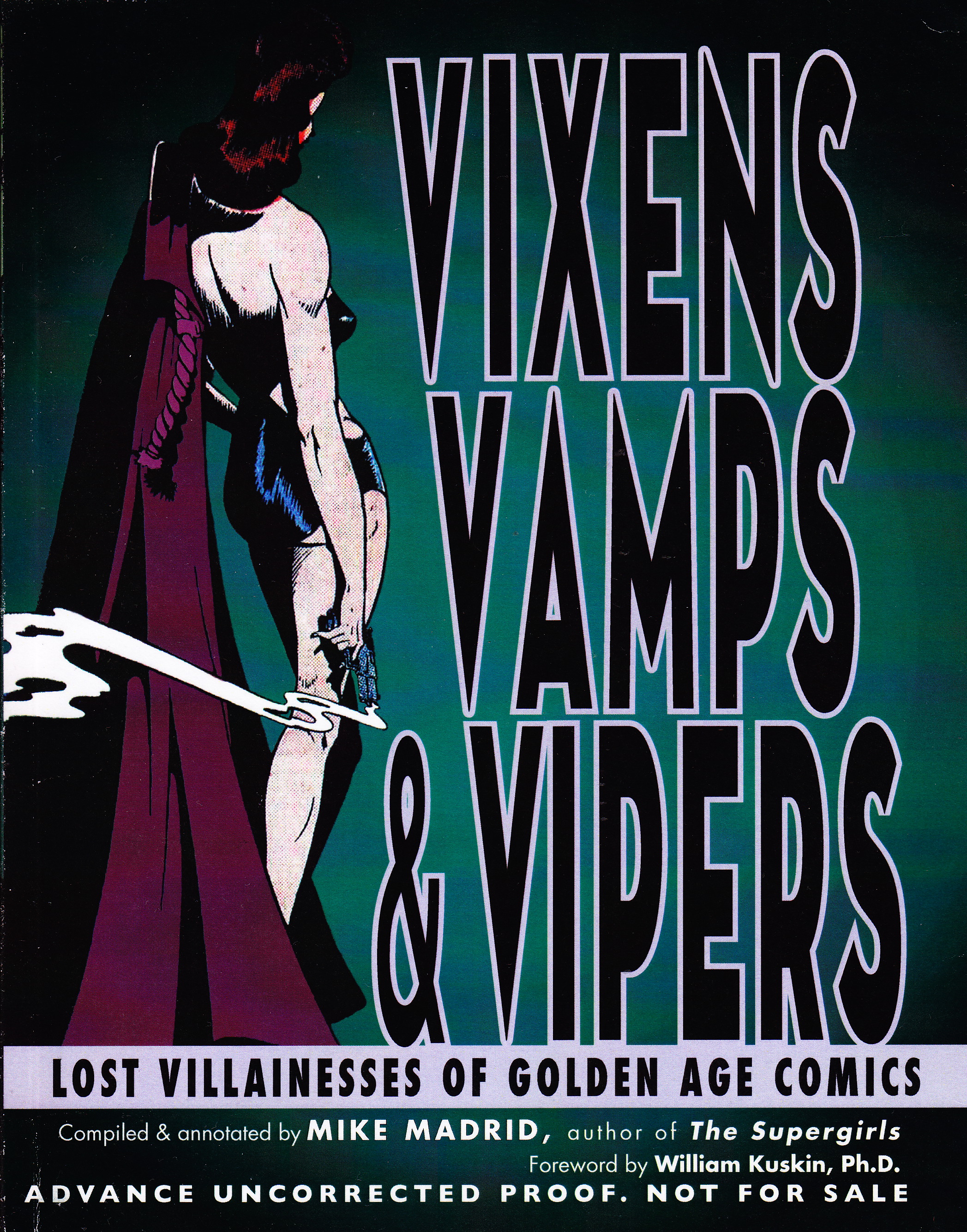
VixensVampsVipwesMike Madrid may know more about women in comics than anyone else alive. I’ve commented about his Supergirls and Divas, Dames and Daredevils, and he’s now followed up his previous successes with Vixens, Vamps and Vipers: Lost Villainesses of Golden Age Comics, due out in October. Despite the lament of many a parent that comic books are a waste of time, Madrid demonstrates through a close reading, that some of the most basic issues of society are featured in graphic format. Psychologists have long known that people are visually oriented. We have to learn to read, but we’re born with the knowledge of how to look. Comics, therefore, appeal to the young reader, illustrating the action with exaggerated pictures to underscore the tale. Although the early heroes were generally male, Madrid showed in his previous two books that girls and women were also superheroes, but, as in real life, competing in a world constructed by men for men.

Vixens, Vamps and Vipers flips the coin to see the role played by villains less known than Catwoman (whom he discusses), and torn between the human impulses to succeed and to be good. In fact, the first few pages of the book offer a profound consideration of the terms “good” and “evil” as they apply to the comic book (i.e., the real) world. As Madrid points out: if there were no villains, we would have no need of such colorful heroes. At the same time, evolution has embedded a desire to protect females in the minds of most males—Poe knew that the death of a beautiful woman was the among the most moving of literary images. Still, as Vixens, Vamps and Vipers points out, some of the villains here considered are beautiful and the allure demonstrates that something much more complex is going on beneath the surface. Despite the image of the hero, all people, male and female, constantly struggle with the impulses to do good and evil.

One of the complexities that religions attempt to codify is human nature: are we born good or evil? Are we totally depraved or inclined to strive for divinity? Any honest assessment of humanity, it seems to me, must take into account that we constantly struggle. Total depravity is totally disproved by the many good impulses shown by those of religions outside Calvinism and Christianity, let alone the tendency of humanists and atheists to help others. In fact, in many circumstances good and evil are intricately intertwined. Madrid explores this conundrum with women put in difficult, if fictional, scenarios who must decide which impulse to follow. He’s honest about this. Some will become superheroes despite the hurdles the male champions put in their way, while others will follow the trail that leads to his latest exploration of humanity through illustrated story. Look for Vixens, Vamps and Vipers and enjoy, if secretly, learning something profound about human nature.


To the Swift

Despite its generally secular reputation, one of the great charms of New England is its churches. I was forcefully reminded of this during my recent trip to Boston. Each city along the way boasts impressive churches that might be glimpsed even from the highway, and although there are now many taller buildings it is possible to imagine the days when the steeples stood over all. Boston’s historic churches remain stunning symbols of the power Christianity once held in this city. We first climbed off the T at Arlington in the shadow of the great stone Arlington Church. On the Esplanade the looming steeple of the Church of the Advent violently reminded me of the deep mysticism that drew me to the Episcopal Church even while I was a Methodist seminary student. Park Street Church, King’s Chapel, The Old North Church, the Old South Church, and finally Trinity Church in Copley Square invited us to gander and ponder. Almost like fossils, these churches remind us of the history of what made the city, or the nation, what it is.

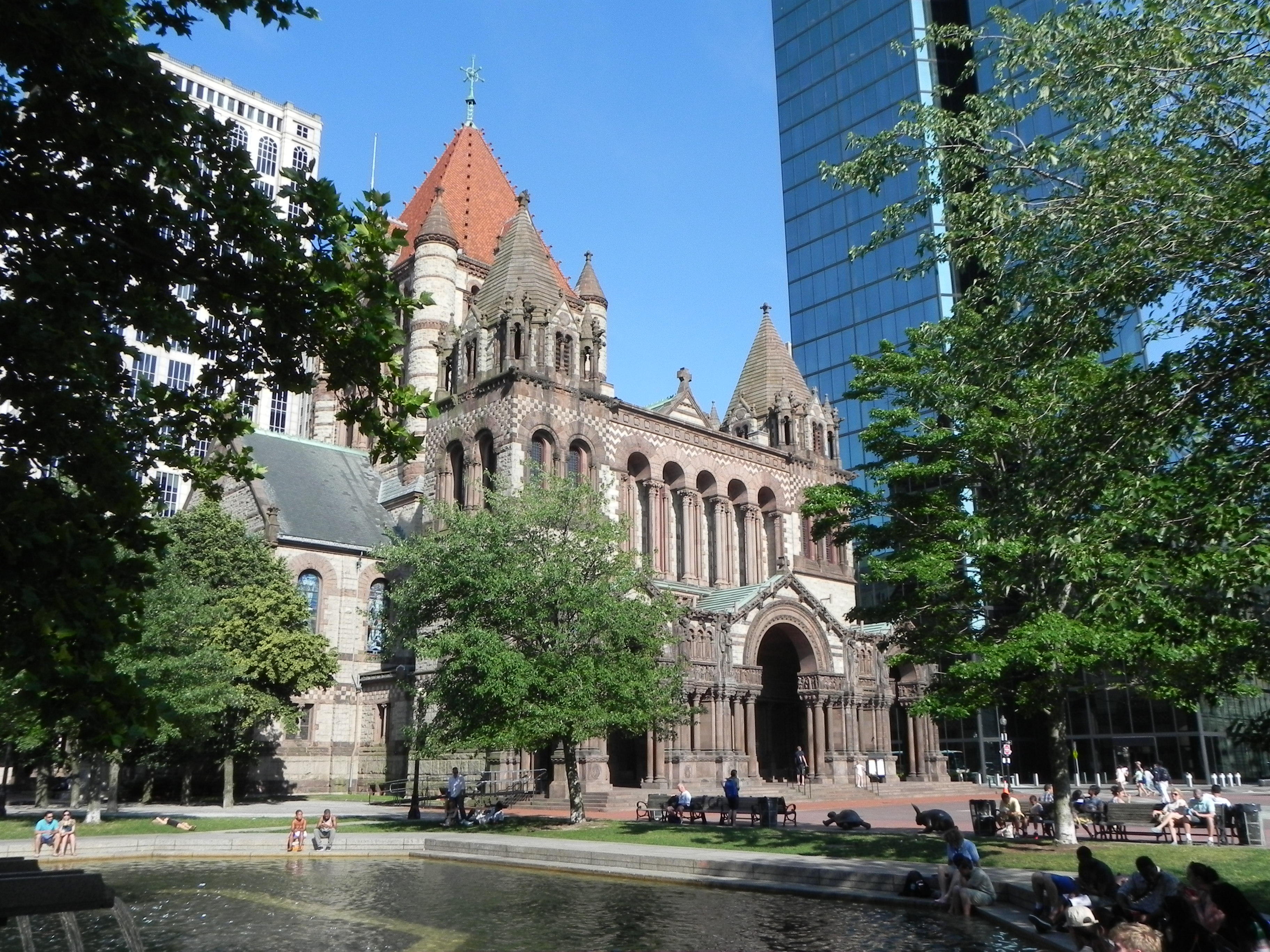
Trinity Church lies nestled at the base of the John Hancock Tower, Boston’s tallest building. A blue glass Brobdingnagian, this prophet of capitalism represents the highest possible aspirations of our race, so we are led to believe. The material triumph over the spiritual. And yet the tourists stop to photograph the stunning church. It is on the street level, down here among us mere mortals. Upon closer examination, I noticed the statue of the tortoise and the hare in the plaza of Copley Square, the holy terrapin racing toward the sanctuary, it appears from my angle. It seems that I have unexpectedly received a kind of epiphany.

Look closely.

Look closely.

I first came to Boston many years ago as a spiritual seeker. In the intervening years during which I was attempting to find out what that might mean in a life that was intellectually honest, many bronze sculptures appeared in this city. The one commemorating Robert McCloskey’s Make Way for Ducklings, installed after I completed my studies at Boston University, would not have caught my pre-parental attention, as I had never read the book. Now you have to stand in line even to snap a picture. The work of local artist Nancy Schön, both “Make Way for Duckings” and “The Tortoise and the Hare” are part of Boston’s continual evolution of character. Officially, we are told, the turtle and rabbit are representative of the Boston marathoners who trudge the final feet past this church toward the finish line. To me, this sculpture suggests something more as the hare dawdles and the tortoise breaks toward the church. It may be a marathon, indeed, but the race, I remind myself, is not always about being swift.


Veni Creator Spiritus

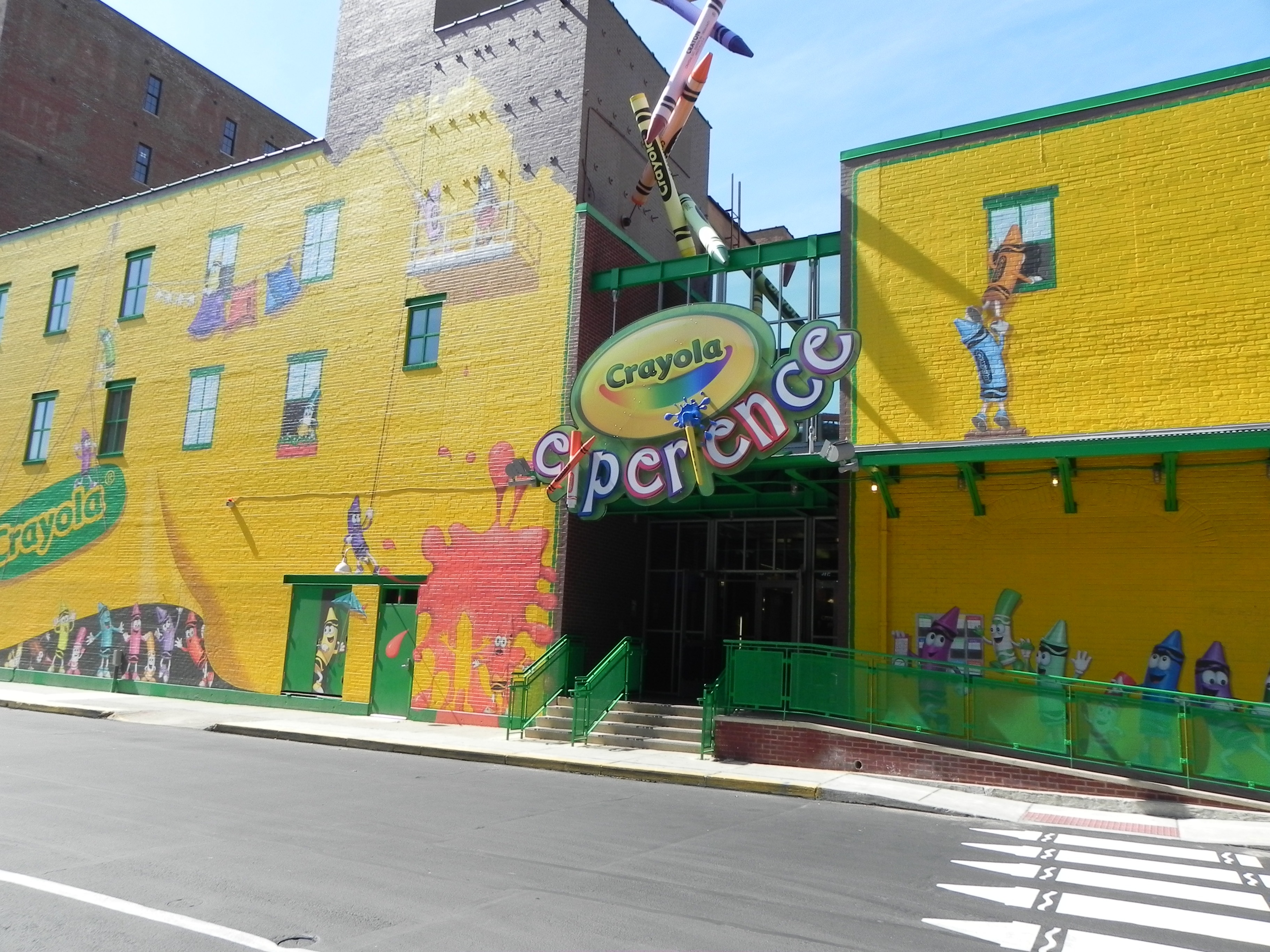
Over 100 billion have been made. Not McDonald’s hamburgers, this time, but Crayola crayons. For many of us, Crayola is one of the distinct scents of childhood, and the vibrant colors Binney and Smith offered were inexpensive keys to creative expression. After a visit to the Crayola Experience in Easton, Pennsylvania over the weekend, I began to wonder how society might have changed due to the introduction of the inexpensive crayon. Reading about childhood in the Victorian era often feels like a Dickensian bleak view of want and wasting. Children learned their lessons in school, when they went to school, in black and white. The world of color was visible to them, but not ready to hand for representation. Maybe I’m under the spell of that Crayola smell again, but I wonder how giving a child a box of color changed the way the world was perceived.

DSCN4604

The Crayola Experience, like the showcase of Hershey, Pennsylvania, is not a factory tour. You’re not shown the inside of the place of business, but rather the public facing side of capitalism: the part that makes you want to buy. Even after the kids are grown. Nevertheless, the experience is one of wonder and imagination for young and old alike. Art is a deeply personal form of expression. Even as I sat at a low, brightly primary-colored table, shading away on my picture, I didn’t want anyone else to see it. This was my own self-expression. On the wall were quotes from children who were not quite so damaged as me, declaring why they decided to color the cow purple or the horse green.

DSCN4607

To participate in some of the activities you need to cash in a token; admission gives you three and more are available for purchase. The motto on the tokens is “In creativity we trust.” It is a motto that I can live with, for it seems that creativity is the realm of the divine. Otherwise, I find it difficult to fathom why a few hours amid such a juvenile pastime could be so utterly satisfying. It’s as if the rainbow, a religious symbol of my childhood, had been fractured out into countless variations and captured in wax for the expression of my soul. Breathing deeply of that paraffin recipe, I think how only the other major aroma of childhood—that of Play-Doh—can take me back to fantasies of innocent hours where the world demands nothing of you beyond being who you are. How quickly that grace period ends. And yet, for a few dollars we can go back for an hour or two, and remember what it was like to create entire worlds.


Hotel Nowhere

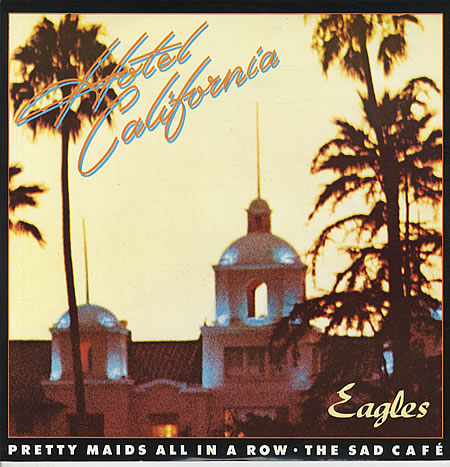
HotelCalifornia1977. I was in junior high school and I wore my hair long. I hadn’t yet donned the cross that I carried through my high school years with a constant fear of Hell on my back, but I did listen to the radio. The haunting song “Hotel California,” by the Eagles, scared me. There was something lurking there—something undefined and yet compelling. Cults were in the news, and after the People’s Temple suicide a year later, we were all pretty well convinced that the song was based on fact of some sort. Religious analysts concluded that the song referred to everything from the Antichrist (“they just can’t kill the beast”) to a New Religious Movement that had taken over a western mission (“we haven’t had that spirit here since 1969”). Members of the Eagles, when asked, said their intentions were to expose the darkness of the music industry as idealistic hippies came of age and realized, yes, it’s just business. Still, I shivered.

Nashotah House used to be on the frontier. Although it is only 30 miles from Milwaukee, it could still feel terribly isolated less than two decades after the Eagles had flown. Indeed, there were sotto voce suggestions that “Hotel California” should be the official seminary hymn. “You can check out any time you like, but you can never leave.” The nights could be very dark in the Wisconsin woods, and for those attuned to some of the more honest aspects of a religion based on exclusion this didn’t seem too far to stretch. “Hotel California” came forcefully back to mind reading about Oneiric Hotel in Wired. (Mentioning Wired makes me look smart.) The Oneiric Hotel is a lucid-dreaming device by artist Julijonas Urbonas, the kind of thing Wired finds newsworthy. The story mentions that Urbonas’s previous project—called Euthanasia Coaster—was designed to kill its passengers.

Now my mind checks into Bates Motel. I know Psycho is set in Arizona, but the desert southwest is terra incognita to an easterner, and besides, it’s just a metaphor. It looks like California to me. I saw Psycho as a college student, and was rather afraid to watch it while at Nashotah House. Indeed, the night I moved to campus I found a dog-eared script from a play about a murderous maid at the seminary left on my coffee table. “This could be Heaven or this could be Hell.” Psycho, it is asserted, was based on the macabre case of sociopathic killer Ed Gein who had roamed these self-same woods of Wisconsin, and who had died less than a decade earlier just down the road in Madison. There was, I knew, a psychiatric hospital just across the small lake that the campus bordered. We don’t call them cults anymore, but we all know what we’re talking about. There are indeed places that you can never check out, even if you leave.