Divine Checkmate

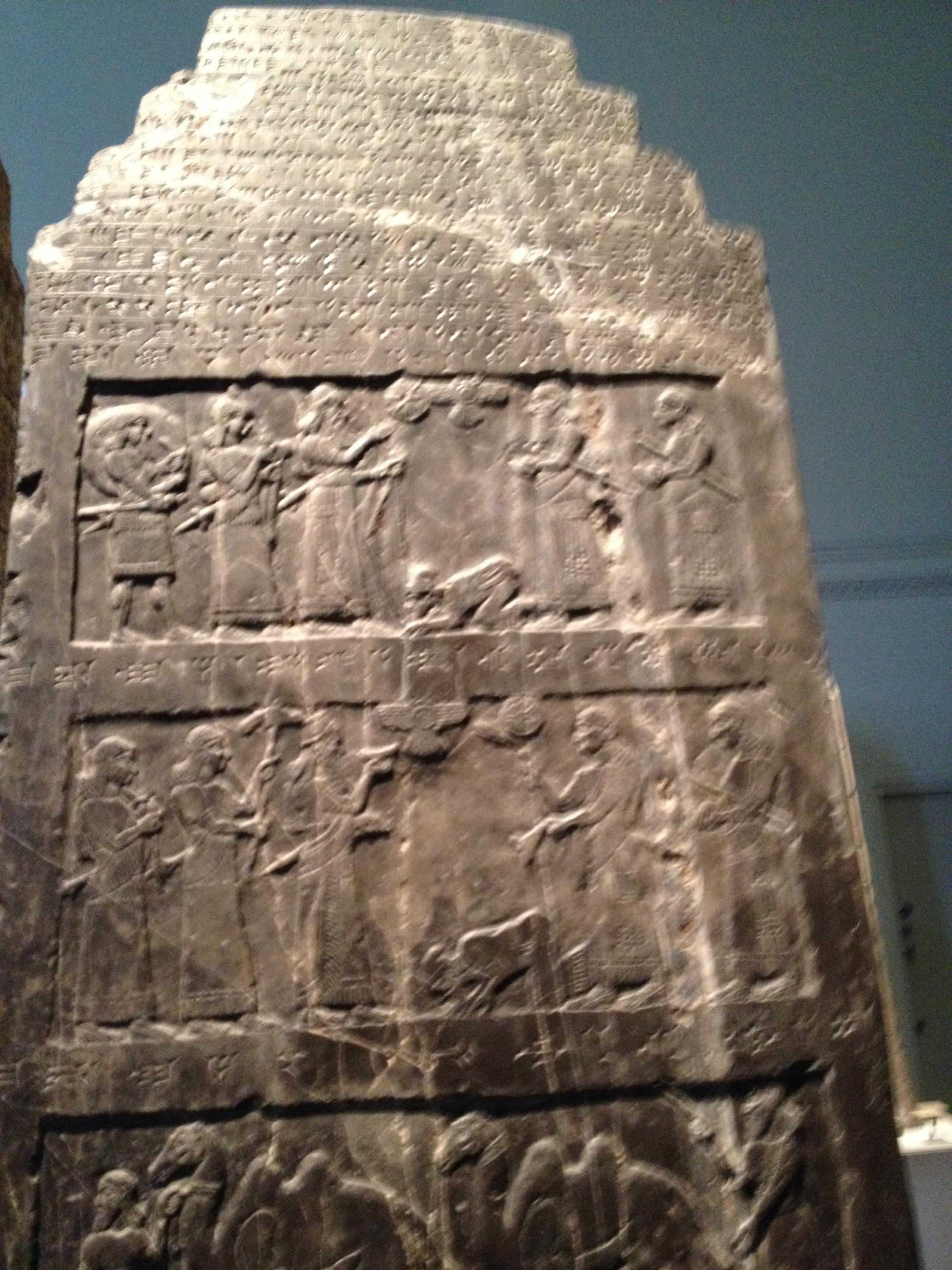
The first time I met Jehu I did not recognize him. When I first visited the British Museum a couple of decades ago I hadn’t had the benefit of teaching students long enough to realize the importance of the Black Obelisk of Shalmaneser III. But then, who really does? The obelisk, one of many artifacts essential to understanding the Bible in its context, contains the only known image of an Israelite king from a contemporaneous period. Jehu is here mistakenly considered the “son of Omri,” but is correctly identified as the king of Israel. He is bowing in tribute to a foreign king, a position in which no monarch likes to find himself. Before leaving the British Museum this time around I made sure to include him on my list of ancient people to meet.

The Bible contains far less history than we are accustomed to think, so when we find a case of convergence where Assyrian and Israelite agree, mostly, it is worth pausing to consider. Assyrian interests can only in the most abstruse way be considered religious; ancient peoples lived in a world where gods were both ubiquitous and largely irrelevant to daily life. Irrelevant in the sense that probably most people only tried to access a god’s pity when a time of trouble arose—priests existed to keep the deities happy on a daily basis. Citizens supported this system with taxes. How reluctantly we can only guess.

We have no reason to suppose that Israelites were more religious than the rest. Eventually, after the Assyrian and Babylonian conquests, they came to see their religion in terms of monotheism. Still, the work of keeping Yahweh happy devolved on the priests, with the backing of the king. The king was God’s representative on earth. In this sense the only surviving image of a king of Israel, showing him bowed before the unflinching might of the Assyrians, becomes an unexpected paradigm. Both kings were pawns of the gods, and at the end of the day one stands regally and the other bows in utter submission.


Pharaohs of Stonehenge

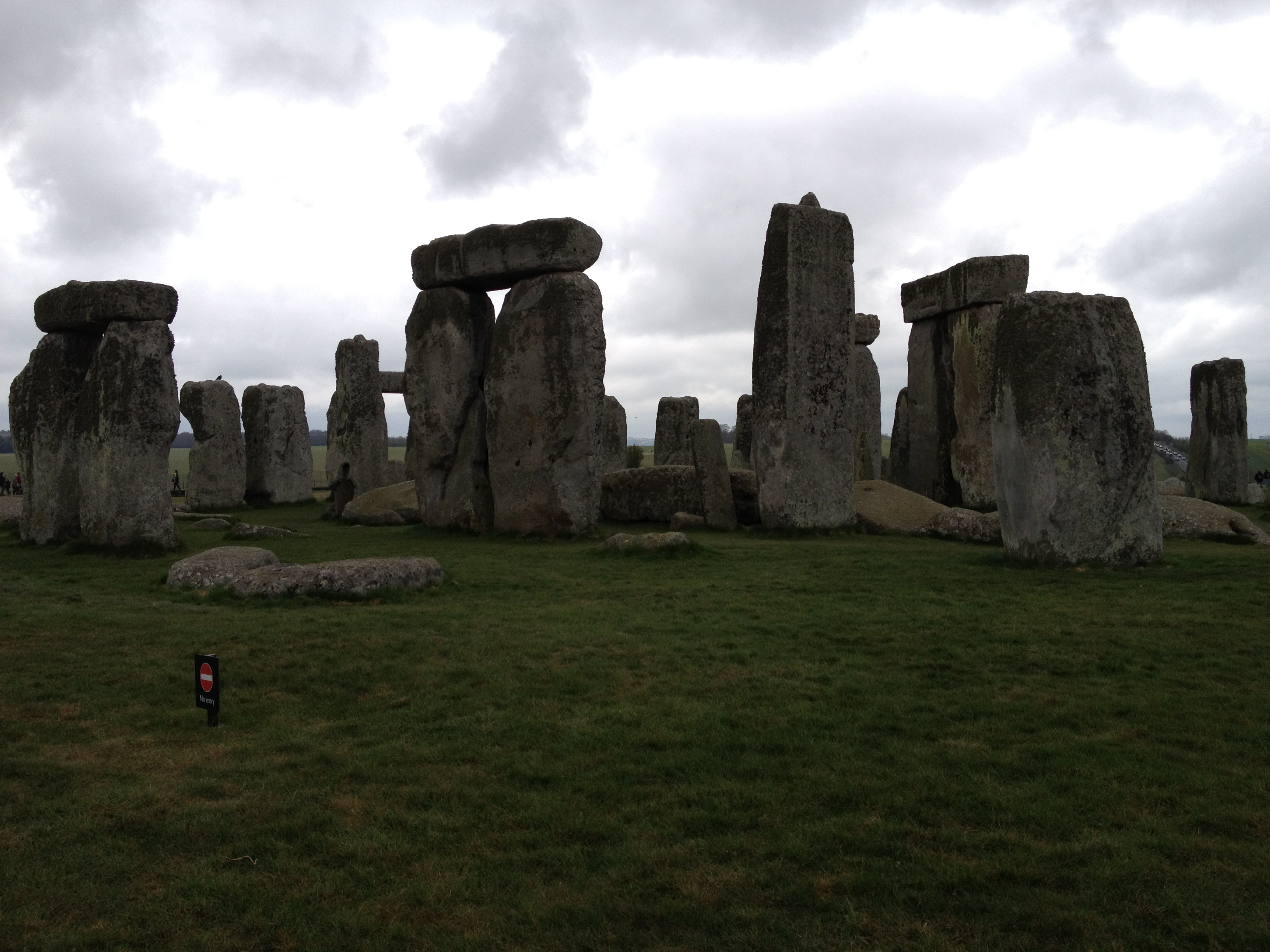
Stonehenge on Easter Sunday is a remarkably popular place. Tourists from all over the world crowd the pathway around those ancient stones as if they hide some arcane secret in their tumbled, massive form. Stonehenge may be the most iconic location in Britain, surpassing even such modern structures as Westminster Abbey and St. Paul’s Cathedral. Far pre-dating the art of writing, the purpose and nature of Stonehenge involve considerable speculation, but given the unquestionably costly years of labor required to plan, dig, transport, and align the monument, it stands to reason that it must have been religious in nature. One of the standard—perhaps even hackneyed—critiques of archaeological interpretation proves true in this case: if you can find no sensible reason for it, it must be religious.

The main phase of Stonehenge, the one that incorporates the iconic monoliths instantly recognizable today, came under construction some six hundred years after the pyramids of Egypt. In the case of the latter we know their language and we know the motivation behind the structures. More than just buildings to demonstrate the power of the king, they were celestially aligned portals to the afterlife. Although the Egyptians had no word for religion, the pyramids were as religious as the great temples that would soon surpass them in the energy consumption of the empire. In England of the time, we know no names, nor even an accurate assessment of the “nationality” of the inhabitants. Even nations, as we know them, did not yet exist. The builders of Stonehenge surely had something close to our concept of religion in mind. Otherwise, like the great cathedrals of millennia later, it would have been simply a waste of time and resources.

Wiltshire Downs on the Salisbury Plains is studded with ancient locations of significance. On the near horizon, among the eternal green of the English countryside, are dozens of barrows where people of unknown significance are buried. In that respect Stonehenge is emblematic of the individual struggle for eternal recognition. The name Menkaure stirs instant recognition among few. His pyramids stand as eternal monuments to a decidedly faded greatness. Stonehenge and its environs hold the remains of unknown numbers of unknown nationality bearing unknown names. It symbolizes the fate of us all. Yet on Easter, many believers in resurrection crowd in and gaze in awe at a pagan monument to human striving that no one truly understands.