Two Swords

One of the more interesting situations to emerge from Hurricane Sandy’s aftermath was the celebration of Halloween. I know that I’ve already lost some readers right there since Halloween is a disputed holiday. Often Halloween is maligned as “Satanic,” a claim that is absolutely untrue. It may have some paganism in its roots, but then, so do most religious events and ideas. Halloween is a Christianization of various folk customs, frequently Celtic in origin, on a night when the protective wall between the living and the dead was believed to be especially thin. As adults grew more sophisticated and scientifically informed, the holiday lingered as a children’s fun day with dress-up and pranking, both normal childhood ways of playing. This neutered holiday has proved to be commercially viable as well, now supporting September-October Halloween stores at a density of about a dozen per square mile. Its success is rivaled only by Christmas.

In light (or perhaps dark) of the devastation of Sandy, New Jersey Governor Chris Christie canceled Halloween. We heard the news on our battery-operated radio, sitting in the dark. While this was one of those rare times when I think Christie was motivated by the concern of both poor and rich, I did ponder the implications of a government canceling a holiday. All Hallows’ Eve is the night before All Saints’ Day. “Hallows” is simply another—less used but more evocative—word for “Saints.” While largely secular in its present guise, Halloween is a religious holiday. My mind went back to the doctrine of Two Swords that I learned about many years ago. Originating in the papal bull Unam Sanctum, very early in the fourteenth century, the doctrine teaches that in spiritual matters the church holds the sword while in temporal matters the state holds its own sword. Who has the right to cancel a holiday?

Of course, Chris Christie has his own ways of issuing bull, but his real concern was that conditions were too dangerous for trick-or-treating. Indeed they were. On a short walk, I saw power cables dangling like electrified cobwebs on just about every block, snaking along the ground. Branches were still falling from trees. Curfews (many still in effect) were widespread. Not a good night for masked strangers to show up at your door. But as in the case of the Grinch leaning out over Whoville after he’d stolen all the trappings, Halloween came, it came just the same. What we saw on Halloween was people helping one another. No tricks (for the most part, although among the first to recover were businesses who recorded new ads to broadcast on the radio before the wind even stopped blowing), just good natured mortals helping one another, protecting others from the grim reaper. To borrow a line from Charles Schultz, “That’s what Halloween’s all about, Charlie Brown.”
Will the real Halloween raise its hand?

Hallowed Eve

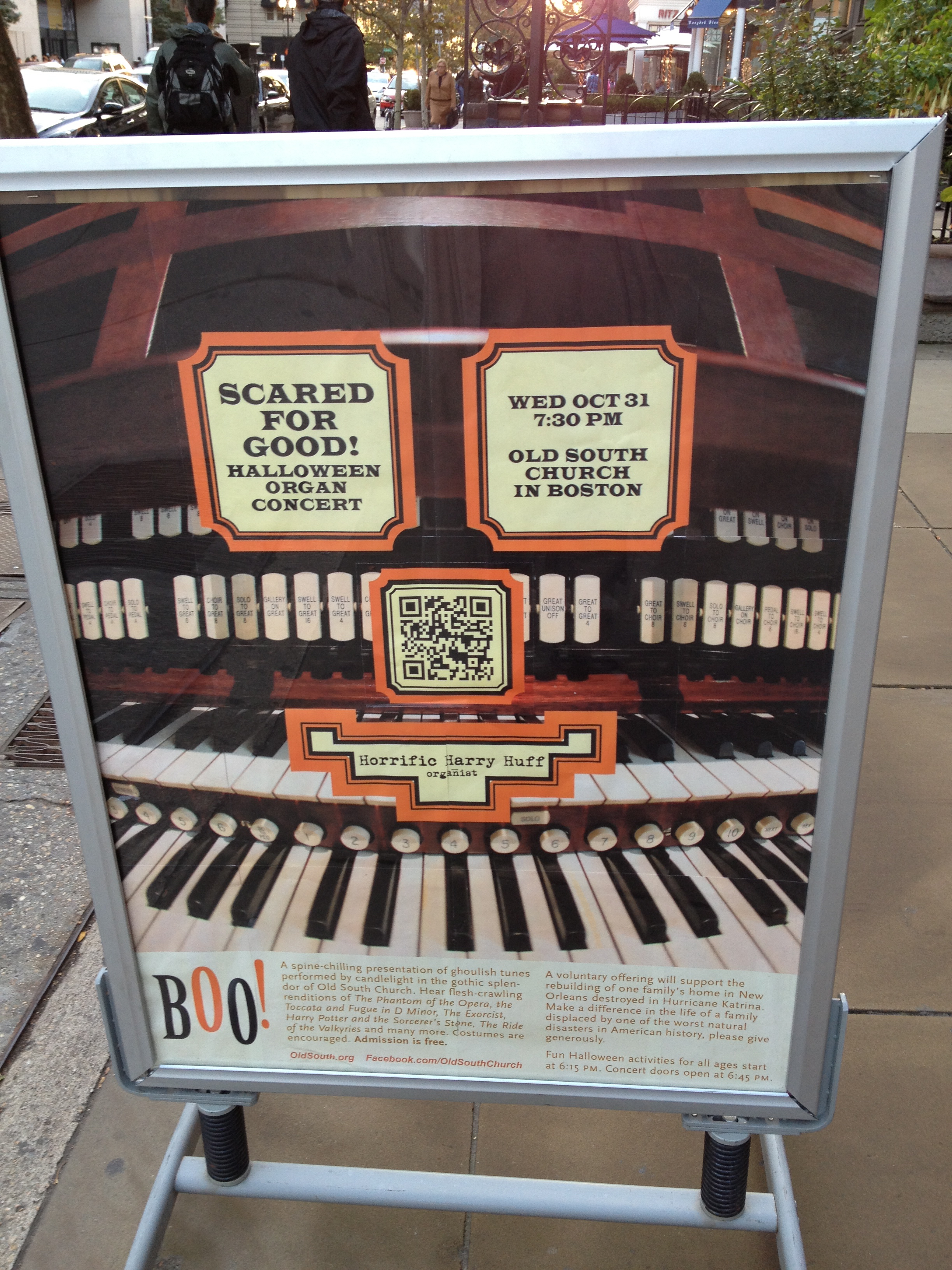
My last night in Boston found me in Copley Square. This has always been one of my iconic Boston locations; something in the juxtaposition of squat, solid, dual-toned Trinity Church with its wide, open plaza, the blue glass razor of the Hancock Tower, and the classical facade of the Boston Public Library where Sophia broods over the world, arrests my wondering gaze. Across Boylston Street stands the gothic Old South Church like a guardian for straying souls. As I walked through the square a local band of street musicians jammed and the first neons of an October evening were awaking. As I strolled past Old South I had to back up a step or two to see if I’d read the sign right.

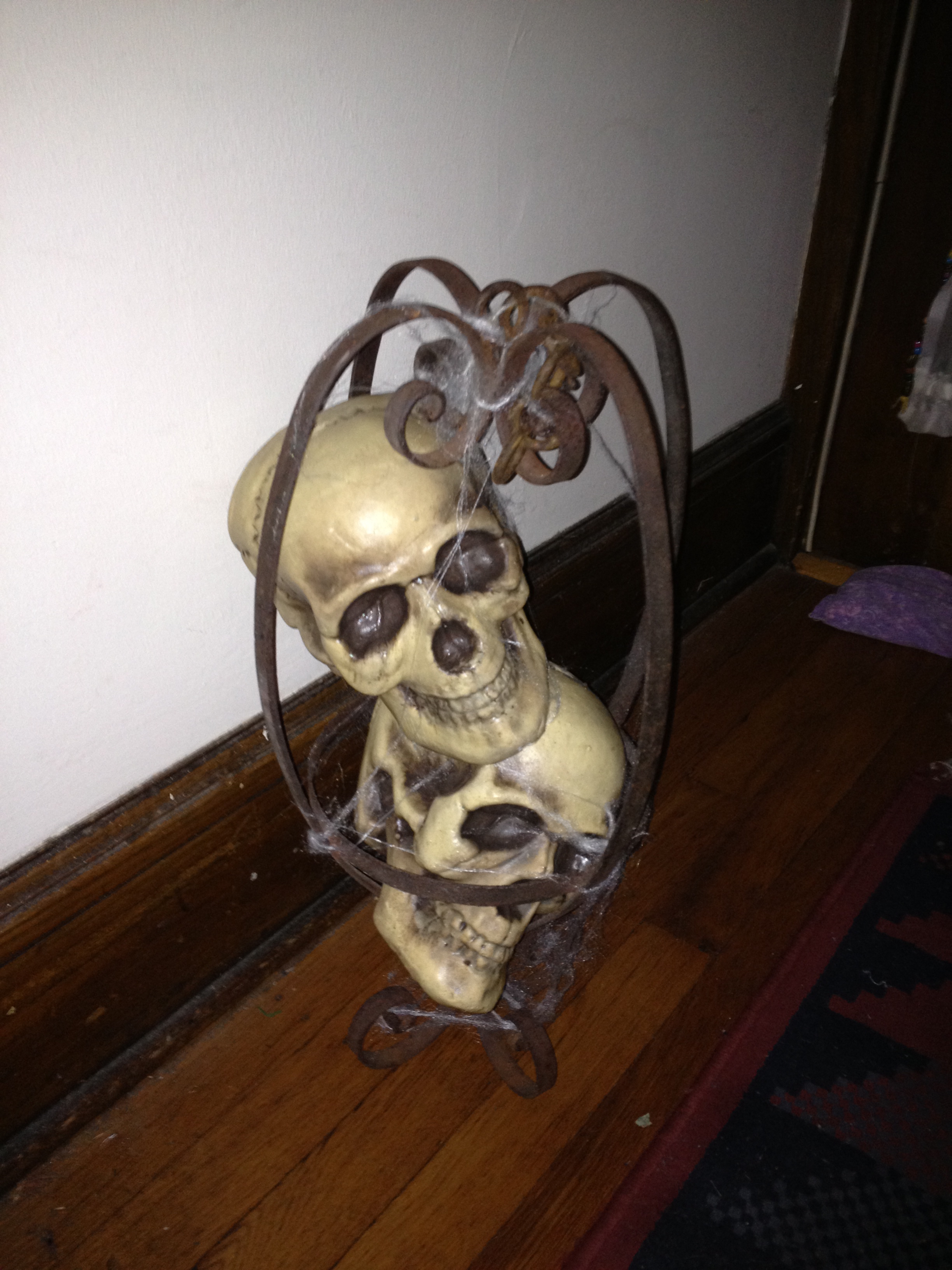
Scared for Good, a Halloween organ concert featuring spooky music, will soon be on offer. Business-types have long noted that Halloween is a great potential selling holiday. With kids who want to dress up and parents stressed for time, the selling of costumes has grown into an increasingly substantial accessory item holiday. People want their houses to look scary, knocking down real cobwebs to make way for the artificial ones, hanging out orange and purple lights, and ordering pre-carved, artificial pumpkins. All the fear is, of course, a charade, and we laugh at ourselves for taking it too seriously. Some churches object vociferously to the very holiday itself, claiming it is devil worship and evil.

While Halloween does have some serious pagan influences, it is, in its present form, a good Catholic holiday. The night before All Saints, aka All Hallows, begins a period of reflection on mortality. I’ve celebrated “Protestant” Halloween from my youngest days and have never been in any way tempted toward devil worship. It is fun to be scared when you know it’s not real and it won’t last long. That’s why I applaud Old South Church’s Scared for Good concert. Reading the list of pieces included, it sounds like it should be a grand time. Too bad I won’t be in Boston for the occasion. As I walk back to my hotel in the chill of the evening,the only fear i feel is that moments like this evening come at insufferably long intervals for those who feel about the city as must the denizens of Copley Square.


Nine Lives

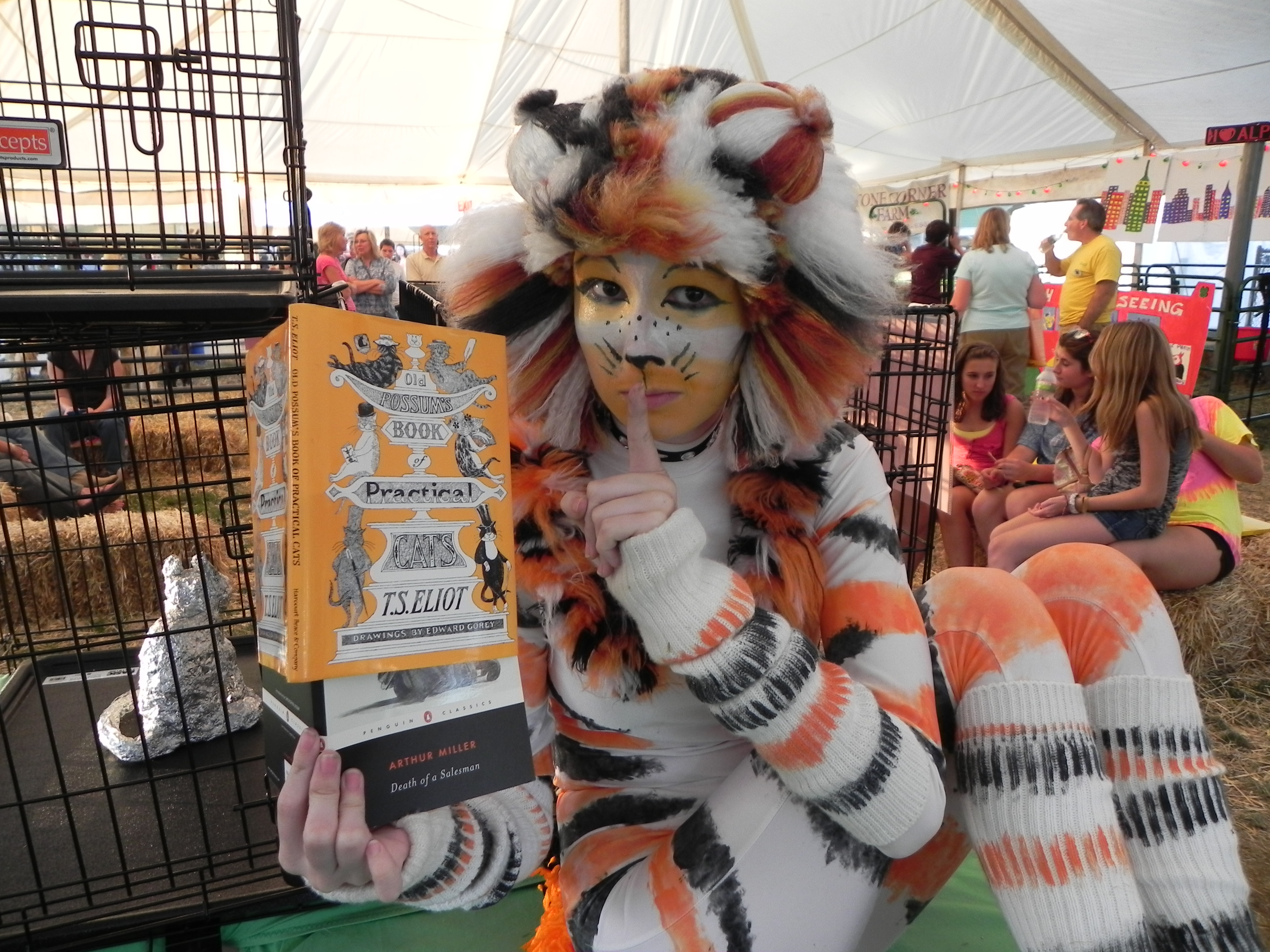
A warm and wet holiday weekend is a good time to watch movies. Since my daily work schedule leave scant time to view anything from most Monday-to-Fridays (and it would claim even more if I’d let it), relaxing often involves watching. I first saw Cats as an ambitious stage production for a local outdoor theater some years ago. Andrew Lloyd Webber has acute talent when it comes to mixing show tunes and popular music; so much so that even a vague storyline will do to carry a show. Cats, of course, is based on a set of children’s poems by T. S. Eliot—Old Possum’s Book of Practical Cats. There is no narrative, and they show’s emotionally charged hit “Memory” had to be culled from among Eliot’s other poems. Nevertheless, the musical, now long off-Broadway, exists in a film version that is heavily endowed with religious themes. This weekend I watched it for the n-th time, and each viewing brings out new nuances.

The “story,” such as it is, has two very basic events: Jellicle Cats choose who can be reborn on the night of the Jellicle Ball, and Old Deuteronomy, the patriarch of Jellicles, is kidnapped (cat-napped?) and must be recovered before the choice can be made. The vignettes feature cats dealing with loss, love, and crime. The character who resonates with many viewers is Grizabella, the glamour cat. She is the has-been who sings “Memory,” the cat who was somebody before her fame and fortune faded to a tawdry existence among questionable society. The musical is about transformation, however. Transformation is a religious theme, the desire we have to be something more than we are, to transcend the hand life has dealt us. Now, I’m no theater or film critic, but I have to wonder whether the obvious fades and duets of “Memory” point to Grizabella as the older but sadder version of the young and lively Jemima.

Certainly as the finale builds, Grizabella is chosen to be reborn and is sent to the Heaviside Layer, but the camera keeps coming back to Jemima. She is often framed in the center and the suggestion is made that the new life has already begun. Religion thrives on transformation. I suppose that is the reason I find it so ironic that in politics religion, Christianity in particular, is championed as the pillar of the status quo. Whether they are new or old, religions serve no purpose if they do not challenge the “business as usual” model of the secular world. Perhaps that’s why successful artists such as Andrew Lloyd Webber thrive—they can pack theaters of seekers weekend after weekend, even for decades sometimes. Even those of us watching on the television at home click the eject button with a sense of hope that seems possible only on a holiday weekend.

A stray Jellicle cat?


Disputed Parentage

What has Athens to do with Jerusalem, Tertullian famously asked. Much, seems to be the rhetorical answer. Today, August 1, is Lammas. It is said to commemorate the wheat harvest and Lammas is taken to be derived from Anglo-Saxon hlaf-mass, or “loaf-mass.” Beneath this apparent Christian celebration is the pagan festival of Lughnasadh. I’ve posted on Lugh before, but holy days are often seasonal, and it is time to consider Lammas again. Lammas is the last of the cross-quarter days that divide the European pagan year. Some communities bake bread to celebrate it, sometimes in the shape of a person (those of you who’ve seen the original Wicker Man know what I mean).

Christianity was born a persecuted religion that grew to be a persecutor. Deeply rooted pre-Christian traditions were eradicated or sublimated in the growth of Christendom. The modern pagan movement may not have an unbroken line of tradition, but it is a tradition that has ancient antecedents. What Christianity could not conquer it assimilated. Much of what became Christianity derived from Judaism. Much of Judaism had its origins in folk religions of ancient Western Asia. In its European context, Christianity adopted the heathen traditions that fit within the pattern of Christian thought. Agricultural celebrations quite frequently matched events in the imperial religion. Or, if no so events existed, new traditions were invented. It is quite plain that that is why we celebrate Christmas in December.

Why is it that Christianity has so vociferously disavowed its lowly parentage? Being a chthonian religion should be no mark of shame. What is wrong with different but equal? Many people fear and despise those who declare themselves pagan, but paganism is a religion like any other, concerned with morality, justice, and living in accord with the power “out there.” So as August wends its way into the calendar, and the earth begins its inevitable tip towards lengthening nights and the cooling of the days, we might do well to consider Lammas. Whether from the Christian angle of Saint Peter in Chains or from the Pagan angle of Lughnasadh, Lammas is a time to eat bread and reflect, two of the most human of activities. And perhaps with thought will come tolerance.


Friday the Sixth

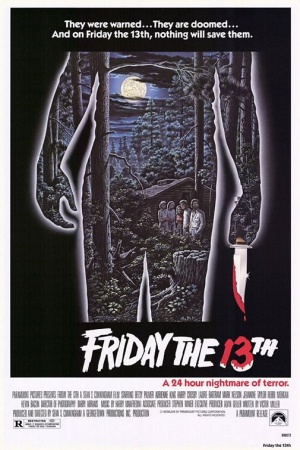
I tend to run behind on the movie front.  In some cases, decades behind.  I have never been a fan of slashers, although I did take a date to A Nightmare on Elm Street in the staid, dry town of Grove City while in college.  We broke up shortly after.  Still, I have a soft spot for “the classics,” and Friday the 13th has spun enough sequels to qualify.  “Jason” is a household name for the heartless serial killer, and the movie is set in New Jersey.  And it was hot outside and lazing on the couch trying not to stick to myself seemed about as much of a challenge as I could handle. Besides, a week from today is Friday the thirteenth. Now that I’ve finished with the excuses, here is a declarative sentence: I finally got around to watching Friday the 13th.  After many other films I’ve seen, I have to say that it didn’t really qualify as scary.  You know in advance that the counselors, by rote, must by killed in what are supposed to be shocking ways.  Shadowy corners and rainy woods and aluminum canoes are to be avoided, if the movie and its successors have taught us anything.  Nevertheless, the religion and scary film equation still applies.  And a strange kind of throwback to an unexpected classic (the literal kind).

The religious element comes in the form of the stock crazy local named Ralph.  Ralph warns the kids that they will die and says he’s been sent by God to warn them.  Of course they don’t listen.  If they had, there would have been no movie. As a child I was always offended by the caricature of the religious crazy, but I have come to see that this stock character is itself a symbol of fear.  Although ubiquitously laughed off, the person passionately driven by religion is indeed a potential danger to society.  In the days of my innocence we had little hard data upon which to hang such fears.  In the post-9/11 world it seems there are far too many sky-hooks for that purpose. Some of those sky-hooks are a little closer to the ground, but they inspire fear nonetheless. I’ve known all along that one of the reasons I watch scary movies is to give myself some advance warning of what might go wrong.  Not that it would help in any real way, but sometimes avoiding the shock by anticipating the worst seems like the only human thing to do.

What about the literal classic that I mentioned? Beowulf falls outside the Greco-Roman period, but is clearly a classic of English literature.  (Spoiler alert for anyone even more behind the times than me—) The only thing scarier than Grendel was, of course, Grendel’s mom.  So in Friday the 13th, the killing is done by Jason’s mom.  Like Grendel, Jason dwells underwater and surfaces to pull down his victim(s).  Like Grendel’s mother, Jason’s mother is decapitated by a sword (actually, a machete in the modern version), on the shore of the Crystal Lake.  After the mother’s death the child (Jason/Grendel) is resurrected.  Whether it was intentional or not, there is a lot going on here. The sacrificial mother is an inherently religious theme although many formal religions make it a male prerogative. The death of the mother brings the son back to life.  I wonder how Christianity might have differed if instead of three male deities, there had been a divine mother.  In such cases resurrection of the son comes only at a very steep price. Just like watching Friday the 13th on a hot summer night.


Making Light

Back when I was a starry-eyed camp counselor in the Western Pennsylvania Conference of the United Methodist Church, “Christmas in July” was a chic (in as far as Christians can be chic) trend. Kids lucky enough to be at camp that week were treated to a neo-Christian holiday that included a half-birthday for Jesus and cheap gift-giving. (The fact that Jesus’ birthday, in as much as it can be determined, is mid-way between December and July seemed a strangely mute point.) Our “gifts” were generally manufactured from natural products found in the woods and were a diversion to help the homesick campers concentrate on the truly Christian practice of getting stuff. Interestingly, here on Midsummer (the solstice is actually the first day of astronomical summer, but our pagan forebears were more into astrology, it seems, than astronomy) we are on the second most-celebrated holiday in the northern latitudes. With its midnight sun in the far north, and warm temperatures starting to make a regular appearance, light outweighs darkness for just a little bit, and life is never easier than this. No wonder Midsummer appeals to the archetypal mind.

Of course, Christianity could not accept a purely natural holiday, attributed as it was to the beneficence of heathen gods. In an even more dubious exercise than fixing the date of Jesus’ birth, Midsummer became the nativity of John the Baptist, or St. John’s Eve. While some scholars dispute the historical existence of Jesus (not terribly convincingly), the case against John the Baptist might be a little stronger. The prototypical forerunner, the herald announcing something greater than himself is so uncharacteristic of religious folk that it lends itself to considerable doubt. John is described like Elijah, one of the greatest prophetic figures of biblical times. John’s birthday? Anybody’s guess. Since he is second to Jesus, put his birthday on the opposite solstice. (I realize the solstice was June 20; at this early hour of the morning, I think today may also qualify.)

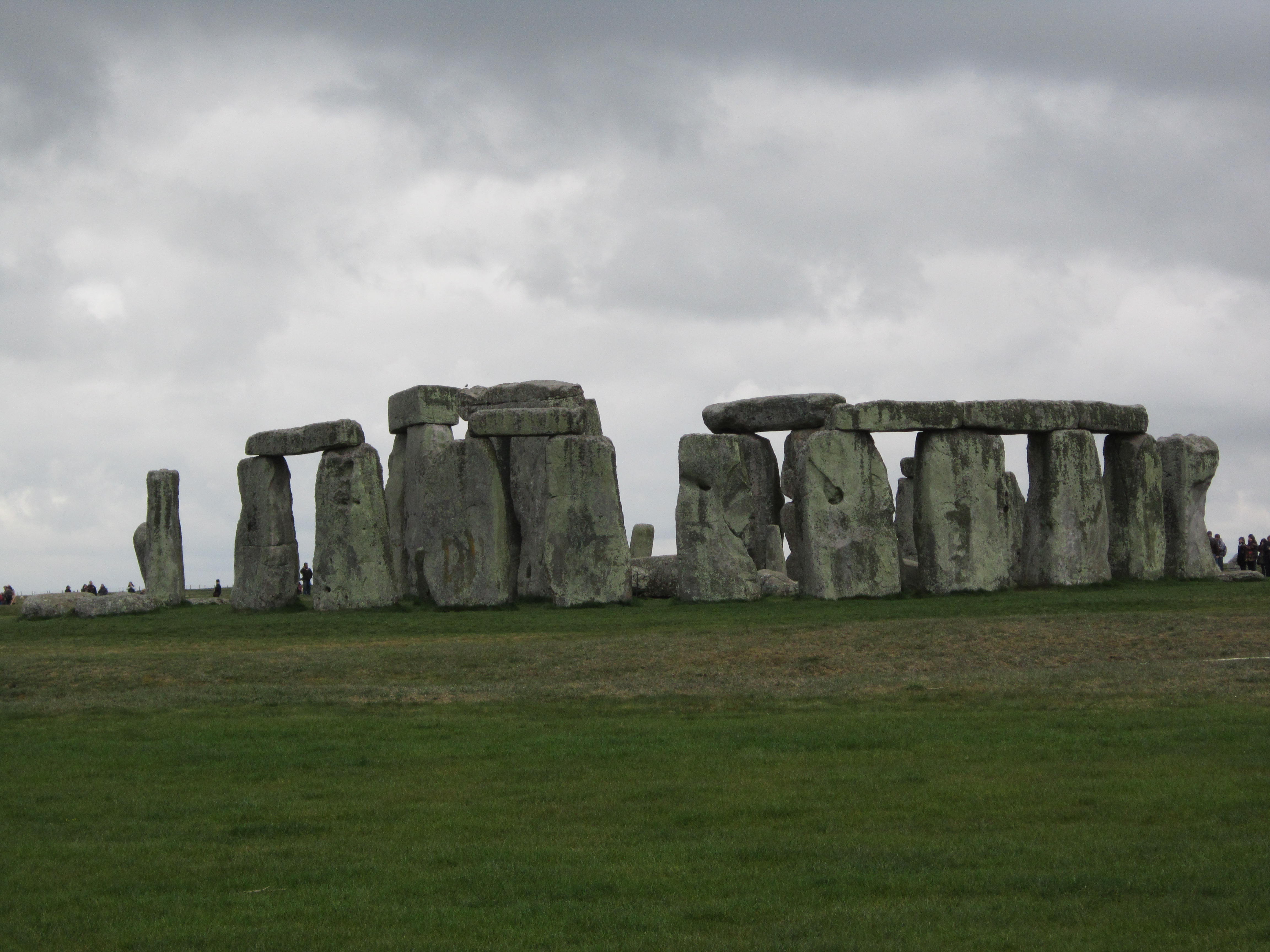
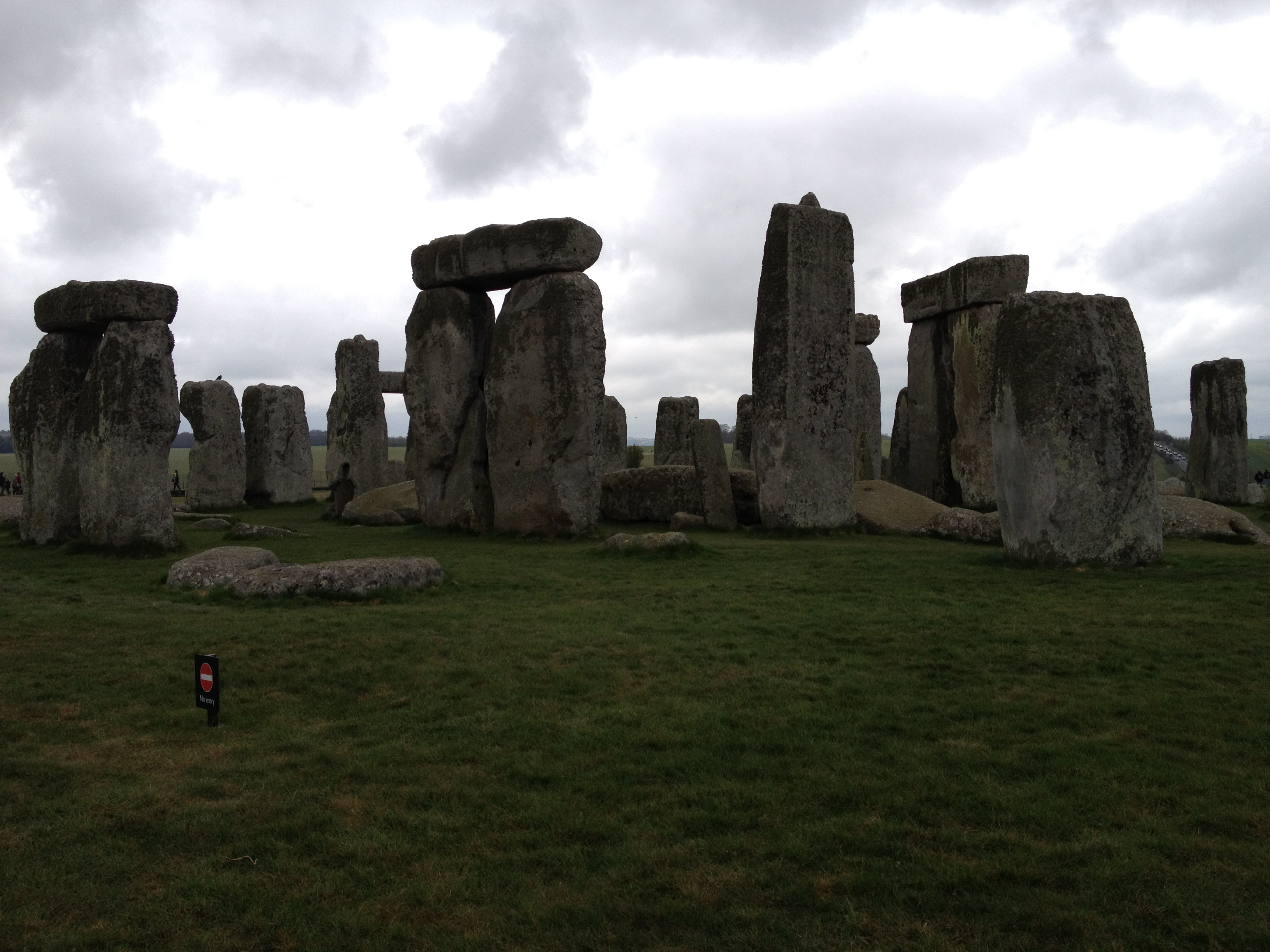
Back at Easter, historically near the vernal equinox, I found myself at Stonehenge. Knowing I was missing Druid priests by a full set of quarter days, it was still an exhilarating experience. Ancient people welcomed the return of increasing light with religious fervor. The effort it took to move these monoliths to the barren plains of Salisbury is nearly unimaginable. They represent, at some level, the invincible nature of the sun, our warmth and light. In physical, astronomical, terms they had no idea what the sun might be. It was, undoubtedly, the source of light and warmth, and even every lizard and turtle sunning itself on a rock participates in welcoming its return. So we’ve come to the solstice once again. It is the high point of the year. Now we begin our slow descent back into nights that will grow longer until the winter solstice once again reverses the trend. We don’t need Christmas in July–we already have it in June.


WaterFire

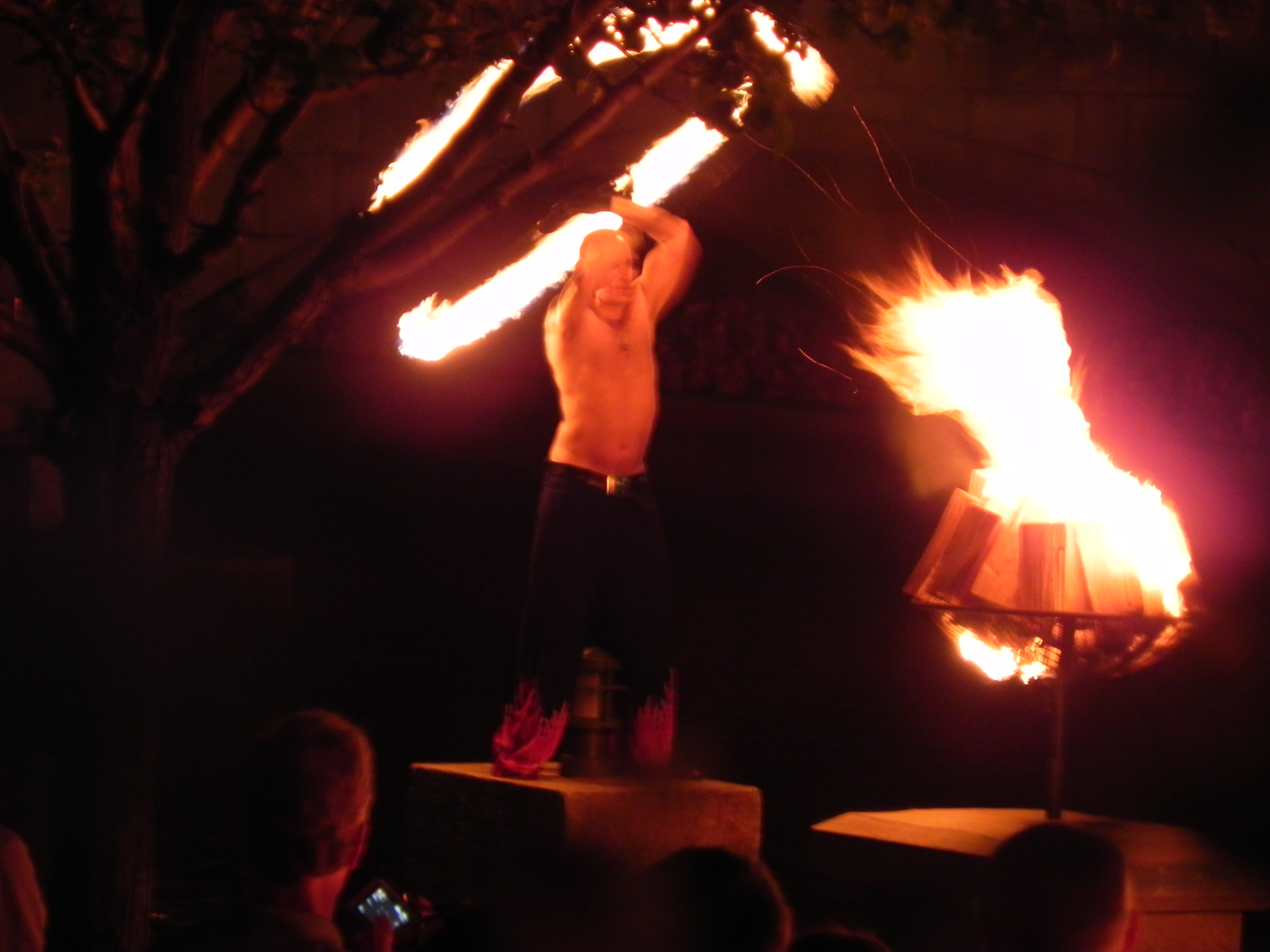
Providence is not always as assured as the divine aid its name suggests. Rhode Island’s capital, like most cities, hosts significant dualities—people who have more than an abundance and those who struggle to get by. There are also those who don’t. In an effort to revitalize the downtown, artists have created WaterFire—an organic sculpture bringing together the pre-Socratic four elements, but focusing on the two encompassed in its name. Great braziers are dot the middle of Providence’s rivers and WaterFire is a new performance art that suggests a religious underpinning. On Saturday, during Brown University’s commencement exercises, WaterFire was performed. Watching fire erupting in the iron braziers as the fire dancer twirled flaming sphere in intricate and dangerous patterns, I felt a primal sense of awe. Indeed, the fire dancer’s motions would be classified as religious by anthropologists in an unfamiliar context.

Religion is generally a response to that which we cannot control. Conscious beings like to think they have some measure of control over their destinies—indeed, people behave that way constantly. It doesn’t take much, however, to demonstrate that our sphere of control is actually miniscule and tenuous. Religions assure us that some cosmic older sibling (whether deity or force or principle) is on our side, watching our backs. Ceremonies propitiate any angry being and bring us back into the graces of elements beyond our control. Is this not the very meaning of the name Providence?

Watching the blazing bonfires tracing the contours of the river, lit by a dancer in time to moving music, WaterFire felt like more than simple performance. Fire is a powerful element, necessary and dangerous to our existence. Water too is crucial, but threatens to overwhelm us as our planet is mostly covered in it. Earth and air often seem the more comfortable elements, often inert and unconsidered. We never confront fire or water in the natural world without giving pause to consider their significance. Whether it is crossing a river or opening an umbrella, water forces itself onto our consciousness. Fire even more so. WaterFire taps into something vital and may just be the real divine guidance that Providence requires at this time.


Honor Thy Mother

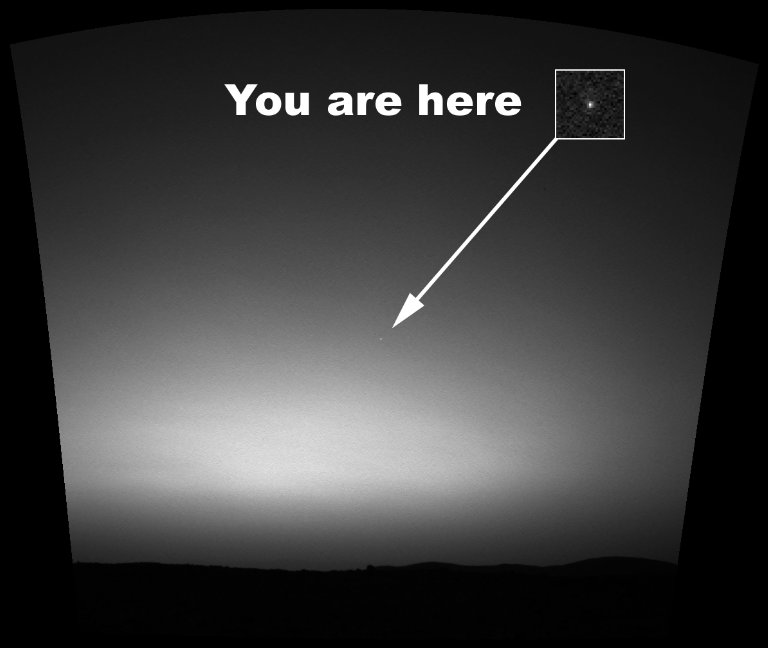
Earth Day should be an international holiday. Perhaps the most disturbing attribute of some varieties of Evangelicalism is their tendency to read the “Be fruitful, and multiply, and replenish the earth, and subdue it” of Genesis 1 to be a mandate not tempered by a literal reading of Genesis 4. As I noticed when tweeting the text yesterday, Genesis 4.11 has God say to Cain, literally, “And now art thou cursed from the earth, which hath opened her mouth to receive thy brother’s blood from thy hand.” Her mouth? What is this if not a biblical affirmation of Gaia? The earth, according to Genesis 2, is literally the mother of Adam. Yahweh is the male element, the fingers molding the dirt (those who have ears, let them hear), while the womb of this bizarre conception is the earth itself. She has a mouth to receive the blood of Abel. The planet beneath our feet, according to the Bible, has not only a mouth, but also hands (Psalm 89, for those who doubt). It is our duty to grasp these hands and save our mother from ourselves.

In the spirit of the day, I decided to fix that pesky leak in the bathroom sink yesterday. We rent, of course, and our landlord—the nicest I’ve ever known—can be a bit slow when it comes to non-emergencies. I fixed the kitchen sink a year or two back, so I stuck my head under the cast-iron monster, baptized by the drips that continued to appear above my head from pipes far older than Methuselah, to see what I could do. After trips to every hardware store in the area, watching bemused DIY experts scratch their heads at photos on my phone of the Byzantine arrangement under my sink, I finally had to admit defeat and reassemble the old faucets again. The drips that fall are Gaia’s tears.

When I was in college I learned of Pascal’s wager. A philosopher who liked to hedge his bets, Pascal deduced that if God exists then our eternal fate relies on our obeying him (always him). If God does not exist, we have lost nothing by behaving ourselves, Pascal concluded. While many Evangelicals find that reasoning attractive, they do not apply it to their mother planet. If God is not coming back any day now, we’d better take care of the planet that sustains us. If God does show up, against all odds, what have we lost? Watching the plants burst back into life after a gray and dank winter, who can help but wonder at it all? Literal or not, the earth is so maternal that we should all pay her the reverence she is owed. Even if it means being a literalist for a day.

NASA's picture of our mother.


Bookends

There is something extremely satisfying about bookends. Bookends are those events that bracket moments of our lives and give them a frame, a perspective they would otherwise lack. If my readers will indulge my recollections of my trip to Britain for a day or so longer, some of this may become apparent in esoteric ways. Our kind hosts in London live in Highgate. Our first bleary-eyed morning in the city we wandered to Highgate Cemetery. This burial ground is divided by Swain’s Lane and that makes it frightfully convenient to charge separate admission fees for the two halves. Both, however, are worth the pounds dropped to gain entrance. Our first visit was via tour group on the western half of the grounds. The ornate—indeed grand—architecture of this necropolis bespoke the mysterious connection between the living and the dead. Tycoons are buried there, as is the non-conformist Michael Faraday, a name that lingers on from my childhood physics classes.

Highgate Cemetery West

Just before leaving to board our flight back to the States, we completed the bookend by visiting the eastern half of the cemetery. Here the most famous residents seek eternal rest. The most famous of the dead on this side is Karl Marx. Visitors speaking Cyrillic or Sinitic languages milled about, but even an American idealist might find some grounds for admiring a man who felt deeply about the plight of the workers in society. Just across the lane lies Herbert Spencer, one of the founders of sociology. Less than two minutes will take you to the grave of Mary Anne Evans, known to the literary world as George Eliot. She is not far from Douglas Adams, inventor of the Hitchhiker’s Guide to the Galaxy. Across the path from Adams rests Anthony Shaffer, writer of both Sleuth and of the screenplay of The Wicker Man.

Highgate Cemetery East

Perhaps it seems macabre to travel such a distance only to bookend a visit with treks to Highgate Cemetery. Death, however, is the ultimate bookend to life, with each generation shoring up those that come after through its unique perspective on what has brought us here. Not even a visit to Westminster Abbey is complete without paying respects to the most noteworthy of the Brits found both within and without its walls. This trip to England will remain in my memory as the pilgrimage bookended by the solemn parentheses of death. With such august company, however, one might have less to fear from that final veil that all must face.


Pharaohs of Stonehenge

Stonehenge on Easter Sunday is a remarkably popular place. Tourists from all over the world crowd the pathway around those ancient stones as if they hide some arcane secret in their tumbled, massive form. Stonehenge may be the most iconic location in Britain, surpassing even such modern structures as Westminster Abbey and St. Paul’s Cathedral. Far pre-dating the art of writing, the purpose and nature of Stonehenge involve considerable speculation, but given the unquestionably costly years of labor required to plan, dig, transport, and align the monument, it stands to reason that it must have been religious in nature. One of the standard—perhaps even hackneyed—critiques of archaeological interpretation proves true in this case: if you can find no sensible reason for it, it must be religious.

The main phase of Stonehenge, the one that incorporates the iconic monoliths instantly recognizable today, came under construction some six hundred years after the pyramids of Egypt. In the case of the latter we know their language and we know the motivation behind the structures. More than just buildings to demonstrate the power of the king, they were celestially aligned portals to the afterlife. Although the Egyptians had no word for religion, the pyramids were as religious as the great temples that would soon surpass them in the energy consumption of the empire. In England of the time, we know no names, nor even an accurate assessment of the “nationality” of the inhabitants. Even nations, as we know them, did not yet exist. The builders of Stonehenge surely had something close to our concept of religion in mind. Otherwise, like the great cathedrals of millennia later, it would have been simply a waste of time and resources.

Wiltshire Downs on the Salisbury Plains is studded with ancient locations of significance. On the near horizon, among the eternal green of the English countryside, are dozens of barrows where people of unknown significance are buried. In that respect Stonehenge is emblematic of the individual struggle for eternal recognition. The name Menkaure stirs instant recognition among few. His pyramids stand as eternal monuments to a decidedly faded greatness. Stonehenge and its environs hold the remains of unknown numbers of unknown nationality bearing unknown names. It symbolizes the fate of us all. Yet on Easter, many believers in resurrection crowd in and gaze in awe at a pagan monument to human striving that no one truly understands.


Good Morning, London

First of all, Virgin-Atlantic Airlines gets a gold star in my book. Having flown quite a bit over the past six months, I’ve been reminded on just how stingy airlines can be, making even a brief flight a test of endurance. They are very generous with full body scanners and less so with basic human services, such as food, entertainment choices on long flights, and a sense that you’re doing anything other than propping up a flailing, deregulated industry. Virgin-Atlantic demonstrated that air time need not be torturous. So, with many choices of movie to watch, on Good Friday, I decided on one of my favorite genres of religious movie—the vampire flick.

I have been anticipating Dark Shadows for well over a year now, but I had heard nothing about Fright Night. Really, in many ways Fright Night was an unremarkable vampire movie, but then again, watching on a plane is maybe not the place where one would expect the gothic mood required for full enjoyment. Nevertheless, the full range of religious cures of vampires was present with one notable exception: crucifixes. Crosses abounded, but here on Good Friday I saw no corpi. There was holy water, so clearly it wasn’t purely Protestant sympathies that led to the abandonment of crucifixes in the movie. In any case, crosses were only a minor deterrent in this scenario. What finally dispatched the chief vampire in this case was a traditional wooden stake. Which, somehow reminds me of typical airplane food on most airlines.

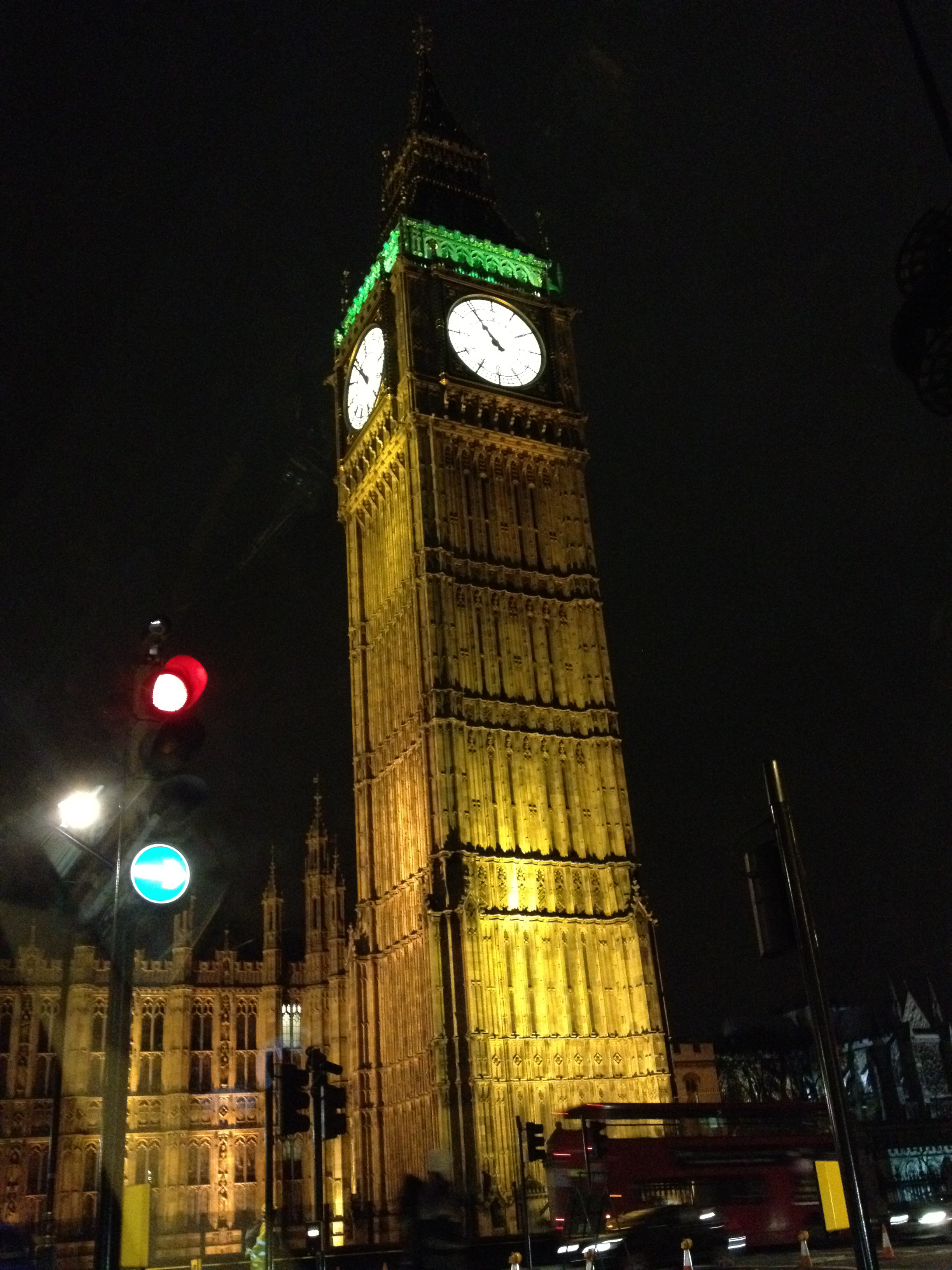
Driving around a secular London dressed in religious garb, St. Paul’s Cathedral lit splendidly in the night, was a reminder of the hold Christianity still has on even non-religious culture. It was kind of like the corpus-less crucifix in the movie. The inspiration behind the great gothic stylings of Big Ben and Parliament arise from their long association with Christian culture. On the streets people were milling about London late in the evening, not apparently fresh from church, standing in the shadow of Westminster Abbey and happily snapping photos. This may be a montage of disparate images colliding in my jet-lagged mind, but somehow virgins, vampires, crucifixes, and churches seem to fit naturally together.


One of Us

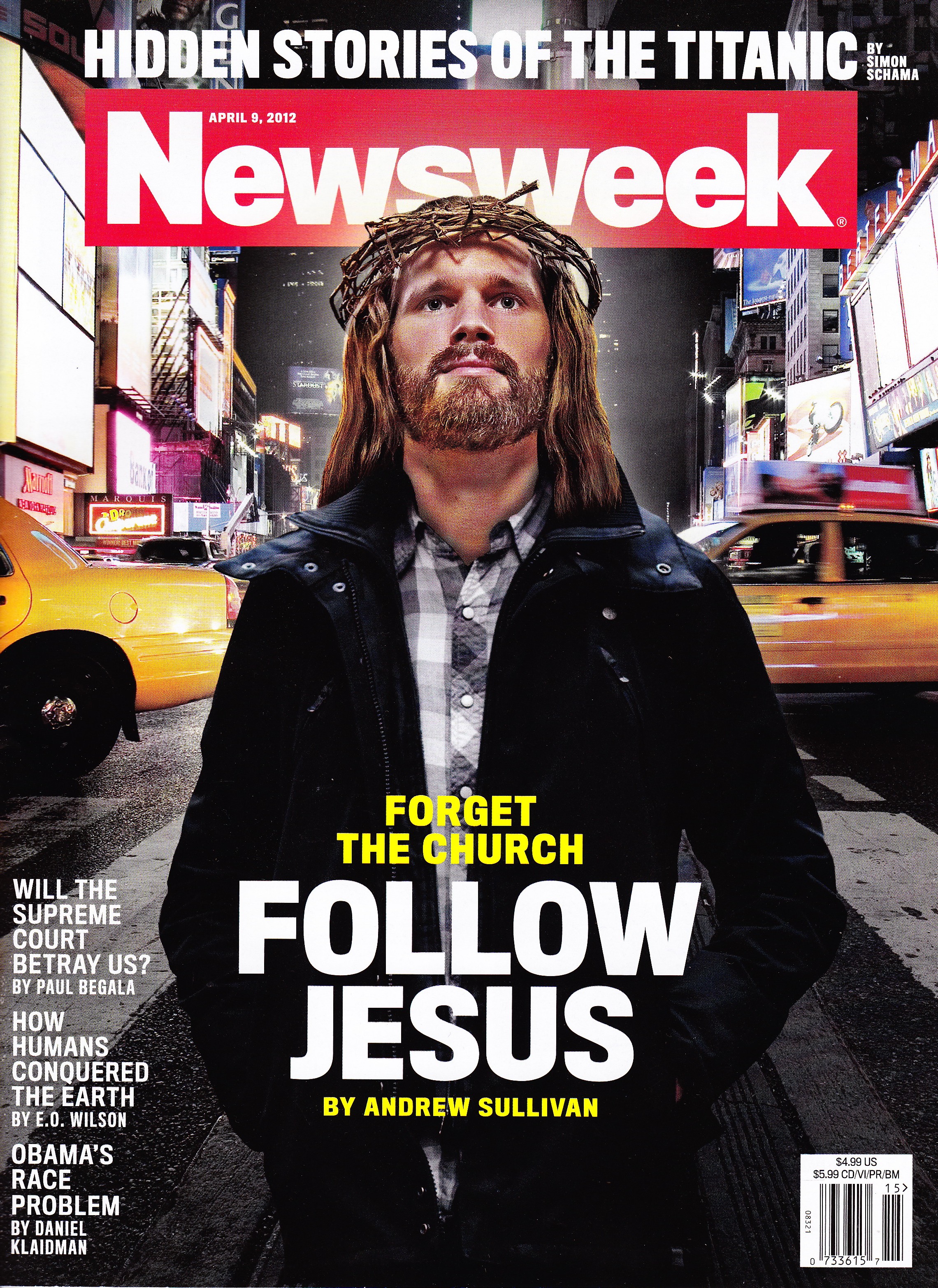
I suspect quite a few people are thinking about Jesus today. He does seem to be in the public consciousness with appearances on both Newsweek and the Watchtower. Newsweek, I have to admit, was an impulse buy. I’m flying to London today and I wanted something light to bring on the plane, so why not take Jesus along? I’ll have to report on the contents later. What caught my attention was the contemporary, very Caucasian Jesus standing in what appears to be Times Square. Since I walk through here a couple times a day, the immediately striking aspect is how unremarkable this would be. Perhaps that’s what the cover artist was going for, but people who think they’re Jesus—or at least a close approximation—are hardly rare. It seems that many of them are interested in running for president. Many others run Megachurches. Very few live on the streets.

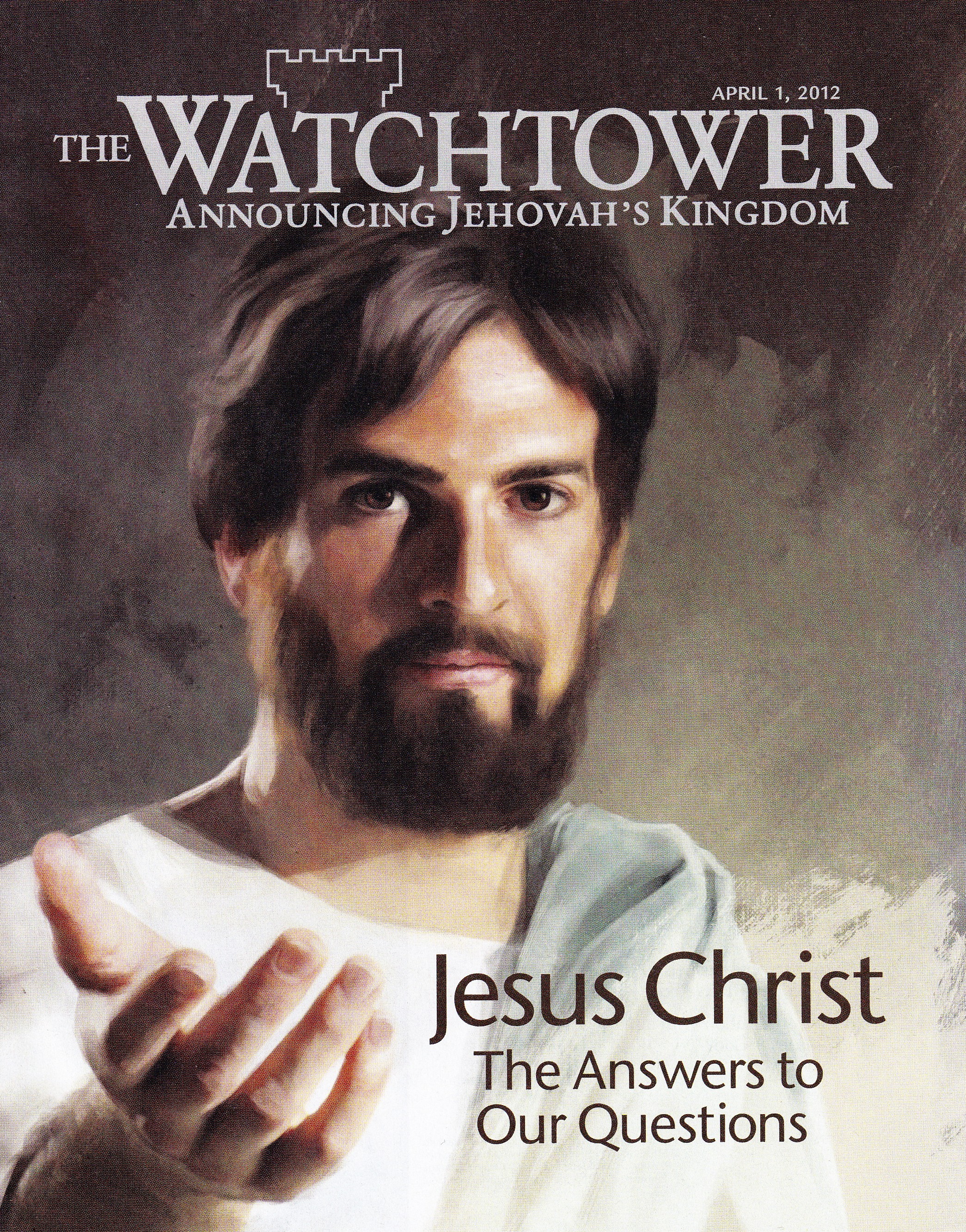
My Jehovah’s Witnesses friends stopped by recently. I used to chat with them when I was unemployed, but I’m no longer home during missionary hours. This edition of Watchtower also features a very Caucasian Jesus, but one who wears his hair in a style no first-century Jewish man would have. He has been stripped of his own faith heritage just as surely as the blue-eyed Jesus on Newsweek. The funny thing about Christianity is the chimera they make of the human half of Jesus. This is one part of the Bible nobody wants to take literally. Does Jesus need to look like us to effect salvific results?

It is often said that beauty is skin deep. One has to wonder just how profound faith is as well. People seem to be better at believing what they see. When it is time to consider what God might look like, we inevitably consult a mirror. Where is the comfort in an all-powerful being that looks like he’s not one of us? Well, maybe we could ask women what it’s like. For all the variables in Jesus’ appearance, he’s always male. Funny, so are the people who profit most from promoting his brand. Maybe my ideas are just taking a flight of fancy. The rest of me is on a flight as well. And I have no idea what the captain looks like.


Robot Crossing

With my new job I haven’t been able to be as active on our high school’s robotics team this year. Not that I ever contributed much beyond moral support, but there is a very profound satisfaction at seeing teenagers concentrating on such technological marvels and building self-esteem. Yesterday was spent at a regional competition. Noisy, colorful, chaotic—it was like being a teenager again myself. I overhead engineers talking during the course of the day about the great technological marvels of the future made possible by robots. These people have no apocalypse hidden among their endless optimism. We’ve got robots on the ocean floor and rolling around on Mars, snaking into our bodies even down to the cellular level. No end of times here, only forward motion. I know that computers now define my life. If I miss a day on this blog I grow dejected; one of my biggest worries about going to Britain later this week is how I will continue posting from overseas. But I sometimes feel as if our love of technology will be our undoing.

Experts—of which I am not, I hasten to add, one—tell us that within a lifetime artificial intelligence will be indistinguishable from real intelligence. As I watched the robots playing basketball (this year’s FIRST Robotics challenge), I began to wonder about the motivation of our robot slaves. Humans are driven by biological and emotional needs. Robots, as far as we can tell, do not want anything. It is a vacuous life. Yet as the robots played basketball all day, I noticed they didn’t suffer the obesity problems so evident among humans, nor the weariness that accompanies having to awake before dawn to catch a school bus to the competition. They are built for a purpose and they stick to it. Even as I watched hours of competition, I began to miss my laptop—driven by my own emotional needs as I am. I begin to wonder who is really the slave here.

Last night my family participated in Earth Hour. We try to do it every year with a kind of religious fervor. Turning off all electronics, including lights, we sit in the dark and talk by candle light. There is a profound peace to it. As my daughter commented on how spooky the shadow play could be, I imagined our ancestors who had no choice but to rely on pre-electric light in drafty houses where real wild animals still prowled the dark nights outside. How quickly that would become a trial for us. The same thought occurred to me as I watched M. Night Shyamalan’s The Village again last weekend. We are helplessly tied to our technological advancement. We might like to get away from it all for a few days or weeks, or even months. But we want the comfort of knowing that the robots are waiting for us when we turn back to reality again. Perhaps no apocalypse is needed after all.

Robot crossing


Spare Change

The vernal equinox snuck up on me this year, and I learned that it can also be what those in medieval Europe used to call a “dismal day.” The sun was out and the temperature was unseasonably warm, but beginning with breakfast and all the way until bed-time, things just didn’t go according to plan. My mother had been admitted to the hospital, and I live some 600 miles away. When I called to see how she was doing, I spoke with a bureaucratic nurse who could neither “confirm or deny” that she was even there. I wasn’t aware that my mother had connections with the military, government, or covert operations. When I said I was just looking for my mother I got read the riot act including—this is the truth—having the Hippocratic Oath cited at me. I think, in all honesty, it might be spelled Hypocritic. Don’t get me wrong—I think it is important to protect people’s rights, and I sure the duty sergeant—excuse me, nurse, was only worried about lawyers and lawsuits. We have constructed a country so insidious that a boy can’t talk to his own mother. Eventually she put my call through to the patient’s ward where one of the patients answered the phone and went to find my mother for me. We call it civilization.

I’m not the most technical of guys. Think about it—I majored in very dead languages. When my wife surprised me with an iPhone for Christmas, my brother-in-law kindly agreed to get in on the surprise and took care of the details. We went into the Verizon store after the holiday and switched the phone (with the phone number I’ve had for years) into my name. Nearly four months later, when I tried to change some plan details, both he and I had to call Verizon several times to get the mess straightened out. One of the communications giants seems to have made itself so technical that it can no longer understand a simple request. When the Verizon representative asked if I understood the user agreement I said yes. Have you ever read one? No one without a law degree could possibly understand. Even Moses didn’t have a cell phone. I had to spend an entire evening getting my own phone back under my own name. Our society has taken what should have been a two-minute phone-call and made a mini-series of it.

So, is it because the vernal equinox is so early this year that my world went haywire for a day? We live in a society where it is nearly impossible to prove you are who you say you are. And children are not allowed to speak to their own mother. Lawyers have taken the law meant to shield us and made a bludgeon of it. Communications experts obfuscate. It may seem random, but these two phenomena have the very same evil as their root. They are twin trunks springing from greed. The nurse can’t put me through because a lawyer may sue. My phone number can be reassigned to my name, with added costs, approved by lawyers that only corporate giants can afford. Human need has been reduced to terms of cash. The trees are budding. The air is warmer. Flowers are in bloom. But it certainly doesn’t feel like spring to me. That chill you feel is cold, hard cash. We are all just spare change.

The weight of a human soul, legally.


Saints and Snakes

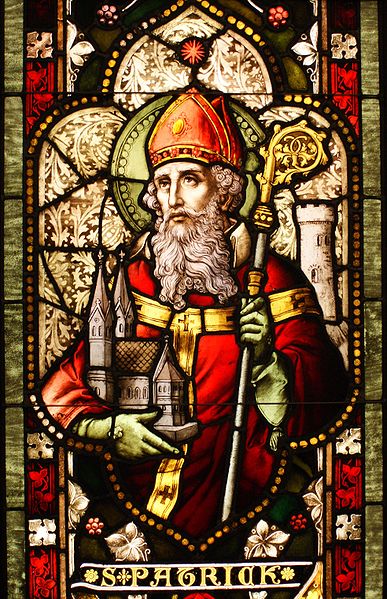
I am not now, nor have I ever been, Catholic. So why am I wearing green today? It could be that a drop or two of Irish blood courses through my veins from a stow-away great-great-grandmother, or the assurance that, as an American mutt some Irish must have gotten in somehow. Or maybe it is more than that. From my youngest days, even before I knew of my family history (and nobody had bothered to inquire), I still wore green on Saint Patrick’s Day. Getting off the bus at school and seeing so many people with otherwise so little in common coming together to wear shades of green on the same day was somehow inspiring and made me feel like part of something larger than myself. It was a day of fun, and decidely not one of doctrine or repressive decrees about women or homosexuals or even Protestants. It was a day of unity.

Can a day based on church mythology ever long remain a day of peaceful inclusion of others? In college I met militant Protestants who insisted that orange be worn on Saint Patrick’s Day to stand in solidarity with the Protestant minority. I heard news reports of gays being excluded from otherwise festive Saint Patrick’s Day parades in major cities. Maybe the snakes driven out of Ireland have lodged themselves in the souls of those who plant divisiveness—but it occurs to me that I’m being unfair to the snakes.

In a tiny time capsule of twenty-four hours, Saint Patrick’s Day is a miniature paradigm of the ambivalence that we call religion. At its best it draws people of all backgrounds together for a celebration as large as life itself. At the same time, it is the ultimate in exclusion—the statement that we are special in a way you are not. Green, the color of Ireland, is an apt symbol for the day. In the planet world, the large swaths of earth seen from high above, green is the color of life. Each spring the shooting forth of green is eagerly awaited as the plant kingdom reveals to us that a refreshing change is in the air. Among many animal species, however, green stands for illness, and perhaps impending death. So here I am wearing green—not Catholic, not plant, not wishing to make unequal divisions. It is just like a religious holiday to celebrate ambiguity.

What's love got to do with it?