Underestimated

Under-printing, ironically, can create great demand.  Books are generally under-printed because publishers don’t see much of a market for them.  Back before the days of inexpensive print-on-demand (POD, in the lingo) books may not have even existed as electronic files.  Often a publisher won’t print a book unless it anticipates that it can make back its costs.  If they think it won’t sell that well, they’ll print just enough.  And they might even melt down the typeset plates to reuse them for other books.  I’m not sure if that happened in the case of a book I’ve been looking to consult, but something has made this under-printed book extremely rare.  It’s not on Internet Archive.  WorldCat shows it in only two libraries world-wide, the nearest one over 3,000 miles away.  Its price used (and there seems to be only one copy) is $46,000. I can’t tell you what it is because you might buy it before I can.

For the purposes of my research, this is actually the only book on this particular topic.  (The subject isn’t even that obscure.)  The book is cited everywhere this topic is mentioned, and at least one person on Goodreads has actually seen a copy of it.  I have to conclude that all those who cite it must live within driving distance of one of two libraries worldwide.  For the rest of us the book is simply inaccessible.  As an author this is one of the worst fates imaginable.  Even if some price-gouger is selling a copy for $46,000 the author gains nothing from it.  Royalties are null and void for used book sales.  The only profiteer is the person who happens to have found a rare book (from the 1990s!) and is determined to ensure only the most wealthy will be able to purchase it.

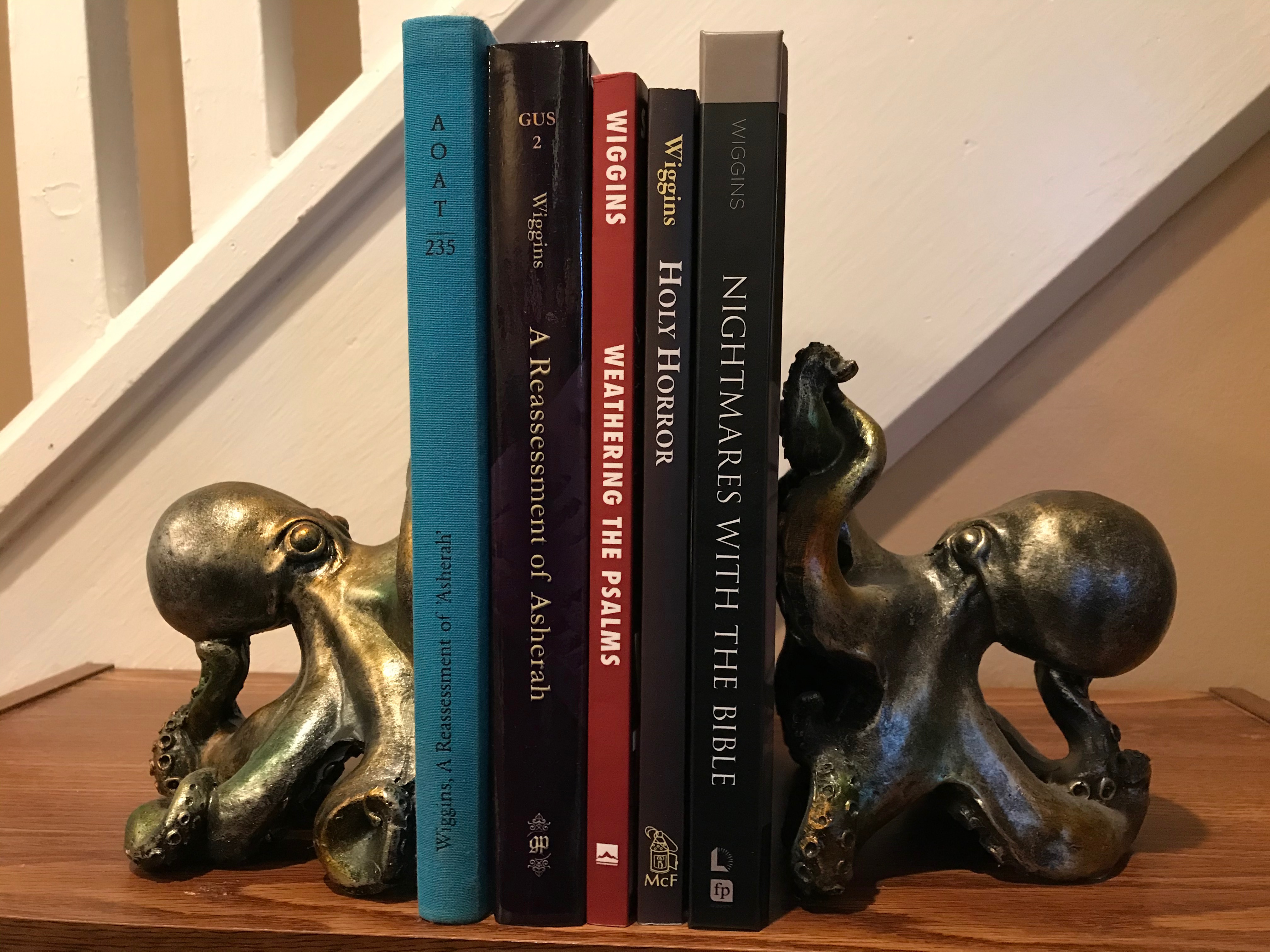
I’ve known people who sell used books online.  Those who want to move books try to undersell the unfortunate under-printed title by pricing a bit lower than the competition.  There is no regulation, however.  You can charge whatever you like.  The funny thing is, if someone eventually forks over $46,000 for this book, and then has it appraised (it is a paperback from the 1990s), its actual worth is probably at most in the hundreds of dollars.  Back when we watched the Antiques Roadshow we always knew that the poor person who brought in a book would be disappointed in the appraisal.  Last time I was in Oxford I saw rare books from the 1400s for sale for far, far less than $46,000.  I only hope that my books, as obscure as they are, are never deemed that expensive.  And I would encourage publishers to print a bit more generously, for the sake of knowledge.

Better Things

It’s only a store brand, but still.  Maybe like me you remember opening a box of Raisin Bran and pouring out the first bowl.  And finding only bran.  Maybe a raisin or two.  By the time you munched your way to the bottom of the box you’d get a bonanza in that last bowlful.  It was more fruit than cereal.  Then they somehow figured out how to suspend raisins so that didn’t happen.  My mind hasn’t caught up yet, I guess.  I was down to the last bowl, and I was eagerly anticipating it.  Especially since the day before I’d only had three raisins and it was clear that the end was near.  Then the last bowl.  One raisin.  That’s a lot of bran to start your day, like C. S. Lewis’ always winter but never Christmas in Narnia.

Speaking strictly for myself, I like to save the best for last.  When I receive snacks in my Christmas stocking, I keep my favorites until all the others are gone.  In my personal myth of scarcity I’m quite aware that good things run out.  And they’re not always easily replaced.  Therefore I tend not to buy the things I like best.  This is the kind of psychology that drives economists mad.   As a child I was taught to put others’ needs before my own and that lesson has dovetailed with the running out of good things.  Of such things monasticism was made.  The raisins are now near the top of the box, but the crumbs are still on the bottom.

I often find breakfast to be the most philosophical of meals.  Perhaps it’s because I write my blog posts in the early morning.  Perhaps it’s because others are awake when I eat lunch and supper.  Perhaps it’s because that valuable things are rare.  It’s the nature of what we find most meaningful.  We live in a culture of largeness and acquisition.  What we truly want, however, may be very small indeed.  Ours is a culture of choice and plentifulness.  Raisin Bran is a choice, as is the store brand.  And it’s even possible to open the box at the bottom and return to my old form of expectation.  I doubt I will ever outgrow the idea, however, of trying to save the best for later.  It’s a form of optimism, after all.  And isn’t it best to start the day with the knowledge that better things are coming?


Just Curious

I’m constantly reminded of the dangers of it.  Interdisciplinarity, I mean.  We all know the cliched image of the myopic professor unable to function in the world because he (and it’s normally a he) has spent all his time on one subject.  Such people do exist, and they are generally institutionalized.  (What else can society do with them?)  More recently, however, the emphasis in higher education has been on interdisciplinary pursuits.  Many modern doctorates span two areas and many modern professors show themselves as adept at activities beyond their “day jobs.”  It is difficult, however, to be an expert in more than one thing.  In my own case, I had interdisciplinarity thrust upon me.  I’m therefore constantly being reminded of how tricky it can be.

While hot on the trail of a new angle recently, I found what I thought was the only book on a subject.  (All these years and am I still so naive?)  I started reading only to discover that the topic had been explored many times before by scholars, beginning in the decade I was born.  Clearly, if I wish to speak intelligently on this topic I should go back and start at the beginning.  So it is with interdisciplinary work.  Ironically, the book I was reading was itself interdisciplinary, demonstrating that old Ecclesiastes was right all along.  

My own research journey has been one of restlessness.  Others have seen this more clearly than I have.  Once at the Nashotah House bookstore I had a discussion the the manager about rocks.  This particular woman was certainly smart enough to have been on the faculty, and she saw things those of us that were didn’t.  I concluded by saying I didn’t know why I’d been so taken by geology to which she replied, “If it wasn’t geology it would be something else.  You’re curious.”  She knew me better than I did.  My curiosity about geology was deep and intense.  (It still is.)  I realized suddenly, it seems, that I knew too little about the very ground upon which I walked all day.  What could be more basic than rock?

On my desk

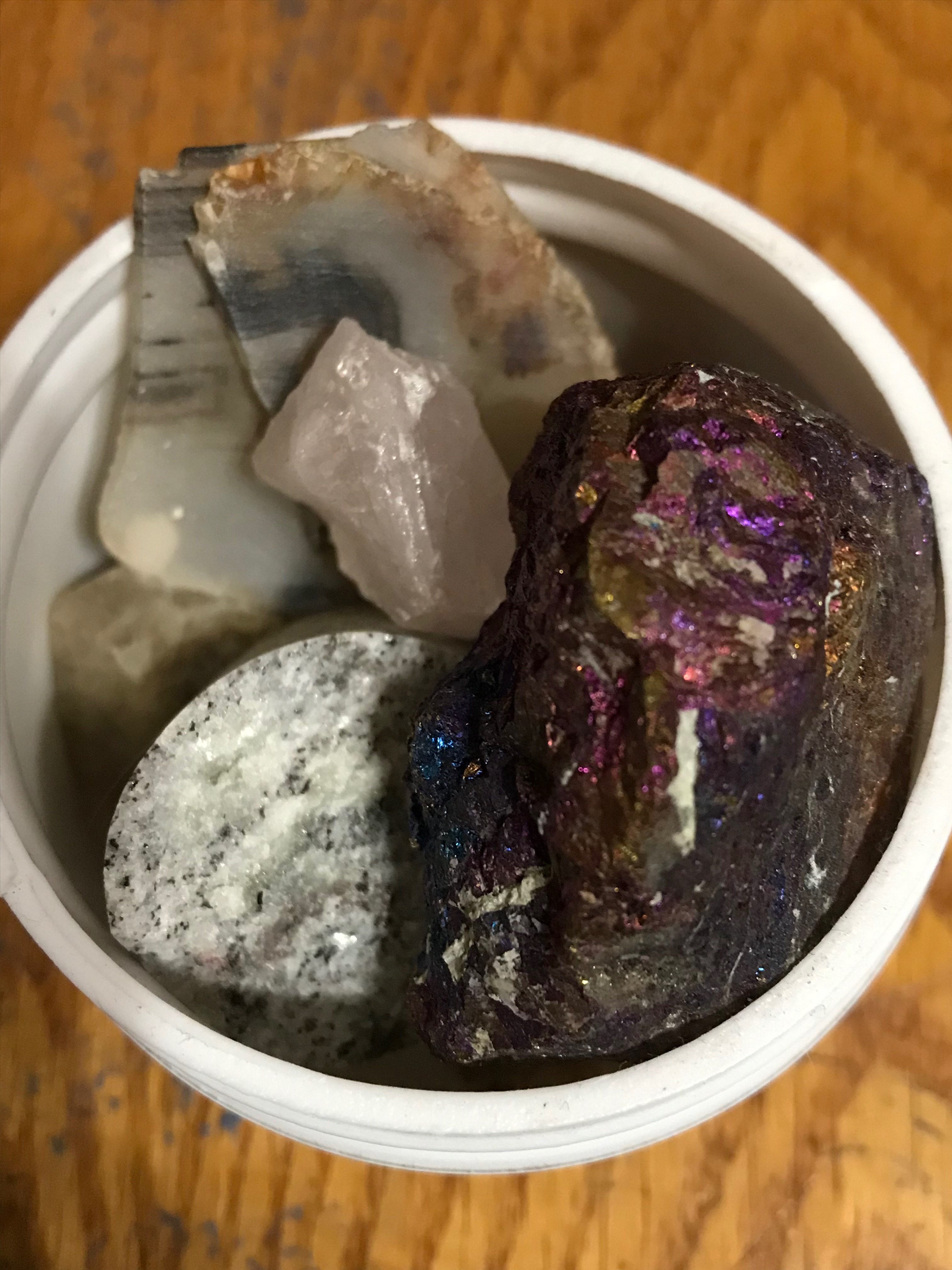
If anyone bothers to look at my full list of publications it quickly becomes clear that geology is absent.  I never became an expert, but I still read about it and pick up interesting rocks.  A small piece of rose quartz with a fresh fracture face stopped me in my tracks one very cold morning recently.  I’m sure plenty has been written on the subject.  The safest thing, however, is to become an expert on one thing.  Safest, but dullest.


Sole Food

Perhaps its the pandemic.  Or at least the knock-on effect of shipping delays and supply-chain interruptions.  I can take it.  Unless, that is, it interrupts my soul food.  You see, my father was from South Carolina.  I grew up eating things like grits and black-eyed peas.  Then I probably went for a good two decades without eating either.  Like most people, however, I experience breakfast malaise.  Cold cereal every single day gets old after five-plus decades.  If we have reasonably healthy leftovers in the fridge I’ll sometimes have those.  Several years ago I started cooking breakfast for myself on weekends.  (My family wasn’t interested in my concoctions.)  When I became vegan I couldn’t keep cooking my usual weekend egg, so I turned back to soul food.

On a typical weekend I’ll have grits and black-eyed peas.  As a vegan, I really like beans.  There are so many varieties of legumes and each has its own charms.  Although we don’t eat all of them, there are over 40,000 different types of beans.  Even of those cultivated for human consumption I’m probably still pretty much a novice.  But lately our local grocery store has been having bean trouble.  Since the pandemic began we’ll occasionally go in and find the canned bean shelf bare.  Last week they had no black-eyed peas.  I fretted about it all week.  Was there a national bean shortage?  Was this the new toilet paper for a new year?  As the weekend drew near I decided I’d walk a mile on a snowy Friday to a local health food store where, I was pretty sure, there would be at least organic beans.

Dried beans are, of course, available.  I don’t trust myself to cook them properly.  It takes hours of soaking and boiling and always ends with some uncertainty.  Something about toxins and digestion just don’t mix.  Early on in the pandemic we didn’t horde, but slowly collected necessities, just in case.  Then in the summer it looked like Covid was over so we ate our supplies.  Bemused, I realized how many cans of black-eyed peas I’d storehoused.  Perhaps I had more foresight than I thought.  Supply chains are still stressed.  Backlogs take a long time to clear.  I have accepted that new appliances, cars, electronics might take quite a bit longer to get.  Specialty food items too.  I accept such things with a certain stoicism.  But my soul food, well, that’s a different matter entirely.  Don’t take my soul away!


Twilight on Christmas

We have too many ornaments for the single Christmas tree we can afford.  There are few reasons for this.  One is that I married into a family with Christmas ornaments.  While on my own I never set up a tree and I owned very little beyond books and some LPs.  Besides, I went home for Christmas.  Another reason is that although I seldom think of Christmas before December, we tend to buy ornaments as souvenirs.  Not for everywhere we go, but we did start a ship sub-collection when visiting coastal locations.  We also have a moose sub-collection.  I spent quite a bit of my early adulthood out in the woods looking for moose, generally in Maine.  Then there’s the “other sub-collection.”  The one that’s be relegated to it’s own mini-tree.

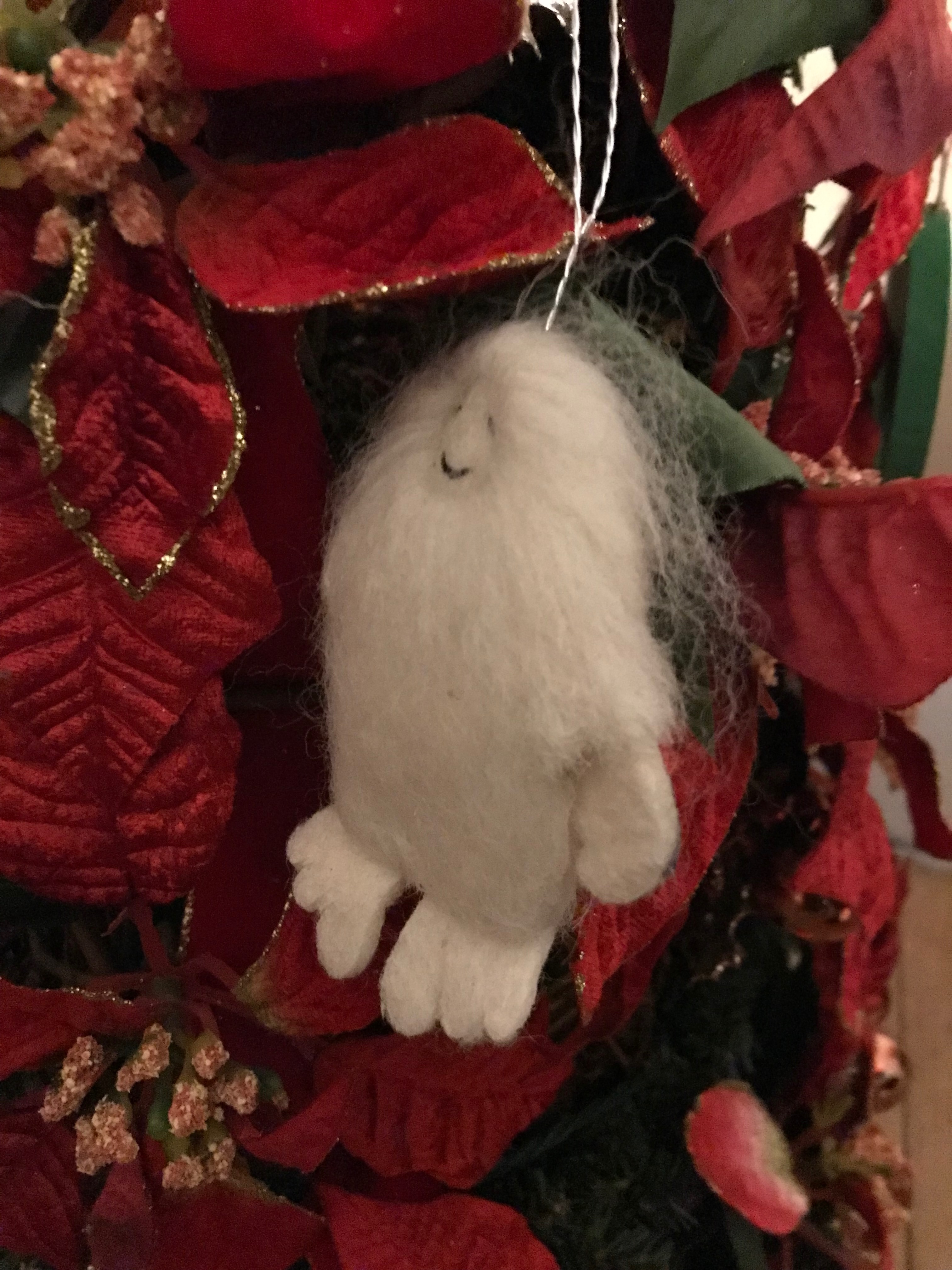
To understand this, let me begin by noting that Christmas is the birthday of Rod Serling (shoutout to my friend John Morehead for pointing this out).  Rod Serling is one of the reasons—he can’t take all the blame, of course—that I’m interested in strange things.  The Twilight Zone affected me profoundly as a child, and probably had more impact on my life trajectory than I might’ve realized.  The “other sub-collection” consists of the weird ornaments.  It began with a Cthulhu ornament I found online a few years back.  Then, at a fair trade shop in Ithaca, I found a yeti ornament.  How could I not support fair trade?  This year at Christkindlmarkt I found an alien head made from a recycled Christmas tree trunk round.  It seems my strange Christmas ideas aren’t unique.

Bethlehem styles itself “Christmas City.”  The celebration in the Lehigh Valley is palpable.  My family generally spends a December Saturday strolling up and down Main Street, visiting the quaint shops.  Last year one of them had ornaments of sasquatch skiing.  I didn’t buy it, thinking someone might pick up on my pointing it out.  This year I went back to the store but they didn’t have it any longer.  A quick online search, however, revealed many options for a cryptid Christmas.  What can I say?  These things make me happy!  This year I’ve been thinking quite a bit about ghosts and the holidays.  It’s an ancient connection that has been lost to the commercialization of Yule and Saturnalia and other December celebrations.  So, Rod Serling was actually born on Christmas day.  I hope that however you celebrate this day it will bring you joy, no matter how weird.


Another Article

Some insecure people feel the compulsion, but really don’t know why.  Speaking strictly for this insecure person it’s because (I think) I’ve been ignored most of my life.  I didn’t cause trouble so teachers seldom paid me any mind.  (I’m pretty good about obeying rules.)  I was a middle child with less than a year at youngest status.  I was abandoned in a house at the age of one for God knows how long when my father went out on a bender.  Who knows?  In any case, this piece isn’t really about any of that.  It’s about the compulsion to write articles.  I don’t know why I keep volunteering to do this.  They get me nowhere.  You’re not paid for them, and you get little exposure.  I seem to be addicted to appearing in print.

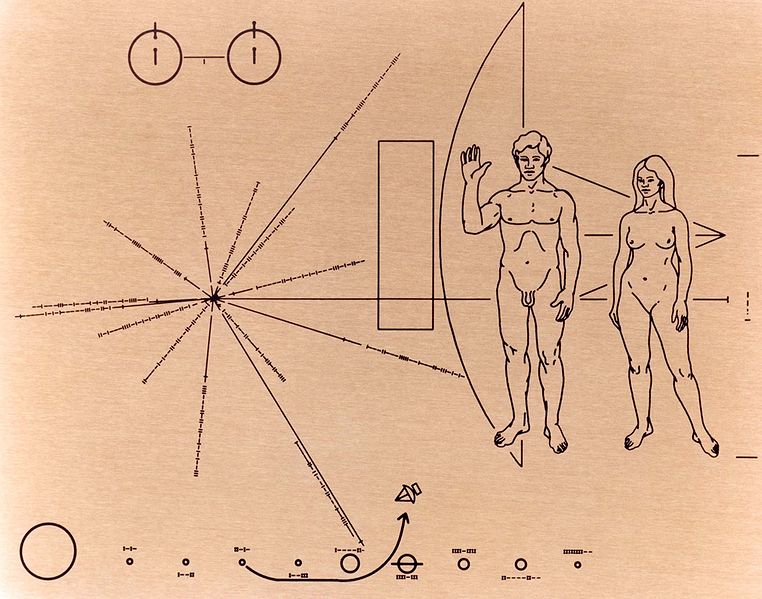
This blog is purely an electronic phenomenon.  It exists nowhere in print.  I post on it every day in the hope that, like a Pioneer probe, it will connect with somebody who comprehends.  As a non, but erstwhile, academic I am not compelled to write.  In fact, it sometimes complicates things.  (If you believe that freedom of written expression exists you’ve never read a publishing contract.)  So print publication appeals to me.  I had an email from a volume editor the other day and I couldn’t place the name.  I opened it to read that the volume had been accepted as I was struggling to remember what I promised I would write for him.  I had to do an email search to locate the chain.  So that’s what I said I’d do! (The previous article I’d committed to I remembered well, since the proposal was long overdue.) 

Print publication, you see, takes a long time.  An erstwhile editor (likely an academic), gets an idea.  They wrestle with it a while and then write it down.  Pitch it to a publisher.  The in-house editor has to pitch it to the editorial board.  Often after peer review.  It can, in my defense, take months—plenty of time to have forgotten I said I’d contribute.  Then the book has to be written.  That part can take years, but in edited collections many hands make light work.  After the disparate pieces are finally cajoled in (one editor had to keep after me for four months), the editor, well, edits them.  Then they finally get sent off to the publisher.  The production process takes about a year.  The volume comes out and you get a congratulatory email or two, and then it’s forgotten.  I’m not sure why I do it, but I’ve been published by university presses for taking these on.  When I was teaching I couldn’t seem to get their interest.  Now that I’m writing about horror they’re starting to notice.  But then, that’s how monsters behave.


Riddle

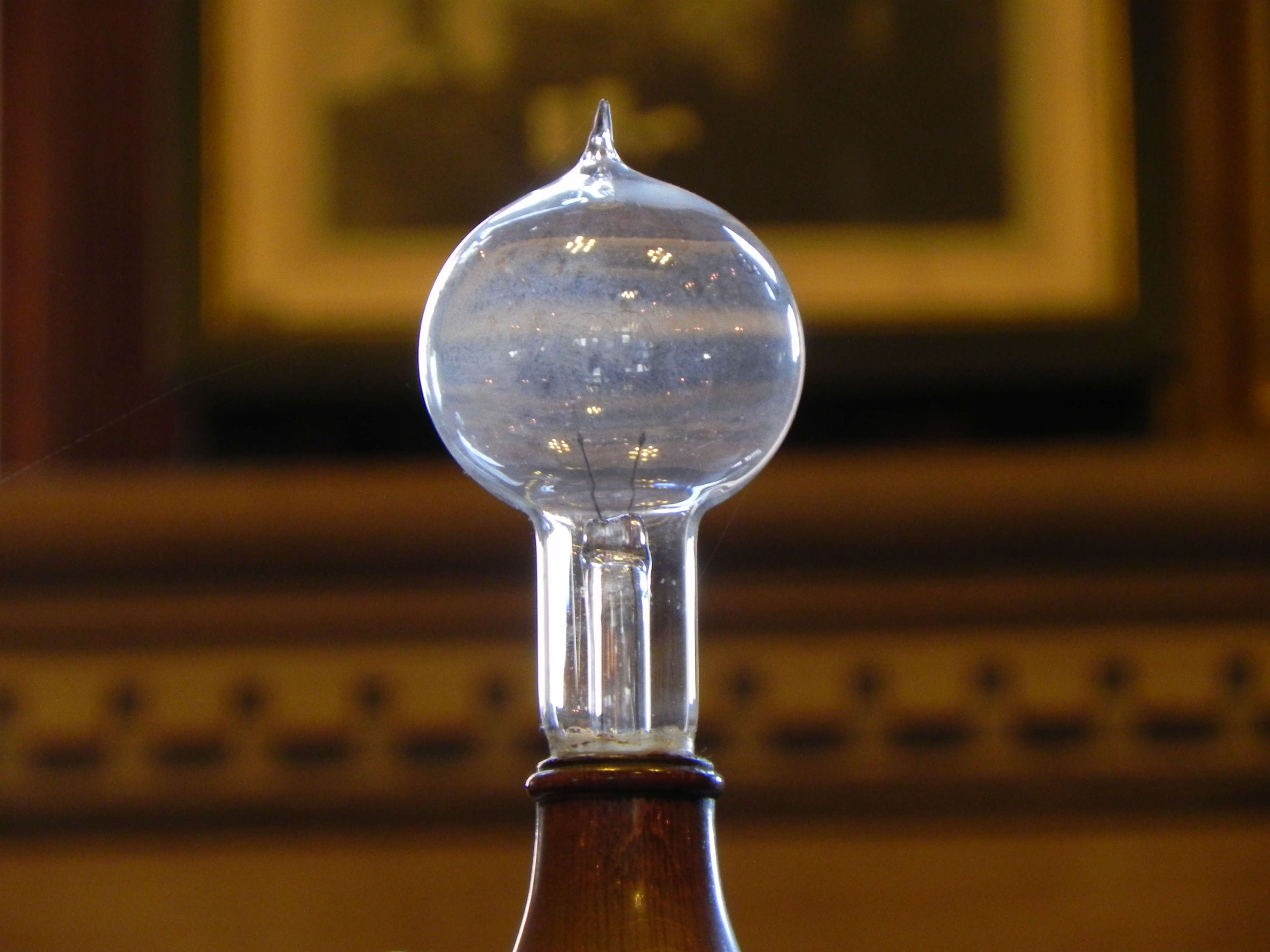
It’s an age-old question: how many Ph.D.s does it take to screw in a lightbulb?  I haven’t figured it out yet, so if you have the solution please let me know in the comments.  It’s like this—I’m a short person living in a tall house.  Even while living in apartments I had bought a six-foot ladder and an eight-footer, to reach various things.  A bit of an acrophobe, I tend not to use the latter ladder unless it’s really necessary.  Then the landing light went out.  It’s a dark time of the year and a light over the stairs is really a matter of safety.  The stairs continue up from the landing and this particular ceiling light is eleven feet above the ground.  Given how far I can safely (debatable) climb an eight-foot ladder, I can’t reach the ceiling with what I’ve got.

We had to buy a 28-foot extension ladder to reach the roof.  In its collapsed position it’s 14 feet and requires two people to carry.  I’m not sure we could get it around the corners in the house, and even if we did the math doesn’t work out to fit it in an eleven-foot space with stairs every direction.  I decided to ask YouTube.  The solution there is to buy several two-by-sixes and some heavy-grade plywood and build yourself a temporary platform.  With the pandemic-induced shortages, and therefore price increases, such a platform would cost about $100 to build, and then I’d need to unbuild it after screwing in the light.  Or we could buy another ladder.  Maybe a different house while we’re at it.

Imagine

The thing about ladders is they come in standard lengths.  Around here, anyway, a ten-footer isn’t an option.  The best bet is a multi-position ladder.  Retail cost somewhere upwards of $150.  To someone afraid of heights it feels like the safest of many less than optimal options.  Apart from perhaps carrying flashlights in the evenings that come so early now.  Still, that raises the specter of cost.  How much does it cost to screw in a 5-dollar (LED, of course, to help the environment) lightbulb?  It seems to be a $100 repair, no matter how you do it.  I could try custom-building my own ten-foot ladder.  Or I could try making some tall friends.  Apparently you can rent ladders as well, but of course we’d need to rent the truck to get it here as well.  Or we could learn to live with a shadowy stair this long winter that’s just getting started.  How many Ph.D.s does it take?  I don’t know, but the answer will be more than one.


Myth of Ownership

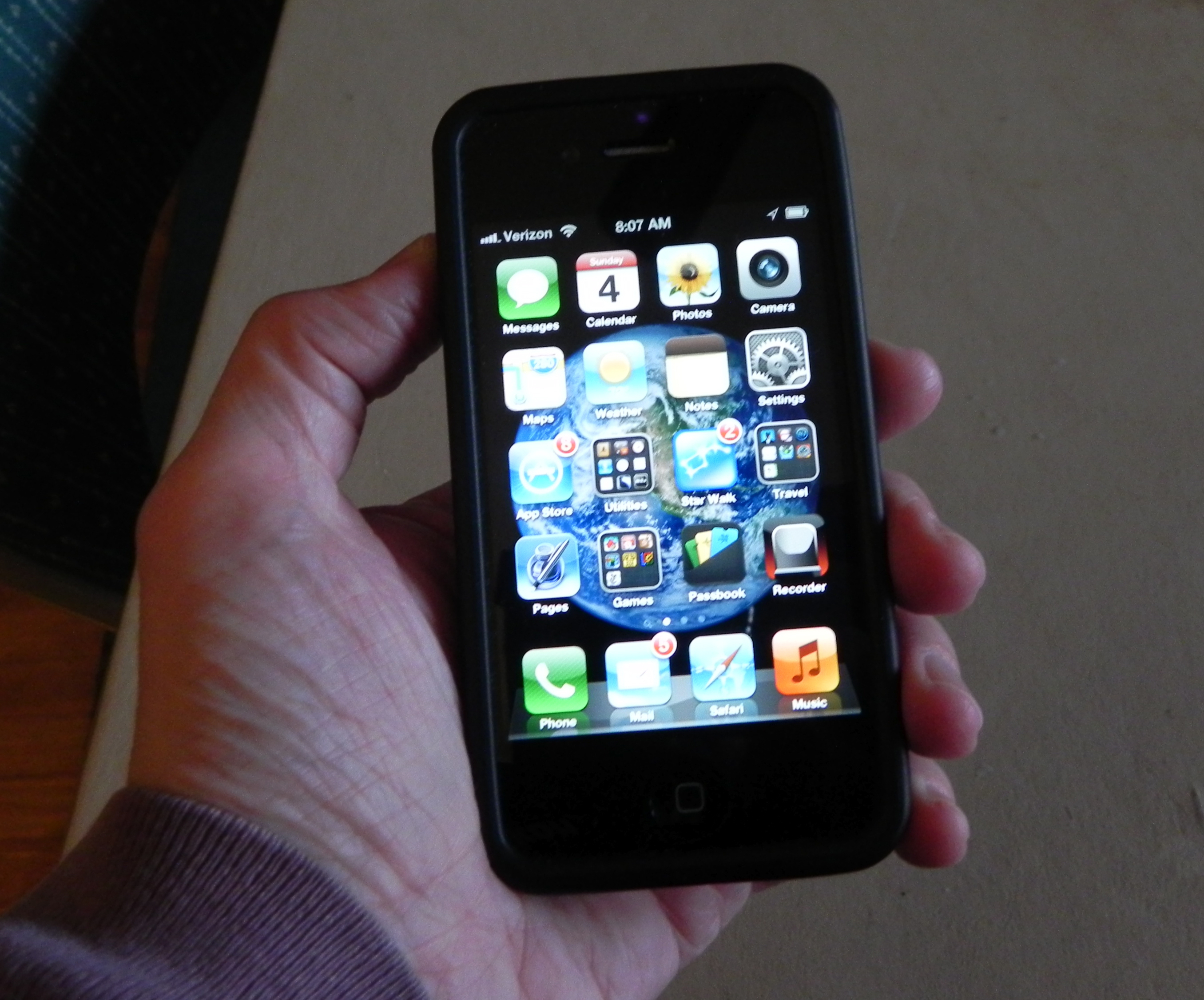
“Luddite” doesn’t really describe me.  I don’t have a problem with technology, but I often object to how its used.  Let me give an example or two.  You spend your hard-earned money on a device—smart phone, for instance, and/or a laptop computer.  These you use for your personal email, which you’re not allowed to check at work, and for paying bills and buying new stuff.  So far, so good.  But once these devices become ubiquitous enough, others presume the right to use them.  Never mind that you’re paying for the internet plan and your likely unreasonable monthly fees for using that phone.  Employers, for instance, concerned about their own security, require you to use your personal phone for some kind of authentication app to protect their assets.  Hmm, and who is paying for the data use on that phone?  And the wifi that makes it work?

Or consider a volunteer organization that’s taken over by a technocrat.  Suddenly you have to set up Dropbox on your laptop (with its attendant frequent emails asking you to upgrade until he seated on a white horse comes through the skies).  You can’t participate without access to the Dropbox.  Or maybe they want you to join Slack.  The problem, it seems to me, isn’t that we don’t have enough way to communicate.  No, the problem is we don’t communicate well with what we do have.  Terse messages may be understandable for smoke signals or telegrams, but a greeting, body, and closing aren’t too much to ask for an email.  I don’t text largely because too many misunderstandings occur from the brevity, and not infrequently, from auto-correct.

I use technology daily.  For about a dozen years now I’ve been posting daily right here on this very internet.  A have a neglected Twitter account and I glimpse Facebook for, literally, about two minutes per day.  I can be reached on LinkedIn (and no, I don’t have any jobs to offer), Instagram, and yes, even Slack.  We’re all available to each other constantly, but communication breaks down when we don’t communicate clearly.  A writer I greatly respect once told me emojis are cheating.  I tend not to use them, but they may help the terse text go down a little more smoothly.  We are all challenged for time.  There’s so much to do and we’re not getting any younger.  But I was born in an era in which if you use somebody else’s stuff you ask nicely first and said “thank you” after.  Especially if they’re paying for you to use it.

Who owns whom?

Standard Maintenance

Something disturbing happened the other day.  My laptop started requiring constant plugging in.  I figured the battery was starting to go—it is several years old now.  Since time is the ultimate commodity in short supply, I made a weekend appointment with a genius at the local Apple store, which really isn’t that local.  I drove out on a rainy Saturday afternoon to get the battery replaced.  That’s not the disturbing part.  Neither is the fact that so many people were flocking around in an Apple store without wearing masks (although that does count as disturbing in it’s own right).  As I sat there watching the giant projection of devices I should consider buying, my daughter mentioned to me how like a dystopia it was: being subjected to advertising aimed at purchasing something you’re in to have repaired.  That wasn’t really the disturbing part, either.

No, what was disturbing occurred when our genius told me I would need to leave my laptop there for three-to-five days for it to be repaired.  I use my laptop daily and extensively each day.  I have no spare and I post daily on this blog.  (Those times when a post doesn’t appear it’s because I think I’ve hit the “publish” button but I haven’t.  That happened to me again recently and I only discovered days later that WordPress was listing it as a draft.  Sure enough, I’d gotten so busy I’d not click “publish”—which happens, ironically, mostly on weekends.)  I was hit with panic.  Could I live for three days, up to a week, without my laptop?  No email.  No blog.  No ubiquitous Zoom meetings outside of work?

Even before the pandemic the internet had become my lifeline to the larger world.  And the thing is I’m sending my thoughts out like a Pioneer probe to that outer space of the web, not sure if anyone will intersect with it and understand the gold-plated plaque within.  At least I hope it’s gold-plated.  I’ve been blogging here since 2009, at least one laptop ago (or perhaps two).  I’ve posted over 4,500 times.  What would happen if the earth went through the tail of a comet and wiped out all this electronic data?  Would there be anything left at all?  That’s the part I found disturbing.  My ambivalence about technology doesn’t mean I’m not addicted to it.  I was spared an immediate crisis since the genius at the bar told me the battery (being such an old model) was out of stock and would take a few days to arrive.  Meanwhile I could continue to live in my virtual world as normal.


Degrees of Separation

For some reason lost in the fog of weblandia, I get The New York Times, “The Morning” delivered to my email.  By carefully not clicking the links I can get my day’s worth of fear and paranoia for free.  Not all the news is bad, of course, and I’d be glad to pay if circumstances had been different.  After giving all the sorrow that’s fit to print, “The Morning” ends with an Arts and Ideas section.  By then I’m usually cradling my head in my hands but I look up to see the positive side of humanity.  The other day the article on the Metaverse included this line: “In its simplest form, the term — coined by Neal Stephenson in his 1992 novel ‘Snow Crash’ — describes an online universe that people can share together…” and I realized probably the closest I’ll ever get to the Gray Lady.

I am, as many of my regular readers know, Neal’s brother-in-law.  He mentions me in the acknowledgements to Snow Crash, something that was discovered by someone at work fairly recently, and which probably did more for my stature than my many long hours daily.  When it comes to degrees of separation, fate, I suppose, plays a role worthy of the Joker.  Neal hadn’t written Snow Crash yet when I met his sister.  Her somewhat unlikely friendship with me eventually led to our marriage and it was in the context of a family gathering that the conversation Neal mentions in Snow Crash took place.  Outside publishing, and in particular academic publishing, acknowledgements are seldom read.  I always read them, though, looking for unusual connections.  I’m often rewarded for doing so.

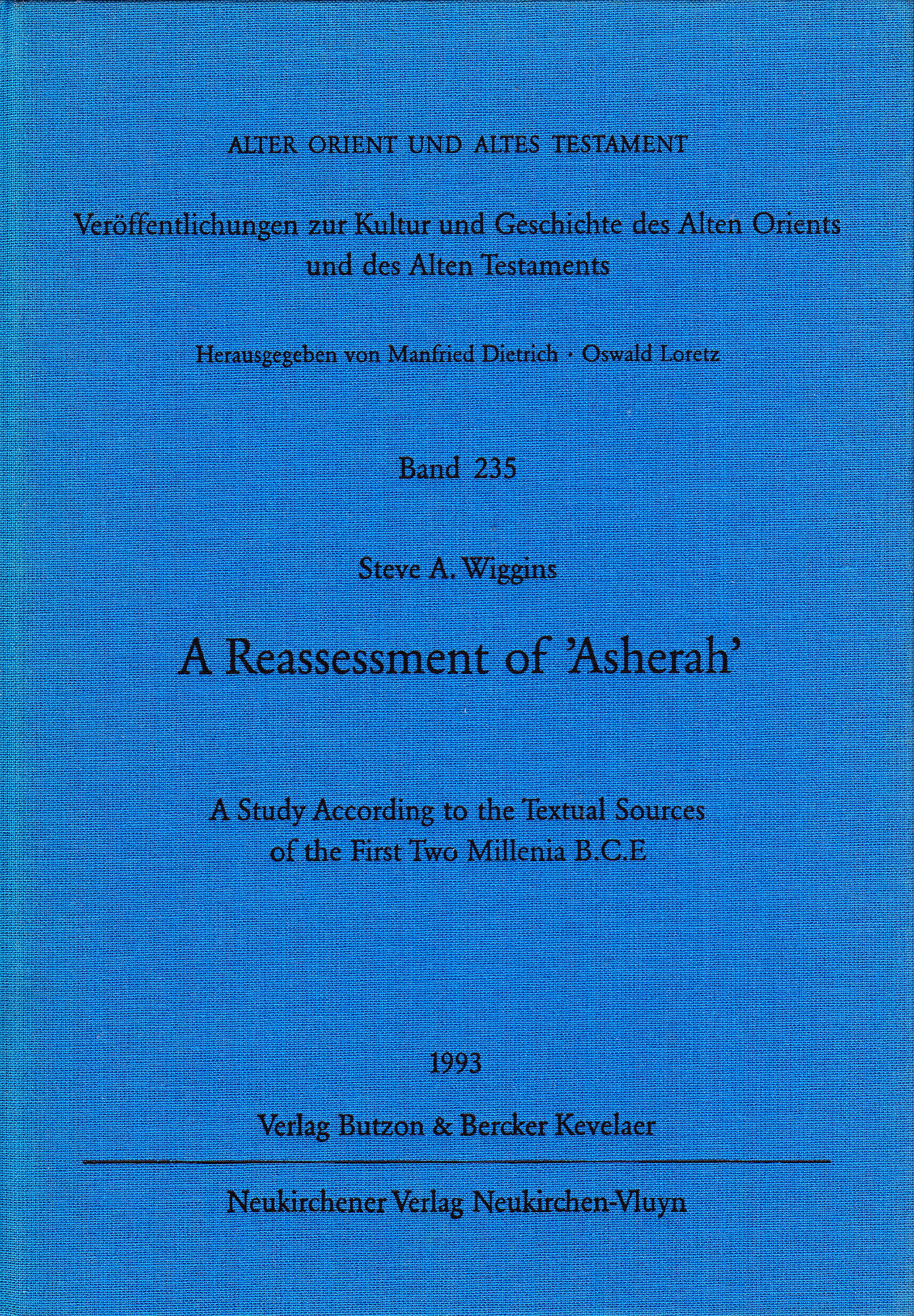
Asherah was, unbeknownst to me at the time, undergoing a resurgence of interest.  My Edinburgh dissertation was published the same year as a more prominent one by Cambridge University Press.  Just a year later, another came out.  Then another.  The internet was really an infant in those days and we learned of such things through printed resources and printed resources are always in arrears by months, if not years.  Of the many Asherah books mine had the distinction of being the most expensive.  Some things never change, I guess.  Suffice it to say, Asherah was on my mind as Neal and I drove to the store to pick up some baby supplies.  I had nothing to do with his coining the word or idea “Metaverse”—he’d already worked that out.  It was Asherah that ended up in the novel.  I was on my way to a short-lived romance with academia at the time.  Family, however, is so much more than degrees of separation.


Not Quite Quetzalcoatl

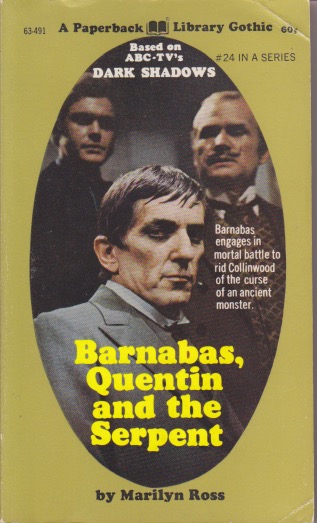
It must be difficult to write the same basic story over and over.  And nostalgic adults like me can be tough critics as we try to recapture faded childhood glories.  Those memories fade like afternoon shading into evening, but still I can’t help myself.  Marilyn Ross wrote 33 gothic tales of Dark Shadows in the spinoff series from the long-running television program, and I’m determined to read them all.  In small doses.  The one, Barnabas, Quentin and the Serpent is actually a bit distinct.  The writing is still journeyman, that of a tired potboiler author, but the plot offers something a little different.  As in the last volume reviewed, Barnabas is free from the vampire curse for a time, allowing him to emerge in the daylight.  And his arrival at Collinwood is actually dramatic and well-timed.  The story is set in the nineteenth century.

Gerald Collins, a professor of archaeology, unexpectedly inherits Collinwood along with his daughter Irma.  They head to Maine from Mexico taking exotic creatures with them, including a dimetrodon that escapes and tries to eat them.  The story revolves around rumors that the professor caught and transported back a flying serpent.  At Collinwood (and let’s think about this a minute—if you add up the body count from all the novels you’ve got to wonder why there’s been no federal investigation) people start to die and reports circulate of a flying snake.  The professor’s going to be driven out of town because angry villagers think he brought this creature back with him.  It’s all very melodramatic.

As in the last novel, Barnabas acts as a detective.  Quentin, who is the werewolf cousin, manages to allude detection by disguising himself.  Even Barnabas is fooled.  The story tries to avoid invoking the supernatural—there’s no such thing as flying serpents—while allowing a werewolf to perpetrate a hoax.  It’s all good fun (except for that body count).  There’s a bit of vim here from our weary journeyman writer, but there are nine novels yet to go in the series.  Writing a series seems to be smart money.  Children (and I first read several volumes of this series as a child) like to complete things and can be loyal series fans.  I never read the full series when I was younger; they were haphazard finds at the local Goodwill book bin.  Of course they were still being published at that time.  I have to admit that I’m curious where it will go from here.  And I do miss Barnabas as a vampire.


In Praise of Paper Maps

One of the tricks, I’ve mentioned before, for getting around accessing books I can’t afford, is the used book market.  Now Amazon is probably just about as bad for small business as Walmart is, but it does seem to have its logistics down.  (Most of the time, anyway.  Early in the fall I ordered some horror movie DVDs.  One of them was out of stock and Amazon eventually sent me a notice that it was lost in shipping.  Would I like another, at no extra charge?  Shipped to the same address?  Of course I said “Yes!”  But they shipped it to my mother instead.  Most of us are probably embarrassed about what we watch and don’t want our mothers to know.  In any case, she had it forwarded on and I received it a mere two months after ordering it.)  They also let you track it.

If, however, you buy used books from Amazon, you may need to go with a separate vendor’s shipping.  (I tend to use BookFinder.com, but lately it’s been routing me back to Amazon.)  So it was I ordered something with a projected delivery date of October 25–29.  Not too bad.  It’s not like I need it for a book I’m writing or anything.  I was cheered, then, when on October 14 it was tracked to Secaucus, New Jersey.  I used to go through Secaucus every day on the bus.  Twice.  Surely I would have my cheap source before the 25th!  But my package likes Secaucus, apparently.  Once it got there every day the USPS tracking system assured me it hadn’t moved at all.  “You signed up for delivery on October 25–29 didn’t you?  Well, you’ll get it then.  Perhaps.”  Wouldn’t it be nice if shipping had the option of “Your package is pretty close, do you want to collect it yourself?”  Then on the 22nd I learned it was in Glendale Heights, Illinois.  It arrived on the 25th.

Why do I write these things?  (This isn’t the first time, young man!)  It’s because I think they’re funny.  To me, a society that has lost its heart to technology has to be ready for some laughs now and again.  (Some of my critics think I’m complaining; I guess I need more irony in my diet.)  Life during a pandemic has become one of having stuff shipped.  From last year’s toilet paper from China to my current academic book that’s just too expensive to buy new, I sit with my ear cocked for the Amazon footstep on my front porch.  And occasionally getting into my car to drive to a distant post office just because, well, it’s easier for me to find them than for them to find me.


Face Away

I’m avoiding Facebook for a while.  Here’s why.  I started a Facebook account when I first got involved in social media.  (Publishers say you have to build a platform.)  The instructions were very basic and I checked my feed once a day for a total of about 5 minutes.  I still do that.  Some people contact me on Facebook, and often I don’t see it.  In fact, I seldom open it after 6:30 a.m.  I’m pretty easy to reach on the internet.  I have a blog and a Twitter account, Linked-In, Goodreads, and Academia.edu.  They all send me email notices when someone messages me.  Facebook doesn’t.  Also Facebook keeps telling me people have sent friend requests.  It was manageable up until recently.

I thought it was because of the Incarcerated Christian podcast.  (There’s another one coming up on Tuesday!)  The next day I started to get 20+ friend requests a day.  You’ve got to build a platform, right?  I tend to accept friend requests because I spend very, very little time on Facebook.  Then more requests came.  And more.  And more.  Just yesterday I had 846 pending friend requests.  That’s a lot of clicking!  I was going to have to hire an assistant just to say “you’re all welcome.”  Or maybe, “why not follow me on Twitter?”  I would devote my 5 minutes on Facebook to clicking friend requests.  I quickly grew bored with it.  Then the friend requests started coming from other academics.  “Cool!” I said, “people I actually know!”  But when I clicked on the “Accept” button it said, “Friend request sent.”  No, no, no!  That’s not what I wanted to do!  I was responding to a request sent to me, not the other way around.

Lead us not into Facebook…

I quickly clicked out of Facebook in embarrassment.  I don’t want a bunch of academics to know how needy I am—that’s just for you blog readers to know.  I know Facebook sends updated instructions from time to time.  I don’t have time to keep up with them.  If they just sent me a tweet I might read it.  My main social media channel is this blog.  You can read it on Facebook, or Twitter, or even Goodreads.  I think it also shows up on my Amazon author profile page.  I may be needy but I’m not hard to find.  So I’ve decided to retreat from Facebook for a while.  The price of building a platform, it seems, has gone up with just about everything else.


Paywall

They were my former employer, for goodness sake!  Here’s how it happened.  It begins with research.  Nobody is born knowing all they need to learn.  Research teaches you to question what you read and check sources.  That’s how bibliographies are built.  So I came across a reference to an article I needed to read.  The problem was it was behind a Taylor & Francis paywall.  (Taylor & Francis own Routledge.)  The cost to read one article in an academic journal?  $45.  That’s usually my upper limit for buying an entire book.  Working in publishing I know the reason for this.  They want you to go to your library (I don’t have one) and ask them to subscribe.  If you need access, probably somebody else will too.  This particular author isn’t on Academia.edu.  Should I risk Sci Hub? I mean the article is right there, but I’m not allowed to see it!

I did find that you can ask the author for a copy on Research Gate.  First you have to join Research Gate.  They want your institutional email.  My email doesn’t have a .edu extension.  I therefore had to go through a lengthy process of verifying that I am a researcher.  I had to claim papers I’ve authored.  I had to explain why I don’t have an affiliation.  I had to have them email me, twice.  Each time I had to provide further information.  I swear, it’s like getting a Real ID all over again.  All this so that I can ask an author for a paper that’s only available for $45 on the publisher’s website.  Every time I start a new research project I ask myself why I keep at it.  I guess I want to be part of the conversation.

The open access movement is gaining steam.  The idea is that research should be free.  Very few object to paying nominal fees for access, but often prices are extortionate.  Publishers are caught in this web because overheads are so high—they have to pay employees—and the cost of materials isn’t cheap.  Traditionally this has been overcome by passing some of the expense on to customers.  That’s why academic books are so pricy.  With journals, such as the one I need, the scenario’s a little different.  Journals are purchased by libraries via subscription.  “They wouldn’t subscribe to them,” so the argument goes, “if researchers could get the contents for free.”  Still, putting in place a free article or two before dropping the price bomb would seem to be in the best interest of actually moving knowledge forward.  Hey, T&F, don’t you remember me?


Time Keeps on

Do you want to feel old?  Consider this BBC headline: “TikTok overtakes YouTube for average watch time in US and UK.”  If you’re like me you first heard of TikTok at some point during the pandemic and had only a vague idea what it was.  A new platform yes, but platforms come and go and I was really just starting to get into YouTube.  In fact, I remember when I first heard of YouTube.  A colleague at Gorgias Press was telling me about it.  It was a place to post videos.  I didn’t own a video camera and besides, what does a washed-up professor have to say?  No only that, but my computer didn’t have the memory capacity to upload and edit videos and who even has the (figurative and literal) bandwidth?  (I do have a YouTube channel, but it turns out that a nine-to-five and writing books on the side take up pretty much all of your time.)

Speaking as a homeowner, YouTube has been a lifesaver.  Most of what I have to do in household repair (a lot) I learn how to do from YouTube.  I know younger people who prefer YouTube to movies and never watch television.  It turns out that people are pretty good at entertaining each other even without the studios telling us what to watch.  (Although discoverability benefits from sponsorship, so money does change hands and the economy is happy.)  I was just beginning to get YouTube figured out when TikTok came along.  I was under the impression it was a music app—does Napster even still exist?  CDs are getting hard to find, as are DVDs.  I guess I can learn out where to buy them on YouTube.  Or TikTok?

I recently watched a horror movie on one of those services where they break in with a commercial at the absolutely worst moment time after time.  As the excitement began to build the commercials became more frequent.  As soon as it was over I was wishing for a DVD.  Too much content is on somebody else’s terms unless you’ve got a physical disc that you can slide in on your own timetable.  It’s strange being in that transitional generation between print and ebook, vinyl/VHS and streaming, paper maps and Google maps.  Now I guess I have to figure out what a TikTok is and how to use it.  I think I’ll go to the library and see if I can find an old-fashioned reference book on it.