Dispelling Myths

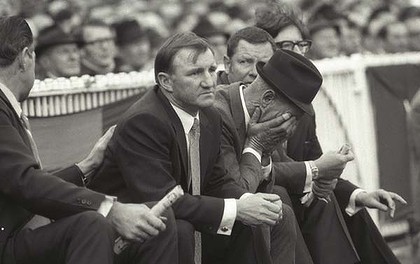
According to the Los Angeles Times yesterday, Danish scientists have debunked the folk-wisdom that a person can become drunk by soaking his or her feet in alcohol. In the spirit of science, three scientists submerged their feet for three hours in a washtub of vodka (I am very curious what the university requisition form must have looked like). At the end of three hours, the stone-cold sober scientists with pickled feet had dispelled “the myth.” Myth remains one of those loosely defined concepts that can be good and evil, in turns. If a falsehood is being disproved, the myth is misguided and wrong. If a deity is being described and worshiped, the myth is the ultimate truth. Perhaps we need a larger vocabulary.

A semester chock-full of mythology is drawing to an end for me. I taught on ancient Near Eastern myths, classical Greek myths, and biblical myths. Placing these religious stories side-by-side brings things into a sharp focus. No matter how funny or strange their results may seem to us, mythographers were people attempting to make sense of their world. Seldom do they get the scientific facts right, but that is not what they seek. In modern minds where the fine-tuning between truth and factual statements has been effaced, a conflict is inevitable. Especially since some fields of inquiry make lots of money (so much that professors can have happy feet) while others scrape by with the dregs of university funding. Aren’t we all climbing the same mountain?

One of the more disturbing aspects of teaching mythology is seeing undergraduates continually confusing mythology and history. This is not fine-tuning, the dial has broken off completely. I am astonished to learn that Heracles and Theseus really rescued (and sometimes violated) damsels in distress. Yet, on the first day of class, before the roster has been read aloud I could smell the alcohol in the air. A semester of dispelling myths lay ahead. “Kristensen [the Danish scientist] said it was important that the myth undergo scientific scrutiny to prevent students wasting their time experimenting with this activity,” according to Thomas Maugh. I wonder if it might not be best to keep the “mythology” alive – undergrads might well benefit from pouring the alcohol into their shoes rather than into their mouths.
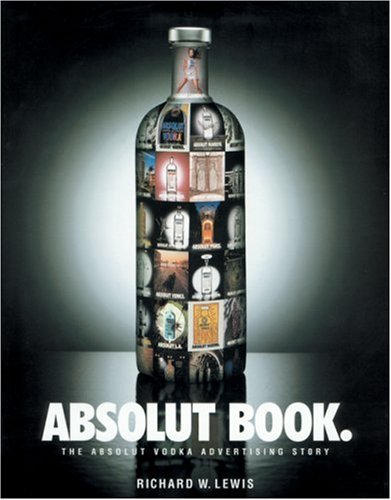
A book undergrads might actually read

Didymus Haunting

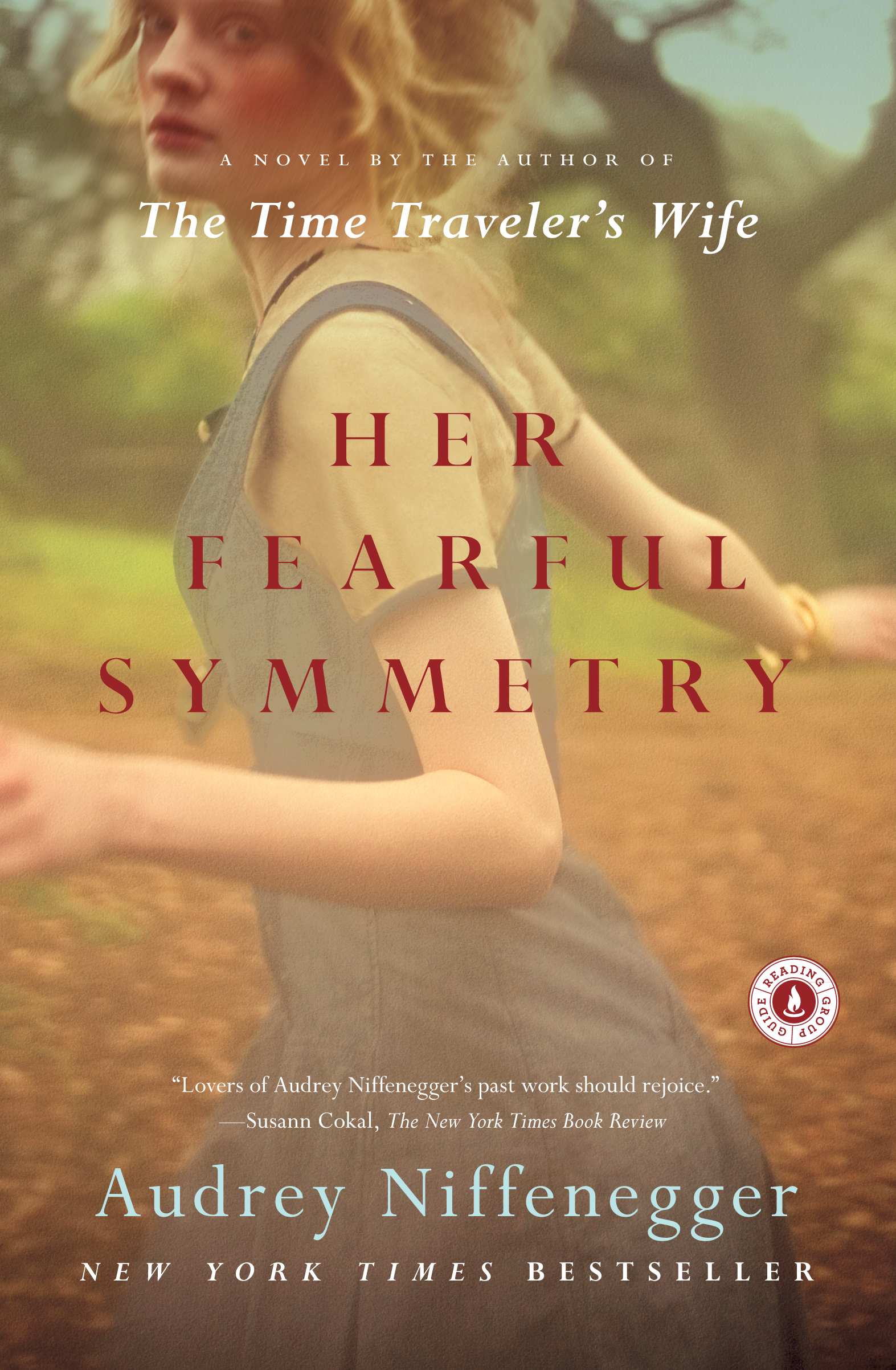
Now that winter is nearly here, the season of reading the autumn books is nearing its end. Each year, in my scant free-time, I seek the perfect book to capture the essence of the dying of the trees, the chill in the air, and the growing length of night. Autumn generates an emotion that is difficult to replicate or even describe. Many people respond by watching spooky movies and those of us old enough to appreciate printed literature turn toward moody books. One of my choices this year was Audrey Niffenegger’s Her Fearful Symmetry. At the constant urging of one of my former Gorgias Press colleagues, I’d read Niffenegger’s The Time Traveler’s Wife this summer. It was well crafted and left me with enough sadness to want to see if this New York Times bestseller might capture the feeling of the season. I was drawn into the book by reviews that mentioned it centered on Highgate Cemetery in London, the scene of a real-life vampire fracas back in the 1970s.

No vampires graced this novel, but ghosts abound. Often Niffenegger’s characters are either wealthy or have managed to obtain fulfilling jobs, features that make them inaccessible to me. Nevertheless, she is able to draw in the supernatural in a way that makes it seem normal and believable. By tingeing her novels with romance she is able to tap into an inexplicably huge readership, but her story development is intriguing even to those who read books with a paranormal slant. It took me a couple hundred pages to really feel much sympathy for many of the characters, but the ghosts eventually take over the story and it becomes very creepy indeed.

For those who’ve ever wondered about the secret lives of twins, Her Fearful Symmetry will provide hours of fascination. The title may be drawn from Blake, but the story is older than Esau and Jacob. The struggle of twins ranges far back in literature and raises questions of what a soul might actually be. Is it possible to share one? What happens when one twin predeceases another? What is the nature of individual identity? Even the Gospels take pains to inform us that Thomas is a twin. I finished the story last night feeling a twinge of autumn, but still hungry. Perhaps it is good that I completed this bedtime reading just in time to get ready for the more Dickensian ghosts of Christmas.


Resurrection From the Crab

My daughter loves cats. We have, however, lived in apartments since having been forced from our four-bedroom house at Nashotah. That means we’ve been at the mercy of various landlords for our choice of allowable animal comfort. Most landlords disallow cats and dogs, so we’ve gone the route of caged or terrarium pets. Birds, reptiles, and arthropods are fascinating but hardly cuddly. All three taxes share the phenomenon of molting, and once out of their artificial environments they are also all difficult to get back in. Our current non-embraceable companions are hermit crabs.

If early Christians had known of hermit crabs, I am sure they would have used them as symbols of the resurrection. (They could have used Baal as well, but that was a non-starter I’m afraid.) Our adventure began in a mall. The salesman told us, in broken English, that they would live two or three years, with proper care. We purchased one and were chagrined when it died shortly after, just when my daughter was hosting her cousin for a week-long visit during the summer. Shocked and tear-stained, we went back to the mall for a replacement crab. Later that week, crab number one (Sparky by name) suddenly reappeared. What we assumed was the corpse of Sparky was only his (or her – I have no idea how to tell) molted exoskeleton. It hung limply out of the shell like a deflated crab, but inside a new incarnation was preparing its epiphany.

This drama has enacted itself many times. This past week Sparky’s companion really died. Since the crabs are not the center of attention during the holiday season, I was the only one with this esoteric knowledge. The pile of legs and vacant shell were a little gruesome, but tucked into the corner of an out-of-the-way aquarium, they attracted no other attention. I resolved to bury the little guy. Today as I prepared to take care of his crustacean cadaver, I was astounded to find him (or her) alive and well and inhabiting a different shell. Resurrection. Our crabs have outlasted their projected livelihoods and are into their sixth year with us. Every time one dies, he (or she) comes back. If they couldn’t use Baal or Adonis, early Christians might well have caught on to the symbolism of the humble hermit crab.

I was dead, but now I am alive


Watchmen Tell Us

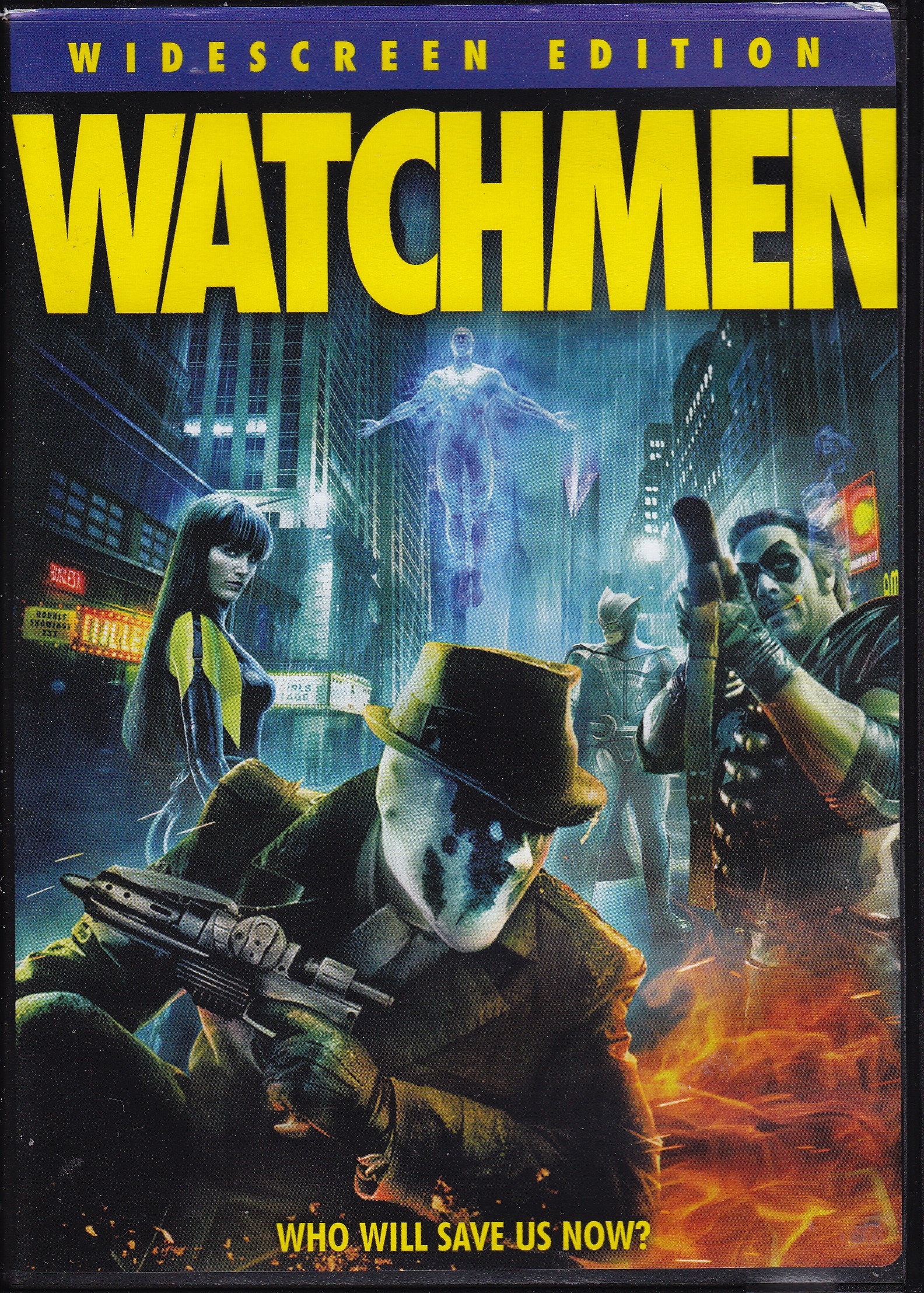
When the local Blockbuster went belly-up a few months back, I was one of the vultures picking the bones. With new DVDs continually creeping up in cost, I look for bargains wherever they might exist. Occasionally I find something for just a couple of dollars that really makes me think. Although I don’t go to theaters often, a couple of years back the previews all featured The Watchmen. I’m not a graphic novel reader either, so it was doubly doubtful that I would ever gravitate to this film. But here it was on sale. Very cheap. The previews had shown Dark Knight-like action and despite my own declarations, I had to admit that I was curious. So I’ve watched it a couple of times and have been intrigued by what an (absentee) role God plays in the movie.

I won’t go into much detail since the story is complex and, to my surprise, sophisticated. Nevertheless, the Watchmen – retired crime-fighters both good and bad – forced out of practice by the government, fear the approach of nuclear war and try to fight back. At several junctures characters declare that there is no God or that they believe there is no God. The setting is an alternate reality in the 1980s, but the crossover between that world and this is evident. Godless heroes may save the day, but with a tremendous human sacrifice required. At first viewing, I was stunned. The message was so bleak and hopeful. The movie could have been made with no mention of God, yet, briefly, his absence was underscored. Strangely, the Bible features in a bedroom scene where a future hero is spending the night with his girlfriend. Why the Bible? Why here?

I would be the first to admit that I do not have the proper background to comprehend the plot. Generally I like to read the book before I see the movie. One of the recurring motifs in the movie version is the doomsday clock that moves dangerously close to atomic war. On top of the Bible is the hero’s watch, ticking inexorably down to midnight. Even I can figure out that the countdown to doomsday is based on the Bible. What the import of this is, however, I can only guess. What kind of world has no God but still has Bibles? A world where Watchmen aren’t wanted and yet are sorely needed. Who will save us now?


Erector Set Religion

When you think of robots, the first personality type to come to mind isn’t generally the religious sort. Engineers and mechanical wizards, those who understand electronics and pneumatics, computer programmers – they are the masters of the robotic world. Yes, I’ve been to meetings of robotics parents where mention of my ill-fated career is a conversation stopper. I can nearly hear the gears inside the heads of engineers when I tell them I am a former religion professor. They are trying to formulate a logical response, I always suppose, but I know that one does not exist. What more humanistic enterprise might there be than robotics? Humans making creatures in their own image, or in the image of entities stranger than anything found on Noah’s ark, intended for functions too difficult or too unpleasant for their human masters? The triumph of rational thought!

Yesterday I attended a regional middle school FIRST Robotics competition. These events always generate an enthusiasm that belies our national attitude toward the intelligent. (Americans have always distrusted those who think too much.) I feel a little out of my league. Actually, I feel like a T-ball second-stringer up to bat in the World Series. These kids (and adults) are smart. I may be president of a club, but I can’t even find a job, so I know the score before I go in. But the cars tell the true story. In a parking lot full of competitors I always notice how present God seems to be. The license plate right across from us read “HEISLRD” – registration-speak for “He is Lord,” and we all know who He is. A couple cars down a bumper sticker shouted “God rules.” Under these strictures, even a robot that I construct might have a chance. Inside, well-wishers often conclude with “God bless.” And yet they create godless, mechanical beings.

I sometimes wonder what the god of the robots must be like. A cross between Alan Turing and Eli Whitney, I suppose, only a bit more angular. A Transformer-like super being who can run even without a rechargeable battery and can wander far from the electronic grid. One who can be born without the messy organic compounds that make up biological life. The miracles this god creates would be perpetual motion, pristine lubrication, and the ability to heal computer viruses without the assistance of a programmer. Pure artificial intelligence. As I kneel, in my mind, before this non-organic, unfeeling deity of absolute rationality, I take comfort in knowing that we have become the old gods who breathed the first life into these creations and have stepped back to let them rule.

They look innocent enough

By the way, if you are purchasing anything online from Barnes and Noble between December 12 and 17, use Bookfair ID 10378297 and my robotics team will get a teeny-tiny cut of the profits. I plan to purchase a new edition of I, Robot.


I Can’t Ear You

I bought a box of Q-tips in the store the other day. I noticed that the package shows humans using the cotton swabs in a variety of ways: around the eyes, nose, eyebrows, even on a computer keyboard. Everywhere but an ear. The suggestive shape of the Q-tip, as well as the received wisdom of everything from the South African name “ear buds” to Mad magazine, indicates that they were invented for ears. We all share that somewhat unsavory habit of forming earwax, and doctors warn that using cotton swabs may impact the matter and lead to complications of hearing. Q-tips (originally “Baby Gays” – check out the Q-tips website) are no longer for ears. In the back of my mind I supposed that it was because of lawyers. All it takes is one litigious sophomore and companies run to their attorneys to show that the faulty application wasn’t their suggestion.

Laws run our lives. One of the most famous, but by no means the first, law-givers was Moses. I’m pretty sure Moses didn’t say anything about what to stick in your ears, but he did lay down the laws that Neo-Cons still argue should govern our lives just like the Quran governs the laws of Iran. The laws of the Torah, however, were only meant for the Israelites. Nevertheless, laws have become means of growing wealthy. If we can prove on a technicality that my dumb mistake was somebody else’s fault, why not have that person (or better yet, company) sued to within a millimeter of their lives claiming “damages”? The law has become a means to protect the special interests of those in power. As someone who has tried scrupulously to keep the law my entire life, I sometimes find that old Moses seems to have turned against me.

Laws are meant to protect the rights of people. When did laws shift to becoming instruments of entrapment and means of income? Just before leaving Wisconsin I was driving my family home from a movie. We were talking and laughing when I came to a speed-trap area of my local town where the speed limit drops from 45 to 25 m.p.h. within a matter of inches. Religiously I always complied. Today, in the spirit of the moment, I neglected my usual caution and was pulled over. A policeman young enough to be my son lectured me on unsafe driving (I began driving when he was still wearing diapers, and I had never been given a ticket before because I am not a speeder) before issuing me a citation. My wife couldn’t believe it – she knows that I never speed. One of my last memories of Wisconsin is being unfairly targeted by a law devised to bring money to the local police force. It has nothing to do with safety, since there were no houses or buildings for several hundred yards yet after the slow-down zone. Has the law come to free us or oppress us? Lawyers watch our backs, and law-makers watch their wallets. I want to ask Moses, but I’m afraid I won’t hear him. I seem to have a cotton swab stuck in my ear.

Lead us not into temptation...


The Bells

No matter how naïve I find myself, reading student papers always rings bells. They may be alarm bells of my own obsolescence or the tintinnabulation of a new era dawning. Either way, they scare me. Having spent many, many days concentrating on reading papers to the detriment of daily life, I have been submerged into a world that is foreign to me. Yes, I am used to students texting in class, and I know when their laptops are open for “taking notes” that university wi-fi networks are freely available for surfing the net. I know they are only paying half-attention. I may be old, but I’m not completely stupid. Well, not all students do this, but the practice is ubiquitous enough to be considered normative. Their world is a realm of electronic information. The old ways are passing.

I recently learned that footnoting is dead. Already-in-the-tomb-four-days dead. An art that my mediocre high school drilled into every student in English class is no longer even remembered. I even had good students report to me that the campus writing center housed no one who even ever used the Chicago Manual of Style, although some of them had heard of it. In mythology class, any book is referred to as a “novel” or “story” with no regard paid to its actual genre. For those weaned on electronic reading, the old distinctions no longer apply. The Internet is full of information, and many young people can’t discern the wheat from the chaff. Raise your hand if you know what “chaff” is. I didn’t think so.

Seeing all of this in the context of a mythology course is fascinating. Many students refer to the days when gods and monsters actually existed. It is as if the Creationists have won without a struggle. The concept of religion, as reflected in the fiction of mythology, no longer fits the paradigm. Reality is electronic, and paper is fiction. Bells, bells, bells, bells, bells, bells, bells! At least as I get shelved with dusty books, I will be in a familiar environment with gods, monsters, and dinosaurs. This is the world I was born into and which will not long survive the passing of my generation.


Hunting Vampires

The Mercer Museum in Doylestown, Pennsylvania is a treasure trove of Americana from the turn of the last century. Henry Chapman Mercer, in addition to being wealthy, had the foresight to realize that society was rapidly changing, even back then. He undertook the collection of everyday artifacts from many human industries, poured himself another castle-like concrete building, and housed the baubles there. It is a fascinating walk through nineteenth-century America. And if you visit on a cold day it feels as well as looks like Currier and Ives have just passed through. My main draw, however, was a vampire hunting kit.

If only I had a polaroid lens...

Prominently displayed, the kit includes a Victorian Protestant’s tool chest for any blood-sucking eventuality. A cross (sans corpus), a pistol with “silver” bullets, glass vials with various apotropaic ingredients, even a little stake, all in custom-cut green velvet. Unfortunately, the kit is believed to be a forgery, although the items in it are from the Victorian era. The silver bullets are, for example, pewter. As the placard notes, vampires do not exist, but that doesn’t mean people didn’t believe they might have existed. The museum, naturally enough, hoped that the Victorian era kit might be authentic. Scientific analysis has revealed otherwise despite the fact that many people continue to believe in something that has no basis in reality.

Belief constitutes reality. Otherwise, how could it be that thousands, if not millions, of people don’t accept the fact of global warming? Brash barons of unhindered industrial progress insist that humans can’t harm the planet – it’s just too big. We can suck out all the resources that billions of years have deposited in intricate recesses and that nature has sprouted right on the surface. For, they say, God has given them to us. They believe that. If we held a mirror up to them, what would we see? Maybe we would be forced to change our minds and go after that vampire-hunting kit after all.


Holy Horror

Back in October, in the spirit of the season, I attended a local lecture by a ghost hunter at a nearby public library. This sincere young man struck me as perfectly normal, but haunted by his ghostly encounters. During the question session someone asked about TAPS (The Atlantic Paranormal Society, of “Ghost Hunters” fame). The lecturer indicated that TAPS is not above fabricating evidence for ratings, a disappointing but not unexpected factor when it comes to television. He even gave some evidence to back his assertions. Nevertheless, my wife’s whimsical six-month subscription to the TAPS Paramagazine has continued on well past its expiration date, and when the November/December issue arrived, I was interested to see a piece entitled “Sacramental Horror: What scary stories can tell us about what is real.” Well, this was too good to pass up.

The article, written by Presbyterian minister Jonathan Weyer, discusses the value of horror films. The juxtaposition of a clergyman and horror films is a little unexpected, but believable. After all, many horror films feature religious ideals clothed in monstrous form. Dividing horror films into Uncanny/Unsettling horror, gross-out horror, and torture porn, Weyer goes on to explain how uncanny or unsettling horror underscores the moral order of the universe and is therefore appropriate for Christian contemplation. He even draws the Nicene Creed into it. Gross-out horror serves the function of making the viewer contemplate death and perhaps even helps to make fun of it. This is a less noble, but still acceptable Christian enterprise. Torture porn, on the other hand, simply has no redeeming value. Sacramental horror really didn’t enter the discussion. Douglas Cowan’s Sacred Terror takes this issue on more directly.

I really don’t expect much insight from a fanzine that treats the reality of fairies and the prognostications of tarot cards next to the genuinely mysterious, such as ghosts. Finding morality in horror films is often a matter of eisegesis. The fear in such films often emerges from the sacred, either in pure or distorted form. Even if “the pure of heart or, often the virgin” survives while “Wrongdoers get put to the axe,” as Weyer states, seldom is that the intended point of the movie. John Carpenter denies that there was a moralizing message in his Halloween, often cited as the movie that established the “good girl survives” motif. The fact is that horror relates to the sacred in the element of fear. If people were not afraid, there would be little for religion or horror movies to accomplish.


Thanksgiving Day

This post is an excerpt from my unpublished book for young readers giving the history of American holidays:

When you think of Thanksgiving you may see visions of a big turkey dinner and a four-day weekend. If you’re like me (I hope not!) you probably think that ever since the first Thanksgiving dinner in 1621, Americans have had a big November feast every year since. This popular cozy image may be heartwarming, but it is wrong. Thanksgiving in history is a custom that goes back to the Puritan settlers. Puritans came to America so that they could practice their religion freely. They were religious people (not a great sense of humor); things had been pretty tough for them – crossing the stormy Atlantic in small ships, not knowing what to expect when they arrived, lots of people dying on the way – not an easy thing to do! Once they got here, there were no grocery stores and they hadn’t planted crops earlier in the year, they didn’t even know what would grow here. Many didn’t survive, they weren’t America-tolerant you might say.

What we think of as the first Thanksgiving involved English colonists (Pilgrims) in the Massachusetts Bay Colony and the Wampanoag tribe of Native Americans. One of the Wampanoag, Squanto, served as an interpreter – pretty big of him, considering he’d learned English from being a slave. He taught the settlers how to grow corn, which was unknown in Europe. (What the English called “corn” is what we call “wheat.” The more correct word for what we call “corn” is “maize.”) Squanto also taught the Pilgrims how to catch eels to eat – maybe he found a way to pay them back after all! The first Thanksgiving meal in 1621 followed the Pilgrims’ first successful harvest. They ate deer and some wild birds – enter the turkey! – along with their crops.

You see, both the Wampanoag and the English had traditional harvest festivals – many peoples do. “Thanksgiving,” however, has to do with, well, giving thanks. Did I mention that the Pilgrims were religious? They believed that God had successfully brought them here, so they thanked God. Not every early harvest was so great. In a bad year they had a day of mourning rather than a Thanksgiving feast. Some historians place the first “Thanksgiving” in 1923. The Pilgrims had experienced a drought. Frantically they prayed for rain, and, Flanders-like, it came. So they held a Thanksgiving. These Massachusetts Puritans held Thanksgivings in church rather than around a banquet table. For them, these irregular days of giving thanks marked the survival of difficult times, not fancy food. So they held occasional Thanksgivings, not watching football after a big meal, but praying in church. By the middle of the 1600s settlers began to have a harvest-day Thanksgiving pretty much every year, but not always on the same day. They had not set a specific date to give thanks and feast.

Puritans, you must realize, gave thanks at the proverbial drop of a buckled hat. They prayed before meals as a regular practice – something many families continue to do. To set aside a day for special prayers, like Thanksgiving, was as natural for them as women wearing bonnets. The practice of having an annual (yearly) day of giving thanks got underway in Massachusetts around 1630. Other colonies joined in, but not always at the same time. Remember, harvests come at different times in different places.

[See Full Essays for the rest of the story.]


Towing Jehovah

Back before my blogging days began, one of my relatives was reading a book entitled Towing Jehovah by James Morrow. Given my field of study, I was intrigued by the title, made a note of it, and got on with my life. I was reminded of the story when reading a book on religion in popular culture, so it seemed the time was right to pick it up and see what it was about. First of all, it is a work of fiction, so nobody should get too upset. The premise is that God has died and his corporeal body has to be given a proper burial. Since the corpse is huge and since it has fallen into the ocean, a washed-up oil tanker captain is selected by the angels, who are dying out of empathy, to tow the body to its final resting place. Herein lies the tale.

The book won a World Fantasy Award, and is generally an engaging story. Any lifelong student of religion will naturally find bits to quibble with, but the fantasy author’s heart wants what the fantasy author’s heart wants. The question the book raised in my mind was whether it really said much about religion at all. Sure, there are several great one-liners and quirky observations about how the established religions might react to the death of God, but the book itself intimates that humanity does fine without a God, but it required a God to get it started. It is the story of humankind growing up. When I finished the book, however, I was left with the impression that religion is developed here in spite of God.

God, being dead, is a strangely silent character in the book. Western religions have taught us to suppose God is active, and very vocal. Just tune in any televangelist. In Towing Jehovah, God has become an idol, a prime mover that became the main event. It is a provocative yet somehow respectful treatment of God as an idea. James Morrow is often categorized as a secular humanist, yet his book tows God into the consciousness of a world that already largely ignores the divine. In this sense it remains a paradox. No matter what people say, God just doesn’t go away. The reader, cast adrift, like the corpus dei in the novel, keeps bumping back into God. The concept, once born, will live as long as human consciousness survives.


The Good (Face)Book

One of the funnier books I’ve enjoyed has been Sarah Schmelling’s Ophelia Joined the Group Maidens Who Don’t Float: Classic Lit Signs on to Facebook. Its unwieldy title as well as the temporary nature of the subject ensure that this book isn’t destined to be a literary classic, but it is a nuanced and subtle treatment of the Facebook phenomenon. (My daughter found it on the bargain table at Borders, and it cost us less than two dollars.) Schmelling presents the Facebook pages of famous, departed authors, often with hilarious results. For some time I regarded YouTube, Twitter, and Facebook as passing fads, but now I’m beginning to wonder if we’ve become so connected that shutting down the networks would be tantamount to pulling the plug on the respirator. We live to be connected. Humans are social animals, and yet many of us find ourselves isolated and alienated, living apart from family and those who were significant to us in times past. It’s the Internet to the rescue.

My wife pointed out an article on CNN entitled “The theology of Facebook, an online ‘altar’” by Omar L. Gallaga. Gallaga explores the concept that Facebook is now being taken as a spiritual venue by many. Quotes from the Bible or self-righteous, self-congratulatory religious sentiments are very commonly posted. So much so, Gallaga suggests, that some clergy worry about their jobs. Facebook has developed its own “spirituality” quite apart from anything its creator may have imagined. Facebook is evolving. I joined Facebook last year, but I limit my involvement to mostly watching others. Rather like I did as a kid on the school playground.

Is there balm in Gilead? In rereading Brave New World I am reminded of the insidious nature of soma, the feel-good drug. I’ve been to churches like that. Like Bernard Marx I left feeling empty. In Facebook-world it feels the same to me. We are communal creatures by evolution, but we want to talk about our troubles more than we want to listen. We are seeking that mythical, homeopathic cure to the ills our society creates: lack of prosperity (except for the Prosperity Gospel crowd, of course), joblessness, despair. Misery loves company and Facebook loves company. It is like the confessional without the absolution. Gallaga may be right; maybe Facebook has become a religious institution for some. If Facebook had come along a little earlier there would be no lost years of Jesus for us to ponder. We would know through his posts and tweets, exactly what it was like to be the son of God.


Hallowed Be Thy Game

I don’t follow sports. At all. This may seem an unmanly confession, but I think of it as more a silent protest against a society that pays excessive bonuses to people who play for a living. It’s not that I have anything against physical fitness – I still jog regularly and have been known to rattle the free-weights around a time or two – it’s simply the recognition that the more difficult achievements, intellectual achievements, are undervalued. Not that I make any claims of being an intellectual – I have no time for those who tout Ph.D.s like intellectual currency – but I see things from a different angle. Usually when I reach the sports section, I simply flip over the whole wad of pages to get onto what’s next. Today, however, a front-page sporty headline caught my attention, “‘God Can Turn Mistakes Into Miracles’ is the message Michael Vick sent out…” I confess, I don’t know who Michael Vick is. But he knows what God can do in some sports venue.

I grew up with God. The information I was given was that those who devote the majority of their time and attention to God will receive their reward. Not always in money, despite what the Prosperity Gospelers bray, but at least in kind. Being the kind of person who likes to follow things through to their logical conclusions, I ended up with an appropriately named “terminal degree” in religious studies. The prosperity came in the satisfaction that I could teach others for a reasonable, if low-end, salary and continue my goal of deeper understanding. Then Prosperity Gospelers took over the seminary and those of us without material cache were kindly kicked out. I was jogging between seven and nine miles a day, looking for answers.

The headlines this year have included tragic college sports-related injuries, one of the more dramatic from my own part-time home of Rutgers. Immediately medics rush to the field and prompt, professional medical care is given. I am covered by no medical plan. Many athletes take my classes, and they can count on the good graces of God and university officials to take care of them. In my opinion they are just as capable of learning as any other students, but the incentives just aren’t there. Why earn a degree in a field that will plant you on your backside all day for minimum returns when you can perform miracles in the athletic world for more money than the average citizen can even imagine? If God can turn mistakes into miracles, perhaps this misspent life of religious studies can turn into a lucrative position after all.

Miracle or mistake?


New York Sinning

Men’s Health, a magazine I’ve never read, is making a foray into spirituality. Or at least religiosity. According to an article in the Friday New Jersey Star-Ledger, the magazine noted for its washboard abs and iron biceps is poised to claim New York City among the least devout cities in the country. Even lower on the scale are New Jersey’s own Newark and Jersey City. Quite apart from wondering what a magazine whose cover frequently involves suggestions on how to improve your sex life has to do with religious devotion, the criteria for this assessment also give pause. According to the article, a city’s saintliness is measured by the per capita number of worship venues, the diversity of religious groups in the city, and the amount collected in donations. Interesting criteria.

I’ve spent enough time in New York to know it is hardly Heaven – still it is one of my favorite venues – but that it is hardly Gomorrah’s brute step-brother either. Per capita places of worship as a measure of spirituality overlooks size of venue and number of services. A Midwestern town with a dozen churches, each with a dozen members and with one service a week scores ahead on such a scale against a city with more than 2000 churches, 1000 synagogues and 100 mosques, many with multiple congregations. Diversity of religious groups? Surely New York and New Jersey must come out in front on that! I’ve been to Europe, and even Israel, and there are days when I’d swear New Jersey has a higher percentage of ethnic groups than any similar-sized region I’ve experienced.

My main concern, however, is with the amount of donations criteria. “Where your treasure is, there your heart will be also,” a famous guy once said. Was the treasure monetary? Precisely the opposite seems to have been the point. True, money today is often a measure of value, but it is not the only such measure. In fact, the same guy who made that statement once said a poor woman’s two cents were worth more than the lucrative eternal investment of the wealthy. I don’t doubt that New York, Newark, and Jersey City have their share of innovative sins. Their citizens, however, are just about as religious as people are anywhere. In my opinion the trouble is not in the souls of the masses, but in the design of the assessment. But with pecs like that, what does it really matter?

A God's eye view of Sin City


Plumbing the Depths of the Universe

Lasting summer I helped a friend unclog his sewer line (the mark of a true friend). That episode readily released me from a lifelong fear of plumbing, and when our kitchen sink leak got to me shortly after, I took courage and fixed it. Now, a year later, it looks like a seal has gone bad. With stagnant water dripping on my face, cantilevered under a pot-bellied sink, I discovered that plumbers have their little trade secrets. Trying to loosen in intake line nut with a standard vice-grip set of pliers, removing skin from my knuckles while at an unbecoming angle for a man my age, I felt like Bill Bixby turning into the incredible Hulk. I knew I had to make the long drive to New Brunswick to get my Rutgers campus mail after this, and I was getting nowhere with the nut. Traffic in New Jersey is relentless, and it looked like my entire day was shot when I noted there was a Scarlet Knight football game today, and I have to drive right by the stadium where the millionaire football coach prevents guys like me from being hired. So there, head under the sink, fuming with rage, I had an epiphany.

Reality, as we are taught in our rational educational systems, can be explained by reason. Certainly the fact that I’m typing this post on a highly sophisticated computer to upload to a god-like Internet, demonstrates that reason works. Bit by bit, piece by piece, scientists figure out how our world works. And yet, many scientists also ascribe to religious beliefs. Explaining religion will need to await another post, but it is fair to state that religion is generally something that effects the emotions. We tend to accept religion with our feelings rather than trying to wrench it in with reason. With my face dripping with runoff, I wondered, what if there are two separate realities?

Ockham’s razor may apply here, but I don’t shave. What if reality consists of a non-rational, emotional universe as well as a simultaneous, empirically explainable one? What if we are leading dual lives straddling two different forms of reality? That doesn’t make any one religion true, but it might explain why we haven’t been able to explain emotion. Psychologists like to trace it back to “fight or flight” functions from our reptilian brains, but the emotion we experience often seems more intense than that. Emotion may drive a highly rational human being to completely nonsensical behavior. Perhaps we are participating in a universe that requires a two-pronged approach. Perhaps rationality is only half the picture. As I prepare to stick my head back under the sink again, I realize what plumbers must have long known – some things, such as under-sink arrangements, simply can’t be explained by reason alone.