Get Me Jesus on the Line

The letter is the greatest casualty of the internet. I sometimes obsess about how little time people put into their emails, often coming across as gruff or short. I always start mine with a greeting and end them with a closing followed by my name. Of course, I’m from an older generation where communication was initiated with respect. Getting an actual letter is now, however, occasion for great wonder. A friend recently mailed me a couple of fascinating articles from the Prescott Journal, a Wisconsin newspaper. Dated to 1868, the articles actually post-date Nashotah House, but still count as when Wisconsin was rather more pioneer than Pioneer territory. Both articles involve what might be termed “scams” today. Newspapers in the nineteenth century were notorious for sometimes perpetrating hoaxes, and at other times falling victim to them. Still, as the only sources we have for some of these delightful tales, it is difficult to check them out beyond the fact of noting that the amazing stories have been subsequently forgotten.

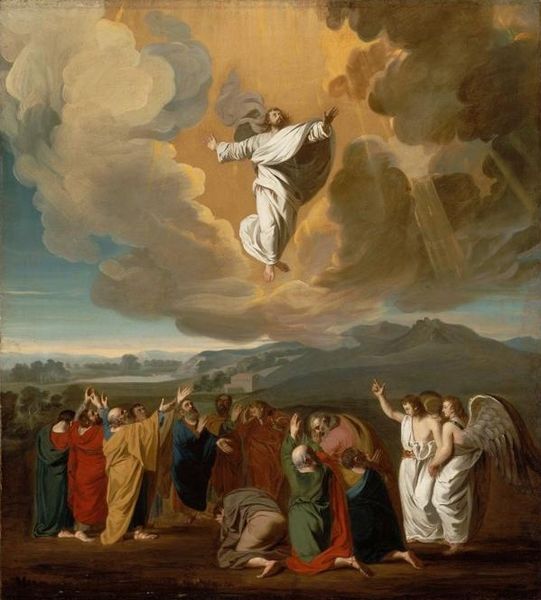
One of the stories was wired in from San Francisco, the article claims. A certain F. Wilson was applying for copyright on a letter he acquired near Iconium, written by Jesus. As my friend noted in her letter, this is perhaps the earliest case of a rock inscribed “turn me over,” promising some kind of reward. Wilson claimed to have found, under a large (implied) rock, a letter written by Jesus. The rock could not be turned, despite reading “Blessed is he that shall turn me over,” even by a group of men. Then, according to folkloristic protocol, a small child turned it unaided. The letter underneath, although written by Jesus, was signed by the angel Gabriel. The letter contained the ten commandments, a note from Jesus answering a missive from King Abrus, an account of Jesus’ miracles, and a description of his person. The story doesn’t tell if the copyright application was successful.

Newspapers were a form of entertainment a couple of centuries ago. Of course, some four decades earlier than this story Joseph Smith had claimed to have found documents to which he was led by the angel Moroni. He published them and, although lynched some 24 years earlier, had nevertheless done pretty well for himself, as his followers would continue to do. Why not cash in on the new religion craze? After all, this was California, and even in the woods of Wisconsin some religious zealots had started an institution that would grow strong enough to displace dreams and livelihoods. What struck me most reading this story was just how little things have changed. Outlandish religious claims are still credulously accepted by the gullible. And the web encompasses the entire world. This story though, must be true, because it came to me in that most magical of forms—an actual letter.
"Don't forget to look for my letter!"

“Don’t forget to look for my letter!”


Star Struck

One of the coveted symbols of approval in my childhood was the star at the top of a paper. I watched in amazement (perhaps because they were so rare) when a teacher would inscribe a star without lifting her pencil from the paper. I thought I had never seen anything so perfectly formed. Of course, in my teenage years under the influence of Jack T. Chick and his ilk, I learned that the five-pointed star, especially in a circle, and more especially upside-down in a circle, was a satanic symbol. My childhood achievements had been, apparently, a demonic blunder. This fear of geometry still persists in America, as a story of a woman in Tennessee fighting to have “pentagrams” removed from school buses shows. The woman, who has received death threats and therefor remains anonymous, took a picture of the offending LEDs and has asked, out of religious fairness, to have the satanic symbols removed from the bus. The news reports are almost as tragi-comic as the complaint.

600px-Hugieia-pentagram

The pentagram, or pentacle, has a long history, some suggest going back to the Mesopotamians. (Uh-oh! We know how they loved their magic!) In fact, the symbol was benign in religious terms until it was adopted by Christians as symbolic of the “five wounds” (zounds!) of Christ. The symbol could also be used for virtue or other wholesome meanings. The development of Wicca began in earnest only last century, although it has earlier roots. Some late Medieval occultists saw the star as a magic symbol, and the inverted pentagram was first called a symbol of “evil” in the late 1800s. As a newish religion seeking symbols to represent its virtues, Wicca adopted the pentagram and some conservative Christian groups began to argue it was satanic, representing a goat head. (The capital A represents an ox head, so there may be something to this goat. I’m not sure why goats are evil, however.) Wicca, however, is not Satanism, and is certainly not wicked.

Symbols, it is sometimes difficult to remember, have no inherent meaning. Crosses may be seen in some telephone poles and in any architectural feature that requires right angles. The swastika was a sacred symbol among various Indian religions, long before being usurped by the Nazis. And the pentagram was claimed by various religions, including Christianity, long before it was declared dangerous by some Christian groups. There may be a coven in Tennessee seeking to covert children by designing and installing taillights of school buses, but I rather doubt it. School children feel about their buses as I feel about mine on a long commute to work each day. A kind of necessary evil. The truly satanic part, I suspect just about every day, is the commute itself. There must be easier ways to win converts.


Skynet

DSCN5012

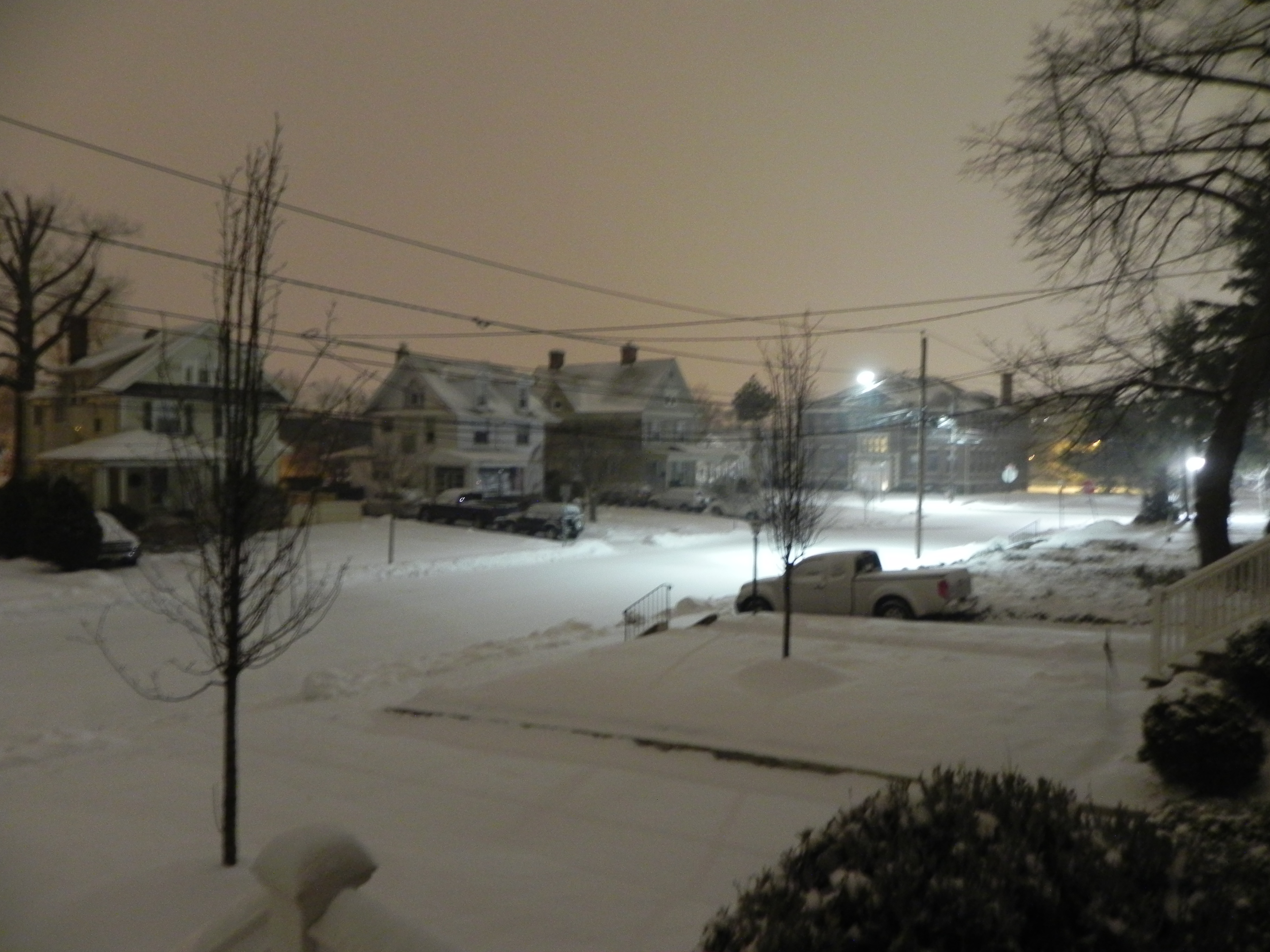
Of cultural innovations, none rivals the internet. Engulfing the world in its wide web, the constant availability of signal has changed everything. In the past five years, civilization has become something that it was not. Take today’s northeast blizzard, for example. Apocalyptic meteorologists (are there any other kind?) are sincerely telling the camera that nothing like this has been seen in recorded history. Meanwhile, my wife’s company sends a Honeywell alert to our phone saying the offices will likely be closed, and please make arrangements to work from home. The snow day is dead. One of the simple joys of life, that delightful naughtiness of playing hooky, is now extinct. Work knows where you are at all times. You are being watched. Sound paranoid? I have known people who had firsthand knowledge of employers following them on Facebook to make sure they didn’t say anything that might make the company look bad. The world is not the same one into which I was born.

Screen Shot 2015-01-26 at 7.55.18 AM

I happened upon a web page the other day advertising for an Advanced Assistant Professor in Digital Shakespeare Studies. A poem by any other name we would tweet. So we have become part of this collective mind known as www dot. The internet is aware that it is still snowing, but only in an academic sense, since it’s not going anywhere. The internet has never had a three-and-a-half hour commute home because of an accident on a single highway in New Jersey. Oh, and don’t forget to check your work email when you get home. We may have sometime more for you to do once you’ve clocked out. Maybe I should see what my social network is up to.

Screen Shot 2015-01-25 at 7.20.01 AM

LinkedIn, Facebook, Twitter, Google +—they all suggest people that I might know. Someone I might rate, or like. The internet, after all, knows which of its myriad sites I’ve viewed, whom I’ve emailed, and what I’ve purchased. The ads from those companies show up on every website I visit from now on, world without end. ThinkGeek emails me every day. My new best friend. Google + is the more intellectual Facebook, I’m told. Whenever I log on, it tells me with whom I might want to connect. Just now Newt Gingrich showed up in my list. Should I add him to my circles? Or should I just venture out into this blizzard and hope I make it to New York City alive? To me, it seems, the odds are equally good in either case.


Seeing I

One of my few Twitter followers (stawiggins) suggested that I watch Dr. Ken Hayworth on YouTube. Specifically, Part 3: If we can build a brain, what is the future of I?, hosted by Galactic Public Archives. It is well worth 9 minutes of your time. Trying to figure out consciousness has been a major preoccupation of mine for some years. I don’t have the tools of neuroscience, but I do have over half a century of coming to know this “I” that constantly seems to wake up in this same body and experience all its woes and occasional joys. Hayworth suggests that the self is a model projected by our brains to help us make decisions and to plan for the future. In a fascinating thought experiment, he notes that if a duplicate self were made, we (or I) should not object to being executed since there is an exact copy now. Hayworth notes, however, that any individual will object because we are “designed” to think this way about ourselves. Designed, I wonder, by whom? I suspect Hayworth means evolution designed us that way, but evolution is non-teleological, and, I suspect, not really reificatory. Evolution is merely a process.

Perhaps the horns here are only those of a semantic dilemma, but I feel not. Hayworth goes on to discuss how instinct works to continue this illusion of self. I’ve never found instinct a very believable concept. We use it when we want to deny consciousness to animals and very young children. Since they can’t have a concept of “I” they have to have “instinct” to preserve themselves. Logically, to me, this seems to be fudging. What is instinct? Is it really any different than admitting at some micro-level, animals have consciousness? To me it seems that consciousness is one of those “turtles all the way down” kinds of propositions. To be alive is to be conscious at some level. Be careful how far down you dig here.

DSCN2021

Hayworth then goes on to what sounds like an almost biblical conclusion. Ethics insists that humans are part of a whole. (A very diseased whole, as the imbalance in society forces us to conclude, but a whole nevertheless.) To kill one is to violate the consciousness of the whole. This concept seems sound, and I would suggest that it might benefit from expansion. Why stop at the human level? We are animals. Animals are conscious. Here we are back at the turtles again. Perhaps we have expended too much energy trying to parse self from soul from mind from consciousness. Perhaps we are all part of a large collective consciousness. If so, we got some very sick units near the top. Any organic being that insists only one percent needs to be kept in perpetual plutocratic indigence while billions of others wonder how long they will survive at this payscale in this economy, or, more realistically, act as slaves to that one percent, is a sick beast indeed. If consciousness is collective, we could all use a massive shrink.


PTSD

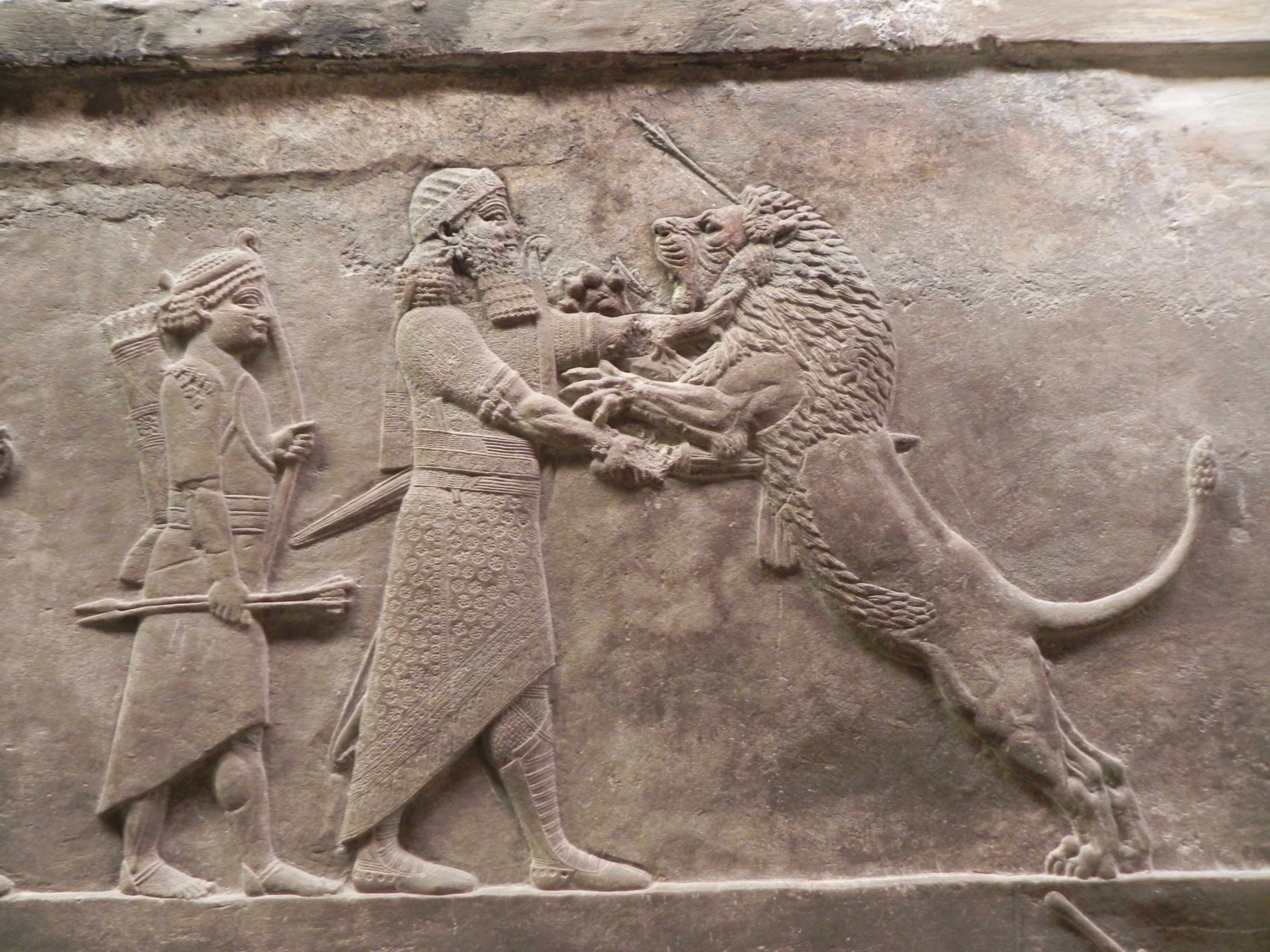
In a recent post on BBC Health, James Gallagher discusses ancient Assyria. What can ancient Assyria have to say about modern health, beyond the occasional liver model used in haruspicy? Post-Traumatic Stress Disorder, of course. As Gallagher notes in his article, PTSD was diagnosed after the Vietnam War. That doesn’t mean it wasn’t in existence long before then. In fact, it stands to reason that if people experience it now, they likely experienced it during traumatic events then. War is among the most horrific and tragic activities in which humanity engages. Men, in the days of Assyria, sent to kill other men in the hundreds, and thousands, could not have walked away from the battlefield unchanged. There are those who seem not to suffer, but the majority of us know that, no matter how just the cause, it is simply wrong to kill others. On a massive scale it can only be worse.

Trauma

Trauma

Multiple stresses, I would contend, go undiagnosed. I have known those who’ve experienced significant loss—a job, for example, in an economy that makes future prospects dim—who begin showing the same kinds of symptoms. They are, of course, not diagnosed with PTSD, but are simply told to either buck up or go see a shrink. “Pull up your socks,” as they say in the UK. I wonder, though, if it is that simple. People throughout history have been capable of inflicting great stress on one another. Sometimes it becomes so normal that we don’t even recognize it. The forcing of loss and resultant terror of future deprivation is a daily affair. The civilization we’ve been is so complex almost to demand this kind of horror. We may not be sent to the battlefield to kill others, but we are daily faced with situations that cause us great pain, often for prolonged periods. And we wonder why people aren’t satisfied.

Please don’t misunderstand me. I have no doubt that the level of stress faced by those who survive war is severe. I don’t make light of it. Being a pacifist, I do believe there is a solution to war that involves education instead of fighting, but I don’t in any way suggest that those who suffer aren’t suffering in reality. They are. Sometimes they can no longer function in society. We institutionalize, cut funds, then send them out on the streets. This is nothing new. As Gallagher points out, soldiers in antiquity weren’t professionals. All healthy men, apart from the one-percenters of the day, served in armies on a rotating basis. One thing, however, has not changed over the millennia. War today remains as unnecessary as it was then. If we could turn our attention to improving the lot of the 99 lost sheep, the one already found might, to its surprise, be much better off if all were accorded ample care.


Poet Tree

Perspective often determines reality. Among those animals that can potentially live what seems to us a long time, humans measure centuries and millennia, looking for evidence of progress. An article reviewing Rachel Sussman’s The Oldest Living Things in the World, on a recent New York Times page, suggests reassessment might be helpful. When it comes to longevity, plants tend to have the advantage over animals. Although the Times article is only a sampling, here we find fungi and plants that have survived for thousands of years. Sometimes as collectives, sometimes as individuals, trees especially have proven themselves to be particularly vital. I was reminded of this as we recently went through the annual ritual of taking down the Christmas tree. We have, since returning to the United States after my doctoral program, visited tree farms where we select a still-living tree each December. Although they are grown to die, the Christmas tree becomes very poignant as it stands naked, ready to be dragged outside and dumped on the curb. The anticipation, the joy involved in welcoming it as a new member of the household, seems lost in the grayness of January. We have killed and now we abandon.

The Christmas tree is, of course, symbolic. Predating Christian solstice remembrances, the evergreen ironically reminds us that life has not ceased, despite the cold and snow. This particular tree has paid the ultimate price to bring another species joy for a few weeks. Can we so heartlessly throw it away? Of course, the community mulches the trees to give new growth to future generations, so there is a kind of sad resurrection here. Life dwells deeply with trees. Some of those highlighted by Sussman have survived since the Sumerians first learned to write on clay, to this very day. Some have survived even 8,000 years.

DSCN0869

Life is tenacious. Our tree by the curb still looks green and healthy to me. It has given life to a holiday season that always seems too brief, with its carefree days and sense of togetherness. We now have another year to survive until we might take a few days and ponder if there is indeed more to life than work. Without moving from its spot, simply being grounded in the earth that brought it forth, a tree can survive millennia as human civilization emerges with its frenetic madness and insistence that there is so much more to do and earn. I do wonder, however, if perhaps our long-lived forest dwelling companions might have some deeper wisdom for us. We can be born, grow old, and die in the shadow of a tree that was planted by generations past, or simply found its own way into the world. And after we’re gone there will be some who will look to trees and find an answer.


Ships Ahoy

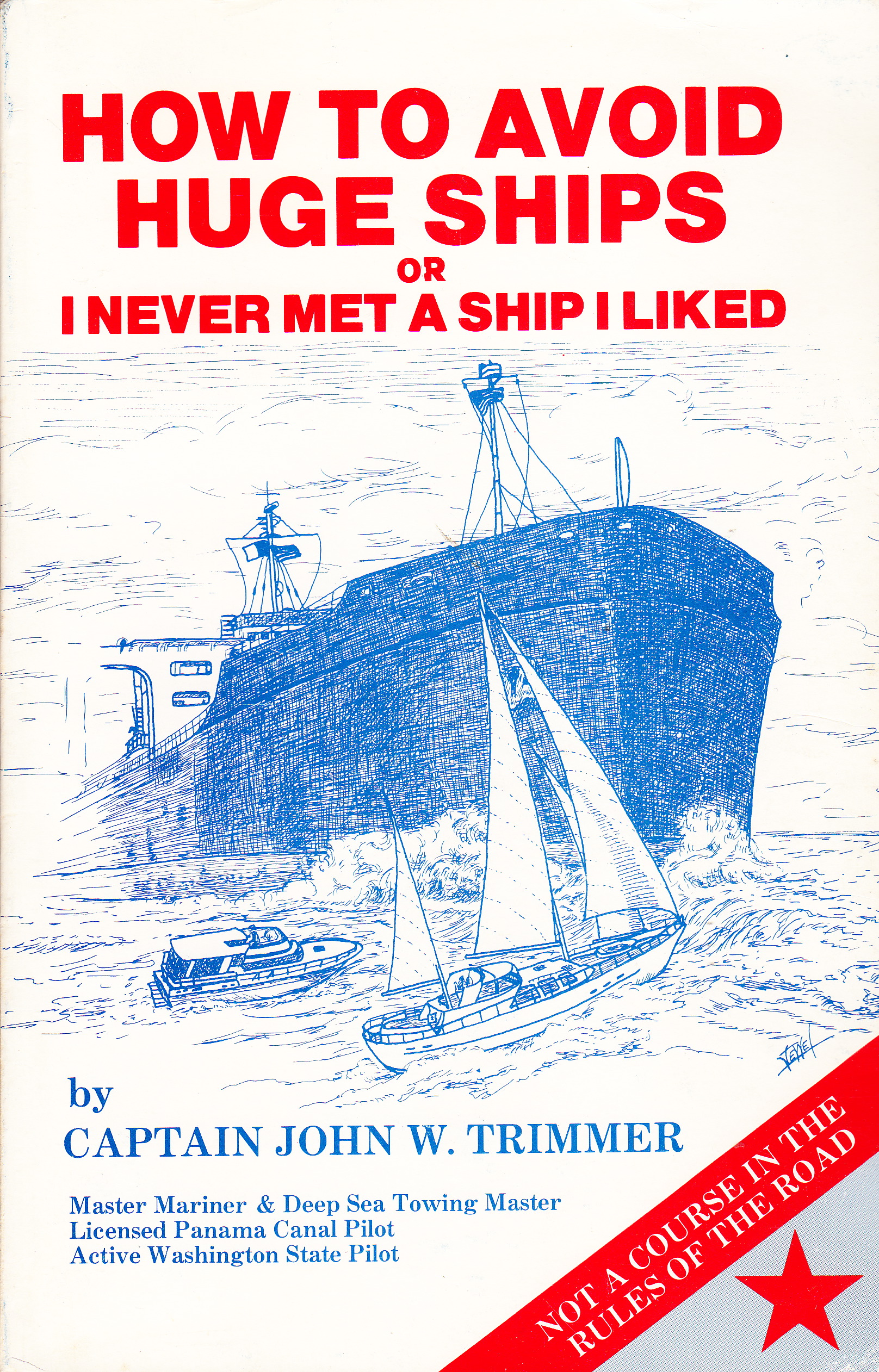
Huge ShipsI’m always on the lookout for a good metaphor. Some time ago a humorous list of improbable book titles was circulating the internet. One of those books was How to Avoid Huge Ships, by Captain John W. Trimmer. Privately published, it surely made its author little money, and it quickly became one of those books with hilarious, bogus reviews on Amazon. My family, knowing my predilection for seafaring (at least in imagination) and my love of irony, found an overpriced, used copy for my birthday. I was glad to have it, but wasn’t sure I’d ever read it. I don’t own a boat, and my efforts to live on the coast have always been thwarted. But then, I’m always on the lookout for a good metaphor.

How to Avoid Huge Ships, subtitled I Never Met a Ship I Liked, is one of the most parsimonious books I’ve ever read. Trimmer, a veteran of many years at sea, writes with paternal concern for those who have no apparent sense of reason. Large ships, as most of us with a modicum of physics realize, can’t stop or turn quickly. Yet, in this spellbinding little book, Trimmer reports, and even provides photographic evidence that smaller, private boats often deliberately cut across the bow of these fast-moving juggernauts. As he points out, no license is required to drive a boat, and most small boat pilots have no training. Accidents and fatalities occur. People destroy exorbitantly priced yachts by not moving out of the way of what can truly be called a monster. And like an impatient father, he’s somewhat weary of it. The style is so unpretentious that it might redeem self-publishing in an era when common sense doesn’t interest commercial book houses.

Aware of his own literary limitations, Trimmer bemoans not having an exalted final chapter of great wisdom. He’d already won me over, however, with the simplicity of his sermon. Get out of the way of massive ships. It is a gospel for those with ears to hear. He even points out that the non-seafaring Israelites had respect for ship pilots (citing Ezekiel on Tyre, with decided hints of Melville, intentional or not). I’m not likely to be on a ship soon, but I have survived a horrific hovercraft trip across the English Channel that forever taught me the true respect for the sea. And I know, if I ever find myself again upon the waves, I will consider myself fortunate for having read this wonderful little book.


Soulful Phantoms

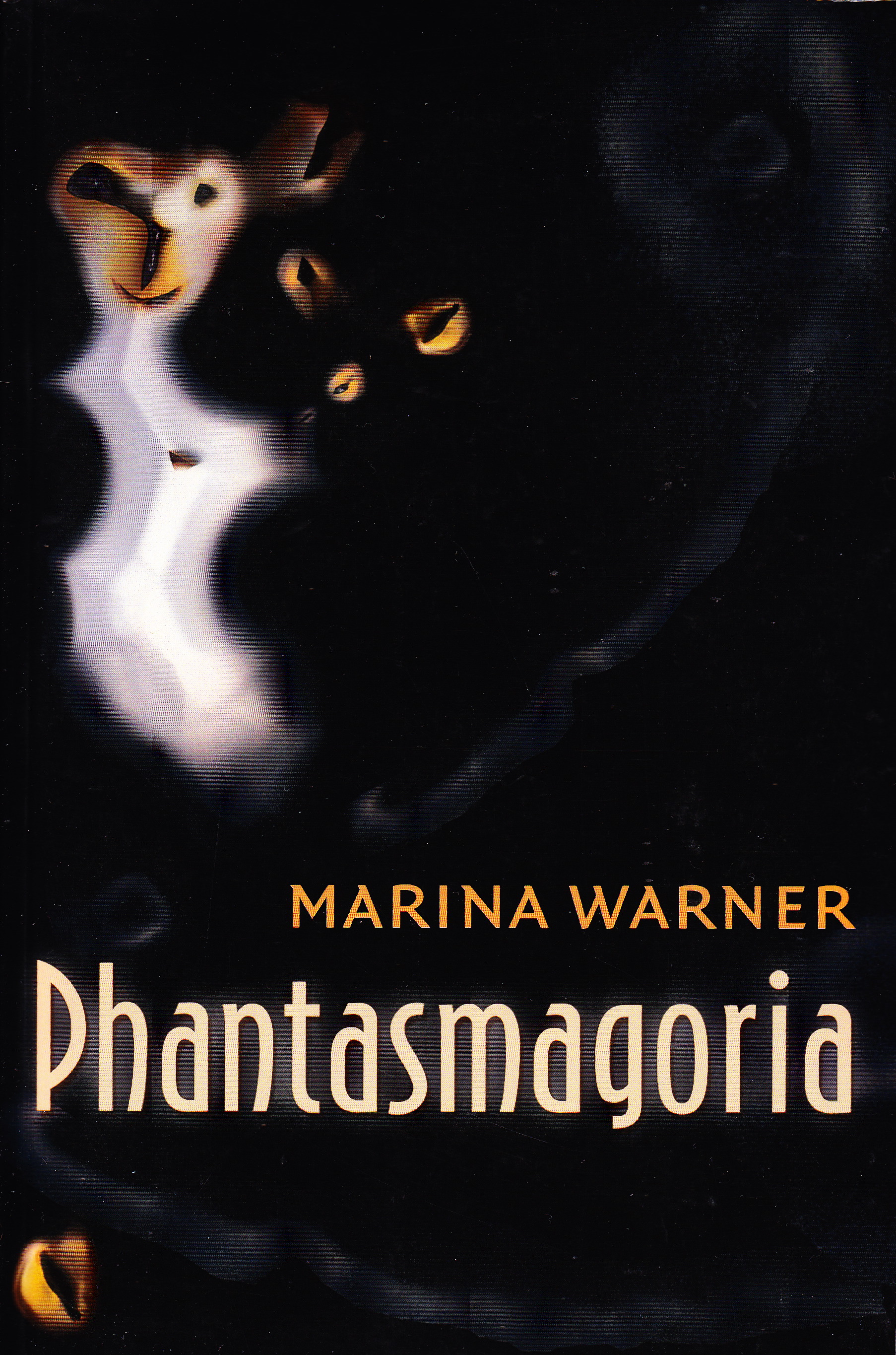
PhantasmagoriaPhantasmagoria is a most appropriate title for the book by Marina Warner that bears that single-word name. The back cover bears none of those helpful tags that give the reader a handle by which to categorize the book. The subtitle helps somewhat: Spirit Visions, Metaphors, and Media into the Twenty-first Century. The book is about ensoulment. The popular rage among many academics is the exploration of embodiment—the times and trials and wisdom of having a physical body. (We all know it, but it is the scholar’s job to think about it.) Warner asks what soul stuff is and pursues this through many media: wax, air, clouds, light, shadow, mirror, ghost, ether, ectoplasm, and film. She’s not suggesting that souls are made of these things, but rather that people have used these media to explore what a soul might be. Apart from being a fine historical resource on these different avenues of exploration, individual chapters in the book focus on various artists, psychologists, parapsychologists, writers, and Scriptures. This makes for a fascinating, if challenging, exploration to undergo.

One of the topics that emerges in the discussion is how soul distinguishes itself from other unquantifiable aspects of being human: what is mind, for example. We can’t really define soul, but it is frequently differentiated from mind or personality, neither of which is particularly well understood. In an era when we’ve not so much ceased to ask these questions as sublimated them into various fictional realms, a book like Phantasmagoria is especially important. The reaction against materialistic reductionism is strong, if not empirically provable. We still flock to theaters to watch zombies on the screen, precisely because we too have become soulless. Romanticism had a place for Gothic sensibilities as well.

Along the way Warner makes a particularly apt observation that politics and entertainment have become difficult to distinguish. Thinking over the number of entertainers who’ve become policy makers, this is a particularly disturbing thought. We trust the media and it gives us entertainment. Most college professors make so little money as to be jokes when it comes to running a political campaign. Where your treasure is, as the saying goes. Media, in all the forms explored, has failed to capture the soul. The chapter on Revelation (the book) is truly spectacular, coming, as it does, in the section on film. It is the embracing of the chimera of the end of the world pieced together from various myths and nightmares that our political leaders find, in many cases, far too compelling. Someone like Warner might be a much better leader to trust, even if she is a scholar.


Weather to Panic

Over the long weekend, our furnace kicked off two days in a row. This January has been chillier than some, and we’ve been sitting around with blankets on our laps waiting for the air temperature to reach a tolerable level. We keep our place cool, in any case, partly from environmental concern, and partly because we can’t afford to do it any other way. So I was interested to see an article from the Guardian that my wife forwarded to me about the weather. I’ve been interested enough in the weather to write a book about it (Weathering the Psalms—available now!) and since I stand outside every morning waiting for a frequently tardy bus, I do tend to notice when it’s cold, raining, or snowing. The article, “I don’t care what the weatherman says when it’s just hysteria,” by Martin Kettle, makes a good point. The weather used to be information on the news, now it is entertainment. We dramatize and give names to storms as if each is a miniature apocalypse. As Kettle notes, most of us have been around long enough to know how to survive a cold snap or two. But an apocalypse?

We’ve become accustomed to the controlled environment. Many of us define our “work” as sitting in front of computers all day, tapping out virtual ideas that other people will see, indoors, and we probably don’t even have to step outside to get the message delivered. The weather might make it difficult to get to work. We might lose a day of productivity. That snow that was fun as a child has become an impairment to those adults driving to work to get inside so we don’t have to be made uncomfortable any longer than is strictly necessary. Snow never makes it into the forecast, but a storm personified with a name and with destructive intent. No wonder the biblical world saw weather as a divine weapon.

That which Kettle terms “[t]he debauching of the weather” is a sign of the times. We seem to be deemed unable to process facts. We must be entertained. How many mornings have I sat worried in the dark, wondering if I’ll make it in to work or if I’ll spend a good portion of the day trapped on a bus frozen on the Parkway? How much energy do I expend trying to decide whether I should spend extra money to take the train, even though I’ve already paid for a month of bus service? Will the weather throw itself on us all and prevent us from another day’s work? In the Psalms, the response was often one of wonder and praise. These were things only the deity could do. Now, however, we are in the realm of the media meteorologist. If they don’t entertain us, we might just turn off the television or computer and go outside to check for ourselves. If only we would we might discover one of the true wonders of nature that doesn’t require comment. It might be the ability to judge for ourselves.

DSCN0099


Creating Diversity

Informed opinion is a chimera. I write that as someone who has time to read only the news stories my wife or my friends pass on to me. Once in a while one of those stories makes me feel less bad about being uninformed. A recent piece by Slate author William Saletan looks at polls regarding Creationism. The piece, picked up in the New Jersey Star-Ledger on a recent Sunday, demonstrates that although the United States is a nation of Creationists, we don’t agree about what that means. What becomes clear to me when I read such stories is that people who believe in the Bible seldom read it. Or at least understand it. Creationism “is not a thing” in the Bible. Many accounts about how the world began are represented, and the main point seems to be that it’s important that it was the God of Israel who did it rather than the competition. The first couple of creation accounts are compelling with their insistence that people are special, and that we are in charge while the owner is away. In fact, however, creation is a minor point in the story. It just has to start somewhere.

Those who set out to read the Bible, I suspect, begin to stumble in parts of Exodus and generally give up once they reach Leviticus. Although the main point of the books of Moses is the rules, the modern Christian finds the story more engaging. And the creation accounts of early Genesis are among the stories people actually read. They do make for a great, if contradictory, tale. They have, however, little impact on what people are supposed to do. Ironically, those accounts have become failsafe political devices. We vote according to how old we think the earth might be. We are special, after all.

Saletan’s point in the article is that the finer we parse the questions, the more divergent opinion becomes. The Bible doesn’t say how old the earth is—it’s really not a point of any significance to the story—but if you’re going to take it literally, you can do the math. Few literalists truly take the Bible literally. Logic very quickly breaks down as Genesis 2 follows Genesis 1. Americans are told that the Bible is literally true, but such a view literally makes no sense. We are committed to it, however, as we somehow equate believing in stories to be more important than understanding what those tales are trying to say. The polls, according to the article, make the point abundantly clear. When it comes to understanding the Bible Americans are very committed, if very confused.

Just one Creationist museum.  Photo credit: Creashin, Wikimedia Commons

Just one Creationist museum. Photo credit: Creashin, Wikimedia Commons


Just Justice

494px-Martin_Luther_King_Jr_NYWTS

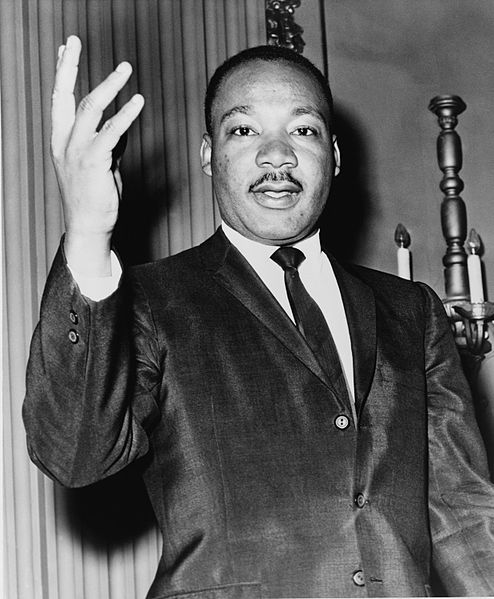
It was not intentionally because it was Martin Luther King Junior’s alma mater that I chose to attend Boston University School of Theology. King’s legacy there was certainly a perk, but I had found the seminary engaging because it had a rare combination, at least in my limited experience, of academic rigor and a strong sense of social justice. Too often, it seems, academic enterprises become dispassionate and social justice becomes one of those squishy human element sorts of things that really can’t be quantified. We pursue knowledge without really thinking if its impact will be positive or not. At least fair or not. Fairness is a concept rooted in belief, and, as studies of primates show us, it is very deeply embedded in us. What has it to do with academic achievement?

This Martin Luther King day, I’m concerned about how difficult social justice is to find, even in those places where we expect it to reside. Taking second place to doctrine in many churches, social justice is more of an uncomfortable requirement than a true passion. This winter I’ve noticed more and more homeless on the streets. Our “economy” seems to dictate that many have to be losers so that few can be big winners. Instead of helping them out, I see authority figures come along to shoo them out of the way before those who have jobs have to come that way. We don’t want to be reminded that we might lose everything as well. Affluent society requires victims, and we can be very academic about it.

I have to admit to relegating holidays to that mere Monday off work. The relentless wheels of capitalism ever turn, and only with reluctance do our companies grudgingly give us ten days spread throughout the year to recuperate. The next slated holiday comes in May. Will there be social justice by then? With the eventual warming of the air by that season, will we simply blend those without homes into the less well-dressed and pretend that we have achieved a fair society after all? What do we really celebrate today? Is it just another morning to sleep in, or is there something more to it? A dream that won’t be extinguished until fairness is established? Seems like a worthy idea, at least in theory. But until then you’ll find us at our desks, working to keep the system strong. And hopefully, we won’t forget to dream.


Divergency

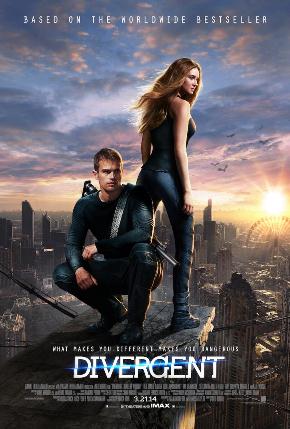
DivergentSelf-denial, no matter what its motivation, is a religious ideal. In its more extreme forms it becomes martyrdom, but most religions agree on the value of taking less for yourself so that others might have more. This has been running through my head since seeing the movie Divergent. I read and posted on the book some time ago, but having recently seen the movie—a fairly faithful adaptation to the novel—I was forcefully reminded that this is a dystopian parable. In the future, society is divided into different factions, based on a person’s predisposition. This is done to keep the peace, and the factions seem to get along until suspicion grows about the group called Abnegation. The Abnegation faction is moved by pity and compassion for others. They are the consummate self-deniers, not thinking of themselves to the point of limiting time they can spend looking in a mirror. Others are the focus. Naturally, those who see the utter selflessness of others wonder what they’re really up to. Suspicion grows that this group is after wealth, in the form of food, secretly stockpiling it for themselves. Nobody would give up for themselves so that others can have more.

As I watched the movie I thought about religious groups that preach self-denial. Granted, I’m only one person, but growing up that was the message I continually heard loud and clear in the teachings of Jesus, according to the Gospels. Deny yourself so that others might have more. The deeper I became involved with the church, however, the rarer I found such behavior. By the time I reached college, I still hadn’t figured out that religion had become an industry, like any other. A service industry, to be sure, but it still had CEOs and treasurers and, increasingly, political power. The political seduction of religion already had a history by the time I became aware of it, but I still believed that self-denial was at the core of true religion. Perhaps the factions I heard whispering around me were right. Perhaps there was something more driving all this.

In Divergent, the belief in selflessness leads to self-sacrifice. In many feel-good movies, this leads to an expected resurrection. Here the future is bleak, and the dead remain dead. There is a kind of resurrection as the Dauntless faction comes out of its stupor, but the movie leaves the viewer wondering if there is a future after all. Is there a place in the world for those who legitimately want everyone to share? I think that every time I find myself driving. Behind the wheel, selfish maneuvers that lead to little, if any, ultimate gain seem to be deeply embedded in those who want to get there first. Abnegation, it seems, is a danger on the road. Driving, it seems to me, is a real test of someone’s religious convictions. Perhaps it is that one has to realize that the vehicle in front of you contains another human soul. Or perhaps it is that the fragmentation of society has already gone too far and those who don’t take for themselves are not emulated, but consumed.


Maine Event

We have no control over where we’re born. Place, however, has a sacred significance. Many people have a sense of where they belong. Life may be a prolonged journey, like that of a salmon, to find one’s way there. While in seminary, one of my professors had the class introduce itself by name and town of birth. This was in Boston, at a school with a highly eclectic student body. I was born in the small town of Franklin, Pennsylvania. Other than having been the setting for an X-Files episode may years later (not filmed there, of course), it was not the kind of place anyone was likely to have heard of. In a class of maybe 50, imagine my surprise when an older gentleman announced he was born in Franklin, Pennsylvania. We was not of my generation, but it turns out, we had origins in common. As the introduction passed further forward, someone about ten years my senior announced, with a glance at the first student, that he was from Franklin as well. By the time it reached me, this seemed more of a synchronicity than a mere coincidence. We were all entering Juniors (the starting year of seminary), all born in the same hospital, and none of us had known the others existed prior to that day.

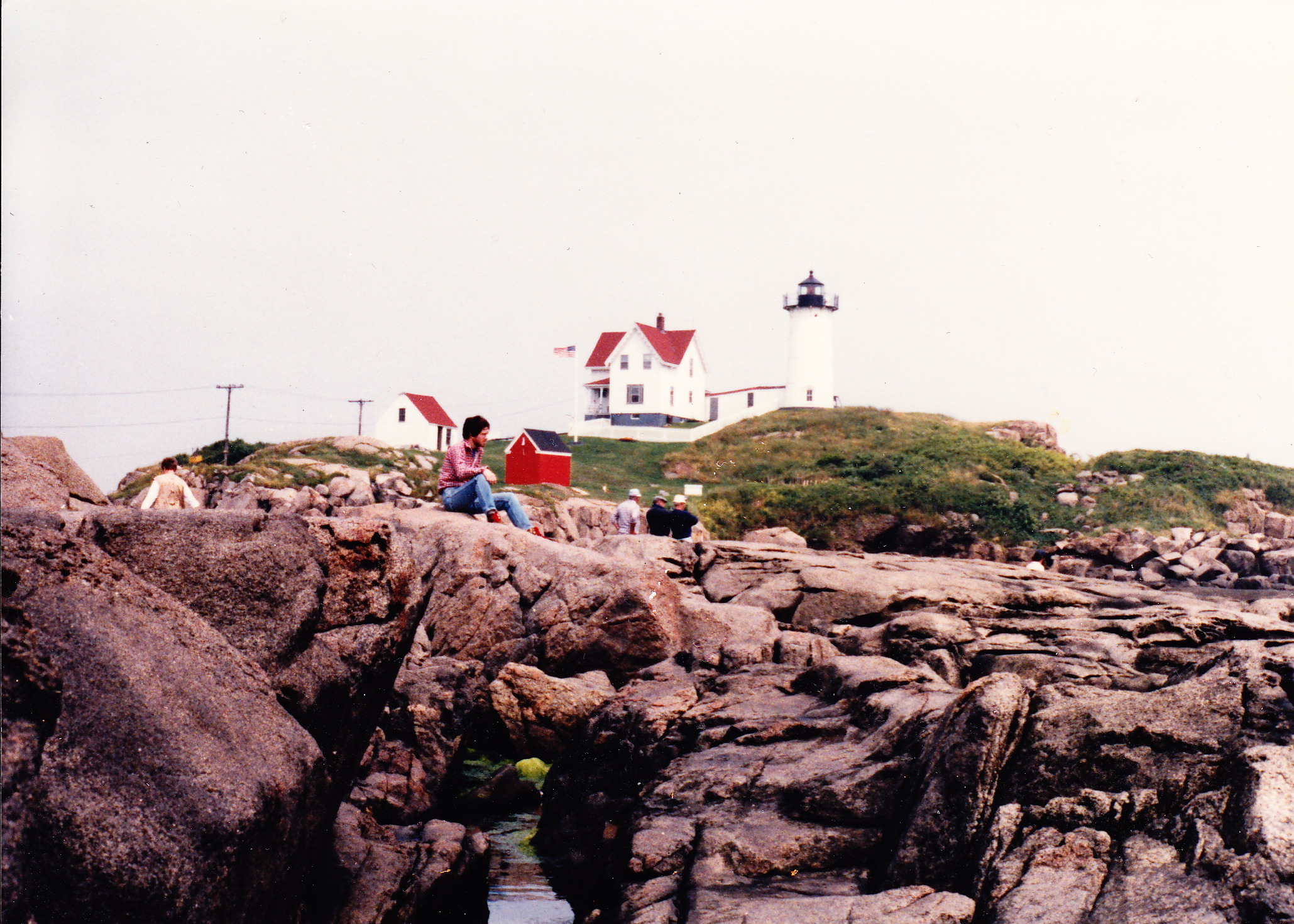
I was in Boston, however, because of a deep-down conviction that I belonged in New England. More specifically, Maine. After having grown up for about a decade in Franklin, we moved to Rouseville, Pennsylvania when my mother remarried. Apart from the industrial, drug-intensive culture, there was a haunting sense that this was not where I belonged. I began to read voraciously. My literary adventures found my spiritual home: Maine. Vividly I could imagine its rocky coasts and large stretches of northern woodland. I had never been to Maine—had never even seen the ocean at that point—but I knew, without a doubt, that Maine was my spiritual home. While a student in Boston I made several trips to Maine, each one convincing me more that I shouldn’t be leaving when Sunday afternoon rolled around. I should be staying here.

Life has, however, kept me from my beloved Maine. Academic jobs, mythical beasts that they are, are location-specific. You have to follow the jobs (I almost wrote herd there, but there’s nothing close to a herd of such employment). The population of Maine doesn’t support the number of schools that places like Massachusetts, New York, and Pennsylvania do. Even all of these were closed to me. Maine never abandoned my dreams. I moved to Wisconsin, following a job that abandoned me. I moved to New Jersey to take another, which also abandoned me. One of the motifs to which I constantly return is the sacredness of place. A sense that a person belongs somewhere. Out in the ocean, many salmon are captured before they make it to the stream of their birth. I wonder what their thoughts might be as they lie gasping for breath, knowing deep in their piscine souls, that this is not where they were meant to be.

Maine


The Last Word

The end of the world, it seems, never goes out of fashion. My wife shared a story on the BBC about CNN (such self-referential media hype may be a sign that society is collapsing already) having a video ready to release for the apocalypse. In a bit of end-of-time sangfroid, it is rumored, CNN’s Ted Turner ordered a last-second video to be made so that loyal CNN viewers would be ushered out with his version of the last word. The media, of course, is a powerful segment of society. Occasionally schools and businesses are shut down due to their meteorological predictions. The media tells us who the experts are, and why we should listen to them. The media provides us with some of the only fact-checked material from far-flung ends of the globe—or even outer space—to which we, the people, would not normally have access. The media, in other words, determines reality.

800px-Apocalypse_vasnetsov

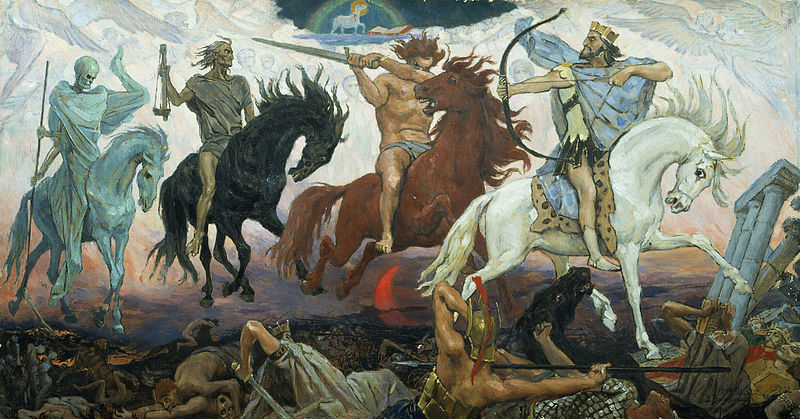
Meanwhile I wonder, as I often do, what gives those who own media corporations the right to determine reality for the rest of us. For example, if the rumor of Turner’s video is true, what would give the rich and powerful the right to determine what flashes before our eyes as the world winks out of existence? The apocalypse, after all, is a religious concept. Although largely developed from biblical scripts, other religions do occasionally have their end-of-the-world myths, just like most religions have beginning-of-the-world myths. If you have billions of dollars, does that mean you have the right to determine end-times viewing? When money determines the truth, the world has already ended.

Nevertheless, the idea lives on. We are constantly reminded that one or another religious sect has declared that the end is nigh. We’ve heard it so often that we’ve ceased to pay attention. In a world where the media has largely dismissed the rest of the Bible (except when blockbuster movies come out featuring a biblical story) why does Revelation still hold such currency? After all, the apocalypse takes its very name from the final book of the Christian Bible, and without Revelation we might be none-the-wiser about the looming end of all things. Revelation was very much a product of its time. Despite the progress of science and technology that gave us the media corporations we blandly recognize today, we still harbor doubts deep down about the longevity of it all. Even those who write the news look to other media giants to get some hints of the truth. Ironically, they don’t seem to want to ask scholars about it. After all, sensationalism is news. At the end of the world, we really don’t care what scholars have to say, as long as we’re entertained.


Holy Food

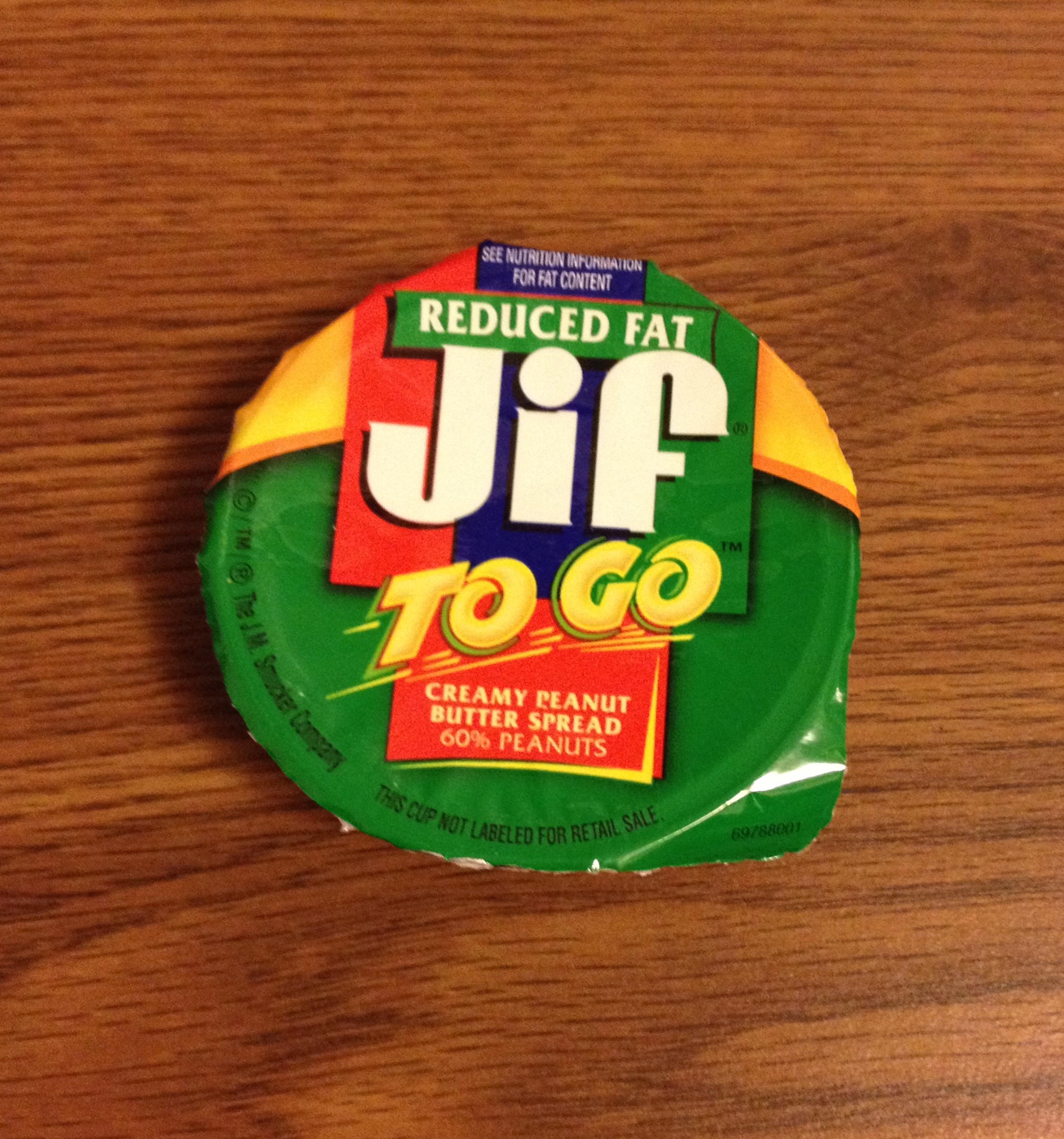
One of the undisputed benefits of working for a publisher of a wide variety of academic books is the opportunity to learn about different topics that might otherwise I might never have considered. For example, given the recent popularity of food studies (and this is probably fodder for its own post) authors have been producing micro-histories of specific comestibles. One that was recently featured in a YouTube short is peanut butter. One of the saddest food allergies, to my way of thinking, is that of the peanut. Peanut butter is such a singular symbol of childhood that it is a shame it is also such a potent poison for many. I grew up thinking that George Washington Carver invented peanut butter, but although he certainly was an innovator of peanut cultivation and disseminator of recipes, he was not the inventor. Peanut butter has been around for a long, long time. The modern food product is probably attributed to Marcellus Gilmore Edson, a Canadian who milled roasted peanuts into a kind of semi-liquid and received a patent for it.

What makes peanut butter a fit topic for a blog on religion is the work of John Harvey Kellogg. Kellogg was awarded a patent for a processing technique that led to the peanut butter we recognize today. Kellogg, whose name is more often associated with breakfast cereals, was an early vegetarian. Much of the impetus for his food experimentation goes back to the fact that he was a devout Seventh Day Adventist. The Adventists, biblical literalists, believed in promoting health through eating wholesome foods. Peanuts, a great source of non-animal protein, were seized upon by Kellogg as an alternative to butter, as well as a theologically satisfying food. Not only a food producer, he was also a promoter, and we eat breakfast cereal today largely through his efforts. For many, the day begins with a biblically inspired food.

IMG_1878

On kicks of nostalgia, or when I forget to buy a vegetarian alternative, I still take peanut butter sandwiches to work for lunch. I never considered this a religious activity, although my own vegetarianism likely has religious, as well as humanitarian, roots. In this post-religious age that we inhabit we sometimes forget that many of our most basic behaviors go back to religious beliefs. Sure, the promoter of peanut butter may have stumbled upon it without having fallen under the spell of Ellen G. White’s teachings, but the fact remains that Kellogg’s religion and his commitment to health were deeply intertwined. And the next time I reach for the Skippy or Jif or Peter Pan, I’ll be, in my own way, acknowledging the power of a religion I don’t even believe.