World History

I don’t doomscroll, but I occasionally fall down a virtual rabbit hole.  One of the truly interesting things about being an editor is reading proposals from other editors.  China’s been a hot topic for the past several years and so I hopped on over to Wikipedia to find out who this Chiang Kai-shek was, after reading a proposal.  I’d heard his name from childhood on, but I’d never read any history of China.  For my entire life it has been a communist country, often with frosty relations to the United States.  One thing led to another and I landed on the page titled Warlord Era.  This sounded like something out of a fantasy novel, so I thought I’d see what that was all about.  When you scroll down to the Warlord profiles section, you find some really interesting stuff.  One of these warlords was a real eclectic guy known as the “model governor.”  Another was a strict Methodist who banned alcohol and dressed like a common infantryman.  Yet another was known as the “most well endowed man in China,” in the southern regions, that is.

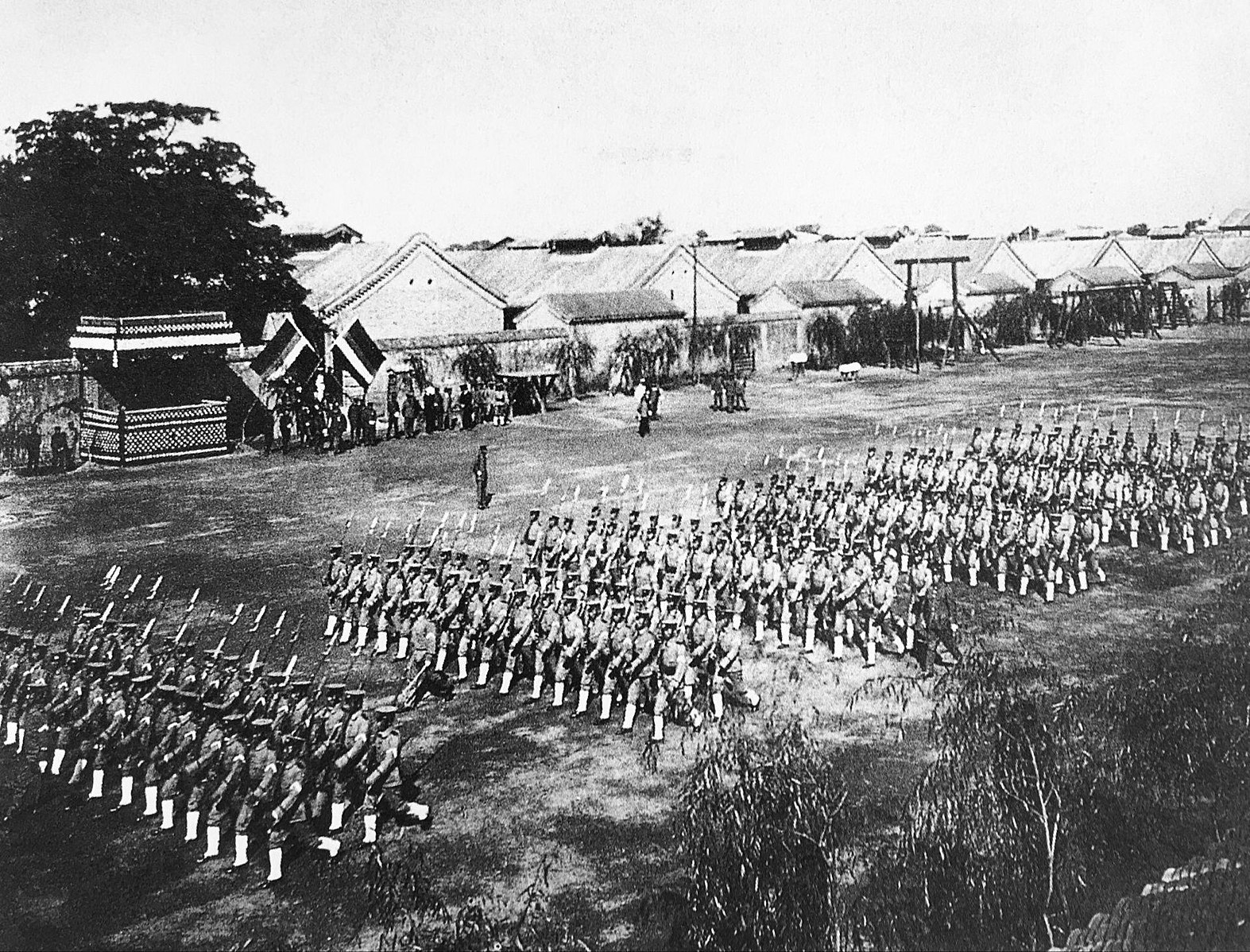
Beiyang Army; image credit—unknown photographer. Public domain via Wikimedia Commons.

Now, I’ve never read any Chinese history, but these guys sound a lot less threatening than anyone you’d find in a Mario Puzo novel.  They may have been terrifying in real life; Fidel Castro wore a common soldier’s uniform, but I’d have been frightened had I found him lurking under the bed.  Of course, I’ve never read any histories of Cuba either.  There’s a lot to learn in this world.  I enjoy reading history, but my writing projects tend to direct my non-work reading these days.  I’ve been acutely aware that my time on this fascinating planet is limited and that none of us can learn everything.  It saddens me that world leaders show so little interest in the planet they “govern.”  Even a little reading on Wikipedia should be enough to grease those wheels.

One of the strange ideas that occurred to me once while reading a different proposal was that China conducts business deals with, for example, nations in Africa, in which the United States is not involved at all.  When this thought launched I realized just how parochial the outlook of many of us is.  I lived overseas for three years, but still, the United States, in better and in worse, is my home.  It’s the place I know (or thought I knew).  Where some of my ancestors lived for over two-and-a-half centuries.  As appealing as Canada often seems, my fate appears to be here, along with my heart.  So I don’t doomscroll.  But I do read about China and realize how little I know.


Shadow off Campus

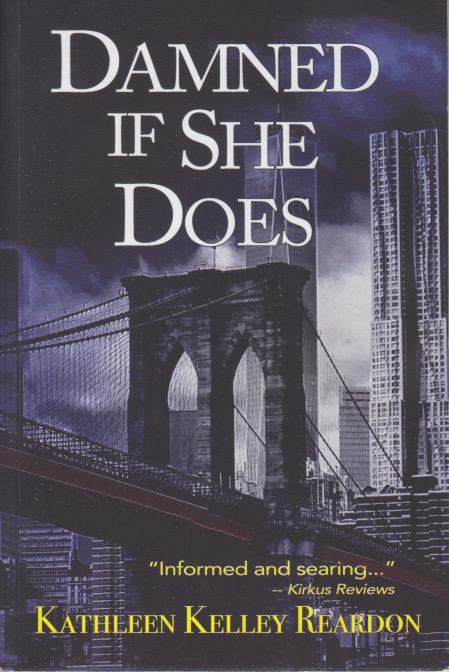
I’ve been to quite a few academic conferences in my life.  Some have been held in neighborhoods declared “unsafe.”  I even had a job interview in a hotel room (such can’t happen now) with a college that didn’t want to pay the fee for using the society’s services.  (A friend who’d also interviewed with the same school said to me afterwards, “I thought they were going to jump me!”)  (Neither one of us got the job.)  I even went to a conference where I had to drive through a crime-ridden neighborhood to get to an off-site hotel.  But I’ve never been to a conference where someone was murdered.  That’s the premise behind Kathleen Kelley Reardon’s Damned If She Does.  Reardon’s keenly aware of the kinds of issues women face in the professorate.  There are some unsavory guys in the profession and power is very difficult to wrest from those who hold it (generally white men).  In this follow-up to Shadow Campus, she tells Meg and Shamus Doherty’s experience with murder, and more, at an academic conference.

Academics are so necessary for studying things closely, opening up true understanding.  They are, however, people too.  And people can be petty, vindictive, and selfish.  They’re usually not inclined to murder, however.  I’ve been meaning to read that book about the murder of a religion professor at the University of Chicago several years ago precisely because such things are so unusual.  In dark academia, however, events like that are fairly common.  The thing is, many academics are also quite smart.  If someone were to put their mind to an undetectable murder, hmm.  The old gray matter starts churning.

In Damned If She Does, the apparent motive is publication in prestige journals.  In the end, it turns out that there’s more to it than that, but it’s somehow believable that a matter like publication could lead to homicide in academia.  As an editor, and writer, myself, I know how important publication with specific presses can be.  Even after doing this for over thirty years, an acceptance notice creates a sense of validation like no other.  Dark academia explores such territory.  I suspect that I’ve always been a bit naive when I’ve attended conferences.  I go, present papers, and keep interactions, well, academic.  I’ve heard whispers of them being places of temporary flings and I’ve seen colleagues use them as places to party.  On occasion I’ve seen established scholars very inebriated.  They’re people too, of course.  And as long as nobody is murdered, the code seems to be that what happens at a conference stays at the conference.


Mass Market

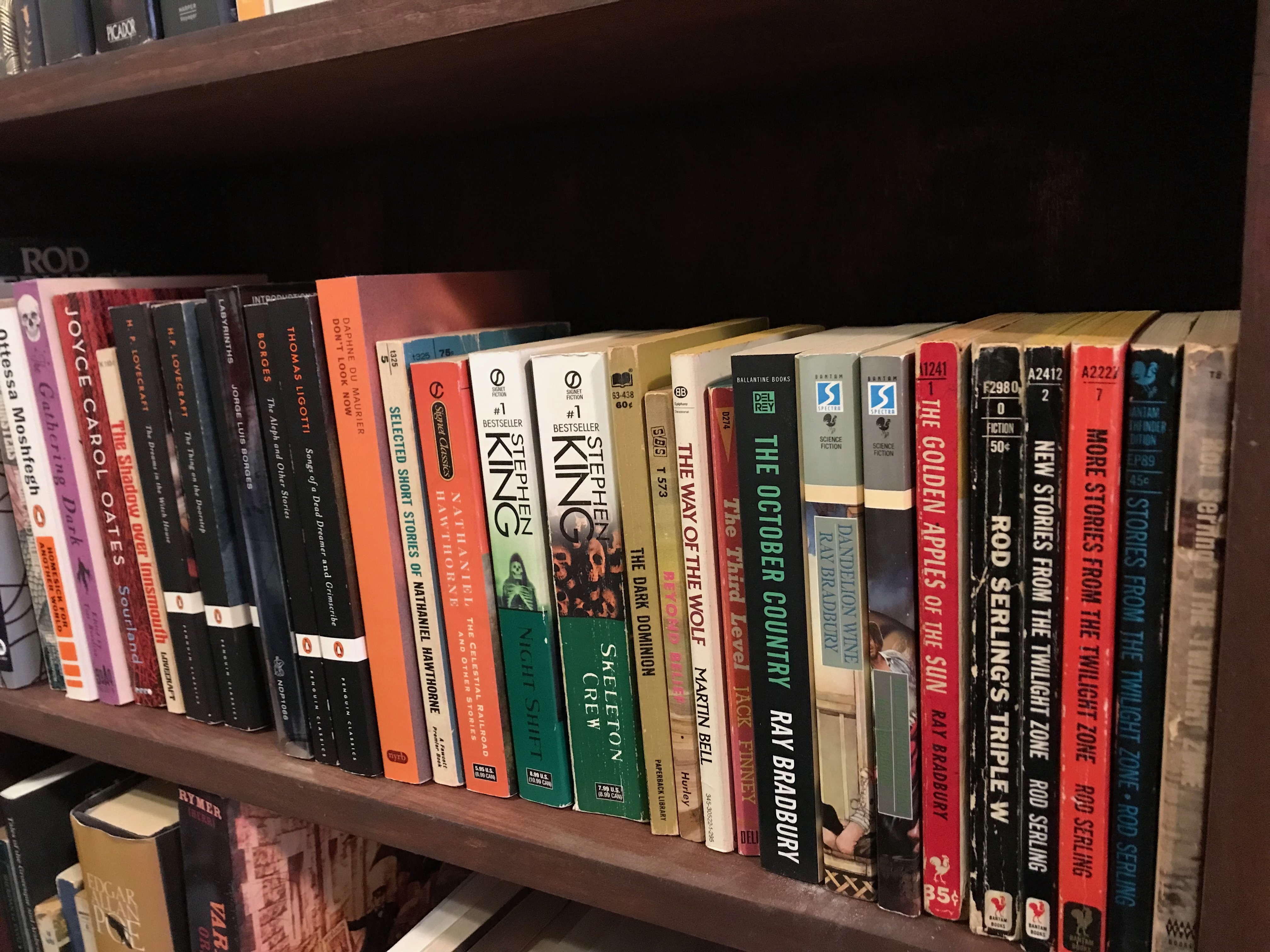
The mass market paperback.  This may very well be one of the best symbols of my younger years.  One of the largest distributors of mass market paperbacks (Readerlink) has announced that it will no longer distribute them.  It seems that the writing, instead of in readers’ hands, is on the wall.  Mass market paperbacks are the least expensive formats of books to buy.  Publishers have increasingly been tending to push trade size (about 6-by-9 inches)—they can charge more for them.  They don’t fit easily in your pocket, however, and well, they cost more.  Often, as someone who reads in public, I find myself wishing more literary fiction was still produced in mass market form.  Only the best selling authors ever make it down to that size.  I miss being able to stick a book in my pocket.  

The mass market paperback’s story began with railroad books, once innovated by my erstwhile employer, Routledge.  The form we recognize today only really took off in 1935.  When I was growing up, I considered all other formats somehow too big.  My book collection and reading habits began with mass market size.  When we moved to our house a few years back, I repurposed an old dresser as a bookshelf.  The top drawer slots were just tall enough for mass market books.  I discovered that I really didn’t have enough of them to fill that shelf.  Books have grown bigger.  Now, working in publishing I realize profit margins are thin in this industry.  Many publishers need the big sellers to help make up for disappointing sales of other titles.  (You have to have thick skin to be an author, I know from experience.)  They need to stay solvent.

But still, this feels like the end of an era.  Books in this format have been around really only less than a century.  Literacy—reading for pleasure—among the masses hasn’t been around much longer.  Books were expensive and were afforded by the elite, then cheaper forms and formats became available.  The electronic revolution has made much of life more convenient but some of us miss the challenge of having to fold a road map and never really knowing, for sure, where we are.  We’re also the ones who likely have a book in the car.  On the occasions when I don’t, I often regret it.  And one of the ways to encourage people to take books with them is to make them of a size that would sell thousands.  So many, in fact, that they would be given the title “mass market.”


Think

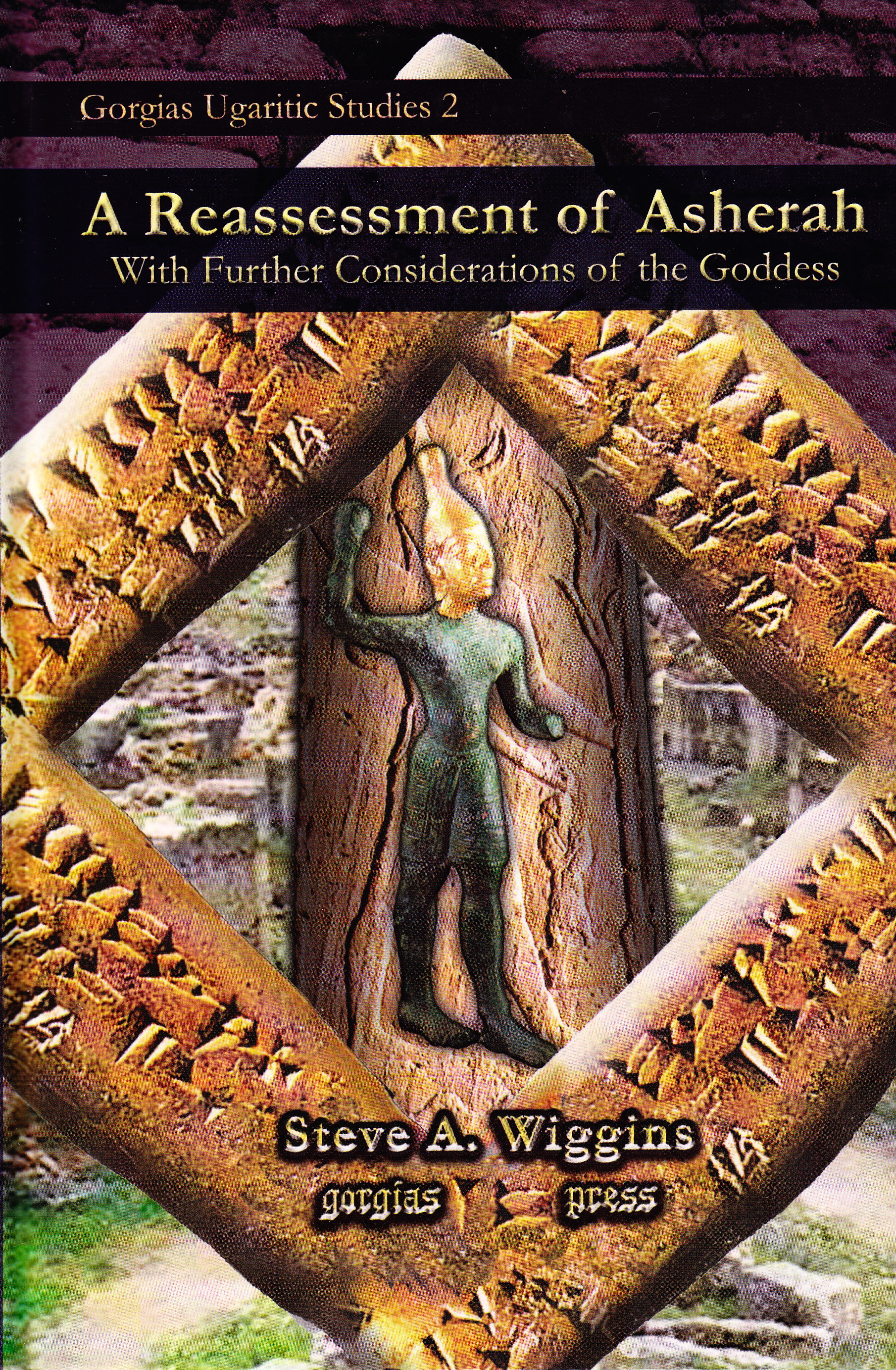
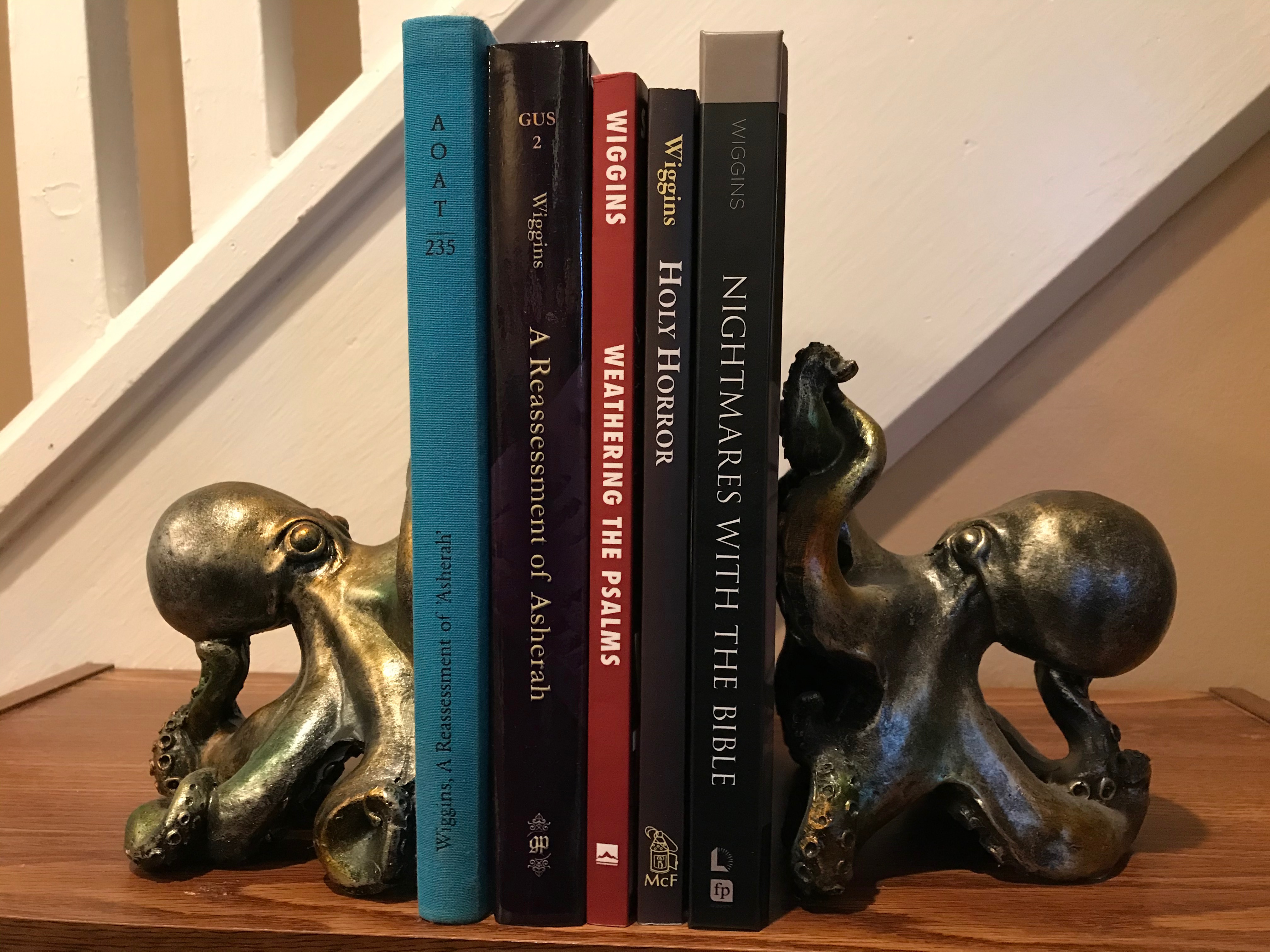
Those of us who write books have been victims of theft.  One of the culprits is Meta, owner of Facebook.  The Atlantic recently released a tool that allows authors to check if LibGen, a pirated book site used by Meta and others, has their work in its system.  Considering that I have yet to earn enough on my writing to pay even one month’s rent/mortgage, you get a little touchy about being stolen from by corporate giants.  Three of my books (A Reassessment of Asherah, Weathering the Psalms, and Nightmares with the Bible) are in LibGen’s collection.  To put it plainly, they have been stolen.  Now the first thing I noticed was that my McFarland books weren’t listed (Holy Horror and Sleepy Hollow as American Myth, of course, the latter is not yet published).  I also know that McFarland, unlike many other publishers, proactively lets authors know when they are discussing AI use of their content, and informing us that if deals are made we will be compensated.

I dislike nearly everything about AI, but especially its hubris.  Machines can’t think like biological organisms can and biological organisms that they can teach machines to “think” have another think coming.  Is it mere coincidence that this kind of thing happens at the same time reading the classics, with their pointed lessons about hubris, has declined?  I think not.  The humanities education teaches you something you can’t get at your local tech training school—how to think.  And I mean actually think.  Not parrot what you see on the news or social media, but to use your brain to do the hard work of thinking.  Programmers program, they don’t teach thinking.

Meanwhile, programmers have made theft easy but difficult to prosecute.  Companies like Meta feel entitled to use stolen goods so their programmers can make you think your machine can think.  Think about it!  Have we really become this stupid as a society that we can’t see how all of this is simply the rich using their influence to steal from the poor?  LibGen, and similar sites, flaunt copyright laws because they can.  In general, I think knowledge should be freely shared—there’s never been a paywall for this blog, for instance.  But I also know that when I sit down to write a book, and spend years doing so, I hope to be paid something for doing so.  And I don’t appreciate social media companies that have enough money to buy the moon stealing from me.  There’s a reason my social media use is minimal.  I’d rather think.


Release Date

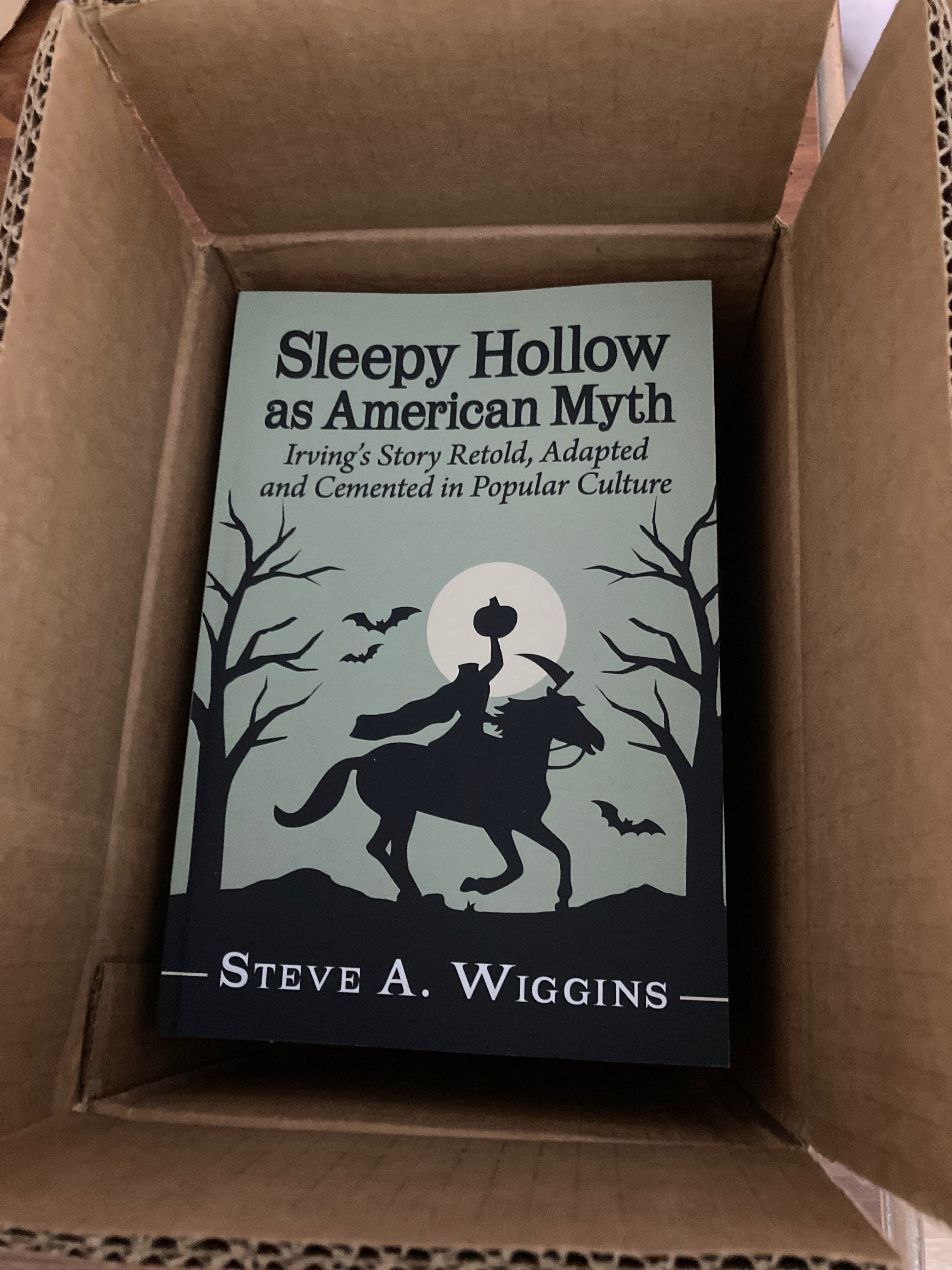
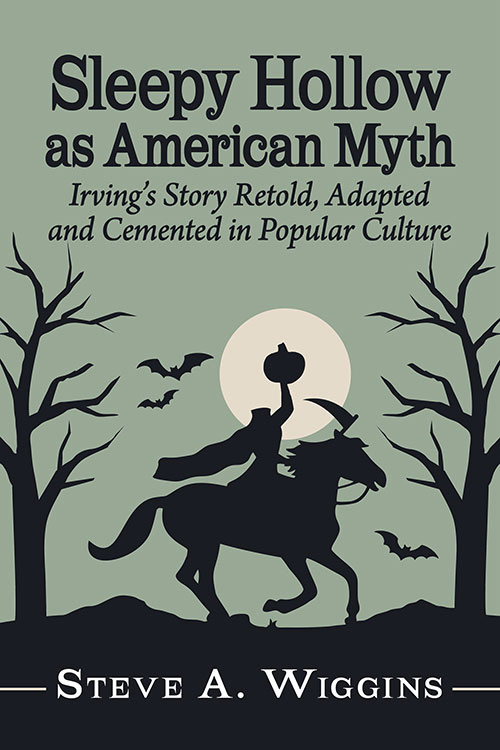
July 16.  That’s the release date for Sleepy Hollow as American Myth.  If you’re so inclined, preordering helps to earn a book attention.  (I know it’s pricey, but thanks for considering it for a second.)  This book has been, like most books, a long time in the making.  As my wife will attest, reading the proofs nearly sent me into a spiral this time around.  It wasn’t because they were bad (I only found 7 mistakes) but it was because of my own doubt about how well I’d done this one.  I found myself between elation at some parts, and dread at others.  I really like this book but I spent my proofreading journey anticipating what critics would say.  I do take a few chances in this one and it has what I believe to be an important message.

Writing books is like walking into a library naked.  There may not be many people there, but those who are can see more than you want them to.  I love the Legend of Sleepy Hollow.  I learned a lot about Washington Irving doing this research.  I learned a lot about Halloween—that’s one of my favorite chapters.  I also like the conceit I applied to the book itself as a labyrinth.  And I’m already looking forward to reading more renditions of the myth once the dust settles a little.  Reading the proofs took a good portion of the weekend, as well as after-work time the previous week.  I could focus on little else.  Books, you see, are parts of their authors.  I feel a little bit crazy for even writing them in the first place.

That having been said, I’m chuffed with a July publication date.  The best time for Halloween books to be available is the summer.  My last two Halloween titles (Holy Horror and Nightmares with the Bible) both came out in November or December.  Not that there were angry mobs at Barnes & Noble demanding them at the end of October.  The other deadline I’d set myself was to have this published before Lindsey Beer’s reboot of Sleepy Hollow hit theaters.  I seem to have managed that one by quite a margin; there’s still been no release date announced.  For her, that is.  I just received mine yesterday.  I guess it’s time to start touching base with those good folks in the Hudson Valley who expressed an interest in the project when I first told them about it.  I’m anticipating Halloween already.


A Plea

One literary Saturday recently I found myself in the attic.  When we first moved to this house I sometimes wrote up there but I quickly learned that with no heating it was intolerably chilly on autumnal mornings, and that didn’t speak well for the coming winter.  Nevertheless, I set up a shelf with my fiction writing on it.  I was looking for something on that shelf when I discovered many things I’d forgotten.  Novels mostly.  I don’t know how many I’ve started, but I have completed six (now close to seven).  Going through the papers and folders on that shelf I found about 250 handwritten pages of another novel—one that I’d completely forgotten.  There were stacks of short stories, also handwritten, awaiting some recognition.  I haven’t had a ton of success in getting fiction published—the current count is 33 short stories—but I was inspired by what I found.

When my wife and I visited a lawyer some years back to make out our wills, I kept trying (unsuccessfully) to interject a literary executor.  At that point I had published only three books and two of them were academic.  Besides, there’d probably be an extra charge for adding that codicil.  I guess what I fear is that all of this work will just get dumped when I die.  Retirement doesn’t look like a realistic possibility for me, and what I need is time to sort it out.  Some of the novels aren’t good.  I know that.  Some are.  One was actually under a book contract for a couple of years before the publisher decided to kill it when the acquisitions editor left.  I haven’t found a replacement publisher yet.  Then, a few years back, my laptop started complaining about the amount of writing I was asking it to remember.  I had to buy external hard drives to store some of my writing.  Even I forget it’s there sometimes.

Graphomania should have its definition expanded to include those whose thoughts overflow to the point that they’re constantly writing.  There’s a reason I get up so early in the morning every day.  Up there in the attic I found what I was looking for and pulled it off the shelf.  A half-written novel that I had, unwittingly, started to write again presuming that the original had been lost.  All of the writing has been done while trying to hold down a demanding 9-2-5 with no sabbatical and few vacation days.  Not all of it is finished.  Not all of it is good.  But someone, I hope, will stand in front of the dumpster on some future day and say, “This doesn’t get thrown away.”


Book Stages

Books appear in stages.  All publishers are different.  These platitudes encapsulate my experience in finding a venue for my ideas.  Sleepy Hollow as American Myth has just appeared in McFarland’s spring and summer catalogue.  I haven’t seen the proofs yet, but I suspect I will before too long now.  What’s with the spring and summer catalogue?  Well, believe it or not, books are seasonal.  Publishers go by seasons.  For many academic publishers there are two seasons: Spring/Summer and Fall/Winter.  The timing of certain books may fall in a specific place within those seasons but many academic books are aimed at classroom adoptions so early spring and early autumn are the most popular times.  It’s no coincidence that academic conferences also cluster around the semester system, the big ones being either autumn or spring.  Academics have a migratory instinct.

Personally, I’m hoping Sleepy Hollow will be out in late summer.  I don’t have any control over that, but it’s about then that normal people’s thoughts start turning toward falling leaves, long nights, and monsters.  Every year there’s a day in August when I step outside and literally smell autumn in the air.  As a kid seasons seemed like something as rigid as a biblical law: spring was March through May, summer June through August, and so forth.  The older I get, the more I realize how negotiable seasons are.  The Celts celebrated the start of spring in February.  Yes, there are lots of cold days yet to come, but the early signs of spring have begun.  For early risers, we finally start to observe earlier sunrises.  (These technically start around January 10, but they’re slow getting out of bed.)

You might think the ideal season for a book on spooky stuff, like Sleepy Hollow, would be timed for release in the fall/winter cycle.  Not necessarily.  Both Holy Horror and Nightmares with the Bible hit the market after Halloween.  Normal people’s thoughts had shifted to Thanksgiving.  I’m pleased that Sleepy Hollow will be released a bit earlier.  Summer is ideal for Halloween-themed books.  And yes, I devote a chapter to Halloween and the Headless Horseman.  They are closely related.  So I was glad to receive McFarland’s spring/summer catalogue and find my book on page two.  I don’t have a publication date yet, but I’m looking forward to being part of the discussion about one of my favorite ghost stories of all time.  Speaking of which, it’s almost time to begin gathering firewood for next winter, or at least it will be in summer.  And it’s not that far away.


Steering

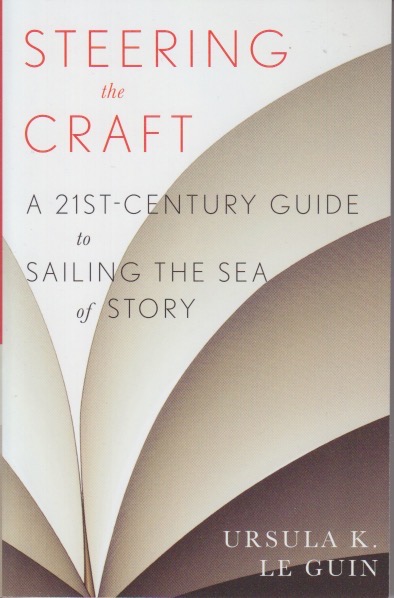
I’ve always been self-critical.  Often when someone points out something I’ve done wrong I’ve already figured out that I’ve made the mistake and the reminder is painful.  I can’t help but think that my childhood made me this way.  In any case, since I haven’t ever found much success is writing, I figure I must need help with it.  Recently I’ve read books on various aspects of writing by Stephen King and H. P. Lovecraft (published posthumously).  I’ve read quite a few more over the years.  I recently saw Steering the Craft: A 21st-Century Guide to Sailing the Sea of Story by Ursula K. Le Guin.  I confess that I haven’t read a ton of Le Guin’s fiction, but she is treated with a great deal of reverence in literary circles that I figured a bit of advice from a master couldn’t hurt.  Besides, it isn’t a long book.

Books about writing aren’t volumes that you fly through, though.  Steering the Craft has ten relatively short chapters and ten writing exercises, some in multiple parts.  As I read through I stopped and did each of the exercises.  I really didn’t want to cheat myself of the experience of learning from a departed sage.  The experience was refreshing.  As will surprise none of my regular readers, I’m in the midst of another writing project.  The thing about steering is that you’re constantly doing it.  And if the captain is someone who’s been through these waters, it’s best to listen.  At the same time—and Le Guin was very aware of this—hard and fast rules tend to be neither.  What spells success for one author becomes abject failure for another.  Some of us write because we must, whether anybody reads us or not.

But the exercises.  Exercise is good for your health.  Even writers with native talent need to stay in shape.  I’ve been doing creative writing, in one form or another, constantly, since at least the Nixon Administration.  Publication began in the academic realm when I was working on my doctorate.  I had my first fiction piece published in 2009.  Keen eyed readers will notice that is the same year I began this blog.  I’d been pretty much booted from academia by then, but I’d been writing in the meantime.  Essays, novels, short stories.  Then I tried a nonfiction book or two.  There is a great gulf between writing and publication.  An ocean, in fact.  And if you hope to cross an ocean, it is always helpful to learn how to steer.  I’m still trying to learn why my boat seems to be leaking, though.


Motorcycle Trip

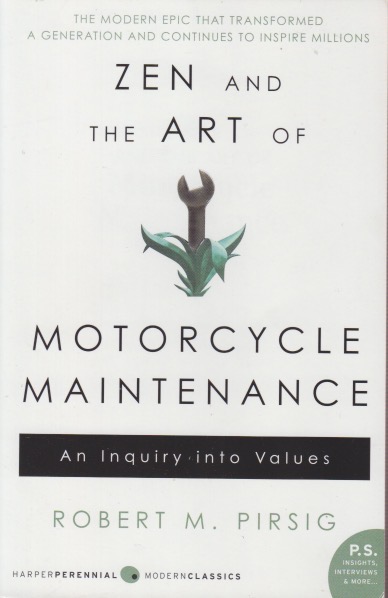
Among my introductory lectures to students was one that covered genre.  I recall saying something along the lines of “when you read something your expectations of genre influence how you understand it.”  Strangely, my own writing sometimes defies easy categorization, but I find it disorienting to read something without an idea of whether it’s fact or fiction or whatever.  I suspect I’m not alone in this.  When my wife suggested we read Robert M. Pirsig’s Zen and the Art of Motorcycle Maintenance together, I wanted to know what it was we’d begun reading.  The BISAC code (the category on the back cover of a book) simply said “Philosophy.”  I took almost enough philosophy in college to minor in it, so I had a general idea of what philosophy might look like.  Then I remembered reading Nietzsche’s Thus Spake Zarathustra and found myself back at the question of genre again.  Was this philosophy, autobiography, or a novel?  All of the above?

Now, I’ve known about this book from college days on.  It was in the college bookstore and I’m pretty sure it was assigned in some classes (not the ones I took).  What threw me was the autobiographical part.  Was this fiction?  The philosophy parts were pretty stout stuff.  And was Phaedrus real or imaginary?  Of course, you start getting some inklings that Phaedrus and the narrator are the same.  And that the latter isn’t a particularly good father.  The edition we read came with a helpful introduction that suggested that Phaedrus was the one with a correct outlook all along.  And an afterword that told how Chris died during a mugging when he was only 22.  There was pathos all over this tale.  Even when we finished I wasn’t quite sure what we read.  It’s sometimes classified as an autobiographical novel or philosophical fiction.

Rejected over 120 times, the book became a national bestseller when one editor took a chance on it.  (That is how publishing works.)  Perhaps the most poignant part of the book is the author.  What’s more, Pirsig wrote the book by getting up and writing at the same time slot that I use, so he could work a regular day after.  And he had been in a psychiatric hospital and had received electroshock therapy for schizophrenia.  Clearly a lot was happening behind the scenes for this most unusual tome.  Among the academic publishing crowd it’s common to hear that Stephen Hawking’s A Brief History of Time was a book that many bought and never read.  I did find that one a bit rough going too, but I do wonder how many engage with the philosophy in Zen and the Art of Motorcycle Maintenance.  There’s heady stuff here to ponder.  And I’m glad for that one editor who thought differently from all his colleagues.


Writing Academic

One of the things that Stephen King detests (or at least detested back in the seventies) was academic literary criticism.  Perhaps you’re more normal than King or I, but if you read such things you find yourself immediately sucked into a world where the writer seems determined to demonstrate their erudition by splicing together words that shouldn’t really sleep together and then throws theory at you until you fall off the cliff.  It can be a frustrating experience for the reader, even as the writer is granted tenure for it.  One of these days I’ll learn my lesson.  Buying books by academics is dicey prospect.  I’m drawn in by the ideas, and the early pages, then I’m soon in the deep end remembering that I never learned to swim.

Is it really fair, I wonder, to begin a book—the first one or two pages impossibly engaging—then start winging ponderous, theory-laden words at the reader?  Your publisher paid for an attractive, inviting design and the reader, lured like a child to a candy store, thinks this will be sweet.  Then the sugar coating wears off and you’re faced with another 253 pages of clawing at words you recognize, hoping to make some sense out of what seemed, and still is, an engaging idea.  This has happened to me multiple times.  I live between worlds.  Even when I was an academic, however, I eschewed theory-heavy language.  I had nothing to prove, other than the point of my article.  And to prove a point, it seemed to me, people have to understand what you’re trying to say.

Higher education is in crisis mode.  Among the various fields you can study, the humanities are under especial scrutiny.  Have you read a book by an English professor lately (present company excepted!)?  Although their title is “English” you can be left wondering what language it actually is that they’re writing.  And they are capable of plain speaking.  Those first two pages demonstrate that.  They are capable, but are they willing?  I begin to understand Mr. King’s reservations.  I’ve run into books even in the field in which I have a doctorate that I can’t understand.  I find myself tentatively cracking open the Oxford English Dictionary to see if perhaps I’ve misunderstood the connotations of that word for my entire life.  I don’t mind a challenging read now and again.  At the same time, I mourn the loss of something beautiful when I can’t make out what the author seems to be saying.  Perhaps such books should come with warning labels.  I suspect Stephen King would have a good turn of phrase for what such a label should say.


The Dark Season

It was on Goodreads that I first saw The Gathering Dark.  Since I’ve been trying to read more short stories, I decided I should give it a go.  Subtitled An Anthology of Folk Horror, it sounded like important for a viewer of said folk horror.  Anthologies, both fiction and non, are uneven by nature.  And something that wasn’t clear at first is that this was a young adult collection.  I’ve read YA books before, of course.  Some of the most creative fiction of the last couple of decades has been for that demographic.  The feature I noticed most here was that the horror was mostly gentile, kind of like the horror in my fiction.  I never consider myself a YA author, however.  Occasionally my characters are teens or twenty-somethings, but for the most part they participate in the adult world, where something is wrong.

Youth is, of course, a fraught time.  We’re exploring relationships and trying to sort out the changes taking place in our bodies and our lives as we leave the larval stage.  There’s a kind of natural horror to it.  At the same time, “folk horror,” like horror itself, is a slippery term.  Some of the stories seem to be based on urban legends, and that is definitely the present-day source of folk horror.  When it’s found online it’s often called “creepy pasta.”  It can be the basis for horror stories, and I’ve seen a few movies that make use of it.  Folk horror tends to favor rural settings (true of all the stories here), and superstition, and isolation.  Often it involves pagan religion, but here only one story dwells in that territory.

Overall I found the collection interesting and well written.  A number of the stories did evoke the feelings of what it was like to be young and afraid.  I do wonder how the anthology came about.  There’s no introduction and, I know from my own publishing experience that anthologies are a hard sell to most publishers.  I’ve noticed Page Street books before.  They recently began accepting horror written for adults.  They already have a strong YA list, thus The Gathering Dark.  They’re also committed to diversity, and that clearly shows throughout this collection.  I think it’s important to read young adult literature now and again.  It is, literally, the literature of the future—this is what forms young people’s tastes.  This particular book was a national bestseller, and it earned some notice on Goodreads.  And that was enough to draw me in.


Publishing Deportment

I don’t know if anybody reads this blog for publishing advice (editors are easily edited out, I know!).  But still, here goes.  It pays, in many ways, to research your targeted publisher.  And no matter which publisher you decide to approach, do it professionally.  “Friending” an editor on social media and then asking her/him to consider your book on said media is not professional.  Many publishers don’t allow any kind of business to take place through social media.  Be smart about it—go to a publisher’s website and follow their instructions.  Or email an editor.  At their work email.  Again, many publishers do not allow business to be conducted through private emails.  I may be an outlier editor for trying to build a social platform, but if you want to talk business, please use my work address.

More books are being published now than ever before.  Even small presses are closing submission windows because too many people keep trying to get published.  As someone who’s published a few books, I would urge you to ask yourself: why do I want to publish this?  Is it just because you wrote it?  Then look for a press that publishes that kind of thing.  Be prepared to face some frustration, but homework is never easy.  Is it because you think publishing a book will lead to fame?  Adjust your frame of reference.  The vast majority of authors are, and remain, obscure.  It is possible to make some money in publishing, but most of the time it’s not very much.  If it’s money you’re after, you need to get an agent.  It might seem as difficult to get an agent as it is to get published.  That should tell you something about the possibility of making money from books.

I’m no publishing guru.  Editing’s my day job.  One thing I’ve learned, however, is that publishers like to see that you’ve taken their guidelines seriously.  A quick social media introduction isn’t the same thing as an email that shows someone at least looked you up at work.  And most publishers have descriptions of what they want to receive on their websites.  This applies both to fiction and non.  I get it.  I remember being a kid in high school dreading all that homework—all those books I’d have to haul home day after day.  But that’s the tried and true way to learn something new.  And if you want to get published you do need to learn how to do it.  And just like in high school, deportment counts.


Learning to Write

If you’re not famous as a writer, nobody asks you for advice on improving their game.  Part of that is simply having a writer’s outlook.  We all have our own ideas about how it’s done.  I admire the work of Stephen King.  He’s a gifted storyteller and his books often deal with the kinds of things I think about.  I had his book On Writing on my reading list for years.  What finally got me to read it was finding it in a local independent bookstore and wanting to support said venue.  I found it both helpful and a little scary to read.  This is part memoir and part instruction manual by someone who isn’t full of ego, despite his success.  Egoism isn’t uncommon among writers, but King realizes that many people have talent, but not all know how to bring it to any kind of success, no matter how modest.

I really enjoyed reading the memoir parts.  Indeed, I wish I could’ve read them when I was, say, in college.  My own trajectory as a writer might’ve turned out differently.  His instructive sections are also helpful, but the part about finding an agent is hopelessly out of date.  The internet has made doing so both easier and more difficult.  Too many people now flood agents’ offices with pitches that you practically need an agent to get you an agent.  I know this from experience.  Nevertheless, King’s advice generally feels quite solid.  And it’s encouraging to hear of the commonalities we share in our upbringing.  Writers often begin in less-than-ideal situations.  If we can struggle out of them, some can find success in writing while others manage to do it on the side (this isn’t my day job).  But write we do.

As with most of King’s books that I’ve read, this one went fairly quickly.  Not every book that I read makes me feel eager for reading time, but King always does.  In part, at least with On Writing, it’s because I can’t help but wonder if I’m doing this right.  During the course of reading his book, two more rejection letters came for my fiction projects.  Any writer knows that you have to deal with lots and lots of these.  King started earlier, but, like me, he kept his rejection slips.  Eventually I ditched mine because they’re too discouraging.  And I still submit to what has become, since this book was written, a very, very crowded fiction market place.  Still, this is an encouraging book, offering advice from someone who knows what he’s doing.  It’s a shame I waited so long to read it.


Oblong Box

When Borders was closing—a sad day in the annals of American readers—things were marked down.  On one venture to a remaining store somewhere in New Jersey, where the checkout line snaked like one of those around a Times Square theater before the doors open, I picked up Edgar Allan Poe Complete Tales and Poems.  Poe has, of course, been in the public domain for many decades so anybody can publish his works.  I did attempt to sit down and read through this behemoth that contains 73 short stories, but stumbled at “Hans Pfaall,” the first.  This story is really a novelette, in today’s measure, coming in at nearly 19,000 words.  (It took Tales of the Grotesque and Arabesque to get me through it.)  So I’ve been content to dip into it now and again to read one of Poe’s stories.  In print. When the mood hits.

I read “The Oblong Box” in preparation for watching the movie.  I had never encountered this story before, and I prefer to read the base before attempting the latter adaptations (particularly by AIP).  The problem with reading Poe from this remove—in the light of his reputation—is that even the title tells us the box is a coffin.  How it is to be used in Poe’s tale may be unknown at first.  Here Poe divides his characteristic obsessiveness between the narrator and Mr. Wyatt, his temperamental artist friend who is newly married.  Wyatt, the owner of said oblong box, takes it on a voyage by boat from Charleston to New York.  The narrator obsesses over what might be in the box, being kept in a cramped stateroom rather than in the hold.  A storm leads to a shipwreck and rather than be rescued, Wyatt binds himself to the box and leaps into the ocean.  I won’t put the reveal here, but you get the idea. Today the title gives away Poe’s original twist.

There are still many of Poe’s stories that I haven’t read.  I’ve had enough of a head start, however, that I may eventually make it through those he published.  I’m aware that some of them may be funny, and some are tales of ratiocination.  Some may be completely unexpected.  Like many writers, Poe’s reputation is based on certain of his most well-known tales.  But also like most writers, his interest ranged fairly widely.  And he had that sense of “what if” that tends to drive those of us who write in a similar vein.  But these days we know that if we see an oblong box we’ll already have a pretty good idea of what’s inside.

Photo by Tom Oates, 2013; This file is licensed under the Creative Commons Attribution 3.0 Unported license. Attribution: Nabokov at English Wikipedia

Firebrands

Although I’ve never lived there, I believe I have a fairly good idea of life in Ithaca, New York.  I’ve spent many, many days there over the past few years, often pondering how it is a city that would be an especially good fit for me, despite the fact I’m unhireable at Cornell and Ithaca College has never showed any interest.  It’s a liberal college town where even the street people appear to be educated.  The money of Ivy League students keeps it fresh and evolving.  And the shops in Ithaca Commons are set at eleven.  So it was that a headline in Publishers Weekly some months back caught my eye.  (I’m not behind only on movies, it seems.)  It showed a historical plaque for Firebrand Books, on the Commons.  The story stated that the plaque had to be placed on public land since the owner of the building where Firebrand started has a Christian prejudice against homosexuality.

I suppose I ought to take a step back and give a little history.  Firebrand was established as a feminist and lesbian publisher.  Its offices were on Ithaca Commons, but when the founder, Nancy K. Bereano, retired the press eventually found a buyer in Ann Arbor, Michigan.  (I have also lived in Ann Arbor, but for less than a year.  Likewise, it is the kind of place I felt instantly at home.)  Ithaca, meanwhile, wished to honor its contribution to literature and elected to put up a commemorative plaque.  The objection, however, was based on a particular reading of the Good Book.  (It must be stated that lesbianism is never explicitly forbidden in the Bible.)  To make a statement, the owner forced the plaque to the public domain.

We have a way of letting our prejudices become biblical.  I recently re-read 1 Corinthians—one of the infamous “clobber” texts for any number of people—and realized just how many of the words assumed to refer to “homosexuals” are words of uncertain Greek connotation.  King James, who seems to have preferred the company of gentlemen himself, was apparently not bothered by the text he had translated.  Of course, kings will be kings.  Our concern with sexual behavior is one of the hallmarks of our species.  We’re very concerned about how other people do it, even if it’s no business of ours.  And we consider it one of the highest moral concerns and a source of constant shame.  That was another thing that struck me while re-reading 1 Corinthians.  I wondered why Paul keeps coming back to it.  Maybe he was just being a firebrand.