Recycle This

Like nearly all unfortunate white collar workers, the computer provided for me at my job is a PC. I don’t know the brand—that’s not important. When I want to delete a document, I’m asked if I want to move it to the “recycle bin.” Okay, I’ve been an environmentalist since I was a teenager. Growing up in a small town, recycling was a foreign concept, vaguely communistic even, but I could understand that limited resources would run out. Living paycheck to paycheck, that was perfectly clear. The town where I grew up still doesn’t offer recycling, but having a recycling bin on a computer screen? Are the electrons from my documents indeed being recycled, or is this just a way to make me feel good about throwing away something somebody spent hours putting together? It seems such a tautology to me.

This recycled world can be a scary place. I was a victim of identity theft once. Thankfully I hardly have enough to steal that the thief got away with very little before the credit card company found him. It meant having to go a few weeks without purchasing power, and a possible stain on my ratings. One merchant didn’t want to refund the charges, although it was clear that they were illegally made. So we recycle our sensitive material with the greatest care. It has to be shredded first. We had one of those home shredders that took hours of time to feed in “up to six sheets” at a time (two was the actual limit), and before you knew it the weekend was over and you had bags full of bird nesting and you still had to take them to the recycling place. So our local community, we learned, participates in a shredding drive. My wife and I went a few weekends ago and it was so popular that we were turned away at the gate. The line was too long and the trucks were almost full.

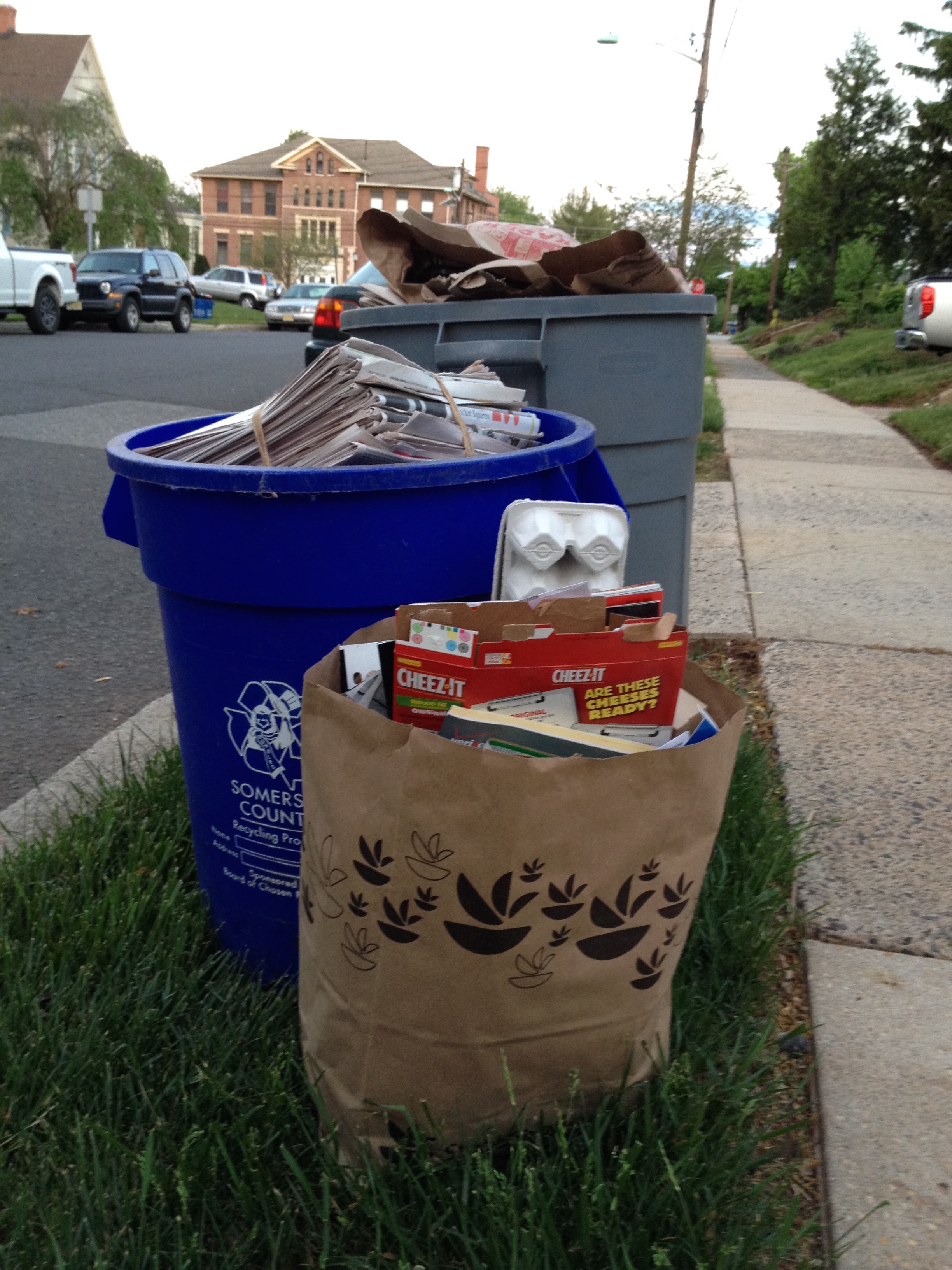
This past weekend I tried again. I had to drive to a new location where, I kid you not, the traffic pattern had to be changed to accommodate all the shredders. I was kind of glad in an impatient sort of way. I’d brought a book to read, anticipating such a wait. I was a bit anxious, however, with a police officer watching. I mean I had a book to my face in traffic, after all. At least it wasn’t a cell phone. The line crept along until I was finally admitted. I had six bags of confidential stuff in the trunk, and I was glad to have the chance to have my personal life obliterated by the huge, roaring trucks. As I inched to the front of the line, the check-in lady asked me what town I was from, and in response gave me a handful of papers that I would only have to recycle. I thought of my recycle bin on my desktop at work. There seems to be no end to disposing of the information that defines our lives. Some would call it a tautology.
C58E576D-BA75-4991-AA88-B095BBED4E1C copy


Original Research

“But are you able to continue your research?” they ask. Academics can be so hopelessly naive sometimes. I recently had a notice on academia.edu that I was in the 30-day top 5 percent of page views. So I’m feeling like the Bruce Springsteen of academics for a few seconds. Meanwhile institutions who look at my record wonder why I haven’t produced anything lately. It’s really quite simple. Take a 40-hour work week (a foreign environment to most academics), add a daily commute of 3 hours, and subtract access to an academic library. As the old computers in sci-fi movies used to say, “does not compute.” My research these days is limited to material that is actually able to keep me awake on the bus (thus excluding most academic monographs) and those that I can afford to buy on an editor’s salary. My research has slowed considerably, in other words, due to circumstances beyond my control.

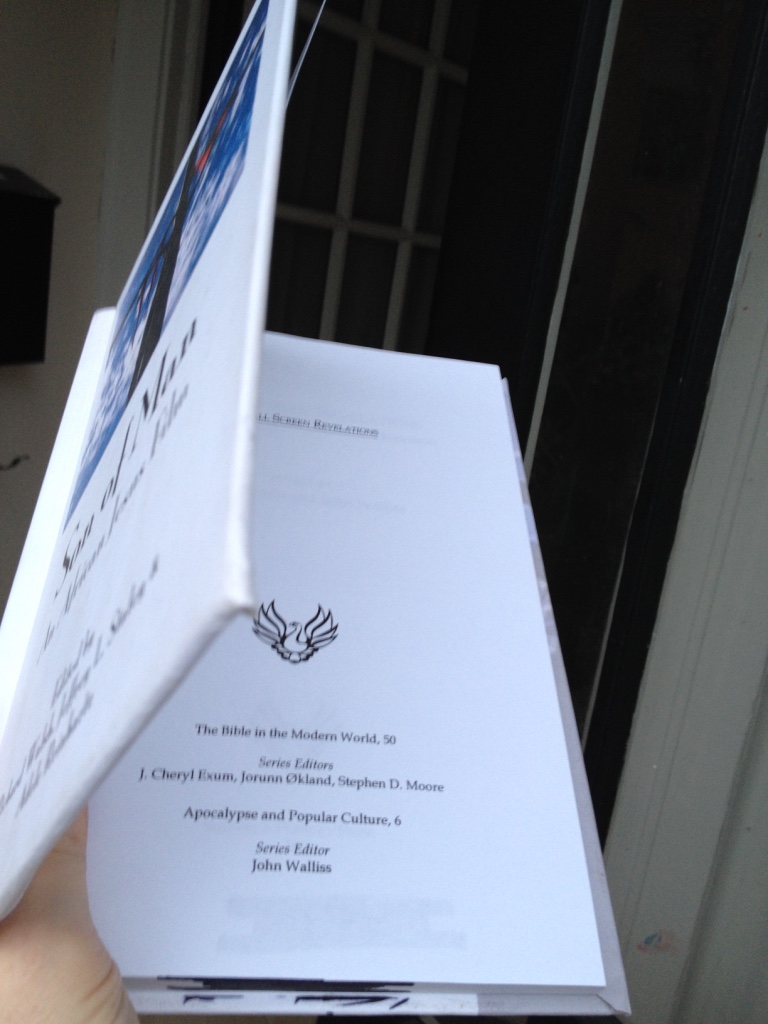
thumb_IMG_2163_1024That’s why I’m sitting here perplexed. Despite it all, I have had a paper accepted for presentation at the Society of Biblical Literature Annual Meeting this year. My project is on the Bible in Sleepy Hollow (thus the recent spate of books on Washington Irving and his hometown). Still, I had to challenge the budget and purchase a couple of things. The cover of my book has me confused. Son of Man, it says. Inside, however, is the text I need—Small Screen Revelations. (If you wonder why, watch Sleepy Hollow, or, if possible, come hear my paper.) The reason for the mismatch between the cover and content of my book is the price. A tome from the appropriately named Sheffield Phoenix Press, even used the volume costs almost $100. It’s just 200 pages. I managed to find a copy misbound for the bargain price of half that. Only an academic would pay $50 for a defective book just to get at the content. Am I able to continue my research? Reach for your wallets and see.

A large part of my job is spending time on university faculty webpages. Many of those I find haven’t published nearly as much as I have, but have comfy, tenured positions. Often it is because they’re the right brand. Catholics like Catholics, Presbyterians like Presbyterians, Baptists like Baptists. State universities hate them all. And once in a while I pull my doctoral robe out of my closet, press it to my face, and weep. I don’t know what a blue collar kid might have been thinking. Earn a challenging doctorate in an obscure field overseas and hope for a modest teaching position somewhere in the land of the most abundant colleges in the world? My race and gender should’ve come to mind long before I got that far. In some ways, I too am a misbound book. Am I able to continue my research? You be the judge.


Always with You

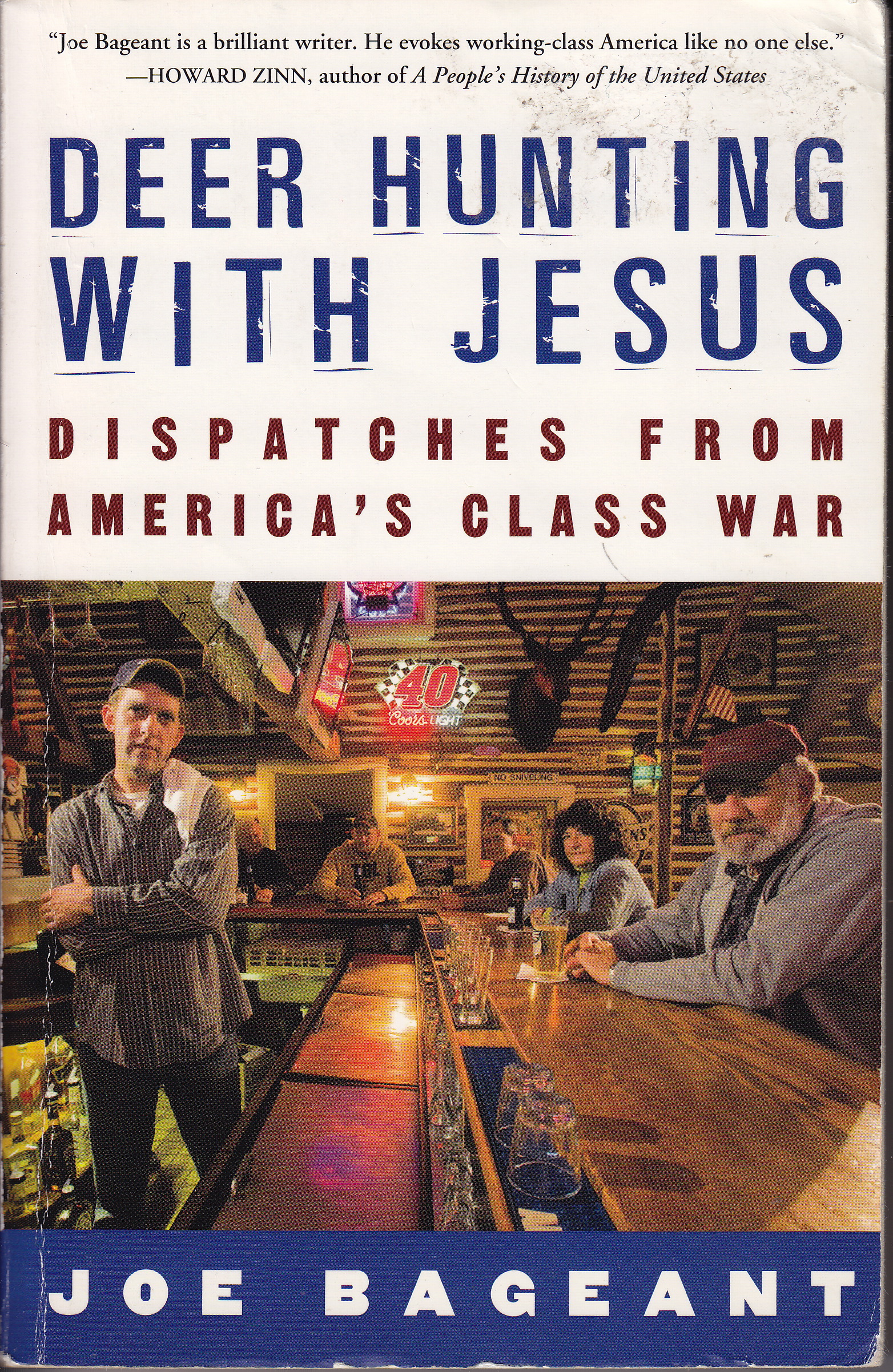
DeerHuntingIf you read only one book this year, let it be this one. I picked up Joe Bageant’s Deer Hunting with Jesus at a used book sale because of the title alone. The blurbs on the back suggested it would be hilarious, and even the subtitle, Dispatches from America’s Class War, didn’t sink in until I began reading. Written during the dark ages of the Bush administration, the contents are a bit dated, yet timeless. Although there’s humor here, I, like Bageant, was born and raised in a working class environment. My father was a house painter (before it became chic) and my stepfather was a blue-collar Joe who did the kinds of jobs nobody else wanted to do. Life was coarse and rough at times, but the people I knew were fiercely patriotic and staunchly Republican. Most adults I knew had never read a book since they’d managed to escape from high school. Deer hunting was nearly as religious as church, and anything you heard in either venue was to be taken absolutely literally. And yet government programs to help them get along were merely shams that politicians knew they couldn’t see.

Like Bageant, I feel at home among the working class. I am one of them. My job may be in Manhattan, but the sensibilities that got me this far are from the backwoods of Pennsylvania. Those who know me outside the office still occasionally call me a redneck. Perhaps it’s an affectation, but it is an affectation born of deep appreciation of the honesty of the worker. They’re no saints, the working class. They will get away with what they can (what bobble-head wagging above a white collar can honestly claim that it doesn’t as well?), they will laugh at the crudest jokes, and they will be mean and turn on each other if provoked. They are, however, good people caught in a system that won’t let them improve. The only possibility is education, the one service governments slash at every opportunity. The system, as Bageant shows, was built just to do that. Like Moses, throughout the book, he calls them “my people.” I know exactly what he means.

When I visit my hometown, it’s like a Bruce Springsteen song. Windows are boarded up and the streets seem even meaner than they were when I was a kid. These are people in ill health with a government that would rather not spend the money on them—we’re used to it, and Uncle Sam knows that—so it assures that the only businesses that thrive are fast food and liquor stores. You can also find a television and rifles, but not much else. The liberals, as Bageant states, don’t know how to relate to the common man. In my own experience, the redneck who earns a doctorate won’t have a chance of getting a job. The university liberals have their own agendas, too busy trying to save the planet to worry about the real people who make their lifestyle possible. I picked up Deer Hunting with Jesus as a joke, but found it the most important book that I’ve read in many years. Please read it and try to understand.


Mother for a Day

In a world set on tearing itself apart because of its differences, there is one thing every single person has in common. We all have a mother. In societies enamored of domination and competition, we take one day out of the year to stop and remember those who gave of themselves so that we could live. We place this day on a Sunday, the most passive of days when it will not interfere with regular business. We give chocolates, flowers, fruit-baskets, and then go back to the same usual grind come the next day. At the risk of gender stereotyping here, I do wonder how much wisdom we must miss by relegating our mothers to the background.

Growing up, we all know, is inevitable. We need to release ourselves “from the apron strings” and learn to cope in a hostile world. Not only do those overseas, different from us, wish us harm, but even our neighbors become our competitors and although friendly, we look for a way to find our advantage. Motherhood is a reminder that there is another way. Families, at least ideally, are built on cooperation. A willingness to set aside our own personal agenda for that of those for whom we care deeply. Used to be that the largest families (before family became a weapon used by religion) were those best placed to succeed. You had a set of people who shared a common mother, who united in a cooperative venture. Capitalism has little room for such a dynamic. It’s “each man for himself.”

Although churches around the country will mention mothers in their services today, Mother’s Day is a secular holiday. Hindus, Buddhists, Muslims, and Mormons all have mothers. Many religious groups, however, do not. Just last week some Roman Catholic women were ordained as priests here in New Jersey. Of course, the “mother church” disowned them, as priesthood is a male prerogative. Mother’s Day is not on the church calendar. It grew out of the Civil War with the sad realization that, left to their own devices, men will make wars that pit brothers against one another. Although I am stereotyping again, I have a hard time imagining a mother who would do such a thing. Mother’s Day should be an opportunity. Not only should we thank or remember our mothers, we should take to heart what motherhood means. I can’t help but believe the world would be a better place for it.

DSCN1941


The Eerie

Those who have trundled alongside of this blog for any length of time no doubt know of my interest in weird fiction. Somewhere in the mists of my youth this led me to one of the few venues in which a person can get a hook on the eerie, namely, horror films. I am, however, no fan of violence, and quite sensitive to the human condition. What I have always sought is hauntingly summarized in Robert Macfarlane’s Guardian article sent to me by a friend, entitled “The eeriness of the English countryside.” Horror has become, in keeping with the dullness imbued by a society of constant diversion, aggressive and shocking. New levels of nauseating cruelty are required for generations raised with graphic computer games and an internet that is like the subconscious completely unleashed into the waking world. You need more items jammed under the fingernails to elicit any reaction. That’s not what I’m here for. Whatever happened to the uncanny?

As Macfarlane notes, there is a natural eeriness to the landscape left by human activity. Not just in England, but wherever we set foot. The innocent-looking countryside is seething with undisclosed atrocities. It is no coincidence that in America the “Indian burial ground” motif took off for explaining the haunting of the landscape. The eerie is often our retrospective on what we know we really shouldn’t have done. Macfarlane is writing for those who’ve experienced the English countryside and its secrets, but no matter where we look we can find the uncanny cast into the scenery by our selfish actions. There is horror here, but it is subtle. You have to sit quietly and listen to hear it, but it can, like a good eerie novel, induce shivers without a drop of blood being shed. (Well, maybe a drop, but seldom more.)

Many doubt the soul exists. Others of us take a broader view of the question. Our view of the world is colored by what has brought us to where we are. As someone who has been repeatedly passed over for jobs because of the excesses of the white male society in which my ancestors happened to have tacitly participated, I rest on the horns of this dilemma. All of my conscious life I’ve supported equal rights for all races and genders. The landscape I inhabit, however, is haunted. There have been dark deeds undertaken on this soil, and the soul is that which remembers. Macfarlane is no doubt correct that even the eerie can be politicized. Those of us who daily experience it, however, know that England hosts only one of many, many tainted shores.

DSCN0216


Two Outlooks

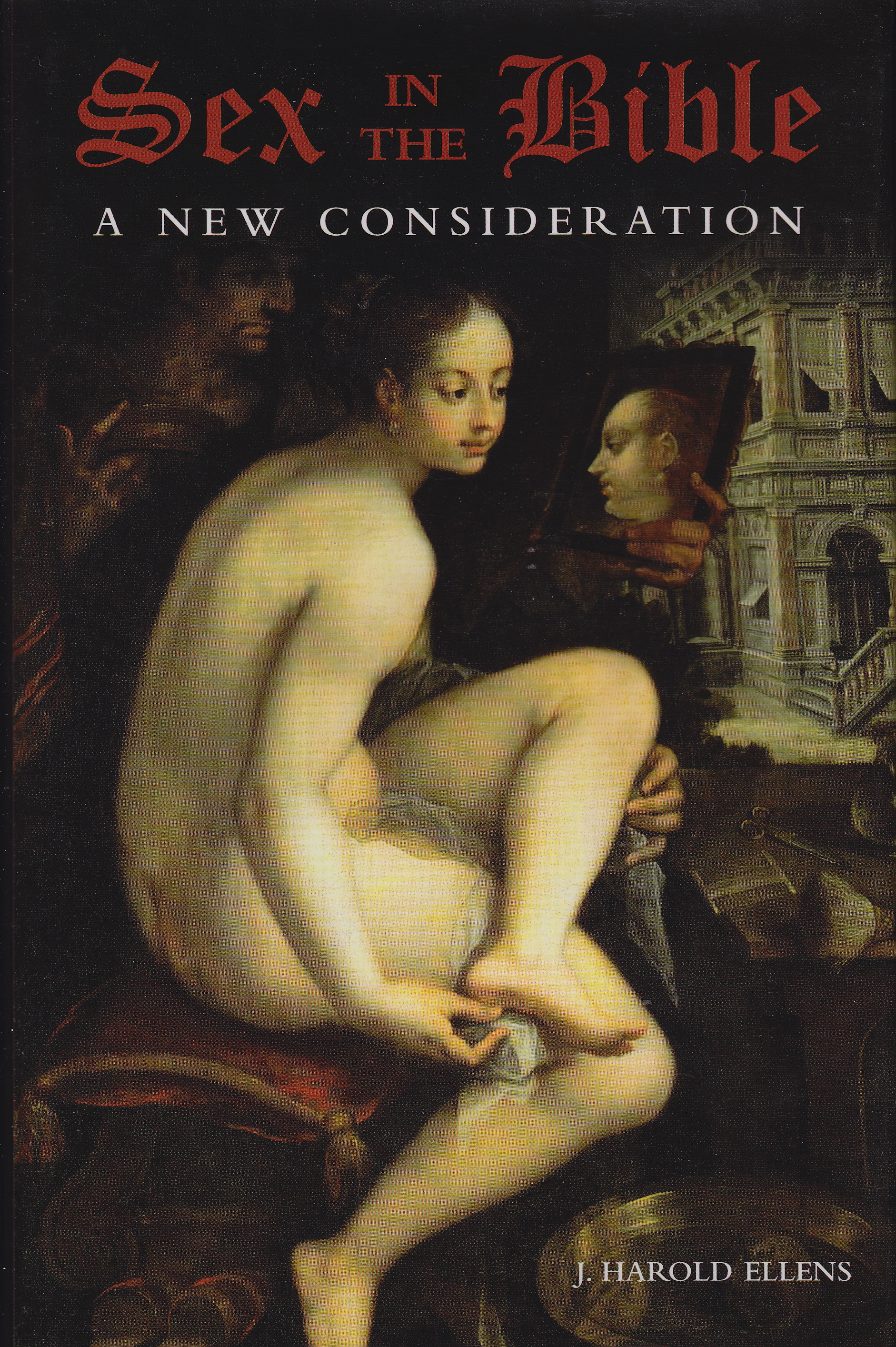
SexInTheBibleThe word polymath used to be applied more easily. In these days of highly specialized training, it is difficult to have expert knowledge in more than a couple of areas. The two areas, sexuality and scripture, dealt with in J. Harold Ellens’s Sex in the Bible: A New Consideration, are such zones of specialization. Students of the Bible have recently begun an intensive exploration of how sex fit into the ancient worldview. Ellens’s book surveys all of the biblical legislation about sexual matters and a fair number of the stories involving the same, with the sensitivity of a professional counselor. Indeed, his practical knowledge of human sexual development and psychological needs based on it should inform society’s understanding of scripture. The Bible is no pristine book. Neither is it a romance novel. Still, ancient people were not as shy about sex as post-Victorians tend to be. The Bible is often frank on the subject.

The main danger of a project like this is trying to decide where to take the Bible literally and where not. Ellens, while he has some training as a biblical scholar, falls into a familiar trap. He assumes, as parts of the Bible do, that Israel’s neighbors were sexually depraved. Not only did they condone things like bestiality, according to Ellens, but they incorporated sexual deviancy into their worship. Ancient records, readily available for decades, give the lie to that outlook. Ellens makes the case that biblical writers had no way of knowing, however, that homosexuality, for example, is a biological predisposition that can’t be changed at will. Other sexual practices that are now considered normal and healthy were perversions in the biblical period. Medical science should inform our understanding of Holy Writ.

This is an argument Ellens can’t win. Passionate though he may be about how all of this just makes sense from a scientifically informed point of view, the fact can’t be changed that the Bible does condemn some sex acts outright. Even more damaging, in my opinion, is that the Bible clearly views women as the sexual property of men, and men regulate the sexuality of their females. Anyone arguing that the Bible is a moral guidebook in regard to sexual mores must face this issue head on. There’s no tip-toeing around it, even with verified psychological pedigree. The Bible is the product of a patriarchal structure that did not tolerate sexual practice outside prescribed limits. We now understand the same behaviors from a scientific point of view, but the written text doesn’t change. It is just that dilemma that makes it very difficult to be an expert on two fields so diverse as sexuality and biblical studies.


Mind the Gap

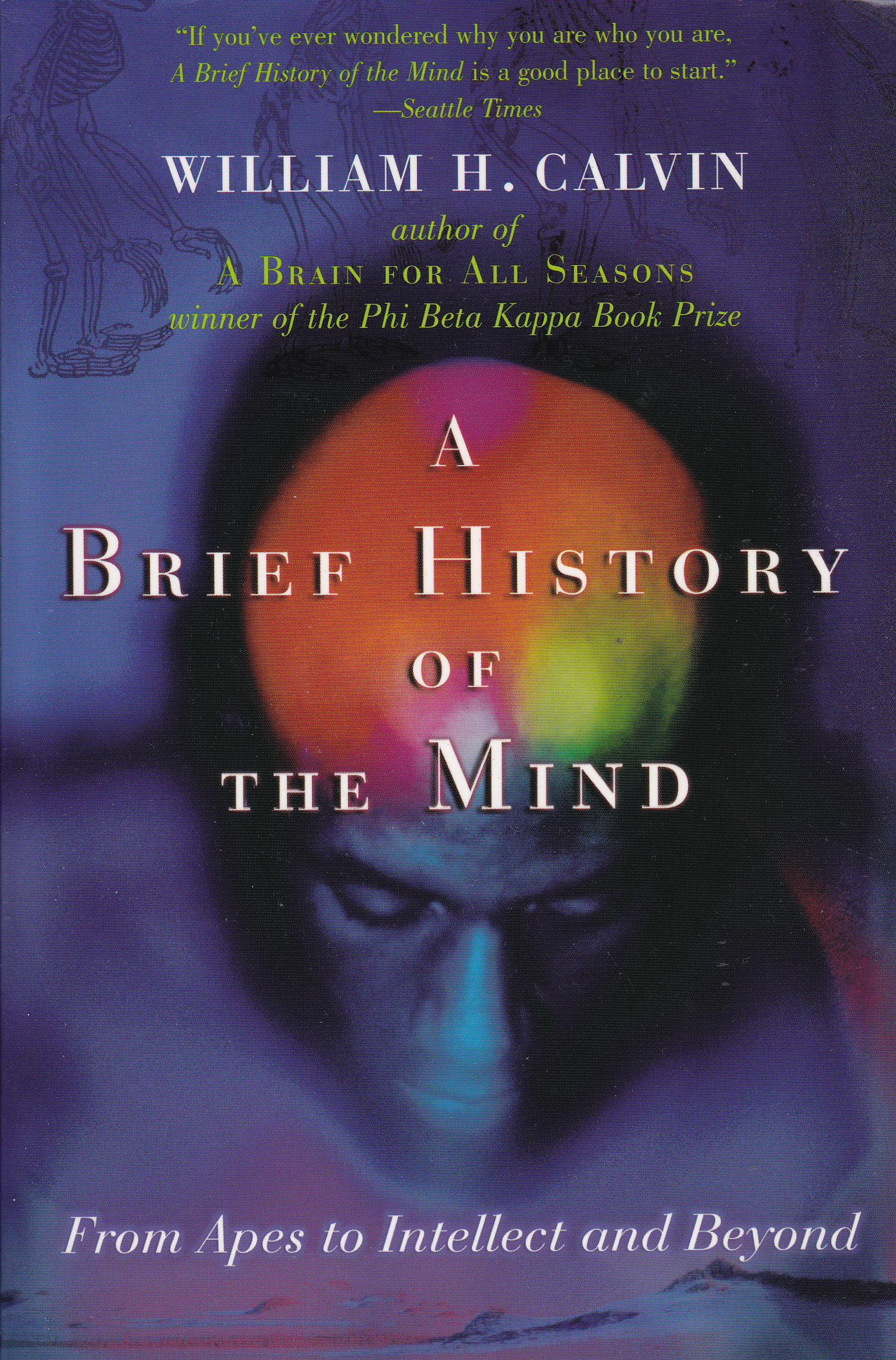
HistoryOfMindThere’s something on my mind. I guess that’s the normal state of a conscious being. William H. Calvin’s A Brief History of the Mind might clarify that a bit. Although I have trouble accepting Calvin’s belief that mind is the same as brain, he does allow, in this wonderful little book, for a somewhat more expansive view. Subtitled From Apes to Intellect and Beyond, the story is more than just a survey of archaeological finds and their physiological counterparts. This is a story. It is a story of how we developed minds. Calvin approaches the topic with the realization that others will have different stories, and that future discoveries (some of which may have already been made in the decade since the book was written) may change it a bit. The book ranges from the quasi-technical (at least from the perspective of sitting on a bus) to the amusing, but always keeping in sight of the fact that this is of human interest.

Particularly compelling is Calvin’s consideration that we may have, at least from our modern perspective, gotten ahead of ourselves a time or two. In discussing the migration of hominids from Africa, he makes the brilliant point that perhaps we weren’t quite ready for that adjustment at that time. We seem to have perhaps driven other hominids to extinction. Our technology might have been outracing our conceptual knowledge of how to handle it. When he returns to this theme later in the story, the results are even a little frightening. We do sometimes get to the point where we can do things that we shouldn’t do. Before our minds have realized the full implications. Atomic bombs, anyone?

Unlike many scientists who believe in materialism, Calvin does not ridicule religion. He notes that it can be taken too literally, but does not suggest we are fools for believing. In fact, he discusses a couple of sects that have turned dangerous over time. He shows how they acted logically, following their thought process in an orderly, if clearly wrong, direction. Some would use this as a cudgel to bash religion in general. Instead, Calvin seems to suggest that we might learn from all of this. Minds, while impressive, are not perfect. Logic can have its flaws. We can, despite the tragedy, learn valuable things about how the mind works. This is an open-ended story; the future of mind is being constantly disclosed. If there is a future for us, we can perhaps prepare a bit better by understanding what’s on our minds.


Receive History

Sacred texts, without readers, are mere artifacts. While so evident as to be trite, this truth lies behind the area of biblical studies called reception history. Perhaps from the earliest days that some books were considered holy, those who studied them wondered primarily what the original author meant. That was, after all, why the texts were preserved as special—they possessed a quality that other writings lacked. Over the centuries this perspective gained nuance and sophistication. (Despite what some secularists say, the study of the Bible can be quite scientific. Some of it is so technical that even specialists have a difficult time following it.) Until last century, however, one aspect remained unchallenged. The goal was to reach what the original author meant. The enterprise of exegesis is geared toward that end. Strip away the reader to get to the writer.

thumb_IMG_2069_1024Meanwhile sacred texts, such as the Bible, continue to develop their own lives in culture. While today’s facile use of the Bible in politics may seem to be something new, the use of Scripture in government is as old as this nation. It easily goes back to European explorations of text, and perhaps even to Asian exegesis before then. Even though the founders of the United States were unquestionably Deists, for the most part, they also were biblically literate. Even the Enlightenment recognized that the Bible held a privileged place in western civilization. Perhaps it was not the only sacred text, but it was a sacred text to many thousands, or millions, or people. Such a pedigree is wasted only with great loss to all. Enter reception history.

In the days of ecclesiastical hegemony, the church, however defined, had the right to interpret Scripture. With the growth of literacy and education the possibility of understanding the Bible spread to any who could read, or had ears to hear. We have only to glance around to see the ramifications of that today. While students may not know who Moses was in the Bible, they can tell you Christian Bale played him in a recent blockbuster. They may not know that Noah was 600 years old when the flood came, but they can tell you he was a troubled, if not somewhat psychotic, devotee of God. At least in popular culture. And that is merely the thinnest veneer of the surface. The idea of sacred texts remains embedded in our worldview. It would seem that if we want to understand ourselves, reception history will unearth vital clues.


Post Script to Art

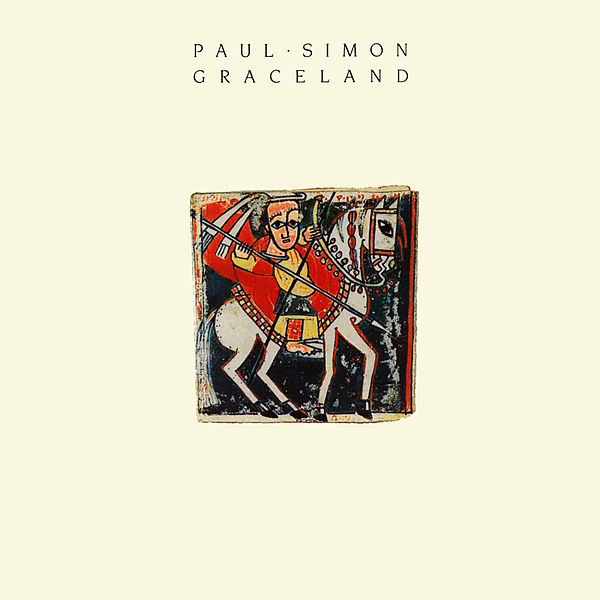
At work Christian Century is a magazine that sometimes lands on my desk. I suspect the book reviews are the main reason for this, but I like to skim the headlines to see what the more progressive, popular periodical has to say about the world. I always glimpse the news in brief section, and quite often the quotes of the week are poignant. This past week I read one from Paul Simon, who was speaking at Princeton University. The quote ran, “We are living in an anti-art age. The world is now a brutal place and obsessed with speed and wealth.” I found my head nodding as I read that sentiment. While I was a little too young to be aware of Paul Simon’s considerable contribution to popular music while it was happening (although I was old enough to appreciate Graceland when it came out), I nevertheless listened to Simon and Garfunkel during college and beyond, amazed at the depth and accuracy of Simon’s poetry. Here was a true artist.

What a difference half a century can make. I find myself not recognizing the world that I took for an assured thing as a child. Drawing back to get some perspective—which is something I think Paul Simon would appreciate—I think about the world without technology. Other species, for example. The behavior of, say, deer is the same today as it was when Europeans first invaded these shores. While deer still wander out onto roads in their natural quest for food, we race at them in heavy machines that leave them dead and twisted grotesquely at the roadside. Deer may not have the mental capacity to think, “hey, there’s fewer predators than there used to be,” but they are frequently brought into contact with a technology that is so nineteenth century, and the result is fatal. Where has the artistry gone? The deer remain the same.

I read a lot of older stuff. When I see the literature that was clearly published for its beauty of language and artistry, it brings a tear to my eye. We don’t publish work like that any more, unless it can make money. Everything has become a calculated capital venture. If you can’t make money off it, it’s not worth doing. When I was stressing out in college over exams, I would sometimes put on my old Simon and Garfunkel records and listen to the deep and complex lyrics to “Mrs. Robinson,” or “Bridge over Troubled Waters,” or “The Sound of Silence.” Despite the angst, this was a world that had a place for beauty for its own sake. It’s not just the music that’s changed since then, because I knew that I was listening to the words of a prophet. And prophets only appear when there’s trouble ahead.

Graceland


Bus Fare

The two things most likely to kill you on the streets of Midtown Manhattan are taxi cabs and city buses. Crossing the Fifth Avenue can be a dangerous game of chicken, even if the light’s in your favor. Over the past few weeks I’ve been noticing a lot of religious-themed advertising on the buses of this secular haven. A while back it was Killing Jesus—I suspect this must’ve been around Easter time. The movie based on the bestseller appeared with images of the savior tattooed over aluminum and glass. This week I noticed buses advertising A.D. “The Bible continues,” they claim. Don’t take that as career advice, however. With these thoughts in my head, it seems quite a coincidence that my wife would forward me a Huffington Post story entitled, “Anti-Muslim ‘Killing Jews Is Worship’ Ads Set To Go Up On NYC Buses, Subways.” New York City is a Judeo-Christian sort of town, I guess.

Of course, the text is deeper than that. I’d never heard of the American Freedom Defense Initiative (AFDI) before. According to Huff, it’s classified as a hate group directed at Muslims, and, in an ironic twist, designated public forums are not permitted to block adds. I’m just a layman, but I hope an educated one. Still, when I see public space as a battlefield for religious triumphalism, I wonder why the paid add space (what is the side of a bus, if not wasted advertising space?) is not restricted by any rules. I do not condone any kind of hate crime, and that should, I believe, include copy that intends to replicate hate. If human history has taught us nothing else, we’d be fools not to see that hate begets hate, and never love. The way out of a hateful situation is never to instill further hatred.

I spend a good deal of every week inside a bus. Sometimes as I try to read by the light of day, which has finally reappeared during my commute, the illumination is blocked by advertisements plastered over the windows of my expensive, public chariot. I sometimes peer out through the dots, unable to read what I’m advertising, and wonder what those on the other side see. Who am I shilling for? Perhaps this is a question the AFDI should put to itself—what if they were the ones on this bus. How will the person on the street look at them? With overflowing love or with reciprocal hate? The bus I ride is not really a choice I make. I like to think, however, that the destination for which we all hope would be for a more loving world.

You ad here

You ad here


I’m No Legend

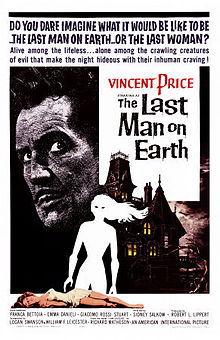
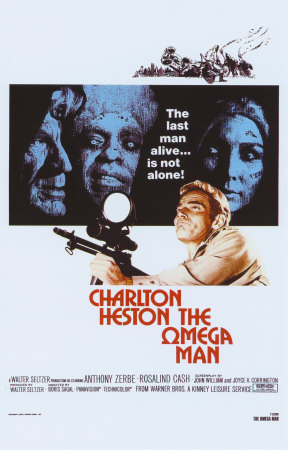
First there was The Last Man on Earth with that rare, disappointing performance by Vincent Price. Then there was The Omega Man, putting Charlton Heston into the role that fit him better than Moses. Finally, returning to the original title, I Am Legend featured Will Smith as Robert Neville. Having watched all three movies, I knew I should have read Richard Matheson’s short novel first. After all, it was a vampire story, and who doesn’t feel utterly alone once in a while? I finally decided to make an honest man of myself. It occurred to me as I started to read that I didn’t know how this story would end. All I had ever seen were cinematic treatments—and who writes anything serious about genre fiction? Still, I needed to know.

Last Man

Matheson was one of the writers who had caught Rod Serling’s attention on the Twilight Zone. Having read some of his short stories I could see why. Not knowing the ending, some of them can actually be scary. I Am Legend isn’t exactly frightening. It is, however, thought-provoking and sad. Matheson, a New Jersey native, wasn’t among the most literary of writers. Nevertheless, he conveys some deeply disturbing images of humanity in this particular novel. After all (spoiler alert!) Robert Neville is the evil one. He has been killing vampires with a cold calculation, no matter whether they are living or undead (good or bad). Who has a right to kill whom depends on your point of view.

The-Omega-Man-Poster

In I Am Legend, Matheson makes it clear that Neville, the last man alive, is an atheist. The problem, as it usually is, is theodicy. How could a god allow such a massive tragedy to strike not only himself, but the entire world? After the vampire virus had spread, Neville finds himself dragged into an evangelistic meeting by terrified survivors who had turned to religion to make sense of their tragedy. Neville escapes as quickly as he can. The movie versions tend to ignore this poignant aspect of the narrative. After all, the audience watching must sympathize with Neville or the whole draw of the movie is off. In a nation where atheists are trusted about as much as vampires, it seems that Matheson left us a parable as well as a legend.


States Right

Can you name your state insect? State bird? State dinosaur? The concept of united states, perhaps more obvious in Europe where languages differ, is a complex one. In the United States of America we’ve got our culture wars that generally divide along predictable state lines, but each state has a mix of progressives and conservatives, and caricatures may be funny but are hardly accurate. In this jambalaya of divergent ingredients, each state develops its own image in keeping with a couple centuries (for some) of tradition. We even have quarters that show our distinctive features on the reverse side! As one of those whose profession (whatever that is) has moved me across state borders periodically, I know that choice of domicile often depends on what it might offer by way of employment. Although one of my parents was born in New Jersey, I moved here not out of family loyalty but out of desperation to find work. Nearly every day I cross a state border to get to a job, but it feels pretty much the same to me.

Although I’ve lived in these states for nearly half a century (some of my years were spent abroad) I didn’t know that states had a choice of books. I don’t know if every state has a book. It saddened me to hear that New Jersey rejected “Born to Run” as state song since it was about trying to get out, but I don’t know if we have a state book. The Godfather, perhaps? Moby Dick? When NBC announced that Tennessee had its proposal to name the Bible as its state book shot down, I was a bit shocked. What is a state book? Tennessee, which (as a caricature) still takes pride in the Bryan side of the Scopes Monkey Trial, often leads the way, like Davy Crockett, against the untrusted, heathen other. The undiscovered country of modern thought. The Bible can be a comfortable book in that way.

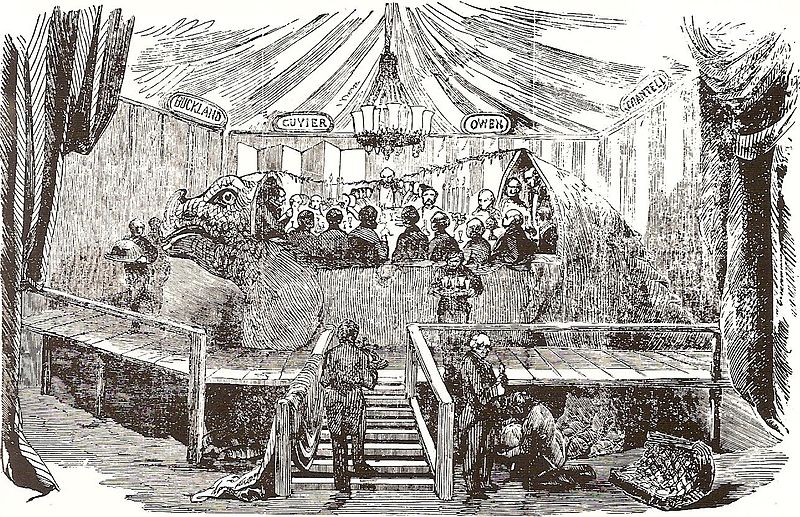
The Bible justifies our prejudices. Written mostly by white men who believed they were specially chosen by God, well, is it any wonder that it bestows a sense of entitlement? Radical in its time, the Bible now stands for status quo ante, ante meaning before women and non-whites won the right to be considered equal. It is a kind of Paleolithic justice. A caveman ethic. What better way to demonstrate that your state, like Indiana, is a special haven of the Almighty? Only here can the truth be found. If you’re looking anywhere this side of 1611 you’ll miss it. We don’t need to know what came before. Protestants, now partnering with conservative Catholics when it fits the political agenda, have always recognized book over state. We the people and all that. I really do wonder, can you name your state dinosaur?

800px-Crystal_palace_iguanodon


Almost Purgatory

Although it is difficult to tell from 32,000 feet, I think I might have flown over Purgatory on my way home from the UK. The two days I was in Oxford were uncharacteristically sunny and warm. Although it was cloudy around London when we lifted off, the skies cleared by the time we hit the Irish Sea and once Ireland came into view I kept a close watch for what I hoped might be Lough Derg, the site of what was once deemed to be Purgatory. Our flight path took us over the right region, but the maps in the back of the in-flight magazine are never detailed enough for navigation, and the lake itself is not large enough to appear on any but the most detailed charts. Still, I think I might have seen it. If this was Purgatory and I was overhead, I guess I must’ve been in Heaven for a while.

IMG_2129

Symbolism began to kick in, despite the lack of sleep. Our view of the earth today corresponds in a rough way to that of the ancients. For sure, we are more sophisticated, as we suppose, but there remains a lake of fire beneath our feet and the heavens above our heads. The area in between, according to medieval thought, was Purgatory. It’s the place where we live. Believing in the intensely mythological development of a rich afterlife that borrowed elements from the Greeks, Zoroastrians, and Egyptians is hardly something anyone could undertake seriously in the modern world, but the trials we undergo here and now somehow make Purgatory believable as a symbol. When I think of the troubles over the past few weeks alone I can take some solace in a symbolism designed to help us avoid Hell.

As on my trip from New York, I watched hundreds of miles of ice floes, icebergs from the air. I’m not sure if this is unusual—I don’t fly overseas very often, and sometimes it is dark and I can’t see the water below. Of climate change, however, I am absolutely certain. We have undertaken to bring about Hell on earth because of industrial greed. I can’t help but compare how companies continued to promote smoking heavily even after they knew it was killing people. Lucre can make monsters out of ordinary humans. Was that Purgatory I saw back there, over the Emerald Isle? I may never know, but down here on the ground the warming trend continues. Perhaps the ancients knew more than we think they did.


Dis-Connected

One of the more bemusing academic exercises is the analysis of the working class. Sometimes sociologists or scholars of religion take it upon themselves to present the view of the underprivileged. While they certainly seem to get some aspects right, in truth, they frequently don’t have a clue. Growing up in a working class household is the only way to have the authentic experience. I am one of a few, and I should I say I know many, many academics, who grew up in an authentic blue collar environment. When I read my fellow religionists discussing what it must be like to be underprivileged, I think, why don’t they just ask? Oh yeah. That’s right, I don’t have a teaching position. Why not? I have no connections. I have no connections because a kid who grew up in small town in a poor family doesn’t know to go to Harvard. I applied to transfer to Harvard from Boston University and was accepted. I decided not to go. A guy with connections would’ve known better.

Those of my colleagues with university or seminary posts tell me that the authentic blue collar academic is a hot commodity. In my blue collar frankness, I would equate that statement with what one might find behind the hindquarters of a male bovine. When a rare academic job opens up, the connections circuit begin to whir. Those of us who are unconnected (and I know I’m not the only one) will be passed up for one-year replacement positions as well as non-tenure track positions. They’ll gladly hire us as adjuncts—the blue collar workers of the academic world. I have been an inside candidate before. Although I knew entire departments I was not hired. I guess I don’t know the right people, dang-nabbit. (Imagine a thigh slap in there, in case you want to visualize your narrator.)

Blue collar workers are hard workers. As everyone, friend and foe, knew at Nashotah House, I worked hard. I obey the foreman. It’s a skill I learned before I finished middle school when I took my first blue collar job. Don’t bother telling me the excuses since I’ve heard them all before. We had to hire a (fill in the blank). So-and-so was already in our mind when we advertised the job. Once a seminary trustee complained to me that he had to get up at 4 a.m. to catch his flight. I get up at 4 every day, sometimes earlier. He was also well known for having an expensive, frivolous, and vain collection. He was the rector of a large and very influential parish. No worries; the poor you’ll always have with you, but be careful not to let them join the conversation. They might interfere with your connections.

Tell, don't ask.

Tell, don’t ask.


Accept Cookies

You have probably noticed it. As expected as the warmer days of spring are also the Girl Scout cookies. A symbol of wholesome fundraising, Girl Scout cookies have some dedicated buyers, and many imitators. Like any human organization, the Girl Scouts have their troubles, but I can’t help but compare them with the Boy Scouts in which I grew up. Well, at least for a few years. We’ve watched as the media have declared on the excluding of various demographics from the Boy Scouts. To rise to the top you must not deviate from the mythic model of the perfect man. Meanwhile, as an article in Tablet notes, Girl Scouts have been tolerant of difference from the beginning. In a day when being Jewish was still suspect in the wider community, Girl Scouts were founded with early troop leaders who were Jewish, and this was in the days before the First World War and the ensuing tragedy of the Holocaust during the Second. From those early days, Girl Scouts have continued to have a policy of acceptance of those who differ in religious outlook. It erects no barrier.

The success of social progress depends on how we train our young. Prejudice has to be learned. Children are accepting of those with differences until they learn not to be. Radical groups have to recruit constantly. Fear of strangers is natural, but when it becomes a paradigm it is a pathology. One of my professors once claimed that early Christianity thrived because it was exclusive. Only true members could join, like a country club, making it desirable among hoi polloi. Further research has demonstrated the falsity of this view. There were many varieties of Christianities in antiquity. Only by declaring itself uniquely correct, and convincing Constantine of the same, did one sect become dominant. And dominance was what it was about.

Society is all about getting along. We have come together around money to build the tallest structures on the planet. The tallest buildings used to be in the United States. Then China, Malaysia, Taiwan, Saudi Arabia, the United Arab Emirates. A tower serves no purpose without a collective to take pride in it. Religions, unfortunately, often measure themselves by those who stand outside. Taking the view that it only feels good to be right if others are wrong, it is easy for such thinking to slip into a prejudice that promotes and rewards exclusivity. One percent, anyone? Many aspire to such menial goals as getting more money. For me, a life that has a box of Girl Scout cookies available is enough. And I’ll take a tall glass of tolerance with that, and hope that others will feel free to share.

DSCN5045