Strangers

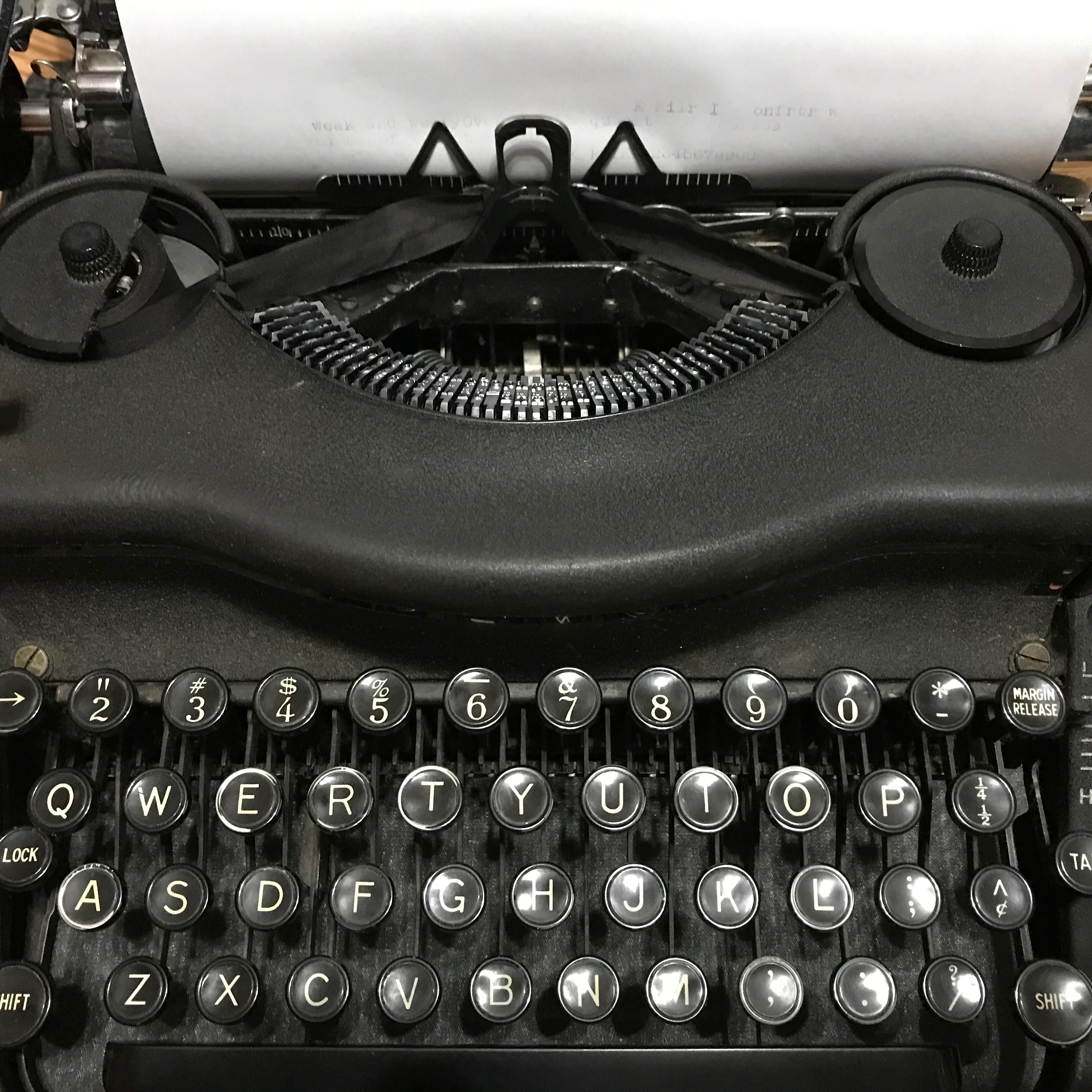
Okay, so I like to think that I’m a reasonably intelligent person.  I can drive a car.  I’ve read over two thousand books.  I have been blogging for nearly a decade and a half.  Why can’t I figure out this password thing?  My brother has a blog on WordPress too.  His posts are quite different than mine, but I always like to read them since we think a lot alike.  Anyway, I wanted to leave a comment on a recent post he wrote.  You’d think that’d be easy since this blog is also hosted on WordPress.  (I’m the one who suggested WordPress to him.)  When I went to post the comment I received a dialogue box basically asking “and who might you be?”  When I gave my web credentials it wanted a password, but it wasn’t clear which password it wanted.
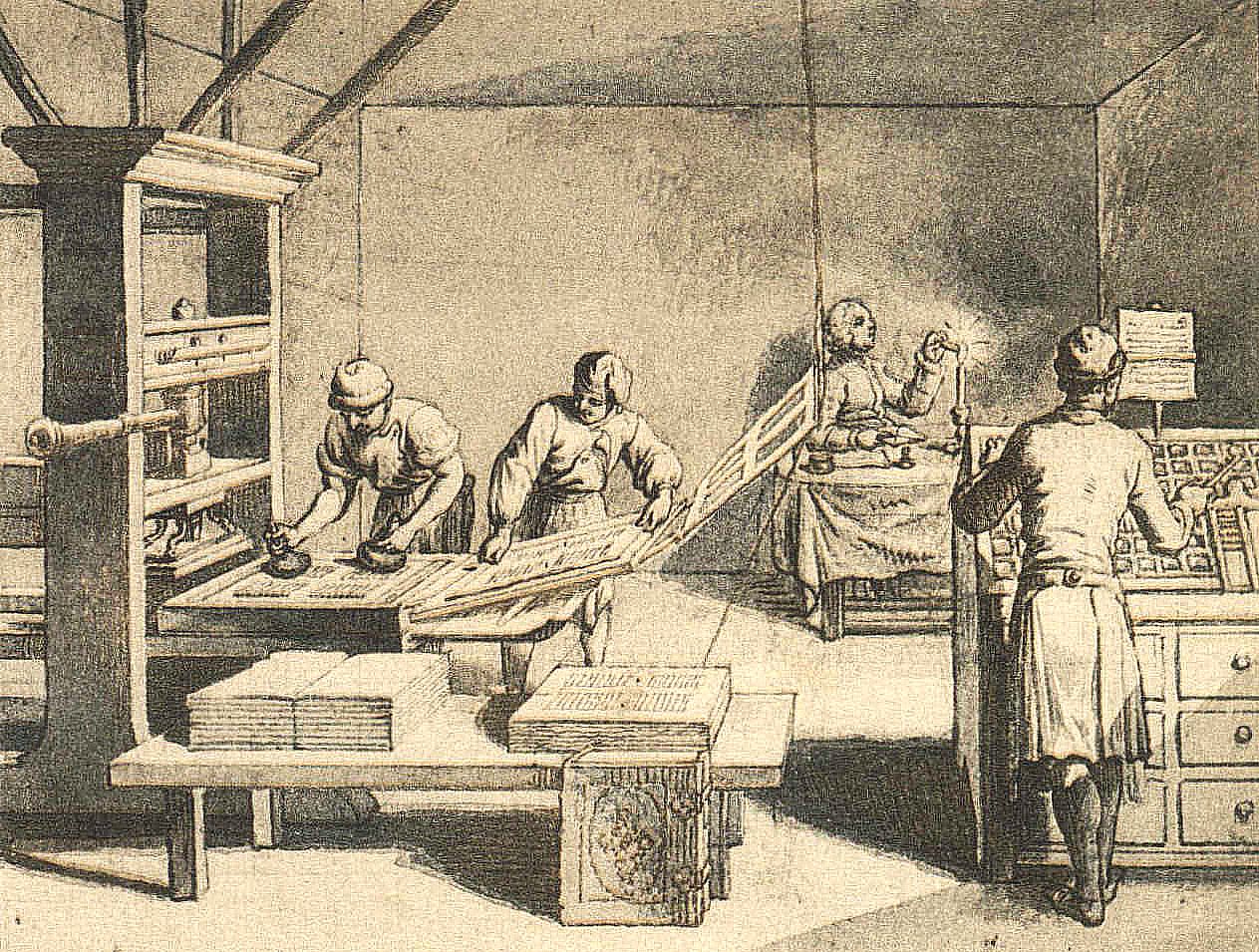
An actual word press; image credit: DANIEL CHODOWIECKI 62 bisher unveröffentlichte Handzeichnungen zu dem Elementarwerk von Johann Bernhard Basedow. Mit einem Vorworte von Max von Boehn. Voigtländer-Tetzner, Frankfurt am Main 1922, public domain via Wikimedia Commons

Like most human beings alive today I have more passwords than atoms in a typical tardigrade.  With a brain over sixty, trying to recollect them all in an instant, well, let’s just say that ain’t happenin’.  As I laboriously lumber through all relevant passwords (I’m pretty sure they don’t want all the unique ones I use at work, in addition to my private accounts), it rejects each and every one.  You see, WordPress is funny.  My own account, now 14 years old—maybe that’s the problem—those teenage years!—doesn’t recognize me at times.  Indeed, on my own blog (and I have a paying account) it sometimes blinks its virtual eyes and says, “and who might you be?”  I try not to take this personally.  I mean, we’ve only known each other for years.  And all I want to do is put a supportive comment on my brother’s blog—we share the same surname, and even the same web host.  What could be so difficult about that?

I’m pretty much logged into my WordPress account constantly.  I post every day.  There’s over 5,300 mini-essays of about 400 words.  That’s over 2 million words.  Is this relationship really so one-sided?  I’m trying hard not to let my aporripsophobia get the best of me here.  Just tell me which password you want!  And, if I can use it to log into my own WordPress account, why won’t it work for the WordPress accounts of family and friends when I want to make a comment?  We’ve been together for so long, do you really not know me any better than this?  Hey, I think I need a private moment with WordPress—you can check out my brother’s blog while you wait…


For the Music

Believe me, I’ve tried.  I took a year of piano lessons but just couldn’t get it.  I married a musician.  I tried to learn guitar.  (I would still play with it, but I broke a string last time I tried to tune it and who has time to get to a music store where it can be restrung?)  I can’t sing—I’ve never been trained and I just don’t seem to have the voice for it.  (In fact, since I no longer teach those close to me say I speak so softly that it’s a strain to hear me.)  But the fact is I love music.  That’s why I don’t listen to it as background.  If there’s music playing, that I like, I find it difficult to concentrate on anything else.  It goes directly to my brain, it seems.

My memory is such that if a piece of music is too familiar I sometimes just don’t want to hear it.  I’m also out of touch with contemporary music.  I have strong tastes, and not too much appeals to me.  When something does, it’s transcendent.  It’s like I’ve fused with the performers.  It’s mystical and amazing.  Growing up, we couldn’t afford much in the way of records.  (I’m sure I need not say anything about cassette or 8-track tapes.)  I listened to the radio with my brothers from time to time, and enjoyed what we heard.  I secretly enjoyed what I heard coming from my older brother’s room.  Left to my own devices, however, I tend to pick up a book and I can’t listen to music and read at the same time.  I know that this is my own neurological issue, but I’m letting you in because anything transcendent is worth sharing.  

Photo by Jefferson Santos on Unsplash

Although the quality isn’t as good, services such as Spotify and Amazon Music Unlimited have slowly introduced me to music of the nineties and later.  Why the nineties?  That’s when I began teaching and my spare time was spent researching (reading) and I had little time for other diversions.  You see, music may just be what it’s all about.  It’s being absorbed and enjoying every second of it.  Humans are visually oriented, but when we focus on sounds something happens to us.  I can be in a crowded store and stop dead right in the middle of the aisle if one of my special songs comes on in the background.  I have to stand and listen, shopping forgotten.  Transcendent moments are few.  If we were in transport all the time I fear it would become ordinary.  And such things are worth pondering on Groundhog Day.


Playing Authors

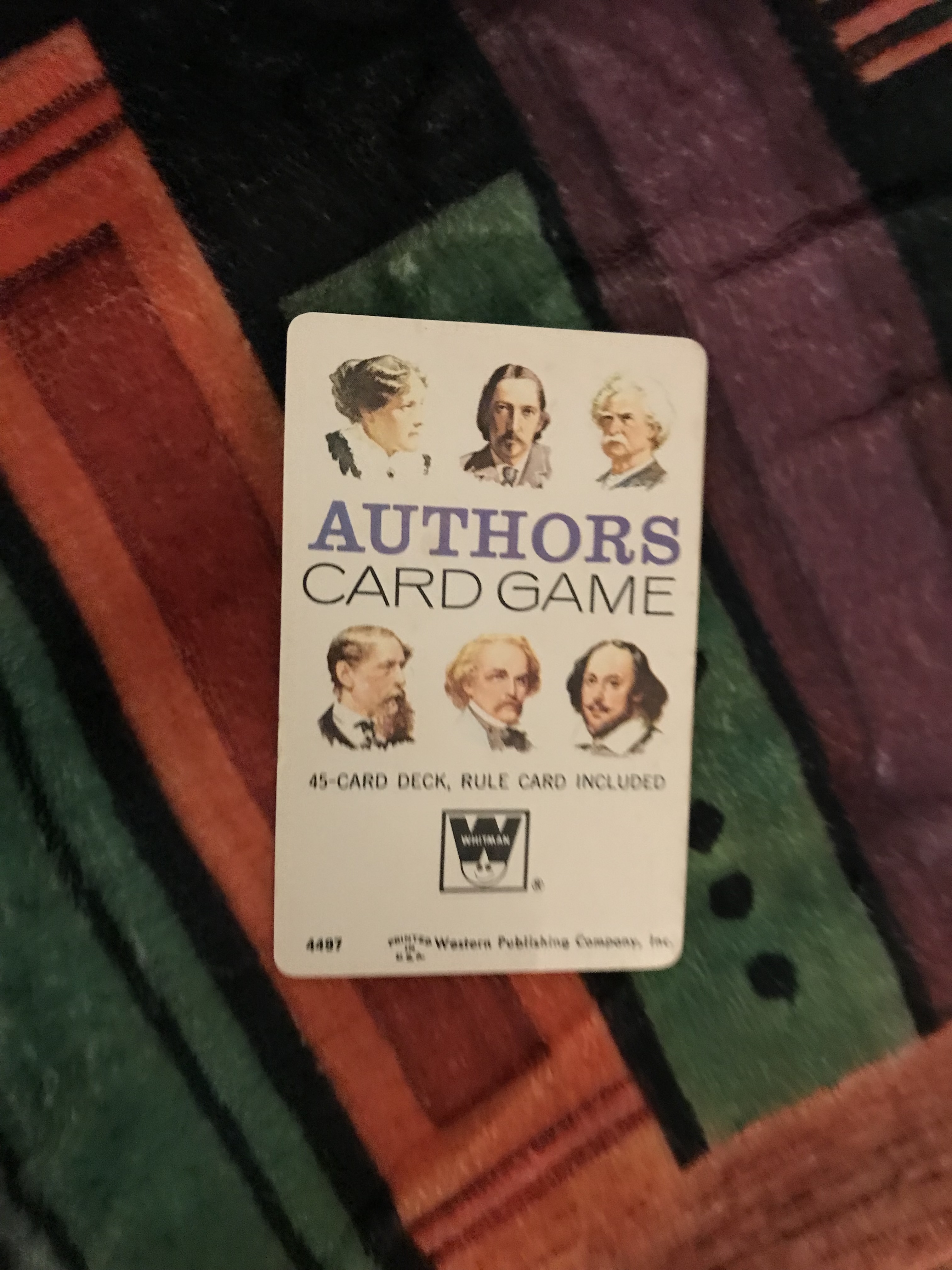
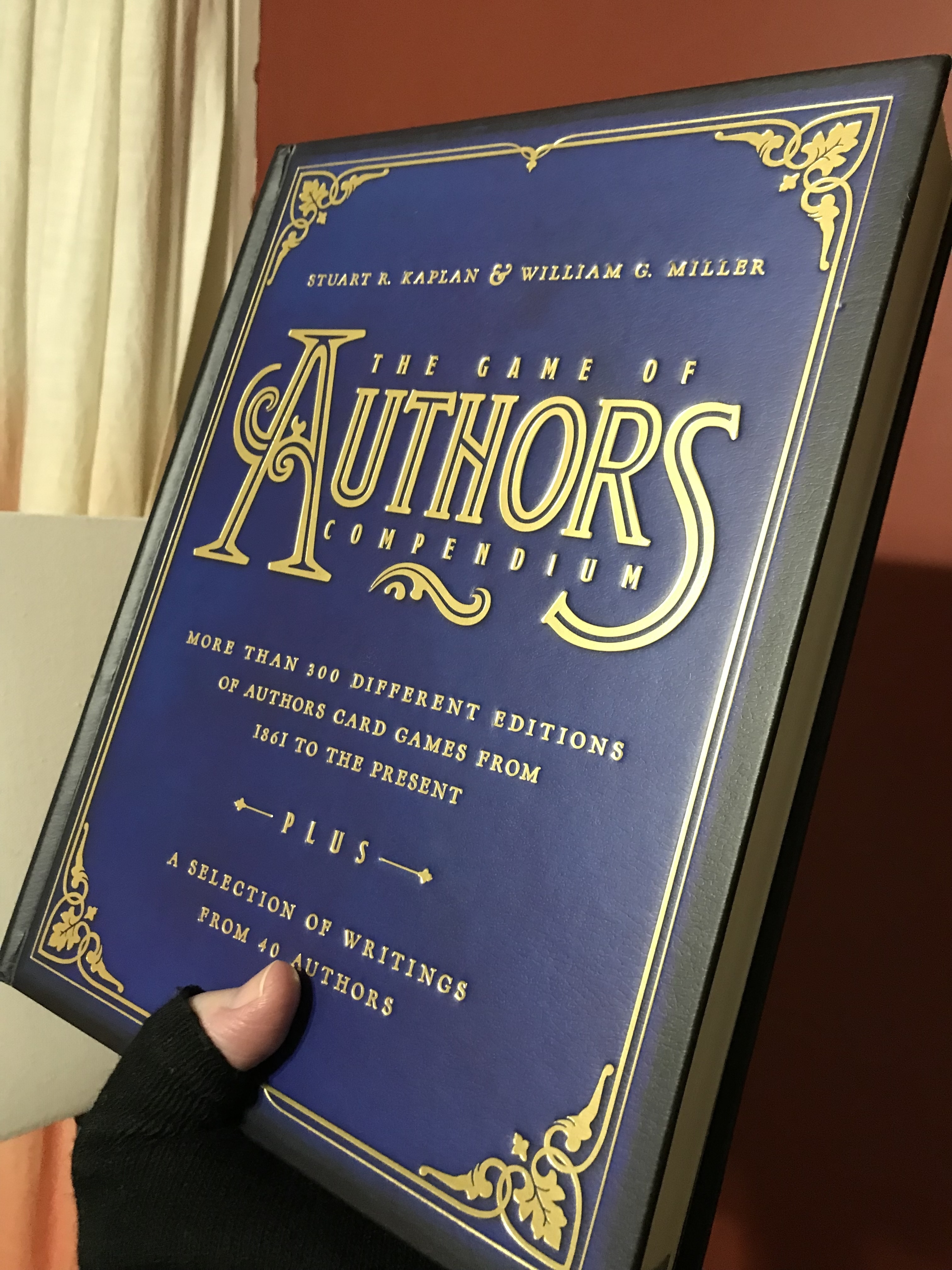
My family looked at me funnily, but not for the first time.  With a holiday gift card I’d ordered a book on the card game Authors that I’d blogged about recently.  You see, there’s not a ton of information on it on the web, and it was a formative influence in my life and I wanted to know more.  I suppose it’s typical for someone raised as a fundamentalist not to immediately think of evolution, but Authors has evolved over the years.  And quite a lot.  For one thing, you can’t copyright an idea and other game-producing companies made their own versions of the original game.  And what I’d assumed had been the original (since it was the one I had as a child) was only one of many versions.  The book even documents the Bible Authors game I’d mentioned.  My real interests included that age-old question—did it ever include Edgar Allan Poe?

Today is Poe’s birthday.  It’s fair to say that he’s one of the most recognizable authors in the world now.  He also had a tough time being accepted.  This book, which I haven’t read through—it’s more of a reference book, in any case—points out that Poe was indeed included in more than one edition of the game.  He isn’t one of the strongly recurring authors (which include several of whom I’d never heard).  This is the fate of writers.  Reading about Dickens lately, I came to realize that even after several best-selling novels (at numbers that would make any modern publisher gloat), he was effectively living off debt until well into his forties.  And he died at 58.  He was famous, but until his final years not what you could consider wealthy.  

Another realization dawned.  Writing for a wider readership means getting away from academic publishers.  I had an agent interested in my current book project for a couple of months before he decided it wasn’t for him.  I’ve also come to see that several authors I respect, and whose books are priced below $20, have published with presses that aren’t part of the Big Five.  And they earn some profit from their efforts (unlike academic publishing).  In other words, becoming an author of either fiction or non, often involves book sense that I’ve been slow to gain.  At the Easton Book Festival a few years back I met several local writers who were putting additions onto their houses with the royalties they earned.  I’d published three books at that point and was turning my pockets inside out hoping for forgotten spare change.  Authors is a game.  Those who are included are those who figured out how it’s played.


Movies, Paused

Technology breaks the world into bits.  It’s not just pixels, or 1s and 0s, it’s culture.  And we let it happen.  I was thinking this when I should’ve been watching a movie.  I don’t have much time for films, nor do I have money to see everything in a theater.  Or even to pay on a streaming service so that I can watch without commercials.  So like any zombie, I just let it happen.  Recently I was watching a movie—it’s here on this blog someplace—that was uncommonly unified by mood.  Edgar Allan Poe was of the opinion, and I think he was right, that short stories should be brief enough to finish in a single sitting.  Poe opined that such a reading allowed for the continuation of a mood set by the writer.  He was a master at doing this himself.  Breaking up movies with commercials reminds us of his wisdom.

Photo by Ramon Kagie on Unsplash

So I was watching a film where the dread builds up slowly.  The shadows, the music, the unspooling plot—try this new toothpaste!  Here’s a silly television show that you can watch on our network!  What was the mood I was in?  It was shattered by people pushing stuff I’ll never buy.  (I’ve got sensitive teeth, Mr. Commercial, and my dentist has recommended a brand that keeps me from gnawing my tongue off.  And that television show, Ms. Commercial, has no appeal to me.  I won’t watch it.)  Back to the mood you were trying to enjoy.  This isn’t anything new, of course.  I grew up watching Saturday afternoon monster movies and they were constantly interrupted by commercials.  You have to endure the sermon if you want the fun of coffee hour.  But still, but still…

Yes, I know the rules.  Subscribe to a service (I use two) and you can watch what we’ve got.  Only some of it will be interrupted by commercials.  Companies as large as ours didn’t get this way by accident, you know.  We had to show the average person what market research indicates they want—whiter teeth, more entertainment.  Forget what you’re watching at the moment.  Isn’t that mood just a little intense?  Don’t you need a little break just about now?  I don’t know how you see these posts, but I pay extra not to have advertising on my website.  I do hope that’s the case, if you see it from a device other than mine.  Besides


Your Mystery

Few things glaze the eyes of others like somebody else’s genealogy.  That’s not what this is, so unglaze those peepers!  As with most of my posts, there is reflection here and that contemplation applies to just about everyone.  We don’t know our parents very well.  It’s only been when trying to connect the dots for my progenitors that I came to realize just how poverty-stricken that knowledge is.  I could (and did) talk to my mother frequently, until recent days, but even to her my father was a mystery.  I knew he was in the military for at least six years, so I filed a military records request with the National Archives.  You can do this if you’re next-of-kin.  That’s when I learned of the National Personnel Records Center fire of 1973 when at least 16 million records were destroyed.

National Archives fire, public domain (via Wikimedia Commons)

My father is a mystery to me.  The National Personnel Records request brought back a few hits, all documents partially consumed by fire (for which the administer apologized) that contained just tiny bits of information.  All of this makes me reflect on our limitations in knowing others.  Parents, spouses, children, siblings—they all remain mysterious in some ways.  And some more than others.  We go through life knowing only ourselves, and not even that person fully.  Consciousness brings these things to a new level, but we still really find ourselves bound by our minds.  That’s why, I suspect, some of us keep trying to cram new things in there—wanting to understand others as well as ourselves.  All it takes is a fire in the National Archives to wipe out entire lives.  Or parts of them.

Now that her earthly time has ended, I realize my mother is also a mystery to me.  It will take some time before I can sit down to write out what I knew of her life.  We grow up distracted by our own needs and wants.  Does a baby bird ever wonder at the enormous energy and strain on its parents as they bring food to their open beaks?  Even those of us who write leave gaps—some intentional—in the records of our lives.  Other people are mysteries.  Wouldn’t the world be a better place if we treated them as such?  Instead, we often act as if their roles (store clerk, accountant, electrician) are their lives, their essential selves.  It’s all we can do, I know, to take care of our own lives.  But it would be a more wonderful world if we could see others as doing just the same.


Not Tomorrow

Two of the sweetest words I know are, in the context of a vacation, “not tomorrow.”  They’re especially sweet after you’ve had a couple days off and you start feeling anxious that time is running out, only to realize that although work will start again soon it’s “not tomorrow.”  You have another day when you can stay in your pajamas, read, watch movies, or, if you’re a certain personality type, write.  Or play games, put a puzzle together, visit friends.  Whatever it is you do to find meaning in life outside work.  Outside academia I’ve never worked for a company that gave more than one day itself for the Christmas holiday.  (Two, if you count New Year’s Day, but that’s technically on next year’s meager holiday tally sheet.)

Each year I cash in vacation days so that I can feel “not tomorrow” more than a day or two in a row.  One of the more depressing recollections I remember is climbing onto an empty bus well before sunrise to commute to an otherwise empty office my first December working for Routledge since I hadn’t accrued enough vacation to take the week off.  I’ve worked for two British companies and it doesn’t help knowing our colleagues in the UK automatically have that week off.  Colonials, however, have far fewer holidays, and if that means trooping to the office for form’s sake, so be it.  Very few people answer their emails between Christmas and New Year’s.  Her majesty’s realm thrived for my presence, I’m sure.

The pandemic has taught us that many, if not most, workers are self-motivated when not confined to an office.  We also know that the United States has the lowest life span among developed nations, and my guess is that one contributing factor is that we don’t have enough “not tomorrows” until it becomes literally true.  Life is a gift, and spending it doing the things we value is something we tend to deny ourselves in the hopes that someday we might retire.  Many companies have begun to cap the number of vacation days you can accrue at numbers so low that the year looks like a desert from January through late November.  It’s that stretch of “tomorrow is a work day” punctuated by weekends so vapid that they vanish by the time errands you can’t do during the week are done.  Why have we done this to ourselves?  For me personally, I only have two more regular work days off.  I’m beginning to feel anxious about it.  Then I tell myself that, for today at least, although I have to start work again soon, it’s not tomorrow.


Boxing

Christmas is too large for just one day.  I know that, of course, not everyone can take a string of days off work.  I realize there are people who work Christmas day.  For the rank and file of us drones, however, who sit in front of computers 9-2-5 making money for “the company,” this season should be a respite.  The day after Christmas goes by many names—the second day of Christmas, the feast of St. Stephen, Boxing Day.  Christmas, like ancient Roman winter festivals, couldn’t be contained in a single day.  For me, being a professor meant living life in semesters.  And semesters had breaks that included a couple weeks in December to regain your bearings.  To me, that remains how it should be.  So we continue to celebrate Christmas another day.  We do so without an agenda.  We do so by relearning how to relax.

Mental work is harder than it looks.  The work day takes up so much time that when I finally have a few days off I wonder how I ever get things done for the rest of the year.  Out of necessity, obviously.  You have to work.  You have to mow the lawn.  You have to visit the tax guy in tax season.  And so on.  I’ve been reading about bees lately.  They’re a lot more intelligent than people tend to think.  The hive mind has its own logic.  Still, worker bees literally work themselves to death.  Lifespans are measured in weeks.  It’s the price they pay for the success of the life of the hive.  And when, after a few years a queen dies, changes take place that make a worker a new queen.  The hive can continue.

Humans aren’t bees, of course.  Our society has different values.  We investigate when any of our species dies under mysterious circumstances, believing that all have certain rights.  (War, of course, cancels those rights, but we think and dream of peace during the Christmas season.)  Since the Christmas season remains with us but a few days each year, it makes sense to me that we build in some time for the drones and workers to recharge.  Across much of the world Boxing Day is a bank holiday—a day off work.  A time when the hive isn’t so worried about the concerns that mark most of the other days of the year.  Holidays are important.  They make us human.  As much as I appreciate bees, even the hive hibernates during winter.  Let’s give Christmas its due.


Morning Reflections

Morning thoughts are different from evening thoughts.  As we spin recklessly through the blackness of space on this globe, we really have no idea how consciousness works.  We assume, unless some “pathology” is present, that personalities are stable.  But we also think differently at differing times of the day.  I’ve long observed this as the work day progresses.  Anxiety tends to ratchet up during the afternoon, sometimes getting a head start in the morning.  Of course, all of it will depend on whether I slept well and have rebooted properly.  So the person you encounter when you see me will depend on when it is you come calling.  Many people prefer to know someone is coming.  Not only does it give you time to groom for the role you’re going to play, but it also allows you to prepare mentally.

I don’t see many people in the course of a day.  My job is such that I do not regularly have lots of meetings—sometimes going days without any.  During those times the only person I regularly see is my wife.  She’s more aware than most that my morning thoughts are different than my latter-day thoughts.  Those who think of me as a pessimist mostly know the me that’s been awake for several hours.  The morning me is generally optimistic.  And productive.  That cycle for me may begin a few hours before others awake, but it’s characterized by, in a word, inspiration.  The whetstone of a day grinds you down without always making you any sharper.  The problems of work are generally other people’s problems, but without the benefit of seeing them.  And I wonder, at what stage of morning to evening thinking are they?  That changes things.

Thinking is something that is constant.  It doesn’t slow down much, until the afternoon drowsies (with all that that implies—think carefully), but when it picks up again it’s quite different than morning thinking.  I tend to do my writing in the morning.  The freshness is important.  I realize others are on different timetables and at different points in their thinking day.  I wonder how much this has been studied by experts.  Me, I’m an amateur thinker.  I have some formal training in philosophy, but not as much as the professionals do.  I’m more of an experiencer.  An experiencer trying to make sense of life—or to assign it some meaning to help me get through the changes the day inevitably imposes on my thought process.  There’s a reason we appreciate sunrises on this wildly spinning planet, and it has something to do with the way we think in the morning.


Running out of Time

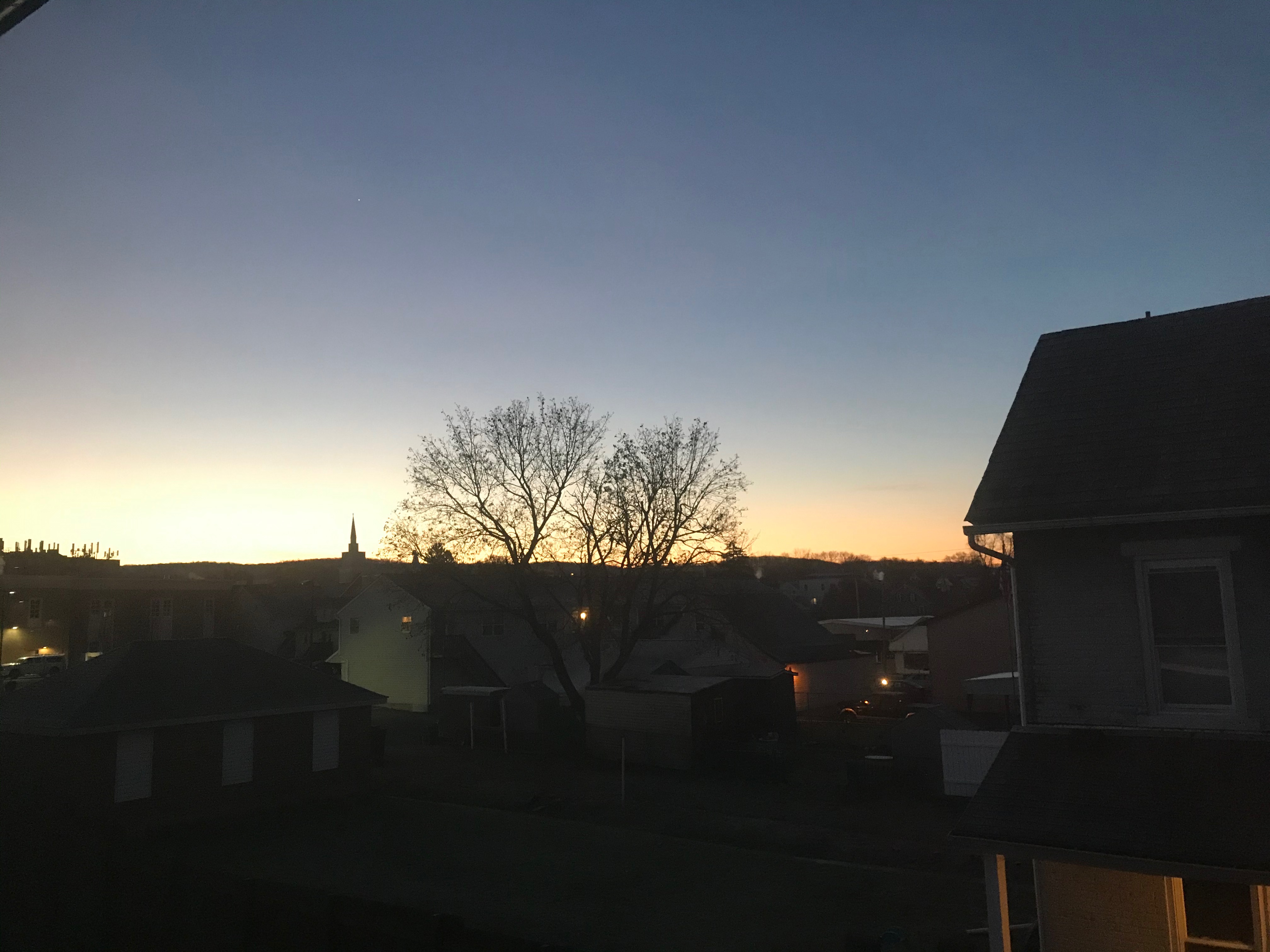
How can you let a solstice slip past without noticing it?  Admittedly, it’s sometimes easy to do in summer, but for the winter solstice it’s more serious.  Ironically for me, the issue is that I’m still a jogger.  When you start your work day early, and you try to jog before work, the shortness of the day works against you.  Even if you prefer the after-work jog, December and January give you that perpetual feeling that you’re running out of time.  Each year around about now I look at charts.  Some organizations helpfully publish sunrise and sunset charts free on the internet.  I trace them to see when there will be enough light to jog in the morning.  Because of the offset between latest sunrise and earliest sunset, the evenings have been getting microscopically longer for a couple weeks now.  Sunrises, however, are still coming later.  They’ll continue to do so until about mid-January.

For those of us who parse out our days into minutes, trying to feed the beast that requires our utter devotion, finding time to jog can be difficult.  It’s dark after work, and besides, I’m exhausted and hungry by then and need to start on supper.  Morning’s an easier thing to control.  With pagan fervor I await the lengthening days.  Particularly the early mornings, which I crave to be earlier again.  So we light a Yule log and pray for the best.  Not that it ever changes sunrise times.  Around here there’ve been a couple of epic December rainstorms and cloudy days push available light back even further.  With the sun technically risen, it can still be dark.  There’s a metaphor here, dear reader.

Winters are for reflection.  Unless we’re busy cramming each day full of seasonal festivities, we spend a lot of time indoors with our thoughts.  That’s one of the reasons I jog.  It clears my head.  It’s the reboot that comes after the reboot of a night’s rest.  I’ve generally been awake for hours before sunrise.  These little thoughts I share with you daily are courtesy of those quiet moments in the dark.  A winter is wasted if we don’t use it for reflection.  Employers should be more generous with their December holidays.  It’s in sync with nature, which is more in keeping with being human than “business,” or “busyness” is.  Today is the winter solstice.  Around sunset we will light some candles of hope.  And we know that even if we can’t really tell, tomorrow will have a bit more light than today.


Modern Gnostics

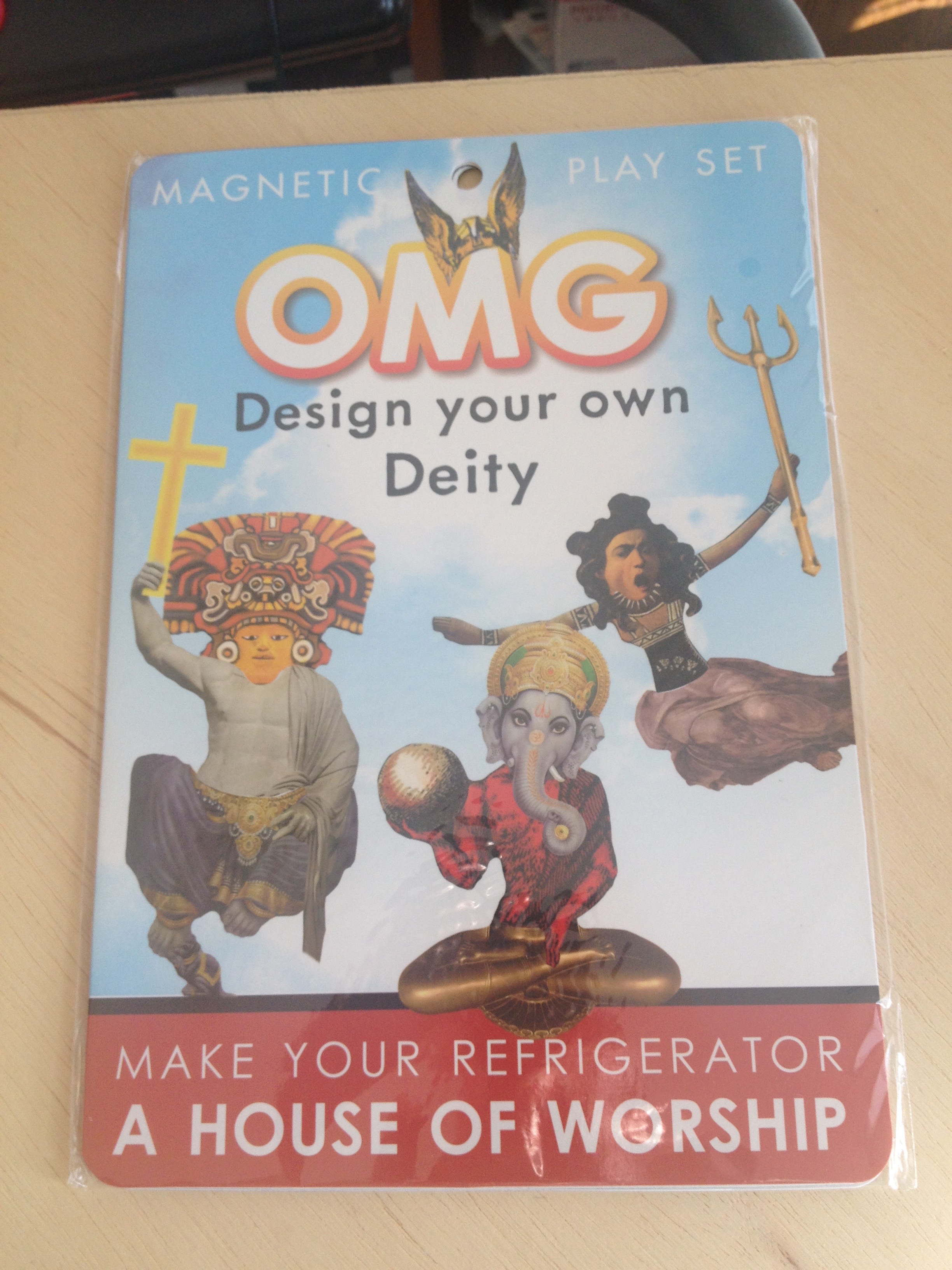
It’s not exactly a standard church.  At least I don’t think it is, but I’m just learning.  (That’s my life’s motto—I’m just learning.)  A convoluted path brought me to the Gnostic Catholic Union’s website.  I’m quite curious about this group.  I’m kind of busy, however, and I’ll hope to come back to it later.  You see, Gnosticism and Catholicism don’t sit easily together in my mind.  There’s a standard myth, accepted by many, that Christianity grew in linear fashion from Jesus through today’s weaponized Evangelical.  Or today’s Roman Catholic.  Or today’s—you fill in the blank—denomination.  Those of us who study the history or religions know the story is much more complicated than that.  It’s more like cladistics than theology.

It wasn’t so simple as a baby born in a manger.  Christianities were a variety of thought pools (not quite think tanks) in the first century.  There was a mix of Jewish ideas and messianic fervor.  One of those pools developed into a type of Christianity known as Gnosticism.  Gnosticism also had branches but one of the main ideas was that only initiates know a hidden knowledge necessary to make it work.  We still see this at play in both religious and secular organizations.  You need to know the secret handshake to be on the winning team.  Meanwhile different Christianities grew different ideas.  We rather simplistically think that Constantine unified them at the Council of Nicaea but you can bet that the guys leaving the council room did so with different ideas on the way home.

Roman Catholicism today is a very diverse religion.  You see, religious identity is something you tend to be born into.  Many people never question it because they’ve got other things to do with their lives.  Still, if you look you can see just how different “Catholics” can be.  It’s perhaps ironic because “catholic” means “universal.”  What’s really universal, however, is that people think differently about religion.  It’s the human condition.  There’s no reason a person can’t be both Gnostic and Catholic, just like there’s no reason you can’t be, say, a Unitarian-Universalist and a Hindu.  Religion is perhaps the most misunderstood of human enterprises.  Since most of us are too busy with other things we hire experts to tell us what to believe.  When enough of these experts are close enough in thought a denomination is born.  And it has many, many siblings.  I ran across the Gnostic Catholic Union quite by accident, but even those of us who are religionists by profession have limited time for everything.  I’m just learning.


Author! Author!

It happened in Salem.  In 1861.  The classic American card game, Authors, was published.  G. M. Whipple and A. A. Smith devised the game, which has remained available ever since then.  It’s one of the few games I remember having as a kid.  We, of course, had the Bible Authors game as well, which I’m kind of nostalgic for, but not enough to see if it’s on eBay.  The object of Authors, an early form of “Go Fish,” is to collect sets of four cards for each author.  Each card lists a different work.  Poets are represented by poems, of course, but prose authors mostly by books.  I have to confess to having eBayed this some time back and having beetlebrowed my family into playing it with me.  I noticed, however, a few curious omissions.

Edgar Allan Poe isn’t among their number.  Neither is Herman Melville.  Rather strangely, they included Shakespeare—centuries earlier than the others—and Alfred, Lord Tennyson.  The only female is Louisa May Alcott when there were perfectly acceptable Brontës in the room, as well as Jane Austin.  The game reflects its time.  A couple years back I was in Michaels—you know, the arts and crafts supplies store.  In fact, Michaels is one of those places for family outings, for families like mine.  (We tend to be creative types.)  While I’ve never been into scrapbooking, I walked down that aisle and found a set of stickers labeled “Literature.”  Two authors were represented: Shakespeare and Poe.  People smarter than me have argued that worldwide Poe is probably the best recognized American author.  I think it’s safe to say Shakespeare occupies a similar role in Britain.

Poe had fallen afoul of many in America because of an intentionally damning obituary by Rufus Wilmot Griswold, whom Poe had named his literary executor.  If it weren’t for Poe nobody would likely know Griswold’s name today.  In 1861, when Whipple and Smith were inventing their game, Poe wasn’t really considered worthy of emulation, largely because of Griswold.  He wasn’t the kind of guy you’d want your kids to be too curious about as you tried to teach them about literature.  Authors has gone through over 300 editions over the years.  I’ve never seen any of them (apart from Bible Authors) other than the Whitman edition from my childhood.  Each time I pick it up, smell the cards (go ahead—try smelling your Kindle), and thumb through the authors I feel like I’m missing something.  Go fish.


Call Me AI

Let’s call them Large Language Models instead of gracing them with the exalted title “artificial intelligence.”  Apparently, they have great potential.  They can also be very annoying.  For example, during a recent computer operating system upgrade, Macs incorporated LLM (large language model) technology into various word processing programs.  Some people probably like it.  It might save some wear and tear on your keyboard, I suppose.  Here’s what happens: you’re innocently typing along and your LLM anticipates and autocompletes your words.  I have to admit that, on the rare occasions that I text I find this helpful.  I don’t text because I despise brief communiqués that are inevitably misunderstood. When I’m writing long form (my preference), I don’t like my computer guessing what I’m trying to say.  Besides, I type faster than its suggestions most of the time.

We have gone after convenience over careful thought.  How many times have I been made to feel bad because I’ve misunderstood a message thumbed in haste, or even an email sent as if it were a text?  More than I care to count.  LLMs have no feelings.  They don’t understand what it is to be human, to be creative.  Algorithms are only a small part of life.  They have no place on a creative’s desktop.  I even thought that I should choose a different word every single time just to see what this feisty algorithm might do.  Even now I find that sometimes it has no idea where my thoughts are going.  Creative people experience that themselves from time to time.

Certain sequences of words suggest the following word.  I get that.  The object of creative writing, however, is to subvert that in some way.  If we knew just which way a novelist would go every time, why would we bother reading their books?  LLMs thrive on predictability.  They have no human experience of family tensions or heavy disappointments or unexpected elations.  We, as a species tend to express ourselves in similar ways when such things happen, and certain words suggest themselves when a sequence of letters falls from our fingers.  LLMs diminish us.  They imply that our creative wordplay is but some kind of sequence of 0s and 1s that can be tamed and stored in a box.  I suppose that for someone who has to write—say a work or school report—such thing might be a boon.  It’s not, however, the intelligence that it claims to be.


The Gift

Each day, each hour is a gift.  With my mother’s passing two months ago, I’ve been struck by the sheer number of colleagues that have died this year.  Not all of them older than me.  I wrote some months back about Michael S. Heiser, a blogging buddy from days past.  An email about a potential author just yesterday sent me back to the Society of Biblical Literature necrology.  This author had died unexpectedly the day before.  Glancing over the top of the list, I saw that three people with whom I’d worked died in November.  This was quite a shock since two of them were younger than me and the other not much older.  The thing about professors is that you kind of expect them to grow old.  To be old.  Life is a gift, and it’s sometimes easy to forget that.

Both tenacious and tenuous, life is a mystery.  Perhaps it’s perverse, but this makes Shirley Jackson’s “The Lottery” seem like a metaphor.  In fact, those of us who read and watch horror generally do so with a purpose, consciously or not.  It helps us face difficult things.  Five colleagues in one year sounds like a lot.  Someone in my family, younger than me, had six funerals to attend this year.  Life can feel difficult at such times.  Horror can be a coping mechanism.  At least for some of us.  It can be profoundly hopeful.  The meaning of life can be elusive, which is why, the existentialists conclude, we must make our own.  Existence precedes essence, as they say.

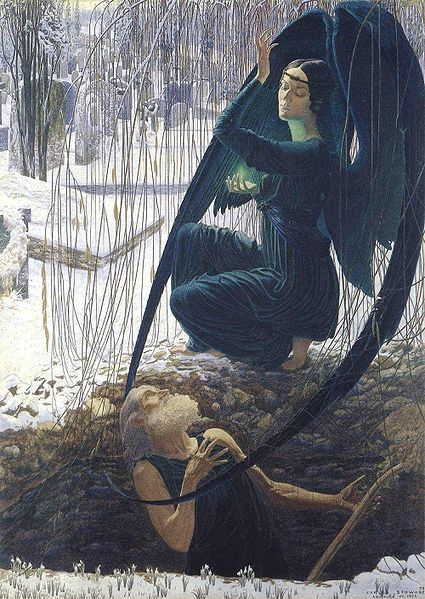
Carlos Schwabe, Death of the Undertaker; Wikimedia Commons

Other than profession, one of the few things these five fallen colleagues had in common was my perspective on them.  I don’t think they knew each other.  Had I not been an editor I likely wouldn’t have known three of them at all.  We live in a web of interconnection.  And I don’t mean the world-wide web (does anyone even use that term any more?).  Lives are gifts and gifts cross paths with other gifts.  Such information, all at once, can be difficult to process.  It makes me wonder why we allow wars.  Why we don’t think of consequences before we vote autocrats to power.  Instead, if we focus on that ephemeral gift we have, and how we might share it with others, appreciation rather than hatred grows.  To this lonely existentialist who watches horror for meaning, that just makes sense.


Support Roles

It seems to me that many people who strive for a particular life—say writer, actor, rock star—and don’t break through often end up in supporting roles.  I’ve looked for agents for three of my books (unsuccessfully, of course) and have noticed that many agents list themselves as authors as well.  I’ve not heard of any of their books, but then again, there are thousands of new books (likely closer to two million) published each year.  Nobody can keep up.  Since I can’t break through, I work as an editor.  A support role.  Many colleagues who haven’t made it to tenured professorships settle for the better paying but less rewarding job of being administrators.  Artists become gallery owners, guitar players sound engineers, actors coaches.  You get the picture.  We can’t all succeed at what we set out to do.

There is, however, always hope.  For the past several months I have begun each day seeking out quotes about hope.  Those who struggle, sometimes against great odds, must never give up.  I continue to write books even if they don’t sell or even get published.  Some of the writers I admire most never achieved fame until after they died.  The drive to do something noteworthy with life is strong, even if we don’t know what that is yet.  When we give up hope we become mere drones.  Automatons doing our pre-programmed work.  That is, we identify with our support roles and that becomes our life.

Photo by Faris Mohammed on Unsplash

I read about movies quite a lot.  There are many people involved, often in roles that most of us simply don’t comprehend.  Some of the more versatile people in the industry shift from role to role—director, writer, technician, producer, actor.  Those who break through are the few upon whom society smiles.  I recall learning about the Communist ideal of assigning people roles based on their early aptitudes.  I have no way of knowing if this really happened, but the idea is both scary and promising.  Scary because some of us are late bloomers.  Promising because some of us showed early talents that have been undervalued in our careers.  I don’t give up hope.  Daily, even on vacation, I awake early to work on what I hope to accomplish.  I may never break through—finding success as a writer is elusive, especially if you didn’t major in a subject others expect will lead to a writing career.  A support role gets you close enough, perhaps, to see how it’s done.  And to hope.


Flights of Horror

I’m never quite sure where to put him. Alfred Hitchcock, that is. Part of the problem is that “horror” is a very slippery genre. Most people classify much of Hitchcock’s work in the “thriller” genre, wanting to avoid the disrespectful older cousin, horror. I recently rewatched The Birds, a movie I first saw in college. You see, Hitchcock is an auteur demanding respect (never mind that many horror directors are highly educated and sophisticated). Even dainty colleges like Grove City considered him worthy of students’ attention. But while watching the extras it became clear that other horror directors considered The Birds horror, or, as they put it, Hitchcock’s monster movie. With its famously ambiguous ending, the film is still a frightening experience. And yet we consider it safe, because it’s Hitchcock.

I think about this quite a lot.  Even in Holy Horror I wondered whether including Psycho was fair game.  There’s no doubt that the remake is horror, and Robert Bloch, the author, was a horror writer and friend of H. P. Lovecraft.  But Psycho is Hitchcock.  Doesn’t that make it more respectable than mere horror?  Horror is often defined as being, or having, monsters.  That’s a bit simplistic in my book, but it is workable.  Pirates of the Caribbean movies all have monsters in them, but they’re blockbuster adventures.  Have the monsters deserted horror?  Or maybe is it that we have an ill-fitting genre title that we just don’t know what to do with?

The Birds is a scary movie.  Animals mass and attack, with the intent to kill.  Daphne du Maurier wasn’t really considered a horror writer, but her books and stories were adapted into horror films.  Like Hitchcock, she’s often considered above mere horror.  It seems that we’re being a bit dishonest here.  Why are we so afraid of horror?  The category, I mean.  Perhaps because the slashers—which Psycho kinda initiated—gave horror a bad rap.  Too much blood.  But there’s blood in The Birds.  Is it the mindless desire to kill?  Just ask the residents of Bodega Bay after the fire broke out.  It seems we have a real prejudice on our hands.  Horror grew up on the wrong side of the tracks and there’s nothing that can be done to make it respectable.  Horror fans object to recent attempts to call certain films “elevated horror” or “intelligent horror.”  Those who use terms like this sometimes imply that the rest of it is, well, for the birds.  It’s time, perhaps, for a new category.