Oxford Haunts

IMG_2007

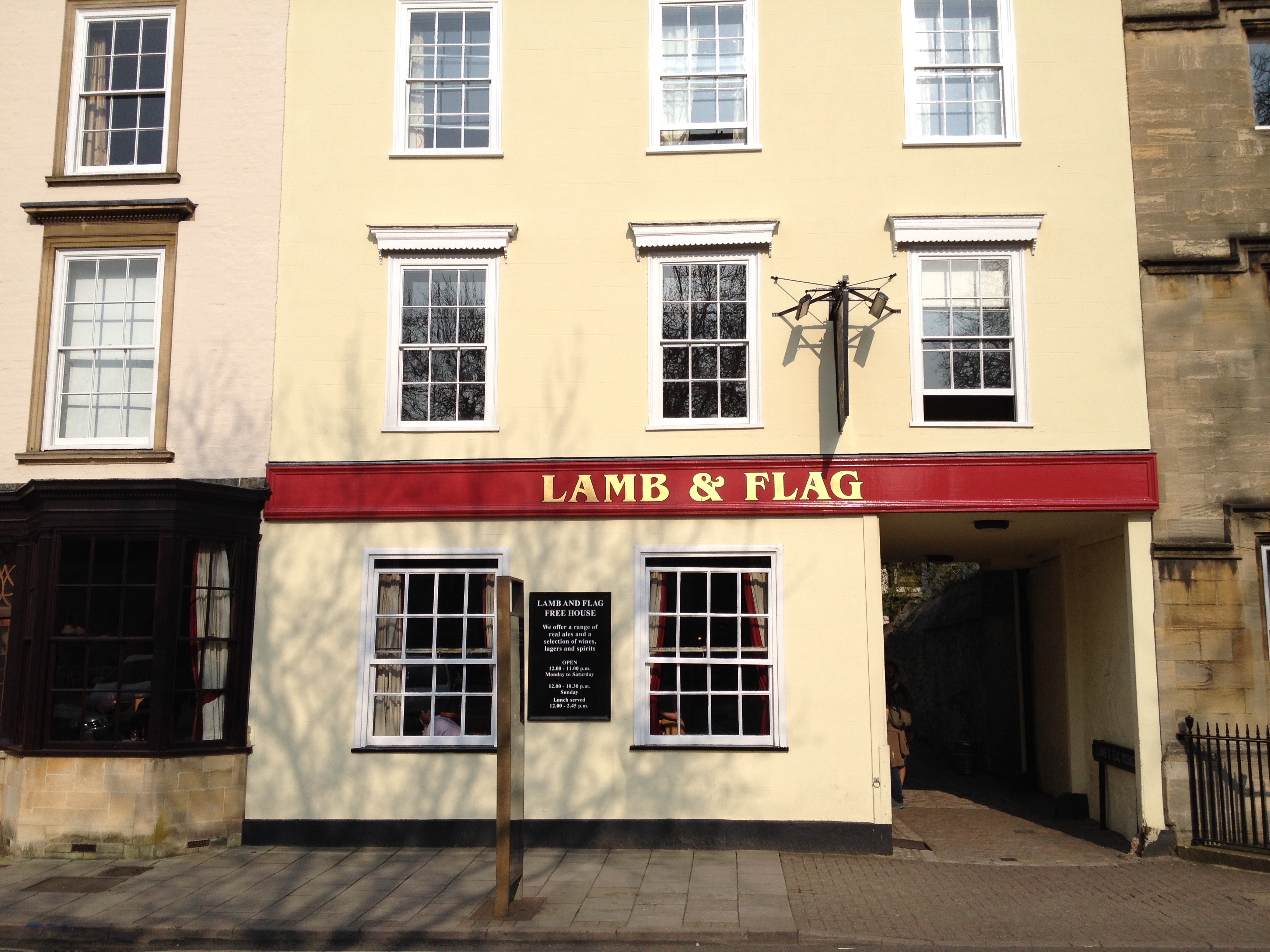
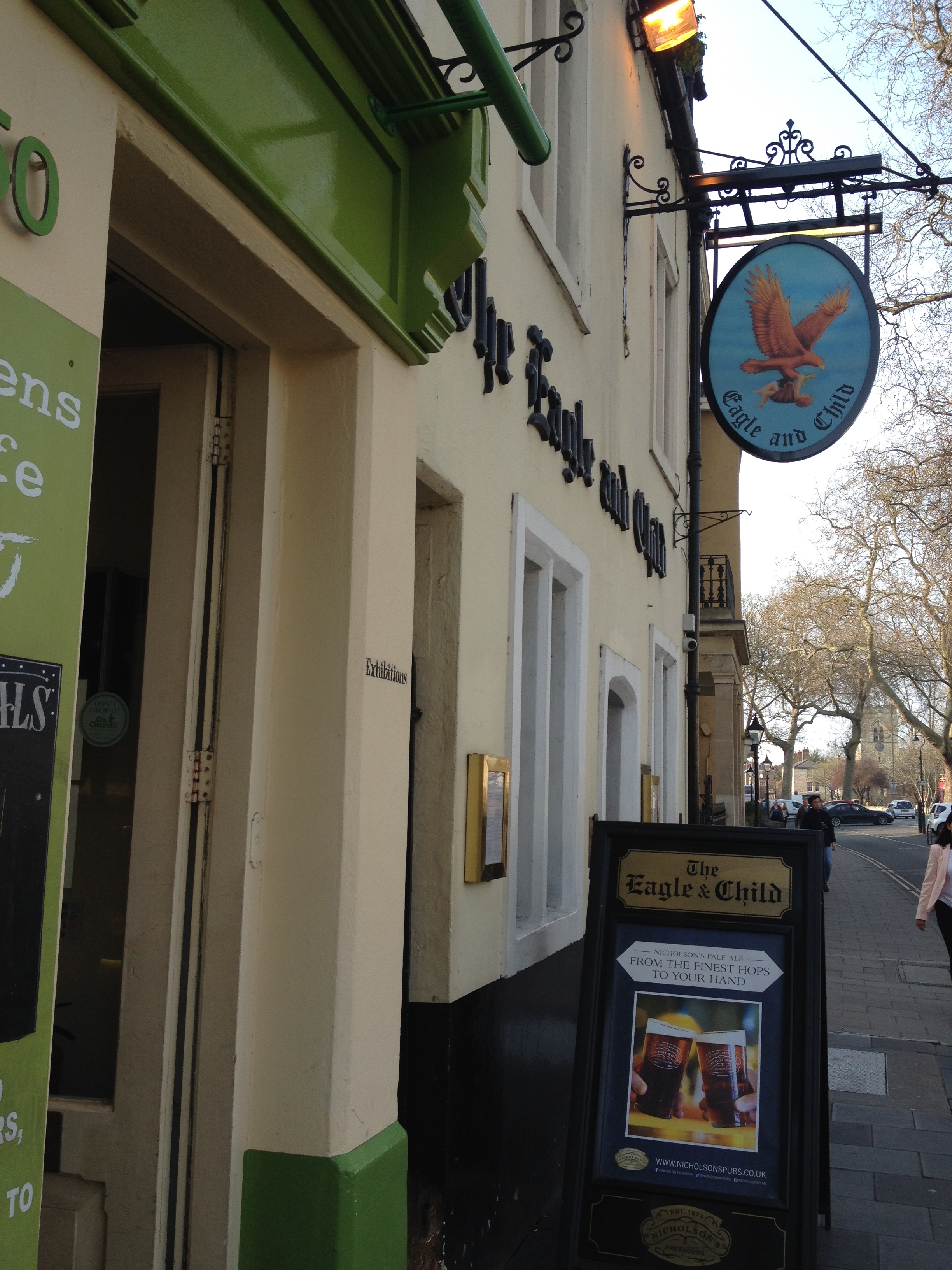
When I travel, when I have time to plan, I like to visit the haunts of literary figures. It would be difficult to think of two more influential (or abbreviation-ridden) English writers than J. R. R. Tolkien and C. S. Lewis. Both Oxford men, they liked to drink, I believe, at the Lamb and Flag. I stopped by to see, but just in case it was actually the Eagle and Child, I back-tracked to see it as well. Post-war Oxford was a place for an academic to write, and C. S. Lewis has influenced an entire generation of evangelical fans who overlook his penchant for drinking, and J. R. R. Tolkien seems to have invented the perfect fodder for CGI animators. Perhaps there was something in the air. Although no less of a literary talent, it may be less common to hear Thomas Hardy’s name. He is rumored to have written Jude the Obscure, appropriately, mostly in this pub. Good to know there’s someone else so obscure, by definition. It’s hard not to feel scholarly in Oxford.
IMG_2038

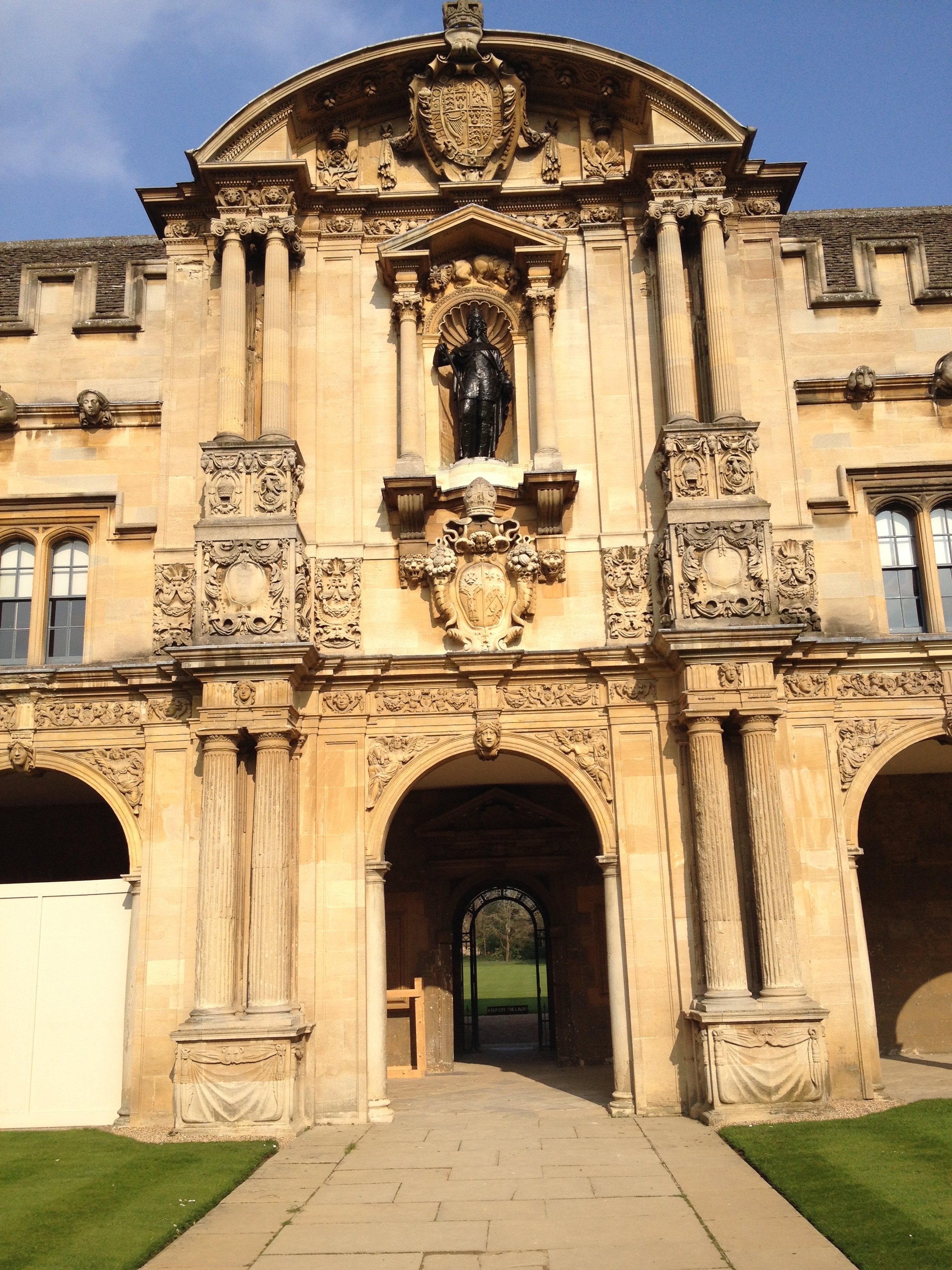
I have to confess, I dressed the part. I wore my Harris Tweed jacket and my Edinburgh school tie. It was a beautiful spring day, the like of which were extremely rare in Scotland some two decades ago. Not knowing that my business trip would offer the opportunities to explore the city a little, I hadn’t done much homework. A colleague suggested I stop into St. John’s College to look at the gardens. They’re only open from 1 to 5, and I timed it right to get there shortly before closing. Students wandering out in jeans, staring at their smartphones, could have been students at any number of universities I’ve known. The setting was, however, quite beautiful. There seems to be evidence that they don’t walk on the lawn. Tradition is treated with considerable respect here. Although, upon closer look, graffiti does make an appearance now and again.
IMG_2010

As I was stepping out the door of St. John’s, a family from eastern Asia was coming in. It was near closing time. The father asked me if this was Oxford University. I explained that it was part of Oxford University, but that the university was quite large and was all around the town. As he pressed me for more information, I wondered why he was asking an American who’d only been to Oxford once before about the place; I hadn’t done my homework, after all. Then it occurred to me. I was dressed rather like a prototypical professor. The tweed, the beard, the glasses, the consistently confused look on my face—I’d been mistaken for an university professor. I stepped outside and looked around. In a different time, perhaps it would have been true. And maybe Tolkien and Lewis would have lifted a warm pint in a cold pub and we all might have learned something.
Paper Oxford

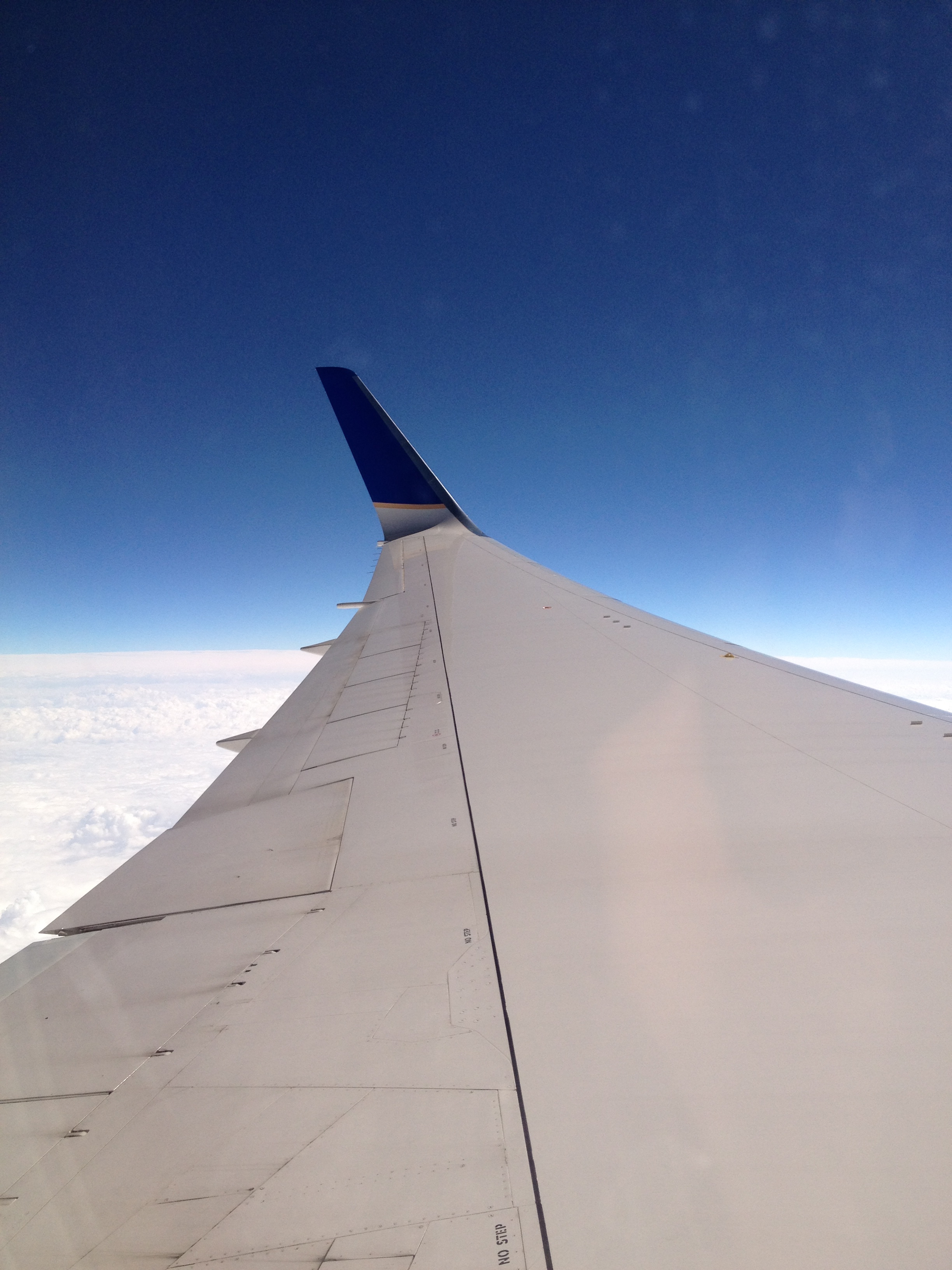
PaperTownsIt looks like a brilliant blue morning here in Oxford, yet my body is telling me that it’s the middle of the night. And that’s saying something, since I normally get up around 3:30 anyway. Routine is kind of a religious thing. In fact, it seems to be the root of ritualistic behavior. The passing of time is a matter that affects us all in some way. Jet lag is one of those ways. I’ve got an important meeting to attend in an hour—that’s why I’ve come all this way—and yet my mind will be telling me I should be elsewhere. Perhaps back over the north Atlantic, looking down at icebergs from the air, wondering if climate change is really that far advanced. Are there any polar caps left at all? Didn’t the Titanic hit an iceberg at this time of year, and wasn’t it a great surprise? At least on a ship you don’t get jet lag. There’s nothing like travel to shake you out of the ordinary.

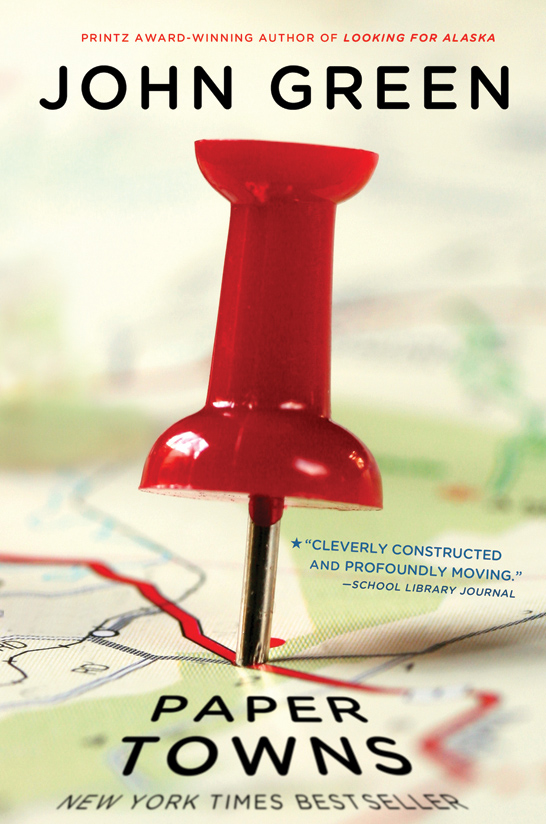
I suppose that’s part of the draw to John Green’s Paper Towns, which I read on the flight over. Although it’s young adult literature, Green has a way of capturing what it was like to be a teen on the cusp of adulthood, and the need to become who we are meant to be. It is a story of leaving home, and of living on the edge. Once a friend said to me that he couldn’t understand someone wanting to leave the place they grew up. I, on the other hand, was only too eager to leave a verbally abusive situation in an industrial town that was slowly dying with no prospects for the young. Needless to say, Paper Towns resonated with me. I can’t remember the last time I read a novel in a single sitting. Although I’ve been an adult for decades, I can still remember the feeling of being young, of falling in love, and wondering what this was all about. High above the north Atlantic, I was sure I still hadn’t figured it out.

There’s nothing religious about Paper Towns. The characters in it assume God to exist, as most Americans do. We make a lot of assumptions. My body is assuming it’s only two in the morning. My clock is telling me that it’s seven. Time is relative, but only one of those placeholders will determine if I am late to work in this place I find myself waking up. I remember being young, and although Oxford has its usual charm, I also know what it feels like to have to leave. The clock tells me that I have to go. The novel in my head tells me the same thing. I’m not sure what time it is. For the moment my paper town is Oxford, and it seems very real indeed.


United We Fly

IMG_0563

I’m on a flight from New York to London. This wasn’t a trip I particularly wanted to take (what business trip ever is?). I don’t like flying, and changing time zones takes days off my life. Bowing to the inevitable, I dutifully checked in yesterday. However, that didn’t go quite as planned. I’m flying United. I generally take United since they offer many destinations out of Newark, and who wants to cross Manhattan to get to JFK or Laguardia? I’ve actually become rather fond of United’s snack boxes. Since I’m so 1990s, I decided to check in on their website. Two or three pages in, they stopped me and suggested I should use my cell phone. This is much preferred, I’m told. Well, I do have a cell phone, but I’m not sure if I’ll be able to access it in the UK. Still, this is the way things are done these days. I had United’s app on my phone from a previous flight, so I happily typed in my confirmation number, to fly the friendly skies. Since this is an international flight, I have to scan in my passport. That’s a bit worrisome, but the app says to do it and who can argue with an app? Click. My passport is being encrypted and verified. I’m free to go. Then the message pops up. I can’t check in.

I’m old enough to know how to use a landline. I called United. The agent was very friendly, just like the skies, but clearly couldn’t comprehend the complexity of my issue. One, I couldn’t check in. Two, my passport had been sent to somebody, but who was it? United? Some foreign government? James Bond? I didn’t mean to make the guy nervous, but this is my passport we’re talking about! He said he would transfer me to tech support. The call was transferred. The cheery female robot asked me if I wanted a $100 Wal-Mart card. I should press one. I don’t support Wal-Mart so I didn’t press one. She cheerfully insisted. I resisted. She came back on and said that I could press any button for a Wal-Mart card. When I didn’t comply, she hung up on me. I called United again.

This time the agent assured me I would have a human response at tech support. I heard the two tones connecting me with a guy who sounded surprised to hear a voice from the outside world. It was like he was speaking from a dank basement somewhere. He had no idea where my passport scan went either. He suggested deleting the app and then downloading it again. Start the process over. Reboot, as it were. I know the reboot drill, but I was worried about my passport scan. Where had it gone? If his solution worked, at least one problem would be solved. I could check in and reserve my place on the flight (ironically, buying a ticket isn’t enough to do that). I confirmed the instructions with my light-deprived docent. I asked, in parting, what I should do about my missing passport scan. His advice was the very image of an ouroboros. “You might try calling customer service,” he said. I don’t like flying.


Happy Disruption

IMG_1567

Last night’s full moon shone brightly, announcing the grounding of the date of Easter, obviously associated with Passover. Unless one has a natural sense of the progressions of the lunar calendar, Easter can always seem a matter of guesswork. It fall on the first Sunday after the first full moon after the vernal equinox. It is one the many transitional season holidays. All holidays are intended to be disruptions from the normal flow of time. Of course, business is the natural enemy of holidays, except for Christmas, and, increasingly, Halloween. The usual business calendar eschews disruption, and there are no days off associated with the Passover-Easter complex. A little thing like death and resurrection shouldn’t stand in the way of turning a solid profit. Still, the point of holidays is their disruption of normal time.

My own time faces disruption this week with a business trip to England. Funny how often these seem to be demanded about this time of year. My usual blog posting patterns will surely be disrupted as time zones zip up across the Atlantic. Disruption will become endemic. Disruption without the celebration. Ritual experts tell us that Passover, the basis for Easter, was a development from an even earlier pre-biblical rite. People have always found a way of marking the more obvious transition of seasons, the planned disruption of daily life.

Routine becomes comfortable, no matter how inherently uncomfortable it may be. I awake before 4 a.m. each day with many others whose lives are dictated by bus schedules and economic necessity. No matter how many years I’ve been doing this my body objects to the early hour that draws me from the comfort of sleep. It is a disruption. Now my disruption is about to be disrupted and I’m wondering what is holy about any of this. Time, which always comes in limited quantities, seems best spent with those we wish to celebrate. Our own private holidays. But business and resurrection don’t sit comfortably together. True religion and money are, it seems, inherently at odds. As I pack my bag and turn to the east, I look at my calendar and wonder when the next true holiday will arrive.


No Beef

IMG_1932

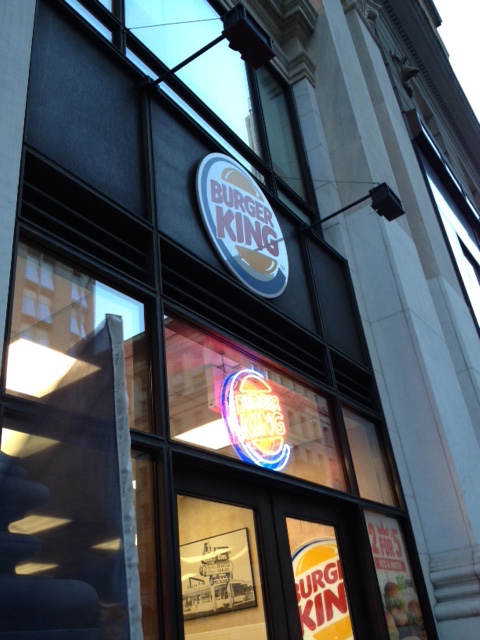
Burger franchises aren’t always the best option for vegetarians. When you’re traveling, however, choices can be slim. My wife and I recently pulled into a Burger King. They do have a veggie burger, although it is clear that those who prepare them seldom eat them. They must be frozen because they inevitably have that tough edge that comes from microwaving them just a little too long. Anyway, we were sitting down to have a bite, or chew, when a group of three gentlemen in the corner booth caught our attention. They were arguing, in a friendly way, over Christianity. Among the topics of conversation was the age of the earth. (Ten thousand years, at the outside.) Overhearing the conversation, I started to get nervous. I noticed the guy at the table next to them glancing curiously their way.

I glanced around. Other people having conversations about mundane things. Perhaps this is what we’re taught to do. Speak of things that have little depth. We are in a public place. We don’t discuss religion or politics here. But then I reconsidered the situation. If I were to join their discussion I’m sure we would have found little in the way of common ground, but I realized that conversations around religion do have depth. These guys, despite the media’s incessant message that religion is for non-intellectuals, were thinking deeply about topics of ultimate concern. When’s the last time I talked with a colleague about what really matters over lunch?

A blurb in a recent Christian Century mentioned Bob Dylan. It suggested that in a recent interview that he’d intimated that if he hadn’t gone into music, he would likely have studied theology. Likewise, I recalled an interview many years ago with Bruce Springsteen that suggested he might have made a good priest. Listening to the lyrics of many of the songs of these two icons will reveal that depth and public religious discourse many not be so rare as this incident in Burger King seemed to suggest. Maybe the words aren’t always direct. Maybe we speak in metaphors and with guarded asides. Maybe we speak with our actions instead of our words. Many of the most profound conversations we have, when viewed in that light, are like those of three men in a Burger King.


Maine Event

We have no control over where we’re born. Place, however, has a sacred significance. Many people have a sense of where they belong. Life may be a prolonged journey, like that of a salmon, to find one’s way there. While in seminary, one of my professors had the class introduce itself by name and town of birth. This was in Boston, at a school with a highly eclectic student body. I was born in the small town of Franklin, Pennsylvania. Other than having been the setting for an X-Files episode may years later (not filmed there, of course), it was not the kind of place anyone was likely to have heard of. In a class of maybe 50, imagine my surprise when an older gentleman announced he was born in Franklin, Pennsylvania. We was not of my generation, but it turns out, we had origins in common. As the introduction passed further forward, someone about ten years my senior announced, with a glance at the first student, that he was from Franklin as well. By the time it reached me, this seemed more of a synchronicity than a mere coincidence. We were all entering Juniors (the starting year of seminary), all born in the same hospital, and none of us had known the others existed prior to that day.

I was in Boston, however, because of a deep-down conviction that I belonged in New England. More specifically, Maine. After having grown up for about a decade in Franklin, we moved to Rouseville, Pennsylvania when my mother remarried. Apart from the industrial, drug-intensive culture, there was a haunting sense that this was not where I belonged. I began to read voraciously. My literary adventures found my spiritual home: Maine. Vividly I could imagine its rocky coasts and large stretches of northern woodland. I had never been to Maine—had never even seen the ocean at that point—but I knew, without a doubt, that Maine was my spiritual home. While a student in Boston I made several trips to Maine, each one convincing me more that I shouldn’t be leaving when Sunday afternoon rolled around. I should be staying here.

Life has, however, kept me from my beloved Maine. Academic jobs, mythical beasts that they are, are location-specific. You have to follow the jobs (I almost wrote herd there, but there’s nothing close to a herd of such employment). The population of Maine doesn’t support the number of schools that places like Massachusetts, New York, and Pennsylvania do. Even all of these were closed to me. Maine never abandoned my dreams. I moved to Wisconsin, following a job that abandoned me. I moved to New Jersey to take another, which also abandoned me. One of the motifs to which I constantly return is the sacredness of place. A sense that a person belongs somewhere. Out in the ocean, many salmon are captured before they make it to the stream of their birth. I wonder what their thoughts might be as they lie gasping for breath, knowing deep in their piscine souls, that this is not where they were meant to be.

Maine


Welcoming the Stranger

Profiling is alive and well. In our post-9/11 state, we are even more suspicious than those who are different than we were before. After the Ferguson decision, profiling once again led to unrest. If we didn’t do it so much, cases like this wouldn’t be necessary. If we didn’t shoot first and ask questions later, how much more would we understand? It happens, unfortunately, at all levels. I have no desire to trivialize the tragedy that continues to unfold over race relations, but divisions of those perceived potentially to cause trouble occur at even smaller, less significant levels. We tell ourselves that it is possible to gauge a person’s potential for violence based on a number of factors which happen to fall along lines of gender and race. Your typical airport screening is an example.

As my readers know, I object to the millimeter wave scanners in use in many airports. In general, I object to being treated as a criminal when I have been a pacifist since high school. (And likely before.) I am treated like a law-abiding citizen everywhere except the airport. Flying home from San Diego, I noticed that at check-in men traveling alone were separated out and sent through the scanner. The side on which I had to pull off my shoes and belt and coat, empty my laptop from my bag, and stand on the chilly floor awaiting an opt-out, was very masculine indeed. The woman in front of me, who looked far more frazzled than I did, was sent to the metal detector, along with her stroller. No threat there. Being male, however, is always a threat. Two priests stood before me in line. They didn’t go for the pat-down.

Potential terrorists, all.

Potential terrorists, all.

On the plane, many passengers began to talk about the American Academy of Religion and Society of Biblical Literature meeting. After all, about half the passengers had just come from the conference. For me, I was ready for some quiet. Some time to center myself after playing the extrovert and talking to people I don’t know for four long days. As debates about religion broke out on the Boeing 737, I began to understand why religious folk are often profiled as potential threats. Their convictions, public and firmly held, are more likely to remain constant in the face of contrary evidence than are most opinions. I wonder if airport security couldn’t save us all some time, money, and embarrassment. Couldn’t they just ask passengers to declare their faith? Of course, we’d need to find some other employment for government officials whose duties involving feeling strangers with latex gloves before wishing them a pleasant trip. While high above the planet riots are breaking out down below because we distrust those who are different.


Thank You

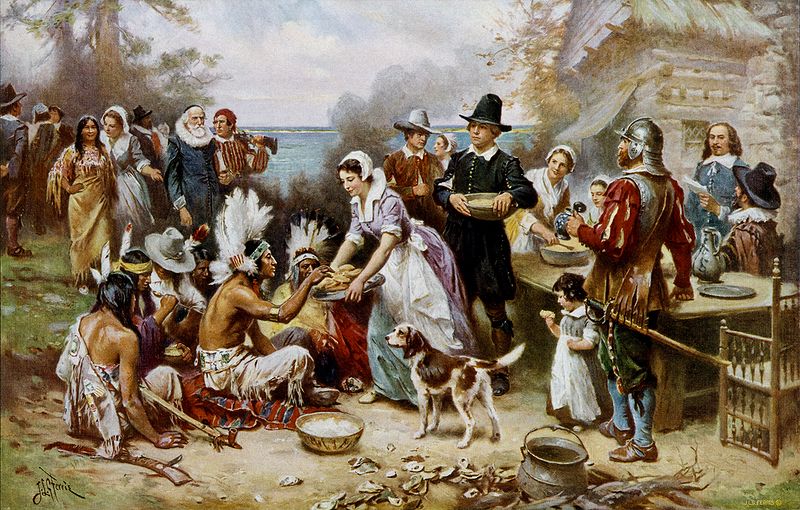
Comments being rare on this blog, I do read them when they come along. Recently I had a reader comment, in the form of a question (as sometimes happens): “Do Native American Indians do ‘Thanksgiving’?” Although I’m fairly certain this was intended as a rhetorical question, I was raised a literalist and couldn’t help trying to formulate an answer. Although I can make no claims to know Native American culture well (I wish I did) it led me to ponder the concept of Thanksgiving. No doubt the idea had at least informal religious beginnings. Even with the early European settlers, a religious diversity was already appearing. Still, although the Native Americans lost pretty much everything, they were still involved, at least according to the early accounts. The great spirit they thanked was not likely conceived of in the way that the god of the pilgrims was, and yet, thankfulness is a natural human response. Writers, often fully aware that their work deserves publication, frequently thank an editor for accepting it. It’s a deeply rooted biological response.

800px-The_First_Thanksgiving_cph.3g04961

For some of us, Thanksgiving is more about having time to recuperate after non-stop work for about ten months. The standard business calendar gives the occasional long weekend, but after New Year’s the only built-in four-day weekend is Thanksgiving. It is that oasis we see in the distance as we crawl through the desert sand. Time to be together with those we love rather than those we’re paid to spend time with. To rest and be thankful.

Among the highlands of Argyll, in western Scotland, is the picturesque Glen Croe. Years ago, driving with friends through the rugged scenery of boulders and heather, the little car struggled with its burden of four passengers. We stopped at a viewpoint known as “Rest and Be Thankful.” The name derives from an inscription left by soldiers building the Drover’s road in 1753, at the highest point in the climb. The Jacobite movement and the Killing Time had instilled considerable religious angst to the Scotland of the previous century and led to the calamity of Culloden less than a decade before the road was laid. These religious differences led to excessive bloodshed throughout a realm supposedly unified by the monarchy. Even though no natives protested displacement, religion led to hatred and mistrust, as it often does. Is not Rest and Be Thankful, however, for everyone, no matter their faith or ethnicity? And in case anyone is wondering, yes, this rhetorical question contains a metaphor to contemplate. Rest and be thankful.


Saint Diego

Didacus of Alcalá fortunately, I think we might all agree, was more commonly known as Diego. The city of San Diego is named for him, as his nickname was a diminutive of Santiago, or Saint James, patron saint of Spain. Ironically, the more recent Saint Diego is best known for his visions of St. Mary, or Our Lady of Guadalupe. To keep your saints straight you need a score card sometimes. To go by the names, California must be a most sacred place. 120 miles north is the City of Angels. Then the city on the bay named after Saint Francis. Then Saint Barbara. One of my favorites, however, is San Louis Obispo. Everywhere saints. What of Didacus? Born in Spain, he was a missionary to the Canary Islands. I don’t think he ever visited southern California. The Franciscan mission dedicated to him, however, is what grew into the presently eighth largest city in the United States.

Wandering the streets of the old part of San Diego, you might find evidence that a mission led to this sprawling city. Or perhaps not. Now it is famous for fun in the sun—beaches and clubs and the US Navy. I have to wonder what Didacus would have thought of his namesake. I wouldn’t presume to speak for a saint, but I can’t see him surfing or enjoying perpetual summer. Did he have any idea what he might have been starting by denying himself and helping others? He was known for his curing of the sick, although he himself died of an abscess some five-and-a-half centuries ago this month. Like most ascetics, it seems one thing he highly valued was being left alone to contemplate. Would he have even survived in modern San Diego?

IMG_1818

One of the observations I make quietly, from the sidelines, is how frantic religion scholars seem to be. Frantic to write that book, get that tenure, find that recognition. It is sometimes easy to forget that educating students is a reward in itself. Having attended large conferences like this for nearly a quarter century, I have watched carefully. Saints and sinners both wander these carpeted halls with motivations as widely diverse as those of Didacus and Daedalus. Although there are 10,000 people here, including, briefly, Jimmy Carter, the world will go on tomorrow as if none of this ever happened. The homeless will still sleep in the park across the tracks from this world-class convention center. We’ll send our sick to hospitals instead of to churches. And if it weren’t for this conference in this city, I would never even heard of Didacus of Alcalá.


Flight of Fantasy

Today marks the end of the AAR/SBL Annual Meeting. As the last attendees who have stayed through to the final half-day make their way through the dreaded Tuesday-slots for papers and wander the exhibit halls in search of last-minute bargains, I wonder what impact we will have made in San Diego. Many of my conversations this year included lamenting over the state of higher education, particularly in the study of religion. Religion, which led to the very concept of higher education, is now perceived mostly as little more than a somewhat unsophisticated intrusion into the cold, hard reality of business. And educating future entrepreneurs is, make no mistake about it, business. Wither the institutions go, publishers will follow. The life of the mind is a perk that we no longer can afford. And yet, as colleague after colleague attests, this is what students really find fascinating. Perhaps even important.

As we get ready to head back to the airport, I reflect how it is so much like being a passenger on a plane. We’ve purchased tickets to get us near where we want to be, but we aren’t directing this jet. The pilot, isolated from us by an unsurpassable barrier, will, we trust, get us to the designated airport. That, however, is not really where we want to go. We won’t happily loiter there. Impatiently we’ll await our baggage at the carousel so that we can wend our way back to our homes. Where is the business end in that? Isn’t it, however, what we live for? And what of the San Diego we’ve left behind? How many people will say that their lives will have been improved by having the lion’s share of religion scholars in their neighborhood for a long weekend? Will the number of homeless have decreased? Will they have found jobs?

While those of us “not from around here” ride elevators more nicely appointed that some people’s houses, the televisions meant to prevent us from growing bored from the twentieth floor to the first, show how the other half lives. It’s sunny and nearing eighty today and Buffalo has snow higher than our heads. Reporters flock to the snow-locked city and wonder at nature’s extremes. It doesn’t seem to play along with our business plans. There must be some way to make some money out of this. But I have an unconventional theory. Maybe I’ve watched Bruce Almighty too many times, but I wonder if all those prayers made by children for a snow day may have been stored up in, what scripture assures us, is a great divine warehouse awaiting release. Perhaps the doors of that storehouse have been thrown open to remind us that sometimes the business of living is simply the wonder of watching it snow. No matter how inconvenient it might be. And lives will have changed for the better.

IMG_1825


The Presence of Ideas

Attending the American Academy of Religion and Society of Biblical Literature Annual Meeting is a bittersweet experience. There is nothing as awe-inspiring as being in the presence of ideas. Whether it is meeting friends who have grown old with me over the years, or younger scholars who promise a fascinating future, or those newly discovered that feel like old friends, they all have ideas. Of course, it is not the editor’s job to produce content, no matter how long or deeply one has been trained to do so. Here is where the bitter of the flavorful metaphor comes in: the suppression of ideas is painful. Throughout my career I have had the benefit of being trained by maverick thinkers who, although I hadn’t realized it at the time, were showing me the way to a kind of enlightenment. Enlightenment, whether it be the absence of thought or the plenitude of it, will lead to places we can’t possibly expect.

When talking about ideas with others I realize how artificial our trite divisions are. For many years I was labeled as a “Hebrew Bible scholar.” “A seminary professor.” Or any number of other simplified categories. My interest, however, was always the finding of the truth. No other goal, it seems to me, is really worth all the energy we put into academic discourse. Sure, I may have studied obscure dead languages—the kind of work that is required to read what many call the word of God in the original (and even earlier than original) language(s). There I found deities battling monsters and chaos perpetually lurking in the background. Ideas in conflict. I somehow knew truth would always win. In fact, I more or less took it personally when AAR initiated its temporary separation from SBL. The two need each other, no matter how much they might argue in the night.

What's the idea?

What’s the idea?

After my first full day of the conference, my head was so swimming with ideas that I had a night full of frightful intellectual dreams. Although I may have trouble convincing the great institutions of this land, I do know that I have something to offer. Ideas crowd around me like a newly exorcized man, seeking entrance to a receptive mind. The more we claim we know, the more we have to learn. I face another day of greeting ideas and seeking their company. Of course, I’m a company man, and I should know what I’m here for. The bittersweet truth of the matter is, however, somewhat more complex than that. I can think of no better place to explore it in the company of friends I’ve known for years, or even only for the past few minutes. As long as they bring their ideas.


Dry Nation

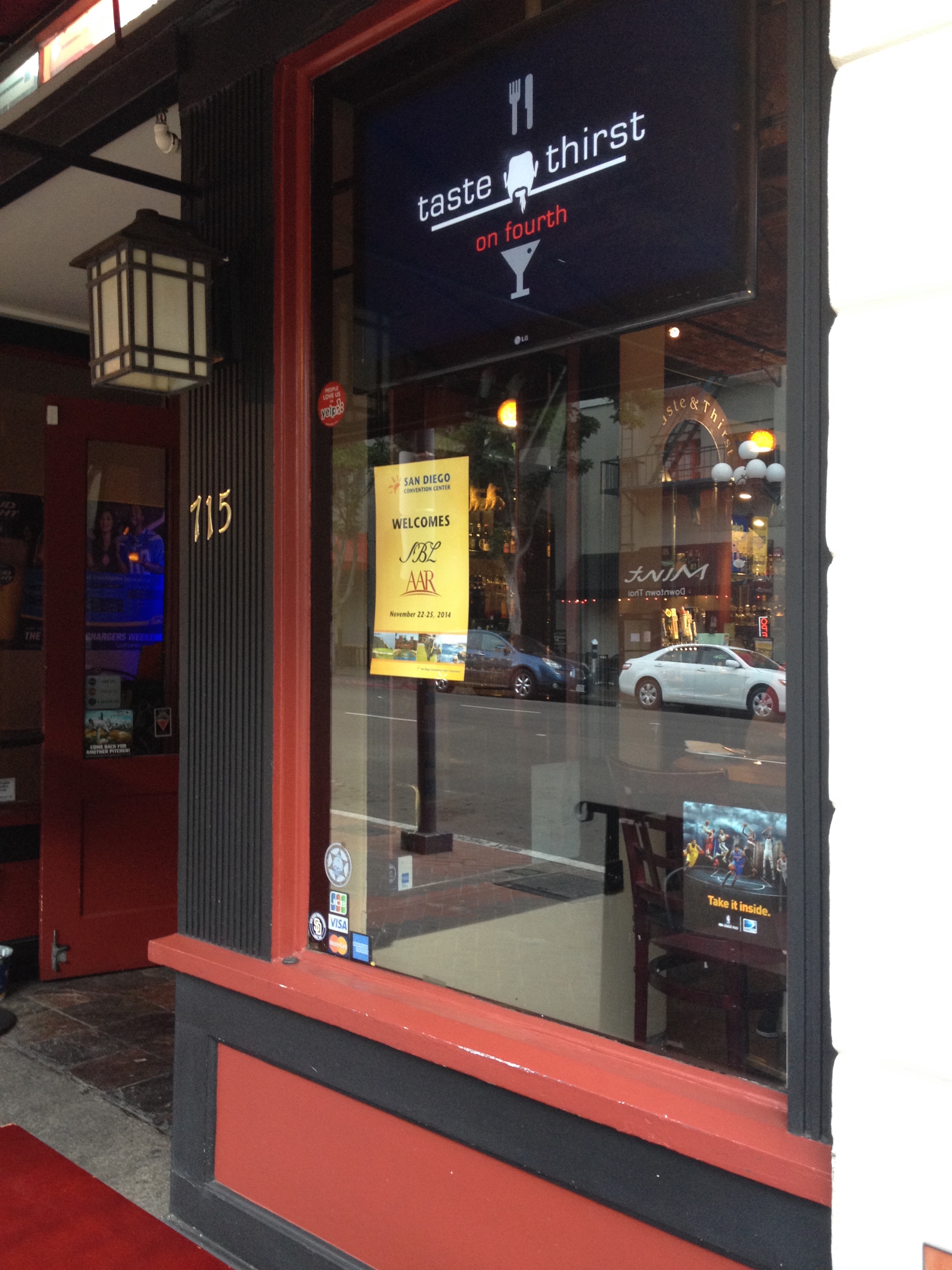
The American Academy of Religion and Society of Biblical Literature annual meeting is a big thing. It draws a myriad (literally) of scholars together every year and invades a fair sized city that may or may not be a religious haven. San Diego feels like a pretty Catholic city to me. My cab driver from the airport was a Muslim, but many of the churches and place names around here reveal a natural comfort with Catholicism. My first night in town, on my own and somewhat weary from awaking at 3:30 on the other coast to get ready to catch my flight, I wandered through the Gaslamp District looking for some authentic Mexican food. It is surprisingly tricky to find, although I’m only twenty miles from Tijuana. Along the way I passed a bar that had a welcome AAR/SBL poster in its window. Now here was a vender that recognized their client!

IMG_1814

Many of those outside the profession assume such conferences as this are like higher education Sunday schools. Undoubtedly, there are those who wish they were. For some, perhaps, the annual meeting allows for the indulgence of personal peccadillos far from watching administrative eyes. Others are more sanguine about it all. Religion scholars are just as human as the next guy. As I looked at this bar window, I reflected on how Christianity (in particular) came to regard alcohol as an evil. Wine and beer were known from ancient times, and even the New Testament has Jesus presented as an imbiber. Temperance, however, grew out of American Fundamentalism that seemed to have forgotten its scriptural roots. I remember learning, as a child, that the wine Jesus drank was really only grape juice with a little kick. Who wants an inebriated God running around the Middle East?

Still, I realize that drinking has its consequences. As the child of an alcoholic, I know the damage that this can do. On the other hand, I know many religions view “controlled substances” as gateways to alternate realities. Other planes of existence. There are even cases where Native Americans have been arrested for using their traditional ceremonial substances in a nation not quite Christian, not quite not Christian. Even on my way to the Gaslamp District, I was saddened to see so many homeless about the city. I knew that as evening fell and the scholars arrived, the bar would come alive. And I knew that when the rain came, some would get wet while others stayed nice and dry.


Harboring Hopes

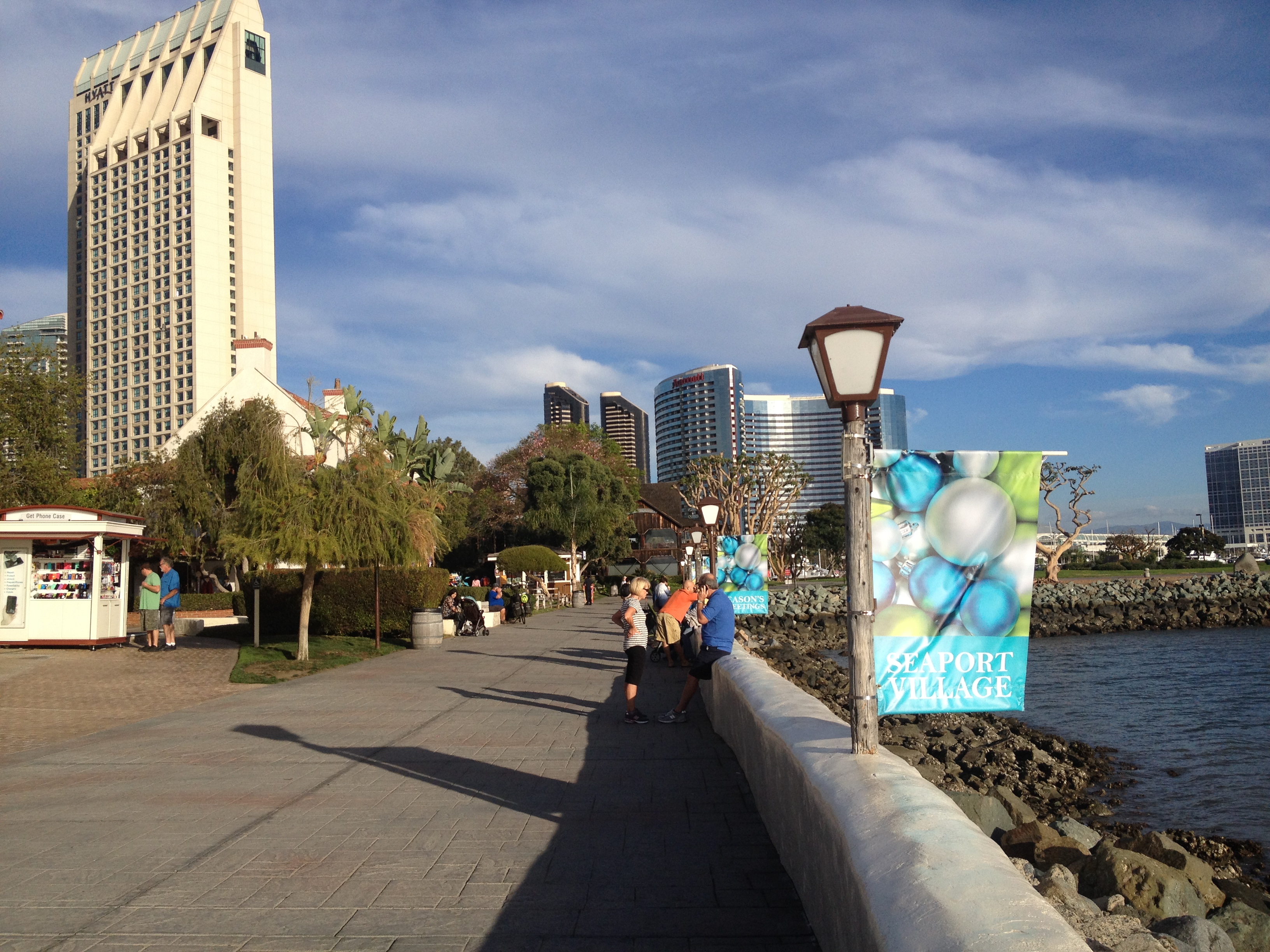
I am not what you’d call a fashion-conscious man. I literally still wear clothes I had in college. Most of them are petty much for around-the-house, given the condition they’re in, and although I wear jeans less, I have never really tried to “change my look.” I wear my hair (now grayer) the same way I did in high school, and most of my clothes, realistically, come from my teaching days. As I walked along the Seaport Village walk here in San Diego, a group of red-shirted workers, on break from unloading a truck, called out to me. Now, I know better than to talk with strangers, but working class types are my people. I am from a deeply blue collar background, and I feel that I have much more in common with them than with the priest who’s handing me a pink slip. Or the average professor. So I stopped. “Are you a professor?” one of them asked. In honesty I answered, “I used to be.” The fellow turned to his companions and said, “I knew he was a professor.” Turning back to me he said, “of what?” This is the part where crickets start to chirp and a tumbleweed blows by. “Religion,” I confessed.

This led to a spirited debate between two of the men. The one who called out told me that he’s now a Christian. He was raised Catholic but after having been out on an “effing ship like that” (the USS Midway) he found Jesus. One of his companions began arguing that religion was a terrible thing—causing people to insist that they are right and others are wrong. He argued that faith was fine, but as soon as you start calling it a religion, problems arose. I put my hand up to shade myself from the late afternoon sun. I was far from home, and I had no idea what these men wanted from me. Was I supposed to give them the answer to which was the true religion? Maybe they just wanted to be heard. I demurred and encouraged them to continue seeking. As I walked away, one of them said, “that’s a smart man.” The first said, “I told you he was a professor.”

What does a professor profess? While waiting for my plane in Newark, I heard two religion professors (actual, and ancient) discussing the fact that they’d retired. “But I want to keep on teaching,” one said. Without, I thought, considering that you’re keeping younger scholars from finding gainful employment. Yes, teaching is enjoyable—I know nothing like it—but there can be other outlets for sharing your wisdom. My wife has recently taken to MOOCs (Massive Open Online Courses). There are community events where you might not get paid, but your wisdom would be providing a service. And you’d be opening the door for others. Sounds like a religious thing to do, instead of being selfish or self-important. Or then, you could just walk along Seaport Village. Rather than turning away from the common worker, answer him or her when he or she calls out to you. It is the way of true teachers.

IMG_1809


Only Midway

Unlike some employers, my current one sees the wisdom in arriving early for a major conference. The American Academy of Religion and Society of Biblical Literature is meeting in San Diego this year, and for those of us in the New York area, it’s about as long a flight as you can have in the lower 48. Having arrived in good time, and not knowing much to do in San Diego (I don’t know of any famous writers from this area whose childhood homes I might haunt), I ended up walking to the USS Midway. I’ve never been on an aircraft carrier before, and, on the eve of a religion conference, it was a strangely moving experience. Maybe it was the recognition that I was standing on a floating city on which many people had died in various wars. Perhaps it was the fact that this was a massive piece of machinery designed for its destructive potential. Or it might have been the sheer determination that appeared in every placard: this was a cause we had to win.

No doubt, the Second World War was a just cause. The force of destruction had to stop and the aircraft carriers that enabled the war effort were a huge feature in the “Pacific theater.” Staring at these massive jets, the finest technology of their day, I knew that our greatest efforts had been poured into violence. These were not mere deterrents. Yes, people had died here, but those launched from these decks also killed. War makes claims that way. As I pondered these sobering thoughts, I came to the chapel. Obviously I had to see. An eerie recording of “Eternal Father, Strong to Save” came over the speakers as I walked in. Yes, those on a warship are in peril on the sea. If they are successful, others will have died.

IMG_1797

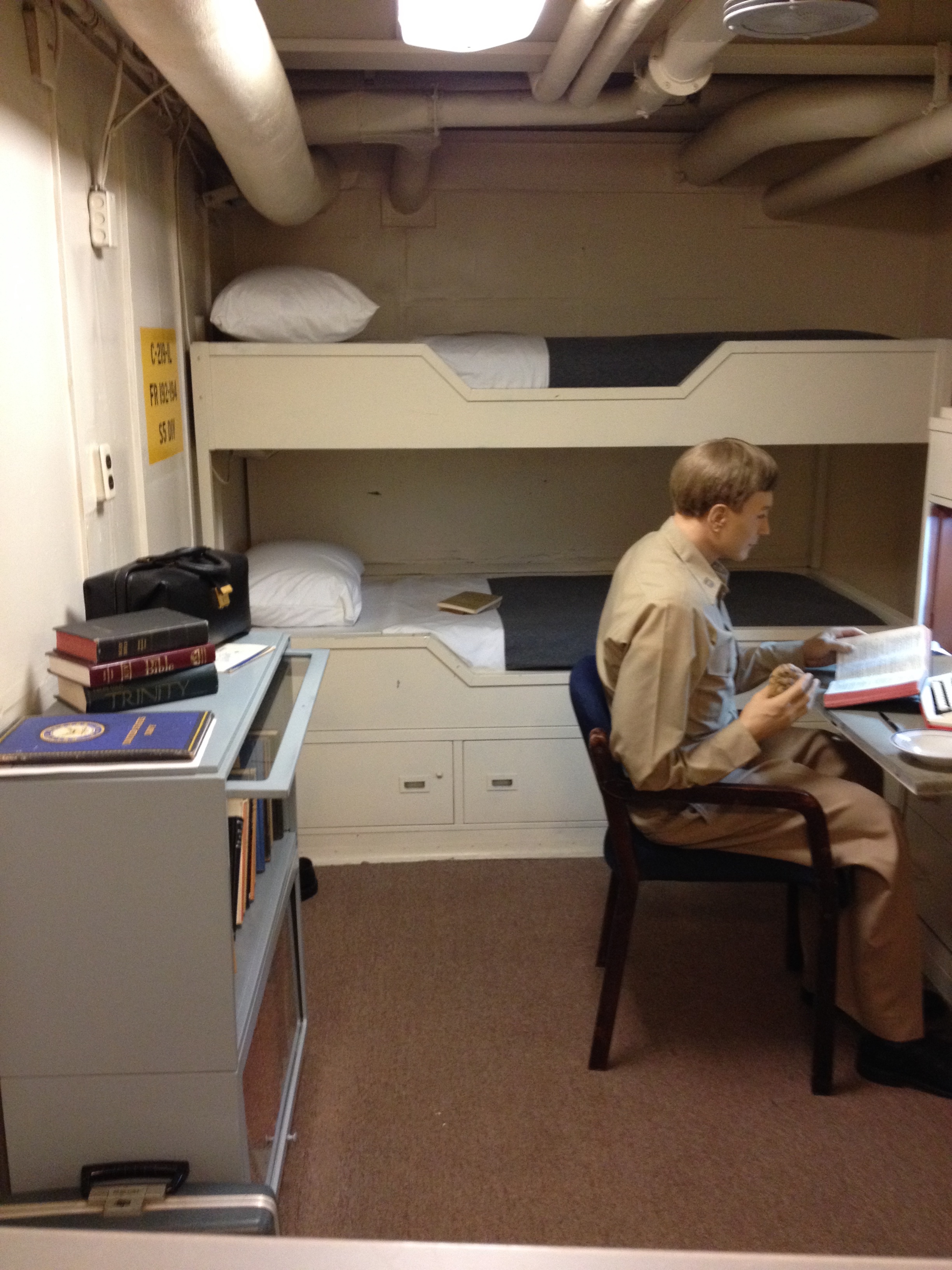
A little further along the corridor (or is it “hatchway”?), I came upon the chaplain’s room, along with my first Bibles of the trip. (I knew they would be here.) A mannequin of the chaplain, cookie in one hand, Bible in the other, sat, apparently, preparing a sermon. What does one say to those going to war? God is on our side, obviously. But what more? The Bible does not forbid warfare. It was a way of life in the centuries during which it was composed. We like to think we may have advanced since then. But as I prepared to exit back onto deck in the warm California air, I passed a display of aircraft carriers past and present. More sophisticated, more deadly weapons continue to be built. And in this day of nones, I wonder who their chaplain might be.


Sola Scriptura

IMG_1641Would you buy a Bible from this man? “The trade is not a complicated one,” quoth Big Dan Teague. People are looking for answers. To making a living selling Bibles, however, requires some finesse in a world where scripture may be had for free. The trick is added value. Now, for those who approach this from a religious angle the obvious question is how you add value to what is claimed to be the word of God. It is, however, a matter of understanding it. Martin Luther, apart from starting the Protestant movement, also translated the Bible into German. The concept was simple: if the Bible contained the truth, the whole truth, and nothing but the truth, then if the laity read it, we wouldn’t need priests. Greek and Hebrew (and a smattering of Aramaic) are no longer the main elements of a well-rounded education so we need a version that anyone might read. Even the King James is a little rusty, what with words that don’t mean what they seem to—who wants to suffer? Especially in the biblical sense.

Contrary to Big Dan’s assertions, the Bible trade is a complicated one. The text of the Bible (if not specific translations) is in the public domain. The Bible is, however, more than words. It is ink, and paper, and binding. It is an object. By swearing with your hand on it, you can convince the court you’ll tell the truth. Or become president. Or raise a lot of money. Despite the Bible’s decline in academic prestige, it remains a source of popular trust. Not too many items that can be had for free can make such claims of power. It is the book that founded western civilization.

As I board a plane for San Diego, I know that I’m about to see lots of Bibles. Lots and lots of Bibles. Thousands of scholars who spend their lives studying it will gather to discuss its continuing significance and debate its finer meanings. Some will venture to purchase new Bibles. New versions of old words. See what others have to say about them. Somewhere distant I hear Big Dan breaking a branch from a shade tree. This, like most patterns, repeats itself endlessly. Some with tenure will argue that the whole thing ought to be abandoned. Others, forever denied tenure, will vociferously disagree. “One, find a wholesaler, the word of God in bulk, as it were.” And so the debate will continue long into the night. And over the weekend. In fact, ’til Tuesday.