Shopping Screed

Capitalism is insidious.  Those of us with modest incomes—and I’m quite aware that many, many people are poor—are constantly being bombarded with new schemes to get us to pay a little each time for something that used to be free.  Look, I realize the economy was hit by the pandemic.  We’re all paying for it.  Still, even basic stores you’ve used your whole life now want you to sign up for schemes that will only cost you a dollar each time and which never really pay anything back.  The one that’s got me thinking about this is a drug store.  Like it’s a surprise that you’ve decided to buy something at a drug store.  They get you to sign something you vaguely understand as you’re trying to rush out the door with your prescription and then they send you daily emails telling you how great it’s going to be.

And surveys—the endless surveys!  They sound more neurotic than I actually am.  Did we do this right, and could we have done it better?  It’ll only take a quarter hour of your time.  Each time you stop in.  And please do that daily.  The last time I did one of these surveys for the promise of a prize worth $90, I ordered their version of a fit-bit as my prize.  I’m curious how many steps I take in a day and no, I don’t carry my phone with me everywhere.  The “prize” arrived late and when I charged it up and turned it on (it came with no instructions readable in my native language) it worked for a total of literally 3 seconds before the screen died a pixelated death.  Now that same company wants me to answer surveys weekly and pay an extra dollar each time I come in.  It’s enough to make me want to use the other drug store, but they’ll probably do the same.

The thing is it’s not just pharmacies.  All the stores are doing it.  You shopped here once?  Look what else we’ve got!  Some of us shop for what we need.  We live on a budget.  If you’re going to start charging me for the privilege of shopping at your establishment I’ll have to start going somewhere else.  The items on offer for promotional plans are things I just don’t buy. If you want me to spend more, then reframe your economics and pay me more.   And I don’t have money to just give away.  Have you even taken a look at your last heating bill (thanks Mr. Putin)?  I’ll come to the store again as long as it’s free to shop there and it has something that I actually need.

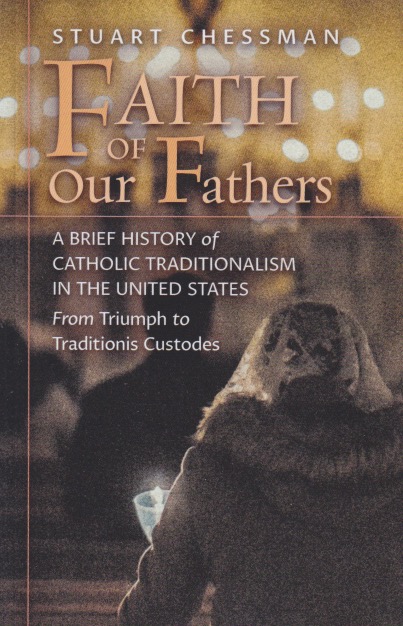
Photo by Bruno Kelzer on Unsplash

Teaching Tradition

There’s a dilemma.  Many thinking religious conservatives end up arguing against “secular” education and yet wish to make themselves out as rational, and reasonable.  The truth is that underlying their position is the belief that the truth was revealed long ago and nothing has changed since then.  They want educated individuals to agree with this so quite often they establish their own institutions to turn out “experts” who haven’t been challenged in their positions.  This became clear to me yet again when reading Faith of Our Fathers by Stuart Chessman.  Subtitled A Brief History of Catholic Traditionalism in the United States from Triumph to Traditionis Custodes, I was expecting a history.  Instead it is more of a screed, or jeremiad, arguing that the Catholic Church is trying to destroy traditionalism.  What I was looking for, I guess, was a “secular” history.

I’m interested in traditionalism.  I taught, after all, for well over a decade at Nashotah House.  What I learned there I also sensed in this book.  There’s a certain naiveté associated with such theological thinking.  (Political conservatism is much more insidious.)  Small groups tend to think the larger organization has it in for them.  In reality, the larger church (in both these cases) has much more pragmatic things on its collective mind.  The narrow focus of traditionalists, however, interprets everything in the light of—in this case—rejecting the liturgical reforms of Vatican II.  Having the mass in Latin is more important (as is clear here) than coming up with an effective way of dealing with Covid-19.  Traditionalists are proud that they met more frequently during the height of the epidemic.

This kind of thinking is important to understand.  For Roman Catholicism, as a hierarchical organization, the projection of unity is very important.  Anyone involved in the upper levels of any administration knows that money—even for churches, especially for churches—is a major concern.  Reputation influences cash flow, so reputation has to be guarded at all costs.  No organization can appear to be caught up in medievalism in a capitalistic twenty-first century.  I had hoped this little book would contain an actual history of the movement, looking at socio-economic, political, and religious causes and their ramifications.  In other words, why people do things.  Believe me, I understand the draw of traditionalism.  Although it was in English my first Episcopal high mass threw me into a multi-year odyssey to a place (Nashotah House) where I learned what was really going on.  It’s not all about smells and bells.  Not by a long shot. 


Wicker Lessons

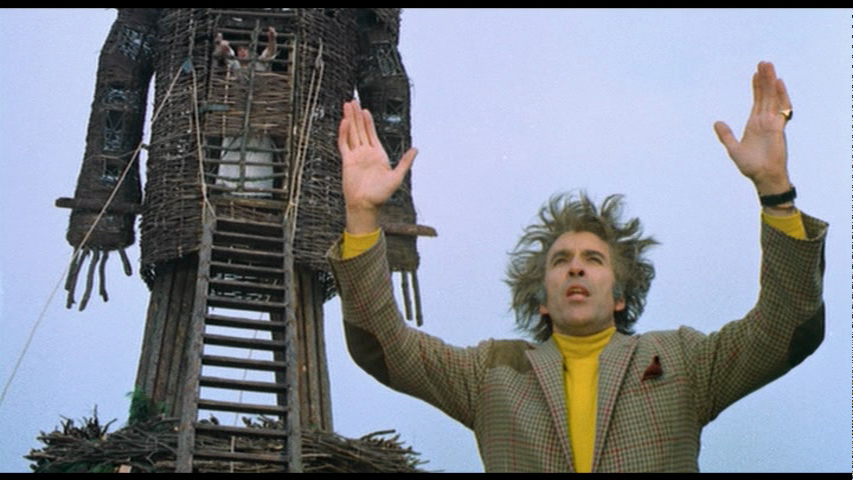
Beltane creeps up unnoticed.  Not an official holiday in these parts, it is, hopefully, a sign of slightly warmer weather than we’ve been having in April.  It’s also the day that I can’t help but think of The Wicker Man.  One of the early intelligent horror offerings, it came out 49 years ago.  My book on the movie, as far as I know, is still scheduled to come out next year, on its fiftieth anniversary.  Watch this space for further announcements.  In any case, today I have a piece on The Wicker Tree—the “spiritual sequel” to the movie, appearing on Horror Homeroom.  Societies in old Europe tended to celebrate this as the beginning of summer, which explains why Midsummer comes half-way through June.  The seasons aren’t always the same in all times and places.

In Germanic countries, Walpurgisnacht, which began last night, was a time of concern about witches.  Our modern calendar tries to concentrate our fears in late October, but they are appropriate any time of year.  These days Beltane’s more of a day when we expect warmer weather to start rolling in and perhaps, especially this year, hopes for peace.  May tends to be a hopeful time—it’s a transition.  The persistence of our fears suggests that learning to deal with them might well be a good idea.  Instead of hiding monsters away, why not face them?  The Wicker Tree isn’t a great horror movie, but something holds true for it—the monsters are us.  In that film capitalism is the real horror.

What makes The Wicker Man the classic that it is is religion.  More specifically, the clash between religions, neither of which is willing to yield.  This is largely behind religious violence throughout history, up to the present.  Religions convinced that they’re the only possible way to the truth can’t recognize that believers of other religions feel exactly the same way.  Yet May is about transitions—one season giving way to another.  It’s part of the inexorable change that marks life on this planet.  We may not fear witches in the mountains any more, but we still fear what’s out there.  Beltane is a hopeful holiday—a day of blessing animals and building fires to encourage the strengthening sun.  Instead of making it a day of clashing beliefs, perhaps we should look for our common humanity in it.  Perhaps we can learn a deeper lesson from The Wicker Man.


Ode to Books

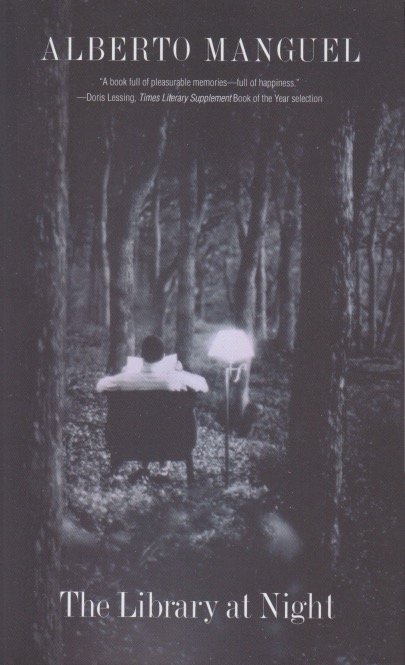
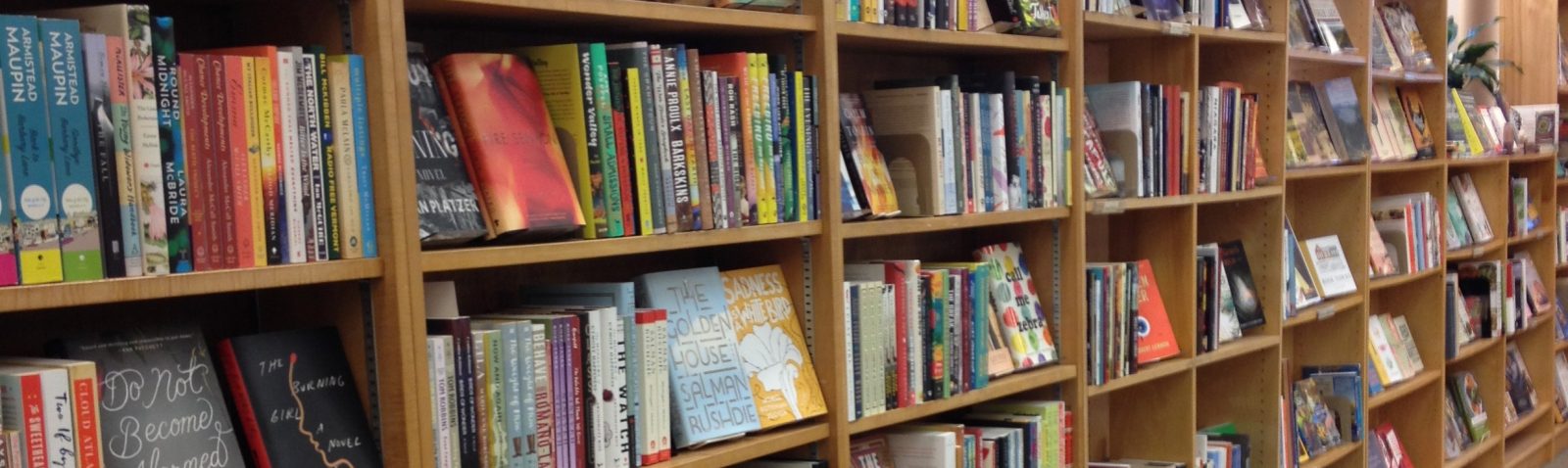
There are fewer things more personal.  Each one has a story and it reveals quite a lot about you.  Really, it’s a brave thing, putting your books out on a shelf for others to see.  Seldom have I read a book more euphoric about a book than Alberto Manguel’s The Library at Night.  A deeply literate book collector unashamed, Manguel takes the reader on a pleasurable tour of many aspects of libraries, including his personal one.  Libraries may represent many things because books are so varied.  Many of us who are bibliophiles are used to trying to justify our libraries to those who don’t care to read or to complaining movers threatening to quit.  Or even to those who write books claiming other books are clutter.  Manguel understands.

Those of us with many books but little of anything else can tell you the story behind most individual books we have.  Where we bought them and why.  Why we’ve kept them even if we haven’t read them.  Manguel understands that not all books are reading books.  There are reference books.  There are episodic instructional books.  There are books laid up against retirement or incapacitation.  Books for work, books for play.  Books bought to help you prepare for that event that never took place but might, in some remote future, still happen.  Yes, books take up space, but so do pets, furniture, and children.  There’s a cheerfulness to rooms with books, unrivaled even by elegant spaces.

On a recent dentist visit the television was set to one of those shows where a couple is given their dream home.  I’ve watched those before in other waiting rooms and medical facilities and one thing I’ve never seen is a couple saying, “I want a home to fit my books.” And yet those homes with books occasionally make the news and garner thousands of clicks on the internet.  Those of us who are bibliophiles know we’re a minority.  Some of us actually enjoyed those high school reading assignments that so many of our classmates despised.  Our educational system, undervaluing teachers as we do, often fails to inspire the love of reading in the young.  Manguel’s book is for those who were inspired, who remain inspired by books.  Those of us who categorize and move them around.  Take them with us.  Who love them.  The Library at Night is a beautiful book full of wisdom.  It is a love letter to books. Happy National Independent Bookstore Day!


Words and Belief

Why do we care so little for the poor?   Part of the answer is surely the misguided idea of meritocracy—if you merit good you will be successful.  This kind of thinking emerges from the wrong end of a bull.  There may be poor people who are lazy but the vast majority of the poor are those for whom our systems make it impossible to thrive.  It’s very easy to put them out of mind as long as we can keep them out of sight and just let our prejudices do the thinking for us.  The poor are the victims of capitalism.  Loud voices proclaim them to be a drain on the system, despite the fact that many of them work—some multiple jobs—and remain unable to keep up.  Capitalism is kind only to the wealthy.

The Rev. Dr. William Barber is one of the organizers of the Poor People’s Campaign.  The full name is the Poor People’s Campaign: A National Call for Moral Revival.  The initial part is taken from an initiative that Martin Luther King, Jr. started before his assassination.  He was shifting towards a movement meant to address the entrenched unfairness deep in American society.  These nearly six decades on, we are just as deeply entrenched.  Barber is doing amazing work, organizing, speaking, and advocating.  He’s trying to give a voice to the people.  I do wonder, however, if using the word “Revival” doesn’t work against the goals of the movement.

Certain words have been poisoned by their abuse among various religious groups.  Especially among the young.  The word “revival” may fall into that category, calling to mind, as it may, repressed people working up to an emotional fever under the banner of Hellfire and brimstone.  Believing a bit too literally a message that was contained in a book viewed magically.  Names can be important.  Many of the younger generation are put off even by the word “church” since so much hypocrisy (something the Republican party has openly embraced) has come to light over recent decades.  I fully agree that we need a moral revival, we need people to wake up and demand that our government promote the justice it claims to seek.  I do wonder if religion, as previously packaged, has the credibility to do it.  No matter how we take on the task, it’s clear that the poor have been abandoned by the system, through no fault of their own.  And some in the church have begun to find their voice in the Poor People’s Campaign.

Photo by Katt Yukawa on Unsplash

The Network

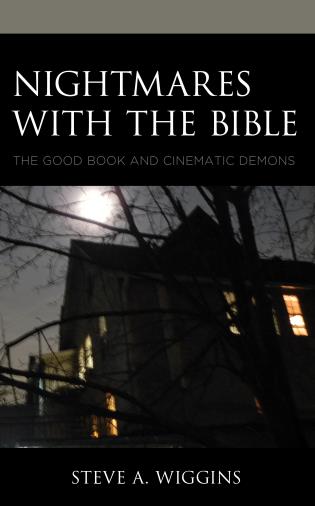
Although it’s not NBC, the New Books Network has quite a reach with academics.  That’s why I was glad they accepted my pitch for an interview about Nightmares with the Bible.  The interview is now live and can be heard here.  The experience of getting the interview made turned into quite a saga with my pitch going back to at least November, and acceptance coming early in January.  The actual interview was over a month ago and it was posted only yesterday.  I’m not naive enough to think it will boost the sales of a hundred-dollar book, but maybe a few more people will become aware of it.  Even in academia there are too many books published for all of them to get notice proportionate to the work that goes into writing them.

Some publishers are of the opinion that editors shouldn’t try to be authors.  Obviously I disagree on that particular point.  Author-editors share the ups and downs and know what it’s like to put in the work only to have a book disappear.  I haven’t received any royalties at all for Nightmares.  I have no idea how many copies have sold.  Many writers publishing into the teeth of a pandemic fall into the same category.  While trade books—including fiction—did remarkably well during the height of Covid-19, academic books languished.  Nightmares is, of course, its own kind of hybrid.  A monster, if you will.  Written for educated laity it’s packaged and priced for the academic monograph market.  That’s why I pitched it to NBN.  I’m glad to see the recording is now available.

Nobody writes this kind of book to get rich.  I’ve had friends ask me why I bother.  Believe me, that question occurs to me too.  Some of us have something to say but the auditorium’s empty.  The Bible’s at a low point outside a specific cross-section, and that cross-section generally doesn’t pay attention to horror.  Of course, that’s another reason I do this.  Bringing opposites together offers the world, even the staid academic world, something new.  Horror is at last being taken seriously by literary and cinematography scholars.  Some biblical scholars are realizing that apart from comforting words of love, and towering demands for justice, the Bible itself contains plenty of horror.  When unlike things mix, monsters are born.  I’m grateful to the NBN for taking a chance on my book.  If you’ve got some time, and the inclination, you can listen in here.


Wasting Waste

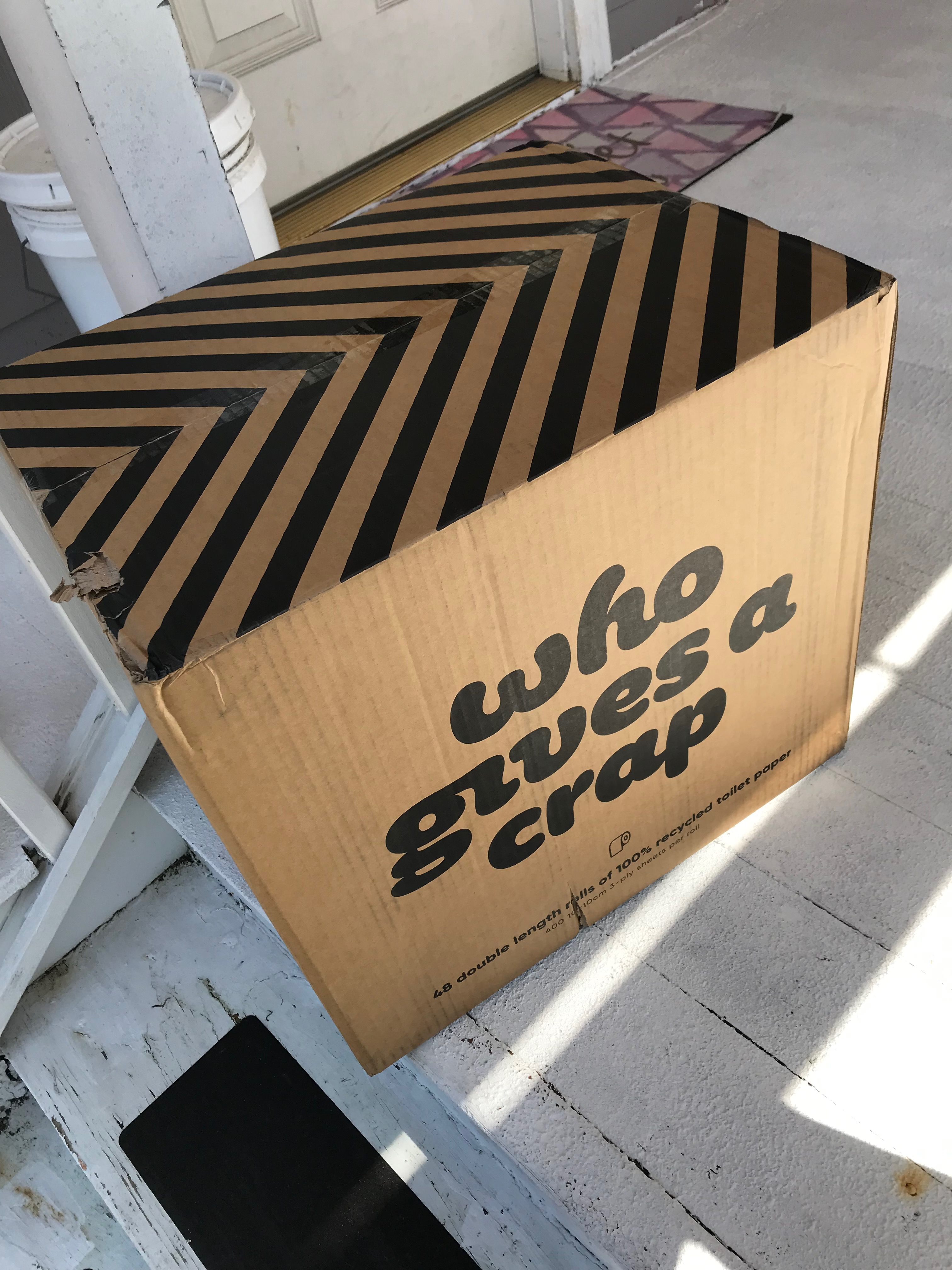
So I’m thinking about toilet paper.  Just two years ago it was a scarce commodity.  If you could find a four-pack you were blessed.  Supply-chains aren’t the boon that economists tell us they are.  Well, now it seems the shelves are well-stocked.  We’re ready for the next major crisis.  So why are my thoughts in the gutter again?  It started with Earth Day.  I was on a website that was advertising for environmentally friendly products.  We try to live as lightly as we can—we compost, we have ordered a heat-pump dryer, we don’t eat meat—but toilet paper is a big waste.  Besides, the name “Who Gives a Crap?” is eye-catching.  Recycled toilet paper, a little less expensive than bamboo, makes sense.

You see, we’ve used Scott for years.  This started back when we lived at Nashotah House and didn’t have to pay rent or utilities.  We used to buy it recycled back in Wisconsin.  Somehow that’d translated in my head to believing that all Scott is recycled, even though they no longer advertise it.  No, I was wrong.  And it’s not just Scott.  Every day 27,000 trees are cut down to make toilet paper.  That’s a lot of trees.  To break a chain it’s best to concentrate on one link.  Recycled toilet paper seems a no-brainer.  I thought we were already doing that.  Hopefully there’s no supply chain breakdowns when another crisis rolls around.  One of the problems with living in a culture disposed to dispose of things is that we end up in a mess like we’ve got now.

The thing about saving the planet is taking small steps.  Our capitalist system works against environmentalism because the former is based on consumption.  And consumption is handled on a matter of scale—the more you can sell the cheaper the unit cost.  Environmentally friendly lifestyles cost a bit more than other lifestyles.  I’ve always looked at this as a moral issue.  We’re not really high-earning people but we can afford a bit extra to try to save the world’s resources.  We can’t quite afford bamboo toilet paper just yet, but we can work our way in that direction.  Saving the planet is the long game.  Up until the 1960s we blithely lived as if we could go on forever wasting and throwing away.  Now we know there are islands made of plastic in the Pacific and our ice caps are melting.  If you decide you’d like to take the plunge—toilet paper gets thrown away, by definition—here’s a link for a discount on your first order.  Let’s let the trees grow.


Smaller Wolves

It was in Maine.  In 1987.  I can’t remember how Paul and I found this place to camp.  I don’t remember making reservations, but we drove along in his 1968 VW Beetle, unpacked a tent along a  rutted logging road, and set up camp for the night.  We were there to try to find moose.  In the middle of the night we were awakened by howling in the woods.  We were many miles from any other humans and nobody knew where we were.  Were there wolves in these woods?  Paul turned to me.  “Wolves don’t attack people, do they?” he asked.  I said no.  He pulled out a very large knife.  “I was in the civil air patrol,” he explained.  “You know what to do with this, right?  If a wolf bites your arm, cut your arm off and run away.” Not the best advice.  As we drifted off to sleep we were awoken again by furious sniffing outside the tent.  The next morning we saw no moose but found tracks all around our temporary home.  We convinced ourselves they were wolf tracks.  They were actually tracks of coyotes.

Most people in America have a coyote story to tell.  I can’t recall how I learned about Dan Flores’ Coyote America: A Natural and Supernatural History.  I’ve always been drawn to nature writing, but it was probably the “supernatural” that caught my attention.  This is a fascinating book with a rollercoaster ride through emotional responses.  Flores makes the case that Coyote was the first god of America.  Indian mythology is full of this character and his antics.  But the heart of the book focuses on the many decades of efforts—still ongoing—of the government to eradicate coyotes.  Millions of them have been killed for spurious reasons, largely because the government pays attention to ranchers who pay a lot of money to be minded.  Coyotes naturally find their balance in nature, which we insist on disrupting.  One of their survival strategies has been to move east.  Even moving into cities.

I’ve heard coyotes in Wisconsin, and I saw at least one while out jogging in the early mornings there.  Since moving east I’ve not spotted any, but they are, I know, here.  I’m largely on the side of nature, but the first ever documented adult human wolf fatality took place in another place I’ve camped, Cape Breton Highlands National Park in Nova Scotia, in 2009.  Reading this made my human pride rear up—we don’t face predators well.  The book goes on to touch on how I, and many others my age, learned of coyotes—through Wile E. in animated form.  This book is difficult to read in many parts, but it is an absolutely mesmerizing journey through many lenses of what it means to be American.  Whether you’re canine, or human.


Places and Books

I recently had the opportunity to travel to a new town and spend the night there.  This is a rarity in the days of pandemic and I’d forgotten the magic of waking early in a new place and looking out the windows at the deserted, artificially lit streets.  It’s so peaceful and full of wonder.  The place we were staying was next to a public library and I noticed that there was a light on in the cupola in the pre-dawn hours.  I like the idea of books watching over us in the night.  Often when I’ve traveled to conferences I’ll arise early and look out on that orangey, artificial light while most other people are still asleep.  Even the city in pre-dawn can be a peaceful place.  This is a pleasant displacement since it’s only temporary.

One of the things about the pandemic is that it has accustomed us to life just so.  The controlled environment of home.  There’s a comfort to routine, but there’s wonder in breaking it as well.  When it’s not a conference and still a new city, I begin to look for a bookstore.  One of the common misconceptions—perhaps bolstered by the cookie-cutter experience that has been Barnes and Noble—is that bookstores are all the same.  They aren’t.  Each reflects the minds of the owners.  They reflect their knowledge of their public.  New ways of looking at things.  I suppose this fascination with books has been enhanced by my starting to read some Jorge Luis Borges again.  Those of us who read for pleasure are in the minority and we find the open book to be open arms welcoming us in.  Welcoming us home.

I always travel with books.  My travel bag carries my laptop and my reading.  New technology having to learn to adjust to the old.  I’m not a particular fan of technocracy.  I’ve always preferred paper to plastic.  In a new town I look for authenticity.  We lived for many years in Somerville, New Jersey and one of my concerns was that it couldn’t seem able to support a bookstore in the shadow of that equalizing Barnes and Noble.  The new owner, James Daunt, believes that bookstores should reflect local interests.  His own stores in Britain are cathedrals to books.  Unlike other industries, bookselling isn’t all about the business.  Much of it is about the place.  We travel to see new places, and we read to visit them as well.  And perhaps to reflect in the artificial orange glow before the city awakes.


Solomon’s Rats

Some ideas keep coming back.  Since you can’t copyright an idea, retelling a story is always an option.  In fact, some writers suggest they’ve written nothing new—the classic ideas are out there and are ripe for rewriting.  I’m on the fence about Solomon’s declaration that there’s nothing new under the sun.  Some startlingly original stuff is out there, it seems.  In any case, a few months ago I watched Willard for the first time.  Although it’s quite dated in many respects, it was quite a big splash when it came out.  I remember being curious about it as a kid but although we were allowed to watch monster movies on TV, going to a theater to watch horror was out of the question.  That would have to wait for college.

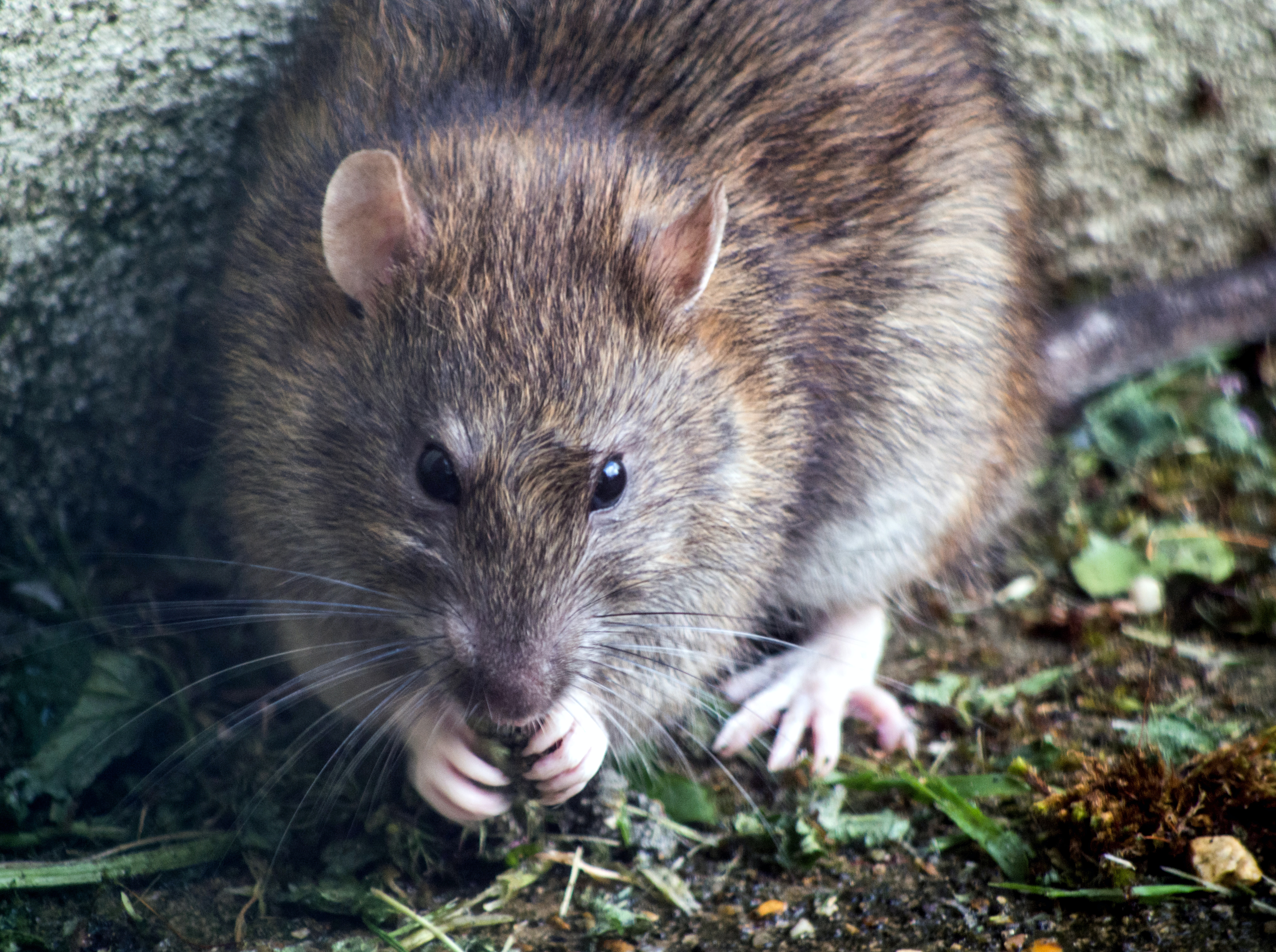
Discussing Willard with a friend after seeing it, the idea came up that it had quite a bit in common with Disney/Pixar’s hit Ratatouille.  I’m not the world’s biggest fan of Pixar or Disney—it seems they try too hard much of the time, although they hit it out of the park with Wall-e.  Still, this connection seemed worth pursuing.  I’m not going to discuss the commonalities here since I just had an article published in Horror Homeroom about it.  The connections are pretty striking.  I would classify Willard as swarm horror.  Rats naturally follow people around because we give them many food options.  To gather from older movies, rat bites used to be a big concern.  These days we tend to think of them as a big city problem, but rats are not far from where people live.  The problem is the swarm.  Being overwhelmed, even by a fairly small animal, is terrifying.

Photo by Brett Jordan on Unsplash

With the warming weather, getting out and doing repair work around the house has made finding weekend time to watch horror rare.  I’ve got a long list of movies and an even longer list of repairs.  Recently another friend has struck up a conversation (via email) about horror films.  The thing is, at my article suggests, they aren’t that far removed from mainstream fare.  Many children’s films come close.  Most movies based on anything by Roald Dahl have dark undercurrents.  More recent efforts—and here I’m thinking mostly of Pixar—seem to jump from crisis to crisis without having that underlying story old Solomon seemed to appreciate (or to have been weary of).  That’s why I find such connections worth pondering.  Even classic revenge tale can be made gentle for younger viewers.


Normal Paranormal

One of my favorite televisions shows of all time is The X-Files.  I didn’t watch it when it originally aired, but eventually got a hankering to see it on DVD.  There are many reasons to like it, including its originality and the dynamics between Mulder and Scully and the sense that governments really do hide things.  As I rewatch episodes I see how much religion plays into it as well.  This post is actually not about the X-Files proper, but about a place in Bethlehem I recently discovered.  I’m not a preachy vegan, but I do like to support the establishments who make such lifestyles as mine much easier.  It was thus that I discovered Paranormal Pizza in Bethlehem.  I wondered about the name, figuring that it was paranormal that you could have non-dairy, non-meat pizza at all.

To celebrate Earth Day we decided to check it out.  The menu has a set of fixed items, each named after an X-Files character.  I was glad to see that I’m not alone in my appreciation of the show.  The pizza’s very good, and I’m sure the college-age crowd that was there would agree with me.  I did wonder how many of them knew the X-Files.  Is it still a thing?  Maybe recent government disclosures have brought it back into the public eye.  Hey, I’m a Bible editor, about as far from the public eye as you can possibly get.  Vegan pizza on Earth Day, however, just felt right.

Foodiness seems to be trending.  A great many options are available in the land of plenty.  Still, I know that vegetarians and vegans in developing countries exist, and many of them for similar reasons to me.  They know animals think and feel.  We promote the myth that they don’t so that we don’t have to feel guilty about exploiting them.  It seems to me that many of our world-wide problems would start to vanish if we realized we can evolve out of being predators.  Cashews and almonds can become cheese.  Soy beans and wheat can become meat.  And peanuts are about the best food ever, in any form.  Then there’s the natural fruits and veg.  Industrial animal farming is perhaps the largest polluter of our planet.  Yesterday was Earth Day.  I was eating a pizza made from wheat, tomatoes, and cashews.  These ingredients might seem a bit unusual.  Paranormal, even.  But that’s precisely the point.  I won’t be waiting until the next Earth Day to go back for more.


Love Your Mother

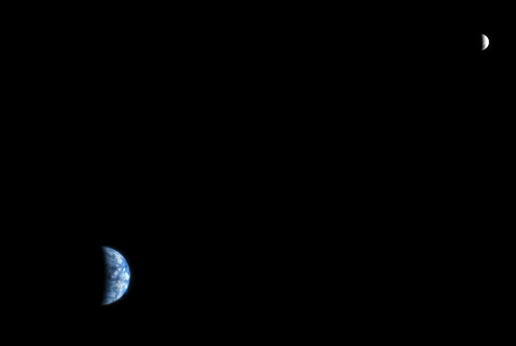
It’s not exactly a birthday, for we don’t know when exactly she was born.  We choose April 22 to think of our mother—the mother of us all.  For many of us concerned about the environment, not only is today Earth Day, but April has become Earth Month.  To me one of the saddest aspects of our environmental crisis is that certain sects of Christianity are largely responsible for it.  Religion working against the betterment of humankind.  So it was in the beginning, is now, and hopefully we won’t have to finish the triad.  Granted, religions help us to keep our mind on spiritual matters.  The problem is when such things become dogma and the real needs of real people are ignored so that a fervently desired fantasy can be lived out by destroying our planet.

In response there are what have been called “deep green” religions.  It’s difficult to gain a critical mass, however, when many of those who think deeply about the environment have left religion out of the equation.  It seems to me that we’ve got to make peace with our evolved tendencies toward religion in order to have any meaningful discussion about this.  Meanwhile global warming continues.  It does so with the blessing of a kind of Christianity that sees this world as expendable and exploitable based on an idiosyncratic reading of Genesis.  Even though all the evidence points in the opposite direction, we have networks (here’s looking at you, Fox), owned by billionaires who know you can sway Christianity simply by kissing your hand to the moon.

It’s my hope that this Earth Day we might start to think about how to integrate some deep green theology into the kind that sees no room for green in the red, white, and blue.  The self-convinced have no desire for conversation about this and those already certain that religion is nothing but superstition tend to agree.  Since antiquity, however, the wise have realized that progress comes from the middle ground.  Politicians, in their own self-interest, have stoked the fires of division and hatred, knowing that they get reelected that way.  Mother Earth, I suspect, is rolling her eyes.  She will survive even if we succumb to our own mythologies.  We need to learn to talk to one another.  We need to accept that we evolved to be religious.  We need to look for middle ground while there’s still dry ground on which to stand.  It’s not exactly a birthday, but it is a holiday that should be taken seriously. It’s only right to love your mother.

From NASA’s photo library

Soft Wired

A museum of discarded electronics.  I’ve been thinking that might be a good use for all the tech we’ve had to buy over the years that quickly becomes outmoded.  (Useless, that is.)  As I look over these devices I can recall just why they were purchased.  Mostly it was to solve a more immediate problem.  You perhaps overspend so that you can avoid disrupting the tech services you’ve learned you can’t live without.  Then new tech comes along and you need new hardware to do the same thing you’ve always done.  Soon you’ve got a museum’s worth of old tech.  I tried to get my mother on the internet by sending her an old computer that I bought with grant money back in my Nashotah House days.  When it was all set up, it was discovered that it was too old to connect to the modern internet.  I’ve lost track of how many computers are in the attic, but at least now there’s one less.  The thing these all have in common is that they require electricity.

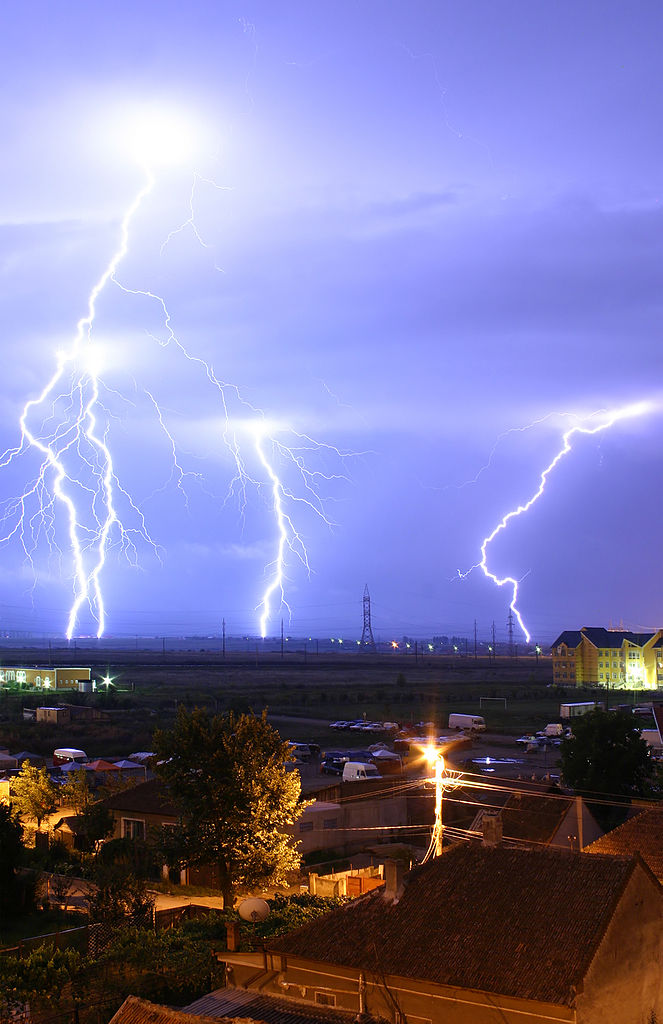
Image credit: Mircea Madau, public domain via Wikimedia Commons

A few weeks ago I wrote about our eclectic electric issues.  While our utilities company and electrician try to sort out who does what (it turns out that our house was never properly wired up from the mains), we’ve got a dilemma.  Since we all work from home and we all use computers, how are we going to work on a day when the electricity has to be off?  (Let’s hope it’s after this cold snap is over.)  We depend on electricity in this electronic world.  The solution may be to buy some new tech.  A battery-powered hot spot and fully charged laptops might be able to get us through an hour or two with no electricity.  We’ve become so dependent on the juice that the thought of being without it is scary.

The solution, of course, will quickly become outmoded as 6G and 7G, on to infinity, await in the wings.  They will all need electricity.  A house that was never properly hardwired can be a tricky thing.  Electricians and linemen have to have weekends too.  In a world where constant connectivity has eliminated snow days, such force majeure on a personal level holds no, well, force.  Aligning three employers who say it’s okay to step “out of the office” for a few hours at a time not of your own choosing will be impossible.  So we buy a new tech solution and hope it’s fully charged.  And when we’re fully wired up again the new device can eventually go in the museum of obscure electronics.


Beauty of Ruins

One of the things I most miss about living in Scotland is the relative dearth of stone ruins in my home country.  In no way to diminish the culture of American Indians, there’s a particular poignancy about stone—which is supposed to be forever—falling apart.  As a homeowner I’ve discovered that you constantly have to repair to keep any kind of building up—something better suited to those with more money than we have.  In any case, my memories of Scotland quite often center on ruined castles and the gothic dreams that accompanied visiting them.  I can’r recall how many we actually had a chance to explore, but it was many.  And not only castles, but other crumbling structures, including monasteries.  Monasteries are, if possible, even more gothic in ruin.

On a rare sunny day this spring I visited the remains of Bethlehem Steel’s silent behemoth.  This industrial powerhouse took up much of the valley dividing the south side of Bethlehem from the older, more genteel colonial part of town.  While these ruins are modern—the factory shut down only in 1995—and steel, it nevertheless caters to gothic sensibilities.  There is a raised platform that allows visitors to examine the exterior from a safe distance, but still close enough to get a sense of its enormity.  The great steel furnaces and blowers and train cars are rusty after nearly three decades of sitting in the elements.  The roofs are falling in on some of the buildings.  Others have been repurposed or replaced with contemporary businesses.  Walking through, however, you can’t help but to imagine past lives.  This was hard, dangerous work.  For most it meant small rewards.  A living wage.  A modest house.

The Bethlehem Steel stacks are a landmark.  Allentown and Bethlehem merge into one another and out driving backroads it’s sometimes hard to tell which you’re in.  Once you spot the steel stacks from afar, however, you know where Bethlehem is.  Like a star guiding magi, the ruins proclaim that something significant once happened here.  Lives in Scottish castles, I expect, were often boring.  Our “something new every second” culture didn’t exist and news traveled slowly.  There was surely humdrum jobs in Bethlehem Steel as well.  Days when remembering that during World War One this factory produced a battleship per day.  Or when the realization that Manhattan’s skyscrapers couldn’t have existed without the I-beam developed in this plant.  There’s a sense of history about such places.  What makes them fascinating is that they’re falling apart.


Continuing Ed

I recently took a course.  It was an adult enrichment class, offered through a local community college.  It wasn’t for credit and it had only a modest fee.  The topic doesn’t really matter here—it’s something I’ve written about from time to time—but it’s the taking of a class that’s important.  As much as I believe in lifelong learning, finding time to take a class during my busy schedule is a major feat.  Were it not for my family urging, insisting even, that I sign up I would’ve probably let it go.  I’m glad I didn’t.  Like many such classes, I suppose, the other class members were mostly retirees.  It does me good to see people remaining curious in their post-work years.  Some people disparage community colleges, but I value any educational institution that commits to truly educating people.  Not all of them do.

Some religious institutions focus more on indoctrination.  Indeed, the word “indoctrination” includes the very word “doctrine.”  Such places often use faculty who went through schools who manage accreditation because accrediting bodies have to handle religion with kid gloves.  (The course I took wasn’t about religion.)  Religious institutions are quick to cry “Persecution!” should their lack of rigor be pointed out.  Freedom of religion is a double-edged sword.  A society without it ends up killing a lot of people for what they believe, but societies with it get taken advantage of by predatory religions.  When your faculty can claim the title “doctor” it’s easy to believe that you equal a Yale or Harvard.  Even when the faculty degrees are from religious institutions accredited by those who fear offending the religious.

No, my course was offered through a community college.  It was a non-credit course (I really can’t afford one of those in either time or money) but it was an opportunity to learn.  It was also a Zoom course which is good because I don’t think I should be out driving too late.  I sometimes wonder if a local community college might be interested in such a course on religion and horror.  Not for credit, of course.  If anyone would sign up for such a class.  I’ve been researching and writing on the topic for several years now, but religion’s that kid on the playground nobody wants to play with.  Partially, I suspect, because some religions make up their own rules and then go on to damage society by them.  Or because it’s kind of embarrassing in our secular world.  Maybe I should take a class on how to make such a topic appealing.