Mystical Trip

It’s easy to believe we live in a “post-Christian” world.  People aren’t tied down by Scripture strictures the way they used to be.  Sunday mornings are free for lots of people.  We don’t spend our time hunting for heretics.  One thing that might not be obvious, however, is that our underlying culture is deeply Christian.  Beyond mere assumptions, this goes down to the very presuppositions of the way we think.  While society might not be overtly Christian, it remains so at a deeper level.  I’m reminded of this when I’m out and about (which is starting to happen again) and able to hear, or overhear, people talk.

Grounds for Sculpture is a whimsical, fun space to visit in New Jersey.  It consists of acres and acres of a former fair grounds with sculptures of many different kinds scattered along the shore of a small lake on one end and a busy road on the other.  Many of the statues were designed by Seward Johnson, showing people in a wide variety of activities.  Since the displays change over time multiple visits are rewarded with new insights and displays.  It seems to be a popular place since pandemic restrictions have started to lift.  So much so that the usual seclusion that is part of the charm of a visit is somewhat stifled.  In a typical art gallery, the visitor has some space to reflect and contemplate.  The sheer number of visitors leads to a “wild animal in Yellowstone” situation where, if a creature dares appear, it’s immediately swamped by city-dwelling humans who’ve never seen a bear in the wild before.  This leads to some interesting overhearing.

One of the sculptures I don’t recall having seen before is “Mystical Treasure Trip.”  It is a fantasy scene in which a couple, attired in what could be biblical garb, is sailing across the water in a boat filled with gold.  Perhaps it’s the dress of the characters.  They look like Mary and Joseph, perhaps fleeing from Herod, but with a boat full of gold.  Overhearing others commenting on what they thought it was I heard “they’re going to the ark.”  Admittedly, this is something I would never have come up with on my own.  Noah, according to Genesis, was six centuries old at the time and was commanded to collect animals, not gold.  Material for trading would’ve been pretty useless in a world devoid of other people.  Still, when our imaginations stretch for the interpretation of something we don’t understand, often they reach for the Good Book.  It’s its own kind of mystical trip, really.

Welcome Home

It feels like we’ve got our country back.  I’m not talking about just Democrats, but all Americans.  The last wicked four years felt like a nightmare to millions.  May such evil never happen again.  Many thoughts are vying for attention in my head with the end of the Trump era.  We now have only our second Catholic president, following a heathen one (I fear this may insult heathens, my apologies if it does).  We have finally, after far too many years, have a female vice-president, having been robbed of our first female president by the electoral college four years ago.  Like many Americans, I came away from the inauguration yesterday with the feeling of relief that a person with human sympathies, who doesn’t pathologically rely on lies, is in the White House again.  Listening to the oath of office I wonder how 45’s hand didn’t burn off on the Bible four years ago.

The inauguration is, of course, a ceremony of civil religion.  The family Bible upon which President Biden (how right that feels!) placed his hand is an American institution.  Quite often families have had a particular Bible in which to keep family records and important data (in the days before the internet collected all that).  Not only that, but Biden was actually able to quote the Bible, and not from one of those verses everyone knows from overuse.  What a difference from the cynical, lackadaisical holding up of an unread Bible after teargassing non-violent protestors for a photo-op.  No matter what his detractors may say, Joe Biden actually is a Christian, something that cannot be said of the former incumbent by any meaningful use of the word.

On the night of January 19, Biden began the new administration with a moving candlelight vigil for the 400,000+ Americans who’ve died from Covid-19.  Until that moment, the White House did not care about them at all.  The program included a rendition of Leonard Cohen’s iconic “Hallelujah.”  Interestingly Cohen’s ambiguous line was altered to “I know there’s a God above,” for Americans of a certain stripe need that kind of reassurance.  Compassion.  This is one of the central messages the Bible offers.  We should care for and love one another.  It has been four years since Americans have heard that message.  The evil times through which we’ve suffered are not gone for good, but never has an inauguration been so sorely needed by a country that likes to think itself chosen.  At least we have our country back, no matter party or creed, and that is worth celebrating.


America’s Book

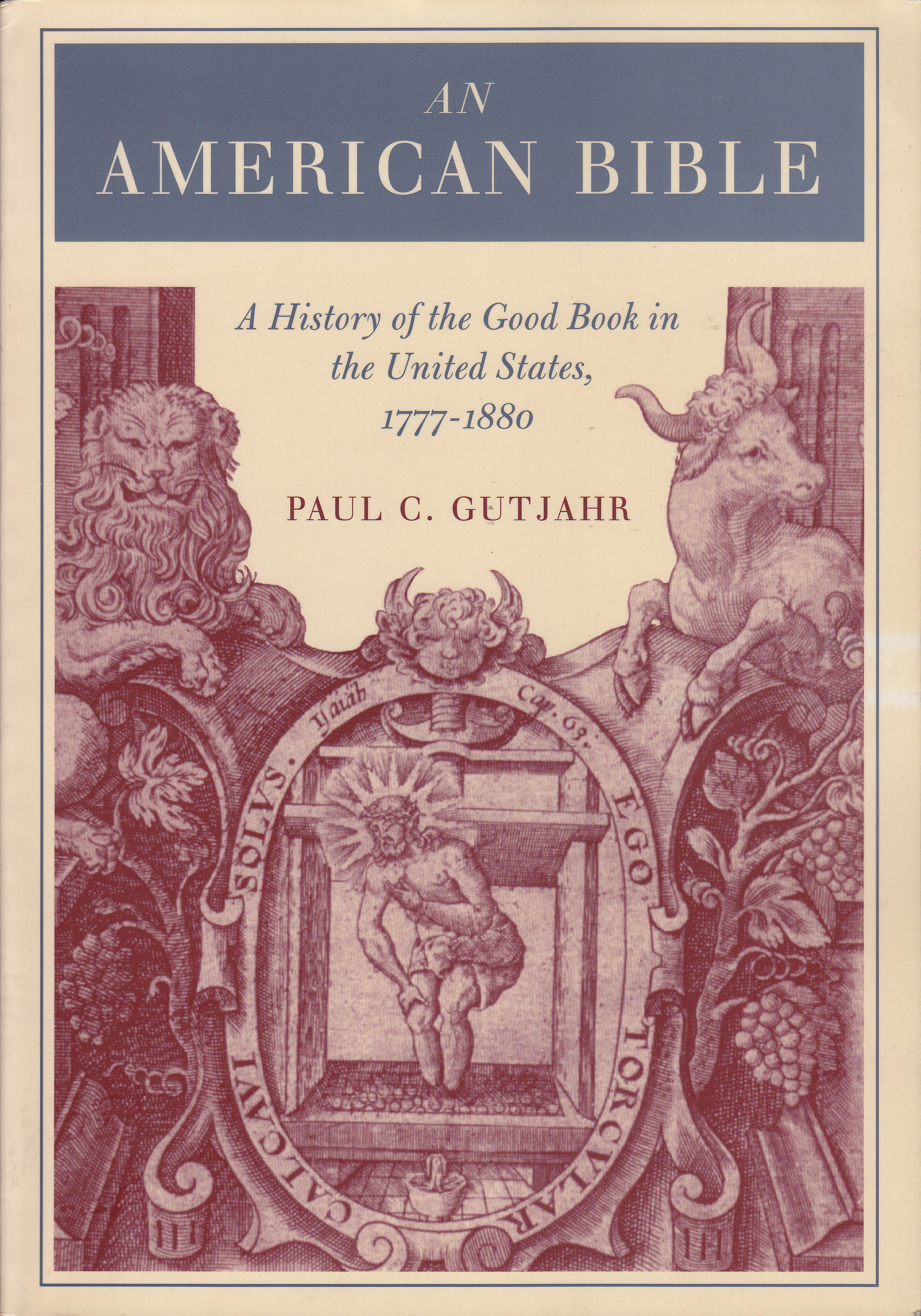
AmericanBibleOne thing that would be difficult to overstate is the influence the Bible has had on America. In our increasingly secular society, it may seem like the Bible has lost its edge. Then comes a presidential election and the Bible is headline news again. Actually, it is present all along in more subtle forms, causing embarrassment for those who think it’s just puerile mythology. Many useful aspects of this may be glimpsed in Paul C. Gutjahr’s An American Bible: A History of the Good Book in the United States,1777-1880. Thorough, insightful, and at times even witty, this reader-friendly analysis probes many aspects of how the Bible has impacted society in ways long forgotten. Who remembers that there were “Bible Wars” in the nineteenth century? That Bible publishing could at one time make one wealthy? That Bible illustrations caused scandal because bare-bosomed biblical ladies appeared in the pages of sacred writ?

The Bible is America’s book. Although Gutjahr only covers about a century of the story, there’s no question that the Good Book has roots that reach down into the sixteenth century and branches that continue to sprawl into the twenty-first. Some of it may be chalked up to civil religion, but the whole picture is more complex than that. From earliest days the colonial invaders drew on their understanding of the Bible to justify actions that really can’t be justified, and assuaged their guilt with the same holy book. Medieval European culture held the church and its founding document in high esteem, and when the Reformers broke from the hierarchy, the Bible became, well, sola scriptura. It was the Protestants who were annoyed enough at the situation to seek a life in somebody else’s land.

Once here, however, the Bible became foundational. Schools were established to teach students to read, and the main reading material was the Bible. A moral society, it was believed, would be founded on such curricula. Colleges were built primarily to train ministers. Revivals periodically swept the land. We currently live in the days of mega-churches. The elites sometimes overlook the appeal of the Bible to the average person. Here is a book that offers hope. And even if it’s rough, a love to those who don’t get their share of the culture’s spoils. It is more than a book. The Bible is a symbol. On his inauguration George Washington not only laid his hand on it, he also kissed the Bible before the crowds. If, like me, you didn’t know that, I suggest An American Bible as a reminder of how it has brought us to where we are. Borrowing a term from its sub-title, it too is a good book, and it serves to remind us of the power of an idea.


Irrational Reform State

Since 1954, after the cut-off date for new religions (see yesterday’s post), American children have been making a pledge to an inanimate object with the words, “under God.” Despite the fact that all parents know that children take liberties, the reality is that conformity is deeply embedded in young people. Totalitarian states everywhere have recognized that indoctrinated children are difficult to deprogram. In the chilly heart of the great panic known as the Cold War, the pledge of allegiance was emended to declare America a nation under God. And the American Humanist Association is backing a New Jersey family in suing to have a castrated pledge on offer. I always felt swearing fealty to a flag was a decidedly pagan activity anyway. Did not Jesus say, “let your communication be, Yea, yea; Nay, nay: for whatsoever is more than these cometh of evil”? Good Christians aren’t supposed to swear. In a land where the IRS controls what counts as a religion, we might consider substituting “under capitalism.” Isn’t that what we really mean anyway?

Nobody has control over where s/he is born. I’m not sure that many people would want to have the burden of making that decision. Still, we have to learn to adjust. Religion is a matter of where you’re born. We may grow to believe, but what we believe depends on what our guardians teach us. In my case, being born into a Fundamentalist family in Pennsylvania led me to nearly a decade-and-a-half teaching stint in an Episcopal seminary in Wisconsin. Who knew? My religion also taught me that swearing—i.e., “pledging” allegiance—was vaguely suspect. I was never discouraged from the pledge of allegiance, however. After all, it said “under God.”

When my daughter was very young, we were in a store in Wisconsin (where she did not choose to be born) when a couple of guys, being guys, let a few choice adjectives slip. One of them looked over, saw us there (my daughter too young to comprehend what was said), and said, “Oh, sorry! I didn’t see her there.” I found his chivalry admirable, but misplaced. We hear what we hear. So I’ve always found it odd when people want to sue if their children are forced to hear the words, “under God.” How does that threaten an atheist’s home teaching any more than swearing to a piece of cloth undermines a Fundamentalist’s? And aren’t we all taught that globalization is the way of the future? Under those multitude of young hands beat the hearts of Jews, Christians, Muslims, Buddhists, Hindus, Sikhs, Jains, Atheists, and any number of other faiths. We’re told the Cold War is over. Maybe the government should consider turning down the thermostat.

595px-Buzz_salutes_the_U.S._Flag


To the Flag

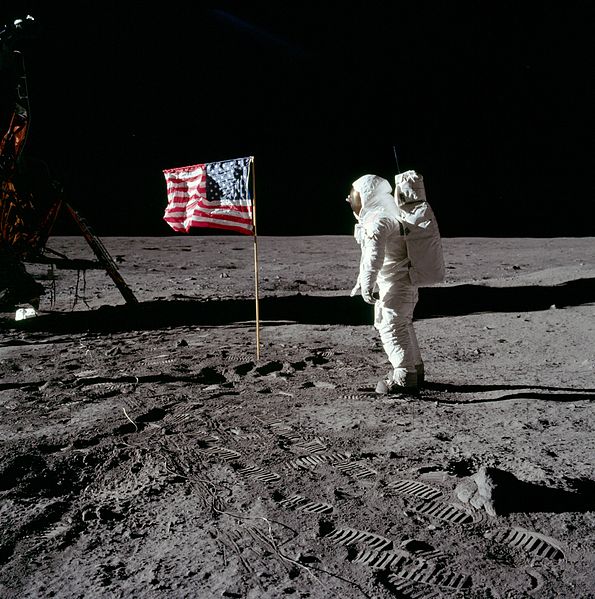
In the great witch hunt that began (or perhaps simply continued) with the Neo-con upsurge in which big business climbed into bed with theological conservatives, the pledge of allegiance became the acid test of true Americans. The Communists were now fading as a threat, and to be patriotic requires a clear and present enemy, so the un-Americans could be found among those who refused to pledge allegiance to a flag. In a recent CNN story, a case is going to court in Massachusetts to remove the words “under God” from the pledge. The dilemma is as simple as it is complex—children who do not believe in God may either recite what they don’t believe, or be ostracized for opting out. (Those of us who make a habit of opting out of things know the feeling well.) The argument goes that children are pledging loyalty to their country, not to a religion. Why should they be forced to say what they don’t believe?

The pledge has an interesting history. The original oath, a celebration of the now much-suspect Columbus Day, was intended as a quick credo of loyalty. No deity of any sort was invoked. Over time, additions started to creep into the pledge (the original version read “I pledge allegiance to my Flag and the Republic for which it stands, one nation indivisible, with liberty and justice for all”). It was not until after the tremendous horrors of World War II, when society was over-reacting to all kinds of threats, real and imaginary, that the words “under God” were added, in 1954. Godless Communists beware! Like the original pledge, this emended pledge celebrated a civil holiday—Flag Day.

IMG_0962

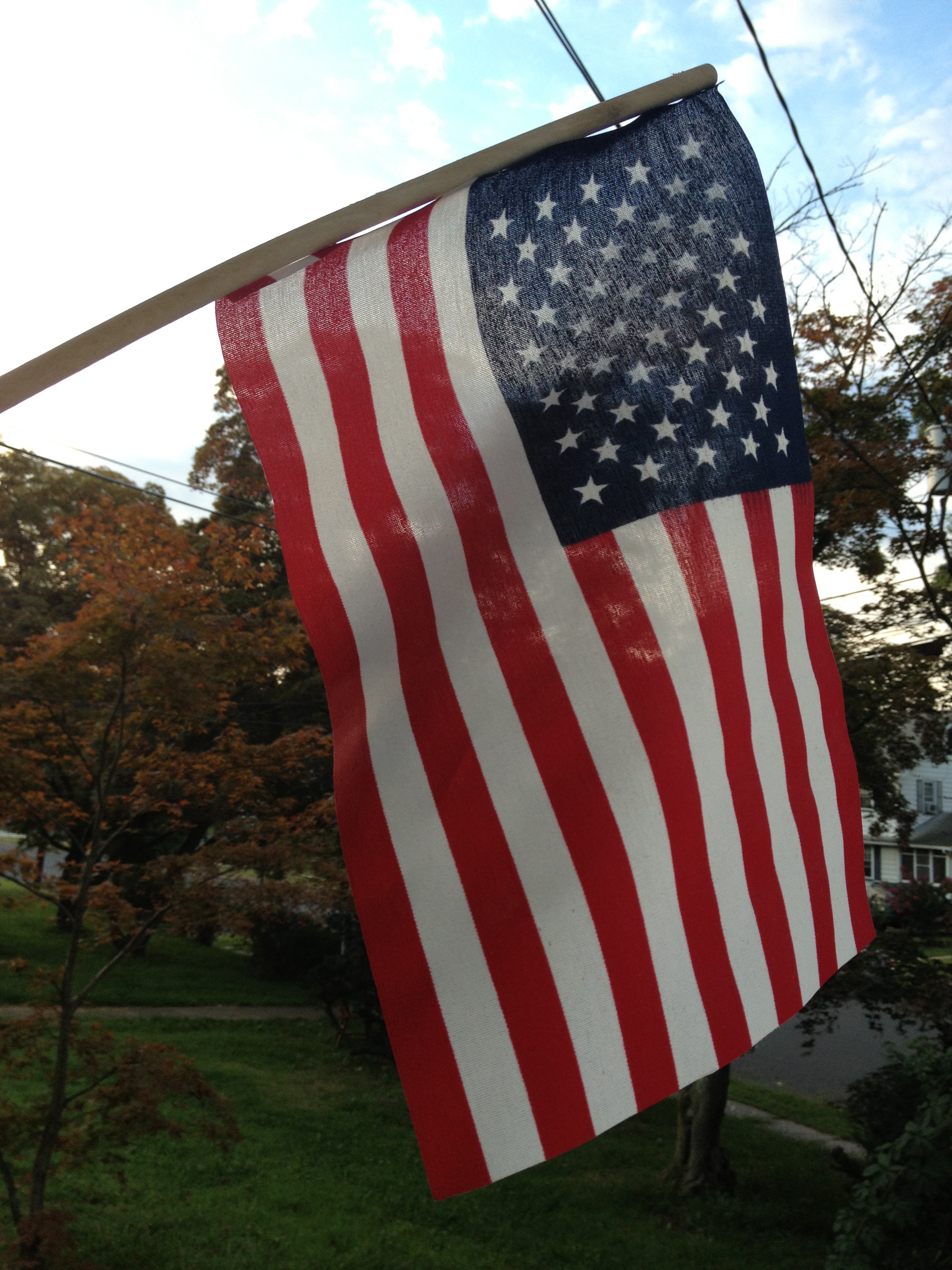
Nationalism could well be considered a form of religion. Customs differ in various parts of the world, and highlighting the differences allows for the conferring of unique advantages among the members. True capitalism cannot work in a culture of complete fair play or equality. Nations must be able to declare ownership and control of resources, including those known to every “human resources” officer in the universe as the most troublesome kind. To be useful to a nation, loyalty must be pledged. And children, who don’t have the experience or psychological development to make an informed choice about the Almighty, must say that they believe in “one nation, under God,” where “one nation indivisible” has itself been divided by God. Don’t get me wrong, I am glad to be an American—I can’t imagine being anything else. But I especially like the part about “liberty and justice for all.”


Playing Civil

In a piece written for the Los Angeles Times, Joseph Margulies warns of the potential dangers of civil religion. I first learned about civil religion in college in the early 1980s, when the concept was still relatively young. The idea is as deceptively simple as it is accurate: when nationalism reaches its natural limits, the divine is invoked. Civic ceremonies become religious ceremonies—presidents lay hands on Bibles, whether or not they believe. Civil religion dictates that all presidents be portrayed as believers, but that is something we have to take on faith. Civil religion leads to sculptures of the Ten Commandments on courthouse lawns and the flying of United States flags in churches. The danger with this innocent-looking triumphalism is that some people take it too seriously. It is not limited to Christianity, either. Civil religion is a disguised, albeit thinly, form of nationalism.

The vast majority of people in the world hold religious beliefs without deep reflection. That is not to suggest that they don’t believe deeply, but simply that they don’t lift the edges to peer under the surface much. We are taught what to believe by religious specialists. To question them is to question the deity they represent. Since fear is easily ingrained in the human psyche, the angry god is among the most effective of weapons ever devised. We fear for our eternal peril, and it is easier to believe the clergy have the answers than to divine the truth for ourselves. Those who think profoundly about religion, outside the confines of the professional clergy, are always a suspect lot. What business do we have, poking around the beliefs of others?

Civil religion shocked me when I first learned of it. Like the majority of my peers, I had assumed that public displays of piety were to be taken literally. As I began to hang out with clergy and to see how they often transformed outside the church with a fellow “insider” beside them, I started to understand. The cynical asides whispered outside the hearing of the faithful, the double lifestyles, the on-stage personae. This may not have been civil religion, but it was not always what it seemed. Teaching in an Anglo-Catholic seminary, I saw high mass as carefully choreographed as an off-Broadway production of A Chorus Line. Civil religion relies on its partnership with the unquestioned belief of the Saturday-night and Sunday-morning crowd. It all fits easily together and runs as smoothly as a pink Cadillac. Just don’t look under the hood.

IMG_0088


God in the Shops

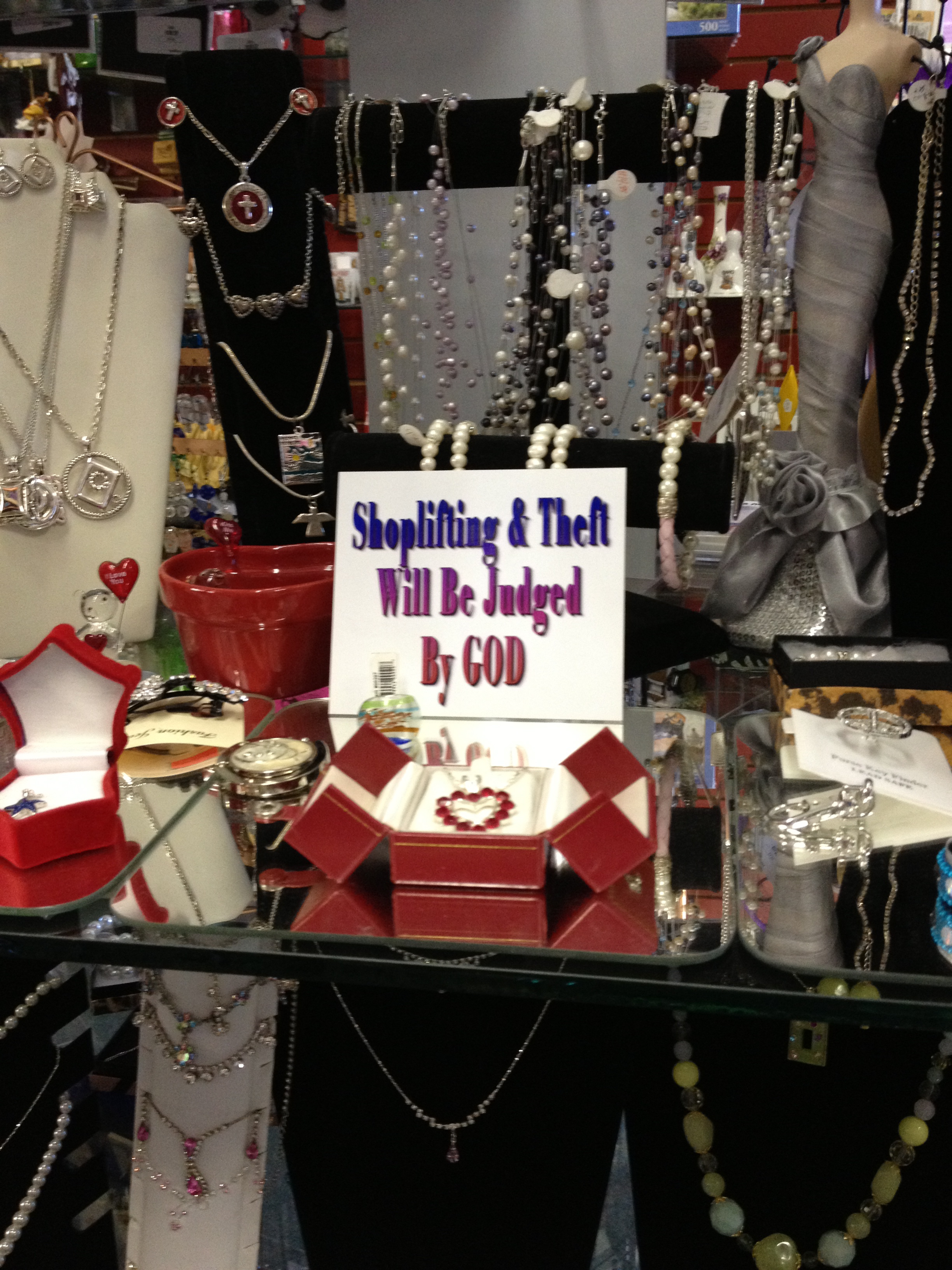
Over the past few weeks, as I’ve been out and about, I’ve been noticing the way that the divine has been utilized by shop-keepers. In a culture where incipient religion is so pervasive, it seems that God is treated much like the NSA in some quarters—always watching, always vigilant. I popped into a shop selling locally made items (I try to support the local economy when I’ve got a greenback or two to spare, although that is rare), where I saw a sign reading “Shoplifting & Theft Will Be Judged By God.” The sentiment gave me pause. Deeply embedded in our society is the idea that without a divine mall cop, we would all run amok with crime. Although religion is pervasive in the world, much of it is non-deistic, and yet highly moral (particularly in east Asian nations). Their cultures have advanced, even beyond western culture in many aspects of technology, and yet gods (and specifically our God) do not figure into the ethical equation. Pillage and plunder do not seem to erupt when God is not in the shop.

IMG_0903

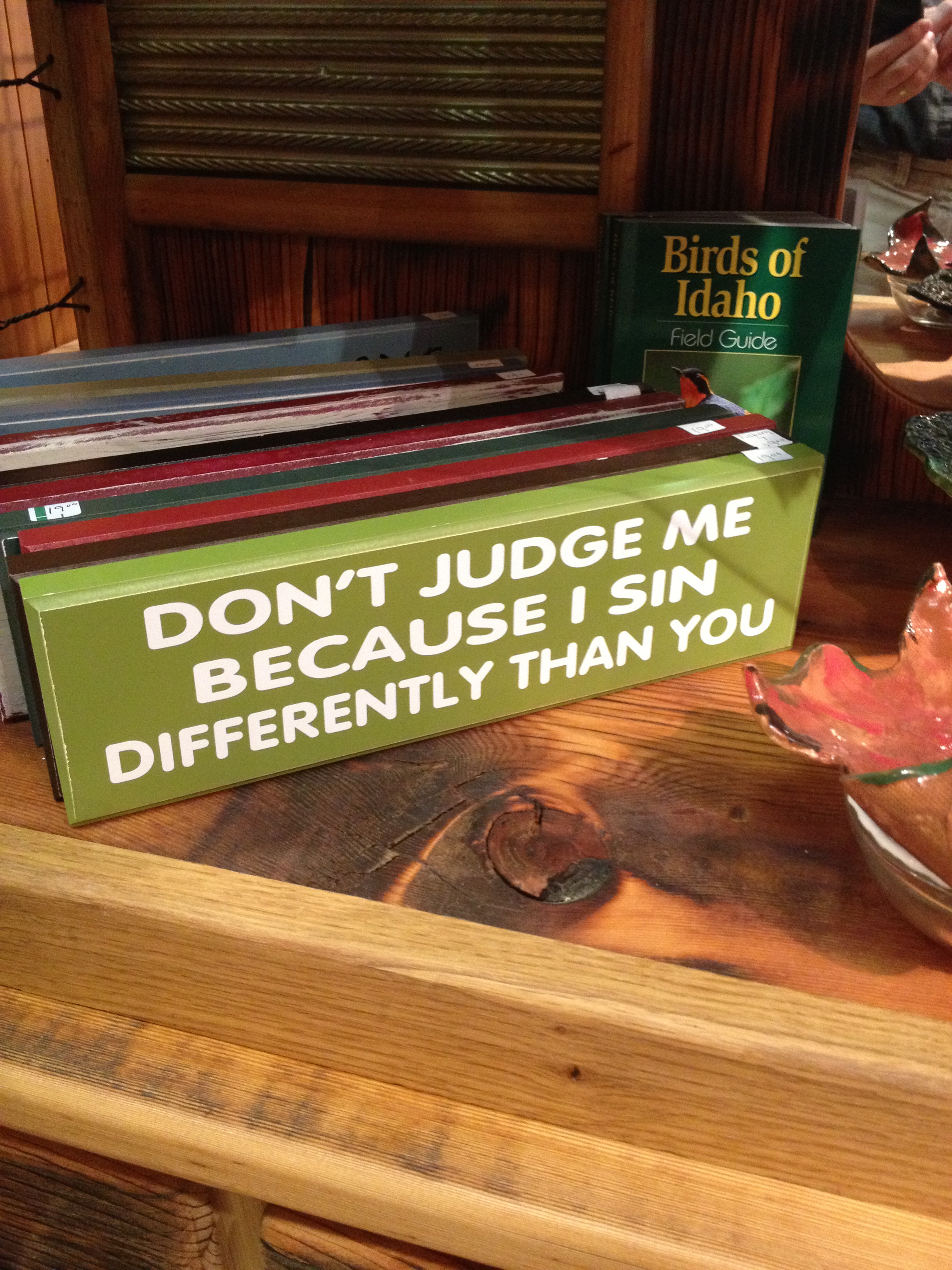
Whimsical signs have been popular decorative items for decades now. The problem with whimsy is that it loses its effectiveness once the initial chuckle is over. Signs reading “no pain, no gain” in fitness clubs may inspire day after day (although I have my doubts), but the cute warning that “the dog is crazy” on your doormat fails to impress after the first reading. (It must be pretty obvious that I don’t entertain much.) Nevertheless, shops stock those impulse-buy signs that are clever and witty, if soon outdated. I found one the other day reading, “Don’t judge me because I sin differently than you.” Even with the strains of self-righteousness, there is valid thought here. When the woman caught in adultery was brought before Jesus, he said, “Let the one without sin throw the first stone.” This disputed passage is one of the most pertinent in all of Scripture. No stones flew.

IMG_0909

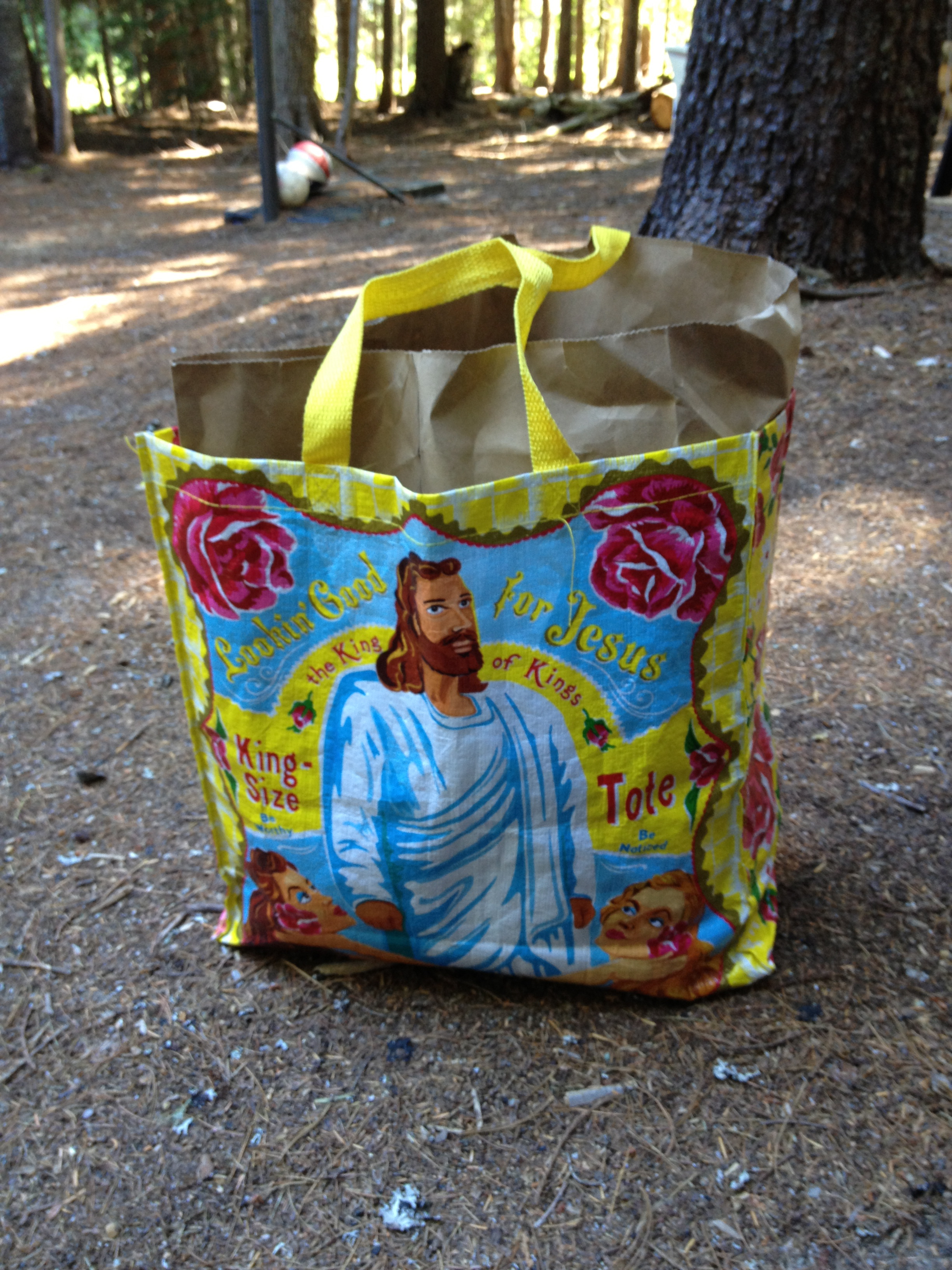
Finally, a friend came in bearing a shopping bag with Jesus on it. “Lookin’ good for Jesus, the King of Kings, King-size Tote” it read. The bag was clearly designed with a heavy dose of irony. I couldn’t help but notice that the bag was full of bottled gas. This portable version of the only begotten is a reminder of how commercial our religion has truly become. Although clearly presented with tongue distending cheek, we know that, as I tried to convince many at Gorgias Press, Sects Sells. People will buy cute knock-offs of their deities. In Wisconsin we used to visit Holy Hill, a Carmelite shrine where all manner of sacred kitsch lined the walls, from glow-in-the-dark rosaries to cheap, plastic saviors. The shop was never empty. Perhaps it is possible to worship both God and mammon after all.

IMG_0908


Heaven Forbid

Cars can be a nuisance—they consume resources, pollute the environment, and have a habit of being very expensive to repair. We’ve been pretty good about taking our car in for its regularly scheduled Toyota check-up. Since the garage is several miles away and my wife and I both work, it is often a matter of the one who can most easily work from home the day of the car doctor appointment taking it in. Our Toyota dealer has in-store wifi for those who can’t live without the internet. For some of us, work is almost exclusively internet. So it was that I drew the short straw and dutifully drove out to the dealership. I was pleased that my VPN connected so easily; this was going to be a snap. I was working happily away when I had to find somebody on a university website. I googled the name and clicked. I received a forbidden website message (copied below) explaining tersely: “Block reason: Forbidden Category ‘Religion’.” I tried again on the Society of Biblical Literature website—same message.

ForbiddenReligion copy

Now I can understand workplaces blocking pornography sites, and even Facebook (I found the latter to be blocked at Toyota some time ago, but I’ve never tried the former), but religion? I am a religion editor. How am I to work when I can’t access websites that contain the word “religion”? The more I pondered this—I could still check my email, and do VPN-type work with files from the office—the more it bothered me. On the television in the background inane daytime talkshow hosts were interviewing someone who’d written a book about God. How many more businesses out there are biased against internet religion? That means my blog is blacklisted along with the scantily clad and overly chatty. I fully support the disestablishment clause, but I also subscribe to the freedom of religion. Smirks aside, there is a serious undertone to all of this.

I have no desire to be proselytized at work. I also agree that it is the right of others to expect the same. Sometimes, however, a little religion might help work go down like a poppinian spoonful of sugar. One time when I worked for Ritz Camera in Brookline, Massachusetts (I seem to have a knack for working for businesses that are on the way out), I had a tough day. Some of our customers could be quite abrasive, and since the customer is always right, we had to take personal insults with a smile. One lunch-hour I told my manager that I needed to recoup my moxy (I didn’t use those words). I ducked out the door and stomped to the first church I could find and asked if I could just sit in the pew for a few minutes. The church secretary, a complete stranger to me, said “of course.” Ten minutes later I returned to work collected and able to face more unreasonable customers for the rest of the afternoon. Maybe it wasn’t religion, maybe it was only the calm of sitting in what some believed to be a sacred space, but my capitalist company got better performance out of me that day because of it. Ironically, at Toyota, my religion editing is cast in with the tax collectors and prostitutes. Only the tax collectors, I’m pretty certain, are always permitted to work.


A Goy in the City

Getting across Midtown Manhattan quickly during rush hour involves a kind of algorithm. That means my route to and from work each day changes depending on whether I catch that light at Eighth Avenue or Third Avenue. This past week my algorithm took me down 42nd Street on the way home. As I walked past a group of Orthodox Jews handing out leaflets, they singled me out and stopped me to ask if I was Jewish. I said “No,” but took their literature anyway. At first blush, it may seem odd to be mistaken as Jewish by some local experts (New York City has its fair share), but then again, maybe not. My brother tells me he gets asked the same question. Our great-great-grandparents left Germany in the 1820s and bore the ambiguous surname Tauberschmidt. By my great-grandparent’s generation they seemed to have been Lutheran, but before that? Hey, maybe this could explain a lot. Not to stereotype, but I do have the incessant angst that many Jewish characters exhibit in Woody Allen movies. Probably it’s my imagination. I thought it was cool to be mistaken for a “minority.” I felt, for a moment, like I belonged.

Reflecting on this incident (which made my day, by the way), I ask myself what it means to be part of a religion that has become a culture. The academic lingo for this is “cultural Jews” (in this case), but there are definitely “cultural Christians” as well. I suspect most religions have their cultural commandos. Part of the dynamic at work here is that although the world is very religious, it’s not really that religious. Most religious folks have an emotional connection to their tradition that may be, in fact, cultural rather than, for lack of a better word, spiritual. A person who is deeply religious often runs afoul of life in the everyday world. There is a sinful plethora of distractions. Those truly concerned about their religions often find themselves employed by them.

Cultural religions give the world a great deal of color. People flock to St Patrick’s Day parades when rivers are dyed green and everyone wants to be part Irish (and there is a genetic bit of this in my personal mix as well). Where would December be without Christmas and its attendant holidays? Even bunnies like colorful eggs in the springtime, so I’m told. Do any of these things make people religious Christians? I suspect few would argue that they do. I’m stretching Rousseau‘s concept of civil religion a bit tight here, but degrees of religiousness fall along a continuous spectrum rather than appearing in sharply distinguished colors. Cultural faiths are generally accidents of birth. It’s up to the individual how seriously to take it. And sometimes even the faithful misidentify one of their own.

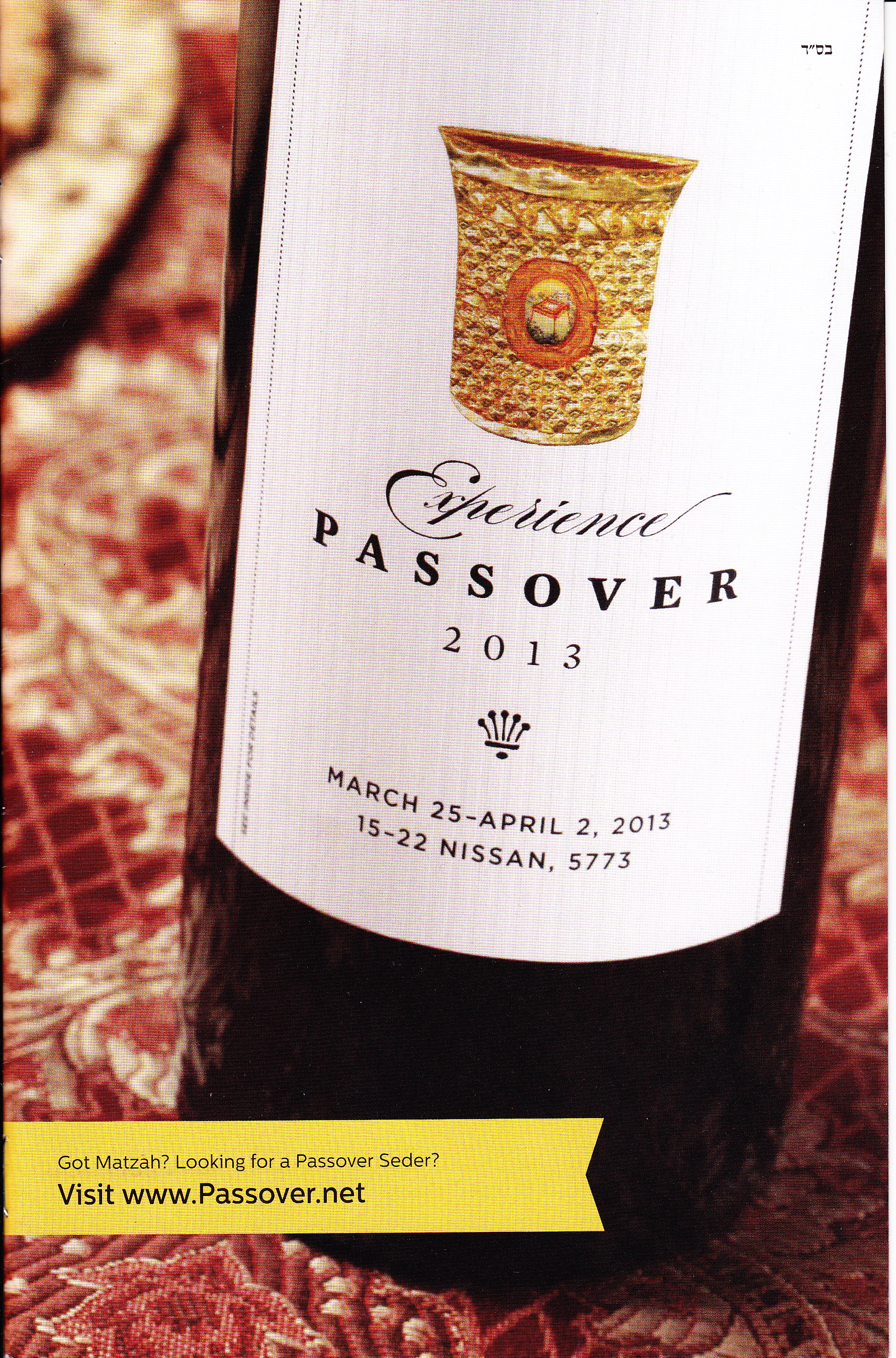
Happy Passover to my Jewish siblings!

Happy Passover to my Jewish siblings!


Here’s the Church, Here’s the Steeple

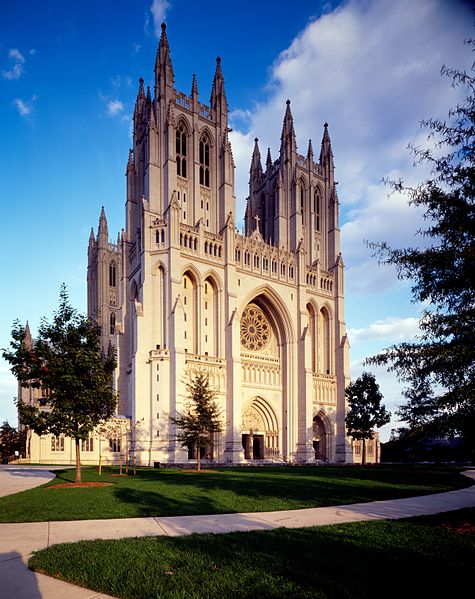
Americans seldom seem to fuss much about religion unless they perceive that it is under threat. We’re real believers in religious liberty that way. The threat angle is a vector worth measuring every once in a while. What gets our collective goat? A story on CNN last week about the National Cathedral caught some attention. Those who think about freedom of religion, liberty of conscience, and all that, might find the implications of a national cathedral itself a tad troubling. Of course, it really isn’t a cathedral for all of the United States, but it is used for many displays of civil religion including several presidential funerals and inaugural prayer services. The cathedral, historically and ironically, is of the Episcopalian brand. Episcopalians boast perhaps the smallest number of mainline protestants in the country, and since they are the remains of the “established church” of England in the States, it is not just a little odd that such an edifice should be associated, however informally, with government in its former colony. The reason that CNN ran the story related to a perceived threat to American religion: same-sex marriages.

Now that same-sex marriages have been approved in three states, some couples desire the symbolism of a wedding in the National Cathedral. It is a victory of social justice that highlights one of the deepest and most persistent of religious concerns—human sexuality. Although many religious denominations have made their peace with evolution by natural selection, few have really considered the implications of reproduction and its discontents. Formally ever since the Enlightenment (and certainly informally for all of human history) sexuality has been a subject of scientific scrutiny. And not just for humans either. As naturalists observe the world of our fellow creatures, we find all kinds of sexual behaviors labelled “unnatural” in humans are quite normal in nature. The reason is the religion that is invested in reproduction. People, many religions teach, are somehow different. Besides, in the days before scientific interest in animal reproduction, few bothered to consider what other animals did, far from human eyes.

For those willing to admit that nature can teach us something about ourselves, same-sex couplings are not limited to humans. They are a part of nature. As Martha McCaughey suggested in The Caveman Mystique, reproduction is only one of a variety of reasons that humans and other animals mate. For us, however, it is a strangely sacral act. All religions have something to say about sexuality, and many express strong feelings about what marriage means. So the Cathedral Church of St. Peter and St. Paul (two men, one might note) is in the news because of what marriages symbolize for many. Marriage is about commitment, not just sex. In a nation where commitment is only fair-to-middling, shouldn’t we applaud the use of the National Cathedral to reinforce such family values? Unfortunately, for many gender differentiation trumps love in what is understood as a legitimate religious outlook.

Carol M. Highsmith's National Cathedral

Carol M. Highsmith’s National Cathedral


Parsing God

Being married to a Girl Scout leads to many benefits beyond just the cookies. Not that cookies are unimportant, of course. Having been a Boy Scout briefly back in the 1970’s, I recall three-finger salutes, rambunctious meetings, and the occasional camping trip complete with the rabbit coming out of the hole, going around the tree and then something else. I’m sure there was a Boy Scout pledge, but I can’t remember it. Like most group activities, Boy Scout meetings served mainly to remind me of my own inferiority, and so my mind does not often enjoy visiting those places. Having attended a few Girl Scout meetings over the years as my daughter was growing up, I heard the Girl Scout promise a few times, and was a little surprised that the phrase, “To serve my God” has remained unaltered, even with the changing face of the population. When I attended an event hosted by the Elks, the civic organization, the presenter began by explaining the rules for who might join. It too, is limited to theists. The reason for such admission requirements has me pondering if there was a time God was an endangered entity in the United States. If not, why insist on this proviso?

I’ve been reading about religion’s role in society. Something that those who seek primarily the deep, personal and experiential aspect of religion may not realize is that religion is a form of social order. Scientific knowledge about God, if God be incorporeal, non-material, and beyond space and time, is impossible. Religions don’t prove God’s existence, but they serve to reinforce the sanction of the sacred for human society. They have an essential role in that drama. By limiting membership to believers organizations such as the Elks are merely asserting their belief in the working of the system. Of course, from the beginning those who do not believe risk little by claiming they do believe.

But what of the doubter, who may be the truest believer of all? Some Girl Scout literature has a footnote, parsing God: “The word ‘God’ can be interpreted in a number of ways, depending on one’s spiritual beliefs.” Belief is a form of commitment more than a mental certainty. In the Hebrew Bible belief was not as strong a suit as obedience; and thus it had been for the history of organized religion. Starting perhaps as early as Jeremiah, a shift began to take religion more toward a matter of internal commitment. In the face of utter loss, Jeremiah (or one of his fans) suggested that belief was more important that unthinking obedience. Belief is very subtle but vitally powerful. Lives are staked, and sometimes lost, on it. So while you’re enjoying another cookie, try parsing your belief. Me? I’m still trying to figure out when that rabbit goes back in the hole.


Civil Rites

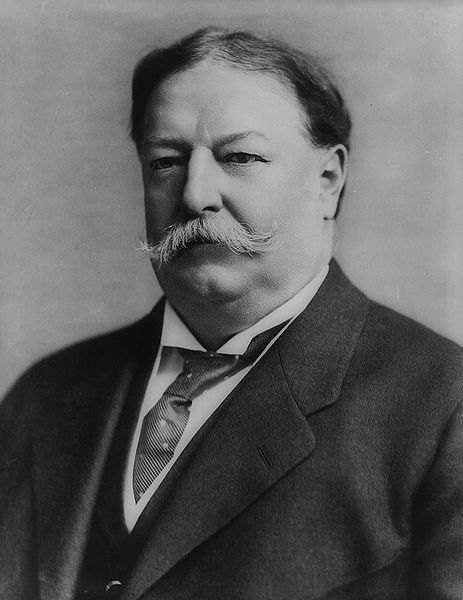
Sundays’ op-eds often have sensitive fingers on the pulse of the American religious scene. A piece by Tom Deignan in Sunday’s New Jersey Star Ledger raised a very interesting point about civil religion. Civil religion is, loosely defined, the acting out of religion in a civil-political forum as a cheap form of nationalism. We do it because it works. Noting that a presidential candidate denying the divinity of Christ in the twenty-first century would be engaging in political suicide, Deignan rightly points out that many earlier “Protestant” presidents would—and did—do just that. He notes that Taft, a Unitarian, came outright and said it. No matter the protestations of the Neo-Cons, the founding fathers were Deists, not believers in Christ’s divinity. Thomas Jefferson went as far as to excise all the miracles from his version of the New Testament. The idea that religio-politicking is business as it’s always been done is a myth.

And what a persistent myth it is! Many Protestant denominations trace their ancestry back to founders who believed that they were closer to the apostolic faith than the next guy. They legitimately believed their faith was the original, intended by God, Christianity. Thus it was in the beginning, is now, and forever shall be. Only it’s not true. Religion was purposely written out of the Constitution of the United States with the Bill of Rights declaring its freedom the ideal. What presidents believed hardly played into the concept of their fitness for national leadership in the early days. Now little else seems to matter. Deignan rightly wonders why Mitt Romney is so tight-lipped about his Mormonism. Could it be he fears what critics might say about devising a national budget through rose-colored glasses? Surely his vast personal wealth belies that concern.

So what was the original Christianity? On this point the Bible is amazingly unobscured; early Christianity was Judaism. Jesus was called “Rabbi,” and his teachings weren’t too far distant from Hillel and others near his generation. Paul of Tarsus, who pointed the nascent religion towards its evolution into Catholicism, was also Jewish. Following his faith in resurrection, some early Christians moved into the direction of eventual ritualism. The fancy hats of the papacy, it is fair to say, were never in the minds of Jesus or Paul. Not even Peter. Modern religions, even the primitivist movements, cannot reclaim the Christianity of the first century. That religion does not fit into a world of Internet, cell phones, and automobiles, let alone presidential candidates with wealth befitting King Herod. Let’s just grow up and admit where we are.


Latin Goddesses

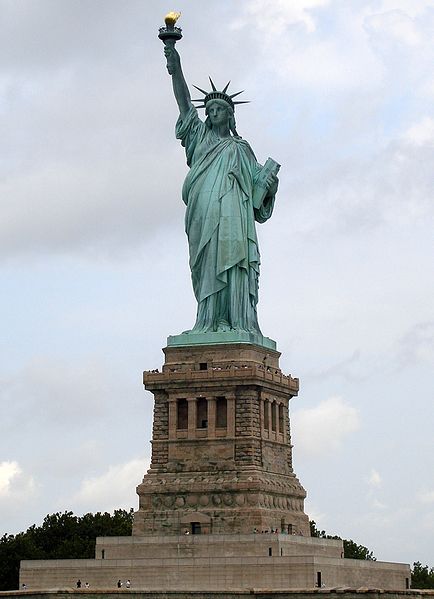
Armed with her shield and trident, as if blending those ancient rivals Athena and Poseidon, Britannia sits proudly atop buildings and plinths of the United Kingdom. She is an hypostasis of the island itself, and as Britain catapulted toward empire status, the goddess was adopted as her protector. She even appears on the coin of the realm. Literally. Across the Atlantic Ocean, those coming into New York City via boat (and occasionally jet) see the familiar green lady standing in the harbor. Generally called the Statue of Liberty, the woman is actually Libertas, another Latin goddess, the personification of freedom. She too has appeared on the coinage of her adoptive nation, although she has been replaced mostly by the more human heads of state and symbols of civil religion. In Great Britain, Charles Darwin appears on the reverse of the ten-pound note.

I’m sure that Britain and the United States are not the only nations to honor goddesses in their national mythology. Whenever nations want to display what is truly noble and to symbolize their highest aspirations, they choose goddesses. Ironically, some of the nations to do so hold a stringently Christian view of themselves, as if Yahweh were battling it out with an old, divorced spouse. Civil religion, however, should not be confused with doctrinal belief systems and dogma. These insidious agitators have forged the weapons with which religions daily clash. Masculine religions brook no rivals.

As Britannia sits in my pocket, and Libertas reigns in my head, I think of the nations run with male agendas and their goddess consorts. The temples to Britannia and Libertas are in the Square Mile and on Wall Street, for lucre always assumes the superior position in any relationship. I fondly recall the days when goddesses had actual power. Of course, the skies have always been empty, with the exception of our imaginations, but once the belief that protective goddesses were there gave humans cause for hope. Maybe they grew a little ambitious now and then, but the Latin goddesses always had the best interest of their patrons in mind. Have we outlived our need for goddesses? That will only happen when mothers and nature’s best protectors are no longer necessary. The Latin goddesses will long outlive our civilization.


Under God

As one of the more flamboyant of national holidays in the United States nears, there is a whiff of discontent in the air. The North Carolina Secular Association has been sponsoring billboards that provocatively read, “One Nation Indivisible.” Those who, since 1954, have grown accustomed to reciting the “pledge of allegiance” with the words “under God” inserted after the “one nation” bit, grumble that one more icon of civil religion has come under fire. I first became aware of civil religion as a student in a self-identified Evangelical Christian college. I was astonished that the religion faculty, all believers, suggested that civil religion was not true religion at all. True religion was an inner commitment, not social bravado – often in the service of political aims. I was pointed to the writings of Richard Niebuhr and Dietrich Bonhoeffer and told to think for myself.

Since that time, I have kept a wary eye on civil religion. It is a dangerous force in society since few people think deeply or seriously about their religion. It fosters knee-jerk mob mentality. Civil religion is a slurry of a variety of religious outlooks, mostly Christian, predominantly Protestant, but now gaining a dose of conservative Catholicism. No one denomination would accept all its tenets as true faith, but weighed against the “godless alternatives” most conservative believers would much prefer the shallow public display of religiosity to “one nation indivisible.”

The Pledge of Allegiance was first composed in 1892. It read, “I pledge allegiance to my flag and the republic for which it stands: one nation indivisible with liberty and justice for all.” (That flag didn’t have 50 stars.) The North Carolina Secular Association has, arguably, simply reverted to the original formulation. In 1954, with Cold War concerns heating up and decent Americans associating themselves with Evangelical Protestant values, the phrase “under God” was added – take that you godless Communists! That other great icon of civil religion, the United States motto, “In God we trust,” was placed on currency during the battle-torn era of the Civil War. Once again, the Cold War brought it into prominence. In 1956 the Congressional Record noted that “In God we trust” should be designated as the United States motto. With the collapse of many of the Cold War threats, the fully charged civil religion front had to find a new outlet for its excessive energy. One needs only a casual glance at the American political scene to see where this insipid, lukewarm version of civil religion has resurfaced. One nation indivisible?

Does it really stand for freedom of religion?


Under G-d

In one of the great showcases of civil religion, the Pledge of Allegiance is again in the news for its brash statement, “under God.” Lawsuits have been introduced in California to try to label the statement as unconstitutional – state supported religion, a declaration that the United States is a theistic country. Even as a child, a religious child, no less, I was vaguely disturbed by the Pledge. I am a sentimentally patriotic American, and I begrudge no one that natural feeling of pride in their heritage. We all come from somewhere, and we like to think the best of ourselves, and therefore our forebears. I’ve tried to trace my ancestry and find that with a sole exception on a great, great-grandparent’s exodus from Germany that my roots are hopelessly lost in long generations of northern European expatriates that have been on these shores for well over a century and a half. Some even more. And yet, to pledge allegiance to a flag? As a student of religion, I understand the value of symbols, but I always felt that a hand over the heart while addressing a banner was a little like idolatry.

Well, I’ve grown up since then. I spent three years abroad, and returned with a renewed appreciation of how much this country has to offer. I’m still a little puzzled by the “under God” bit, however. Sure, America’s founders were generally deists (not Christian by any recognizable stretch of the definition), and since God is assumed, why not add him to the books? But God was only added to the pledge in 1954. In the heat of McCarthyism it seemed important to fly our “anti-communist,” theistic colors high for all to see. And yet, we never define who “God” is.

The God of the Bible has a name. Every semester I find students that have difficulty grasping the idea that “God” is not the name of a deity – it is only a generic title. It could be anybody divine. Shiva, Zeus, or even Baal. In the written work of many of my students from the Jewish tradition, the reverence accorded to the deity’s personal name has been transferred to this innocuous title. In essays and papers I frequently find reference to “G-d,” as if the Torah commands never to make reference to deity at all. So, out of reverence to the same divinity we have some citizens leaving out the lonely vowel of a one-syllable deity while others loudly proclaim that he (never “she”) must be kept in the little bit of civil religion we impress on our public school children. We don’t agree, as a nation, on who “God” is. Reading the rantings of the Religious Right with their tea parties and Conservapedias, I’m sure that this is not the G-d of the Bible. What does it mean to be a nation under a deity we don’t recognize?