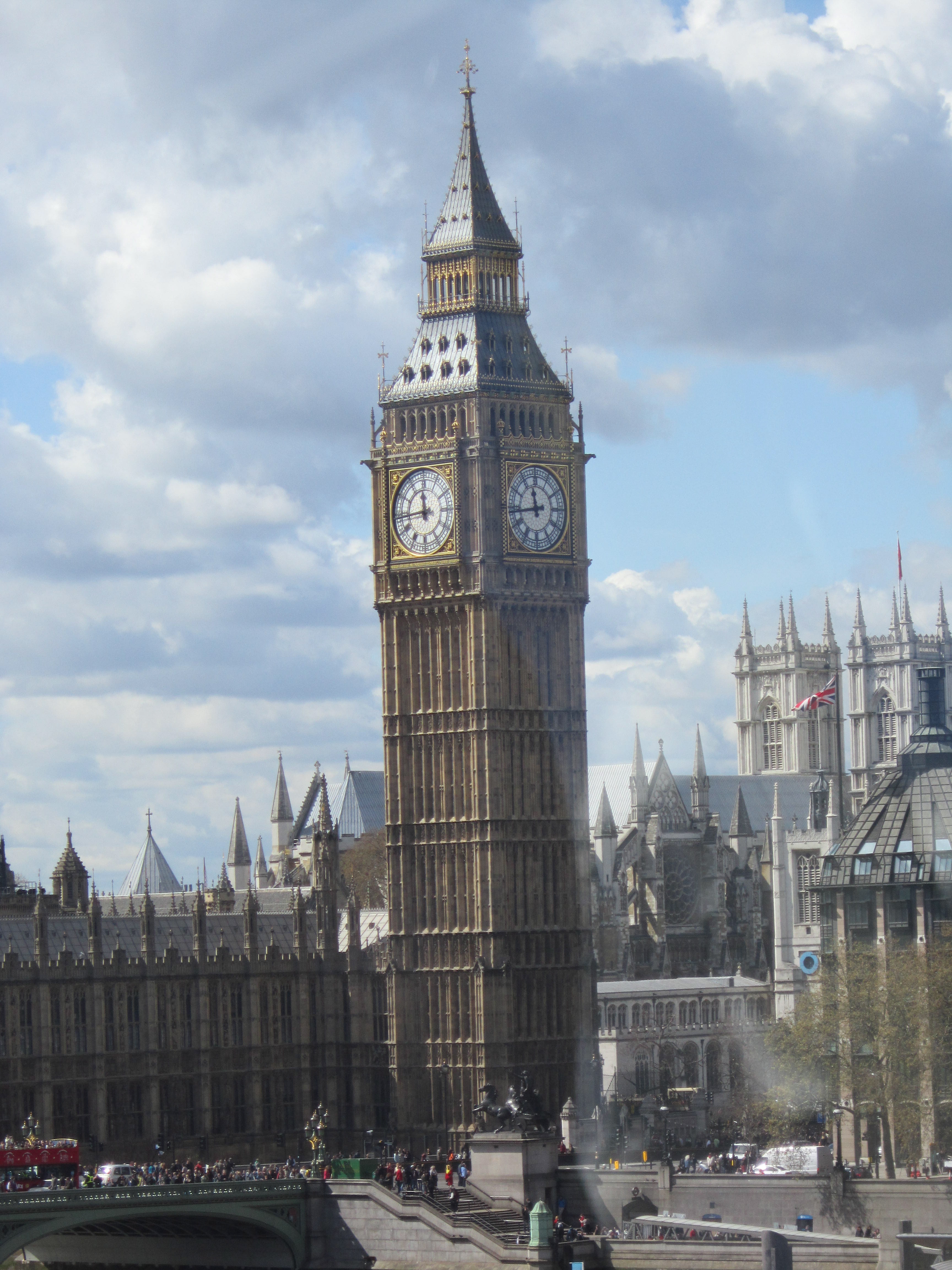
Time Flees

I can’t speak for all early risers, of course, but for me the absolute worst thing about this useless tradition of switching to Daylight Saving Time is the loss of morning light.  I’m in favor of keeping DST all the time, as the US Senate has voted to do.  The only reason this is still an issue is to give the House yet something else to fight about.  How dysfunctional are we, really?  This one’s a no brainer!  Look, I start work early every day.  I jog before work because I’m too tired afterward.  In late February to early March I can get out and back before seven.  (In the summer before six!)  Then DST happens.  I’m plunged into another month of waiting until seven to be able to jog.  DST is just one of those ridiculous things we just keep doing because we don’t have the will to change it.  We’d rather fight.

I’ve been thinking a lot about time lately.  How we think of it, how we divide it.  We sometimes lose sight of the larger picture.  If relativity is right, the stars we see at night are, many of them, long gone.  We’re seeing light trudging through the near vacuum of space, or maybe dark matter, and thinking how we’ve got to get to our meeting on time.  How we need to be at work from 9-2-5.  How somebody with money owns that portion of our time.  There’s a reason that DST starts on a weekend.  Time.  We can’t grasp it but we can waste it.  What are we waiting for?  Some of us are seeking the truth.  Even so we know that Morpheus was right—time is always against us.  It’s a limited commodity, but even that language cheapens it.

Those of us of a philosophical bent allow ourselves time to ponder such things.  We call time a dimension, but what does that really mean?  Theoretically it can be traveled along in either direction (again, pending relativity) but we only experience it in one.  So what do we do?  We interrupt its flow because during a war during the last century it was deemed that industry could be more productive if it were light an hour later.  Maybe we should just all agree to shift our perception of time ahead by an hour permanently.  That’s forward thinking.  And who knows, it might just save us all a lot of time.
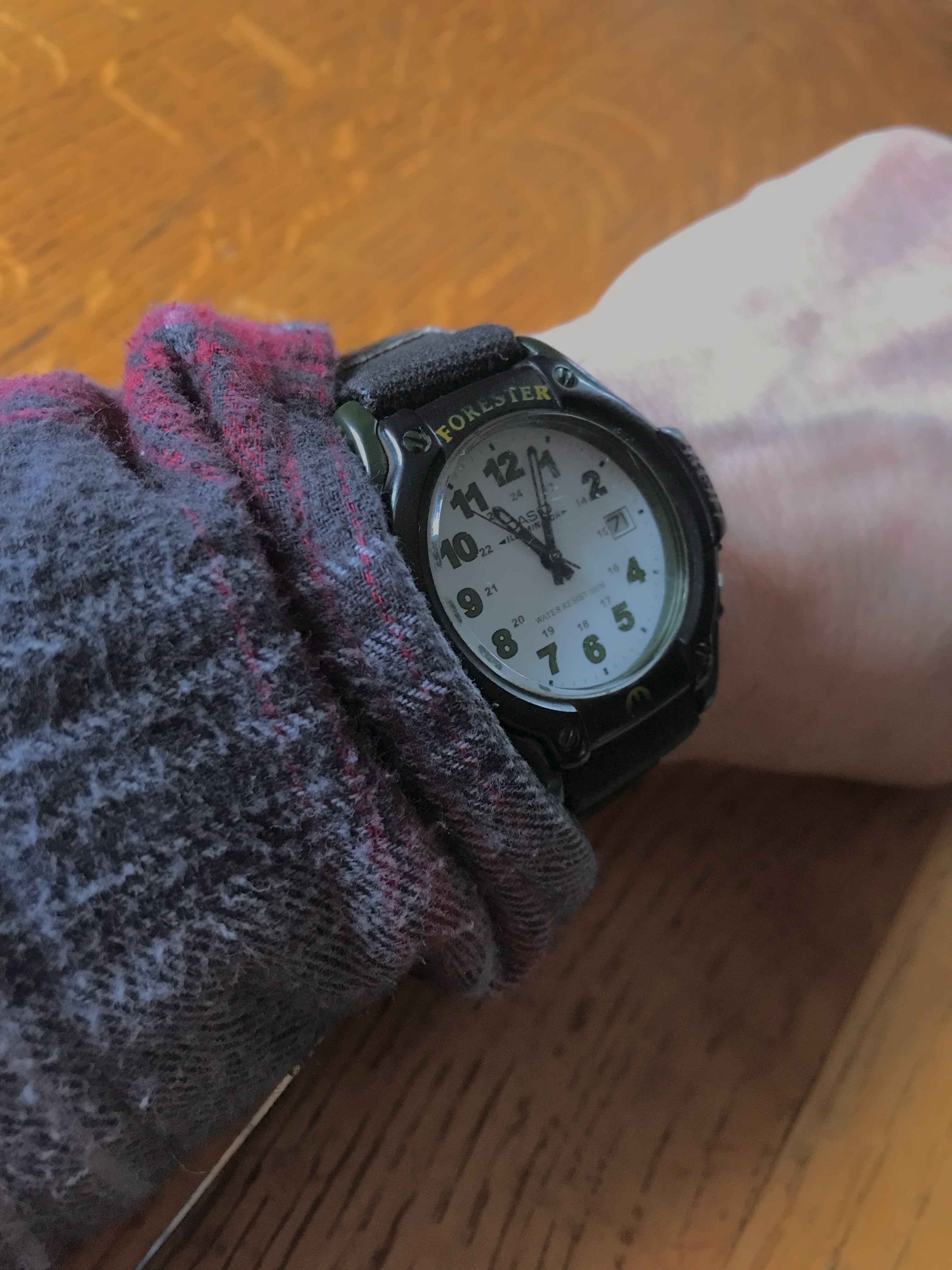

Keeping Time

Did you remember to set your clock back? Depending on where you are (and this presumes there are any people reading this at all) it might have been a mistake. When I worked with Routledge, we had weekly trans-Atlantic meetings via conference calls. I remember the general confusion of what time it was where, and how that effected meeting times. The UK sets its clocks back at a different time then many states do this side of the ocean. As much as it is nice to have an extra hour of sleep (next weekend for most Americans, this morning for the British Isles) it really never seems worth the disruption on the other end of “standard time.” In the spring it will take several weeks to adjust to disrupted sleep patterns after long winter naps—for those who are able to sleep in, in any case. I’ve long thought it is time to do away with this practice: if daylight savings time is a good idea, why don’t we just keep it that way all year around? Greenwich Mean Time, however, could never admit to being wrong.

IMG_0320

I was always told daylight savings time was because of concerns for children walking to school in the dark. An article in The Guardian, however, gives the real reason. It was war. During the First World War (which impacted so many aspects of life that we’re still sorting them all out), Germany implemented daylight savings time to conserve fuel to support the war effort. Squeezing a few more minutes of daylight from a slumbering public meant more resources for the engines of destruction. Other nations soon followed and when we turn our clocks ahead in the spring and yawn wicked yawns all day at work and stumble about for lack of sleep, we wonder if that extra hour’s snooze in the fall was really worth it. Because of my commute, I rise early. If everyone awoke around 4 a.m., daylight savings time would quickly become moot. It does nothing to help. I already catch the bus in the dark and arrive home after dark, as I will until well into spring. It is a holiday with no meaning.

Religions have been, historically, the clock keepers of humanity. Our hours were regulated for prayer, our weeks divided up for a day of worship or rest, our years punctured by holy days. All of this was done for the sake of religion. In our secular world, there would be no reason beyond the recognition that people are more productive when they can rest to give them one day off in a week. Seven days corresponds to no natural division of time, unless you consider a quarter of the moon’s phases for 28-day months to be significant. Religions have been our time-keepers. Daylight savings time, however, was the child of war. This week our UK colleagues will be well rested and content. Next weekend the US will join them. But the second horseman of the apocalypse has sanctioned this unholy day, and when the spring rolls around, he will exact his toll. We’d better rest up in the meanwhile, and I, for one, say let’s banish the horseman all together.


Too Tired or Not too Tired?

An article in the current Discover magazine ponders invisibility. Sight is actually the perception of certain wavelengths of light, and by bending particular wavelengths around an object it can be rendered invisible. There’s nothing really new there, as anyone who’s heard of the Philadelphia Experiment knows. The next step of the quest, however, is to determine if, by sending parallel light rays at manipulated speeds, an event might be rendered invisible. Event in this sense of the word currently denotes an event on a cyclotronic scale, an incredibly miniscule and inconceivably brief occurrence. Since humans are endlessly inventive, the corollary is naturally what might transpire from there as larger events are targeted and rendered clandestine. Could an historic event be lived out in (or engineered into) complete obscurity? It sounds like science fiction, but these questions are being asked in the workaday world in which we live.

Messing with history is related to fooling about with time. Twice every year we attempt to manipulate the standard determined by our sun and human convention to set clocks forward or back to maximize daylight at certain hours. We are rendering times invisible. Every year when I groggily adjust to the new time scale, I grumble about how wasteful it really is. Being one of those people who wakes up before the alarm clock goes off (I had never even heard the alarm on my current clock), twice this week I have found myself startled awake by the foreign beeping next to my head. In disbelief I stare at the 4 a.m. displayed in placid blue digits floating in the dark. Well, changing three time zones the day before setting clocks ahead probably didn’t help, but I wonder why we don’t just leave time alone.

Waiting for the bus in the dark, a silent kind of joy begins to grow as daylight creeps into those murky morning hours. Then we fool about with time and plunge those on the verge of daylight back into the darkness. Just that one hour leaves a nation yawning uncontrollably for a couple of weeks until our bodies adjust to the new schedule. Why can’t we leave time alone? People are never satisfied with time as it is, but since we can’t seem to stop it, perhaps we can render select portions of it invisible. The potential for abuse seems awfully large to me. Let’s put it to a vote. If we are going to make one historical event disappear, I suggest we do it twice annually. And those events would be the insane toying with time by setting our clocks ahead and back. Excuse me, but I feel another yawn coming on.