
If you stop in to this blog for reading about horror movies, don’t worry, there’ll be plenty of that to come. One thing everyone who knows me knows is that I believe in holidays. Capitalism has been killing us for centuries, but since I began having to do a 9-2-5 job, I feel the grim reaper’s approach more steadily. Day after day after day being eaten up by work and leaving so little time to be who I really am. I invest a lot in holidays because they break, if only temporarily, capitalism’s death-grip around our throats. And today is Christmas Eve. Not technically a holiday, I’ve worked for employers who, Scrooge-like, don’t consider this a paid day off. You want to mentally prepare for Christmas (the only paid holiday in the season), you cash in a vacation day.
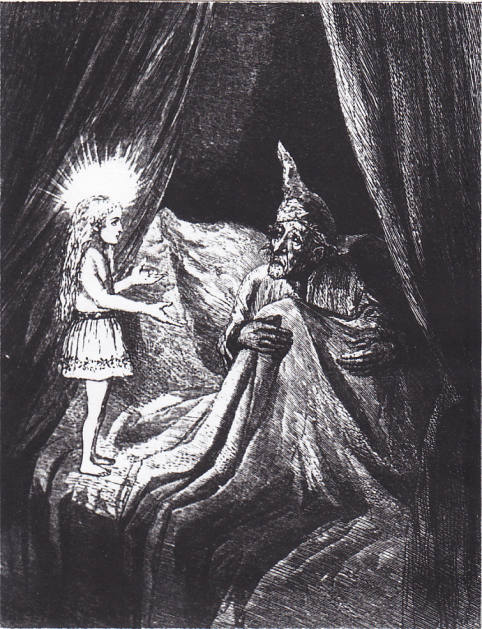
As influential as Charles Dickens’ A Christmas Carol is, late capitalism simply doesn’t get the message. Studies show, consistently, that work in this era is more efficient when workers have more time off. Now, I’m not so naive as to realize that some professions require work on holidays. After all, I trained for ministry for many years, and Christmas is always a work day in that profession (even if nobody comes to church). Emergency workers of all sorts have to be at least on call for holidays. Police can’t assume citizens will behave just because it’s a holiday. But such professions, I profoundly hope, have other payoffs. I entered a profession (professoring) partially because of the division of time. (And it is one of the few things I’m very good at.) People should have fallow periods. Why is Christmas Eve still a work day?
Scrooge is clearly still in charge. I, for one, will not shed a tear when capitalism dies. I’ll predecease it, I’m pretty sure, but even so, I welcome a world where people’s needs come before the plutocrats’ profits. A friend of mine always insists on saying that we don’t live in a democracy but a plutocracy. Seeing the election results last month only confirms that he’s right. As I recently wrote here on this blog, the howling is most fierce before the new dawn. And lasting change must take place slowly. Sudden shifts only lead to more sudden shifts. Stable growth is slow. I’m sure influential people don’t read this blog, the humble musings of an unfluencer, but if they do, there’s a simple plea here. Consider the holidays. Read Dickens, and have the courage of your convictions afterwards. And yes, a blog post (unpaid) will appear on Christmas.


 Steve A. Wiggins