Keeping Time

How we keep time (or better, mark time) is fascinating to me.  Unlike our concept of schedules, the earth’s revolution and rotation do not give us evenly long days or years.  Yet we still work 9-2-5 and even though many studies show a four-day work week is more productive, we just can’t give up old ways of marking time.  A weekend (a fairly new development) is two days only.  A leap year, however, contains an extra day for “the man.”  That’s because today is not a holiday.  It’s a necessary day to keep months in sync with years, otherwise March would slowly have September weather.  All of this is human convention, of course.  As is capitalism and its “more is always better” outlook.
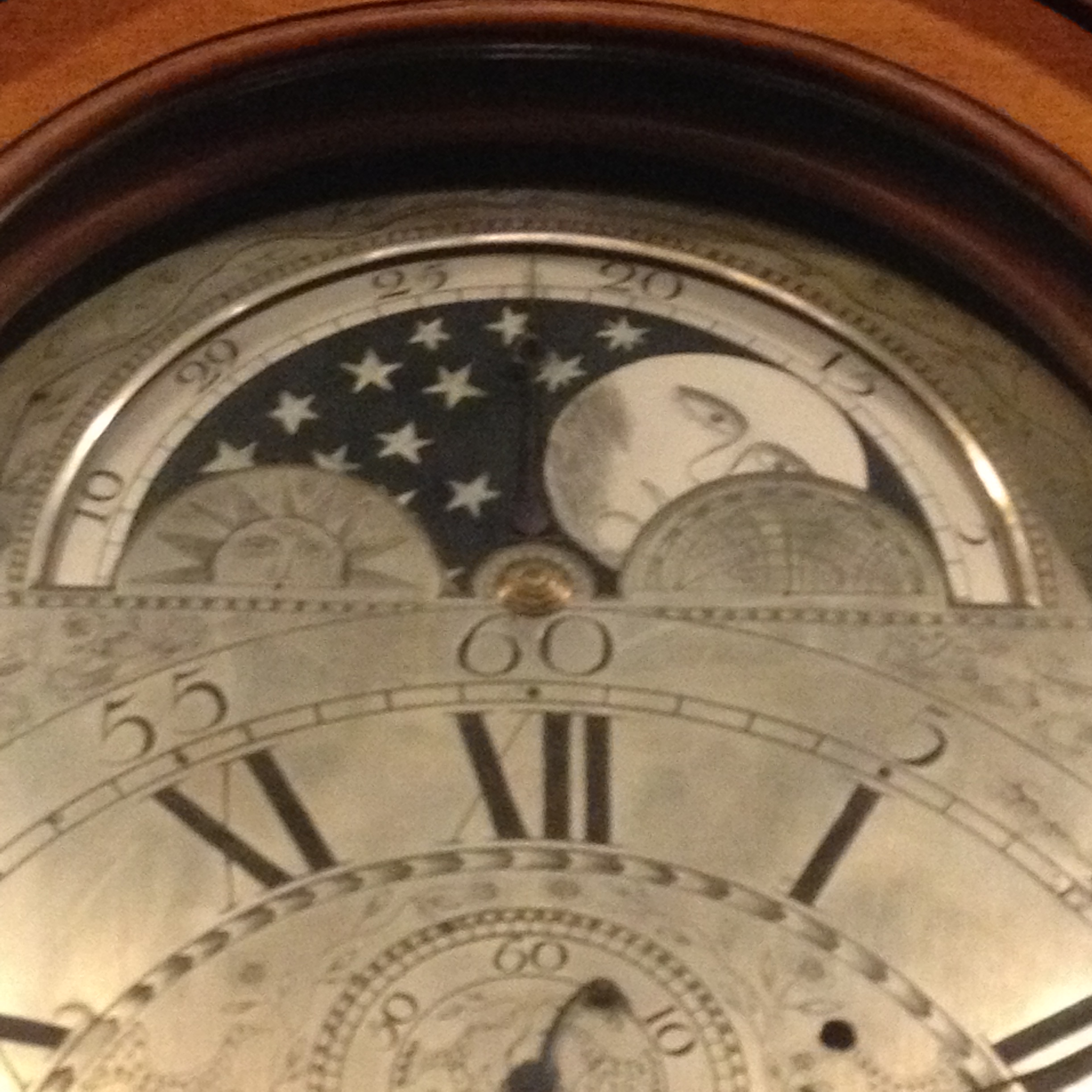
Our lives have changed with both the internet and the pandemic.  We work more, not less.  And I, for one, think we need to give working stiffs another day off.  We could start with today.  (I know, big man, that you fear losing money—I realize this is important to you!  What I’m suggesting might make you wealthier, however.)  After all, today is a gimme.  What would we do with a whole other day if we had one?  I know, our standard answer is work, but what if life were more than just what you were paid to do?  It would be a holiday.  The thing about holidays is that we don’t know what ancient events prompted the origins of some of them.  Those for solstices and equinoxes are obvious enough, but other days became special for unknown reasons.  Why can’t February 29th be such a day?

Some employers make up the difference by making election day a holiday.  That one should be a national holiday, really.  And since presidential elections fall on leap years, I guess we get February 29 off on the first Tuesday in November.  Holidays have always fascinated me since they project an aura of something special happening on that particular day.  Something that makes it different from other days.  People born on this day joke about aging four times slower or faster, depending on your perspective.  Doesn’t that seem enough to qualify as a special day?  For most of us, however, today is just another Thursday, and for many it’s just another Thursday at the office.  And it propels other marked days in the year ahead so your birthday next time around skips a day.  There’s a kind of magic to today.  Maybe we should mark it in some way.

Leap Day

Why isn’t Leap Day a holiday? From ancient times early civilizations that used a solar calendar realized that the 365 day year doesn’t really work out. (Must have been a calculation error in the divine calculus on day one, I suppose.) Even though the solstices and equinoxes come and go with astronomical regularity, the earth’s orbit around the sun is a little out of sync with its wobble on its axis. The difference doesn’t make itself very apparent in a year, or even a decade. If you let it keep going, however, the calendrical months, like the seasons themselves, begin to migrate. Given enough time January would become summer in the northern hemisphere. Intercalary solutions ranged from adding extra days to saving them up, in some cultures, and adding an extra month to the year. The error of the gods then slipped back into mathematical precision. The one thing that the ancients recognized in common was that this extra time was a gift, a day to be celebrated. In the modern, post-industrial world, it is just another day to go to work while politicians get an extra day to campaign.

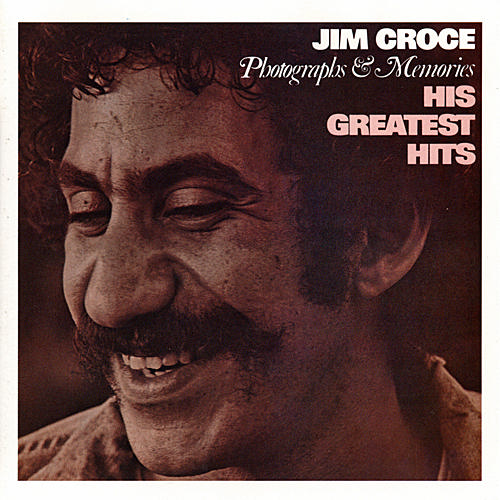
Time is perhaps the greatest theological challenge. People have limited time. Since we seek pleasure and comfort—even when we don’t attain it—most of us prefer to remain alive to try again. We sometimes forget how great a gift this is. One of my favorite songs growing up was Jim Croce’s “Time in a Bottle.” But alas, time is a bandit—as Jim Croce’s tragically short life illustrates a little too well. As the ultimately unrenewable resource, time reminds us of the folly of politicians and the fickleness of fame. Wasting time is the greatest sin imaginable.

Above all, time is a religious problem. Faced with human mortality, all religions address, in some way or other, what happens after the end. When time runs out. We can’t conceive this world without us, but as the calendar implacably shows, it’ll get along just fine. That’s why today should be a holiday. It is a freebie—one of those rare, saving up for a rainy day moments when after four years of scrimping we’re given a new day. It has celebrate written all over it. Time is a bandit, robbing us of the sensibilities of our ancient, cultural forebears who used this time to party while we use it to labor. “Time in a Bottle,” it is said, was written for Croce’s son A. J. The son is a musician like his late father. As I sit here hearing the seconds tick away on the clock, I realize that every great once in a while the bandit gives as well as takes. In that light, every day is a holiday.