Paper or Plastic?

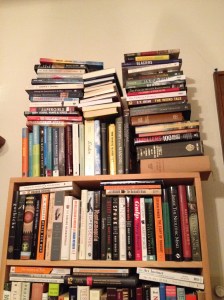
Perhaps the most frequent topic on this blog is books. I don’t discuss every book I read, but most end up here. I can’t help but be pleased then, that recent polls show the number of people reading books is rising. Not only that, but that paper is back. We all appreciate new things. In fact, our economy would grind to a dead stop if it weren’t for new things that keep us buying. Ebooks were a new thing. Sometimes they’re even convenient things. If you’re going on a trip and you tend to travel with lots of books, like I do (who knows what mood you’ll be in when you get there? You’ve got to be prepared!) then an ebook reader can save stress on your back and luggage capacity. But I still prefer to zip open my bag and see four or five books smiling up at me. Visitors (rare, but not completely fictional) sometimes ask why I keep them all. I must restrain myself from retorting “why do you keep all your children?”

img_2945

Books—print books—represent so many things. Yes, they often contain knowledge. But they also contain memories. The contain emotions too. I remember that book that I saw in the library window at the University of Wisconsin Oshkosh book sale display. I was only at Oshkosh one year, but I recall seeing the book that my advisor had recommended a decade and a half earlier. I was so excited I called the librarian to ask if it could be put on hold. He allowed as it couldn’t but if I were to pay in advance perhaps another book could be substituted in the display. I remember having my worldview torn open by books—that January that I read three books that changed my outlook on life almost completely over Christmas break. How can I bear to let any of them go?

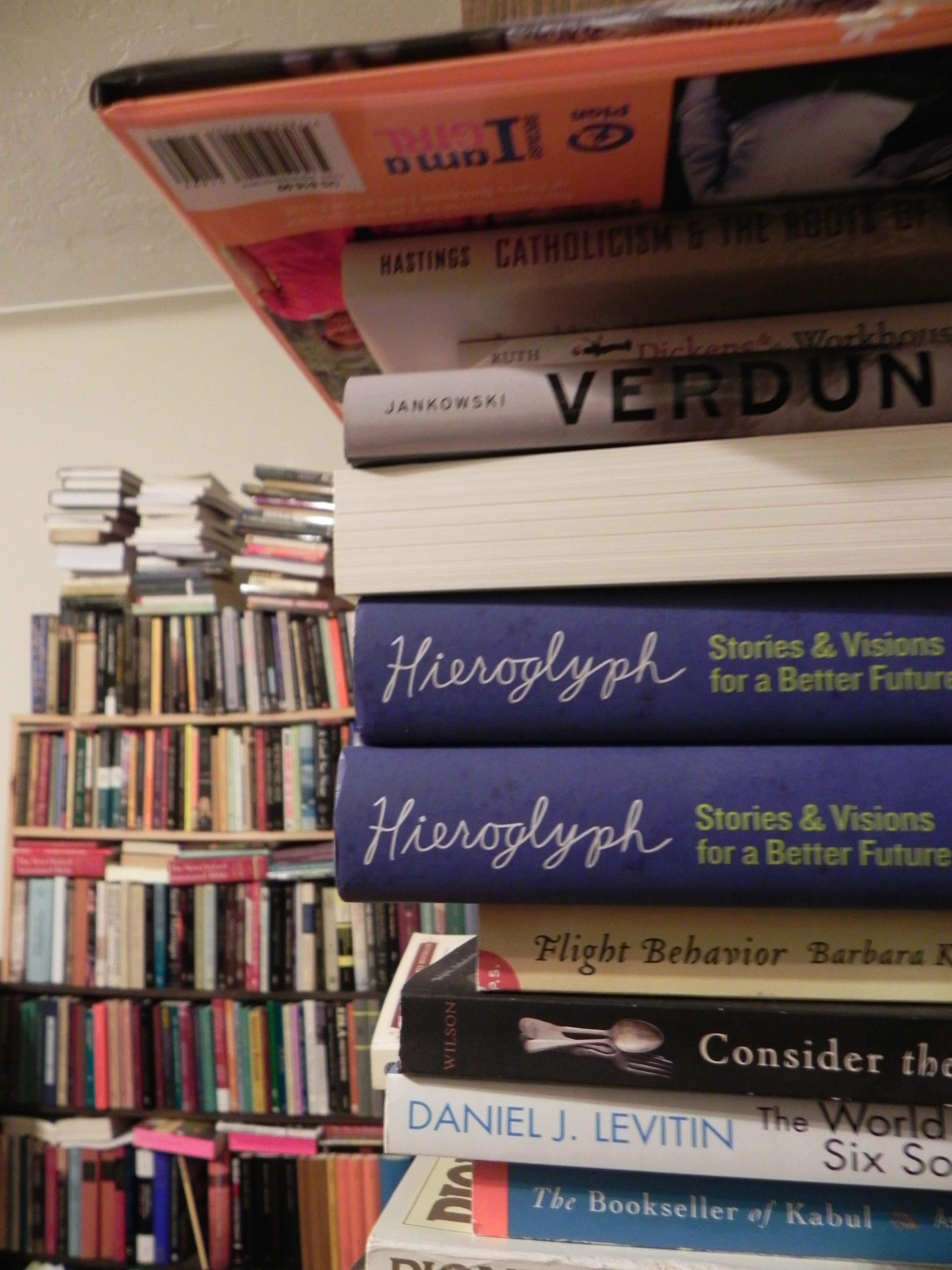
I suspect ebooks were a fad. They are still useful and they still sell. But is there any feeling like taking a book, closing the back cover, setting it on your lap, and thinking about what you’ve just seen? I know nothing like it. Of the many books I’ve written, only two have been published. In some sense, those two are the only two I’ve done. I keep trying with the others, but meanwhile out there in a few select libraries people can find bricks of paper with my name on the outside. It wouldn’t been the same if the publishers had said, “it will only be an ebook.” I know that it shouldn’t make a difference if its paper or plastic, but it does. It makes all the difference in the world. No matter if it means having to build more bookshelves. They make excellent insulation.


British Libraries

Quintessentially intellectual, the mental image of the British goes, they are often the sophisticated, educated, literate, worldly individuals. I know I’m stereotyping, but play along a minute. Perhaps Americans and other colonials feel a sublimated respect for the nations that gave us our start, and even today the major academic publishers are British companies. Think about it. So when we ponder the United Kingdom, we conjure images of the pinnacle of urbane, cultured, society. Perhaps this is one reason that I decided to study in Edinburgh. One of my memories of being in that fantastic city is going to a library book sale. I’d never seen inoffensive old ladies throwing such hard elbows before. The hunger for books was palpable. So it is with dismay that I read John Harris’s Guardian piece, “In a country like Britain, obsessed with the now, libraries are a political battleground.” (Did I mention that Brits are also loquacious?) The article, however, has a disturbingly American feel to it. We live in the now, not in the past. Libraries (and museums) are the repositories of thousands of years of human wisdom and achievement. Who needs them?

Harris is concerned with the trend of libraries discarding books. After all, publishing is an industry, and if industry is anything it is about producing more. More books are now being published than have ever been since our human ancestors crawled from the primordial soup. Some are purely electronic, but as survey after survey shows, the majority of readers still appreciate a book in the hand. One might say that a book in the hand is worth two in the Kindle. But libraries, desperate for both funding and space, are resorting to throwing out books. They will be replaced with books, and who will miss them? I can’t help but think of Ray Bradbury. Do authors’ souls perish when their books are destroyed? Where will we go to find out, if our libraries have weeded their gardens too thoroughly? My biggest obstacle to continuing research as an independent scholar is the lack of a good university library. I agree with Harris, without our past, our now is but a passing fancy. When tomorrow becomes today, will we wake up and realize what we have discarded? Will we have to start from the beginning again?

Over the weekend I went to a local Barnes and Noble. I’ve never been a fan, but now that Borders is gone, B&N is the only show in town. (I visit the independent shops far more frequently, but this is winter and I don’t want to venture far.) I read about a newly released novel, still in hardback, and wanted to see if they had it. Amid the toys, videos, and puzzles, I stumbled upon a rack of books. New releases. The shelf of hardcovers wasn’t very large, so I stepped around back thinking there might be more. How naive I am. The store was nevertheless crowded. Those checking out weren’t buying books. The book bags, almost apologetically, bore quotes about how books change the world. I look down. I’ve got a puzzle in one hand and a game in the other. The world has only so much space. With what we choose to fill it says volumes about who we are. Our only hope is that our now contains those who, at least in the future, will live to read.

DSCN5025


Public Knowledge

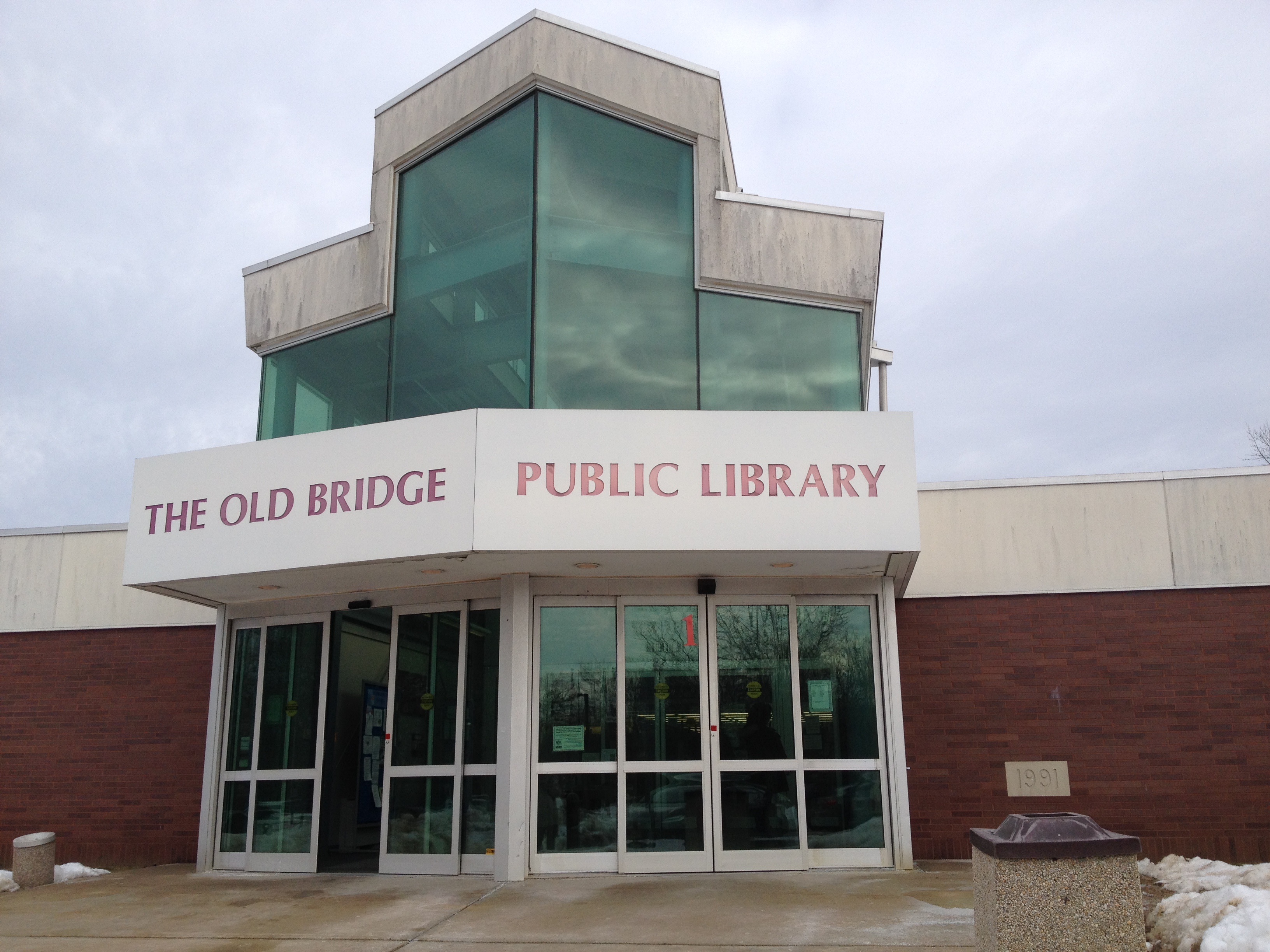
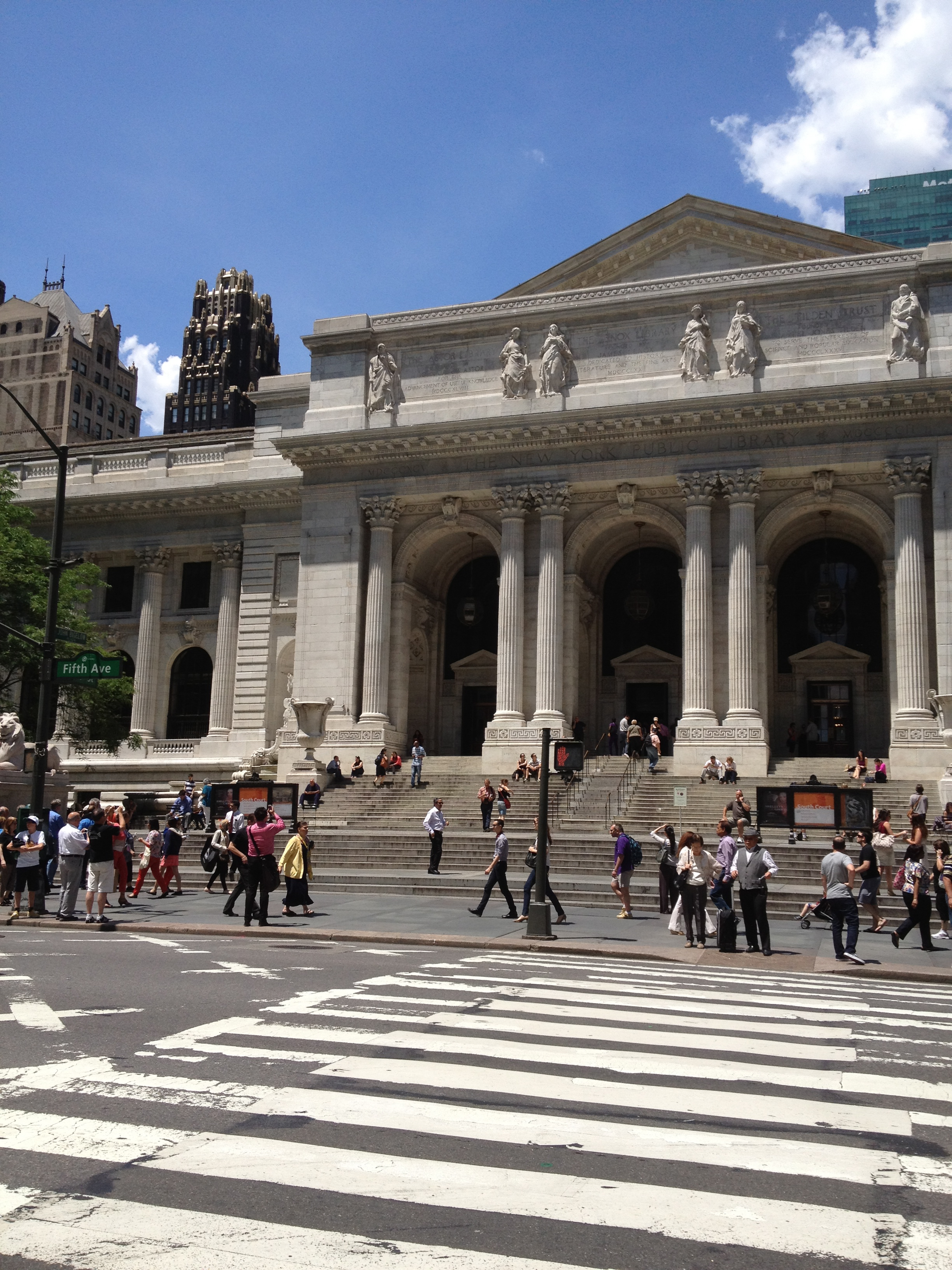
Sometimes the media gets it wrong. If one were to believe in the tales of industry prognosticators, our libraries would be closing, we’d all own Kindles, MOOCs would have replaced expensive college courses, and New York City should still be shoveling out from the worst blizzard since the Ice Age. We thrive on extremism. Although I don’t regularly read the newspaper (who has time?), the internet makes news memes available just as they happen and I feel somehow cheated if I have to wait more than an hour for trenchant analysis of an event I’ve just witnessed. Still, the publishers haven’t all shut their doors yet, colleges are managing to stay afloat, and libraries can be happening places. This became clear to me when I recently attended an event in the quaintly named Old Bridge Public Library. It was a Saturday, the time of the week when the gripping fingers of employers feel their weakest. Although I saw no evidence of an old bridge anywhere, I made my way through the traffic to the library where I met with a surprise—the place was crowded!

IMG_1901

For those of you not fortunate enough to live in New Jersey, Old Bridge is probably best considered a satellite of New Brunswick, home of Rutger’s University stadium. (I think there may be a university associated with it too.) That is to say, it is an urban area, and any antique structures to convey one across the water have long devolved to only nomenclature. Like anything in north-central New Jersey, it’s not far from New York City. When I arrived for my event, the parking lot was already full. It was not because of the event, either. Less than 20 showed up for that. When I went inside I found the library a veritable hive of activity. And it wasn’t just lonely, homeless people trying to get out of the cold. Families with kids, people with their grandparents, even other middle-aged adults like myself, all found their way to this island in the sea of a municipal complex not walkable from anywhere. I left encouraged.

Yes, the world of books and education is changing. Publishers feel stress, but that stress mostly has to do with predicting the best form to provide for content. Self-publishing has become a phenomenon, but many know that the self-published book has a difficult life in front of it. Libraries, however, are not the graveyards we’ve been told that they are. We need repositories of information that isn’t on the internet. And more importantly, we need places where, although the librarian shushing us may be iconic, we can get together with like-minded individuals and truly educate ourselves. I do sometimes tremble when I think of the future. The values I acquired as a young person seem, at times, on the verge of extinction. I learned that when this seems to weigh too heavily on my mind, I need to head to the nearest public library and support the old bridge to knowledge.


Real Reading Rainbow

Libraries rule. According to recent studies libraries rate higher than religious institutions, according to public surveys, in their usefulness to society. From the lost library of Alexandria of yore to the local Carnegie, libraries have been the repositories of information almost from the beginning of civilization itself. Last week the American Library Association, according to an article forwarded to me by my wife, and the Banned Books Week planning committee, announced a theme for this year’s recognition of the books various groups (many of them religious) tell us we shouldn’t read. Banned Book Week, of course, falls in September. It might seem strange that planning has to go into this, but the banning of books has never ceased and the list grows year by year. I recently mentioned John Green, one of the authors who frequently appears on banned lists for children. In an age when encouragement to read should be running high, we hide behind platitudes to keep our eyes toward a predetermined prize. Among the reasons frequently given for banning a book: its religious outlook. I.e., the “wrong” one.

IMG_0324

I often wonder why we think sheltering children who are old enough to read from the collective knowledge of the human race does them any favors. Our culture so successfully removes us from nature that we don’t experience the “facts of life” that our ancestors no doubt noticed early and often. Violence, sex, drugs, and death, however, haven’t become any less common. They are only hidden until their knowledge hits with often catastrophic force, leading to neuroses about how unsafe our world really is. A function of story, if neurologists are to be believed, is to help us navigate the many trials we’ll encounter by seeing how others have done it before. I don’t doubt that there is age-appropriate material for children, but they understand a lot more than adults like to think they do. In my teaching days I was always amazed at how much undergraduates knew that I was only beginning to discover as a professor. Books seem a good way to introduce knowledge appropriately.

The internet, of course, gives access to unvetted knowledge to anyone with access to a computer or phone. Published books, it used to be, had the added value of passing through editorial hands on their way to public presentation. A funny thing happened on the way to the library. We’ve democratized the writing of books through self-publishing, but we’ve not yet ceased to ban them. Perhaps the real way to protect our children is to listen to them. We seem to think telling is better than hearing, although the flow of knowledge can go both ways. Instead of banning books for our young we might all benefit from opening of our own minds.


Disconnect the Dots

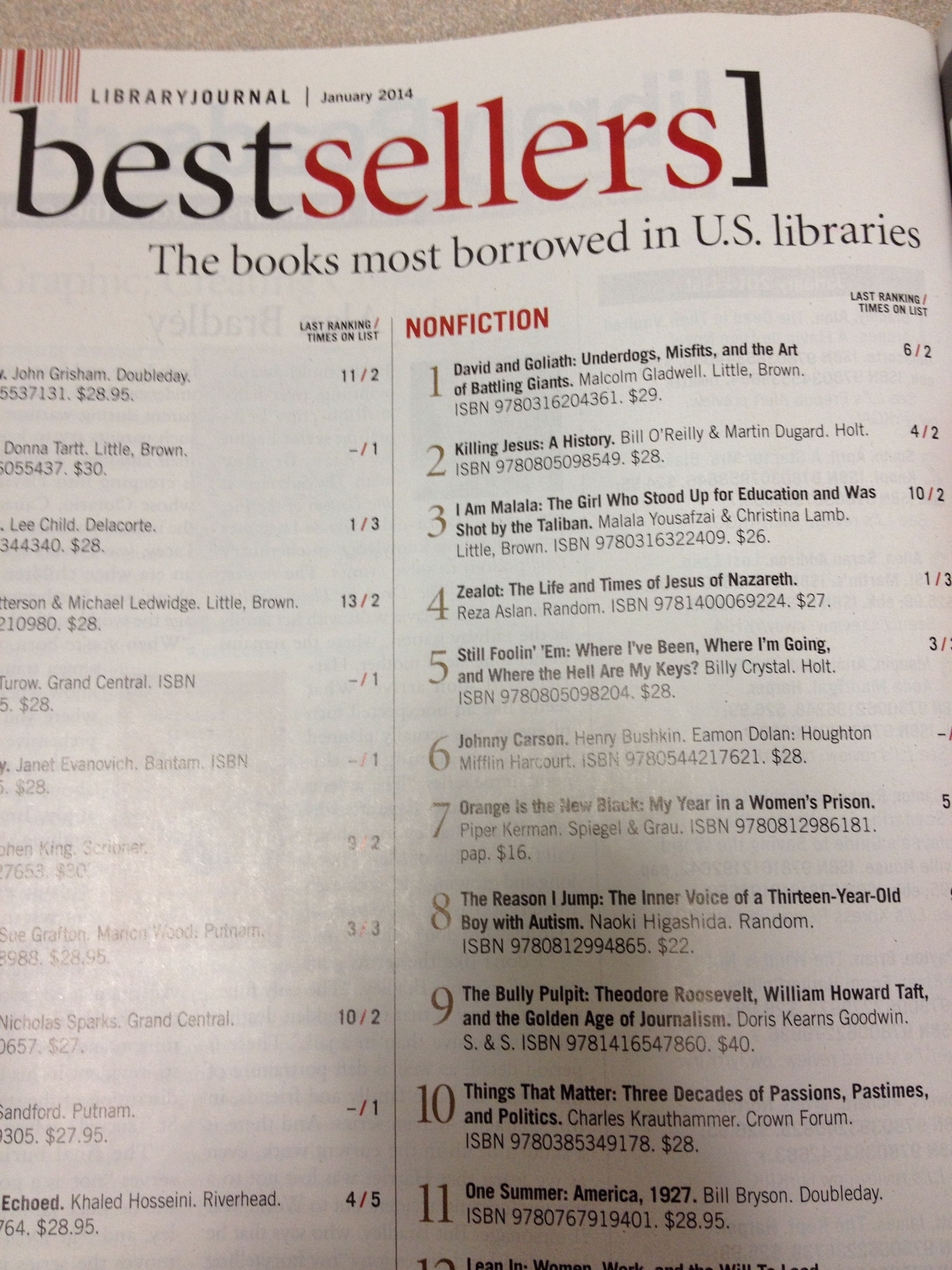
In the on-going loss of touch between academia and the world outside, we forever hear of the triumphal march of secularism. Academics are often loath to see the habits of the laity as being of much significance. In the book industry, however, publishers have to pay attention to what the public reads. This is one reason, I’m discovering, that some academics find it difficult to publish. Some research topics just don’t reach the wider readership’s interest. It’s an editor’s job to try to match readers with books. Among the tools we use are magazines such as Publisher’s Weekly and the Library Journal. Although it is impossible to say what people are actually reading, these periodicals trace buying and checking-out habits. And it doesn’t take a genius to see that books somehow tied to religion are frequently at the top of the list. One of the great industry trackers, Bowker, even has three distinct databases for book sales: children’s, academic, and Christian. Religion, in other words, is of tremendous interest.

IMG_1279In the January issue of the Library Journal, for instance, there is the list of top books checked out of libraries since the last reporting period. Topping the non-fiction lists? The top four spots are occupied by books tied in some way to religion: David and Goliath, Killing Jesus, I Am Malala, and Zealot. People want to know about religion. Academics just don’t want to hear it. As a perpetual bride’s maid, metaphorically speaking, of the higher education that jilted me almost a decade ago, I hopefully watch hiring trends as the rejection letters pile up in my inbox. It is a diminishing pool. Look at the industry reporting tools: religion is irrelevant at best, puerile or worse when it comes to measuring maturity. People are dying over it, but we’d rather just not know. No wonder they call it the ivory tower—spotless as, well, a bride.

It is often a surprise to many academics how few people buy their books. As someone who had written a couple of academic tomes, I know how I daydream that my work on some obscure topic will take off and suddenly appear in the Library Journal, or Publisher’s Weekly. In actuality, the reading public will decide on the basis of what publishers make available. A writer such as myself, an independent scholar, lacks credibility and is not asked to write books. And universities aren’t hiring scholars of religion much any more. Some seminaries have even moved more toward the secular in their hiring practices, since, universities tell them, that’s the direction things are going. Those who buy books, or check them out from libraries, however, are telling a much different story. But we are much too sophisticated to look for signs among the laity. The more we progress in knowledge, the less we really know.