The Greens

It would take a lot to make me open a website called “Business Insider.” Despite spending far too much time on the internet, my regular sites are few and my ability to find interesting stories often depends on my wife, daughter, or friends pointing out to me what they’ve found. I knew nothing, for instance, of the dress whose color flummoxed the world for a few days. Someone sent me the link and I pondered how strange the world wide web has become. There was a deeper issue, however, and another friend sent me a story on Business Insider to underscore the point. The piece, by Kevin Loria, is entitled “No one could see the color blue until modern times.” At first I scoffed. Blue is my favorite color, and I’ve always been able to see it. Then I read the piece. (It is a bit frightening in the context of a publication called Business Insider, however.) Beginning with yet-to-be prime minister William Gladstone (when is the last time a world politician knew his or her classics?) scholars began to notice that ancient writers such as Homer did not reference blue. Apart from ancient Egypt, most ancient cultures lacked a word for the hue (and remember when you read it in the Bible you are seeing the words of a frustrated translator). Did they even notice blue? The paucity of ancient records may be to blame. But then, Loria looks at modern experiments.

People who live in particular environment develop the ability to distinguish shades of colors that are difficult for the computer-bound to appreciate. For example, Loria cites an experiment in Namibia where members of the Himba tribe could not distinguish blue from green. They could, however, pick out a very slightly different shade of green with ease. In a world surrounded by greenery, knowing subtle differences is important. And we only pay attention to what is deemed important. Scientists have known for a very long time that we are flooded with sensory information incessantly. With our five basic senses an overwhelming amount of data bombards our brains constantly. Those who survive in this world have to determine what is truly significant.

Stepping back to apply this to societies as a whole, I find myself in a distinctly Tillichian mood. What is of ultimate importance? If our society is focused on lucre, it would seem that we, like the Himba, should be able to detect thousands of shades of green. Instead, we find a world full of color. I’ve been working in Manhattan for over three years now. While interesting, I have to admit that much of the city looks gray to me. Even the green on the rare dollar bills that come my ways seems surprisingly subdued. We notice color because it is important to our survival. Artists who work with color in unexpected ways are often under-appreciated for their talent. Those who splash color flamboyantly are accused of being garish. Amid it all, I turn my eyes toward the sky whenever possible. In my youngest days I learned its color is blue. And there is no other color I would rather perceive.

SDC10629


Books on Wheels

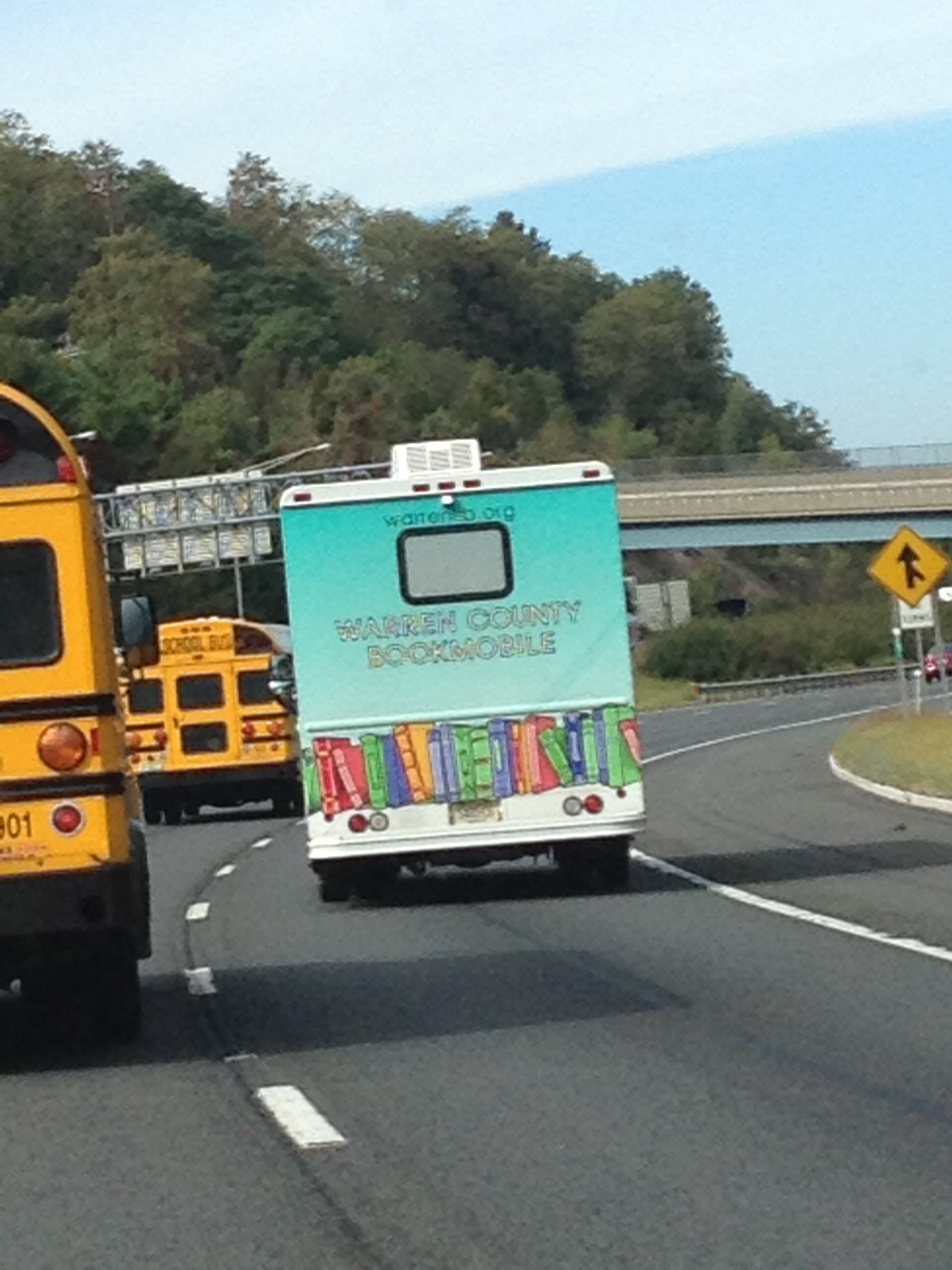
Some unexpected serendipities transport you to childhood. Somewhere on Interstate 80 I passed a bookmobile. The notion felt strangely old-fashioned in this days of Nooks and Kindles. Indeed, a Kindlemobile would have been no less surprising. The idea, I recall, that someone cared enough about my little school to drive a bus full of books right up to it, made me feel special. I mean, these were books—for me! I don’t recollect ever checking any out since it was the ’60’s and everything communal had a strangely communist cast to it. We couldn’t afford many books. Indeed, growing up, we didn’t have a proper bookshelf anywhere in the house. When I began to buy books, I kept them in a cheap suitcase. The only trips I made, really, were in my mind.

IMG_1587

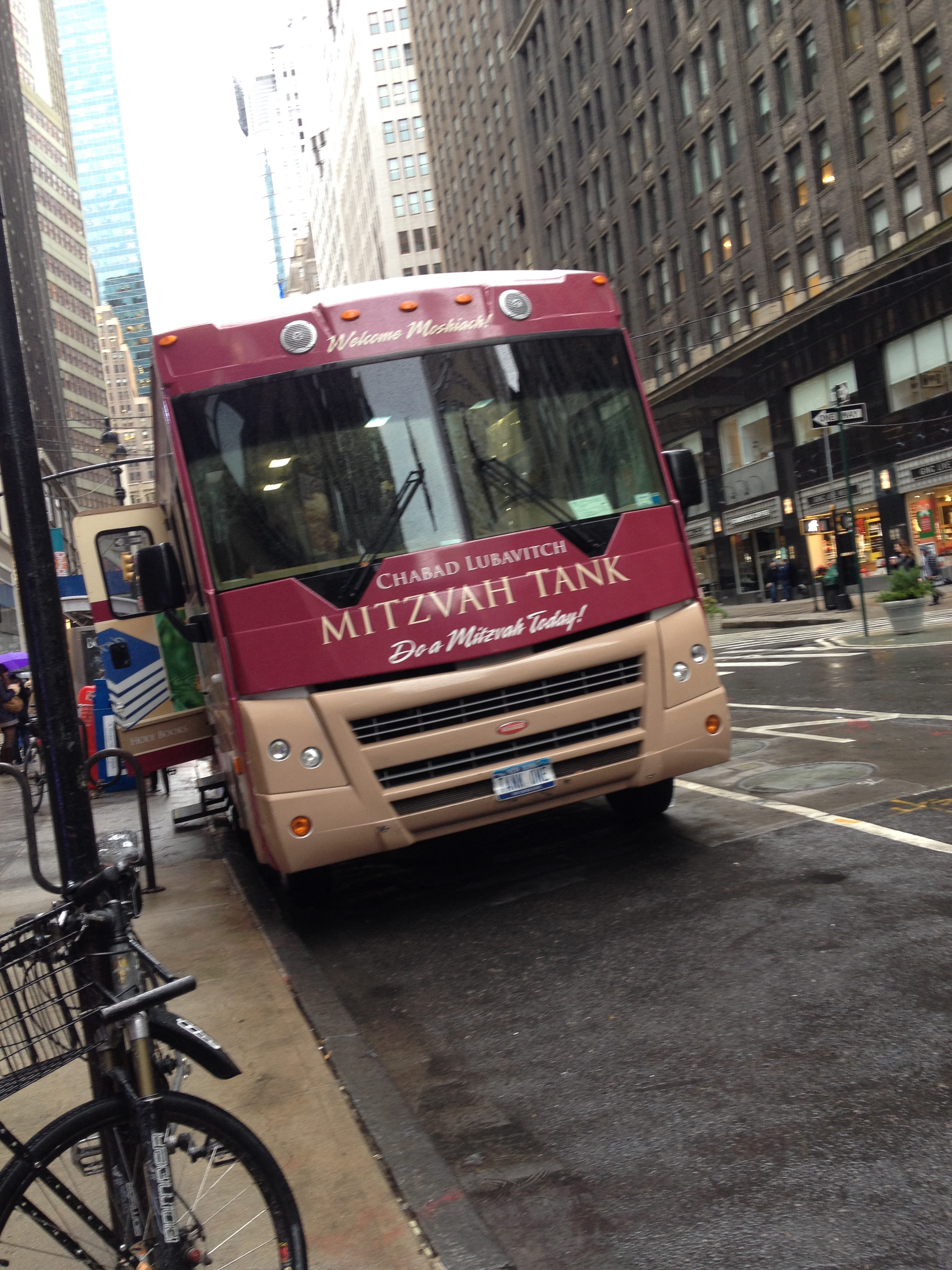
In Manhattan I occasionally see the Mitzvah Tank. New York is often thought of as one of the most literate cities around. Even here, books can come to your door. With chutzpah. Religions, at least many of them, coalesced around books. Sacred writings are among the omnipresent symbols that you’ve come into religious territory. The act of writing itself is somehow holy, even to the most secular, beyond the most cynical. We share our minds through our fingers and others are invited to see, or at least to glimpse, what might be going on inside this three-pound universe locked in our craniums.

IMG_1116

What would I put in a bookmobile? The other day my family began putting together a list of the influential authors in our lives. We all read quite a bit, and the list grew lengthy rather quickly. What would be in the canon of a Bible for the twenty-first century? What books would we want others to share? Ironically, many would find religious books objectionable on some level or another. The armored personnel carrier of Christian soldiers might well set us on the run. Nevertheless, with enough reading even the extremes can be viewed in perspective. On this highway I’ve found a kindred spirit, and when books are coming your way, it is a mitzvah indeed.


Buttons and Bows

I don’t remember what year it was, but I remember precisely where. On one of my countless trips out back—to or from school, to burn the paper garbage, pet the dog, or wander in the woods—I noticed something poking out of the dirt. The path between my step-father’s house and garage was well-traversed, and a little rise there was bald at the top, and what I saw emerging from its underground lair was round and dull. I’ve always had fantasies of buried treasure, so it is difficult to pass by anything suggesting a coin on the ground. This turned out to be a button. Not a regular, button, however. This was clearly military, and old. It was just appearing from a long rest under the ground and I didn’t know how long my step-father had lived in that house, but it had obviously been many years. There was no internet those days, but it soon became clear from my amateur researches that this was a Civil War era button. It still had a scraggly bit of dark blue thread attached. I never bothered to dig to see if the rest of the soldier was there.

Western Pennsylvania, while far from the striking Revolutionary history of the eastern part of the state, had seen its share of military transients. George Washington had established a fort in nearby Franklin, where I was born, and I was sure that more than a few Civli War soldiers had tromped through this area, although it was far from Gettysburg. I treasured that button and kept it with the very small coin collection I had amassed. It just so happened that our minister was also a coin collector. He took me to coin shows and we would sometimes exchange old pennies. One day he told me about his button collection. I mentioned my find, and he showed a great interest. In fact, he promised he’d complete my wheat-back collection from 1909 to 1958 in trade for my button. He ended up with my button, but never finished my penny series before some bishop shipped him off to another parish. History had slipped through my fingers.

Repeating patterns

Repeating patterns

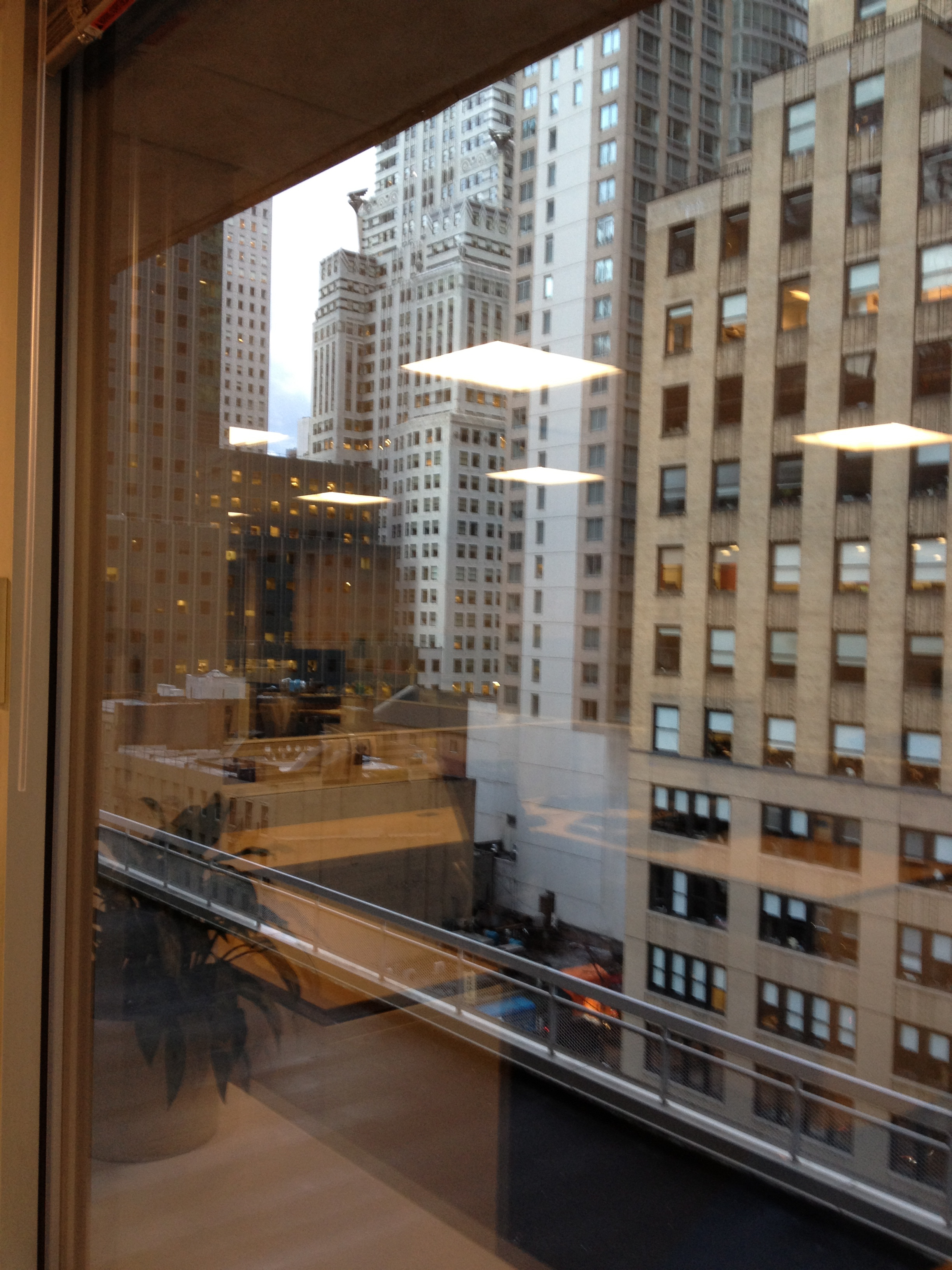
Patterns are reinforced by repetition. One of the severe beauties of Manhattan is the rows and rows of identical windows. Patterns also persist in time. I stopped collecting coins ages ago, but I still squirrel away any wheat-back that lands in my pocket. Even in average condition a “wheatie” is worth double its face value. But face value is not always what it seems. Value lies in that in which we invest ourselves. I followed my mentor to seminary only to find myself traded off for many a finer specimen. Uncirculated, likely. This particular piece had been scuffed and banged against others so long that the patina warned that more might be hidden than meets the casual eye. And somewhere in rural western Pennsylvania there may be a dusty corpse just waiting to be discovered. Victims of war come are sometimes just beneath the surface.


Greece Lightning Rod

Eds and op-eds are popping over the Supreme Court decision to allow sectarian prayer at Greece, New York town council meetings. Some citizens complained that the prayers made them feel disrespected and excluded. Who hasn’t from time to time? I’m no advocate of government-sponsored religion, but I do wonder how we can live in a society in which the mere mention of God offends some as much as the “f word” offends others. Are we, perchance, getting a little thin-skinned? After several long years of neo-con rule, we have learned that opposition is a form of treason, and that conflicting opinions cannot coexist. As an erstwhile teacher of religion, the implications make me shiver. Isn’t the point of learning about religion to train people in toleration? If I sued every time I was offended, I’d be the richest man in the country.

Ironically, the United States is one of the rare cases of a developed, “first world” nation where skirmishes over religion often and vocally take center stage. We have, as a society, dismantled the apparatus of dispassionate, scholarly discussion of religion (“no need for it,” “budget can’t afford it,” “superstition and nonsense”) and wonder why it always brings us to verbal blows. Religion is that which we can’t define, but we can surely fight about. We’re offended by public prayers, the wearing of hijab, and idols to the Ten Commandments on the courthouse lawn. Religion, like sex, is relegated to private places only, but for diametrically opposed reasons. What are we so afraid of?

Lost in the clutter.

Lost in the clutter.

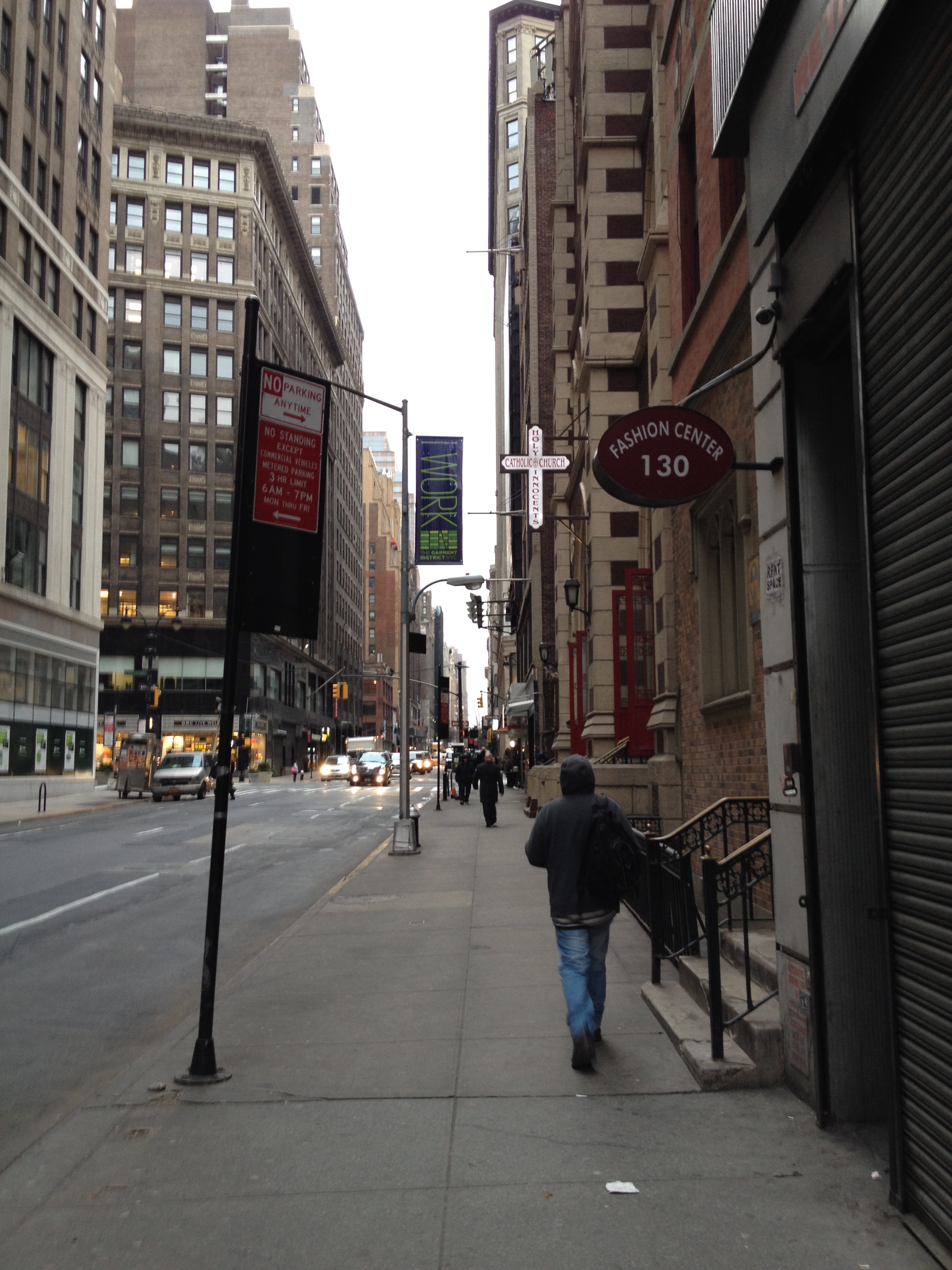
We have no trouble when someone with private money spends it to introduce religion into the public sphere. You can walk down the street in Manhattan and see crosses outside churches and “Jesus saves” scrawled in the cement of well-trod sidewalks. Nobody seems to be offended. Finding practitioners of the “exotic” religions of Hinduism, Buddhism, Sikhism, Vodou, Theosophy, and Scientology is hardly a challenge in a city of millions. Over what is there anything to be offended? I’m offended by those with too much money keeping everyone else below them because the law says that they can. I’m offended by those who pollute our common environment because they can afford lawyers to find loopholes. I’m offended by those who use their religion to oppress women and non-believers. Those who want to pray to a god, any god, before a civil meeting, as long as that god demands nothing from non-believers, aren’t hurting anyone but those who never learned to agree to disagree.


The Trouble with Trajectories

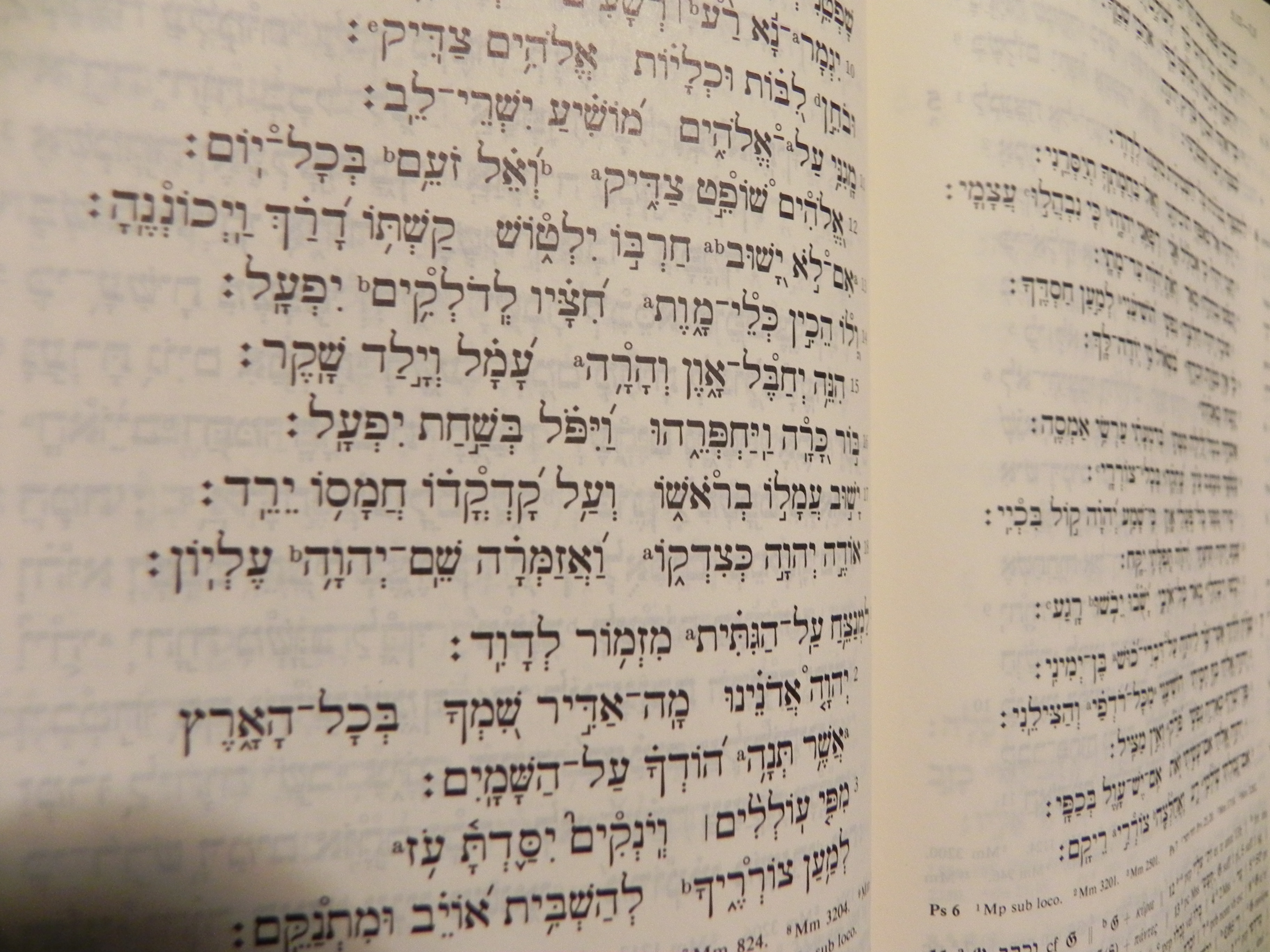
The Bible has a way of defining lives.  I realized this at a young age, and although my experience was limited to what life reveals in a small town. Still it was evident that people even there traced trajectories defined by Holy Writ.  I used to ask my students that if something effected you every day, in ways both massive and subtle, and was potentially dangerous, wouldn’t you want to know about it?  Religion in general, and the Bible in particular, fit this description.  As the road began to fork at the usual junctures of my life (high school, college, whatever comes after college), the Bible played a role.  For some reason the Hebrew Bible captured my attention more than the Christian scriptures—perhaps it was because there was more narrative in the “older testament,” and more puzzles to be solved.  While the New Testament seemed to be definitive for matters of doctrinal importance, the Hebrew Bible retained a sense of mystery and intrigue.  Many of its characters, although ending up as “good guys” have decidedly questionable episodes in their pasts.  What’s not to like?

DSCN4387

Ironically, however, I discovered a job market where someone from a Christian background was immediately suspected of a supersessionist outlook on the Hebrew Bible.  Why would a Christian have any interest in that, if not for fabricating prophecies?  Many Jewish scholars were focusing on biblical studies from “both” testaments, and my puerile interests were suddenly naive and not worthy of attention.  This dynamic has always interested me: what right does an outsider have to speak with any kind of authority about another peoples’ culture or belief?  You’d think in higher education we might be beyond such parochialism, but instead, this may be the very definition of its hotbed.  What does it take to gain scholarly credibility?  Being a “white” male in a pluralizing society certainly doesn’t help.

Books are like companions on life’s journey. My reading life started with the Bible and soon gained hundreds of other companions on that long, difficult path to a doctorate in biblical studies that defined an ill-fated career. I cannot reckon the number of books I’ve read along the way, hundreds of thousands of weary pages. And now I find myself back among the biblical crowd, from the outside looking in. They speak authoritatively, I merely whimper. Whether you see it or not, the Bible is here on the streets of Manhattan. Proclaimed or ignored, invisible or plainly manifest. And those of us who’ve spent a lifetime with it have nothing considered worthwhile to say. Once the Bible take a hold, the trajectory for life is set.


Under Fire

The tragedy that has been unfolding in the Ukraine has brought to light some unlikely heroes. A story on NBC last week showcased, albeit briefly, priests on the front lines. In a world where joining the clergy is often a way to avoid the dark and dreary reality of war and want, it is strangely heartening to see (in this case) men of the cloth willing to walk into danger. These are people who truly do believe. Sometimes it is easy, sitting safely behind a computer monitor in a relatively quiet neighborhood, to believe that the world is a peaceful place. Even a walk through the “cleaned up” parts of Manhattan will reveal, however, that human need is very real and omnipresent. Perhaps it is just the times when I’m out—it is winter after all, and we do value our comfort—but I seldom see clearly identifiable clergy on the streets of Manhattan unless they are trying to convert. The homeless almost always are sitting alone. The chill this winter has been almost Siberian. Where do the helpless turn?

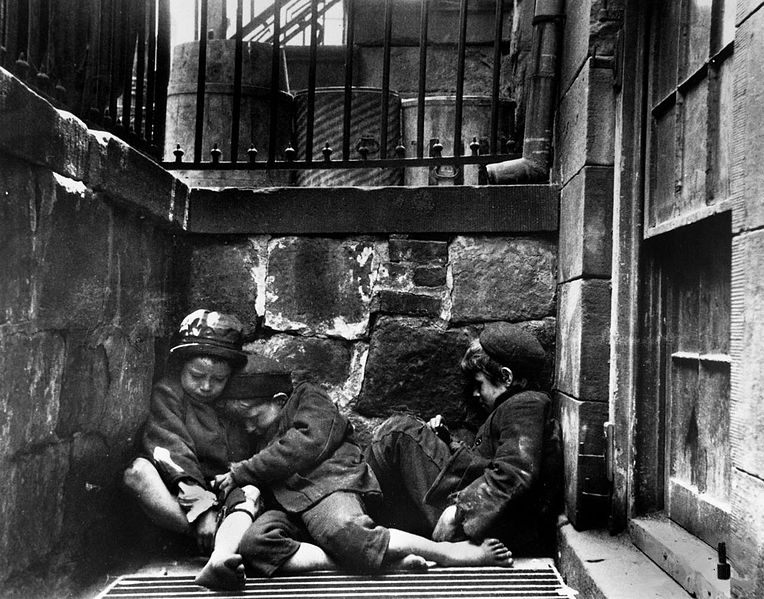
Seminary is not the training ground for combat. At least not in the way that armed conflict brings. As a student and teacher in a seminary setting, I was constantly watching for signs of hope. It takes a truly remarkable individual to engage in caring for those who need it. Far too often “minister” is a job, with benefits, because that is the only way to get along in a world enamored of capitalism. That clerical shirt can be quite costly—who wants to sully it with human need? The world inside the church is often artificial. If the people are not inspired to go out and help, then we’ve just wasted another hour in a feel-good social gathering. We’ve learned to tune out the bitter lessons of life. Yes, there are war zones. Some with real guns and the dead we see in photographs used to be people just like us. Who cares for them? A cassock can cost upward of 600 dollars. How many warm meals would that buy for the woman sitting on the sidewalk with a baby on her lap and a handwritten sign on cardboard in front of her nearly empty paper cup?

764px-Riischildren

Too often religions become ingrown. The job of missionaries is to convert, not to comfort. We would like to crawl into a world where people are safe and happy, but the moment we wander outdoors—and the mall doesn’t count—we find a different reality at work. It is difficult for me to read about current events. The Olympics are not the only reality of the world of the former Soviet Union. There are others who will never be recognized with gold, silver, or bronze, They may walk into the crossfire holding aloft a brass cross to indicate that they are there to try to help. No great cheer arises, no great ceremony for torches that have fictionally burned since ancient times. There is a fire here, however. It is the fire of human warmth. In this long winter, it is an honest flame of hope.


Bridge over Troubled Waters

“Let not many of you,” wrote the wise James, in a widely ignored admonition, “become teachers, knowing that we shall receive a stricter judgment.” The same could be said for politicians. Lord Acton, seconding James, noted “power corrupts,” and yet who is not drawn to its flame? The news has been awash in a flood over the George Washington Bridge scandal, something I could not appreciate until I joined the ranks of the myriads of commuters to Manhattan. The evidence is pretty clear that Chris Christie’s top staff (ahem) purposefully closed lanes on the George Washington Bridge to retaliate against Fort Lee mayor Mark Sokolich’s refusing to dance when the pipers piped for Christie’s reelection. I didn’t vote for Christie, and now I wonder if that is why my New Jersey Transit bus often comes so late that I’ve taken to calling it the Jesus Bus, since I never know when it might come again. Ah, the rush of power that encourages the grinding of the boot heel into the face of the smaller opponent. Could anything be more human?

Perhaps, in this world of infinite possibilities, Christie knew nothing of what his top aides were doing. The culture in New Jersey, however, as those of us who live here know, has been cast in the very large shadow of bullying. We spend taxpayer’s money to teach our children not to bully while our politicians give the lie to the teaching we purchase. “How the mighty are fallen,” lamented King David. But even he had his Bathsheba scandal. And many on the right claim their politics derive through their commitment to his great-great-great-great-great-great-great-great-great-great-great-great-great-great-great-great-great-great-great-great-great-great-great-great-great-grandson, if I count correctly. Let not many of you become politicians.

Manhattan is an island with limited access. The Lincoln Tunnel and the Holland Tunnel are for the troglodyte crowd, while the George Washington Bridge is the busiest bridge in the world. “He could have called,” the old evangelical hymn goes, “ten-thousand angels.” That’s roughly a forty-to-one ratio for New Jersey commuters to New York to angels. Somewhere along the line, the populace became the unwitting plaything of politicians. Stop a hundred-thousand people from getting to work? It’s just an arbitrary number. Never mind that trust used to be part of the social contract. As a citizen who spends approximately three hours a day on a bus, or waiting for one, I have to wonder whose best interest is in the mind of our elected officials. Yes, James, had I listened to you this might have all turned out very differently indeed.

Photo credit: Fly Navy from Wiki Commons.

Photo credit: Fly Navy from Wiki Commons.


More Fun than a Barrel

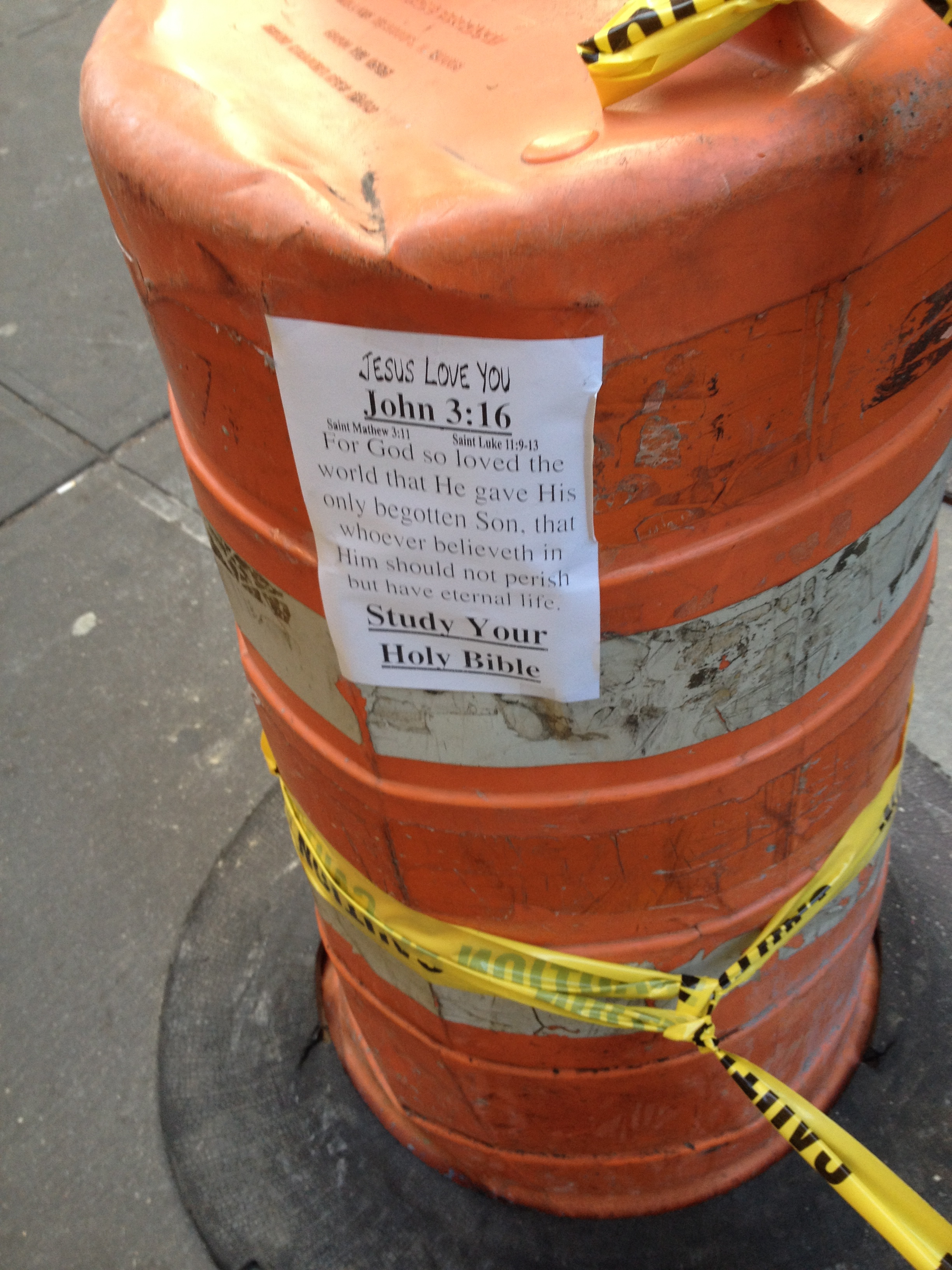
To mere mortal eyes, a traffic barrel on a Manhattan street might seem like a pretty gritty object, hardly worthy of religious veneration. Seeing leaflets advertising eternal life taped to these barrels might suggest a profound disconnect—what hath Heaven to do with traffic control?—unless one is familiar with the ardor of religious devotion. And besides, many construction sites in Midtown bear the infamous “Post No Bills” warning. When I spotted a few of these informal fliers over the past few days, however, I couldn’t help but think about religious conviction. As someone raised in an evangelical tradition, it is difficult to convey the fear in which I found myself living. Hell seemed like more of a constant threat than Heaven was ever a promise. And my young experience in a blue-collar setting had taught me that you seldom get what you hope for, no matter how hard you work for it. Somehow, no matter how good I tried to be, Hell seemed more likely than Heaven. And the Bible does suggest that if you don’t try to tell others, you’ll be held eternally responsible.

IMG_1024

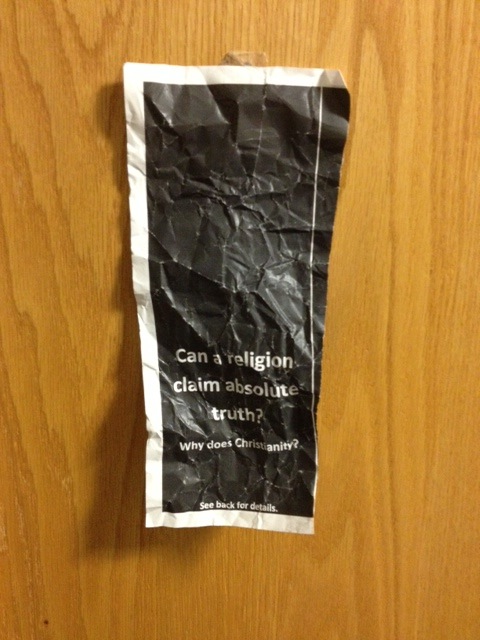
Religious conviction and fear are not far apart. I recently spoke with a Roman Catholic believer who suggested that the fear of God has been under-emphasized of late. I do suspect that it has been parodied quite a bit, but it is difficult to assess if it has truly gone underground. Perhaps among theologians it has. Like most people, I don’t read theology. For the average believer, however, fear probably plays some part in the equation that keeps her/him coming back week after week to hear the same message over and over. My daughter sent me a flier that has been appearing all over her college campus. It is a bit ambiguous, but from my own college days I recall that the young are especially vulnerable to religious coercion. Conviction is like that.

religiontruth

From my own college days I recall the earnest discussions about how far one should go to convert others. The underlying motive was always fear. Getting into Hell is so easy—we were born to it, according to some. If you just live you life as a good person, helping others and trying to improve the world, you’ll still end up there. Such is the power of eternal punishment. One of my friends, when he went to restaurants, would leave a religious tract instead of a tip for the working-class waitresses. “It’s far more valuable,” he explained, without a trace of irony. I wouldn’t be surprised to find one of those tracts taped to a dirty old traffic barrel these days. Sometimes the ardor with which we approach religion simply overlooks the more obvious implications.


Holy Hostage

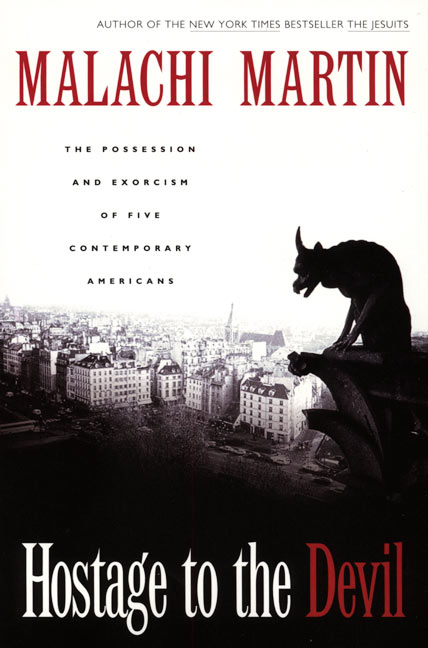
HostagetotheDevilA chance glimpse at a textbook shelf in a university bookstore made me aware of Malachi Martin’s Hostage to the Devil, although it is several years old. I was intrigued that a major, secular, state university would offer a course requiring a book about demonic possession. I’m not completely naive about college students, but this seemed just a tad extreme. Nothing is more dangerous than a book dangling in such a context, like the Necronomicon of Abdul Alhazred. The world of the demonic is freighted with arcane rules and a decided Catholic superiority. Even to the rational it can be insanely frightening. As I read Martin’s account, I frequently found myself puzzling over the unseen world he so meticulously describes—after all even the Bible has little to say about it. And Martin is a great lover of verbosity, detailing more than the reader needs to know about the five exorcisms he elaborates. If you want to know what a dying priest looks like, in great detail, you’ve come to the right place.

Perhaps the most jarring aspect of reading such a book is how such obviously intelligent people can come to such diametrically opposed worldviews while looking at the same evidence. Here was Malachi Martin, convinced that demons lurk about the world in great numbers. There is Richard Dawkins, convinced that we are nothing but particles and proteins walking around. Manhattan—the haunt of countless demons, or the febrile accident of firing synapses that means ultimately nothing? Although much of what Martin describes could probably be mental illness, one has the distinct impression Dawkins has never attended an exorcism. Both write with great authority and even greater conviction.

Hostage to the Devil is not an easy book to read. Martin’s style is smooth, like a novelist, but the length of his book keeps demons on your mind for a protracted period. Rationality can be worn down by attrition, and even the non-believer can be made to wonder. Would priests and their chosen attendants lie? Do the possessed really levitate, and contort, and cause objects to fly around the room in defiance of the physics so highly valued by atheists? For over 450 pages Martin will keep you wondering. You’ll also find out what an exorcist ate for his boyhood breakfast back in Ireland decades before facing the Prince of Darkness. Hostage to the Devil is a deeply disturbing book where the monsters we’ve all learned to shove deeply into the closet come springing back out. And the only effective help in the known world is the Catholic priest who happens to be an exorcist. And who can argue with that?


OMG, MOMA!

New York City can wear you out, spiritually. I suppose that’s why so many people go there, to face the challenge. Thanks to Target, Friday evenings the Museum of Modern Art gives out free tickets for its world-class collection. We knew that Vincent van Gogh’s The Starry Night was there, and had planned on seeing it sometime. Well, Friday of spring break offered an opportunity, so last night, with several hundred, maybe a few thousand, others, we made our way to MOMA. We arrived around 5 p.m. and found the line literally around the block. It wasn’t as cold as it had been, so we braved the hour to wait our turn. Yes, it was worth it. As my wife noted, it was very good to see so many people wanting to see art. Manhattan offers many, many other diversions for a Friday night, but hundreds opted for art. I had long anticipated this. Since my school days I’d seen replications of many of the paintings in the museum, and it was inspiring to be packed in so close with so many people wanting to be close to art. Hoping, somehow, to commune with the emotion in us all seeking such profound expression.

IMG_0602

It was a little difficult to commune, however, with so many other religious seekers. This is a religious experience, to touch the soul of another. Standing inches away from The Starry Night, I could almost feel the desperate, longing hands of van Gogh stroking out a manic sky, surreal and ethereal. I could almost hear the echo of his spirit. Were it not for the many crowding next to the painting to be photographed with it. Fellow spiritual seekers, I hope. Van Gogh was a troubled soul, as we all know. How many artists take their own lives after reaching out to touch what so few of us even dare. A sadness so profound as he climbed down that mountain. The starry night is the photograph of a suffering soul.

IMG_0614

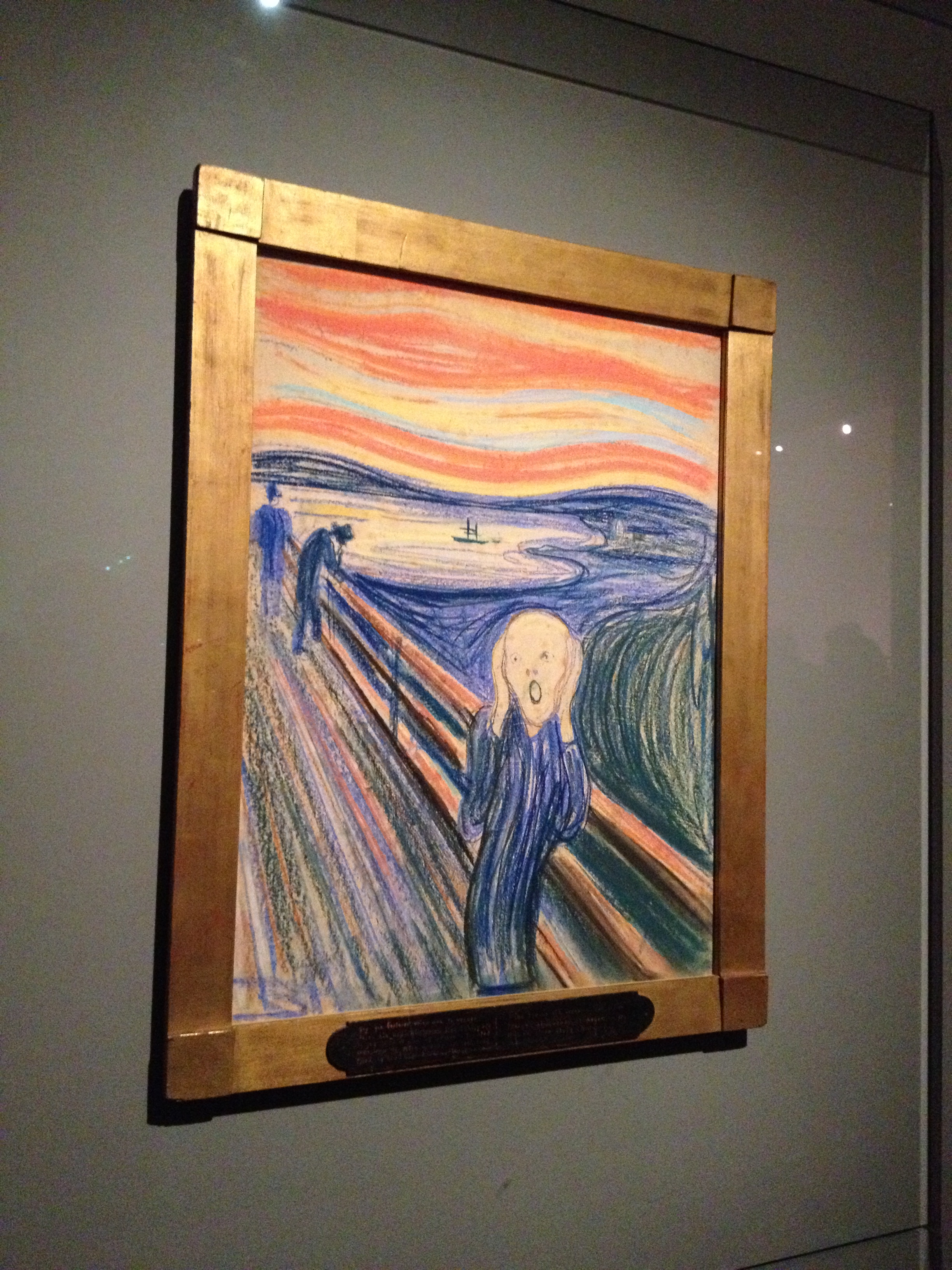
Then there was Edvard Munch’s classic, The Scream. On a limited engagement at MOMA, facing, just across the hall, van Gogh’s Starry Night. Was there ever such depth of soul in such close proximity? It was there that I began to question the faith that I had hoped impelled the countless masses yearning to observe free. MOMA allows photographs, and cameras, cell phones, and iPads were ubiquitous. To reach The Scream was to endure a crunch of strangers’ bodies pressing you forward, cell phones held aloft, illicit flashes popping, worried looking docents. I was anticipating another spiritual moment when I heard a woman say that she had to get close for a picture. “This is going to be my status!” she cried. So this is modern spiritually, the life splayed on Facebook, bragging about bagging Munch. Yes, Edvard, I am screaming too.

IMG_0610


A Goy in the City

Getting across Midtown Manhattan quickly during rush hour involves a kind of algorithm. That means my route to and from work each day changes depending on whether I catch that light at Eighth Avenue or Third Avenue. This past week my algorithm took me down 42nd Street on the way home. As I walked past a group of Orthodox Jews handing out leaflets, they singled me out and stopped me to ask if I was Jewish. I said “No,” but took their literature anyway. At first blush, it may seem odd to be mistaken as Jewish by some local experts (New York City has its fair share), but then again, maybe not. My brother tells me he gets asked the same question. Our great-great-grandparents left Germany in the 1820s and bore the ambiguous surname Tauberschmidt. By my great-grandparent’s generation they seemed to have been Lutheran, but before that? Hey, maybe this could explain a lot. Not to stereotype, but I do have the incessant angst that many Jewish characters exhibit in Woody Allen movies. Probably it’s my imagination. I thought it was cool to be mistaken for a “minority.” I felt, for a moment, like I belonged.

Reflecting on this incident (which made my day, by the way), I ask myself what it means to be part of a religion that has become a culture. The academic lingo for this is “cultural Jews” (in this case), but there are definitely “cultural Christians” as well. I suspect most religions have their cultural commandos. Part of the dynamic at work here is that although the world is very religious, it’s not really that religious. Most religious folks have an emotional connection to their tradition that may be, in fact, cultural rather than, for lack of a better word, spiritual. A person who is deeply religious often runs afoul of life in the everyday world. There is a sinful plethora of distractions. Those truly concerned about their religions often find themselves employed by them.

Cultural religions give the world a great deal of color. People flock to St Patrick’s Day parades when rivers are dyed green and everyone wants to be part Irish (and there is a genetic bit of this in my personal mix as well). Where would December be without Christmas and its attendant holidays? Even bunnies like colorful eggs in the springtime, so I’m told. Do any of these things make people religious Christians? I suspect few would argue that they do. I’m stretching Rousseau‘s concept of civil religion a bit tight here, but degrees of religiousness fall along a continuous spectrum rather than appearing in sharply distinguished colors. Cultural faiths are generally accidents of birth. It’s up to the individual how seriously to take it. And sometimes even the faithful misidentify one of their own.

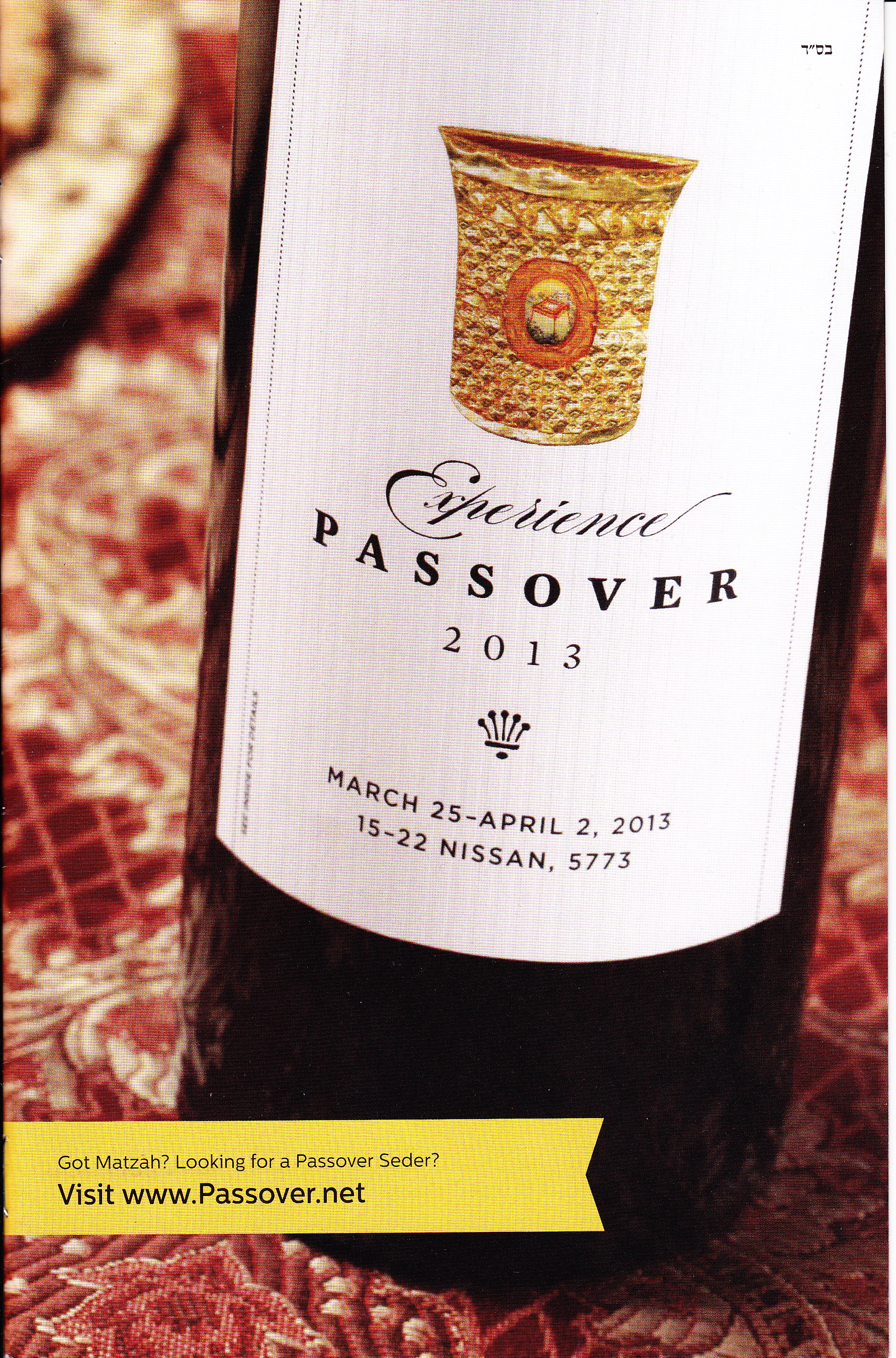
Happy Passover to my Jewish siblings!

Happy Passover to my Jewish siblings!


Ad Lib

Somewhere in the back of my mind I’ve had a notion to research and write a book on the history of “bad words.” Being raised Evangelical, I had a preternatural fear of saying something that might damn me to Hell, and even today working in Manhattan, I still flinch when I hear f-bombs falling all around me. Still, the concept of “bad words,” although almost universal, is very odd. We all know the tired jokes of a particularly offensive word in one language being common in another, with an entirely different denotation leading to embarrassing situations. No set of sounds, inherently, means anything bad. Surely it is the intention behind such outbursts that lead to accusations of profanity or blasphemy. I wonder how it got started. The Bible says nothing about bad words—in fact it contains a few—but it does warn against thoughtless curses. That’s because ancient people believed curses really worked.

As I stepped out in the dark to pick up the paper this morning I was curious, then, when a front page story announced, “At school, cursing’s out—for girls only.” The school in question turns out to be Queen of Peach High School in North Arlington, New Jersey. According to Leslie Brody the girls at the school were asked to take a no cursing pledge yesterday, while the boys weren’t. The real story here, however, is not my curiosity about “bad words,” but an insidious sexism. One of the teachers is quoted as saying “We want ladies to act like ladies.” And, of course, what lady would ever have anything to cuss about? Being paid lower wages than a man for the same work? Being blocked out of clergy positions in some churches? Being regularly maligned as “the weaker sex” who, like Eve, bear the guilt of bringing sin into the world? If anything, it seems to me, women have more cause to swear than men.

Just when I’ve been lulled into thinking we’re making strides toward equality, such stories dash the ice water of reality into my face. Who decided that it is appropriate for gentlemen to cuss? Can they just not help it? Are the same words any more offensive for slipping past feminine lips than masculine ones? I’m still not convinced about the entire bad word concept. As someone who smiths words every day, indeed, whose living depends on words, I find all words have their uses. It’s really a matter of context. And if I were a girl being told not to say what boys can say, I think I might have some choice words to add to that conversation.

Good, bad, and ugly.

Good, bad, and ugly.


Twin Towers

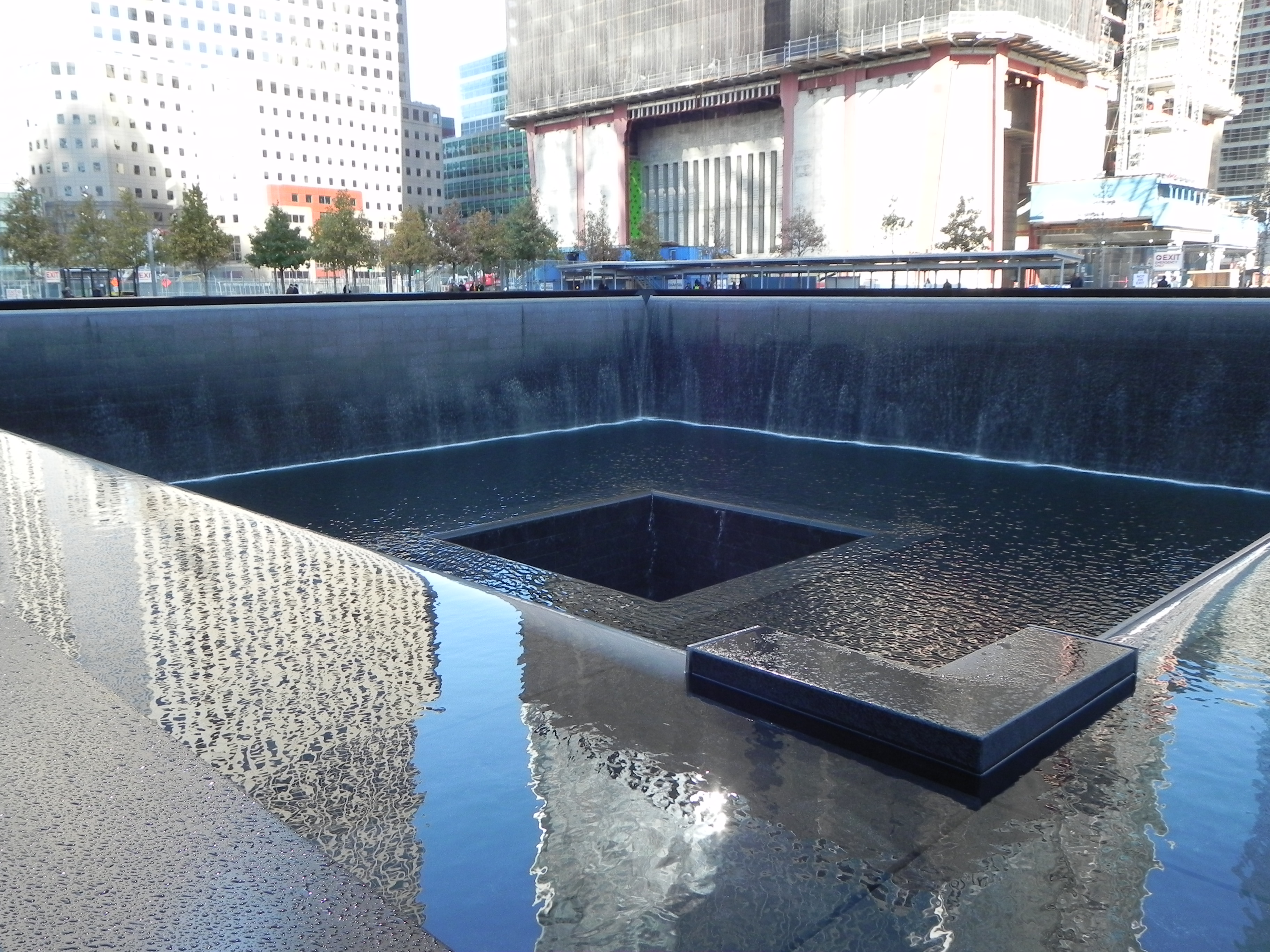
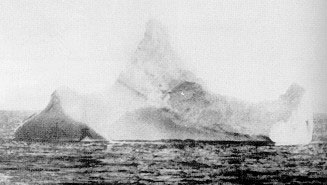
The newly opened World Trade Center memorial in Manhattan is truly a solemn place. Staring into the seemingly endless holes into which the water forever pours, one feels the emptiness of loss like a thousand graveyards. Like watching the Titanic sink from a lifeboat. In the chilly late October morning hundreds were huddled about, looking at those reflecting pools with an undefined sadness in their eyes and a sense of frustration in their souls. So much loss. And for what? The American way of life has its towering foibles as well as its nobility. The protesters of Occupy Wall Street are mere blocks away in Zuccotti Park, reminding the nation that we have forgotten the principles of human decency even while we honor the fallen dead. It seems an appropriate epitaph for All Hallows Eve—a peaceful park where hundreds died just blocks from where hundreds camp in the cold. It is not too late to stop this ship from striking the iceberg.

Ground Zero

The symbol of peace, given to us by the Bible, is the olive branch. Actually the olive branch comes from the story of the flood; it is less a sign of peace than it is a sign that some of us have survived the wrath of God. Read into that what you will. The olive branch only comes after all but eight people pay the ultimate sacrifice. It is peace on the terms of a vengeful deity. Near the center of the memorial, one tree stands out. It is not an olive tree. After the devastating attacks of 9/11, workers found a living Calleri pear tree among the rubble. The scorched and battered plant was taken to a nursery where it recovered. It stands now in the midst of the peaceful reflecting pools, bearing not olives, but pears. The tree was saved by human effort, a symbol of peace, survival, and endurance.

A different kind of tower

I spoke with one of the protestors in Occupy Wall Street, and gave him encouragement. I suffered unemployment for long years when the weight of the flood crushed me to my own ocean floor. Loss and more loss. I was moved to tears in the World Trade Center memorial. The decision not to build again on the site where the Twin Towers stood is a symbolic statement to those who believe that evil triumphs in the end. The god of those who destroy others in the name of their faith is the god who destroys innocent and guilty alike in worldwide floods. This is a god who offers people with no knowledge tempting fruit that they are not permitted to eat. Nowhere in the Bible does it state the species of the tree of knowledge. Is there anyone left innocent enough to tell? Artists like to use an apple, an idea based on the similarity between the Latin words for evil and apple. I believe that loss of innocence was the price of maturity, and I believe the tree of knowledge might just have been a Calleri pear.

Peace


Timing God

Two weeks in a row now God has made it into the pages of Time magazine. You’d think he was Rick Perry or something (no insult to God intended). This week’s Commentary, written by Harvard physicist Lisa Randall, argues for the importance of believing what science forces us to conclude. The world is warming up, ice caps are melting, and those in low-lying regions are in hot water. I am fully in agreement with her sentiments, but it’s the practicality that bothers me. Not the practicality of listening to science—that’s just common sense—but the practicality of doing so in a world where religion reigns. Despite cries of oppression and suppression and repression—just about any pression you choose—religions dominate the world. What particular brand you prefer does not matter; the fact is most people are religious. Randall believes that religion and science must learn to live together. Her problem is that she is looking at it rationally.

Science has given us excellent leads on tracing the origins of religion itself. Between psychology, anthropology, sociology, and biology we’ve got a fair idea how religion came about. The same brain that shows us the way, however, has evolved with religion still intact. In short, it has learned to accept the unlearned. With our brains acting like dogs chasing their own tails, is it any wonder that as a species we are confused? We see only what we choose to. In the great, artificial landscape of Manhattan many very wealthy people traverse the streets. Every day I see suits that would cost my entire paycheck casually strolling up Madison Avenue. I also see the beggars in the same doorways day after day, blending in with their surroundings. The solution of choice is to pretend they aren’t there, to not accept the evidence of our eyes. The wealthy have a knack for it, it seems. And when they work their way into politics their vision doesn’t improve much.

The problem that Randall points out is very real and deadly serious. Trouble is, those who pretend not to see are among the best actors on the planet. Faced with incontrovertible evidence the rational mind has no choice but to acquiesce. Religion, however, offers the perfect escape clause. If global warming discomforts you too much try fanning yourself with a Bible. Soon the excess degrees will simply melt away. And when the religious enemies of science find themselves sitting on the ocean floor like the victims of the Titanic, they too will have the satisfaction of knowing that they were privileged above all people for the time they had on earth. Everyone wins. The insatiably greedy and the abjectly poor both share a spot on an overheated planet. And if the pattern holds true we’ll evolve eyes to read under water, along with our gills, so that we can continue to read our waterlogged Bibles to find out what’s coming next.

Iceberg? What iceberg?