
Extinction is an evitable part of life in the universe we’ve inherited. Throughout the eons of our planet mass extinctions have occurred several times, and the new world that emerges is strange and unexpected. We as primates owe our existence to such a natural occurrence at the end of the Cretaceous Period. We evolved religion, which, in some species, bestows the right upon us to alter, or even destroy, our environment. The lame reasoning that generally accompanies such amateur theologies is that a deity is about to sweep down and reclaim those “he” (inevitably) likes. All the rest are just part of a hellish charade to make the righteous feel their entitlement more acutely. So we now find ourselves facing, as scientists warn, another great extinction. This one is of our own making.
The causes are not too difficult to discern. For centuries the dominant religions in the western world have preached messages easily mistaken for selfishness. The perverse aberration called the “prosperity gospel” is one such bastard theology. (I use that term in its literal sense here: the prosperity gospel claims false parentage in declaring that Jesus rewards the affluent with material wealth.) An article in Sunday’s New Jersey Star-Ledger points out that the unprecedented human involvement in extinctions. Using Haiti as a test-case, Faye Flam of the Philadelphia Inquirer notes that 99 percent of that nation’s forests have been wiped out as the poorest people in the western hemisphere seek wood for the basic necessities of life. Just over six hundred miles to the north begins one of the most affluent nations in the world where as long as we get our own, the rest of the world can go extinct. We are so blessed. While the loss of forest barely keeps the people of Haiti alive, it drives unnumbered species to extinction.
Entitlement is an odd phenomenon. Without those further down the food chain, the advantages of privilege disappear. When there are no poor to support the wealthy, the comparison fails. The same is true on a species level. As privileged Homo sapiens, we have climbed to the top of the mountain and made ourselves gods. Other species are counted as chattels to be divided up among the wealthy. The rarer they are, the more valuable. Problem is, once rarity reaches extinction there’s no turning back. Our environment placed us in this position and gave us the grey-matter to figure it out. Instead we liken ourselves to gods who do not need this world that gave us birth. Biology disagrees, as time will tell.
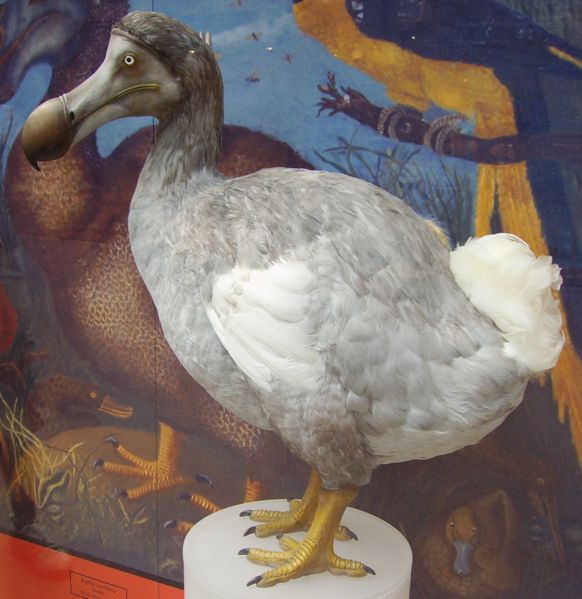
Icon of the prosperity gospel.
 Steve A. Wiggins