Loco Locusts

It really used to bother me.  Other kids in kindergarten or first grade called them “crabs.”  The picture, however, clearly showed a lobster.  Quiet and introverted, at least I knew how to tell apart basic body plans.  It’s a weakness I’ve always had—the need to correctly identify.  This didn’t come from my family, who really seem not to be bothered about such things.  It came from somewhere deep inside.  A lobster is not a crab.  The same applied to toads and frogs, or any number of other fine distinctions.  Now I confess that I try to stay away from Nextdoor.com.  It seems that no matter what anyone writes the comments immediately turn political and belligerent.  Such is our world.  But when someone can’t identify an animal, that’s clickbait to me.  I just have to take a peek.

A couple of months back a woman posted a photo of a cicada.  I didn’t chime in because at least thirty other people already had.  The thing was, several locals said it was a locust.  Even after previous commenters had sent helpful links showing the difference between a cicada and a locust.  Probably it comes from many years of teaching biblical studies, but I couldn’t believe anyone would misidentify a locust.  Mind you, when I taught the book of Joel we talked quite a bit about locusts—they are amazing creatures.  In a pre-market economy, they were also deadly.  They don’t attack people like they do in horror films, but they will eat every green leaf for as far as the eye can see.  They travel in huge swarms, capable of blocking out the sun when they fly overhead.  Cicadas are harmless.  Noisy but harmless.
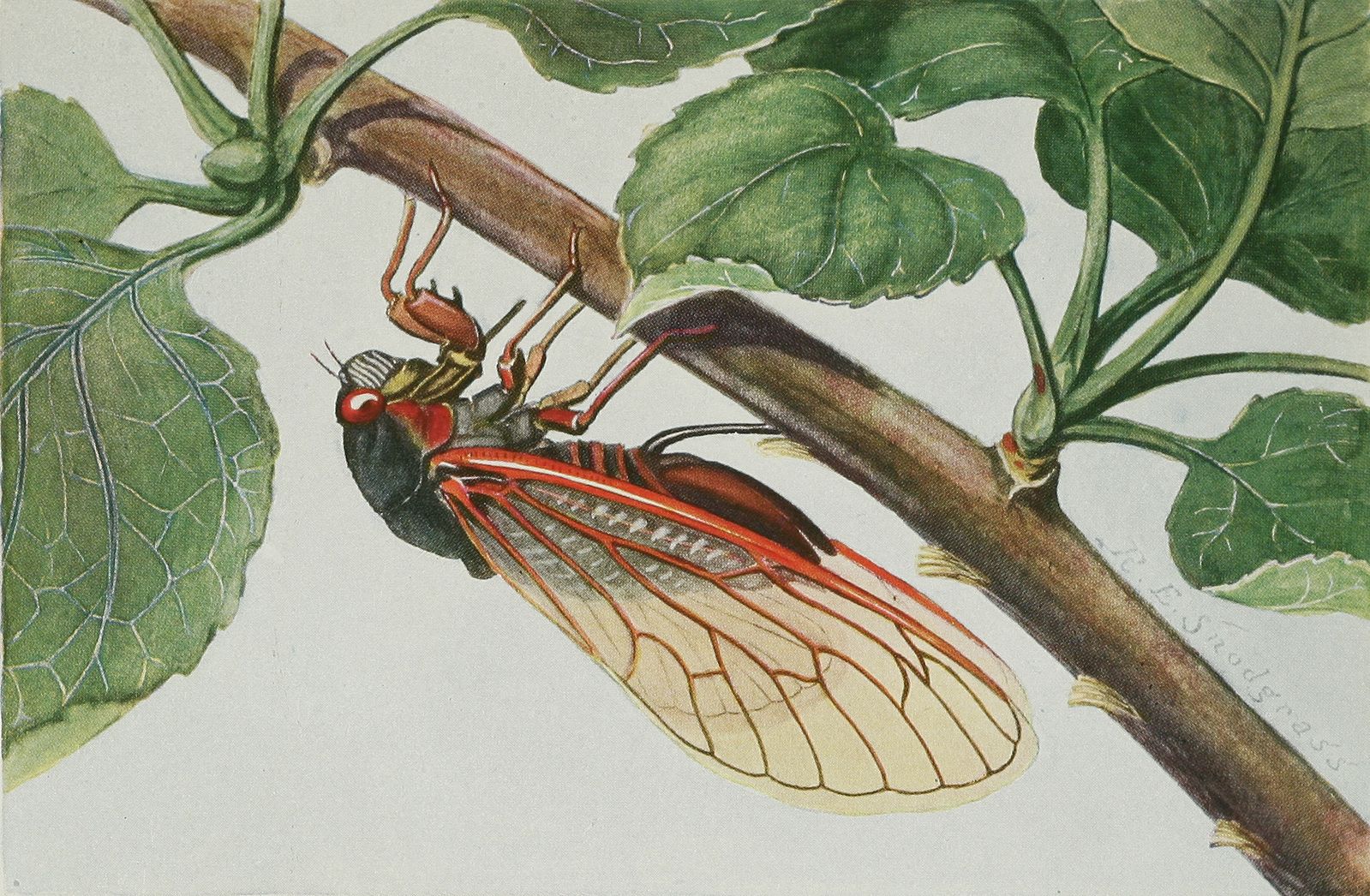
Cicada. Image credit: R. E. Snodgrass, public domain, vía Wikimedia Commons

How someone can live in the world and not care to know the other things that surround them I cannot fathom.  I can understand mistaking similar creatures—some animal mimics can be incredibly effective.  A locust, however, looks nothing like a cicada.  They’re both insects, yes, and they both have wings.  The similarity stops there.  Life is complicated, I know.  There’s a lot to learn.  As a writer one of the things constantly using up my time is trying to find the right name for a thing I know by sight but have never heard called by its noun.  With the internet, identification of critters has become somewhat easier.  But only somewhat.  You have to know where to start.  I still have the well-thumbed animal identification books from my childhood.  Outdated, yes.  Coming apart at the spine?  Definitely.  Full of childhood memories of learning what things are?  Of course.
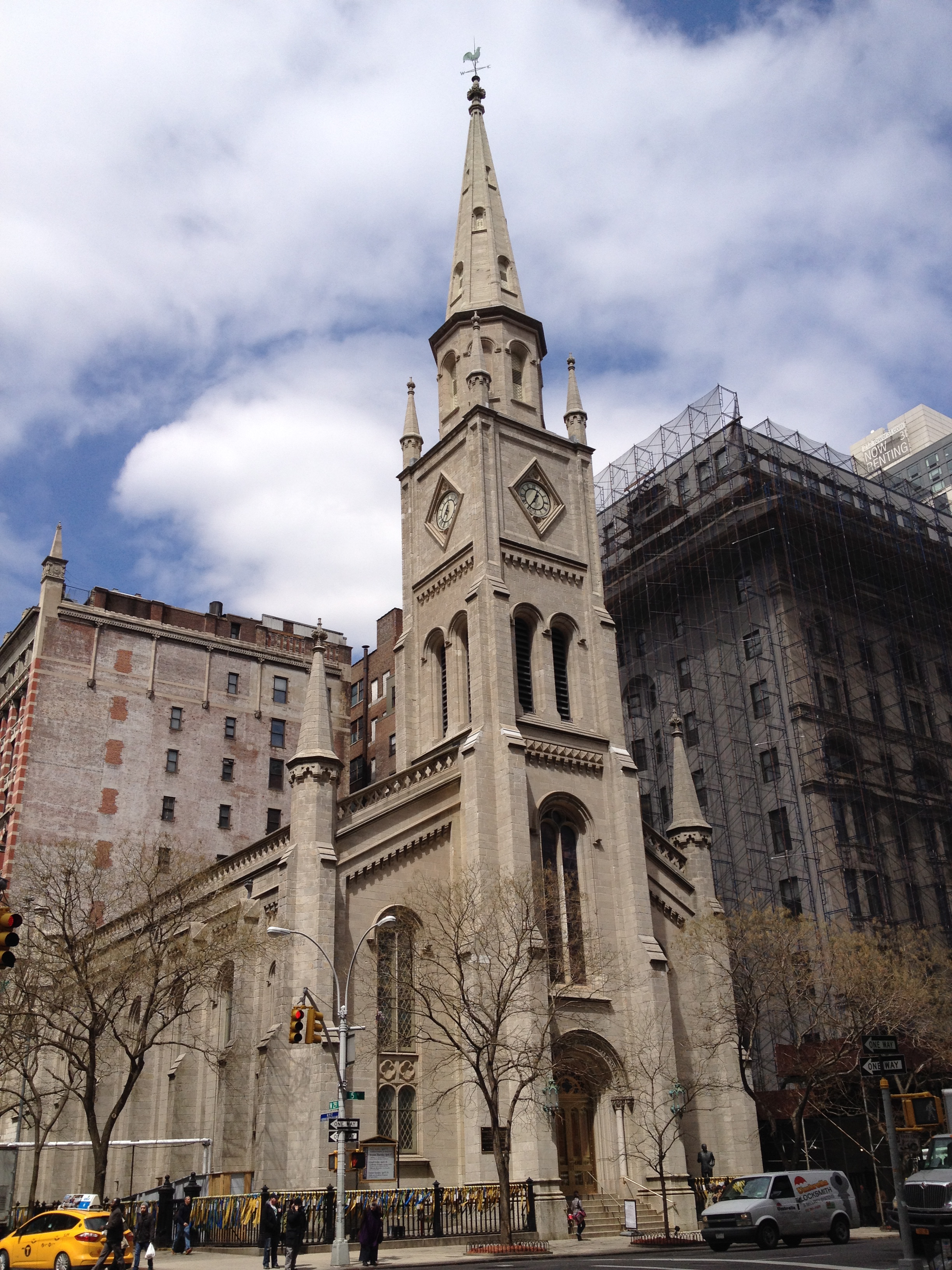

The Roll of Churches

I really don’t have time to follow any social media religiously, generally glancing at a page and perhaps scrolling down an inch or two when I have a moment.  I tend to glance at headlines, often pre-selected for me by a non-human intelligence, I expect.  Nextdoor dot com occasionally has a story that looks important to read, because it’s local.  Recently a poster from Bethlehem noted meeting a homeless person and was asking virtual neighbors where to turn for help (for the homeless person).  The answers weren’t surprising but reminded me of something I recently heard elsewhere—this is where churches still have a chance to shine.  While I’m tired of all the doctrinal and theological nonsense that arises from those who didn’t pay close enough attention in seminary, I do lament the plight of our churches.

Society has been too Republican for too long to care for those who can’t make it in an uber-capitalist environment.  Those with mental illnesses turned out when Reagan-era “reforms” “improved” our system for handling them.  Those who, through no fault of their own, can’t hold down a job.  Those who just happened to end up on the wrong side of a wave and find that a new wave breaks over them before they can properly take a fresh breath.  As the most affluent nation in the world, each homeless person is a reminder of the terrible price we pay for living within a system that rewards greed far above anything else.  Churches do have their problems—I’ve experienced many of them firsthand—but they often feel an obligation to take care of the sick, the homeless, the elderly.  Those not of value to a capitalist system because they don’t “contribute.”

When I commuted to Manhattan my bus arrived early.  I often saw the many homeless sleeping on the street as I made my way across Midtown.  Many days I wished I had an extra peanut butter sandwich with me so that I could give them something.  Anything.  Churches that aren’t caught up bickering about whose genitals belong where, or whether females are equal to males, often turn their sights to those who need help.  These churches are supported by the donations of members (for which said members can claim a tax break).  These are members who care for those they’ve never met, simply because they are human and in need.  Churches themselves are now facing difficult times and, unless they support Republican causes, can be assured they won’t receive a government bail out.  Compassion may be a dying species.


Good Will

Social media can seem overwhelming.  There are so many sites and there’s so much to keep track of.  And that’s in addition to all these “super storms” we have dumping inordinate amounts of snow and rain on a house neglected by previous owners.  Given the circumstance, I joined Next Door.  I don’t have time to follow it, but each day I get notices of new posts.  On Christmas morning one from the previous day caught my eye.  A local mother could neither afford to decorate her tree nor buy her teenage sons presents.  She turned to Next Door and the comments and offers of help posted shortly thereafter revived my faith in the inherent goodness of people.  Holidays bring out the best in us, I believe.  We want others to be cared for.  It’s just too bad we have trouble enacting it in any political setting.

Next Door is about grassroots connections.  We are fairly new to our town.  Although it’s distinctly purple, the people are friendly to one another.  It saddens me that we’ve allowed the politics of hate to define us for four years.  Those unable to see through Trump’s self-serving tenure think it’s been business as usual as one man has torn the country apart to make himself feel good.  Out here among hoi polloi, people are reaching out to strangers, offering Christmas ornaments, gifts, and food.  I think that must be rain on my face.  Why else would my cheeks be damp?  Left to their own devices most people would behave well toward others.  Fear makes us act in destructive ways.  What if we all reached out helping hands when anyone was in need, and accepted handouts without shame when we needed them?

Christmas was rainy around here.  Just a week after receiving an early snow dump of over a foot, the rain gauge is overflowing.  Caring for our environment, it seems, would be the most obvious way of ensuring the greatest good for the greatest number.  I know that sounds utilitarian, but it certainly feels more moral than personal enrichment at the expense of others.  Too much water here while the west suffers drought and wildfires.  We know our actions contribute to the instability in our atmosphere.  No actual scientist denies it.  As these twelve days of Christmas play out, I see no sign of compassion from the swamp, yet there is a light shining through the gloom.  It’s a sign of human kindness.  And it is as close as next door.


No Way Out

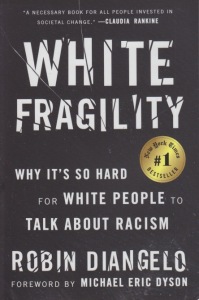
Racism is evil.  The grading of the shading of humans degrades us all.  Robin DiAngelo knows much about the subject and as we watch Trump rally the openly racist, she gives us all pause for thought.  Our entire culture is one of white supremacy.  Progressives, determined to combat it, are also part of it.  White Fragility is not an easy book to read.  It allows no escape for anyone “white” to use.  We must confront our racist culture and admit that we benefit from it.  When we try to explain that we’re misunderstood, she anticipates.  She has heard it all before.  The only thing we can do is confess, interrupt, and try to break down the system that continues to support the systemic evil we’ve embraced.

One thought occurred to me as I was reading.  No doubt DiAngelo would suggest I’m deflecting, and it may be that I am, but those of us who struggle with a perpetually low self-image, even if “white,” may not participate in feeling superior to anyone.  There are individuals whose natural assumption is the superiority of others.  I’ve experienced it time and again in my professional and personal life.  I assume the other is more adept and worthy than me.  In such circumstances a bit more carrot and less stick might’ve been helpful.  I know many both at work and more voluntary activities, for whom a word of encouragement is rare.  For those of us who assume the superiority of others, such encouragement goes far.

Even as I was thinking this I saw a post on Nextdoor.com.  The app, intended to help you find contractors or dentists or whatever, receives many posts on all kinds of topics from identifying animal droppings to alerts regarding crime.  The post to which I refer was from a security camera showing a “prowler.”  The young man seemed more to be walking than prowling to me.  His skin tone and the time of night led to a string of assumptions built on assumptions.  Since I’m often awake just an hour after the alleged “prowling” took place, I knew that were I caught on a security camera I’d merely be considered an insomniac.  Add some melanin and some racism and suddenly a walker is a prowler.  The words I was reading in White Fragility hit me with incredible force.  We have a massive amount of work to do.  “White” people have to own their history.  Own it and overcome it.