Viking Trail

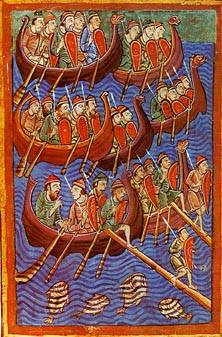
History is a powerful elixir, capable of transforming sinners to saints with the mere passage of time. Well, calling Vikings saints may be a bit of a stretch, but still, they have become some of the sexy bad boys of the Middle Ages, and with the finding of a Viking horde in Scotland last month, they are in the news once again. Vikings and monks were kind of like medieval dogs and cats. Monasteries, located in lonely regions, often amassed wealth and Vikings, looking for loot and less scrupulous about bloodshed, were eager to take it. The give and take (literally) of this violent lifestyle involving seafaring, battles, and churches, makes for good ancient drama and much of it took place along the coasts of Scotland. Our Scandinavian scourge, however, didn’t stop there. It is well established that the Vikings made it to North America well before Columbus. Those who don’t dismiss the Kensington Rune Stone also claim that the Vikings reached Minnesota long before football ever did. Whatever the reason, we are fascinated with Vikings.

Wikinger

Perhaps they are the ultimate autonomous self-promoters. We all would secretly, at least, enjoy being able to set our own standards so that they favored us and our loved ones. The Vikings represent the flaunting of the rule of law, traveling far to take what they want by force. And, perchance, leaving a bit of treasure behind as well. The Vikings became Christianized and the slave trade (long before the New World caught hold of the idea) was effaced to the point of becoming uneconomical to them. Nobody is certain why, but the Vikings, probably for a variety of causes, ceased to be the terror of the seas. Now the Scandinavians are considered among some of the most literate peoples of the world.

Along with the decline of the Vikings, however, also came the fading of the monastic cultural hegemony. To be sure, there are monks and nuns still today, but the force with which they gripped the medieval imagination began to decline with the Protestant Reformation and the recognition that vast wealth, even if cloaked in poverty, is still vast wealth. Now the finds from both monasteries and Viking sites constitute historical treasure. Information about a world long gone. The underlying idea, however, is never very far from the surface. We may lay claim to post-colonialism, but powerful economies have a way of getting what they want in the way of trade treaties and tariffs in any case. When a Scot finds a Viking these days, it is a cause for celebration as we let bygones be bygones and cut the humanities curricula nevertheless. The Vikings never really disappeared.


High Road

“You take the high road and I’ll take the low road,” starts the chorus of that overused, unofficial national anthem of Scotland. The low road, while offering less spectacular views, is quicker and more practical. At least that’s how it seems to this erstwhile expatriate who spent three bonnie years in that land. Still, we all know the appeal of taking the high ground. In studies of morality, high moral standards are better than low. High income is sought after over low. We are encouraged ever to reach higher, shooting our probes out to the very stars. Who wants to admit to being low? There’s more than a hint of this condescension in the terminology I’ve lately been noticing when it comes to the Bible. Instead of saying that an author of a book is Conservative, it is now common code to claim that s/he has “a high view of scripture.” I guess the rest of us have a low view.

Despite the increasing secularity of culture, there are still many, many books being written about the Bible. In fact, the standard industry rag, Publisher’s Weekly, routinely carries story after story about religion publishing, much of it biblical. But readers want to feel safe when approaching the Bible. New ideas can be dangerous and challenging. So we want to know the perspective of the writer before we crack open the cover. Those who believe, within a reasonable degree, that the historical tales of the Bible are factual have a high view. When the four stories of Jesus contradict one another they can be harmonized. That’s the high view. Saying that the world was created in one day, as Genesis 2 asserts, is tending toward a low view, literal though it may be. After all, didn’t we just read in the previous chapter that it was six days? One can become six with a high enough view. Just stand on your tippy-toes.

A high view

A high view

Now the cynical side of me wants to believe that this coding of the high view of Scripture is willful misrepresentation. The stratospheric viewers may not actually say that the industry standard has a low view—not exactly—but miracles are easier to see from the mountain top. If you want to know who to trust, you rely on those with a high view. In this world the sun can stand still and giants can grow to be nine feet tall. It is a high view indeed. While no one knows the original meaning of the lyrics to “Loch Lomond,” many associate it with the Jacobite rebellions of the eighteenth century. The lyricist may be referring to the heads of the executed exhibited on pikes along the high road from London to Edinburgh while their dispossessed relatives walked on the low road. Neither group devalues its native land where some hope to return and others died trying. So feel free to take the beheaded high road while I take the low, because we’ll all end up at Loch Lomond in the end.


Cultural Religion

IMG_0825

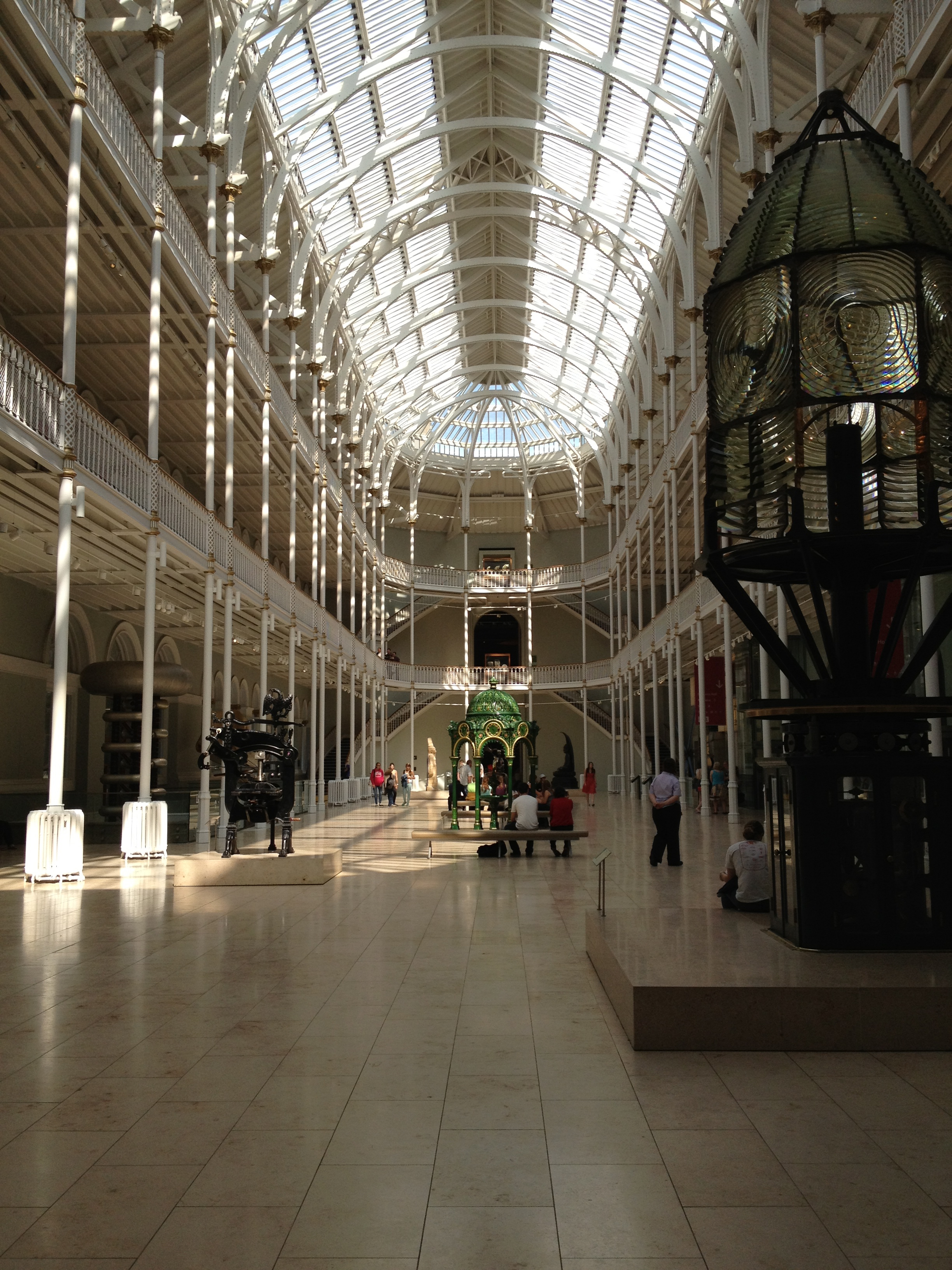
The National Museum of Scotland, like many museums in the British Isles, is free to visitors. Such museums are repositories of national pride and provide a sense of the scope of a nation’s history. While penurious grad students (as opposed to plain penurious, as best describes those long unemployed), my wife and I would wander over to Chalmers Street and pop in for an hour or two of inexpensive culture. During the last minutes of my recent trip to Scotland, I ducked into the newly—well, it has been nearly two decades, I have to admit—expanded museum for a gander. I was naturally drawn to the history of Scotland section—you can see dinosaurs and robots in the US, after all—and was struck at how very religious it was.

IMG_0857

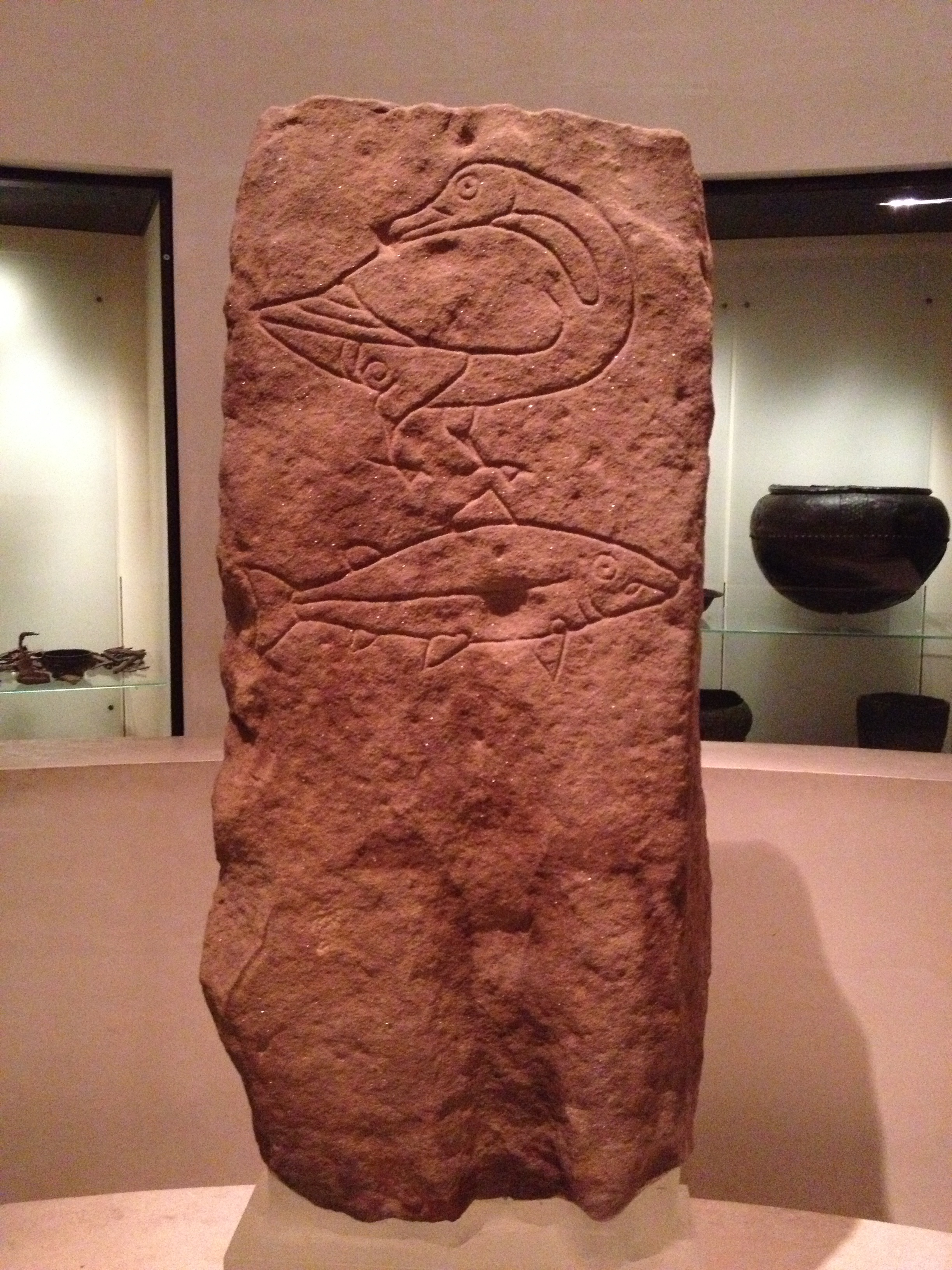
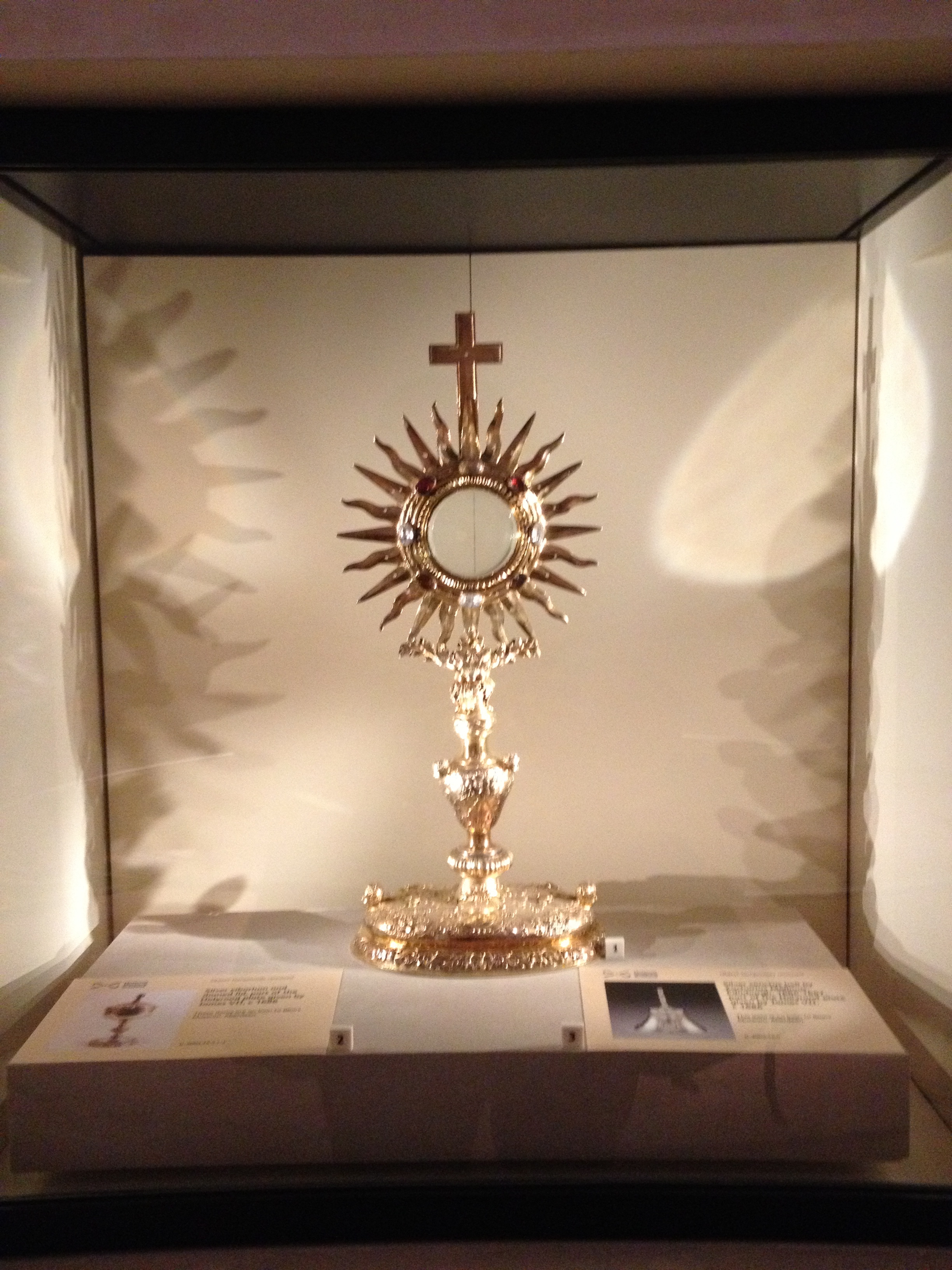
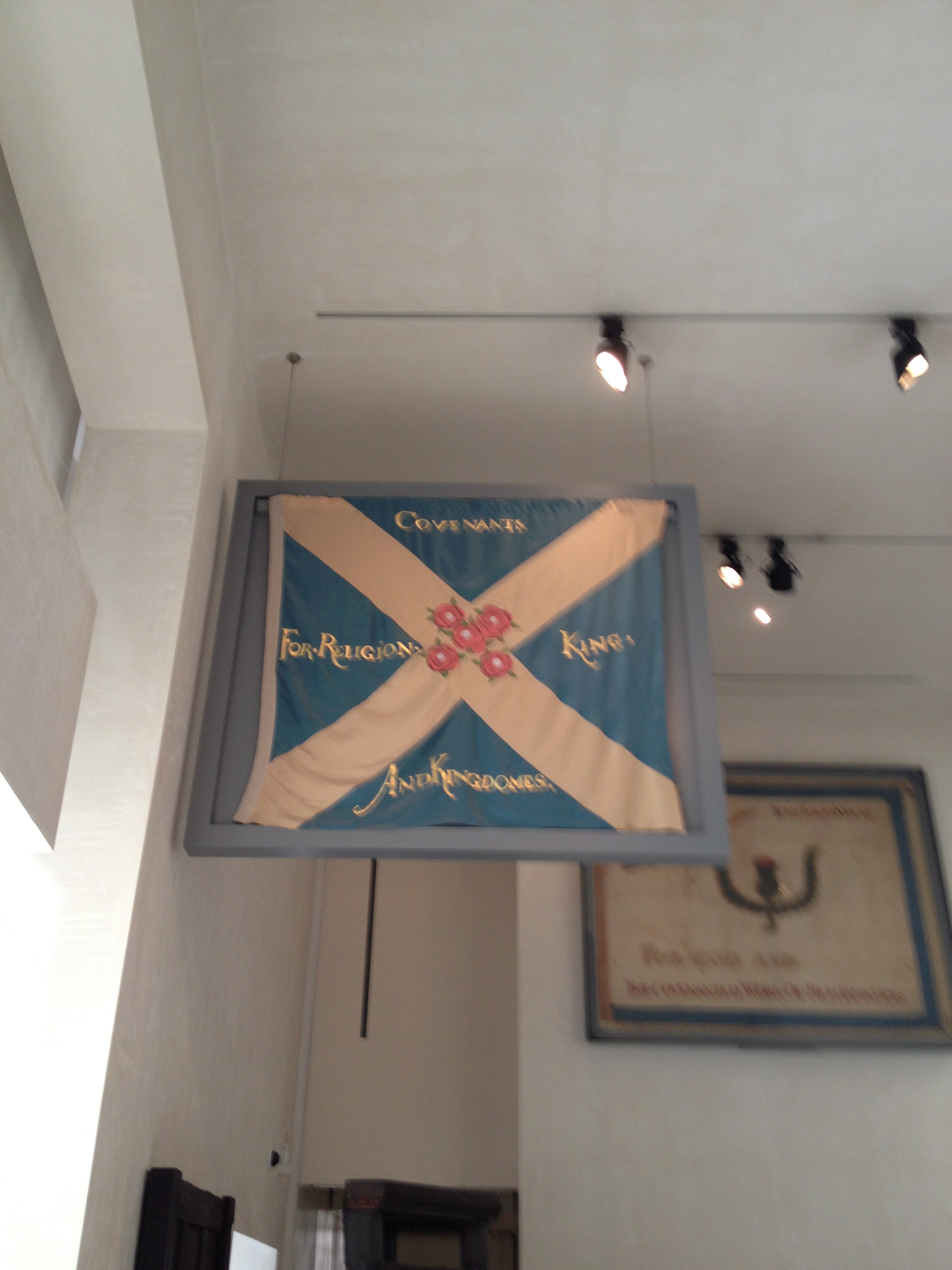
It’s not that the Scots are any more pious than other peoples, but it is the nature of religious artifacts to receive special treatment, and therefore, to survive time’s greedy decay. No one dares to anger the gods. Beginning with the Stone Age Picts, and flowing through contact with the Romans and eventually to the Celtic culture now associated with Scotland, religion is obviously preserved. Prehistoric Picts, by definition, didn’t leave written accounts of their religion, but the treatment of special artifacts in a gritty, harsh world shows where social values were to be found. Christianization, with its apocalyptic earnestness, only accelerated the process. Celtic crosses, case after case of precious metal sacramental artifacts, and a large display of the Reformation denominated the more secular displays, or so it seemed. (The working steam engines and large looms, however, gainsay a bit of my enthusiasm. And swords seemed to be everywhere.)

IMG_0837

While there is a genetic base for some sense of nationhood, it is not unusual to hear a person of African or Indian heritage speaking with the familiar Scottish brogue. Surely they are Scottish too. Culture clearly ties disparate peoples together into a “nationality.” In this museum that reaches back to the dinosaurs and beyond, a great deal of the history involves people of similar ancestry who come into contact repeatedly with those of other heritages. What gets left behind after those encounters, when it’s not swords, is religious. The religions themselves then clash, fracturing into a new stage of cultural development. Even in today’s secular Europe, some of the most notable buildings are the cathedrals. And in its own way, the National Museum of Scotland is a cathedral to all who wish to understand what makes us human.

IMG_0838


Monument to Madness

Reflections on the implications of my recent trip to the United Kingdom will likely continue to filter into conscious expression over the next few days. Jet lag will inevitably fade, and some concepts will shake down and settle into place as the reality known as work once again demands its pound of flesh per day. One of the realities that struck me during my time in St Andrews was how violent the Reformation was when it came to Scotland. Truth holds the world hostage, since everyone wants to believe they own it. And it’s my word against yours unless one of us can pull in a larger authority—and who is larger than God? There was a lot of credibility riding on the Reformers’ certitudes. And resistance was strong. Fatal even.

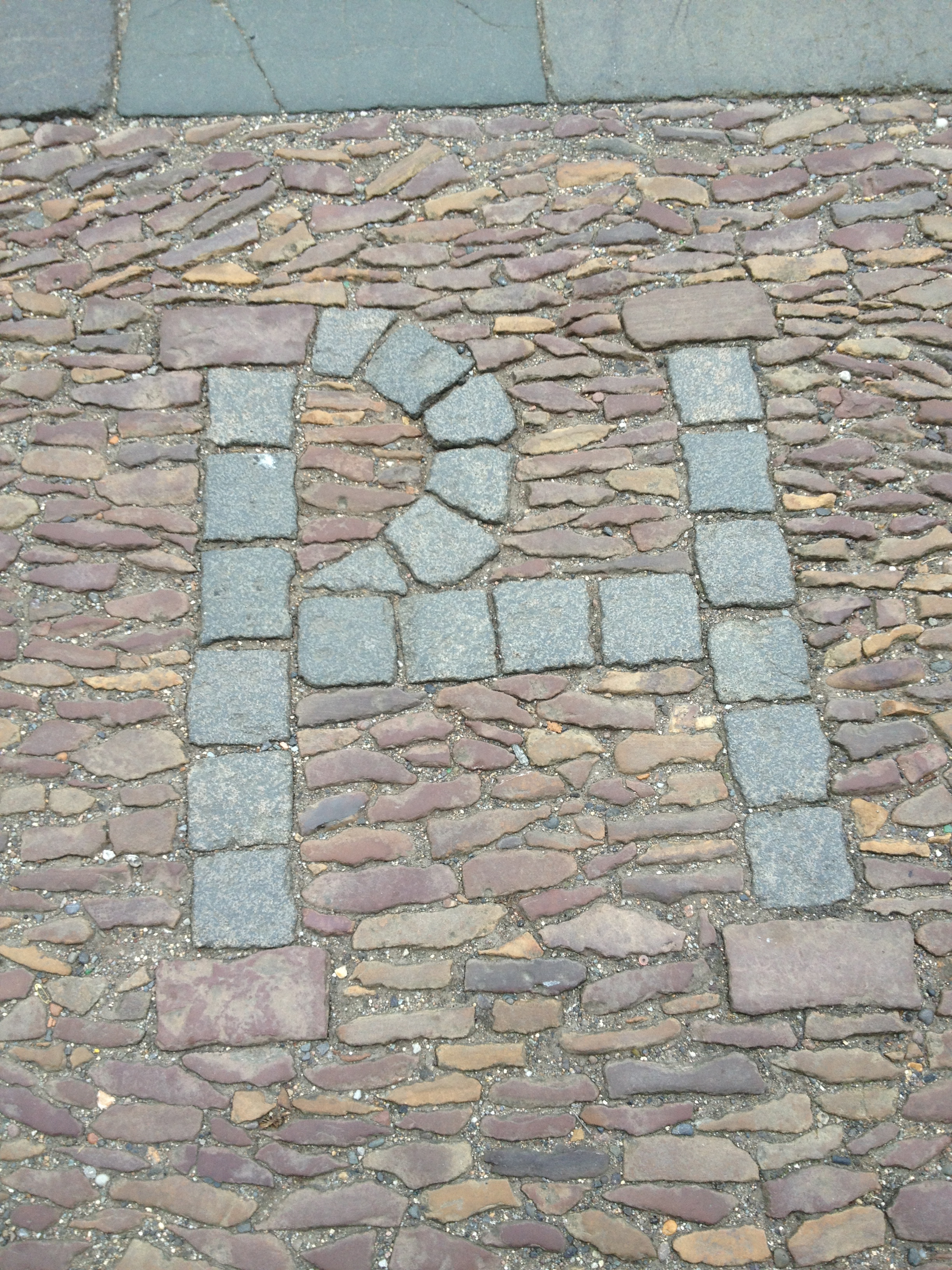
Reform is nearly never gentle, especially religious reform. After the Society of Biblical Literature’s meeting disbanded last week, I wandered around the old, medieval section of St Andrews, trying to get a sense of what such conviction must have been. One of the participants narrated to me more of the stories of those who’d died in the course of conversion. Patrick Hamilton, it turns out, may have been the first victim of the Reformation, but he was not the last. Walking along on a sunny afternoon in a country where several religions consciously coexist (I was, as an American, surprised to see so many large mosques in the UK), it seemed difficult to believe that humane individuals would torture someone to a horrendous death by burning just because of religious differences. The killing times seemed so long ago. Or perhaps our killing has just become more subtle.

IMG_0814

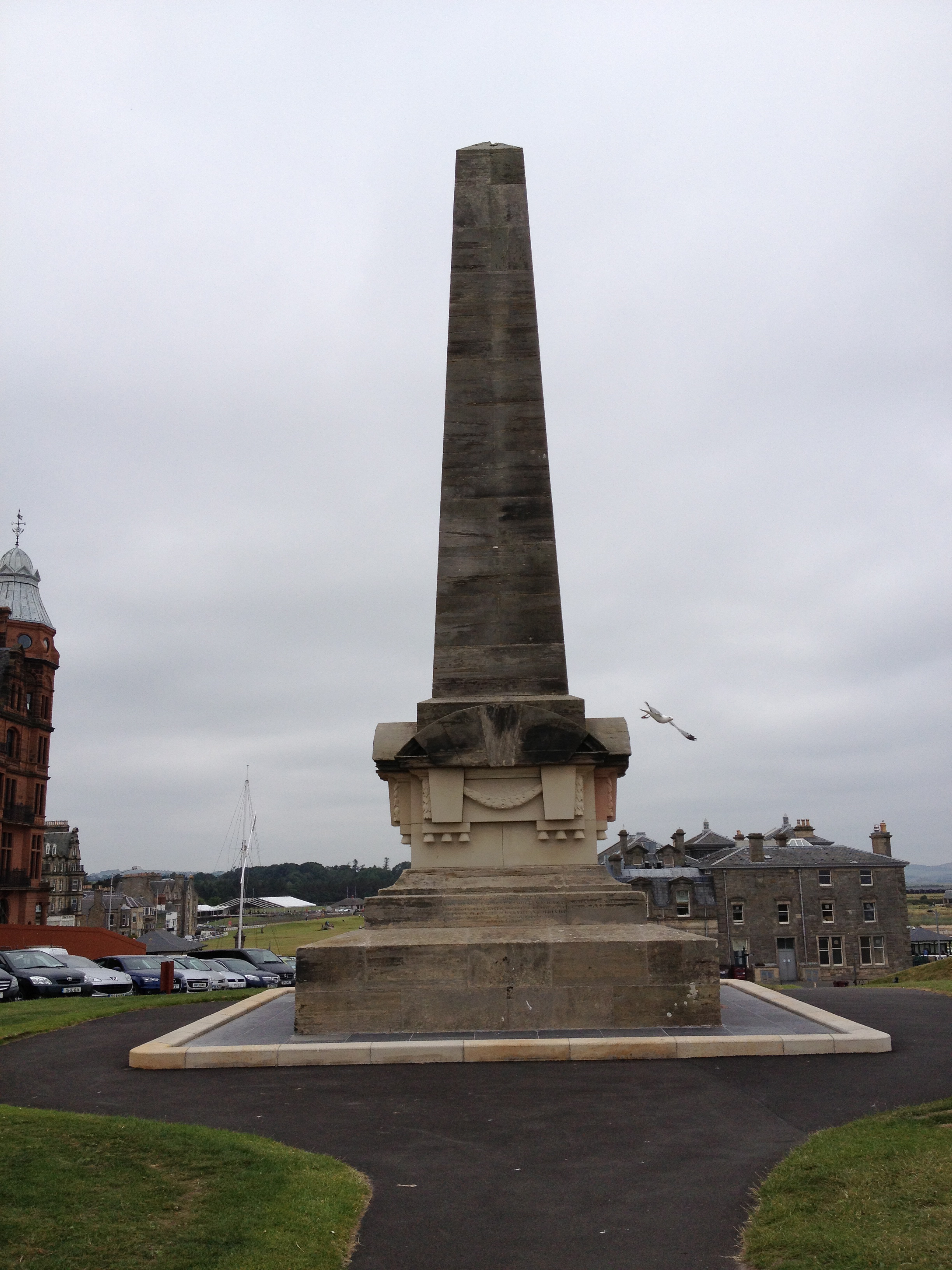
Following the directions I’d been given, I came upon the Monument to the Martyrs. Not wishing to belittle the atrocity of undeserved deaths, I could not help thinking of the pillar as a Monument to Madness. Is the need to feel right so great that others must be made to die for it? After all, among those generally considered to be sane, we all believe that we are right. Who consciously accepts untruth as reality? In such circumstances the best, the only reasonable response is to agree to disagree. I can let you accept your truth, if you’ll let me accept mine. And perhaps such tolerance would serve our planet well. Even the number of trees spared had autos-da-fé been forbidden provides a silence to the wisdom of allowing difference to thrive.


Check Mace

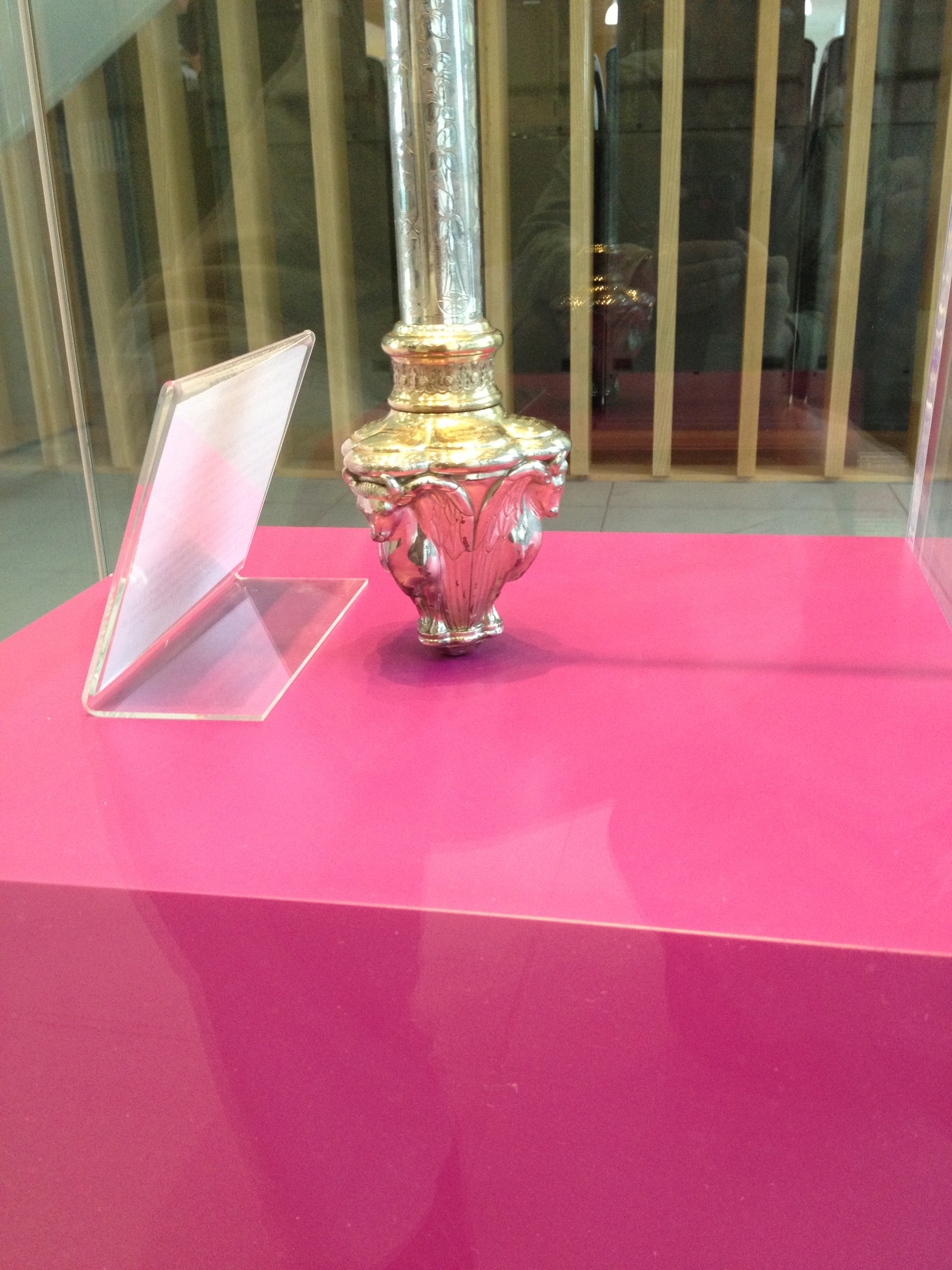
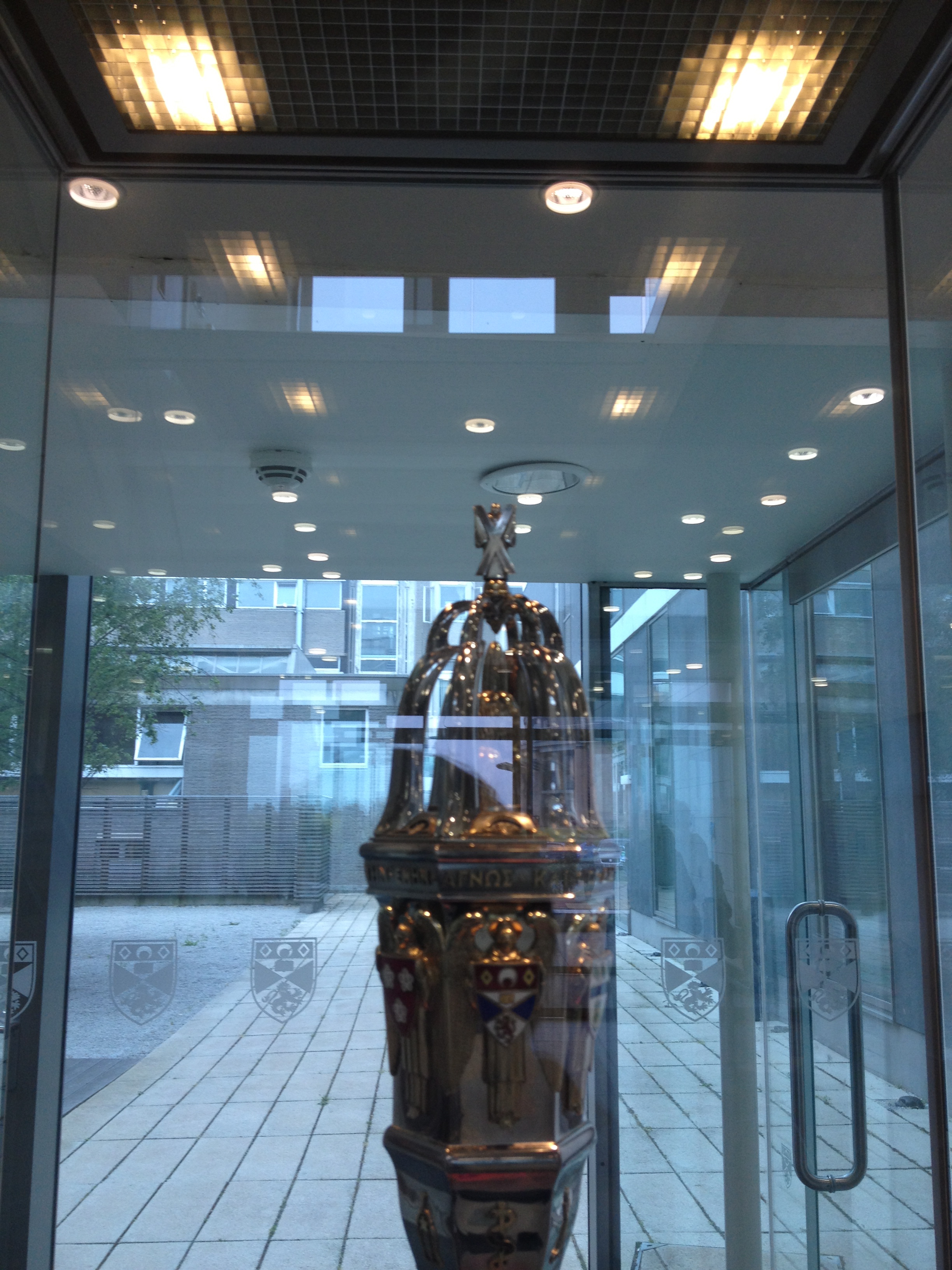
In the medical sciences building of the University of St Andrews stands a glass display case cradling a mace. The mace, a symbol of smiting authority that goes all the way back to Old Kingdom pharaohs, has a long tradition in academia as well. In all the pomp and glitter of an academic processional, a dean, provost, or chancellor carries a symbolic mace, as if to keep an unruly faculty in order. (I am sure that most of them have wanted to use that mace a time or two in reality, but have been constrained by both convention and the rule of law.) Medical science is among the fields of research quickly moving away from the spiritual mumbo-jumbo of medieval superstition. We are, after all, simply soft machines, doing as nature has programmed us. What more could there be to it?

IMG_0778

Looking more closely at the mace, I see on its ornate base, a flanking ring of winged oxen. Perhaps obscure to medical students, the winged ox is the symbol of the putative Gospel writer, Luke. Each of the Gospels emphasizes different aspects of Jesus, and the symbol assigned to Luke has been the ox. If the wings didn’t give it away, the explanatory placard on the wall nearby confirms my analysis. Eyes traveling up the silver shaft, the crown of the mace houses yet another saint, this one an apostle. St Andrew (of course) tops the mace, holding his X-winged cross. Underneath is an amorphous structure for which I need to turn to the placard to have explained. The fountain of healing waters, it tells me.

IMG_0779

From tip to tale, then, the mace of medical science is inherently religious. My reading of late has been from scientists claiming that, in the words of the old commercial, “parts is parts.” There is no underlying life-force or animating principle. Life is biological robotics, so I’m told. So as I stood in St Andrews last week, considering this metallic mace, I was poised on the edge of science and symbol. There is no biological need for such symbols—indeed, the mace was originally a weapon to inflict grievous bodily harm. Now, chased with silver, intricately ornate, it begins and ends with religious implications. I can’t help wonder what the robots make of that.


Whose Reality?

It was a groggy, foggy morning when I stepped off the bus in St Andrews. I’d been here before, but it had been over two decades ago, and with my wife, who is my navigator. I knew the International Society of Biblical Literature meeting was here, but I didn’t know where. Instinctively, I headed toward the medieval part of town. A religion conference, I reasoned, would best fit there. Seeing no signs of the inimitable professorate that I associate with the Society, I finally stopped into a university office where a dubious-looking receptionist peered at the conference letter and shook her head. The she spied a familiar address on the letterhead. “Ach, that’ll be doon this way, past the second roond-aboot.” Having lived in Scotland for over three years, I understood. I suppose if I’d just read the materials sent ahead more closely, I would’ve known that we were meeting in the newest part of Scotland’s oldest university.

A religion and science reunion came in the form of the physics and maths building where the meetings were being held. Science grad students, somewhat bewildered by so many biblical scholars, pushed open their lab doors with a sense of wonder—and perhaps disbelief. Could so many educated people seriously spend their time on the Bible? Science, after all, now has cornered the market on truth, hasn’t it? What hath Jerusalem to do with St Andrews? Ancient universities were generally founded to study theology. In 1413, when St Andrews opened its academic doors, God was the undisputed arbiter of truth. Now high-tech fighter jets scream overhead in nearby Leuchars, and we are secure in the ability of science to save us. And still biblical scholars, like the horseshoe crabs, come together in huge numbers on the beachhead of the human psyche every year.

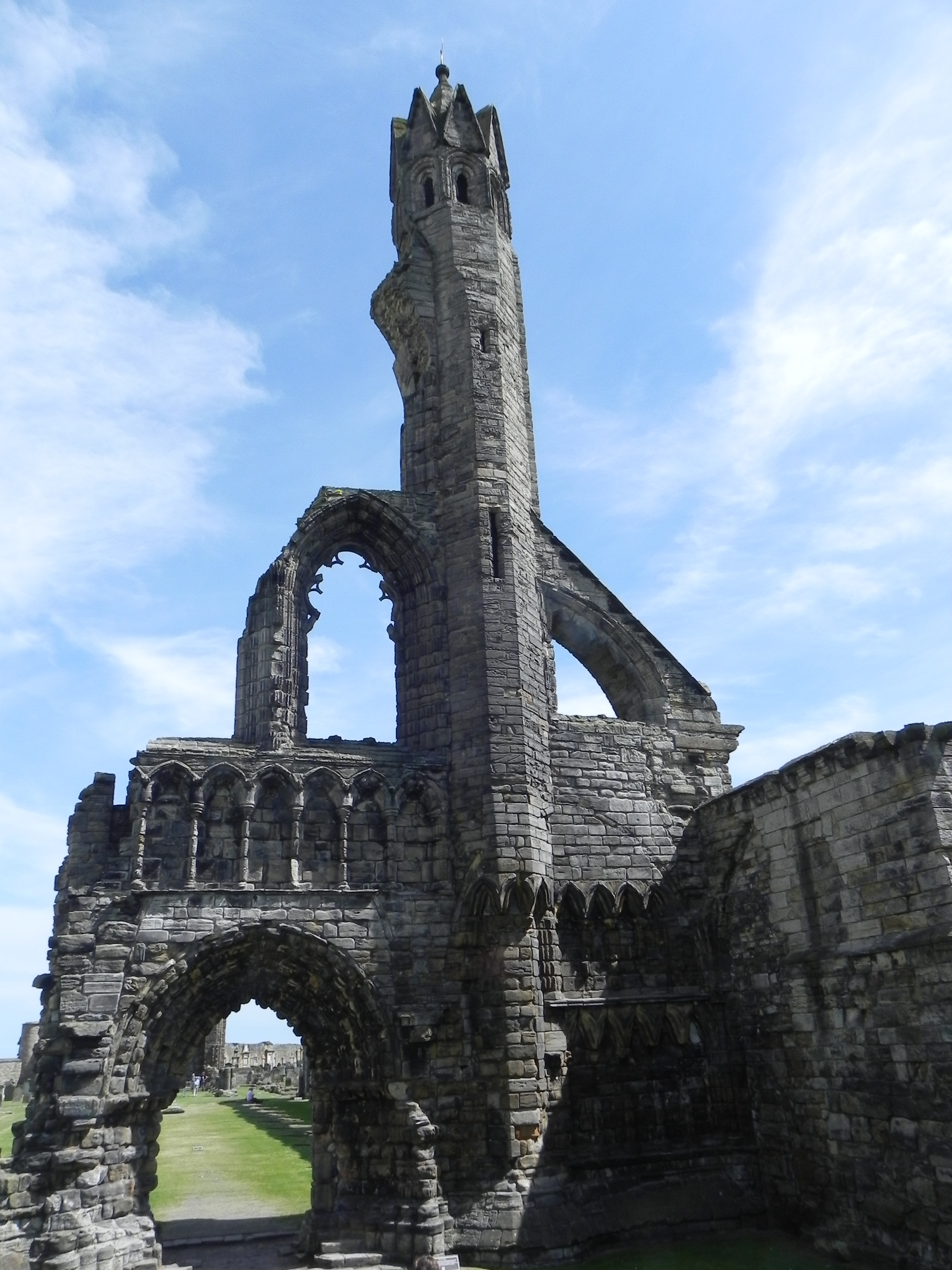
To the student trained in the sciences, I have no doubt that we appear superfluous. Nevertheless, without religious belief, or the Bible, our society would not be where it is today. Although now it seems that science and religion bear deep hostility to one another, they actually grew from the same root and have a similar goal—to discover the truth. Science finds no evidence beyond the material, but religion declares the material as the perennial under-achiever. Scholars of the Bible from around the world, many of them not religious believers, expend their limited resources to come to one of the more inaccessible tourist destinations of Scotland and meet in a clean, modern, comfortable sciences building. Across town, in the heart of the old, medieval district, stand the remains of a once grand cathedral. Still majestic in its glorious decay, the church towers over a town once ruled by religion where now science and golf define the new reality.

DSCN3582


Burning Faith

1528. February 29. St Andrews, Scotland. 24 year old Patrick Hamilton was burned to death for espousing the teachings of Martin Luther. St Andrews University is the oldest of Scotland’s four ancient centers of higher education. Heterodox religious teaching was considered a very dangerous thing in those days, especially in the halls of academe. Once infected with Lutheranism, like a zombie, you had to be burned so that the rest of the world could be safe, the virus contained. Only the problem in this case was an all too human one—difference of opinion regarding religion. The Thundering Scot, John Knox, would’ve been all of about 14 at the time, and reformation for the Catholic Scotland was still years in the future. Now, one of the largest European cathedrals, in St Andrews, lies in ruins because of that very reformation.

Religious bickering has a tendency to move beyond the ridiculous to the insane. Burning young men, after decades of burning hundreds of young and old women alike throughout Europe, was one of the most heinous symptoms of a horrid madness that had grown from religious fervor and fear. Religion itself is not to blame as much as the human tendency to use it as a weapon against those who are perceived as different. Some five centuries later and the physical stakes are gone but the fervor and fear are as strong as ever. As we hear politicians and televangelists lash out against those of whom God disapproves, the smoke still rises from the spot where Patrick Hamilton, late of the University of St Andrews, was sacrificed for his faith.

IMG_0729

Ironically, as I sat on the quiet morning train from Edinburgh to Leuchars, from the headphones on the young man behind me wafted AC/DC’s “Highway to Hell.” Was Patrick Hamilton aware that he was on a literal highway to hell as he returned home to Scotland? Did he have an inkling that his own people would torture him to death because he taught such dangerous ideas as salvation by faith alone and Scripture as the instruction for that salvation? Could anyone have guessed that the then teenaged John Knox would introduce what was to become an even less forgiving form of Christianity to Scotland by the time young Hamilton should’ve reached his dotage? Religion is funny that way. Even those who give their all to defend it easily become its victims. And a few yards down the road the Society of Biblical Literature meets in a university building dedicated to the sciences. History’s ironies never end.


Persistence of Memory

I’ve posted before on sacred geography—the idea that a place is holy for some reason or other. That holiness is very personal, and although some locations seem to draw national, or even international, veneration, special places are intensely individualized. Edinburgh is one of those places for me. I haven’t been here for 21 years, after a stint as a post-graduate that lasted for three years and three months. Walking into Edinburgh from Waverley Station yesterday was overwhelming. Of course, it helped that the sun was shining (somewhat a rarity in these latitudes) and that my daughter was seeing it for the first time. Edinburgh is one of the truly beautiful cities of the world, but in my case, it is also invested with my personal history here. Once I called this city home.

DSCN3452

Wandering about, noticing the changes—Edinburgh has always drawn tourists during the summer—it was clear from the many languages and accents that people from all over the world were exploring the main touristed areas: the Royal Mile, Greyfriars Bobby, Princes Street Gardens-for me the experience seemed to run deeper. They will leave, I hope, with only positive memories of this mystical town, for a fair bit of medieval magic still hovers about it. For those of us who experience Edinburgh as sacred, however, there is good and bad mixed. I not only laughed here, but I cried, I worried, I was frustrated, sad, elated, depressed. I poured myself into a life here that I knew was ephemeral, temporary, destined to pass in the short hours that define one’s young adulthood. How could I have ever left? How can I ever leave again?

Away from the tourists, we wandered back to the places we used to live. How is it even possible, I wondered, staring up at the windows of our old flat, that I was ever bored there? Even the sacred, with constant exposure, becomes profane, I guess. And it requires an absence—perhaps two decades is far too long—to bring it back into focus. I am bursting open here. Some tourists are, I’m sure, busy falling in love with Edinburgh for the first time. For me, it is returning to an old friend. Twenty years of being heartlessly bounced about from job to job make the place I was born seem far less inviting than the streets and alleys that inspired Harry Potter and Waverley. This is the Nunc dimittis of my soul at this very moment. It comes to mind, Faust-like, whenever one enters paradise, knowing it will last for a few moments only.


Bonnie the Brave

As a preemptive warning to my regular readers (am I’m sure you both know who you are), I am off today for a stint in my old haunt of Scotland. Before you get out your congratulations, be advised that this trip is for work. The Society of Biblical Literature, in addition to the big meeting about which I sometimes post, holds an international meeting every year. Since my employers frequently want me out of the office, I am being sent to the fair city of St Andrews in the kingdom of Fife for a week. Although I studied across the Firth of Forth in the wondrous town of Edinburgh, I ventured to St Andrews a time or two during my postgraduate days. By that time anyone in tune with popular culture had seen Chariots of Fire, and it was almost a requirement of credibility to visit the famous beach on the North Sea where the actors iconically ran as the movie began. And as in Chariots of Fire, I’m not sure that wifi access will be readily available. Should I find access, I shall gladly update my blog with my customary observations. If I fall silent, you’ll know why.

Scotland had a tremendous draw for me as I was contemplating where to complete my studies of religion (as if one ever can). Not that I was Presbyterian, and not that I have Scottish ancestry (although Celtic is represented in the Irish stowaway on my father’s side a few generations back)—it was the antiquity that drew me. One of the mysteries, to me, of new religious movements, is how people can believe in a religion that recently began. Should there be a supernatural, I’ve always supposed, and should that supernatural be concerned that humans have the truth, why wait so late in the story to start? It was such thinking that drew me from Methodism to its estranged parent, the Episcopal Church. Among the Episcopalians are many who argue for a continuity with the Catholic tradition, separated, literally, only by a matter of divorce. And Catholics go back to Jesus himself, a member of a religion so old that even the Romans grudgingly respected it (Judaism). I guess I’m guilty of old-school bias.

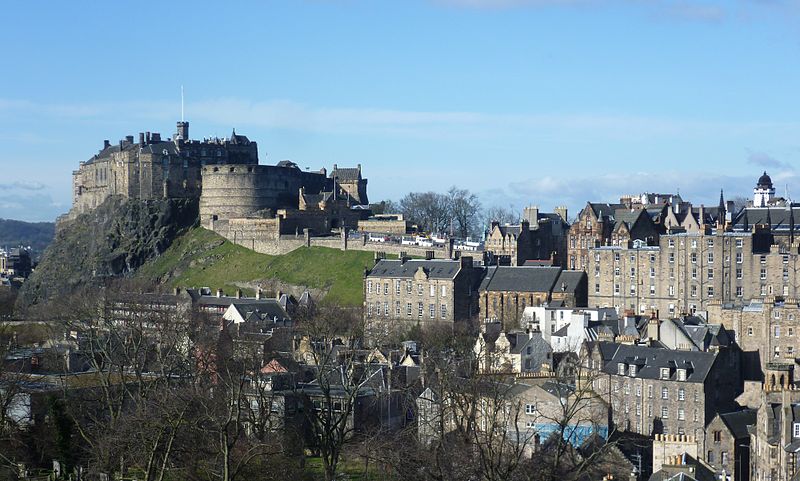
Kim Traynor's Edinburgh, from Wikicommons

Kim Traynor’s Edinburgh, from Wikicommons

So it was that I came to spend some years among the Presbyterians at Edinburgh University. The Ph.D. that I earned there translated to an unfortunately brief career doing what I’m best at—teaching. My tenure at Nashotah House never offered the opportunity to travel back to Scotland, or even England with its Anglicans. And as I prepare to board a plane across the Atlantic, although strictly for work, I can’t help but to reflect on those years of intensive learning, hoping to do my Scottish alma mater proud. And returning to the States to have my career shipwrecked on the rocks of unforgiving religious dogma. It may be that once I’m back among the heather and thistles, I may cast my laptop aside and try to claim religious asylum in a past that I can only see through rose-coloured glasses.


Implausible Deniability

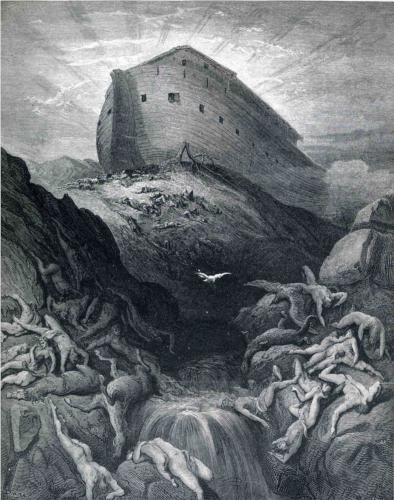
Sandy gave us a little taste of dampness under the gunnel. You see, people live by the water because it beckons to us. That was actually Rachel Carson’s idea, but nevertheless, we do find ourselves drawn to the sea around us. Historically our great cities grew in the littoral because communication across the big water was, prior to jet travel and trans-oceanic cables, the best way to stay in touch. Have a business meeting in London, but live in New York? No problem. We can get you there in two-to-three weeks. And the ship sets sail. Since that day we’ve become more electronic. Those of us who experienced Sandy near New York City know that one of the biggest problems was that salt water and electrified trains don’t mix. Of course, conservative lobbies have insisted that Congress and the White House keep their eyes firmly shut about the possibility that a more unstoppable flood is coming. We may not need an ark, but we’re going to have to take some steps back.

A story on the Weather Channel shows the “smoking gun” of global warming. Oh wait, that’s just a myth. Industrialists tell us so. But what a devastating myth! The Gulf Stream waters of yore have kept the climate mild in northern latitudes. While in Scotland we spent a wonderful weekend with some friends on the Island of Arran in the Hebrides. Palm trees growing in Scotland? Yes! The warm Gulf Stream means that much of the British Isles remains relatively temperate despite their latitude. The Gulf Stream, due to climate change, is slowing. In less than a century, climatologists now predict, the oceans will rise three feet. Looks like I’ll need to wear my gaiters to work. We’ve known for about half of my life that we’ve been changing our environment. And not for the better. Those who are too wealthy stand to lose a little so we do what we can to protect them, the poor dears. The rest of us had better learn to swim.

We don’t worry when the people of some Indonesian island point out that their entire world may submerge. Put a little ocean water in the subway and, well, that’s an entirely other story. How are the peons to get to work? Let them wear hip-boots. Word from the top one percent is that there is no global warming. If the Gulf Stream is slowing down it’s because it’s lazy. What a moocher! Suppose it will be wanting a health plan next. That’s the problem with the weather—it changes like, uh, the weather. Unlike the minds of some people that are already made up and never change, no matter what the facts. When the one-percenters start speaking, I’m glad I’m wearing my hip-boots after all.

Where can I get me one of those?

Where can I get me one of those?


Babel’s Gate

Up north past Edinburgh, beyond the Cairngorms, on the shores of the chill North Sea lies the village of Cromarty, Scotland. A death occurred in Cromarty, according to CNN earlier this week. And why would CNN be concerned with a single death in a small village in a remote corner of Scotland? Because with Bobby Hogg’s death, his language also died. Hogg was the last speaker of Cromarty. Having lived in Scotland for over three years, I heard many an impenetrable accent, but even as I strained to understand, I loved it. The loss of Cromarty is part of an on-going, world-wide extinction of languages. Sure, the big ones survive, thrive even. The small ones pass away, often forgotten. Those who unabashedly champion “progress” take no time to mourn the passing of the idiosyncratic, the individualistic, the non-conformist languages. Dominoes are easier to stand, after all, if they are all a uniform size and shape.

I taught Hebrew to my students for many years. Those who wish to be clergy should be able to read God in his original tongue, it stands to reason. As complaints began to simmer, as they always did, at the difficulty of learning a semitic language, I liked to remind students that a language is far more than a collection of vocabulary and a smattering of grammar and syntax. Languages are worldviews. We don’t know who invented language, but we do know that it evolves more rapidly than biology, once human populations are separated. As in the case of Cromarty, languages often reflect lifestyles—they preserve the words and phrases necessary for distinct ways of life. Automation, however, prefers one-size-fits-all. Those who can’t understand are less efficient players in the colonialization of the world by capitalism. Languages allow for diversity and specialization. Cromarty was the language of fishermen.

Yes, multiple languages reduce efficiency. You don’t have to read too far into your Bible to discover that. Yet even efficiency comes with a price. Year by year, the cacophony of human expression becomes more uniform. Yesterday there were a thousand languages, today only nine-hundred-ninety-nine. Yarns were spun in Cromarty, just as surely as they were in Hebrew. Young ears will never hear that ancient language, and with it a way of looking at the world also died. Yawn if you will, but if all the minor languages disappear the one remaining worldview will be all the poorer for it. Yiddish to Aari, languages reflect who we are—and Mr. Hogg’s passing is a loss to all humanity.

Do you hear what I hear?


Scotland’s Cryptic Evangelist

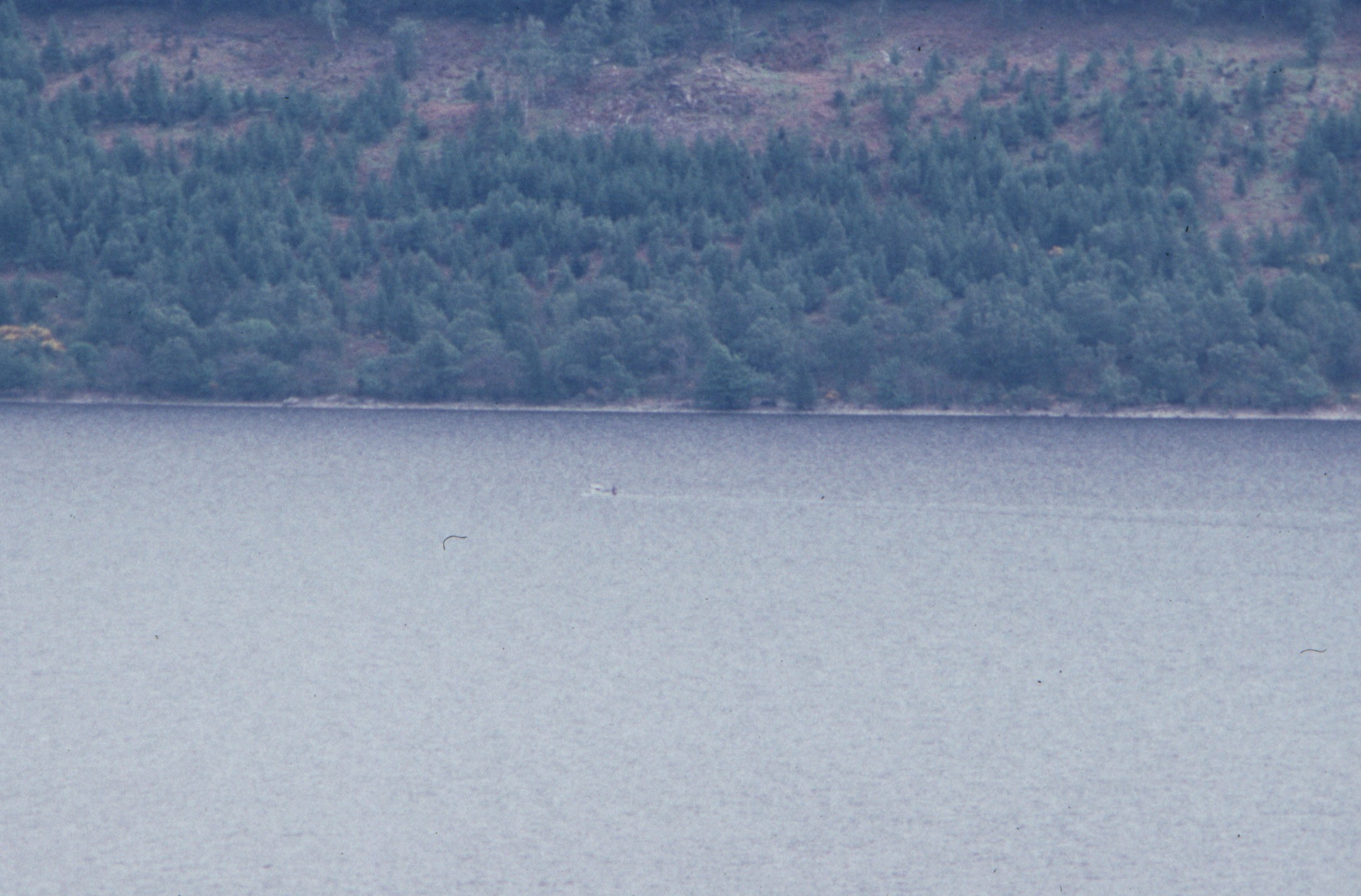
Many years ago it was now, on a Victoria Day bank holiday weekend, my wife and I were on a camping trip with friends in the Scottish highlands. Pitching our tents on the banks of Loch Ness, we joked about the potential danger—after all, Nessie had reputedly attached St. Columba, therefore even the pious had no refuge. Early the next morning, our party still intact, we drove to Urquhart Castle, arriving before it opened. Out on the loch we saw something moving through the water, leaving a wake. It was breaking the surface but was too small to be a boat and it was not a bird. It moved at constant speed until it was out of sight. This was in the days of actual film, and slide processing was “dear” as the Scots say, but I snapped off a photo anyway. The slide is too indistinct to make a diagnosis, but our friends, who had a better camera, came to the conclusion that it was a small boat. After looking at their enlargement, I still have my doubts. I’ve always sat on the fence for the Loch Ness monster. Certainly it seems improbable, but we have only a cursory knowledge of sea creatures and Loch Ness is deep and long and isolated. Is there a Loch Ness monster? Maybe yes and maybe no.

Of course, Nessie has been in the news, as my wife pointed out, backed by the considerable creativity of the creationist camp. Seizing a living dinosaur as the death knell of evolution, Fundamentalist schools in several states are using textbooks that argue Nessie’s existence proves that dinosaurs didn’t evolve and that they still walk (or at least swim) among us. An excellent corrective to this “either evolution or special creation” is Victor Stenger’s book God: The Failed Hypothesis, that I reported on a few weeks back. With apologies to the late Stephen Jay Gould, this tactic puts an entirely new spin on the concept of the hopeful monster theory.

Religion and monsters are thoroughly intermeshed. Often this intermingling comes as the result of revulsion against the unclean or impure aspects of life that monstrosity represents. Numerous analysts have shown that monsters tend to be unholy mixes of elements that religions prefer to keep widely separated—animals that would never have made it onto the ark, yet somehow have arisen since the deluge. Human fear at contamination has an excellent basis in evolution; those who never developed the sense to stay away from the sources of contamination grew sick and died off. Monsters, in this sense, serve as useful reminders for avoiding the “strange fire” that so displeases the Lord. Reading how good Christians are now reaching out the right hand of fellowship to their monstrous brethren, I wonder if a long-held belief is being imperiled. Those who would swim with monsters must be very cautious indeed, for above all things, monsters are notoriously unpredictable.


2012 Reconsidered

Maybe I was a little too hasty on the 2012 thing. Back in first grade Mrs. Shaw told us, “one bad one ruins it for everyone.” Nevertheless, I was somewhat content with my educational experience: not too many privileges were revoked over the years. But then things changed. When my wife and I expatriated to Scotland back in ’89, we flew on what had formerly been known as Pan Am flight 103, the route of the airliner that had been blown up over Lockerbie just three months before our international move. Being resident aliens, we had to register with the police in Edinburgh, so at 26 I acquired my first police record. Other than a disputed traffic violation ticket, after returning to the States, I’ve kept a clean record since.

Now I try to volunteer at the local schools. I had been newly elected as PTO president in Wisconsin just before I will dismissed from a position I’d held for some 12 years with nothing but excellent teaching reviews. Paranoia may have begun then. Here in New Jersey, to volunteer to help high school clubs (such as Robotics), you must be fingerprinted. As I made my way to a bio-tech company set up in a back room like a shady fly-by-night business venture, I reflected on how strange this world has become. I was duly fingerprinted and released. Then as I attempted to get back to the highway there was a roadblock with a sign reading “Check Point.” A black-garbed police officer was stopping cars and sending select drivers off to a detention point at the side of the road. I wondered if somehow I’d mistakenly awoken in Kosovo. Was this “the land of the free and the home of the brave”?

Not that I ever felt terribly secure at the best of times, I wonder what has happened to the country I was born in. Freedom now requires groping at airports, random check-points on local roads, and regular “silver alerts” on the highway. It feels like it’s a crime to be born American now. As a kid who was always taught to do what’s right, and who’s tried to live that exacting standard his whole life, the world has come to confound me. Fired for excellent work, fingerprinted for volunteering, felt-up for wanting to fly – the world may well have already ended before 2012 has a chance to get here. Now, what’s that guy doing on the telephone pole outside my window?

Is this now the game of Life?


Joltin’ Jesus

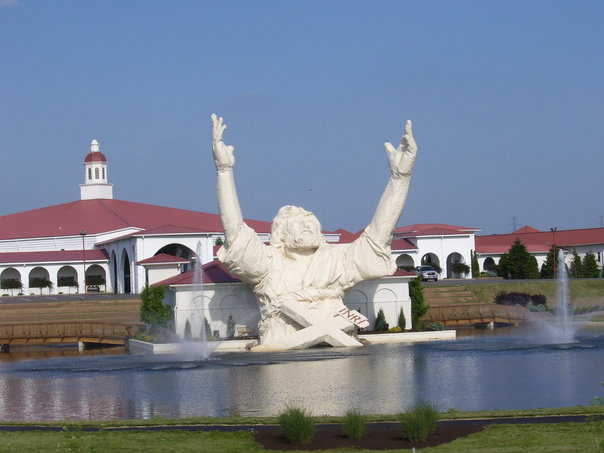
Jesus has been having a hard time lately. Just last month he was hit by a car, and on Monday night lightning struck a second time. Literal lightning. A touchdown-style Jesus in Monroe, Ohio, formerly six stories tall, received the paragon of divine punishments in a Midwest thunderstorm. Struck by lightning, the fiberglass and plastic foam savior melted leaving only an eerie, Lovecraftian idol of a steel frame behind. The statue had adorned the Solid Rock Church in Monroe since 2004. According to MSNBC many motorists said that America needs more symbols like this; God apparently disagrees.

Former Touchdown/Quicksand Jesus

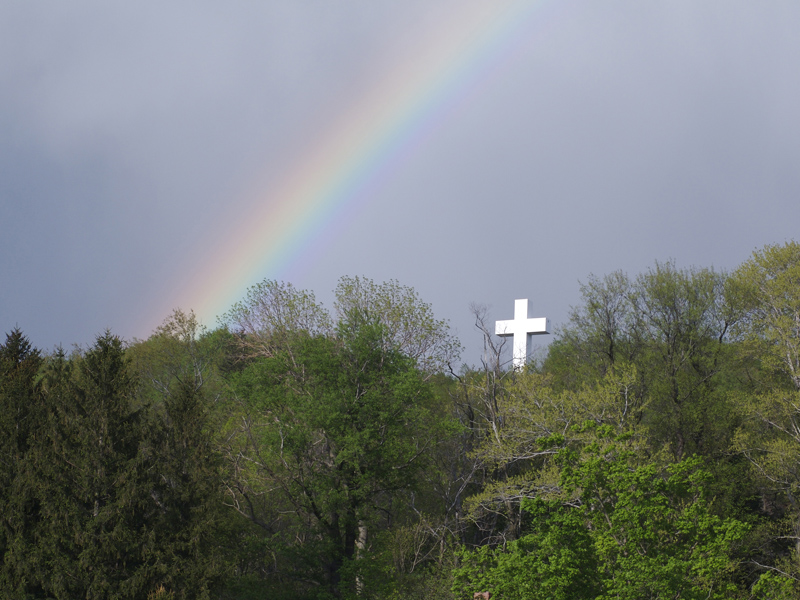
Obtrusive religious symbols dot many high hills and adorn many quotidian highways as signs of the donors’ faith. Lawrence Bishop, horse-trader-cum-pastor, and his wife Darlene made a substantial investment in this eviscerated Touchdown Jesus sculpture. As a camp counselor in my youth, I slept in the shadow of the great steel cross of Jumonville in southwestern Pennsylvania. The 60-foot tall cross is lit at night and is visible in three states. The monolithic cross always seemed incongruous with the blackened roasted weenies and gooey banana-boats we managed to choke down. Staring at its gleaming whiteness by night was an epiphany to many.

With the rainbow seal of approval

When my wife and I lived in Scotland some years ago, a terrific wind-storm blew through. In itself that was nothing uncommon, as any Scot will tell you. Wind gusts in this storm reached about 140 knots (160 mph), causing widespread damage. In an interview on the BBC, the sexton at one of Scotland’s cathedrals (time has robbed me of the details) recorded seeing the wind topple a statue of Jesus atop the building. He quipped, “I looked up, saw Jesus coming down, and ran for my life!” Although the exact location escapes me, the words have taken on an unexpected significance as icons crash down all around me. The demise of “Quicksand Jesus” is simply one further reason to avoid trusting in anything less than solid rock.


Wicker or Wicked?

While I continued officially unemployed I keep to a strict regimen of not watching television except on the weekends. Since we don’t have cable or even a digital conversion box, my viewing is limited to grainy VHS tapes or DVDs. Many of them I’ve watched over and over. Last night I picked out one of perennial favorites, The Wicker Man (1973, of course!) for late-night viewing. Although classified as a horror film, the only terror comes at the very end in a scene that I always find difficult to watch. What keeps me coming back to this film is its unrelenting criticism of religious hypocrisy. (That and the longing evoked by the footage of a Scotland I left many years ago.)

Briefly told, a Highland police sergeant, Neil Howie, is lured to a fictional Summerisle in a mouse-and-cat game where he ends up the victim of a neo-pagan cult. The stunned Christian constable cannot believe the superstition evident on the island could still exist in modern Britannia, leading to one of the highlights of the film. Questioning Lord Summerisle, played by a striking Christopher Lee, Howie accuses him of paganism. “A heathen, conceivably,” Summerisle concedes in a tight shot, “but not, I hope, an unenlightened one.” Howie is shown growing increasingly rude and unsympathetic, forging a makeshift cross to lay over a Druidic burial. He threatens Lord Summerisle with being investigated by the authorities of the Christian nation under whose aegis he falls. The tensions between religions grow until the final scene.

The constant interplay between control and conviction raises again and again what the true nature of religion is. Summerisle reveals that the neo-paganism began as an expedient way to encourage the locals in growing new strains of crops. The images of palm trees in the Hebrides may seem unwarranted, but having strolled among them on the Isle of Arran nature itself belies the orthodoxies of convention. Does religion rule by force of law, depth of conviction, or pure expediency? The makers of the film were wise enough to leave that to the viewer to decide. No wonder that on many a bleary-eyed weekend night, ousted from my once stable career by the overtly religious, I choose to watch, yet again, The Wicker Man.