Outernet

Once in a while (ahem), I interject a note of caution regarding technology.  This blog has been part of my daily routine for over a dozen years.  I try to post every day.  When I experience life outside I often think “that would make a good blog post.”  I make notes.  I ruminate.  One of the things I caution about is the fragility of tech.  In order for me to post these thoughts many different components have to work just right.  Not only that, but if I want to pay bills, or, more importantly, work so that I can pay bills, I have to have internet.  Everyone in my family uses it and they do so all day long.  This weekend is the long anticipated Project for Awesome (check it out at projectforawesome.com) sponsored by the Vlogbrothers, John and Hank Green.  If the names are familiar it’s perhaps because I’ve read and commented on their books.  Then the internet went out.

Late on Friday afternoon, of course.  Now we’ve had outages before—most recently after a power outage earlier in the week.  I called what used to be RCN, the only service provider in our area, only to be on the phone for half an hour with a tech.  She talked me through the usual rebooting and system checks.  The router was fine, but the only actual connection to the internet is via wifi mediated by a device called Eero.  There’s no ethernet cable (as if Apple laptops even have ethernet ports any more!), no phone line plug-in (ditto), nothing.  Nothing but Eero.  Apparently Eero had died.  And being a weekend a masked tech can’t be sent until Sunday afternoon.  So Friday night with no Disney Plus and Saturday without the long-anticipated Project for Awesome (you really should check it out).

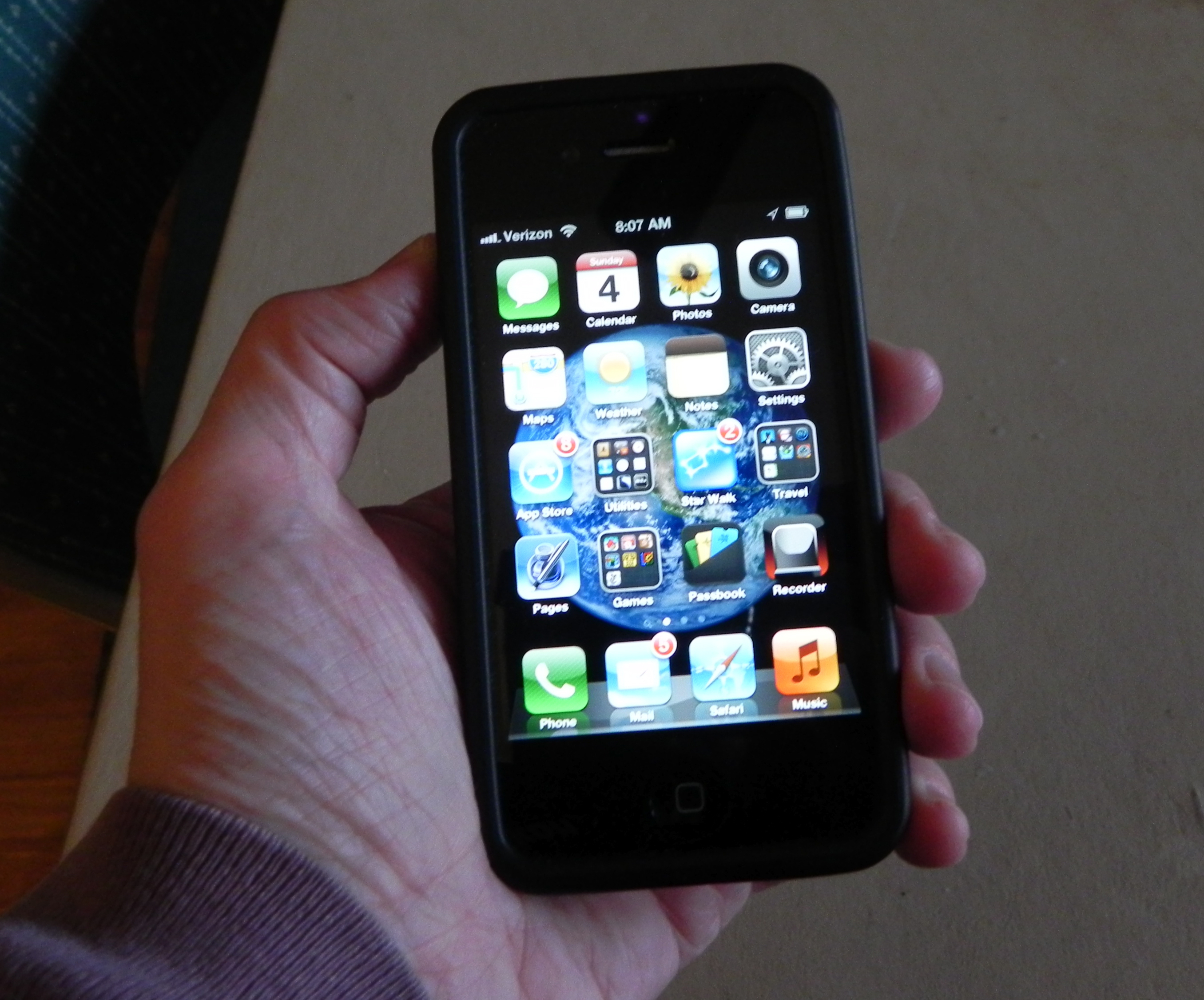
Then my wife noticed her phone could act as a wifi hotspot.  It felt like we were entering a new world of magic.  (And data bills.)  The laptop could covert the G4 that her iPhone could receive into wifi.  It wasn’t ideal, because we have three people who want to use the internet.  With old tech.  All because one component of RCN’s complex system has x’s for eyes.  We had to play Wordle through her phone.  Watch Project for Awesome (it supports charities!) through her phone.  I don’t know, maybe we are even breathing through her phone.  Once in a while I interject a note of caution regarding technology.  This blog post is brought to you by my wife’s phone, acting as an internet hotspot, before anyone else awakes this Saturday morning.

Ancient history!

Routine Change

A certain type of mindset thrives in routine.  Perhaps you’ve noticed that these posts appear each day about the same time.  This happens because the routine states that work comes next and it will be largely the same day after day after day.  After work there’s also a pattern until I fall, exhausted, into bed.  Hit repeat.  In the midst of this routine change has crept.  Partly it’s the pandemic, but mostly it’s technology.  And spending habits.  People don’t buy academic books like they used to.  Overall books are booming—so much so that paper shortages aren’t uncommon.  In order to try to keep up with electronic lifestyles, publishers have to integrate the newest technology and to do that everyone has to learn far more tech than technique.  The pace of change is dizzying.

For those who thrive on routine, such rapid-fire alterations make it feel like we need a personal change manager.  “How do I do this now?”  The way we’d done it for years has suddenly shifted and it is only one of many moving parts.  Meanwhile, outside work, other aspects are shifting even as many people still survive without computers at all.  We’re left, those of us tied to routine, in a haze of uncertainty.  It’s like that dream where you’re driving and you can’t slow down but you can’t see out the windshield either.  To make it through we look for routine.  I type this posts on a laptop.  I prefer to write things out by hand, but there’s no time for that any more.  The routine has been broken and the shop that repairs it has gone out of business.

Perhaps this is a malady of those of us who look to the past.  Technological changes used to be measured in centuries, not seconds.  Ancients thought a spout on a jar was a pretty rad invention.  For a hundred years.  Maybe two.  Now if you don’t buy a new iPhone every couple of years you’re hopelessly outmoded.  What was my routine again?  I still awake at the same time and begin each day with writing.  I’ve learned to do it via laptop.  Then it’s to the work laptop where updates seem to be loaded daily and I’m the dog chasing that stick now.  I wonder whose vision we’re following?  Technology’s in charge now.  The rest of us mere humans should be able to get along, as long as we establish a routine of routine change.


The Cost of Content

Those who don’t read this blog (you, my friend, are in a rarified crowd) aren’t aware of my antipathy to tech for tech’s sake.  Many people mindlessly go after the latest technology without stopping to think of the consequences.  I was reluctant to get a cell phone.  Not a decade ago I got along fine without one.  When I finally succumbed, I found I didn’t use it much.  I still don’t.  Nevertheless, many have charged ahead.  It’s not the first time I’ve been let behind.  I recently wrote about an organization I joined that unilaterally decided to make all members sign up for Slack.  “It’s better than email,” they said.  What they didn’t say is that it doesn’t replace email.  In fact, what it does is gives you yet another communication medium you have to constantly check.  Why?

Not that long ago—a year or two perhaps—it was recommended that you ask people what their preferred form of communication was.  Phone call?  Text?  Email?  Well, my cell phone plan charges by the call and text so please don’t use that.  My preference, since about the last century, has been email.  I check it regularly and I respond as long as emails don’t get buried by others on top of them.  What did my organization do?  Went to Slack.  How long, I ask, will it be before advertisers and others figure out how to do the Slack stack?  How long before a new technology (giddy giggle) comes along and we all have to do that instead?  I’ve lost track of the number of software packages and apps I’ve had to learn for work.  Several dozens at least.  What suffers?  The content does.

Now I get three or four, or nine or ten Slack notifications a day, through my email. (My computer has no room for a nw app.)  It has compounded the premature burial issue I’ve got.  That email that arrived just yesterday is now on page two.  When will I have time to navigate to it?  I guess I’ve been slacking off.  So now I check my email to see if there’s another system that I have to check to find out someone wants to contact me.  I miss the days when humanity drove communication instead of technology doing it.  Learning some new system isn’t always the solution to complex problems.  Or at least we can find out the preferences of the individual before making them learn (and probably eventually forget) a new communication system.  It seems to me that we should be spending actual time on the content of the communication itself instead of playing with new toys.