Old-Tyme Religion

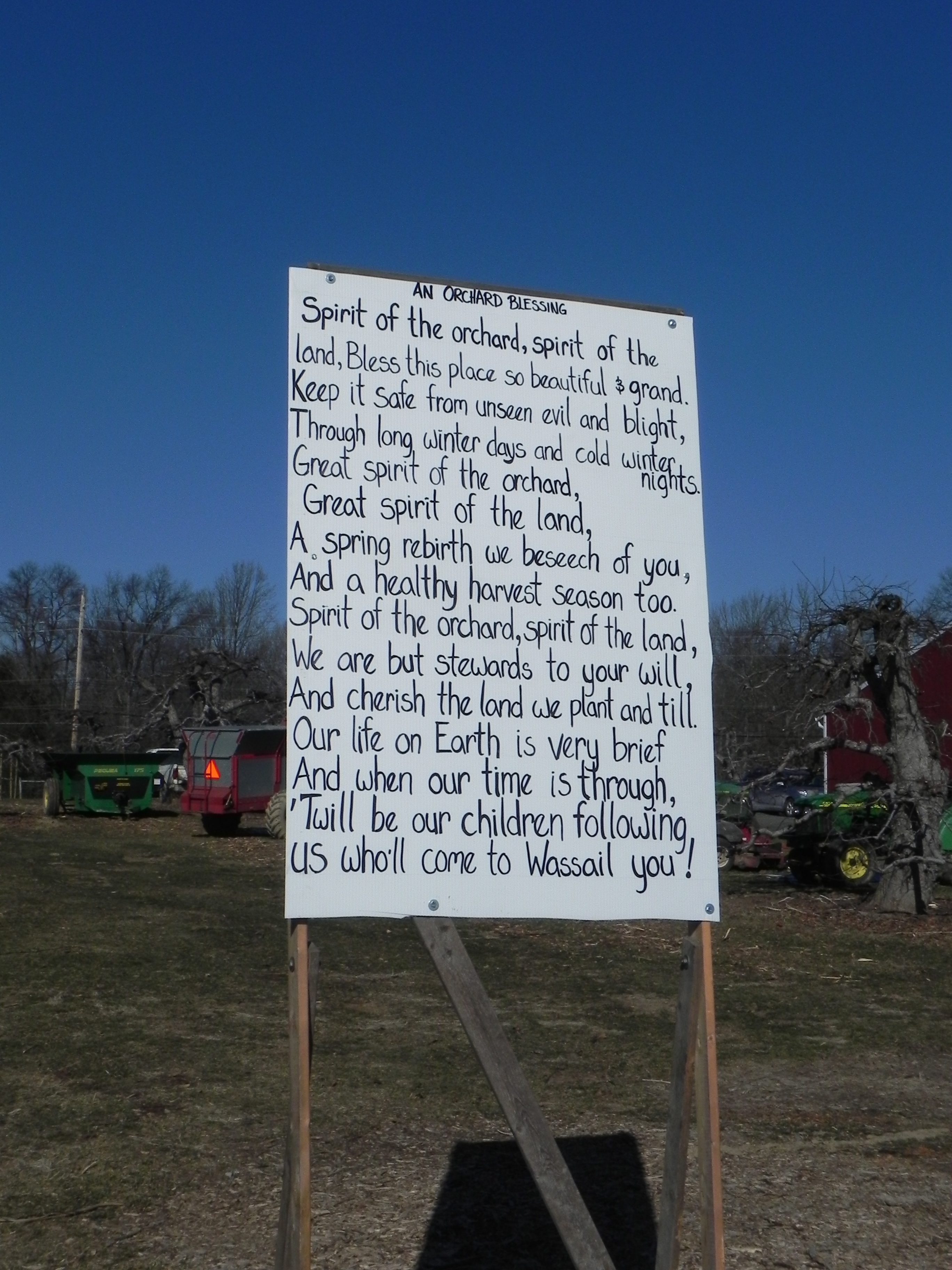
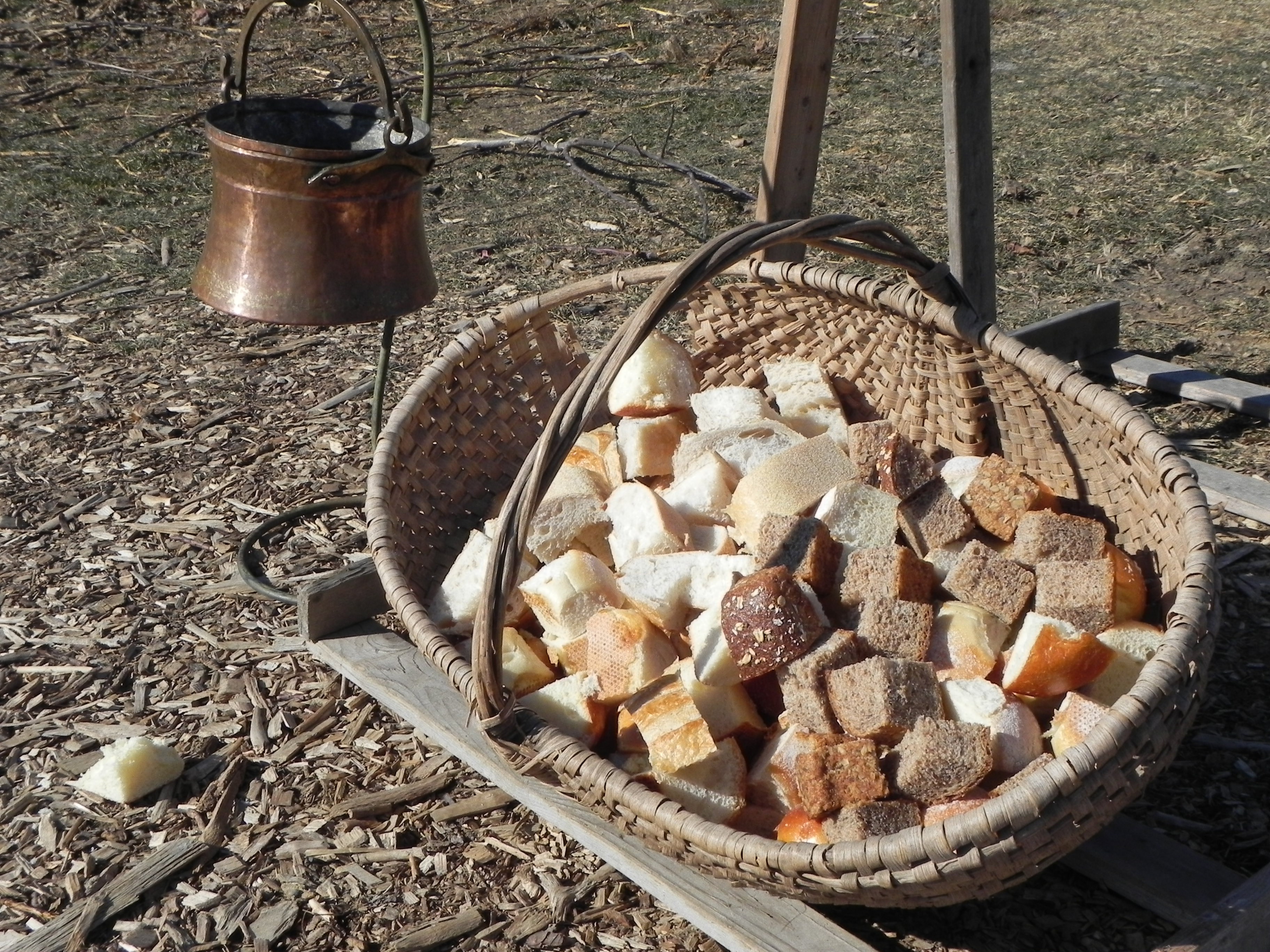
Run, two, three, jump, slap, run, two, three, jump. I can’t believe that I’m Molly dancing on a January afternoon with total strangers and it’s just over freezing out. And my big brother’s on the side watching me mess up every step. It must be wassail season again. In a festival that always reminds me of The Wicker Man (1973, please!), I visited the 16th annual wassailing of the trees at Terhune Orchards on Sunday. Molly dancers and Morris dancers, or Mummers, from Philadelphia help make this occasion festive. The ceremony of wassailing the trees clearly has deep pagan roots and is influenced in some respects by Christianity. We sing a wassailing hymn (one that many would recognize from Christmas time), say a wassailing prayer, make a loud noise to drive the demons from the trees, dunk bread into a pail of cider and hang it from the trees. Another festivity involves writing a wish on a slip of paper and burning it in the fire. My wish from last year came true—I can’t say what it is here—giving it a success rate better than some prayers.
DSCN2639

Watching this year’s wish rise up in the smoke, I have high hopes for the apples and dreams.

Christianity owes much to various pagan traditions. Often we don’t see it because Christianity (and many religions, actually) tends to absorb former beliefs and practices, “baptizing” them when it can’t expunge them. Pagan gods have often become saints, whether they want to or not. When the Christianity is peeled back there is a very human charm underneath. We worry whether the fruits will return, whether the days will get longer, or whether the cold will ever break. There are powers that exist outside our grasp, and call them Christ or call them spirits, we want them to be on our side.
DSCN2638

Throughout Europe and much of the rest of the Christianized world, the pagan traditions are called “the old religion.” Religions like to claim antiquity as part of authenticity. In fact, the earliest religions were surely shamanistic and very earth based. Revealed religions claimed to supplant much of what people did to ensure the continued regularity of nature. Even though we know the earth is spinning around the sun and that the tilt of its axis makes for seasonal change. I know that whether or not I dip bread into cider and jamb it onto the bare branches, even if I don’t shake the noisemakers to frighten the demons, the apples will grow. But we are all human too, and I’m only too happy to join the Molly dancers if only next summer the apples will come.
Disputed Parentage

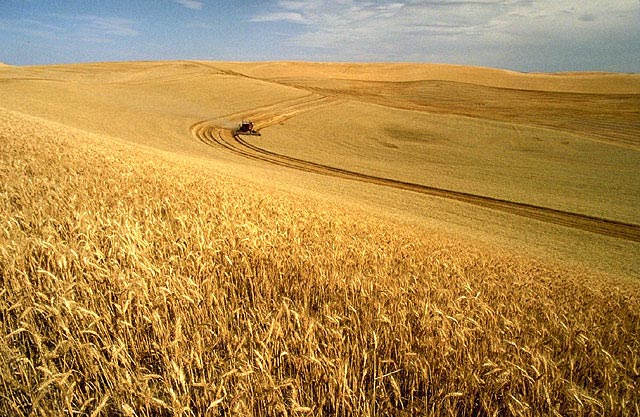
What has Athens to do with Jerusalem, Tertullian famously asked. Much, seems to be the rhetorical answer. Today, August 1, is Lammas. It is said to commemorate the wheat harvest and Lammas is taken to be derived from Anglo-Saxon hlaf-mass, or “loaf-mass.” Beneath this apparent Christian celebration is the pagan festival of Lughnasadh. I’ve posted on Lugh before, but holy days are often seasonal, and it is time to consider Lammas again. Lammas is the last of the cross-quarter days that divide the European pagan year. Some communities bake bread to celebrate it, sometimes in the shape of a person (those of you who’ve seen the original Wicker Man know what I mean).

Christianity was born a persecuted religion that grew to be a persecutor. Deeply rooted pre-Christian traditions were eradicated or sublimated in the growth of Christendom. The modern pagan movement may not have an unbroken line of tradition, but it is a tradition that has ancient antecedents. What Christianity could not conquer it assimilated. Much of what became Christianity derived from Judaism. Much of Judaism had its origins in folk religions of ancient Western Asia. In its European context, Christianity adopted the heathen traditions that fit within the pattern of Christian thought. Agricultural celebrations quite frequently matched events in the imperial religion. Or, if no so events existed, new traditions were invented. It is quite plain that that is why we celebrate Christmas in December.

Why is it that Christianity has so vociferously disavowed its lowly parentage? Being a chthonian religion should be no mark of shame. What is wrong with different but equal? Many people fear and despise those who declare themselves pagan, but paganism is a religion like any other, concerned with morality, justice, and living in accord with the power “out there.” So as August wends its way into the calendar, and the earth begins its inevitable tip towards lengthening nights and the cooling of the days, we might do well to consider Lammas. Whether from the Christian angle of Saint Peter in Chains or from the Pagan angle of Lughnasadh, Lammas is a time to eat bread and reflect, two of the most human of activities. And perhaps with thought will come tolerance.


Bookends

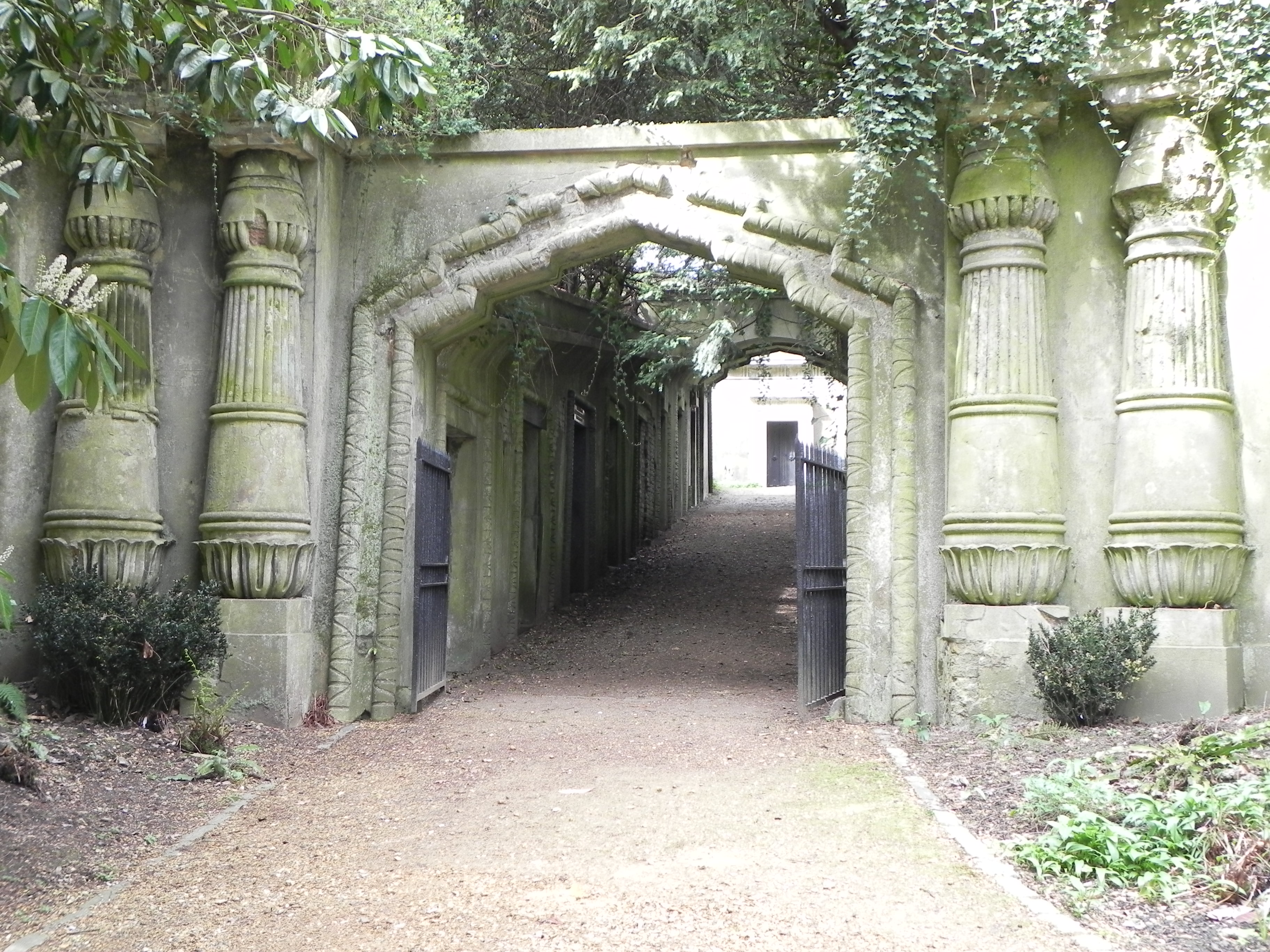
There is something extremely satisfying about bookends. Bookends are those events that bracket moments of our lives and give them a frame, a perspective they would otherwise lack. If my readers will indulge my recollections of my trip to Britain for a day or so longer, some of this may become apparent in esoteric ways. Our kind hosts in London live in Highgate. Our first bleary-eyed morning in the city we wandered to Highgate Cemetery. This burial ground is divided by Swain’s Lane and that makes it frightfully convenient to charge separate admission fees for the two halves. Both, however, are worth the pounds dropped to gain entrance. Our first visit was via tour group on the western half of the grounds. The ornate—indeed grand—architecture of this necropolis bespoke the mysterious connection between the living and the dead. Tycoons are buried there, as is the non-conformist Michael Faraday, a name that lingers on from my childhood physics classes.

Highgate Cemetery West

Just before leaving to board our flight back to the States, we completed the bookend by visiting the eastern half of the cemetery. Here the most famous residents seek eternal rest. The most famous of the dead on this side is Karl Marx. Visitors speaking Cyrillic or Sinitic languages milled about, but even an American idealist might find some grounds for admiring a man who felt deeply about the plight of the workers in society. Just across the lane lies Herbert Spencer, one of the founders of sociology. Less than two minutes will take you to the grave of Mary Anne Evans, known to the literary world as George Eliot. She is not far from Douglas Adams, inventor of the Hitchhiker’s Guide to the Galaxy. Across the path from Adams rests Anthony Shaffer, writer of both Sleuth and of the screenplay of The Wicker Man.

Highgate Cemetery East

Perhaps it seems macabre to travel such a distance only to bookend a visit with treks to Highgate Cemetery. Death, however, is the ultimate bookend to life, with each generation shoring up those that come after through its unique perspective on what has brought us here. Not even a visit to Westminster Abbey is complete without paying respects to the most noteworthy of the Brits found both within and without its walls. This trip to England will remain in my memory as the pilgrimage bookended by the solemn parentheses of death. With such august company, however, one might have less to fear from that final veil that all must face.