
An insidious force far more devastating than it’s generally given credit for being, religious rhetoric is one of the oldest tricks in the book. With all the news about Osama bin Laden’s death, one can’t help but to think of his former rhetoric laced with religious archetypes on how his personal enemies were allied with the raw forces of evil themselves. Religion often has little to go on beyond rhetoric. The high point in many religious services is the sermon, a piece of individually crafted rhetoric sometimes claiming divine authority. The average person in the pew has no experience or knowledge of how the preacher comes by his or her secret knowledge. With eternal stakes in the scales, they are taught simply to accept what is a modern word of God. Those of us with long experience at seminaries know those who teach homiletics, we’ve learned the craft, and we keep the secret within the guild. The secret is that these words are simply rhetoric.
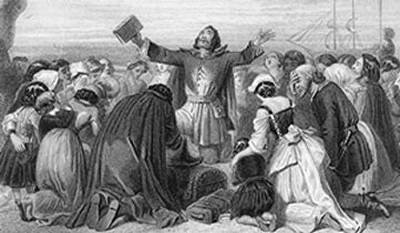
Rhetoric aplenty
Some denominations prefer their clergy seminary-free, inspired mavericks who hear directly from God. Their rhetoric may be even more flamboyant, not having been tempered by critical study of their scriptures. If even one of these dissenters is speaking truly, then all the others are wrong. The preacher with the mightiest rhetoric gets to take all the marbles and go home the winner.
Rhetoric is not evil. Religious rhetoric, however, often tears families apart – ripping friends away from those they once loved – because we undervalue its power. Education in the humanities (and rhetoric is about as human as one can get) is underfunded and devalued. Better to teach kids how to make a quick buck. Sadly in paper after student paper among the denizens of higher education the inability to recognize, interpret, and apply rhetoric is painfully evident. These kids run whirlwinds around their instructors in technological knowledge and ability, but can they write a sentence to move or stir a teacher, let alone a crowd of accepting followers? No matter, there are those with religious rhetoric who are only too pleased to step up onto the vacant soapbox. Without the critical ability to recognize what they hear, the masses will follow.
 Steve A. Wiggins
3 thoughts on “Rhetorical Criticism”