
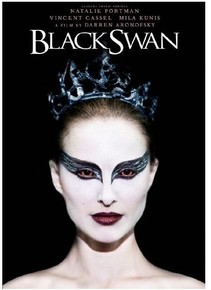
 In a somewhat rare move, I watched a film that was released less than five years ago this weekend. Black Swan is difficult to classify since it crosses so many genres with relative ease and it left me strangely reflective. Although called a “thriller,” the frenetic pacing and sense of outside menace of most thrillers is lacking. Black Swan includes some horror elements, but little in the film defies rational explanation if Nina Sayers is really going insane. The underlying story, however, is something that every religion would recognize—the need for transformation. Even before John Calvin dreamed up the laughable doctrine of total depravity (and for any Presbyterian readers, I was predestined to write that), all religions have at their heart the concept that people need to change. Sometimes the transformation is subtle and gentle, at other times fiery and dramatic. If you end life the same way you began it, you are a religious failure. This premise lies behind every movie where a character transforms into something else, be it werewolf, Mr. Hyde, Mrs. Doubtfire, or a wereswan.
Our perceptions of who we are cause us considerable introspection. Nina Sayers is a timid yet ambitious girl, living with her mother yet wanting to be the seductive black swan. She really doesn’t comprehend what she is wanting to become, but she knows that it must be better than what she presently is. Again, the parallels with religion are striking. I have known good people who’ve transformed into black swans under the influence of noble religions such as Christianity and its monotheistic siblings. People who have become intolerant and judgmental, insisting that their way is the only possible correct way. In the mirror they see a white swan, but the audience sees the black one.
Black Swan is heavily symbolic and provocatively mythic. Like any honest account of life it refuses to provide any definitive answers. Since each experience we undergo leaves its mark upon us, we cannot help but transform. Volition, however, can lead us toward paradise or perdition and any ambiguous place in between. Is the Nina Sayers dying on stage the greatest sinner of all, or a saint who has been beatified as fully human? The answer to the riddle the film stubbornly refuses to relinquish. So it is with life. We will transform over its course. Religion will declare whether it is good or bad, right or wrong. At the end of the script, however, we are both the white and the black swan.
 Steve A. Wiggins