Powerful Movies

PowerOfMoviesOur friends were shocked. I don’t even remember the title of the movie, but they couldn’t believe we had gone to see it. Not because of the content of the film, but because it had been shown on a Sunday morning. Why hadn’t we been in church? This was back in Edinburgh when we had very little money—wait, we still have very little money. This was back in Edinburgh, and we had won free tickets to an early screening of a new movie. The showtime was on Sunday morning. So in our own version of weak-willed athletes from Chariots of Fire, we’d skipped church to go see the movie. I don’t remember the title and I remember very little of the film. It had something to do with Richard Wagner and a conductor. An art film. We didn’t really feel too guilty missing church to go, since at the time, it seemed like a rare opportunity and the movie was, in some sense, religious. Or at least mythological.

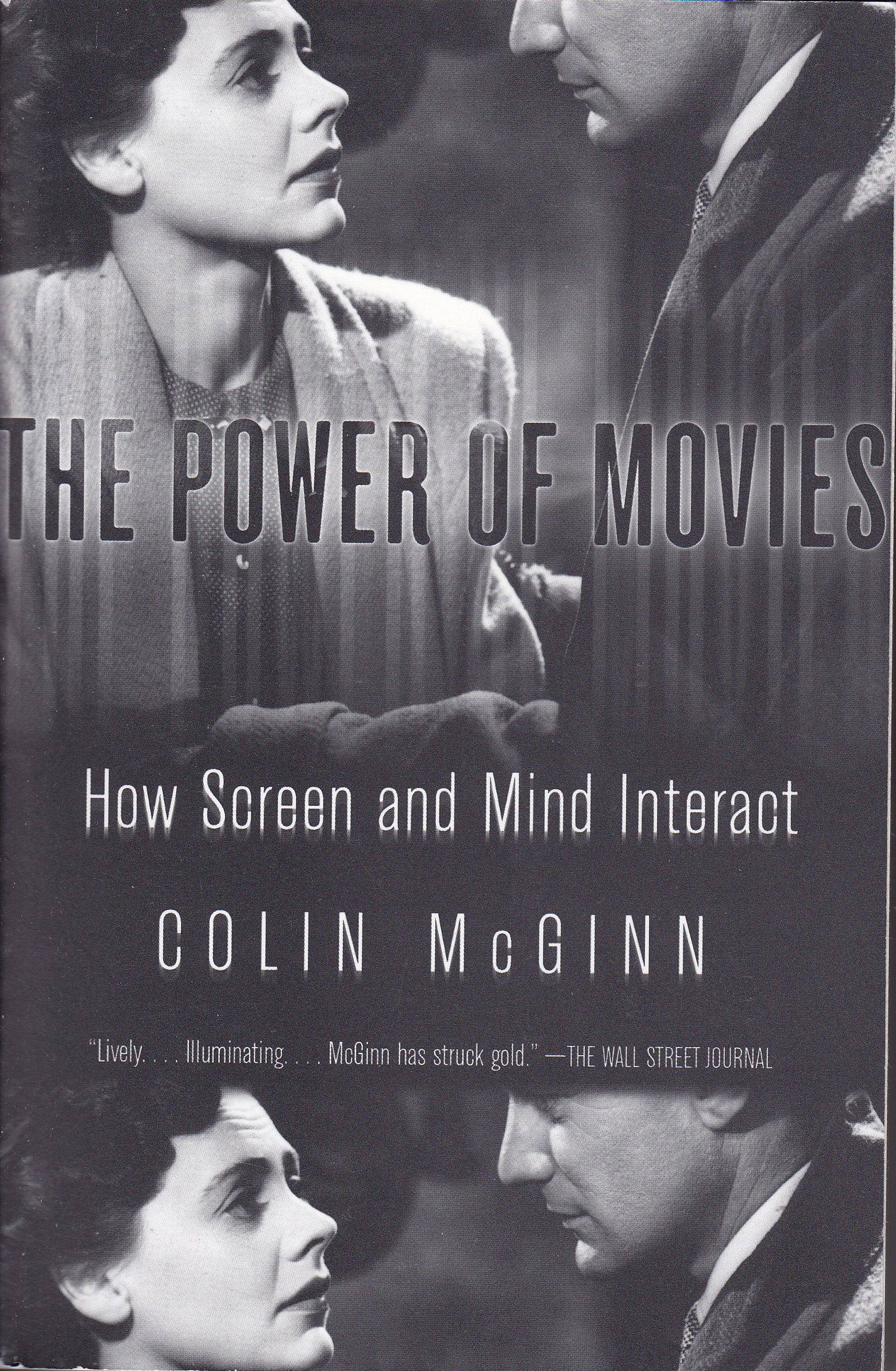
Movies have a way of really influencing people. Thus it has been since the invention of the art form. We’ve all had the experience, I suppose, of a movie hitting us with a profound impact. It never really occurred to me to ask why. That is, until I read Colin McGinn’s The Power of Movies: How Screen and Mind Interact. I’d always thought that movies were simply a successful form of entertainment, and scholars seldom take entertainment seriously. As McGinn makes clear, there’s a lot more than casual watching going on when we slip into the theater. As a philosopher, McGinn is duty-bound to look beyond the obvious. Time after time in this profound little book I found myself pausing to consider the implications of what he says. Ultimately, he suggests that movies access the same areas of the brain that dreams do, not only giving them dreamlike qualities, but also making films emotional experiences like dreams.

At one point, McGinn draws explicit connections between going to church and going to a movie. Beyond the superficial aspects of a darkened building with a performance meant to impact a person, there are clear parallels between going to the theater and going to church. Both can be transformative experiences. The Power of Movies is a powerful little book. As much as we like to think that we have custody of our minds, the realm beneath the surface—that which gives us dreams and syncs with movies—has more influence on us than we’d generally like to admit. More and more, scholars are beginning to realize that films do have a profound impact on viewers. This is not just entertainment. It may not be worship, but after reading McGinn I think it might not be too far from it. The mind able to dream, after all, is a mind that’s truly free.
The Boy on the Bus

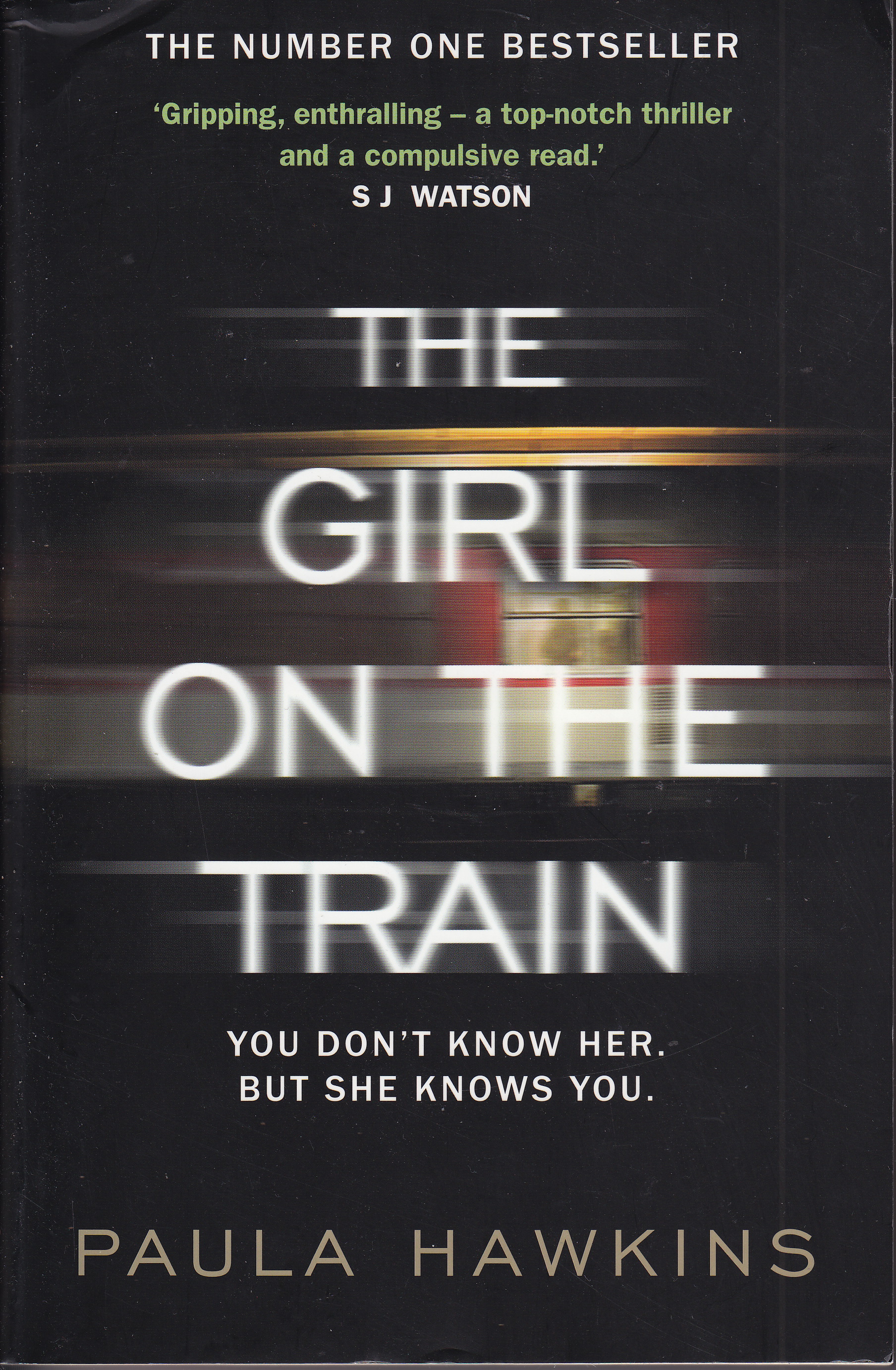
GirlOnTrainCommuting by bus isn’t the most efficient way to do research. While mostly I read non-fiction related to my research interests, monographs are difficult because of the concentration required and the constant interruptions of the road. Journal articles are, still, jealously protected by university libraries so that you can’t access them without an account. So once in a great while I read a novel on the bus to forget it all. I’d heard people talking—literally—about Paula Hawkins’ The Girl on the Train. It is a story about a commuter, and my wife was kind enough to give me a copy for my birthday, so I recently climbed on board to read it. The problem with reading fiction on the commute is that it is difficult to clear your head to negotiate the streets of the city when you’re done. You’re in an imaginary world for a while after you put the book in your bag. The nice thing is you can’t wait to get back on the bus to read some more. It makes commuting bearable. Almost pleasant. Especially when the protagonist’s commute is worse than yours.

I won’t throw any spoilers into this post, but I think it’s fair to say that the story involves trying to find a murderer. It is also a story about adultery. In fact, without adultery there would be no story. I seldom turn to novelists for a course in morality, but The Girl on the Train does have an underlying message that rings true: honesty is crucial for a civil society. The small cast of characters in Hawkins’ book have difficulty being honest with others and with themselves. This makes for a gripping ride, of course, but I couldn’t help thinking throughout that if people were honest the situation would never have occurred. Of course, then there would be no story. And I would’ve had to read something else on my commute.

My reading over the past few years has intimated that something about civilization has put a tremendous strain on people. Whether it is the constant pressure to increase productivity while time off is being stolen by ease of access (cell phones work in the middle of the woods. You can get your email while on a plane), we are never really offline. Our relationships, once the defining factor of who we are, have now become diversions from the time off work. Morality has reverted to what you can get away with. I can recommend The Girl on the Train for those struggling with a long commute. Once in a while I’d look up, surprised to find how fast the trip had gone. It might also give the reader pause to consider the larger implications. Honesty is an undersold virtue. Without it, this civilization we’ve built, and continue to build, cannot long last.


Spirit of Nature

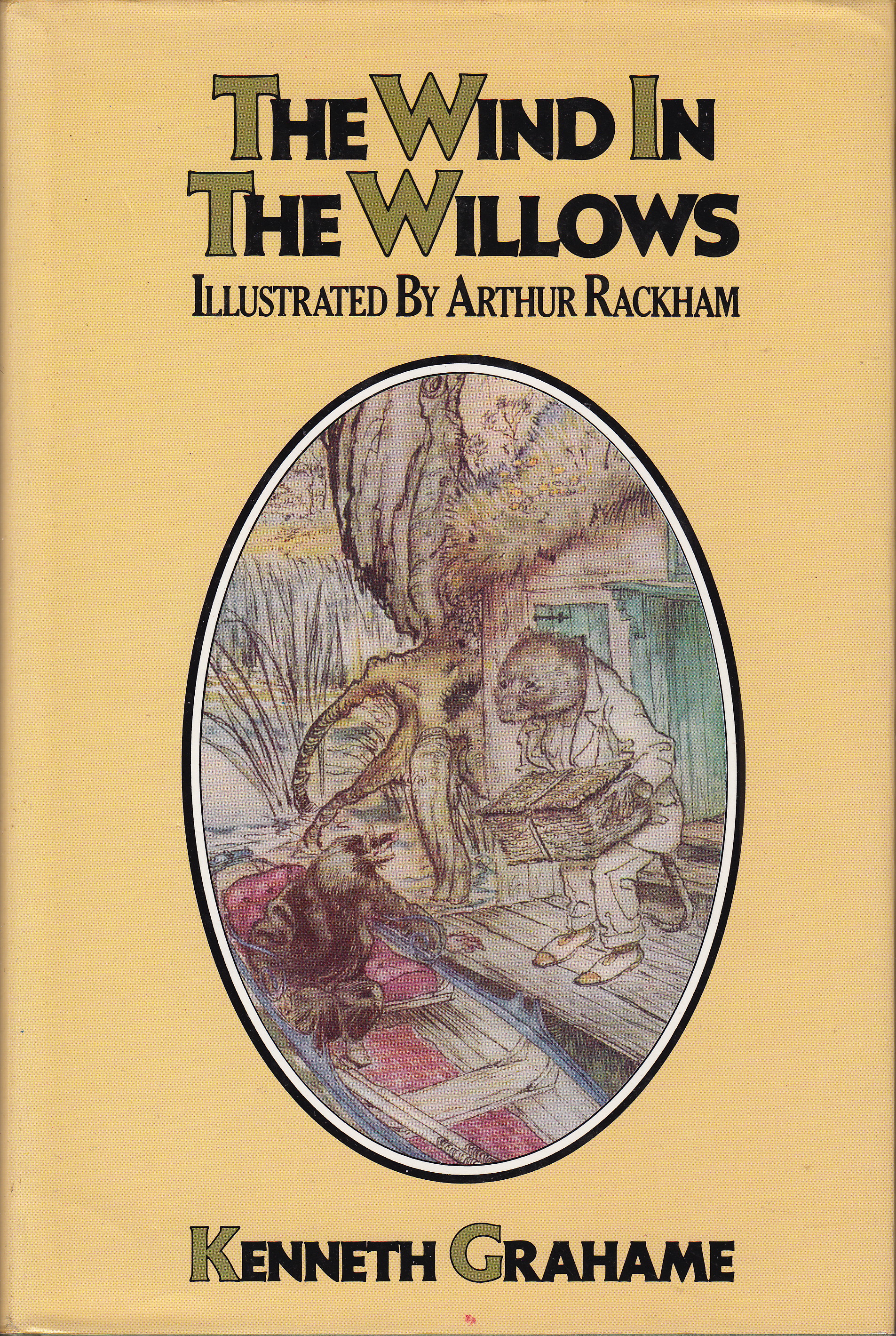
WindInWillowsThe Wind in the Willows, Kenneth Grahame’s children’s classic, was a book I first read during my doctoral studies. In the UK professors are likely to be able to cite A. A. Milne and the fictional bits of C. S. Lewis as well as the current academic stars. Of course I’m over-generalizing. In my experience, however, I met many wonderfully rounded professors and I tried, during my too-brief stint in academia, to emulate them. My wife recently read The Wind in the Willows to our college-aged daughter and me. As I’ve mentioned before, we’ve had an accord for all our married life that I will wash dishes if she will read to me, and we have read well over a hundred books this way, from children’s titles to scholarly tomes. From my perspective, listening to a book read adds a layer of meaning to the text. The cadences, the intonations, and the editorial remarks all lend texture to the experience. I had quite forgotten, as it has been years since I’ve read the book myself, about the mysterious theophany in chapter 7, “The Piper at the Gates of Dawn.”

In a passage that is almost overwritten for today’s youth, Rat and Mole, in search of Otter’s lost son, encounter Him out on the river. The language is reverent, and languid. The two animals come upon a horned deity who is not named, and fall in worship. The fact that he has pan-pipes makes Pan an obvious candidate, but the description also reminds me on this autumnal equinox of Cernunnos, the horned god. The spirit of nature. I feel myself trapped in a world of cubicles and drywall and money. Who wouldn’t fall at the feet of even a pagan deity offering release from such shackles? We have allowed ourselves to be trapped here. We have bought into the system that enslaves us. “There is nothing—absolutely nothing—half so much worth doing than simply messing about in boats.” Rat is my preacher; I am his acolyte.

Nature reminds us that we are evolved creatures and that civilization comes at a great cost. I never feel so alive as when I’m walking in the woods. I don’t pretend that I could survive alone, but having a position that requires growing heavier at a desk day-by-day feels out of sync with what I grew these feet to do and these eyes to see. Manhattan is a wonder, to be sure, but it too comes at great cost. Nashotah House was not a problem-free place, by any stretch, but it was in the woods. The trails on and near campus could restore a soul in the way chapel could never nearly approximate. So it seems appropriate to slip The Wind in the Willows onto my bookshelf next to my Bible, and to slip outdoors for one last untrammeled moment of summer before autumn begins.


Soaring Prophets

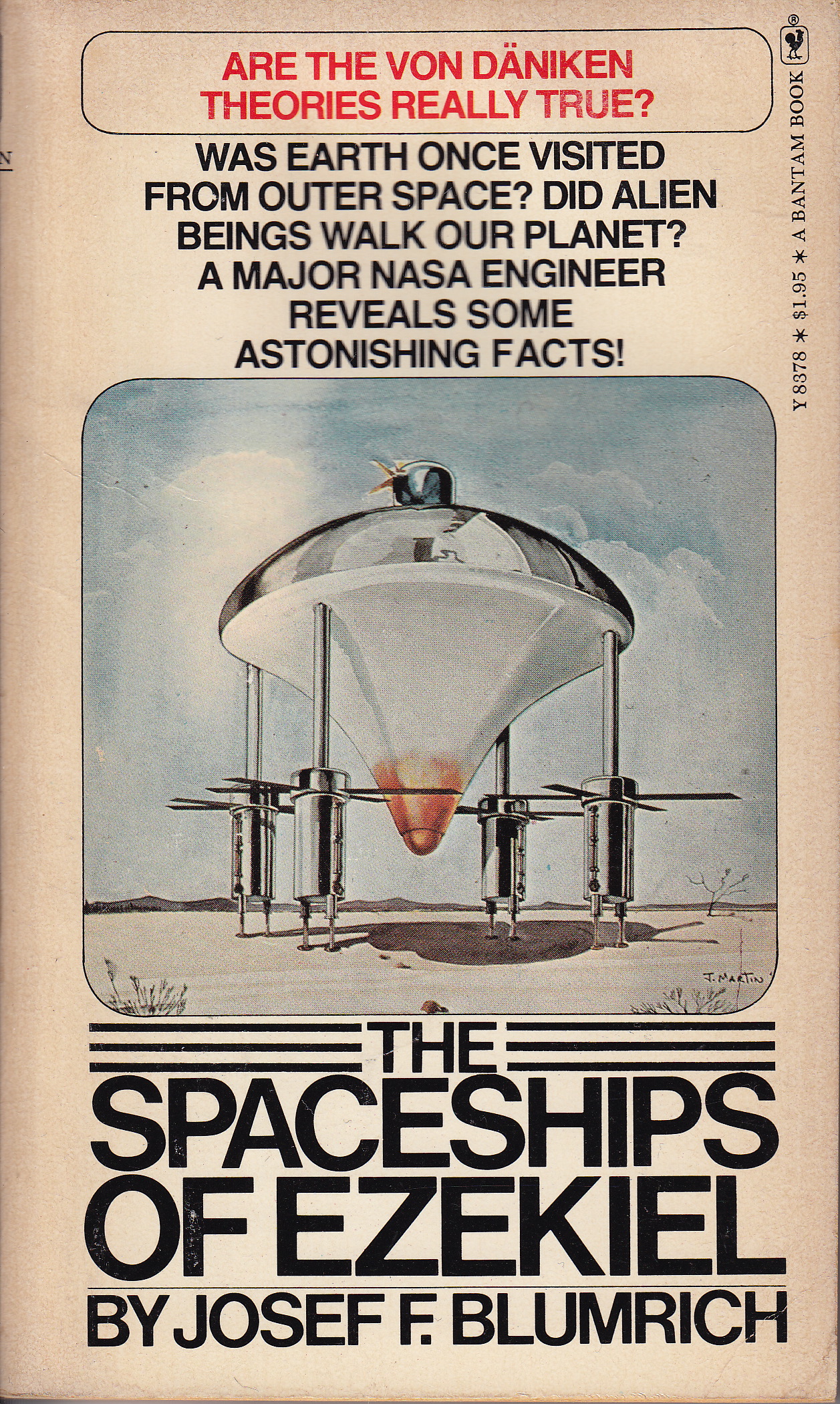
EzekielSpaceshipOkay, so I pulled the book off the shelf, and I feel now like I need to read it. Call it an occupational hazard. Josef F. Blumrich’s The Spaceships of Ezekiel, despite its von Däniken-like sales, has never been taken seriously by biblical scholars. Blumrich, no doubt a brilliant engineer, simply had no street cred among biblicists. His handling of biblical passages is awkward and he leaves out anything that really can’t be explained by his theories. Not exactly professional exegesis. He suggests, of course, that the “chariot” vision of Ezekiel was, in fact, a spaceship. The figure Ezekiel assumes is God is actually a commander of the ship and the message (which accounts for the vast majority of the book) really doesn’t matter in this context. In my earlier post, having not read the book then, I made the error of supposing that the helicopters were impractical in space. Reading it, I instantly saw my error. This was engineered as a landing craft from the mothership circling the earth above our heads. Boy, do I feel stupid now.

The overall mistake Blumrich makes is the “unforgivable sin” of eisegesis. Suspecting that he has a well-engineered spacecraft on his hands, he draws out the implications—such as the propellers—which would not be necessary, but must be there because of a “literal” interpretation of Ezekiel. Once the eisegesis is done, it can be used to explain further episodes throughout the prophetic book. The message of Jerusalem’s destruction and the hopeful prospect of a return from exile get lost in the space dust raised by these propellers. Blumrich was quite right, however, that technical people and humanities people need to be willing to learn from one another. Ezekiel may have seen something unexplained, but his function was that of a prophet, and prophets say the strangest things.

Even more odd, from my unprofessional reading, was the sense that Blumrich saw capitalism as the default economic system of the galaxy. Time and again he mentions how expensive such interplanetary travel must have been. How do we know, I wonder, that aliens like to exploit each other as capitalists do? If they are a more advanced species, surely they must have an imagination that reaches beyond one percent controlling 99 percent of the wealth to aggrandize themselves. I can imagine a society without money. A society with fair trade where everyone is cared for by medical individuals who don’t charge an arm and a leg to treat an arm and a leg. A world where doctors don’t worry about being sued by lawyers. A world where dreamers are free to dream and society values it. Ah, I’d better be careful since, it seems, I may be beginning to sound like a prophet.


Galileo’s Tool

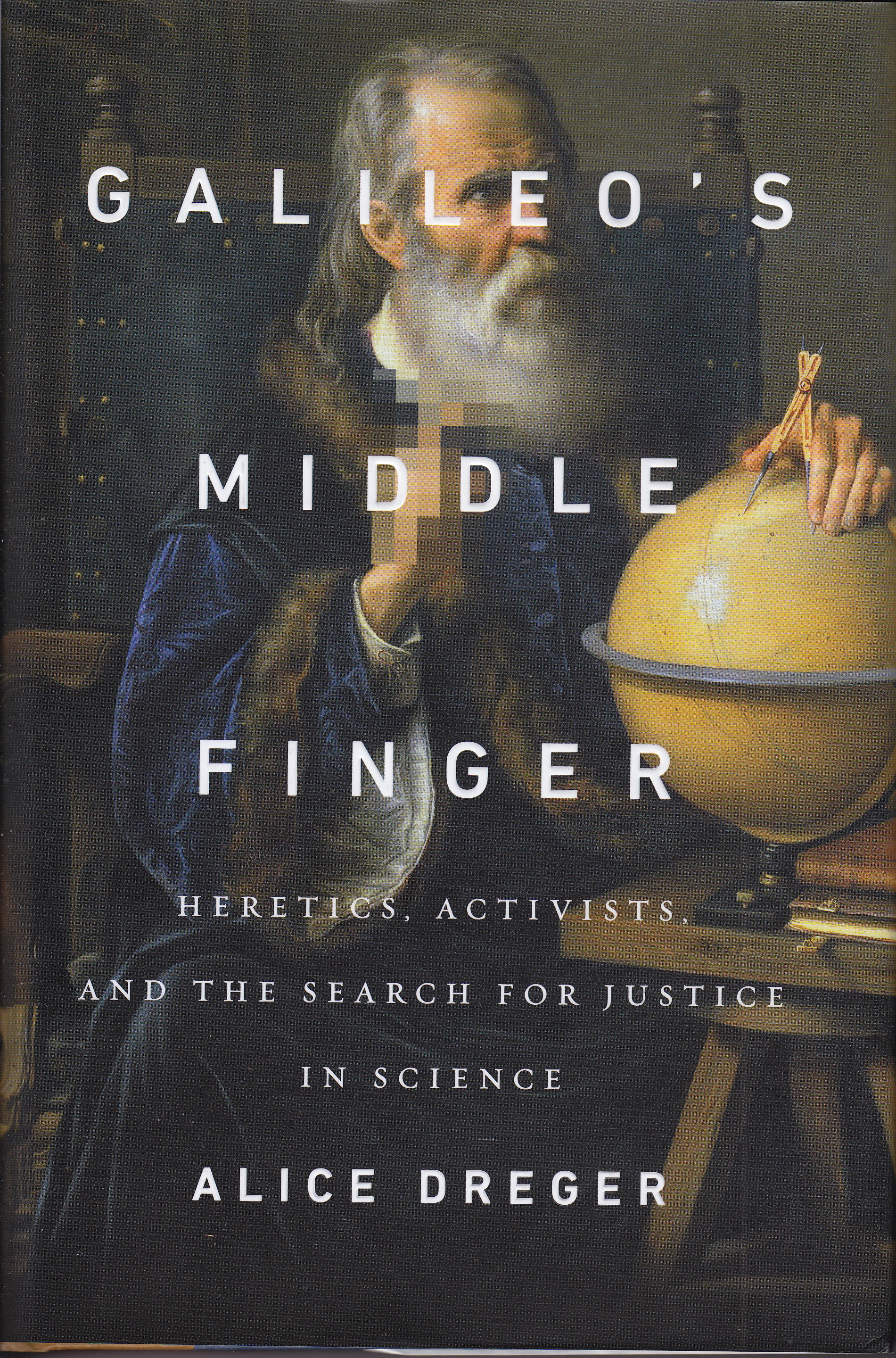
GalileoMiddleEarly in my academic career I got into trouble not because a Harvard professor hadn’t adequately checked his data, but because I had pointed out that a Harvard professor hadn’t adequately checked his data. You see, I was a naive realist. I believed academics were objective, factual sorts who looked for the truth no matter how uncomfortable it was. My honesty didn’t earn me many friends, and I still can’t mention this professor by name because I have seen grown men melt into tears at his name, due to their overwhelming loyalty. By contrast, a fellow Edinburgh student once told me that he disagreed with our mutual dissertation adviser, “on principle.” As the old saying goes, nullius in verba, take nobody’s word for it. Reading Alice Dreger’s Galileo’s Middle Finger: Heretics, Activists, and the Search for Justice in Science drove home a number of important points, one of the most memorable being that academics take real risks when they won’t fudge the facts to fit the establishment’s expectations.

Although this autobiographically revealing book is about as honest as a writer can be, it deals largely with issues of social justice in the context of those who “don’t fit.” Intersex individuals, especially, are treated before they can give consent and live their lives based on other people’s expectations of what their gender “should be.” Like most people I was raised thinking there were only two genders. Science has consistently demonstrated that “gender” is a construct that occurs along a continuum. Some species change gender in their lives. Some have such complicated reproductive techniques that far more than two genders are postulated to make sense of it all. And yet, when it comes to humans, we suppose that we’re either female or male. And religions consistently claim that any sex outside those parameters is evil. We are so naive.

Dreger focuses her attention much more widely in this important book. She shows how universities, constantly becoming more corporate, often don’t support research that challenges their investments, or “branding.” She demonstrates first-hand the character-assassination that academic snipers use so well on those who follow the evidence. She is living proof that education and activism should go together. Intricate and with bizarre loops and twists thrown in, her account of what some people will do to silence others, and get it peer reviewed, saddens me. I’ve always believed that education is the surest way to solve social ills. Education, however, is increasingly being purchased by special-interest groups that protect the establishment. The establishment may no longer be the church, but we need another Galileo, and soon.


Ezekiel’s Drones

Drones have become a fact of life. Our robotic future is already present as unmanned vehicles do the bidding of their remote commanders. They are our conscience-free assassins and our great UFO hoaxes. They offer a chance to view the world from an angle previously limited to those with access to airplanes and pilot’s licenses. And academics are now starting to take a serious interest in the ethics of such remote viewing and remote warfare. Human to human interaction has always involved emotion. That’s what we’ve evolved to be—emotional thinkers. Even animals react emotionally to each other and to us. The drone removes all feeling from the equation. Programmed to fulfill a function, like Hal, it simply does as it’s told.

EzekielSpaceship

All this thinking about drones reminded me of a book that someone pointed out to me decades ago. I have a copy that I’ve never read, but I suppose eventually I should. This post isn’t about the book per se, but about the cover image (yes, people do judge books by these). Some time ago, I watched a young person playing with a quad. That word is so ubiquitous that I need to specify that I mean quadcopter. Quadcopters are popular drones, available for children’s amusement as well as for military and industrial utility. Their arrangement of four horizontal propellers gives them stability and maneuverability, as well as their sometimes annoying mosquito hum. The quad I saw reminded me of this book gathering dust on my shelf. Josef Blumrich wrote The Spaceships of Ezekiel to suggest that the psychedelic prophet saw space aliens coming to earth. I wonder if, in the light of developments, this thesis calls for refinement.

On the cover of the book is something that looks very much like a quadcopter. Even as a teenager, I wondered what these propellers would do in space travel. If there’s no atmosphere to give them lift, then they are rather superfluous and potentially an impediment. I would think that aliens would be a bit more advanced. Now that quads are a reality—just a block from work I can see a toy store clerk regularly flying one over the streets of Midtown—maybe Ezekiel was seeing into the future. Is that something prophets ever did? The biblical scholar in me says “no,” of course. Prophets were forth-tellers, not fore-tellers. Even so, I have a book in front of me that calls my beliefs into question. In the end, I suspect, that’s what most books are intended to do.


Hunter-Gatherers

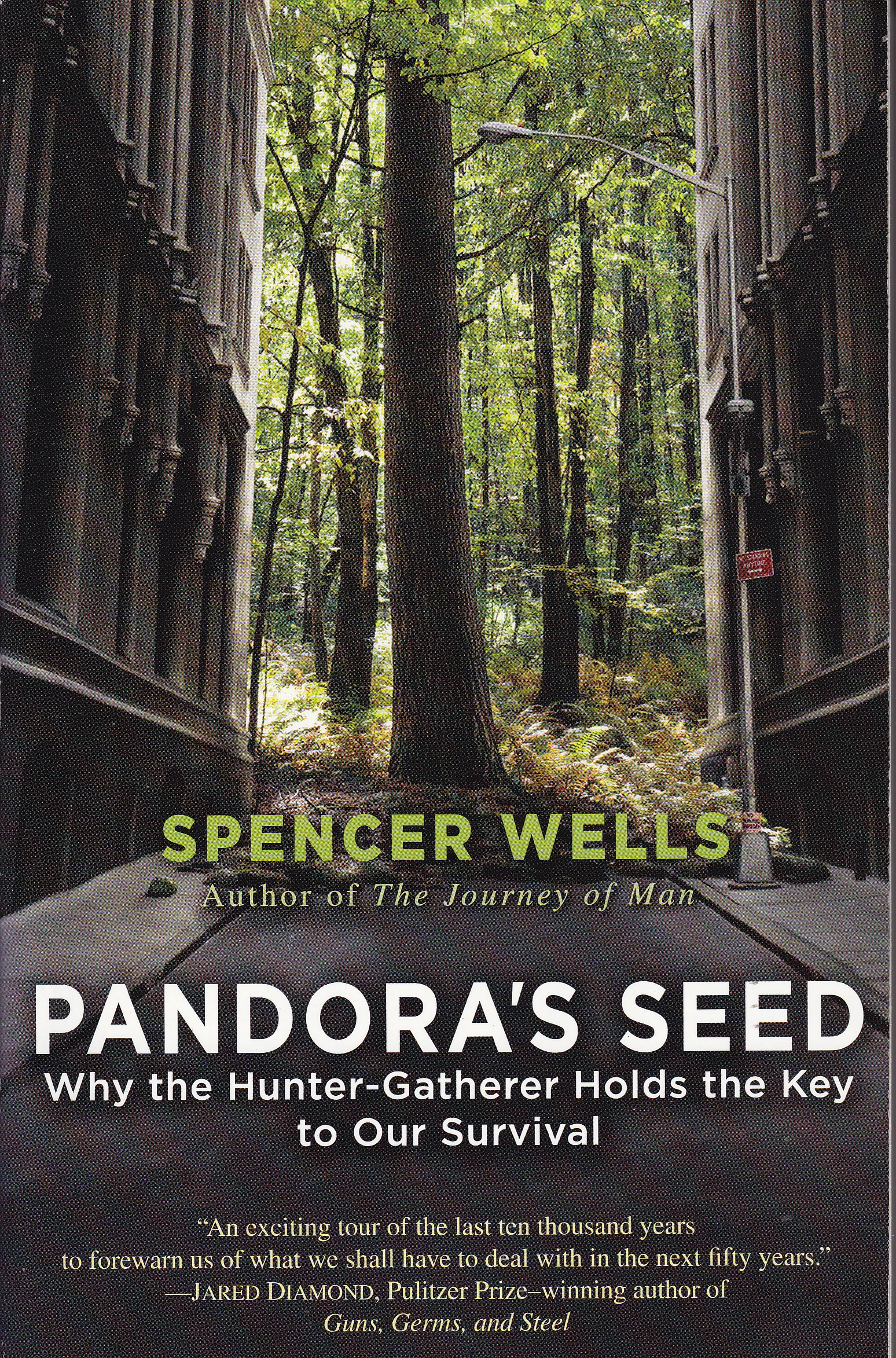
PandorasSeedEvery once in a while I put down my work long enough to look at where we are. It’s often a frightening experience. Not many of us would be equipped to survive the collapse of civilization, despite the many television shows that depict such future anarchy. I suppose that’s why Spencer Wells’ Pandora’s Seed: Why the Hunter-Gatherer Holds the Key to Our Survival was such a compelling book. The more anthropological studies I read, the more clear it becomes that “civilization” has changed us about as much as evolution has. If not more. We have turned into something else, a creature of our own making. Wells demonstrates throughout the pages of this book how, with the first development of agriculture, we began on a track that has made us less healthy, less happy, and more dependent on technology than we have ever been. True, life as hunter-gatherers was never easy. Still, it is telling that they have much more free time than agriculturalists. And, as far as we can tell, they are better-adjusted. They are doing what we evolved to do.

Addressing issues as diverse as from how our diet has changed to genetic engineering, Pandora’s Seed is a wide-ranging and fascinating book. It does show that technology far outraces ethics and our ability to figure out the proper response to complicated questions. We often lack the time to reason things out. And yet, we live in a world where mental illness is set to become the number two natural cause of death within this century. We are profoundly unhappy. We deny climate change although it’s evident all around us. We’ve put into place a global warming that will take a millennium to dissipate even if we stopped using fossil fuels today. We deny that it’s true, we go to dehumanizing jobs, and we eat food that’s not nutritious because it’s the kind we can afford. We lack time and motivation for exercise and disease takes hold. Such a lifestyle even affects our religion.

Tellingly, Wells’ last chapter deals with Fundamentalism. Noting that humans use both logos (logical) and mythos (mystical) thinking for a balanced view of things, fundamentalisms utilize a logos system to try to explain mythos. Violence often ensues. In order to be fully human we have to admit that rationality alone does not solve all our problems, or meet all of our needs. Some of what we require is simply not material. While Wells does not suggest reverting to hunter-gatherer lifestyles, he does suggest that the only solutions to a world of limited material goods (food, fossil fuels, fresh water) that the only way to make civilization sustainable is to learn to want less. Evolution predisposes us to gather more than we need, and certainly, to hear college career counselors talk, we have to want jobs that will bring in more, more, more. The world is becoming smaller, and people are demanding that the greed come to an end. Until that day perhaps the best solution for us all would be to take a walk in the woods and to remind ourselves how we came to be where we are.


The End of the Gods

RagnarokHovering somewhere between fiction and fact, A. S. Byatt’s Ragnarök: The End of the Gods is a compelling reimagining of Norse mythology. Starting in childhood, the stark and bleak icons of a world where even the gods die captured my fantasy in a way that the more real myths of my own faith did not. Like “Greek mythology” the tales of the Norse don’t come in an authoritative canon. Like the tales collected by the brothers Grimm they are bits and pieces that Byatt brings to life with honest description and the willingness to trust the outlook of a child. Mythology is too often castigated as puerile and of no inherent worth. We would not, however, be human without it.

I suspect we all secretly envy the gods, begrudging them their strength, but especially their immortality. Most myths admit that gods might die, but often they come back or become greater for their demise. Ragnarök is the final death of the gods. In fact, it isn’t so far from the “heat death of the universe” that some scientists warn us is surely coming. All good things come to an end. Even gods. The Christian God, who becomes omnipotent, omnipresent, and omniscient over time, loses something of his likableness for it. Vulnerability lends us a sense of sympathy. Who cannot help but weep for Balder? Odin, the God hung on a tree, dead and brought back to life is swallowed by a wolf. Even mighty Thor succumbs to the poison of the serpent. The world feels impoverished for their loss. Victorious gods have a way of making warriors of their worshippers. Maybe we have something to learn from the gods of the folk.

Mythology is out of fashion among academe. The only money it brings in is from the movies it inspires. Truth may be had for bargain basement prices, so why pay to learn what makes us believe in the impossible? Reading of the end of the gods instills a kind of inspiration that orthodoxy only smothers. No, these deities never really lived. These events never really happened. Still, humans have always found mythology to be uniquely satisfying. Ragnarök explains a chaotic world where our ideas of justice and fairness are often left disappointed. As Byatt points out, Loki is a compelling figure perhaps because he represents what we all know to be true—visions of control are only delusions. In a world with one, monolithic, monotheistic God, we find things hard to explain. Postulating a world where the gods know that they too face an end, even if only in fiction, may help us better understand a world where facts just don’t add up.


School Bible

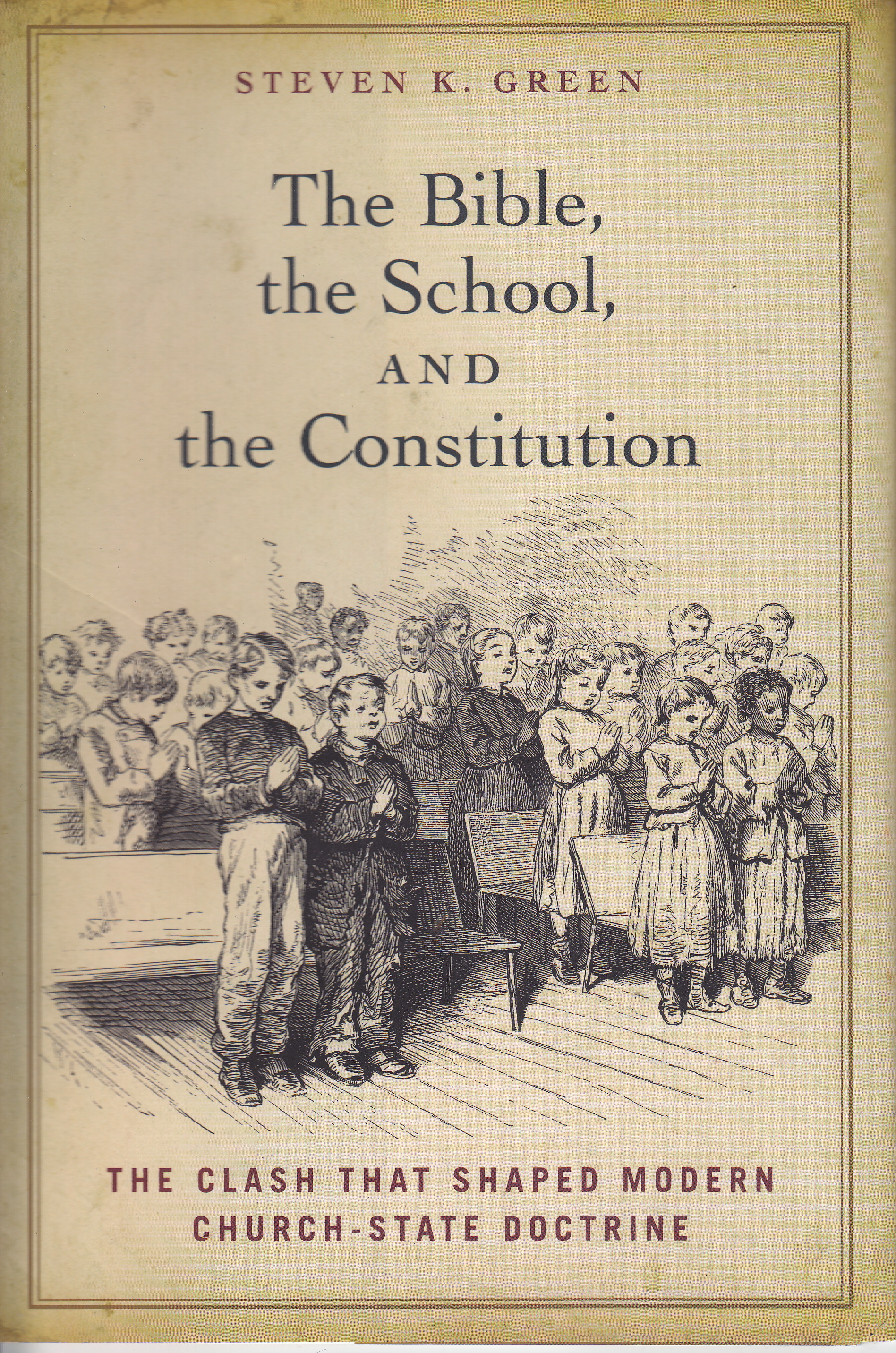
BibleSchoolConstittnAs a very young scholarlet, I recall the horror expressed when some form of prayer was expelled from public schools. It had to have been in the late ’60’s. Maybe early ’70’s. The nation, it seemed, was headed for Hades in a hurry. Little did I know that this was part of a long, drawn-out—tired, even—battle. Steven K. Green’s The Bible, the School, and the Constitution: The Clash that Shaped Modern Church-State Doctrine gives pretty close to the full story. Bible reading in public schools was foundational, in the beginning. In the early days of public education, the Bible was ubiquitous. It was considered non-sectarian since practically everyone was a Protestant. When the religious mix of the country began to diversify in the mid-1800’s, a new dynamic emerged. People got upset. There were riots. People were killed. Legislation was proposed that would explicitly add God—Jesus even—to the Constitution. Who knew?

Green’s study takes a close look at the various cases that arose around the time of the Civil War regarding the Bible in school. Protestants, it seems, didn’t appreciate that Bible reading, in the King James Version, without comment, violated Roman Catholic policy. The first to challenge Bible reading in public schools were Christians. Secularists only joined the fray later. I’m oversimplifying, of course. Some Catholics wanted equal time, the reading of the Douay Bible instead of King James. Others wanted Catholic schools to receive state funding. Nobody was really aware of other religions such as Hinduism or Buddhism. It was a country of limited religious imagination. Various groups tried in various ways to get God—their God only—into schools as the default deity. And so the fun continued.

For me, it was eye-opening to realize that all of this isn’t new. The legislation, since long before my grandparents were born, has been heading in the direction that led to the aggrieved tears in my youth. Green points out, however, that the conflict has never been completely resolved. School vouchers and a long spate of evangelical presidents have had their impact on our children. The Hades that we feared has only come with the weaponizing of our culture, largely by those who want Bible reading back in the schools. The thing we fear finds us through the thing we love. Ironically the issue never seems to be education. God or guns—it’s the power that we want. The early debates revolved around morality. How could kids be moral without Bible reading? How the definition of morality has changed. We, as a nation, still can’t figure out religious freedom or how to let kids be kids.


Something Lost

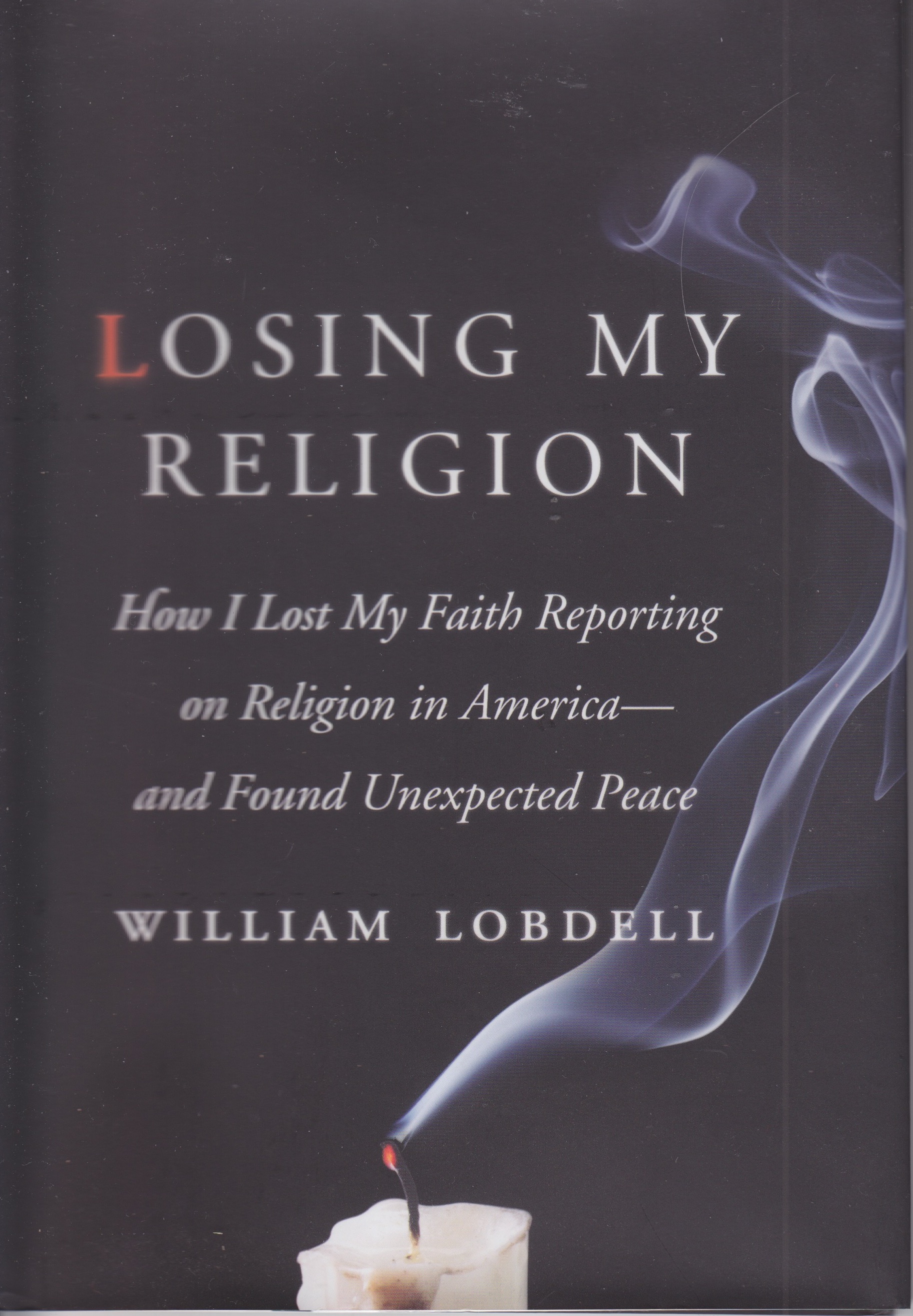
LosingMyReligion“Losing my religion,” I learned some time ago, means “going crazy” in some regions. It was that REM song that made me look it up. Losing My Religion, by William Lobdell, is much more literal. Having a hunger for spiritual memoirs, even if they end up with non-belief, has become an avocation for me. Growing up religious and having paid a pretty steep price for it throughout my career, I feel a bit like I’ve just risen from the analyst’s couch after a particularly helpful session. Here are people baring their innermost selves, trying to make sense out of a world that doesn’t add up. So it was for Lobdell. Since he was a religion reporter for the Los Angeles Times, his is the compelling story of a specialist who’s seen through the veil. His honesty is disarming. When I read such memoirs the question in the back of my mind is always, “what did it?” What pushed a believer over the edge?

By far the majority of these confessions I’ve read are those of women. Since religions have historically treated women poorly, it stands to reason that they might have second thoughts about what they’re being saved from. Lobdell, on the other hand, narrates what brought him to Christianity in the first place, and what forced him to conclude that it was wrong. Going the well-worn path from evangelical to mainstream Protestant to Catholic, he was seeking greater depth at each stage. Then theodicy. Theodicy is a god-killer. No matter how we frame it, there is no acceptable reason for good people to suffer needlessly. Out primate brains simply reject it. That’s not to say that for some faith can’t overcome such persistent doubts. It’s always a struggle, however, and, as Lobdell points out, not everyone is capable of believing what their mind tells them makes no sense.

One thing that stands out from all the spiritual memoirs I’ve read is how religion has such a difficult time explaining suffering. I suppose here’s where eastern religions generally have a stronger starting point. By acknowledging that life is suffering, they ask what we can do about it. Western religions, which often extol the good life, run into problems when theodicy hits. It’s almost as if the concepts can’t keep up with the realities of day-to-day life. Religions are often part of the culture you inherit, being born where and when you are. They also reflect belief structures from the age in which they emerged and those structures evolve over time. Today’s Christianity shares ancient concepts with the first century, but also modern sensibilities about psychology, culture, and philosophy. It can be a difficult mix, not least because it’s artificial and synthetic. As Lobdell notes, he isn’t alone in all this. It is, I might suggest, one of the reasons that studying religion is so important, even for those who do not believe.


Teaching Vampires

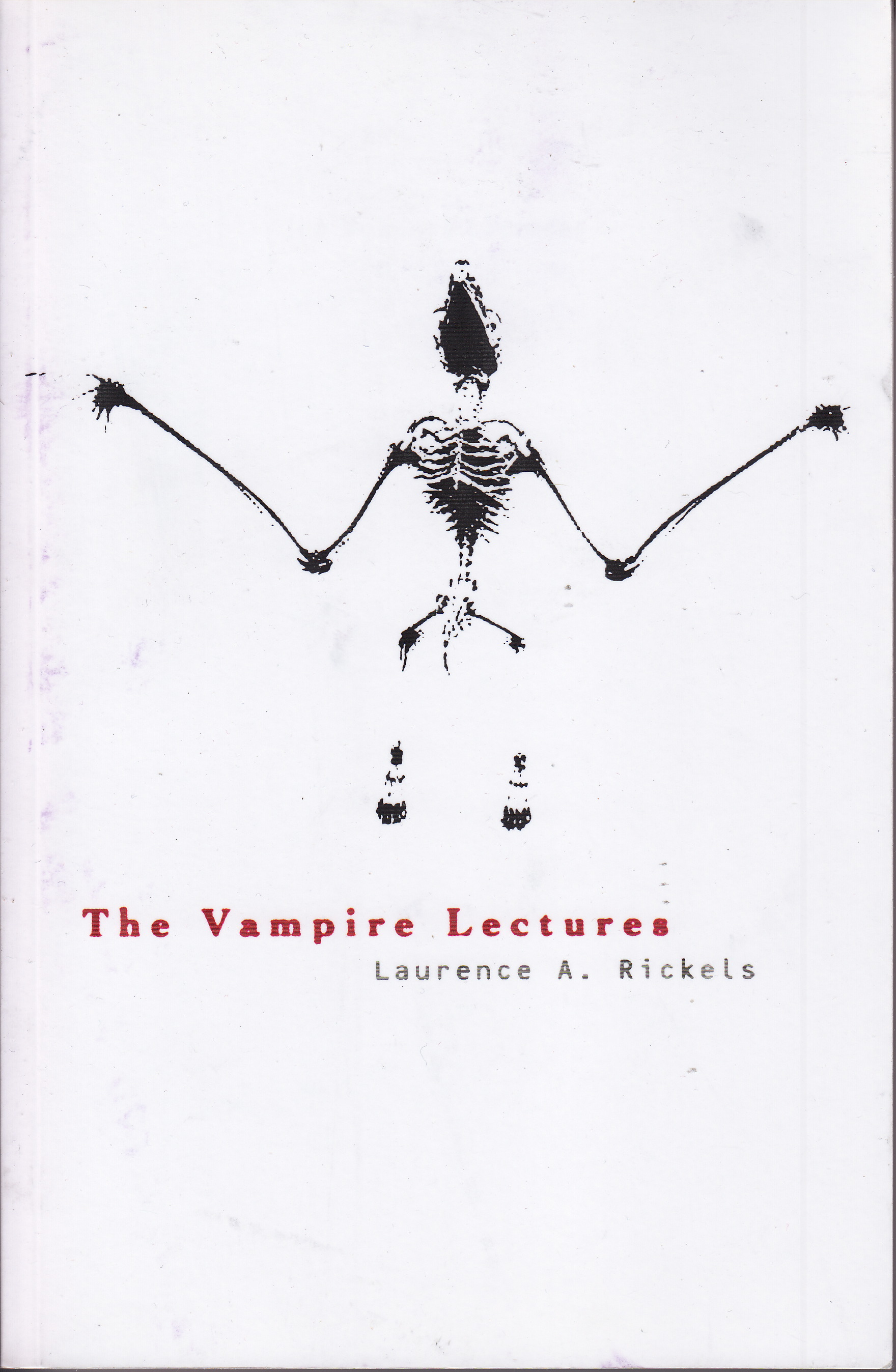
VampireLecturesWhat do you get when you cross German literature, psychology, and the undead? The Vampire Lectures, of course. Laurence A. Rickels, one gets the feeling, must be one interesting guy in the classroom. When I was a student the thought that anyone would take vampires seriously enough to offer college credit to study them was, well, a foreign concept. We all know that there’s no such thing as vampires, or werewolves, or Frankenstein’s monsters, or mummies—wait, mummies are real, but just not animated. In the reigning cultural paradigm, if something’s not real, it’s a waste of time. The human psyche, however, disagrees. The fact is there’s an awful lot of mental baggage that the vampire addresses. So much so that the University of California at Santa Barbara can offer a twenty-six lecture course on the topic. The results are what we have in this unusual book.

Rickels has read widely in the literature of the undead. The vampire’s share of the material goes to Bram Stoker’s Dracula, the novel that defined, in many ways, the modern concept of vampires. The lectures do cover earlier and later literary representations, but when movies began to be made, they started with Stoker. One of the most interesting aspects of the lectures is the utter breadth of movies Rickels addresses. Movies that I’d never heard anyone else mention, let alone analyze, are here, alongside the more famous examples. It becomes clear that vampires have been a favorite of film-makers as well as readers. Culturally they are omnipresent. One gets the impression that Rickels might have an inkling of why we have this fascination, although his analysis is often Freudian, he does come back to the concept of mourning. Vampires (who would’ve guessed?) mask our unresolved sense of loss.

The style of The Vampire Lectures reflects the kind of literary criticism that isn’t always easy to follow. The book has more puns per hour than any other academic title I’ve ever read. Perhaps such serious topics as loss, parental relationships, and sexuality require a good dose of humor to make them less overwhelming. Still, the puns show the shifting nature of the ground beneath your feet when you try to take a topic like this seriously. Not surprisingly, Rickels does spent some time reflecting on the religious nature of vampires. There’s no question that monsters trespass on—or maybe even arise from—sacred precincts. They also occupy similar mental spaces. Perhaps it’s no surprise that as the number of nones grows so do the fans of monsterdom. We need an outlet for our surfeit of fear and loss. Come to think of it, perhaps I need to take a class in this as well.


When under Rome

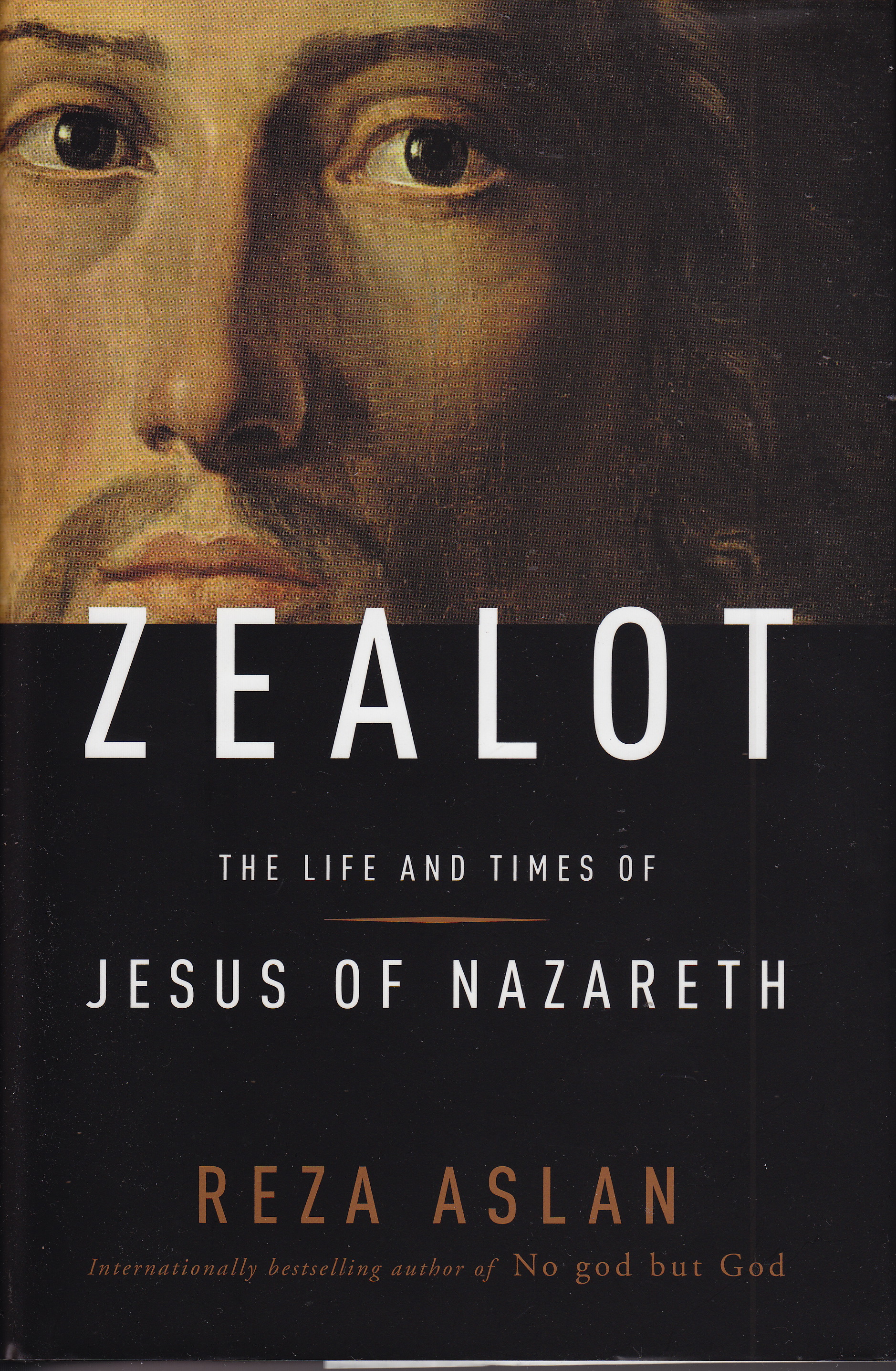
ZealotA question that has no answer: who was Jesus of Nazareth? Well, no single answer, anyway. When Reza Aslan’s Zealot: The Life and Times of Jesus of Nazareth came out, there was uproar. (Something, by the way, that publishers love.) How could someone suggest that not only do the Gospels disagree, but that they’re not even literal when they do? For those of us who’ve studied the Bible academically, there’s nothing too surprising here. Aslan’s perspective is often refreshing, even if he makes some basic errors (those of us who study the Hebrew Bible are pretty forgiving). For me, having the social circumstances of the New Testament spelled out in terms of the intense unrest of the first century explained a lot. It was a period of unremitting violence and frustration on the part of those coming to grips with life under Rome. Jesus was born and came of age when any outré idea could easily get you crucified. When it happened in his case, it was, as the Gospels point out, fully expected.

What might bother many readers is that Aslan doesn’t accept the story at face value. Jesus wasn’t unique as a healer, revolutionary, or messiah in first-century Palestine. In fact, Rome’s appointed rulers grew tired of such sons of gods that thousands of people were nailed up to warn others of the costs. Still, unlike the others, Jesus remained in contention even after his death. The belief in the resurrection didn’t hurt. Since Aslan is writing history, he can’t judge whether the resurrection or the healings actually took place. The traditions, he notes, are strong. He is surely correct that the Gospels aren’t attempting history. Written well after Christianity was already established, the writers had theological templates at their disposal. Not only that, they also had Paul.

Something I’d never considered was the dispute between Paul and the Jerusalem church. Yes, I’d noticed the stark contradictions between the letters of Paul and the one of James, but seeing the underlying conflict of those who knew Jesus personally (James, Peter, John) and Paul just never occurred to me. Paul doesn’t dote over the historical Jesus. His Jesus is divine from the start, and those who try to preserve Jesus’ words get in the way of the theology he’s developing. His letters express anger at those who teach what Jesus said over who he was, spiritually, anyway. Only with the destruction of Jerusalem was the way cleared for Paul’s gentile Christianity that eventually won out over Jesus’ teachings. It’s all very interesting, but I can’t buy it all. There are too many convenient connections here, and history abhors neatness. Nevertheless, Zealot is well worth reading. It tells an old story from a new perspective. And even if your Jesus is different from Aslan’s you’ll find something profound here that will only make your image stronger.


Brains and Selves

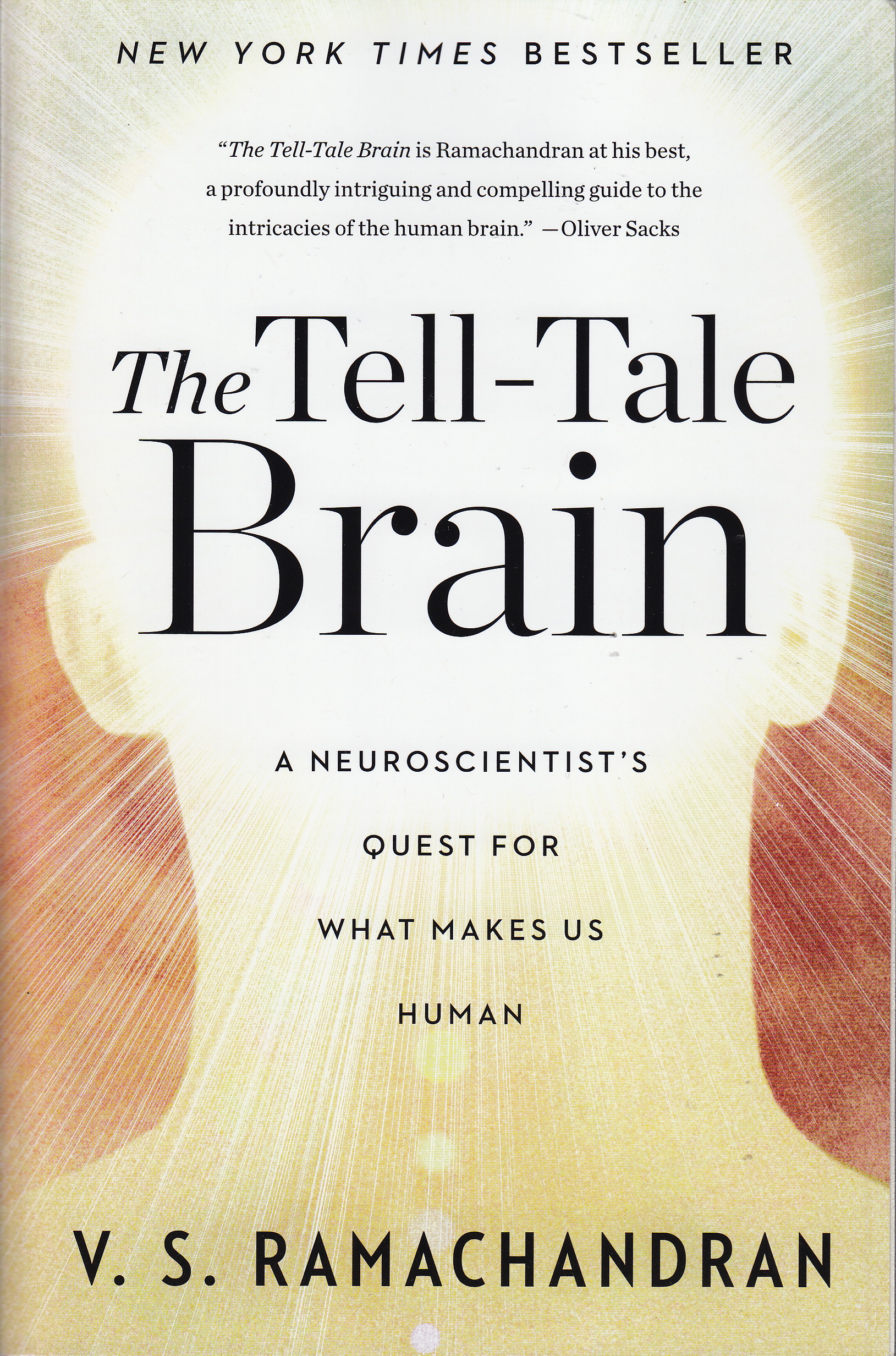
TellTaleBrainThe Tell-Tale Brain is an ambitious, yet humble attempt to find the self. V. S. Ramachandran is a neuroscientist with considerable psychology experience who is well equipped to take on, as the subtitle puts it, A Neuroscientist ‘s Quest for What Makes Us Human. The book will take you to some very strange places. And although he’s a scientist, Ramachandran keeps an admirably open mind. Right at the start he notes that he sees no reason for using “merely”s and “only”s when discussing brains and their realities. In fact, he knows that scientists aren’t qualified to answer the question of whether there is a god. Having grown up Hindu, he used to pray to many gods. A true scientist has no need to belittle beliefs. Belief, as Ramachandran demonstrates, is far more complex than most pundits would suggest. This is based on his close study of the brain and those to whom it has been less than kind.

Already in the first several pages it becomes clear that Ramachandran finds religion a useful trope. It illustrates something we all know. That doesn’t mean he (or you) has (have) to accept it, but we all recognize it. Studying how the brain works, in this book, means looking at patients with various disorders, most of which have tongue-twisting names, that are inherently fascinating. Phantom limbs, people who see the colors of numbers or feel the emotions of fabrics, or who can’t recognize their own mothers—all of these things really happen in the brains of intelligent people. For them these are reality. For Ramachandran, they can frequently be chased down to a neurological cause. And sometimes people even really think they’re God. One of the treasures of this book is to experience the non-normativity of western culture. The use of Indian art and religion as illustrations of what humans believe is refreshing.

Anyone who fears the loss of self take warning; we may not be who we think we are. Brain studies show that, in certain circumstances, brains can contain more than one self. Memories can be fabricated and the continuity that we call our life stories may well contain a healthy dose of fiction. Experiments on brains can change who we think we are. Descartes would, perhaps, go insane. Ramachandran doesn’t claim to have figured out the self, or consciousness. He may have ruled out some options, though. At the end of the book, however, he reintroduces the concept with which he started: science and religion. Quoting Darwin he shows that the main mind behind evolutionary theory refused to make an absolute declaration about the divine. Humility, it seems, may be just as effective in making converts as a Bible in hand. And to figure that out will take some brain power.


My Beloved Monsters

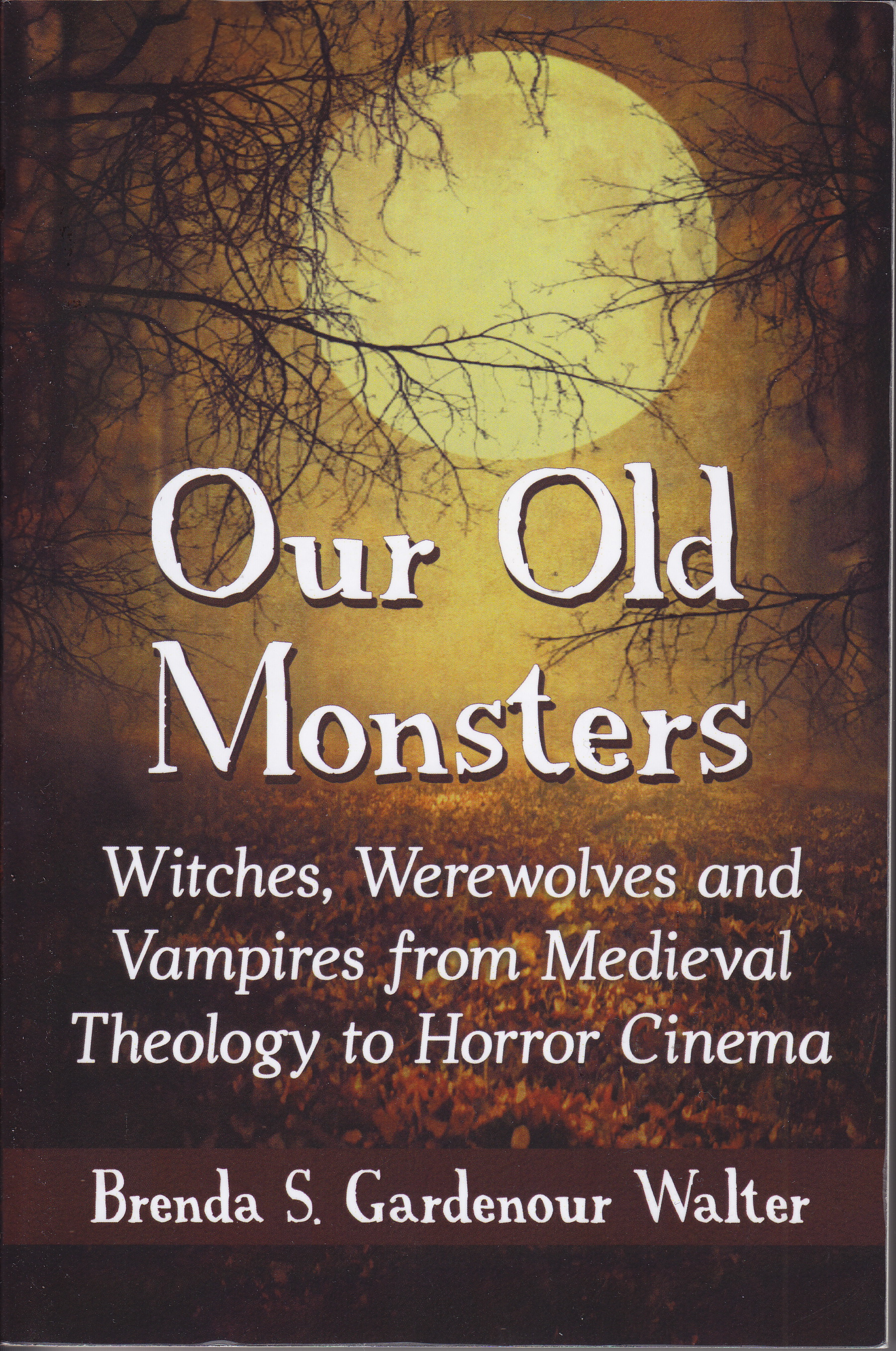
OurOldMonsters copyOnce upon a time I felt radical in claiming that monsters and religion shared a pedigree. Having grown up fascinated by Universal, as well as much cheaper and more tawdry, monster movies, I always experienced a twinge of guilt. My family was very religious, and these monsters were, well, evil, weren’t they? Yet I couldn’t let them go. Although college, seminary, and graduate school each took their toll on this early fascination as I was restructured as a more rational man, the monsters always lurked. In college a friend and I named an invented monster “the lurking.” In seminary and graduate school, demons and ghosts still captured my imagination. Brenda S. Gardenour Walter has, quite unintentionally, vindicated my outlook. Our Old Monsters: Witches, Werewolves and Vampires from Medieval Theology to Horror Cinema just about says it all. Not limiting herself to witches, werewolves, and vampires, Gardenour Walter has given us a novel thesis: monsters come from theology.

Well, not exactly. Medieval theology, as many of us learned in seminary, continued the ancient Greek practice of dividing the universe into four substances: air, fire, water, and earth. Each was associated with a humor in the human body: blood, yellow bile, phlegm, and black bile. Keeping these humors in balance led to healthy bodies. Gardenour Walter, who teaches history in a Pharmacology school, shows how monsters were often viewed against this paradigm. As she notes, this Weltanschauung was not friendly to women. Seeing man as the perfect, rational being, women were considered less rational and more controled by their base urges, leading to the concept of witches. Witches were also associated with demons at a later time, and there is a considerable discussion of that transition.

Vampires were often associated with black bile. Although there are vampiric beliefs going back to very ancient times, Gardenour Walter shows how the modern vampire indeed derives from medieval theology as eastern ideas met western. Unfortunately, in unenlightened times, the concepts were anti-semitically applied, with unwonted liberality. Werewolves were generally dismissed as illusions wrought by demons, although, there always remained an ambiguity. I have to admit not having known that even Augustine discussed werewolves in The City of God, which, it comes to mind, would make an excellent horror movie. The book brings each of these medieval monsters up to the silver screen and considers how their theological pedigree plays out in modern times. This is a book I would have enjoyed as a college student, but maybe, secretly, enjoy even more now as an adult.


Witnessing Angels

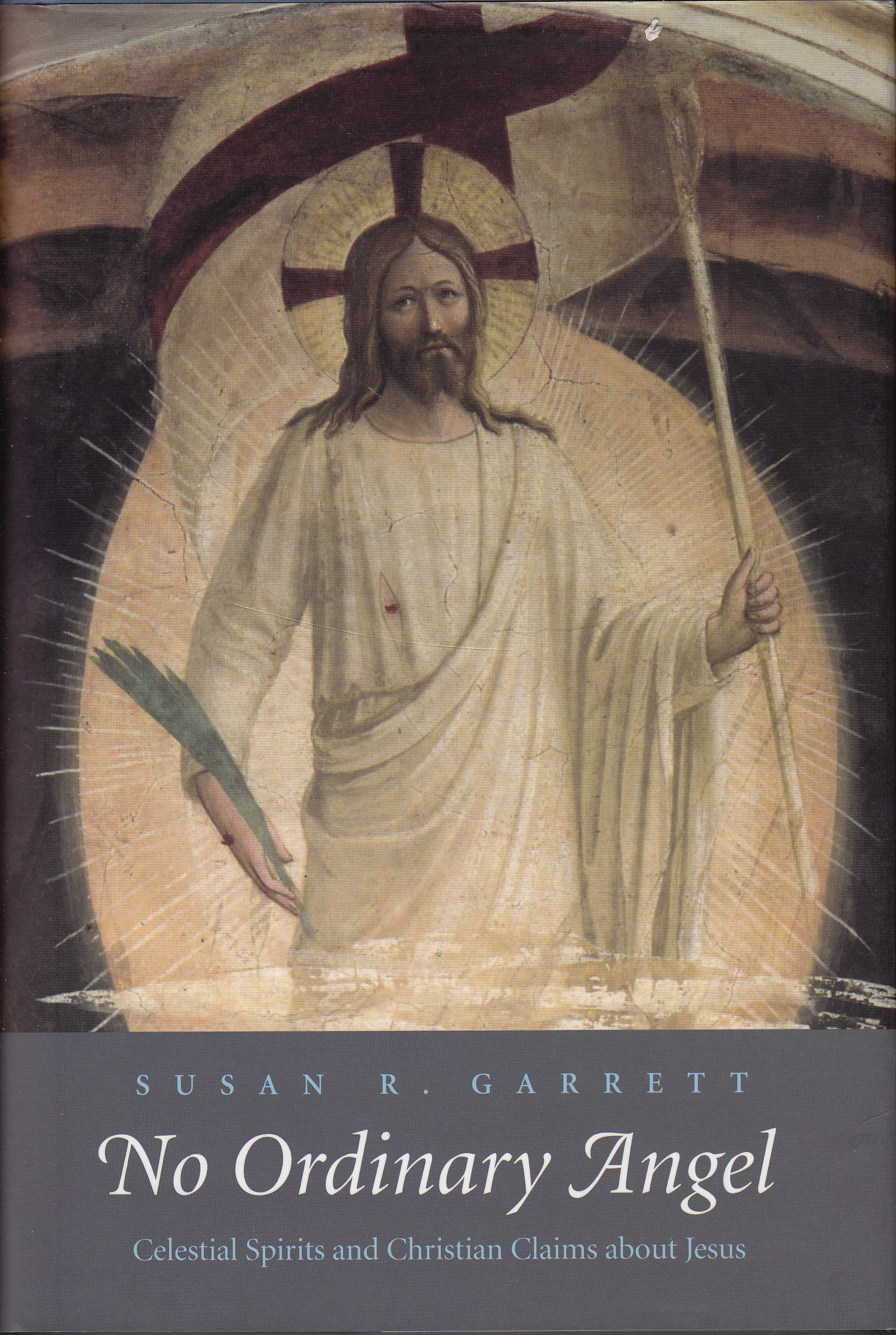
OrdinaryAngelBack in my undergraduate days, I wanted to learn more about angels. Surprisingly, there were no courses offered on the subject, even at evangelical Grove City College. When I finally took an independent study on angels, I found that few serious books had been written on the topic. I was immature as an academic, and I hadn’t learned that the subject of angels was a kind of scholarly embarrassment. Although many biblical scholars still clung to the idea of God, most had jettisoned angels along with other Medieval fabrications such as dragons and virgins. We inhabit a hardened, material world with no room for spiritual beings flitting about. As a student of ancient Near Eastern religions, I discovered angels possessed a hoary pedigree stretching back to Mesopotamia and perhaps beyond. Susan R. Garrett’s No Ordinary Angel opens the question again, and considers the many roles that angels have played and continue to play.

Subtitled Celestial Spirits and Christian Claims about Jesus, the book goes beyond the issue of angels per se, and addresses the distinctly Christian concern of how Jesus differs from them. What becomes clear in the reading of the study is that uniformity isn’t to be had. The earliest Christians already had divergent ideas on many concepts. As Roman Catholicism developed, angels attained a natural role in a world that still allowed mystery and shadows to exist. Protestants, the progenitors of much of science, cleared the closets of supernatural beings, leaving God and a table instead of the hosts of Heaven and an altar. I’m oversimplifying, of course, but there’s a sense in which the more liturgical traditions have more room for angels and demons. You don’t call a Protestant for a proper exorcism. Still, Garrett knows her stuff and shows how angels insinuate themselves into several aspects of sacred experiences of both Protestants and Catholics.

Angels come at births and deaths. They heal the sick, they protect people and they worship God. They rebel and fall, becoming Satan and his minions. Angels are, by their nature, liminal figures. They help to transition people between different states and worlds. As early back as written records, people believed in them. Outside of academia, people still do. God has become wrathful and distant in his old age and, well, you can talk to an angel without having to worry about vaporizing. In antiquity they were messengers. When God didn’t condescend to the earth, angels would come down. Now we get the sense that they’re more like us than we might have originally thought. Or maybe we’re more like them. Angels, even though they may have fallen out of academic fashion, are sure to endure longer than most weighty treatises, no matter how well footnoted they may be.