Scientific Voices

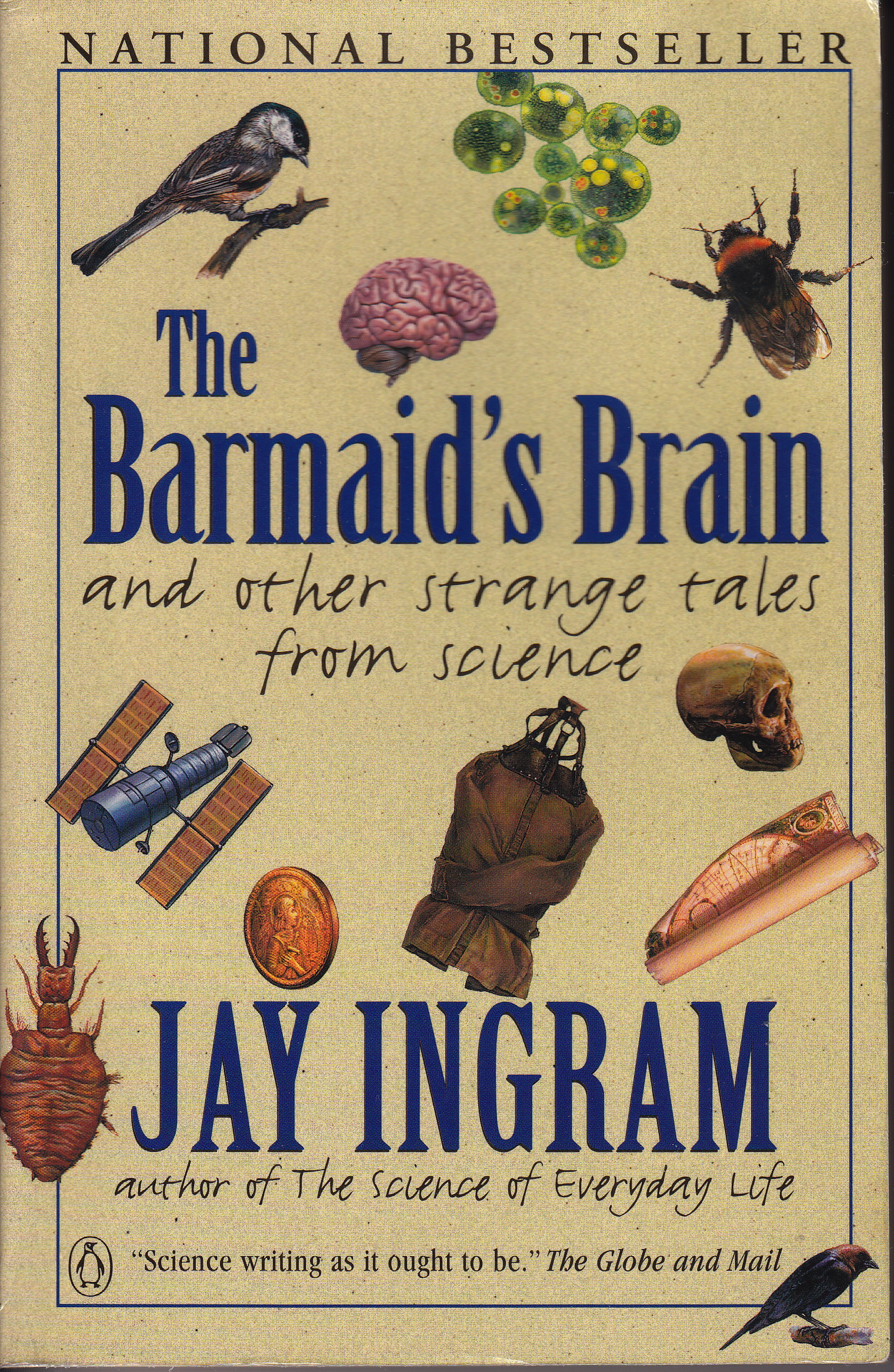
BarmaidsBrainScience requires translation. Even very intelligent people in other fields of study have trouble understanding what scientists have been saying. That’s why science writers are so important. They can distill the heady knowledge that empirical method produces into a palatable tipple for the laity. Jay Ingram’s The Barmaid’s Brain is one such digestible report. As the subtitle (And Other Strange Tales from Science) indicates, this book is about the weird world of science’s often hidden charms. We all pretty much know that quantum mechanics has turned conventional wisdom on its head. We also know (courtesy of the media) that science and religion fight like cats and dogs. What we don’t see is that scientists often disagree on how to interpret data, particularly on the weird end of things. Ingram tells many such interesting tales from nature, psychology, and technology.

The essays in the book are loosely grouped into areas with some common theme. The psychology story that struck me as being particularly appropriate for this blog was the one about Joan of Arc. Joan, as most of us learned from history, was a prodigy. Illiterate, female, and poor, she nevertheless displayed a military genius that led her to the head of a French army trying to hold off the advances of the English. When turned over to the enemy she was treated as a witch, tried for heresy, and burned at the stake. Later she became a saint. The reason that she’s in a book of science essays is that Ingram wonders what exactly was going on when she heard voices and saw visions. Neuroscientists have devised ways of peering into the brain during religious experiences, and psychologists have constructed theories of why otherwise sane people hear voices. Joan doesn’t fit into the category that used to be called schizophrenia, nor does she appear to have been in any way insane. She was religious and her religion spoke to her.

When I was growing up, it wasn’t unusual for scientists to be believers. Nothing was wrong with believing in a god and studying the physical world. Indeed, the idea went back to Isaac Newton and other scientists of the first generation of the Enlightenment. Implications eventually led to the utter absence of deity from the world. People such as Joan were understood as sadly misled by a religion that could not be distinguished from magic. Yet Joan, as Ingram well knows, would hardly be a household name without her visions and her faith. At the end of the analysis, Joan rises from the couch still a mystery. An enigma to science, and suspect to many religious. She was, it seems to me, quintessentially human. We are all, it seems, whether saints or scientists, subject to what empirical evidence will allow us to believe. Most of the time, anyway.
The Reveal

SmallScreenRevelationsThe end of the world as we know it is far more common than reason might suggest. As I’ve been researching the way the apocalypse is represented in popular culture, I’ve been impressed at just how prevalent it is. James Aston and John Walliss have brought together some intriguing essays on the topic in Small Screen Revelations: Apocalypse in Contemporary Television. As one contributor notes, it is far more common to find the apocalypse in science fiction, horror, and fantasy programs, but it clearly visible in other genres as well. It is primarily an American phenomenon, although it may also be found elsewhere. It’s pretty hard to pin down the end of the world. On television it comes in both fiction and non-fiction varieties. The constant here is that we know it’s out there.

What I found most revelatory about the subject was a persistent question: why? Why are we so fascinated by the end of the world? I’m no sociologist, so I can’t give any kind of statistical answer. As the owner of a gut, however, I can offer a feeling. It seems to me that a culture of privilege ought to have a measure of guilt. While apocalyptic belief is most common among the poor (sorry, no statistics to back me up here) it also commonly occurs among the affluent as well. At the same time, we know that, as a society, we have far more than our share of the world’s goods. We have a massive military to make sure nobody else shares those goods. We must know, at some level, this is wrong.

At the same time, how can we give up what we’re so used to? An apocalypse wipes the slate clean. The essays in Small Screen Revelations offer more sophisticated theory than my simple observation, but academics have an obligation to muddy the waters. Considering the sheer number of shows cited: Buffy the Vampire Slayer, Battlestar Galactica, Lost, The Simpsons, Supernatural, Angel, The Walking Dead, Jericho, Doctor Who, Terminator: the Sarah Connor Chronicles, in addition to television news anchors and televangelists, the apocalypse is very easily found. So easily found, in fact, that one can become inured to what is supposed to be the ultimate end of everything. It’s related to what I’ve called elsewhere the crisis of superlatives. The fact that it’s television, however, provides a ready answer for what happens next. After the apocalypse we simply wait until the next season. After all, there’s a market for post-apocalyptic entertainment as well.


Watchers and the Holy One

WatchersI’m not really a fan of Dean R. Koontz’s thrillers, but I do find myself turning to them from time to time. Like Stephen King’s, Koontz’s books are easily found at book sales, but you don’t always have your choice of which titles. I picked up Watchers because it had a vaguely biblical sound to it. The title seems to fit the story only loosely, but there are a number of points where God is invoked in the tale. Watchers is a book about genetic engineering, both the good and the bad aspects of it. Scientists have produced a dog as intelligent as a human being, and a monster that kills indiscriminately; a Cain and Abel. As this is being explained to one of the characters, he says “If we can do this, we have the power and, potentially, the wisdom of God.” Here, in a nutshell, is the debate about intentional genetic modification. We don’t have the ability to see ahead very far, and although we like to think ourselves god-like, we could very well be creating catastrophes. At least, in this story, God is deemed wise.

Some time later another character in the story opines that when humanity can create an intelligent species, it is our responsibility to act, in a sense, as its deity. “If we’ve come so far that we can create as God creates, then we have to learn to act with the justice and mercy of God.” Interestingly, there is no question of theodicy here. The justice and mercy of God are assumed, despite the many wakeful nights and unsettled days of the theologians. Casting God as the “good guy” is not as easy as it used to be, and our own “engineering” isn’t always assumed to be for the good of our own planet.

Finally, as some of the characters are discussing who has the right to own this super-intelligent dog, God is invoked once again. The qualities of the dog (a golden retriever, since, one presumes, a Rotweiler, for instance, might have different qualities), its courage, ability to distinguish right from wrong, ability to love, and selflessness, make it more in the image of God than human beings. Again, God here is unquestioningly assumed to be the great good, the advocate of humankind. I realize novelists are under no obligation to be theologians, yet it is difficult to tell a tale of genetic tampering without invoking the Almighty. What I find so interesting here in Koontz is that despite the evil of some of the characters, the goodness of God is never called into question. It is assumed that the evil we create is our own while the good in the world belongs to God. It’s a view of the world that could be called almost biblical. Those who professionally reflect on these things, however, often come to a different conclusion.


Different Bites

SharkGodThe South Pacific brings to mind light-hearted musicals, uncomplicated lifestyles, and Gilligan’s Island. For those of us born in the eastern parts of North America it can seem pretty exotic. Especially since we can seldom afford to go there. Since my income has wavered around the subsistence level of a reluctant urbanite, I instead travel there in my mind. I came across Charles Montgomery’s The Shark God at a recent book sale. I generally scour the anthropology tables since I find the belief systems of others so fascinating. Montgomery, a journalist, traveled to Melanesia to trace the route his great-grandfather took as a missionary. A non-believer himself, Montgomery wanted to see the magic that a former generation believed in firsthand. Noting that missionaries often despoil the cultures they are trying to “convert,” his tale is full of insights and observations and disappointments. My kind of book.

Montgomery is remarkably open minded. Like many of our generation, he outgrew the religious fervor that seemed so strong just a few decades ago. Still, he is open to the possibilities in the lesser understood cultures of the South Pacific. He notes that E. E. Evans-Pritchard, the famous anthropologist, opined that non-believers made poor anthropologists. Even missionaries might make better, he suggested, since at least they know what it is to believe. And here is the driving tension of Montgomery’s narrative. Sometimes you simply have to be open in order to see. Not all evidence is empirical. He recounts little “miracles” that he later reflects may have been mere diversions. Nevertheless, the world opens up when it is seen through native eyes.

Missionaries, although they may be better equipped to understand foreign (or native) believers, nevertheless try to change them. What I found most fascinating is how even those who fully identify as Christians in the south seas have combined that belief with their indigenous religions. Christianity, even among the clergy, is an overlay for culture. In ways that shock and frustrate missionaries, those converted maintain elements of their culture that fit uncomfortably with doctrine. How do you convert the converted? Or maybe the word is more properly “pervert.” Belief systems grow in cultures and tend to introduce high moral standards, no matter the deities (or non-deities) known. The Shark God is a wonderful window open on the South Pacific, a place to which some of us will only ever be able to travel in our limited minds. We are, after all, products of our culture.


Original Research

“But are you able to continue your research?” they ask. Academics can be so hopelessly naive sometimes. I recently had a notice on academia.edu that I was in the 30-day top 5 percent of page views. So I’m feeling like the Bruce Springsteen of academics for a few seconds. Meanwhile institutions who look at my record wonder why I haven’t produced anything lately. It’s really quite simple. Take a 40-hour work week (a foreign environment to most academics), add a daily commute of 3 hours, and subtract access to an academic library. As the old computers in sci-fi movies used to say, “does not compute.” My research these days is limited to material that is actually able to keep me awake on the bus (thus excluding most academic monographs) and those that I can afford to buy on an editor’s salary. My research has slowed considerably, in other words, due to circumstances beyond my control.

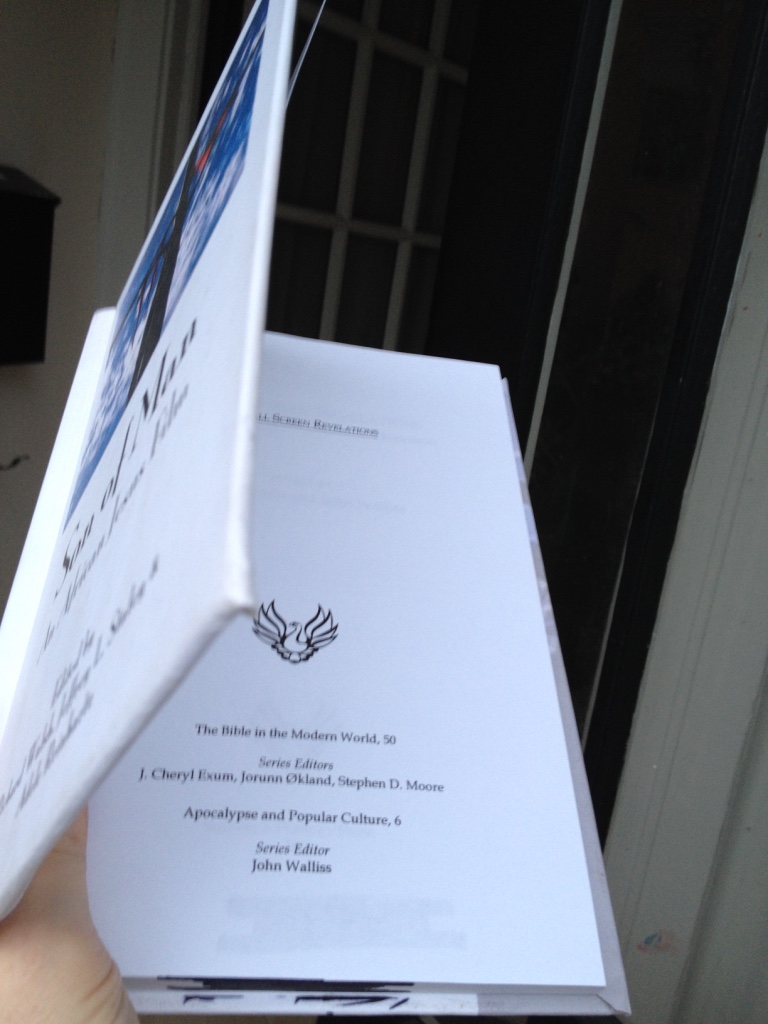
thumb_IMG_2163_1024That’s why I’m sitting here perplexed. Despite it all, I have had a paper accepted for presentation at the Society of Biblical Literature Annual Meeting this year. My project is on the Bible in Sleepy Hollow (thus the recent spate of books on Washington Irving and his hometown). Still, I had to challenge the budget and purchase a couple of things. The cover of my book has me confused. Son of Man, it says. Inside, however, is the text I need—Small Screen Revelations. (If you wonder why, watch Sleepy Hollow, or, if possible, come hear my paper.) The reason for the mismatch between the cover and content of my book is the price. A tome from the appropriately named Sheffield Phoenix Press, even used the volume costs almost $100. It’s just 200 pages. I managed to find a copy misbound for the bargain price of half that. Only an academic would pay $50 for a defective book just to get at the content. Am I able to continue my research? Reach for your wallets and see.

A large part of my job is spending time on university faculty webpages. Many of those I find haven’t published nearly as much as I have, but have comfy, tenured positions. Often it is because they’re the right brand. Catholics like Catholics, Presbyterians like Presbyterians, Baptists like Baptists. State universities hate them all. And once in a while I pull my doctoral robe out of my closet, press it to my face, and weep. I don’t know what a blue collar kid might have been thinking. Earn a challenging doctorate in an obscure field overseas and hope for a modest teaching position somewhere in the land of the most abundant colleges in the world? My race and gender should’ve come to mind long before I got that far. In some ways, I too am a misbound book. Am I able to continue my research? You be the judge.


Always with You

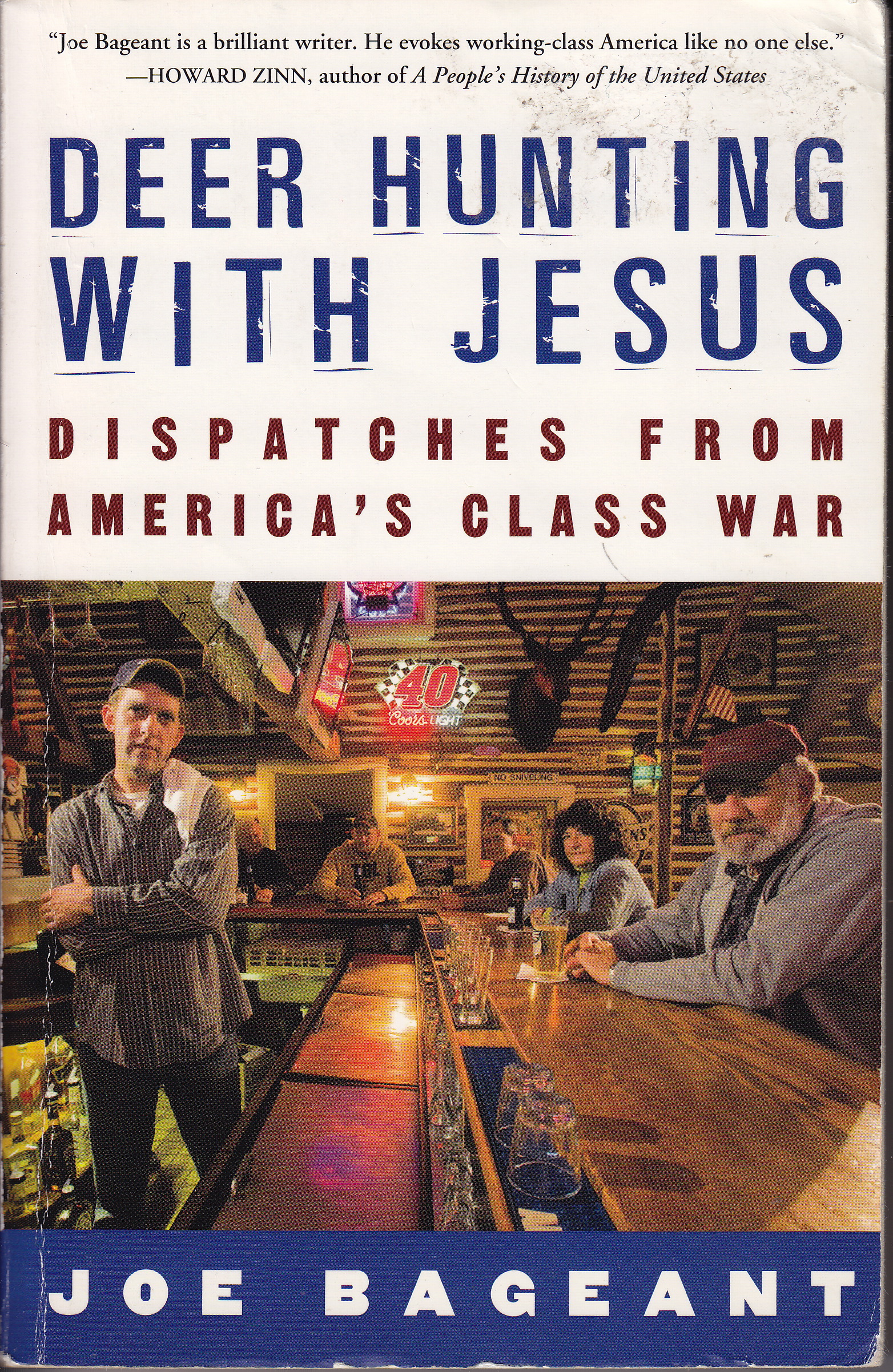
DeerHuntingIf you read only one book this year, let it be this one. I picked up Joe Bageant’s Deer Hunting with Jesus at a used book sale because of the title alone. The blurbs on the back suggested it would be hilarious, and even the subtitle, Dispatches from America’s Class War, didn’t sink in until I began reading. Written during the dark ages of the Bush administration, the contents are a bit dated, yet timeless. Although there’s humor here, I, like Bageant, was born and raised in a working class environment. My father was a house painter (before it became chic) and my stepfather was a blue-collar Joe who did the kinds of jobs nobody else wanted to do. Life was coarse and rough at times, but the people I knew were fiercely patriotic and staunchly Republican. Most adults I knew had never read a book since they’d managed to escape from high school. Deer hunting was nearly as religious as church, and anything you heard in either venue was to be taken absolutely literally. And yet government programs to help them get along were merely shams that politicians knew they couldn’t see.

Like Bageant, I feel at home among the working class. I am one of them. My job may be in Manhattan, but the sensibilities that got me this far are from the backwoods of Pennsylvania. Those who know me outside the office still occasionally call me a redneck. Perhaps it’s an affectation, but it is an affectation born of deep appreciation of the honesty of the worker. They’re no saints, the working class. They will get away with what they can (what bobble-head wagging above a white collar can honestly claim that it doesn’t as well?), they will laugh at the crudest jokes, and they will be mean and turn on each other if provoked. They are, however, good people caught in a system that won’t let them improve. The only possibility is education, the one service governments slash at every opportunity. The system, as Bageant shows, was built just to do that. Like Moses, throughout the book, he calls them “my people.” I know exactly what he means.

When I visit my hometown, it’s like a Bruce Springsteen song. Windows are boarded up and the streets seem even meaner than they were when I was a kid. These are people in ill health with a government that would rather not spend the money on them—we’re used to it, and Uncle Sam knows that—so it assures that the only businesses that thrive are fast food and liquor stores. You can also find a television and rifles, but not much else. The liberals, as Bageant states, don’t know how to relate to the common man. In my own experience, the redneck who earns a doctorate won’t have a chance of getting a job. The university liberals have their own agendas, too busy trying to save the planet to worry about the real people who make their lifestyle possible. I picked up Deer Hunting with Jesus as a joke, but found it the most important book that I’ve read in many years. Please read it and try to understand.


Useful Fantasy

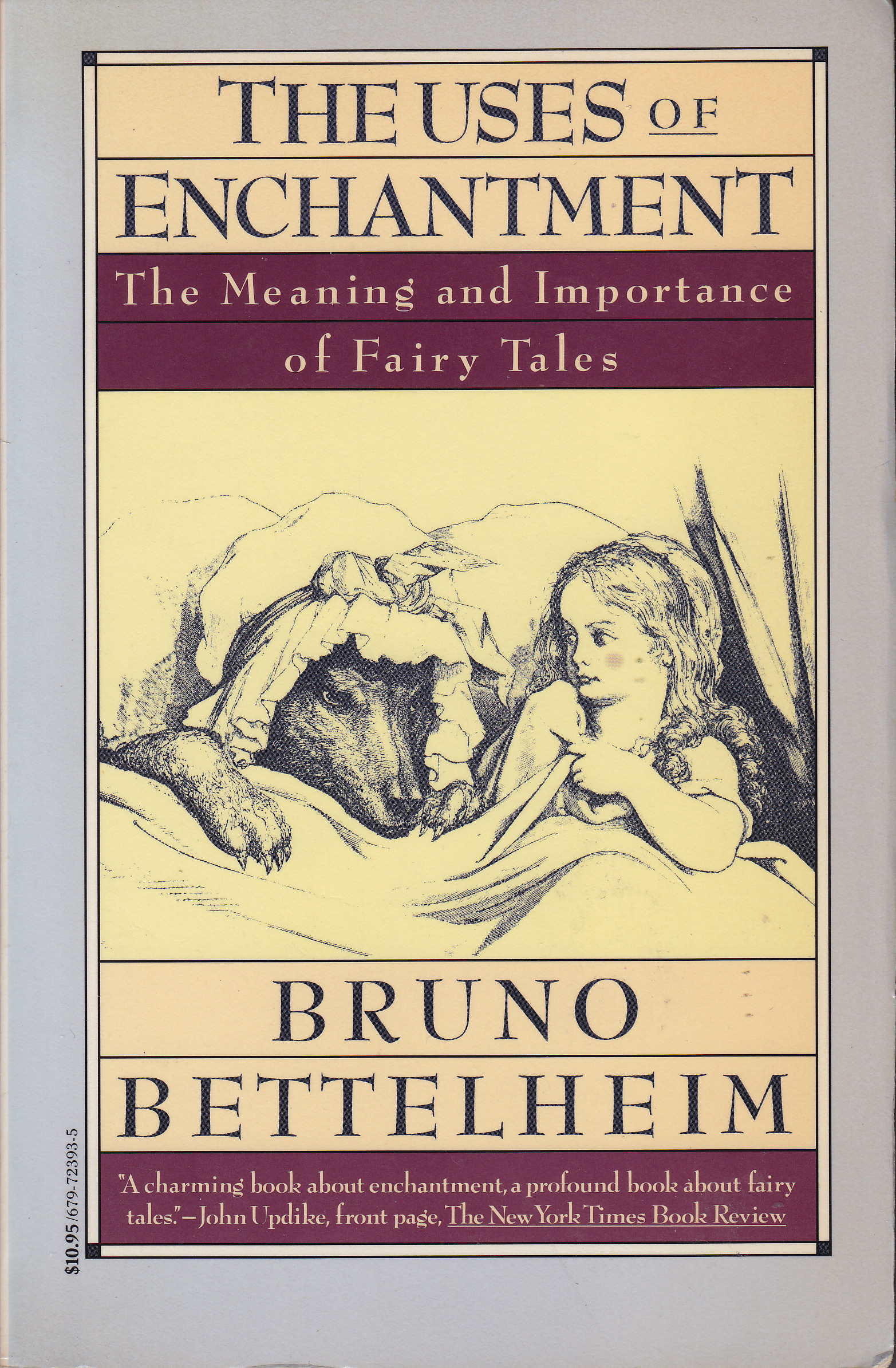
UsesOfEnchantmentOnce upon a time, I heard about a book called The Uses of Enchantment. During my doctoral studies it was recommended to me, and I put it on my to read list. That list is quite long, and I don’t follow it in any kind of order. Like life, it is chaotic and ever changing. Now, some decades later, I have finally read Bruno Bettelheim’s classic, and I wish I’d read it when I first knew of it. Originally published in the 1970s, The Uses of Enchantment was one of the few serious books that suggests fairy tales are important. Bettelheim was an unapologetic Freudian and in reading his book I found the origin of many of the observations I’d read about fairy tales through the years (what does Red Riding Hood’s wolf represent?) owed their origins to this tome. The book is important even for non-Freudians because it takes great care with a subject that clearly deserves it—our imaginary tales are more than simple entertainment.

Fairy tales are part of a long continuum in human thought. Bettelheim shows that they are very closely related to myths, although mythology is clearly something different. Similar, but not equal. Even more intriguing is the fact that fairy tales are closely tied to religion. Bettelheim notes that several biblical stories could almost be classified as fairy tales. The intellectual life of the child, he notes, for much of history depended on religious stories and fairy tales. The very unrealistic nature of both are intended to speak to children in a way that facts can’t. Indeed, the hardened rationalists sometimes seem to lose sight of the fact that we all need fantasy to keep us going from time to time. Bettelheim suggests that biblical stories help children to cope with things on a symbolic level that creates a sense of security.

Already in the 70s, however, many were suggesting that we, as a species, had outgrown our use for fairy tales. Indeed, it is not difficult to find many academics in the humanities who hear the same refrain—we don’t need this fluff. Science, numbers, technology—these are the keys to the future! But what future, I wonder? What kind of world would we have to face without literature, movies, and music? We need our myths still. Despite Disney’s take on them, we need our fairy tales as well. A world without imagination may be efficient, but it is no livable world at all. Bettelheim’s personal demons sometimes cast a shadow over his work. He was a concentration camp survivor, however, and early trauma has a way of staying with a person throughout life. Those with fairy tales to fall back onto may be those best set to survive in the deep, dark woods.


Who’s Wright?

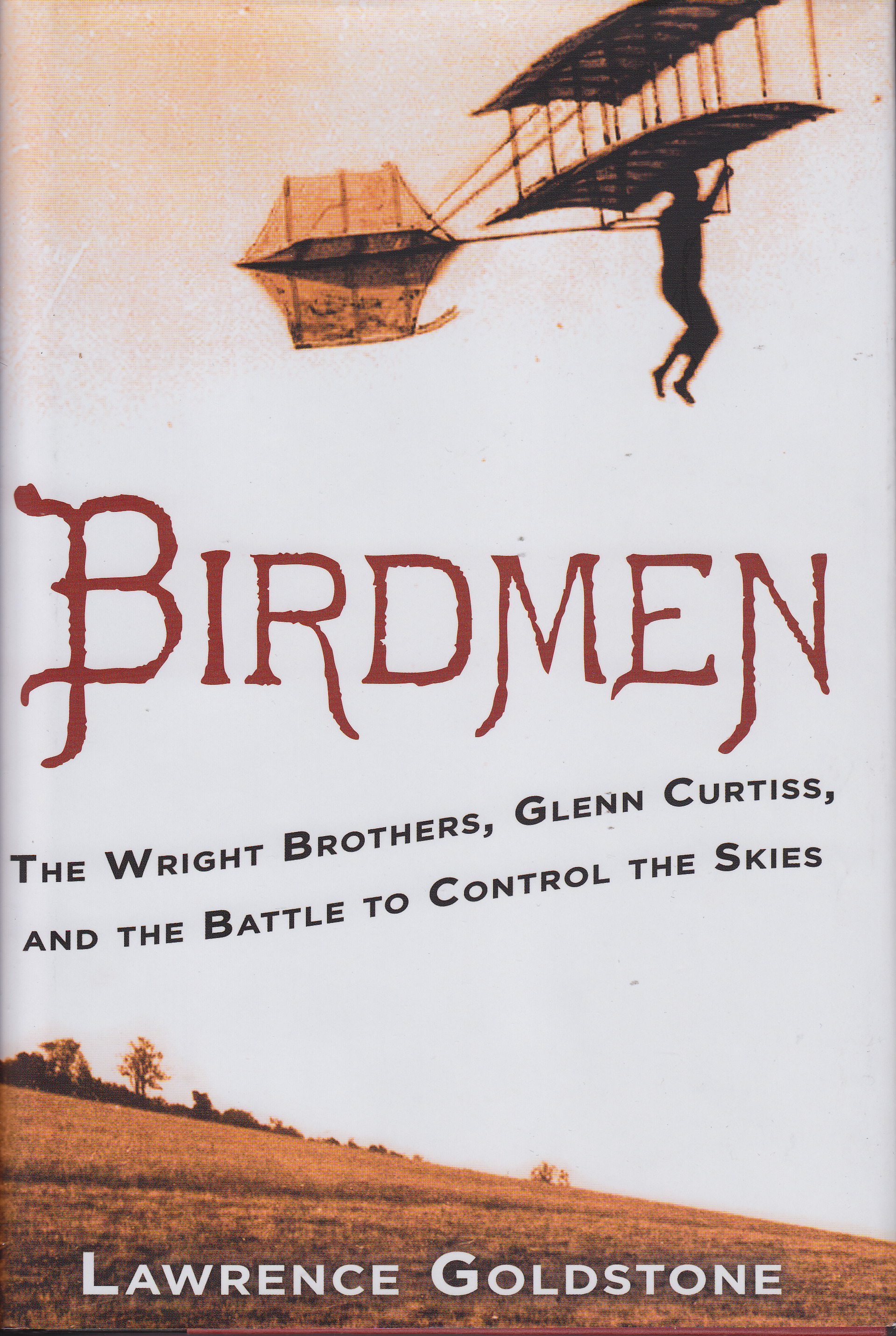
BirdmenUpstate New York used to be known as the “Burnt Over District.” In the days of the “Second Great Awakening,” many new religions cropped up in this region—some to die out shortly, and others eventually to produce presidential contenders. It was also the region that would be the home base of Glenn Curtiss, one of the true innovators in aviation. My wife and I just finished reading Birdmen by Lawrence Goldstone. The Wright Brothers, Glenn Curtiss, and the Battle to Control the Skies accurately sums up the contents. This is the story of how we learned to fly. From as long ago as people could abstract from the fact that birds fly, and we can’t, people have yearned for the skies. We are heavy, earth-bound creatures with the wrong musculature to support wings. Goldstone takes us through the early days—just last century—when heavier than air flight began to look promising. We all know that the Wright brothers, Wilbur and Orville, invented the first workable airplane. The story, however, is much more complex than that.

No doubt the Wrights hit upon the keys to flight first. They knew and met with Glenn Curtiss, who quickly took off ahead of them in innovation. What Birdmen reveals is that the Wrights were PKs. You know, preacher’s kids. Their father was a strict and dour clergyman of the ironically named United Brethren in Christ. Feeling his outlook had been wronged, Milton Wright employed his sons in a lengthy legal battle to gain control of his church. Indeed, Wilbur Wright would sometimes put his experimentations or business pursuits on hold to go and help his father wrangle with the righteous. Theirs was a religion that took no prisoners.

My ancestors grew up around the Hammondsport area and some of them knew Glenn Curtiss (according to family lore). I had always wondered why there was so much fighting among fliers when the real enemy was the steadfast grip the earth has on us all. We were Curtiss people. Sensing that Curtiss had infringed their copyright, the Wright brothers, after making history, spent the rest of their professional lives dogging Curtiss with legal battles that, Goldstone makes clear, were personal vendettas. Their religion convincing them that they were the righteous being beset by the wicked gave them the fuel to snap at Curtiss’s heels as he went on to innovate many of the technologies still used in flight today. At the epilogue, Goldstone states what had become clear to me from chapter one: the unforgiving religion of the Wrights’ upbringing led to their disappearance from the world of flight innovation. Its is a lesson that all who would soar today should read, mark, and inwardly digest.


Two Outlooks

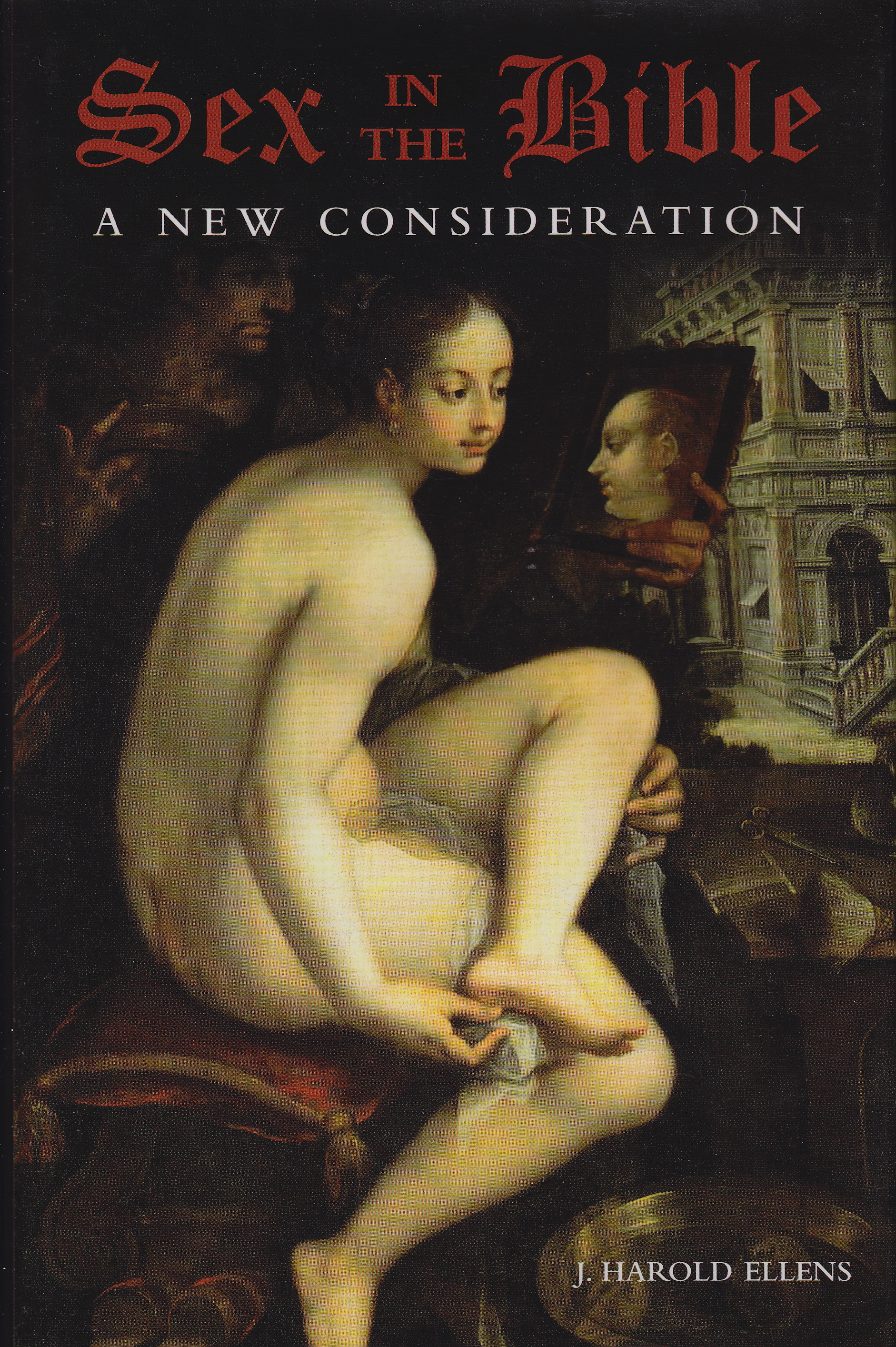
SexInTheBibleThe word polymath used to be applied more easily. In these days of highly specialized training, it is difficult to have expert knowledge in more than a couple of areas. The two areas, sexuality and scripture, dealt with in J. Harold Ellens’s Sex in the Bible: A New Consideration, are such zones of specialization. Students of the Bible have recently begun an intensive exploration of how sex fit into the ancient worldview. Ellens’s book surveys all of the biblical legislation about sexual matters and a fair number of the stories involving the same, with the sensitivity of a professional counselor. Indeed, his practical knowledge of human sexual development and psychological needs based on it should inform society’s understanding of scripture. The Bible is no pristine book. Neither is it a romance novel. Still, ancient people were not as shy about sex as post-Victorians tend to be. The Bible is often frank on the subject.

The main danger of a project like this is trying to decide where to take the Bible literally and where not. Ellens, while he has some training as a biblical scholar, falls into a familiar trap. He assumes, as parts of the Bible do, that Israel’s neighbors were sexually depraved. Not only did they condone things like bestiality, according to Ellens, but they incorporated sexual deviancy into their worship. Ancient records, readily available for decades, give the lie to that outlook. Ellens makes the case that biblical writers had no way of knowing, however, that homosexuality, for example, is a biological predisposition that can’t be changed at will. Other sexual practices that are now considered normal and healthy were perversions in the biblical period. Medical science should inform our understanding of Holy Writ.

This is an argument Ellens can’t win. Passionate though he may be about how all of this just makes sense from a scientifically informed point of view, the fact can’t be changed that the Bible does condemn some sex acts outright. Even more damaging, in my opinion, is that the Bible clearly views women as the sexual property of men, and men regulate the sexuality of their females. Anyone arguing that the Bible is a moral guidebook in regard to sexual mores must face this issue head on. There’s no tip-toeing around it, even with verified psychological pedigree. The Bible is the product of a patriarchal structure that did not tolerate sexual practice outside prescribed limits. We now understand the same behaviors from a scientific point of view, but the written text doesn’t change. It is just that dilemma that makes it very difficult to be an expert on two fields so diverse as sexuality and biblical studies.


Book Culture

The book is not dead. Yesterday, on a warm, sunny spring day that veritably screamed “outdoors,” I found myself standing in line. I was at the Hunterdon County Libraries’ book sale. Having awoken in a panic a few weeks back gasping, “I missed the Bryn Mawr book sale!,” I made it a point to catch this one. You see, I read a lot of books on the bus. My job doesn’t pay very well, so I get inexpensive tomes where I can. And I wasn’t the only one in New Jersey sacrificing a rare, sunny weekend to look at books. I arrived twenty minutes before starting time and was well back in line. Although I seldom find items from my wish list, it always does me good to see so many people out for the purpose of literacy.

thumb_IMG_2160_1024

A book sale, like life, is like a box of chocolates. By far the majority of books here are publications vastly overprinted by excessively optimistic publishers. Of course, some people may buy books without the intent of keeping them, as difficult as that is for me to fathom. Since these are donations, it’s difficult to say much about how they reflect the taste of New Jersey readers. I couldn’t help but notice, however, as I wended my way to the religion table, that those who got there before me were racing through this particular table with a focus I can no longer muster, snapping up the gems, manically filling their bags. About the only other table where I saw that kind of passion was the science fiction section. I get overwhelmed in such environments. Too many titles, too close together, in only the loosest of orders (and sometimes very mis-categorized) can make for frustrated hunting. Nevertheless, I’m glad I marked my calendar.

The religion tables were mostly filled with predictable material that fails to challenge the intellect. Still, if it gets people reading, I have no cause for complaint. After about half an hour it was impossible to get through a single aisle without having to excuse myself a few times. Every subject, every category, had its readers. I was especially glad to see so many young people there. This may be the most hope for the future that I will see all year. Home with an aching shoulder and a supply to keep me going for forthcoming weeks, I notice the clouds drifting over what began as a glorious blue sky. No matter. If it rains, I will have plenty to do indoors. Resurrecting the mind from its slumbers is the most religious of all activities.


Brain Dead

I’ve been thinking about brains (is there any more existential thing to do?). Reading a book this week about the mind (see Thursday’s post) probably has something to do with it. And also having finished a book on zombies maybe contributes as well. You see, I find it strange when scientists assume that we can figure out all the answers with our limited brains. Although we are endlessly fascinated by them, neuroscientists have long noted that they do have weaknesses—they (brains) are easily fooled, and, for those who find no room for the mysterious in the universe, we’ve made up gods to keep us company. We know that relative brain size—relative to body mass, that is—is a large factor in intelligence, but we seem not to imagine the possibility of larger brains than those we carry around. I suppose it’s not without reason that alien brains are disproportionately larger than our own, according to the standard image of the “grays.” We don’t like to think there’s something smarter than us hanging around. It’s a frightening thought.

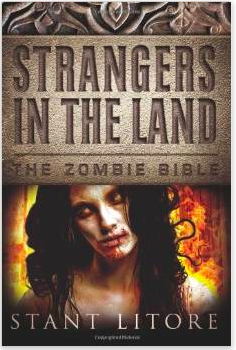
Screen Shot 2015-05-02 at 5.35.48 AMOn the more earthy side, brains have been the usual fare for zombies in one sub-division of the zombie movie neighborhood. George Romero gave us flesh eating as a paradigm, but eventually zombies settled on brains. This was on my mind as I finished the epic Strangers in the Land that Stant Litore kindly sent me in Kindle form. I’d read What Our Eyes Have Witnessed on my own, and the author wanted me to read more. Litore’s zombies are more in the canonical Romero sector—they eat flesh and their bite conveys zombiehood. Strangers in the Land takes its base story from the book of Judges. Only Deborah becomes a zombie slayer. Brains aren’t eaten here, but they must be destroyed for a zombie to—what? Redie? Full of colorfully drawn characters, the story rambles through the countryside of ancient Israel, plagued with zombies. It is the brain that keeps a zombie going.

While I have to stand by my recurring assessment that the zombie is a hard sell in novelistic form (here goes my mind again! Reading a book gives your brain too much time to focus on the utter impossibility of bodies missing organs or vital tissue to move, or “live,” even with a brain) Litore is onto an interesting idea here. Looking at it metaphorically (as surely he intends it) helps. Perhaps I just miss the lumbering revenants of Return of the Living Dead calling out “Brains! Brains!” The Bible, however, is endlessly open to reinterpretation. What Our Eyes Have Witnessed was post-biblical. This current installment moves us into the realm of reception history. I’ve been researching reception history and the undead for a few months now. I have some conclusions to share in an academic paper a few months down the road, but for the time being, I’m still trying to figure out brains. Or maybe I’m just out of my mind.


Mind the Gap

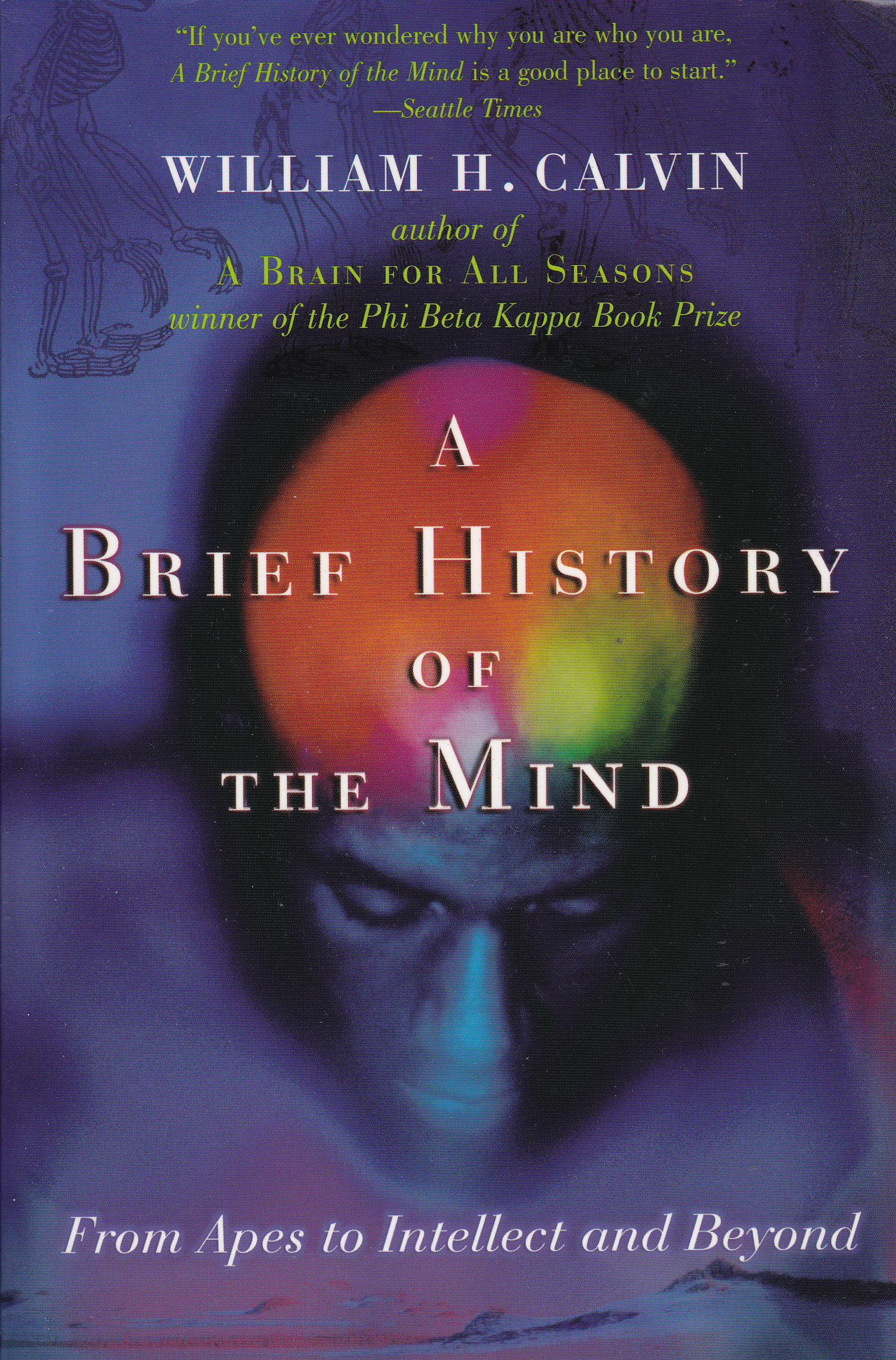
HistoryOfMindThere’s something on my mind. I guess that’s the normal state of a conscious being. William H. Calvin’s A Brief History of the Mind might clarify that a bit. Although I have trouble accepting Calvin’s belief that mind is the same as brain, he does allow, in this wonderful little book, for a somewhat more expansive view. Subtitled From Apes to Intellect and Beyond, the story is more than just a survey of archaeological finds and their physiological counterparts. This is a story. It is a story of how we developed minds. Calvin approaches the topic with the realization that others will have different stories, and that future discoveries (some of which may have already been made in the decade since the book was written) may change it a bit. The book ranges from the quasi-technical (at least from the perspective of sitting on a bus) to the amusing, but always keeping in sight of the fact that this is of human interest.

Particularly compelling is Calvin’s consideration that we may have, at least from our modern perspective, gotten ahead of ourselves a time or two. In discussing the migration of hominids from Africa, he makes the brilliant point that perhaps we weren’t quite ready for that adjustment at that time. We seem to have perhaps driven other hominids to extinction. Our technology might have been outracing our conceptual knowledge of how to handle it. When he returns to this theme later in the story, the results are even a little frightening. We do sometimes get to the point where we can do things that we shouldn’t do. Before our minds have realized the full implications. Atomic bombs, anyone?

Unlike many scientists who believe in materialism, Calvin does not ridicule religion. He notes that it can be taken too literally, but does not suggest we are fools for believing. In fact, he discusses a couple of sects that have turned dangerous over time. He shows how they acted logically, following their thought process in an orderly, if clearly wrong, direction. Some would use this as a cudgel to bash religion in general. Instead, Calvin seems to suggest that we might learn from all of this. Minds, while impressive, are not perfect. Logic can have its flaws. We can, despite the tragedy, learn valuable things about how the mind works. This is an open-ended story; the future of mind is being constantly disclosed. If there is a future for us, we can perhaps prepare a bit better by understanding what’s on our minds.


Plainly Ghosts

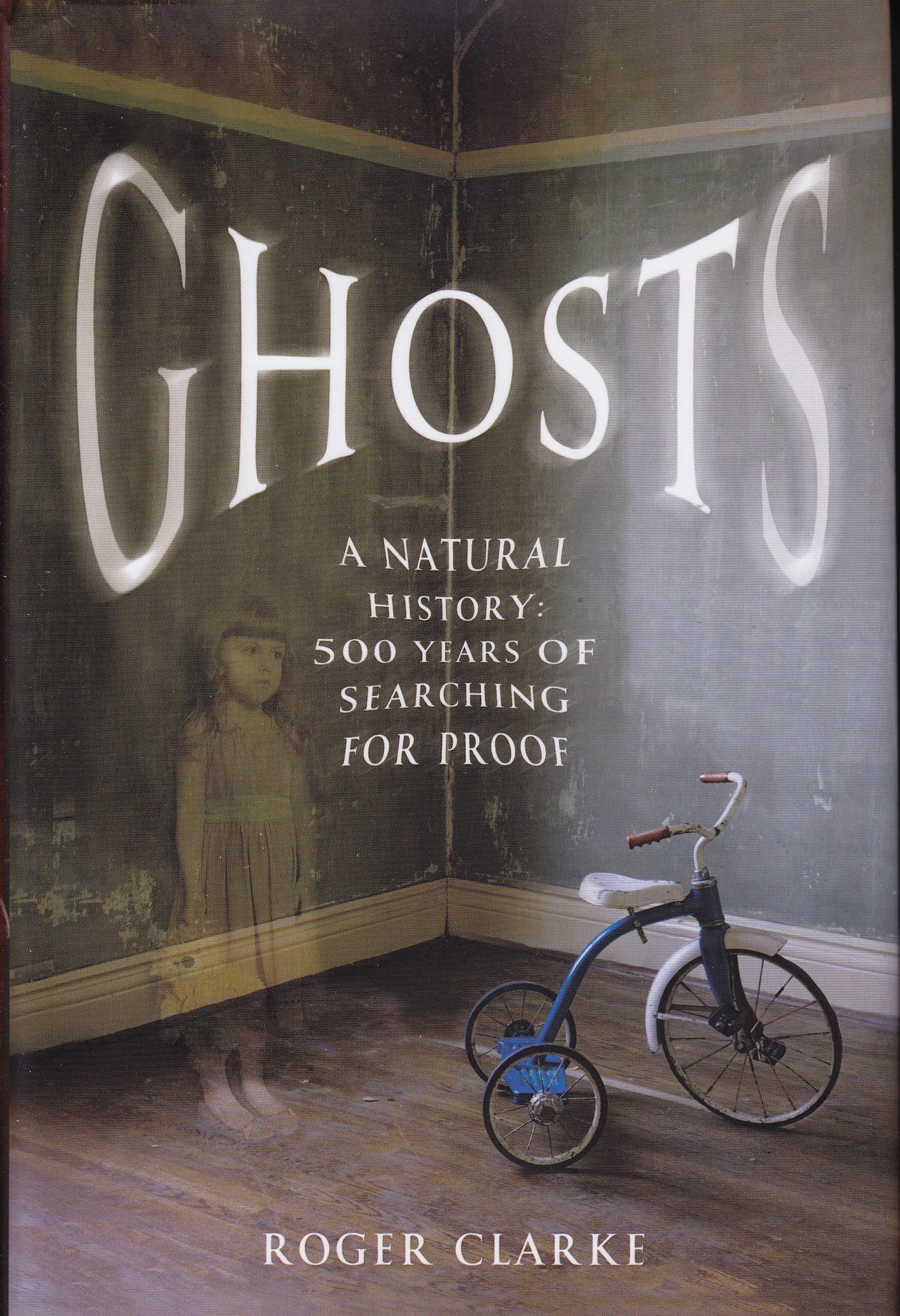
GhostsSometimes I’ll buy a book and secret it aside to read later as a kind of reward for making it through some heavier material. Research monographs don’t always do the job for which they are required in the commuter’s life—keeping me awake on a long and tiresome bus ride. I look forward to the book that has more appeal, and I don’t want to rush through it right away. I picked up Roger Clarke’s Ghosts, A Natural History: 500 Years of Searching for the Truth in Princeton’s wonderful Labyrinth just after Christmas (the traditional time, I learned, for telling ghost stories). Now that spring is more or less firmly in place, and I’ve gotten through some erudite studies that I might use for an academic paper or two, I picked it up to pass the time on my weary ride. As regular readers will know, ghosts have long been a preoccupation of mine, but one on which I’ve always been ambivalent. Clarke doesn’t set out to prove anything here. His book is more experiential than agenda-driven. He begins with the simple observation that people do see ghosts.

Lamenting that he himself has never seen one, Clarke sets out upon a partially autobiographical explanation of where this fascination began. Being from the United Kingdom—often cited as the most haunted country in the world—he goes through some of the more famous accounts with a sharp eye. Crying shenanigans when they’re obviously there, he questions how one can claim that any one country is more haunted than another. More importantly, he notes how seeing ghosts is a marker of class. Historically, the rise of the middle class led to the death of the ghosts. The rich and the poor see ghosts more often. Those in the middle associate such sightings with poor education, while those who are most educated and refined take ghosts for granted. It is only with the rise of reality television, the true opiate of the middle class, that ghost belief has become acceptable in the broad center.

Clarke also frames his work against the religious background that Catholics, with their belief in purgatory, had room for ghosts in their theology. Protestants tended to see anything reported as a ghost as a demon, since the soul either went to heaven or hell after death, meaning that there’s no ghost left to wander around. While doubtlessly skeptics exist, I have always been intrigued that even hard-nosed scientific views of the paranormal world tend to go a bit softer on ghosts than they do on cryptids and aliens. I suspect that’s because ghost reports have been around as long as written records and, presumably, long before. People have always seen ghosts, and in such large numbers that it is difficult to simply call them names and say they’re foolish. Yes, we may be a credulous lot, but we can still find books like Ghosts at a reputable bookstore. And we can tuck them away as guilty pleasures to take the chill off an otherwise very dull ride.


I’m No Legend

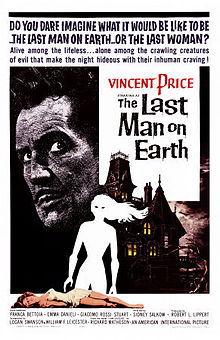
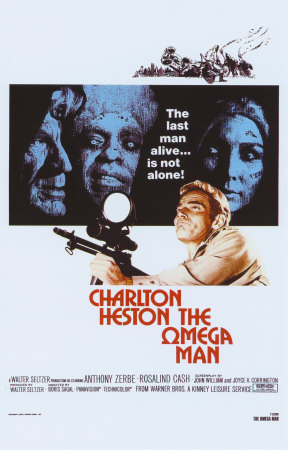
First there was The Last Man on Earth with that rare, disappointing performance by Vincent Price. Then there was The Omega Man, putting Charlton Heston into the role that fit him better than Moses. Finally, returning to the original title, I Am Legend featured Will Smith as Robert Neville. Having watched all three movies, I knew I should have read Richard Matheson’s short novel first. After all, it was a vampire story, and who doesn’t feel utterly alone once in a while? I finally decided to make an honest man of myself. It occurred to me as I started to read that I didn’t know how this story would end. All I had ever seen were cinematic treatments—and who writes anything serious about genre fiction? Still, I needed to know.

Last Man

Matheson was one of the writers who had caught Rod Serling’s attention on the Twilight Zone. Having read some of his short stories I could see why. Not knowing the ending, some of them can actually be scary. I Am Legend isn’t exactly frightening. It is, however, thought-provoking and sad. Matheson, a New Jersey native, wasn’t among the most literary of writers. Nevertheless, he conveys some deeply disturbing images of humanity in this particular novel. After all (spoiler alert!) Robert Neville is the evil one. He has been killing vampires with a cold calculation, no matter whether they are living or undead (good or bad). Who has a right to kill whom depends on your point of view.

The-Omega-Man-Poster

In I Am Legend, Matheson makes it clear that Neville, the last man alive, is an atheist. The problem, as it usually is, is theodicy. How could a god allow such a massive tragedy to strike not only himself, but the entire world? After the vampire virus had spread, Neville finds himself dragged into an evangelistic meeting by terrified survivors who had turned to religion to make sense of their tragedy. Neville escapes as quickly as he can. The movie versions tend to ignore this poignant aspect of the narrative. After all, the audience watching must sympathize with Neville or the whole draw of the movie is off. In a nation where atheists are trusted about as much as vampires, it seems that Matheson left us a parable as well as a legend.


The Lure of Lore

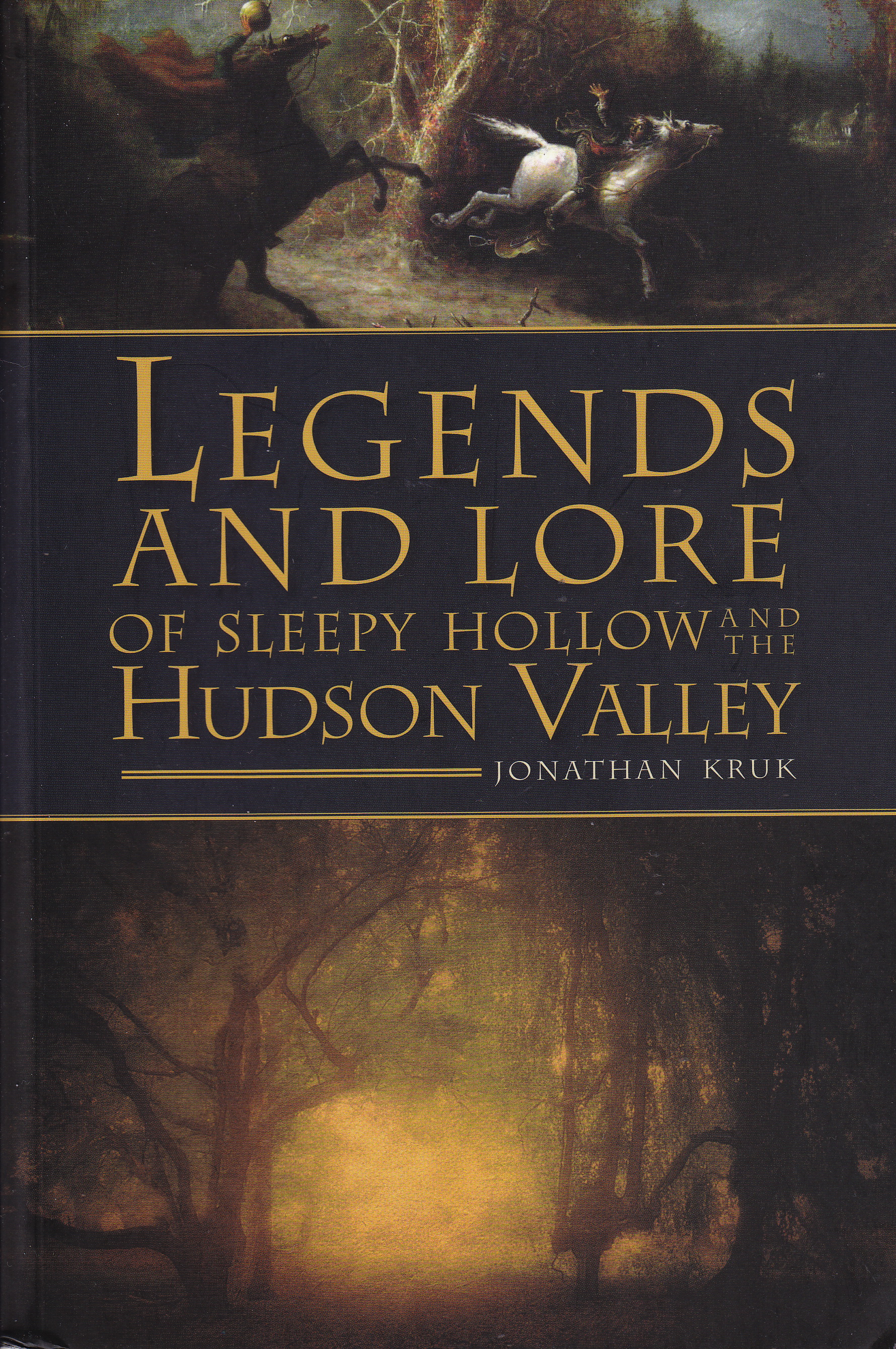
SleepyHollowOne of my doctoral advisers, Nick Wyatt, has become a friend over the years. I’m sure he would agree that he is often called a maverick, but in the best possible way. He is one of the brightest people I’ve ever known. When it was time for his Festschrift to appear, I had been unceremoniously tipped out of academia and left to my own devices. Being his first doctoral student, I had to contribute a piece, and so I settled on one I had written about an Edinburgh ghost story that seems to have roots in ancient Sumer.  Nick is the kind of scholar who can appreciate such ventures. This paper came to mind while reading Legends and Lore of Sleepy Hollow and the Hudson Valley by Jonathan Kruk.  Kruk labels himself a storyteller, and that was a venerable role in ancient times.  In fact it was a priestly one.  Kruk draws out the many tales of headless horsemen and other spirits mentioned in Washington Irving’s “Legend of Sleepy Hollow.” Nothing is proven here, but that’s not the point.

Headless ghosts were a staple of nineteenth-century lore not only in the Hudson Valley, but also in Scotland and Germany, as well as in many other locations.  How a spirit became decapitated is generally part of the draw to such ghoulish stories, and Kruk convincingly points to the tradition of the Wild Hunt as an element in Ichabod Crane’s famous ride.  The point is that stories often contain a truth that facts can’t match.  Case in point: the legend of Sleepy Hollow is alive and well. There have been periods, and will likely be more periods, when interest wanes, but we keep coming back to the story because it teaches us something about ourselves.  Empiricism is all fine and good until you find yourself facing a headless phantom on a nighttime highway.  Experience all of a sudden takes the wheel.

What does this have to do with Professor Wyatt?  My Festschrift article was reviewed, at a much earlier stage, by the journal Folklore.  I received a very sniffy rejection letter, citing, among other scholarly infractions, that I had referred to a popular publication (say it isn’t so!) as a source of the Edinburgh ghost story text. Where else was I to find it?  What scholar would bother to replicate an obviously—let’s just say it—uneducated tale?  Isn’t it beneath scholarly dignity? The stories we tell, I’ve always believed, make us who we are. It may be that materialists will have the last laugh.  When they are carted to the graveyard, however, I can guarantee that there will those among the common mourners who will be able to make a believable tale that their lives meant something after all.