Equal Women

It’s been so busy this year that Mother’s Day crept up on me.  We have a lot of spring birthdays in our extended family, and what with the weird weather this year and unexpected household expenses, it just kept slipping my mind.  I like to commemorate the day on this blog because I’ve considered myself a feminist for many years.  I’m very distraught that women still aren’t treated as equals to men.  This should’ve been a no-brainer over a century ago.  (Having an historian’s outlook, I realize that in the days when women tended to die young, in childbirth, it was difficult for many to rise to positions of social prominence.  Once we got to the stage that most women survived the experience, and then to the point that economics drove us to two-income families, the male-superiority charade should’ve been dropped.)  The fact is none of us would be here without our mothers.  Father’s day has never been a big deal for me, but Mother’s Day is important.

I did manage to remember to get my wife a card in advance, but this year the day itself kept slipping my mind.  Ironically, my wife and I had watched a biopic of Mother Ann Lee last night—I’ll post on that tomorrow—and it was only as I was preparing to write about it for today’s post that I thought, “Wait.  It’s Mother’s Day.”  (We do have plans for the day; I’m not a complete barbarian.)  My excuse is that we were set off yesterday by an early encounter with a brusque and condescending Verizon employee who would not help set up a new phone purchased elsewhere.  I hadn’t slept well the night before and it rained all day, none of which made for a productive Saturday.  The movie (tomorrow’s post) was longer than anticipated, keeping me up late.  Movies, strangely enough, are now starting to really influence my dreams.

My dream for today, however, is that women’s equality will become a reality rather than something we just keep talking about.  There can be little doubt that we’d be better off with a woman president than with the alternative.  A woman has traveled further from the earth than many billions of men have.  My doctor and dentist are both women.  They can do anything men in their professions can.  They are university presidents and CEOs.  Pilots, both civilian and military.  They are religious leaders.  And many of them do the job on top of being mothers.  I consider it a personal failing that it was only as I was about to post about Mother Ann Lee (tomorrow) that I finally realized today is a very important day.  Let’s make Mother’s Day count!


Spring Halloween

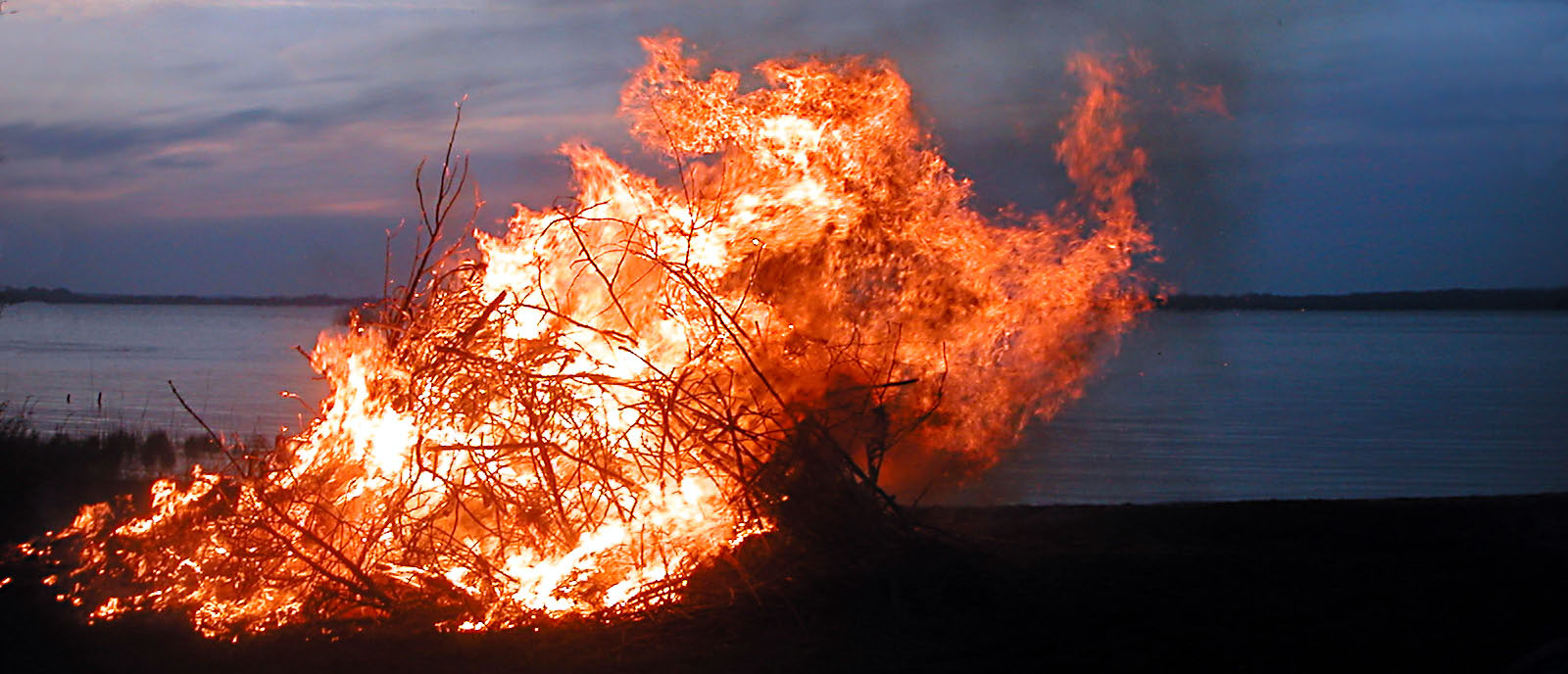
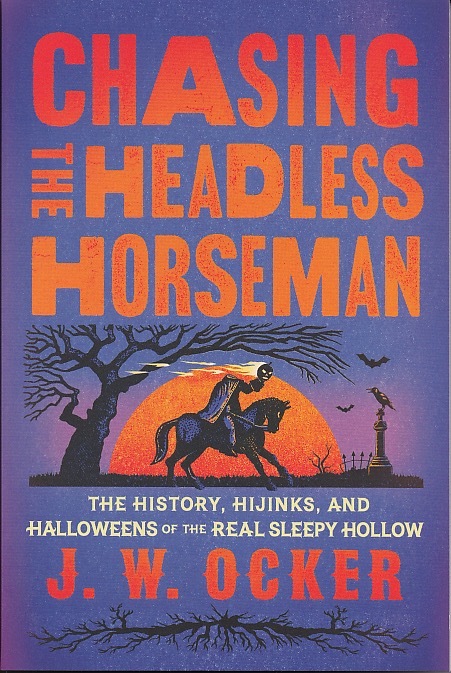
Being a lifelong fan of Halloween, it’s only dawning on me now that Walpurgis is almost precisely half-a-year from its October sibling.  This occurred to me this year for a couple of reasons.  Someone from Sweden emailed me on April 30, noting that Walpurgis was still celebrated there.  (In an amazing, almost superhuman, show of restraint I did not mention Midsommar).  I tucked that away.  Then one of the very few Facebook groups I follow (Halloween Madness) had lots of posts over the next day or so noting that Halloween is only half-a-year away.  The penny finally dropped.  Walpurgis is Halloween in April.  Well, not exactly, but it could be.  The idea of the autumn being a spooky time of year may trace its roots back to “The Legend of Sleepy Hollow,” as I point out elsewhere.  Traditionally, the scary season was around the winter solstice, now known as Christmastime.

Walpurgis Night in Sweden; image credit: David Castor, public domain via Wikimedia Commons

Now, I enjoy Christmas a lot.  It is family time.  It is time off work.  It is hunkering down cozy time.  I read a lot and watch movies without having to interrupt everything to stare at the computer for eight or more hours every day.  I also take a bit of horror with my holiday.  There are Christmas ghost stories from before when Christmas became a capitalistic enterprise, giving the warm glow of childhood memories of gifts and such.  I try to keep that tradition alive, without spoiling things for my family.  But things can also be spooky in the spring.

My strange schedule of awaking around 3 a.m. to do my writing means that I always wake up in the dark.  I jog when it is just light enough to see.  Yes, it can be spooky in April.  And the weather, which is still far from certain—the Germans have a saying, “April does what it wants”—can be downright scary.  And there is an extant tradition of a scary spring holiday.  Walpurgis Night (Walpurga was actually a saint) was the commemoration not only of Walpurga, but the driving out of pestilence, various diseases, and witchcraft.  Its spooky potential was realized by Disney in its first Fantasia, but it hasn’t really taken off here in the States as the second Halloween.  It is celebrated in some European countries and it seems to me that it could make a useful addition to paid holidays where Christmas is fueled by the lucre we labor to give to others all year.  If I can remember, I will try to post more about Walpurgis Night in a more timely way next year.


May’s Cool Start

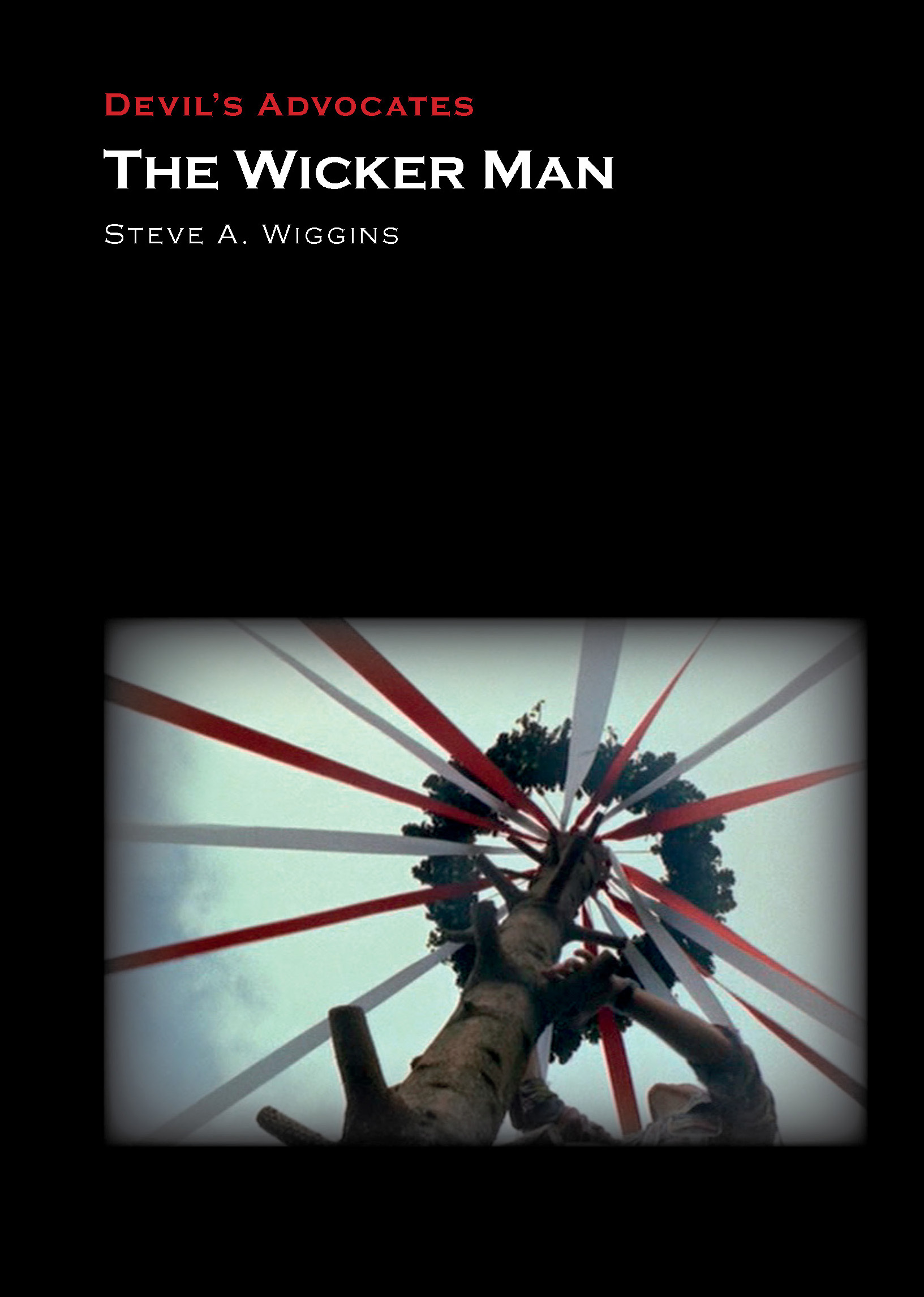
Beltane always makes me think of The Wicker Man, for some reason.  I recently got a royalty notice telling me sixteen copies had sold since the last statement.  (I never received that actual statement, but Worldcat shows that 419 libraries have a copy, making it my second best-selling book (maybe the best-selling; most royalty statements don’t include the total number sold, as much as authors would like to know that).  In any case, today is Beltane so I tip my hat to Sergeant Howie of the West Highland Constabulary and confess that I have two more books on the movie that have come out since I wrote mine that I haven’t read yet.  The reason is that I’m currently researching for a new book and Sleepy Hollow intervened.  But back to Summerisle.

The Wicker Man was a movie before its time.  The last of the three famous British films that spawned the sub-genre “folk horror,” it helped launch a new interest in ancient religions.  A friend pointed me to Children of the Stones (there will be a post on it in coming days), which was a British children’s television series with distinct folk horror undertones.  Maybe overtones.  It made me think of Wicker Man again.  And the way that folk horror has taken off in the past decade or two.  I’ve lost track of how many folk horror movies I’ve watched.  While discussing Christopher Lee with a friend lately, I was reminded how he once said that of the many movies he was in, The Wicker Man was the best.  It’s certainly a literate film.  Folk horror often tends to be.  Delving deep into what people (the folk) really believe can dredge up some very interesting possibilities.  I try to use them in my own horror writing.

Just because my book doesn’t explore the folk horror angle doesn’t mean I don’t think it’s not there.  (Sorry for the four-negative disclaimer.)  Devils Advocates at the time was looking for an approach that didn’t foreground folk horror.  Scholars tend to typecast Wicker Man.  I was working on a larger holiday horror project at the time—I may come back to it some day—and was surprised that nobody had approached the film from that angle.  The genre “horror” itself is a bit of a misnomer, and many of the sub-genres aren’t clearly defined.  For many people “horror” equates to “slasher,” but there’s a great deal more out there than that.  The Wicker Man stands witness to that on this somewhat cool May Day decades later.


A Day for Earth

Sometimes things come just when they’re needed.  Although it was earlier this month, the Artemis II mission was a celebration of Earth Day.  It was also a much needed shot in the arm during difficult times for the environment.  Human arrogance is quite often checked by nature.  The series of very hot April days followed by extraordinarily cold April days reminded us around here that nature is firmly in charge.  Our comfort, or expectations, are secondary to the vast world around us.  And we love our world for it.  We are guests here and we couldn’t survive without it.  We may set up a base on the moon or Mars, but such places will still rely on our home.  It helps that those who’ve ventured further away than humans have ever gone sent back photos to remind us of how small we are on a fairly small planet.  Pictures of home.

Photo credit: NASA, public domain, FD06_high priority pao

From our daily perspective it’s difficult to believe that outer space surrounds us.  We’re so caught up with our own little problems, generally of our own making.  I write this after a day of shivering in a chilly house as electricians replaced the breaker box and the conduit, from service head to basement mounting.  It was a sunny day but temperatures hadn’t really recovered after a nighttime low in the twenties.  I reflected on how much we’ve come to rely on being able to shut nature out.  How difficult it would be to survive without shelter, and a little heat.  With the electricity off the furnace didn’t know to kick on, and windows had to be open to snake wires through.  For all the wonders of a household electrical system, the Earth itself is so complex we are still only beginning to understand how it works.  We love it.  We fear it.

Our dependence on things we’ve constructed makes me feel fragile sometimes.  When we first noticed our electrical issues I walked to a local shop run by an Earth-loving owner to see if their power was out too.  “Water and electricity,” she said, “are the two things we can’t do without at home.”  She was correct.  We rely on the grid.  Nature could take us with both hands behind its back.  As the replacement process stretched beyond the scheduled finish time, I had visions of a cold night without power.  No way to cook dinner, no way to keep food safe in the fridge.  I thought of astronauts a quarter-million miles from home, protected by a shell made here on Earth.  And looking back to lovingly snap a photo for Earth Day.


Easter Flowers

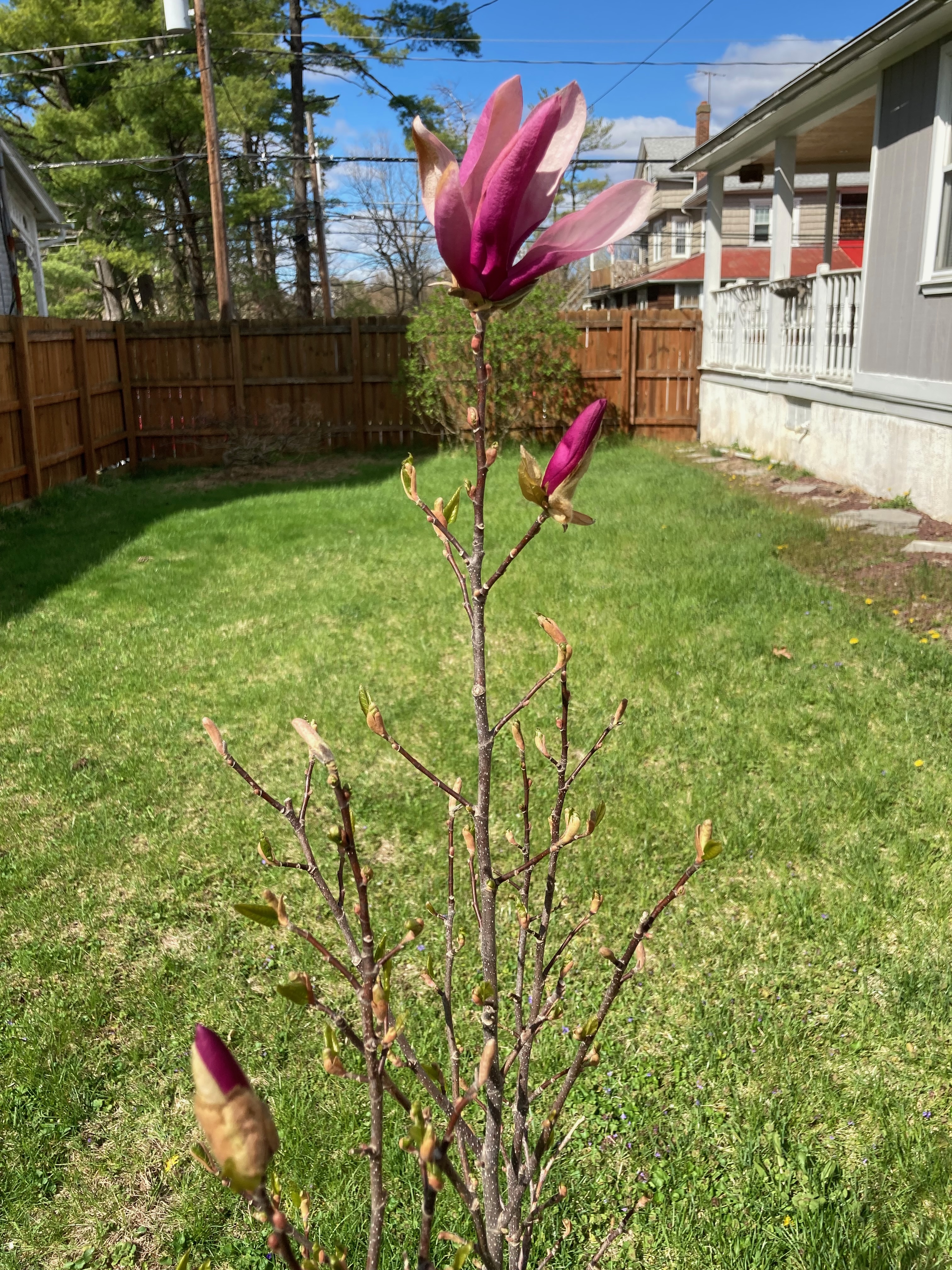
Easter is our springtime holiday of hope.  Flowers are starting to bloom and the cold spells, when they come, don’t last too terribly long.  Of course, as a moveable feast Easter can come earlier than this, but here we are, in April with brave flowers making themselves vulnerable.  The weather’s fickle, as is typical of spring, with the lovely warm days often coinciding with when you have to be at work, reserving rain and chill for weekends.  Around here, anyway, it felt like winter lasted quite a long time.  It got cold early and was gray and gloomy for much of the time.  And for around here, we had a lot of snow.  Spring was reluctant to show up.  The timing of Easter was good this year.  The older I get, the more I appreciate the flowers.

As a kid, I appreciated the bright colors, but flowers were too delicate to play with and you could surprise a pollinator with a stinger, which seldom ended well.  As an adult I see that each flower is its own world.  For perennials, a resurrection.  Last year I somewhat clumsily dug up the daffodils that some previous owners had planted where nobody could see, and transplanted them in our attempts at a front garden.  Having already sprouted, they did not like that, and they withered and disappeared.  I hoped I hadn’t killed them.  This spring they showed up, reminding me that life is persistent.  It keeps trying.  That resurrection is possible.

We could spend a lifetime studying a flower and still not comprehend it all.  We see it for what it offers to us without thinking it exists for its own purposes.  All of nature interacts and we are connected, that flower and I.  We share the planet with insects for whom it is a source of life.  And other flowers with which it communicates in ways we can’t even understand.  We have to humble ourselves if we would let them be our teachers.  Our constant narrative of being on top of nature is misguided, you can almost hear them say.  There are riches here that money cannot buy and flowers would exist even without us being here to see them.  Nature carries on.  It urges us to acknowledge that we are part of it.  Easter is a holiday enfolded within hope, inseparable from its flowers.  They may be delicate but they are also wise.  We can learn from them.


Second Friday the 13th

It’s a measure of how regimented my life has become.  The 9-2-5 workday is ruled by the calendar in a way teaching wasn’t.  But on this, the second Friday the 13th of 2026 I figured I’d reveal something that only repetitive calendar watching taught me.  It’s so simple many children probably know it, but it is something that being a drone taught me.  Ready?  Unless it’s a leap year, the dates in March are the same as they are in February.  Mathematically (and I don’t think that way) this makes perfect sense.  February’s 28 days are evenly divisible by seven, something that isn’t true of either 30 or 31.  That means in three years out of four, March begins on the same day of the month that February does.  So if February has a Friday the 13th, so does March.  

Photo credit: Andreas F. Borchert, Wikicommons

I’ve confessed to being interested in holidays and significant dates.  Last month we had Friday the 13th before St. Valentine’s Day on the 14th, and the following Monday, the 16th, was Presidents Day.  A special long weekend.  This kind of syzygy always catches my attention.  I knew even then, however, that Friday the 13th would recur in March.  The only extenuation, in this case, is that St. Patrick’s Day is on Tuesday.  Now, I have some Irish ancestry and Tuesday always vexes me a bit.  Well, the coming Tuesday, I mean.  Green isn’t really my color.  I have a green sweater that doesn’t really fit anymore, but I try to wear it just about every year.  (I’ve had it since high school.  I can still fit into my college clothes—those that I still have, but alas, nothing green.)  I keep clothes until they literally wear out.  I can’t donate them because they’re rags by the time I’m done wearing them.  I grew up poor and that shows.

So here I am on Friday the 13th wondering if I should buy something green to wear on Tuesday.  You see, I take holidays seriously.  One of my unpublished books was about holidays.  I ended up using some of it in The Wicker Man, but May Day is still a ways off at this point.  Friday the 13th isn’t really a holiday, except for horror fans.  I’ve only seen the first two movies in the franchise—slashers have never been my favorites.  So this is just another Friday at work for me.  It feels sort of like the movie Groundhog Day.  The calendar just keeps telling me it’s a work day.  But at least on Tuesday I’ll be wearing green.  And if I decide to act on my impulse, contrary to my usual practice, and spend money on a sweater instead of books, maybe it’ll even be something new.


Seasonal Horror

It was a rare combination: Friday the 13th, Saturday Valentine’s Day, and Monday some federal holiday.  One of our first friends as a couple called unexpectedly on Friday to say she was in the area and that led to an impromptu meeting for a late supper at a diner.  Still, being Friday the 13th a horror movie was prescribed.  So I picked My Bloody Valentine.  I’ve seen it before, of course.  (I had a whole life before this blog, as witness this friend.)  But the confluence of Friday the 13th and Valentine’s Day forced me to realize that I’d never posted about it.  And the fact that Monday is Presidents Day made a horror movie mandatory, given the current denizen of the White House.  Back to My Bloody Valentine.  First of all, there was the question of which to watch.  The original from 1981?  Kids in high school were talking about this, but I didn’t watch it until several years later.  Then there was a reboot, My Bloody Valentine 3D, which wasn’t as highly rated, in 2009.  It nevertheless was well made and, it was streaming for free.  Spoilers follow.

I’d forgotten whodunit, so the movie kept me guessing.  Here’s how the story goes: a coal mine cave-in led Harry Warden to kill his fellow miners to preserve the air to survive.  He went into a coma, but after a year he awoke and massacred the hospital staff and kids partying at the mine on Valentines Day.  He was shot dead.  Ten years later, Tom, the son of the former mine owner, one of the kids at the fateful party, returns to town to sell the mine.  Instead, he becomes Harry Warden in his mind and begins killing again.  Viewers don’t know that it’s him since he wears a miner’s mask.  Suspicion is thrown on the sheriff, Axel, who was also one of the kids at the party.   And Tom and Axel are feuding over Sarah, now Axel’s wife, but formerly Tom’s girlfriend.  The movie effectively keeps you guessing whether Axel (who’s a philanderer) or Tom (who has mental problems) is the killer.

The movie has a Pennsylvania feel to it, having been filmed in my home state.  This is more in the industrial part where I grew up, rather than the Bucks County that features in M. Night Shyamalan movies.  The only thing they got wrong is that it doesn’t seem very cold for February.  (February can be a trickster in this state, with temperatures anywhere from the seventies to zero or below.)  It isn’t a bad horror offering.  The 3D effects are campy, but that only adds to the fun.  It was the right choice, given the confluence of red letter days.


Welcome 2026

I put great stock in holidays, but I’ve never felt a deep connection to New Year’s Day.  I’m more of a morning person than the stay up late sort, and the New Year also seems cold after the coziness of Christmas.  But here we are in 2026 nevertheless.  We’re encouraged to look ahead.  I’m not much of a corporate person and I don’t see much wisdom in devising five year plans in an unpredictable world or any such nonsense.  The way things have been going in the news, it’s hard to have a five-day plan that bears any resemblance to reality.  But New Year’s Day does seem an appropriate season for optimism.  Hope stands here, anticipating better days ahead.  I am, despite appearances, an optimist.  I do believe in progress and the calendar keeps on ticking over regardless.  What will 2026 hold?  Who knows.  Best to take it one day at a time.

For me personally, I’ve got a couple books nearly complete and I do hope to find publishers this year.  And I’ve got many others started as well.  Writing is an act of optimism.  I’m always touched when someone lets me know they’ve found my work interesting, or even helpful.  Someone once contacted me to let me know Holy Horror had helped them through a difficult time.  This made me happy; writing books is a form of connection.  When I read books—a major planned activity for 2026—I’m connecting with people I don’t know (usually).  Writing to me feels like giving back.  The funny thing about it is the tension of having little time to do it seems to make it better.  I always look forward to the break at the end of the year but I find myself using the time to recover rather than for the intensive writing I always plan to do.

I have spent the last several days doing a lot of reading.  That too is a coping technique.  I’ve got some good books that I’m looking forward to finishing in 2026.  And the blog bibliography continues to grow.  Looking ahead I see reading and writing.  That to me is a vision of hope.  I didn’t stay up to midnight last night—that only makes me start out the new year grumpy.  No, instead I woke up early to start the year by writing.  And reading.  What does 2026 hold?  I have no idea.  I’d rather not speculate.  I do believe that as time stretches on some improvements will begin to take place.  I do believe holidays are important, both looking back and looking ahead.


Scary Christmas

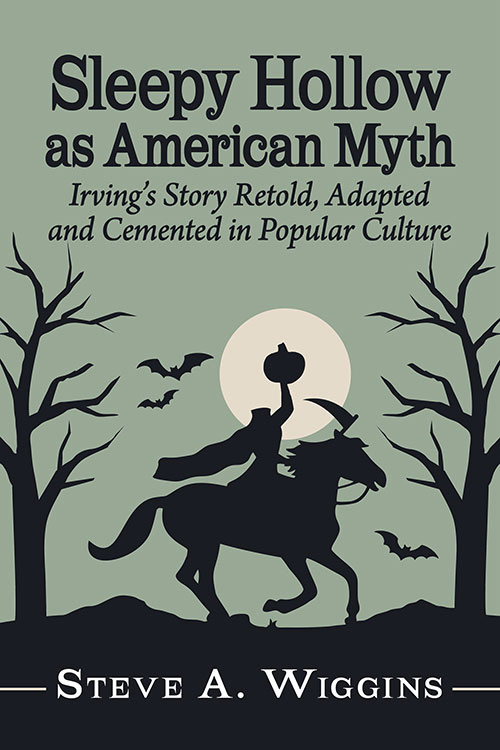
A few days ago I mentioned the connection between Christmas and Halloween.  I’m apparently not the only one to be interested in this because Tim Rayborn wrote Scary Book of Christmas Lore.  This little, holiday-themed book is a gathering of (mostly) scary creatures associated with the winter holidays.  Each creature, or tradition, is treated in less than two pages and the book is generous with color illustrations.  While not a research book (it’s set out as an impulse buy in some Barnes & Nobles at least), nevertheless Rayborn, like yours truly, holds a doctorate from a university in the UK and spends at least part of his time writing books on spooky topics.  (More successfully than yt.) In the process of researching Sleepy Hollow as American Myth I gathered stories of scary Christmas creatures, but didn’t include most of them in the book.

Apart from the obvious Halloween connection, a few things stood out to me about this book.  One is that the majority of these tales come from Germanic cultures.  If these branch up into Scandinavia, almost all of the creatures in the book are covered.  There are a few from other regions as well, but this suggests that winters in Northern Europe used to be seriously scary.  Some of the darker visitors around the winter holidays are clearly local variations of others.  Krampus, for example, is having a day and there are other local versions of a monstrous companion to the “good cop” Santa who comes along to dole out punishment.  Some of the other beings associated with the season are a variety of other monsters—some human, others less so.

The long, dark winter suggests itself as a season for scary stories.  It’s unlikely that this book will send anyone shrieking into the closet or under the bed, but it helpfully brings to the light that people have long found both the fear and entertainment value of telling of frightening creatures.  The Teutonic imagination gave us many of our nighttime fears.  The British, inspired by such tales, tended to codify them into the monster stories that gave the modern horror genre its tentative start.  Although, as I discussed with my daughter on Christmas morning, horror stories began in the pre-biblical era (something I wrote about in an article a couple years back).  And, of course, religion and horror have naturally gone hand in glove for longer than anyone has really traced in any level of detail.  So a little book of monsters around Christmas?  Why not?


Quiet Christmas

It has been a busy Christmas season this year.  Busy from my perspective, that is.  Introverts like to spend time alone, recharging.  Those with my kind of neurology, though, crave being with others when we crave it.  Even on a budget we’ve been able to anticipate the peace of Christmas Day.  For me, the rush began with attending my usual conference in November.  It always meets the weekend before Thanksgiving and Thanksgiving was late this year.  The weekend before the conference we attended the Lehigh Valley Vegan s’MAC Down on Sunday afternoon.  Friday I was on a train to Boston.  I returned and spent Thanksgiving with some good friends in New Jersey and December came with the following Monday.  Since work fills in the interstices between weekends I really didn’t have time to catch my introvert breath.

That first December weekend we attended the Lehigh University Christmas Vespers.  This free concert is a gift to the community and was a quiet way to enter the season.  We used to attend a similar event at Princeton University, but Lehigh’s much closer.  Living near Bethlehem (Christmas City), we like to spend a day in the historic downtown, looking for stocking stuffers mostly.  This was the next weekend.  We followed this up with our annual visit to Christkindlmarkt.  By the time I was done counting on my fingers, there was one weekend left before Christmas.  Friends had invited us to dinner that Sunday night, a day after the Lehigh Valley Vegan cookie exchange.  This level of activity is more than I’m accustomed to, although it did remind me of how socially busy the Christmas season was in Britain, even for post-grads.  My wife and I came home from dinner, lit our Yule log, and quietly acknowledged the winter solstice.

So now it’s Christmas Day.  I’m awake at 3 a.m., like a kid.  It is a day when I don’t have to go anywhere.  And, most of all, it’s quiet.  The only sound is a great horned owl hooting in the woods across the street.  I value this day for the opportunity to be still.  A day for recharging.  Before anybody else is awake, I listen.  There will be music later this morning and it will be fine.  And I’m thankful for all the activities that led up to this point.  Tomorrow, it seems, I’ll be out shoveling as yet another winter weather system makes it way here.  But for now it’s quiet.  And a Christmas owl agrees to cease hooting after letting me know I’m not alone.


Symbolic Light

I’m a great believer in symbolism.  I have made a number of symbolic gestures in my life, whether anybody notices or not.  Today is the winter solstice, a day of great symbolic importance.  Not only do we light a Yule log at home, accompanied by poetry reading, but I have another, private symbolic act.  This year I will substitute our usual nightlight for the wicker tree.  Not the one from the movie, thank you.  No, many years ago, when my mother was still alive and working at a local department store, she bought us a small wicker and plastic Christmas tree.  When you plug it in, it shines with white Christmas lights.  Every year I set it on the landing at the turning point in our staircase to substitute for our usual night light.  We have an older house and the nightlight is important for going downstairs when it’s still dark.

The symbolism here is that my mother is bringing light on the shortest day of the year.  The solstice has been observed from time immemorial in northern climes.  We may not have a white Christmas this year but we’ve already had a pretty significant snowstorm (all melted by a significant rain and wind storm), but the solstice is about light, not cold.  You may not have noticed it, but the sun is setting just a bit later these days.  It’s also rising later, as it will continue to do until the second week of January.  The solstice is the day when the number of hours of light is the least, when the longer evenings are offset by the later mornings.  Earth-based religions, which gave us Yule, longed for days of greater light.  This was the symbolic reason for Christmas so near the solstice.

My symbolic switching of nightlights isn’t the only symbolism I realized this year.  As I was thinking about the significance of this day for making the change I realized that the nightlight we normally use dates back to the year my mother passed.  We had one emotionally-wrought morning to sort through her belongings.  One of the little things I picked up was a stained glass lamp.  It’s very small, with a candelabra size mount for the lightbulb.  It took the place of our old stair-top nightlight.  And although today I switch to the tree my mother gave us, the light that we normally have through the night comes from a small lamp I inherited from her.  All of us together await the returning of the light.


Halloween in December

The wind was frigid.  We were still in the cold snap that layered the northeast in its gelid blanket for the first part of December.  We had advance tickets for Christkindlmarkt, a Bethlehem tradition.  As we wandered through the tents I was thinking of one of the few Facebook groups I follow, Halloween Madness.  Most of the posts are repurposed from the internet but the last few weeks, since Thanksgiving, the offerings have been blending Halloween and Christmas.  Most people don’t stop to think how closely related the two holidays are.  (I devote a chapter to Halloween in Sleepy Hollow as American Myth, where I explore this connection in a preliminary way.)  But in this bleak December—we’ve seldom seen the sun for more than a couple hours at a time since the aforementioned Thanksgiving—my thoughts emigrated towards horror.

For those of you who’ve never been to Christkindlmarkt, it’s a germanic themed market consisting of four (or more) large tents, full of vendors.  Many of them are Christmas themed, but not all.  Those that are Christmas themed tend toward the Currier and Ives version of the holiday, but some consider the more ghostly side of the season.  Although I didn’t see any booths explicitly devoted to horror themes or monsters, a few of them had a bit of this aesthetic to them.  I’m no fan of capitalism, but I have to wonder if this isn’t a missed opportunity.  I think there’d be some fans.  I do enjoy Christmas for its symbolism and optimism and coziness.  I really do.  But when I have a few free moments in the holiday season I sneak in reading a scary book or watching a horror movie.  There is a connection, but you have to study the holidays to see it.

I fear that this year I was trying pretty hard to preserve any bodily warmth between the tents and didn’t really have much time to think about it until the next day.  I’m always mindful that Edgar Allan Poe’s “The Raven” is set in December.  And that both Charles Dickens and M. R. James associated Christmas time with ghosts.  I suspect most people, however, prefer the cheerful, happy side of the holidays.  I don’t blame them.  Life can indeed be harsh, as harsh as this windchill, for much of the rest of the time.  There are some of us, however, who do find a little lift by peering into the darker corners, even at this festive time of year.  And with natural light in such short supply, there are a lot of shadows about this chilly December.


Oz Undone

Horror is notoriously difficult to define.  Two friends recently suggested that I watch Return to Oz, which, for them, was horror.  Although rated PG, it does shade into horror at several points.  It begins with an eerie soundtrack and a disturbing idea: Dorothy hasn’t been sleeping and really believes in Oz, so she’s to receive electroshock therapy.  She escapes the gothic hospital during a storm and after almost drowning, lands in an Oz gone wrong.  Any number of scary things happen there, and the story is one of constant tension.  First Dorothy encounters the “wheelers,” which equal blue-faced, flying chimps for terror.  She is taken to the residence of a wicked princess who has a collection of heads and changes them at will.  At one point she chases Dorothy with no head on at all, perhaps referencing the headless horseman.  People turn to stone or sand, depending on whether the Gnome King or the deadly desert gets them first.

Dorothy tries to find the Scarecrow but he’s been captured and imprisoned by the Gnome King, who turns people into objects.  When she frees the Scarecrow the gnomes—scary monsters, not bearded little people—attack.  Dorothy and friends are chased to a point that they’re about to be eaten by the Gnome King.  This is dark Disney.  There’s a minor Halloween theme and a living jack-o-lantern.  Fairuza Balk, who plays Dorothy, would go on to play horror and gothic roles.  Even Pumpkinhead, the jack-o-lantern, would be used as the title of a legitimately scary horror movie.  All in all I was impressed with how well this fits into PG horror.  It’s scarier than some other intentional horror with the same rating.

I missed Return to Oz when it came out in 1985.  I’d graduated from college and began seminary that year, so I was a bit distracted.  The movie has gathered a cult following and was praised by Neil Gaiman.  Interestingly, the writer/director Walter Murch noted in an interview that he’d used the book Wisconsin Death Trip, a nonfiction book of unusual events and deaths in a small section of, well, Wisconsin, to get ideas for the script.  This seems a strange inspiration for a Disney film, and indeed, Murch had a rocky time as the director.  The end result is strangely affecting and fits what might be considered horror for children.  The squeaky clean image that Disney has cultivated in recent decades hides a history of films that can legitimately scare the young.  Return to Oz is one of them.  And it has a fascinating back story.


Shipping Tracking

It’s an anxious season. What with porch pirates being a thing and the holiday season near, I think it’s about time to rate shipping trackers.  Please, I am not rating the actual delivery persons—theirs is a difficult job, I know.  On the receiving end, there’s always an anxiety that an item left on the porch will be raptured before discovered by the person who ordered it, so I try to arrange my schedule to be home on delivery day, during delivery hours.  The post office (USPS) has always been a little suspect.  I’ve had “item delivered” messages from them only to find it wasn’t even out for delivery that day.  And don’t get me started about two local distribution centers that appear to have no idea what state they’re in, let alone what other towns might be nearby.  USPS isn’t near the top of my list.  With apologies for the spoiler, Amazon understand logistics.  I know many people who don’t like Amazon for various reasons, but say what you will, they generally know where your package is, in my experience.

There is a service on the bottom of the list, regarding trackers, but before I get there I need to say that these are shipping companies we’re discussing.  Their raison d’être is to move items from one place to another.  I also realize that the older companies that ship had to integrate computer tracking into already existing structures.  USPS was around centuries ago, and it’s understandable that integrating tech into the rather straightforward process of getting an item from A to B is a challenge.  I’ve worked for companies that have tried to integrate tech into pre-existing structures, and it’s always messy.  Still, it would seem that if your business is delivery and everything from GPS systems and advanced software make that more efficient, why wouldn’t you integrate it?

Which brings me to the bottom of my personal list.  I’m sorry UPS (not USPS), it’s you.  The tracking info is often virtually junk.  The number of times I’ve seen a package to be delivered that day only to have some half-hearted excuse, such as “Delayed” pop up on the timeline, with no explanation, followed a day or more later with a vague “we’ll get it to you when we can” message, hardly inspires confidence.  All the more’s the pity since UPS was the “United Parcel Service,” with the goal of being a package delivery service industry.  And it was founded more than a century ago.  You’d think that they might be able to scrape together a few dollars to hire some kind of systems architect to figure out where the software’s falling down on the job.  Of course, I should be charitable with the spirit of the season. It’s just that I’m anxious.  There are porch pirates in the neighborhood.


Eve of Winter

“You must live like a monk!”  These were the words of one of my bosses.  I really couldn’t deny it.  I try to lead a quiet life of reading and writing and I do try to avoid extravagances.  My contemplative life suits me.  Every now and again, however, busy stretches come and distort my perspective.  Thinking back over this autumn on the eve of December, that season has been one of those times.  So much so that I haven’t been able to watch much horror, which is one of my usual seasonal avocations.  I suppose it started when a scammer emptied out our bank account in early September.  That entire month is a blur of fear, depression, and anxiety.  Those emotions have settled down, but the trauma and financial loss have remained.  

Toward the end of the month, my daughter moved.  Thankfully not too far away, but parents often feel the need to help when their only child is not yet well established in a new area.  October grew so busy that we had no time to decorate for Halloween.  We did manage to carve some pumpkins, but the weekends—the only time anything for real life actually gets done—were all eaten up and I entered November with that crowded head space that accompanies a monk lost in the secular world.  Looking back, I finished fewer books than usual and I’ve already mentioned about the movies.  This year I was pretty sure I’d be attending the American Academy of Religion and Society of Biblical Literature annual meeting in November.  I had missed the past two years, not really mourning the loss, but preparing for the trip occupied part of October.  Halloween came and went, taking the first weekend of November with it.

In November we had guests come and the second weekend disappeared.  The next weekend I had to get into high gear for my trip to Boston.  That was when I had the flu shot that wiped out a weekend.  I awoke groggily on Monday realizing that Friday I’d be on Amtrak’s Northeast Regional.  I’d never been to Metropark before and the conference itself ate up the fourth weekend in November.  After that, we turned around and spent Thanksgiving with some longtime friends in New Jersey.  Then we learned a Pennsylvania friend had spent the holiday alone and decided to make a celebration for them yesterday.  So here I find myself on the eve of winter with a fall that somehow disappeared.  Busy spells can be refreshing, even for the monkish.  But tomorrow is back to work as usual as December sets in.