2015

New Year’s Day seemed to me, as a child, an odd choice for a holiday. We’d just had Christmas a week before. Of course, at the time I did not realize that the date of New Year’s was a symbolic one for the Christian calendar, and the celebration seemed no more significant than getting to stay up until midnight. The systematic changing of the years felt just like the regular progression of numbers, and what was there to celebrate about that? Of course, time cures even itself, and I came to see New Year’s as a time of new beginnings. Resolutions never sat well with me, since improvements, I’ve always believed, should be implemented as soon as the problem is noticed. Waiting until the dead of winter hardly seemed like an inspiration to get things done. Unless the resolution was to get more sleep. Still, we can all use new beginnings.

Photo credit: chensiyuan, Wikipedia Commons

Photo credit: chensiyuan, Wikipedia Commons

New Year’s, however, has taken on a more somber tone of late. As an adult, I often brood over the past year, and it seems that just when hope may be on the horizon, we find new ways to make the situation worse. Much of it comes down to politicians and the economy, two things that no resolutions ever seem to fix. Although I didn’t see the point of it all as a child, I did look to the future with optimism. It has gotten so bad now that science fiction writers have to make a case for trying to have a positive outlook. Dystopias are popular, I believe, because they are believable. Given the performance of politicians and church leaders (with the obvious and large exception of Pope Francis) we’ve seen little to suggest that our institutions have the will or the means to improve our lot. Even the Pope has made enemies by being a nice guy.

Already we’ve begun to hear that some apocalyptic groups have targeted 2015 as the year the world will end. We’re just getting over 2012. I think what is most disturbing is the sameness of it all. Another year means the continuation of a job that keeps food on the table, at least it is to be hoped. Beyond that, we will have more antics to watch that, were they not so fraught with consequences, might be thought funny. I haven’t lost my capacity to dream. Those who think me a pessimist don’t know me very well. Dreams are, however, futures that we have to take into our own hands. We can’t spend 2015 waiting for politicians and corporations to suddenly change for the better. In what sense is “business as usual” ever new?


Bible Stories

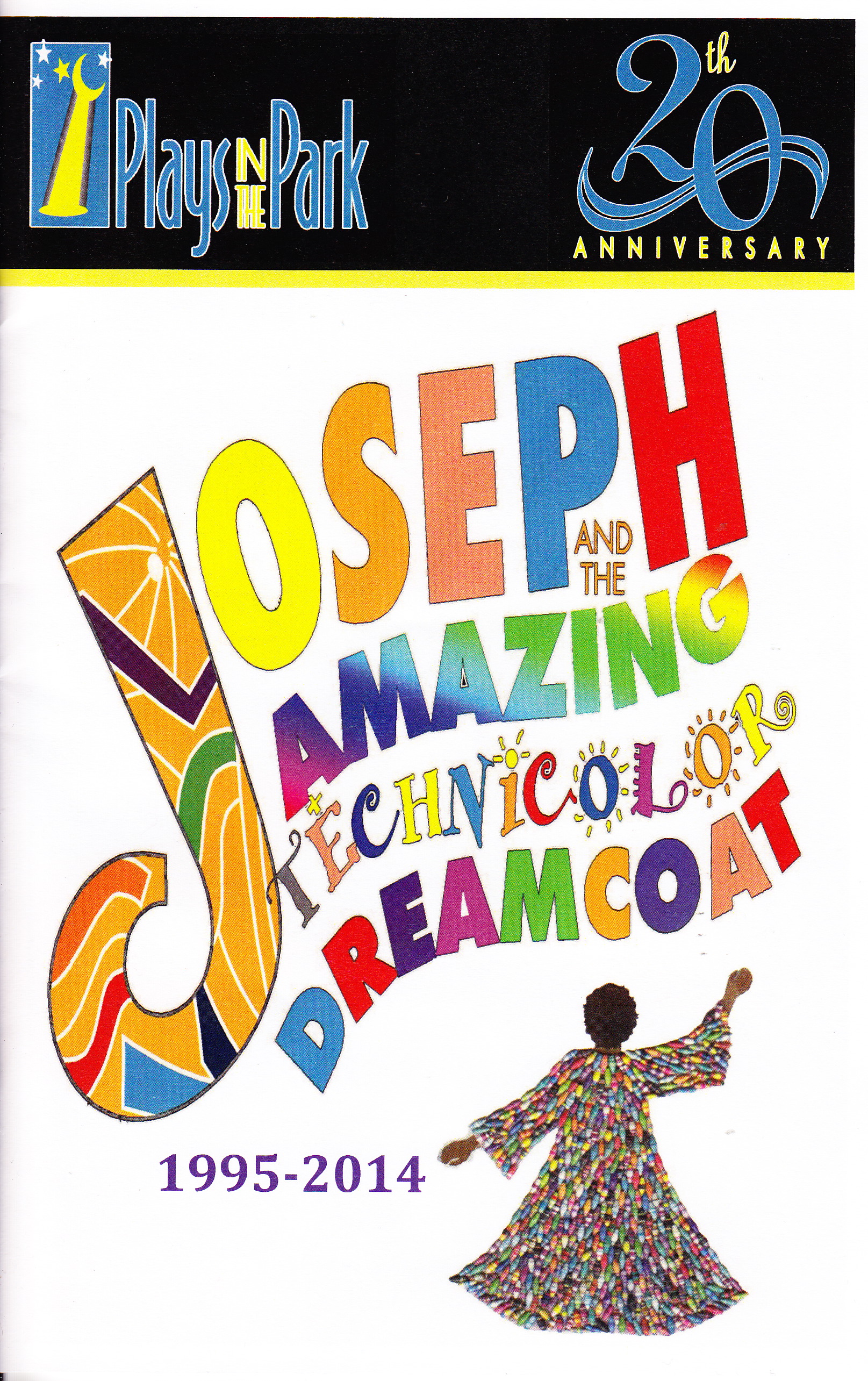
JosephSay what you will about it, but the Bible has some great stories. Based on classical measures of what makes a good tale, the Bible ranks up there with Greek mythology and other ancient fiction that is meant to teach us about being human. Stories do teach, and literature is among the greatest of pedagogues. For the past two decades, Plays in the Park here in the New Brunswick area of New Jersey, has been putting on a post-Christmas, pre-New Year production of Joseph and the Amazing Technicolor Dreamcoat (indoors, due to the time of year). With the kinds of production values you expect of many off-Broadway venues, the show is exceptionally well done, and due to the local color, never too serious. And they play before a packed house. The reasonable prices, I’m sure, have something to do with it, but the fact is the story of Joseph is classic. Full of radical reversals, dreams that come true, and reconciliation, the Joseph novella is one of the great stories of humankind. Unlike many tales of Genesis, God is rather in the background here, perhaps overseeing the event, but not interfering in the human drama.

Although the musical, like most adaptations, takes liberties with the story, it remains fairly true to the Bible. Andrew Lloyd Webber and Tim Rice also had success with Jesus Christ Superstar, showing that, despite its detractors, the Bible still has some appeal. Negative sentiment directed toward the Bible largely derives from the wooden insistence of literalists that everything must be taken at face value. The Bible isn’t allowed its symbolic resonance. Perhaps we can get beyond a worldview where the sun literally goes around the earth, and pay attention to the very human dimensions of the stories it tells. Truth may be of scientific nature, but it may also be—indeed, it must be—human. The very concept of verity is human. We are the ones making up the story.

Scholars point out that even the colored coat of Joseph is based on a translation decision in the Septuagint (the Greek Hebrew Bible). For many people, however, who’ve never read biblical scholars, the truths of Joseph and the Amazing Technicolor Dreamcoat as just as legitimate. The rivalry between siblings is something many of us have experienced firsthand. While not many of us get promoted from prison to vice-president, we still dream that our lives could get better. Our dreams could come true. The upbeat score, of course, helps to reinforce the message—one might say it makes the message believable. That doesn’t mean that the tale is not true. There was no historical Joseph. The colored coat may be a translation error. The story is nevertheless true. Doubters should watch the show. Next year in the State Theater in New Brunswick just after Christmas would be an excellent opportunity to do so.


Mother’s Night

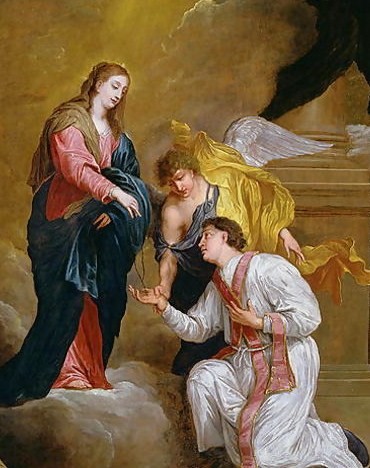
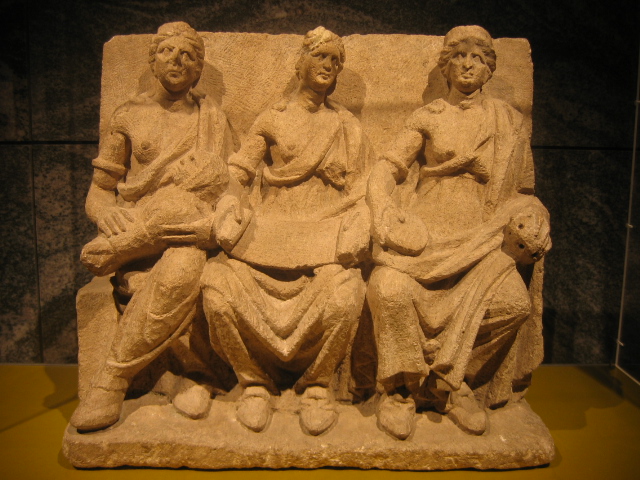
It wouldn’t be Christmas, in the Christian tradition, without Mary. Still, apart from her later enhanced role in Roman Catholicism, Mary’s part beyond Christmas is minor in the church. She seldom features in biblical accounts of Jesus’ life. It is easy to forget the female role that was so much a part of winter solstice celebrations that coalesced into our modern twelve days (really only one, for work purposes). That’s why I was glad that a friend sent me a link to a site about Mödraniht, or Mother’s Night. Honestly, I had never heard of this holiday before. Given the Germanic penchant for dramatic festivities, it comes as no surprise that Yule involved a night celebrating the feminine aspects of the season. Apart from the occasional references to Mary, we tend to think of this as the time a male son of a male God came to save mankind. What of the women without whom none of this would have been possible?

As Carolyn Emerick notes on her page, we know little about this sacred day because Christianity managed to wipe out most of the pagan traditions of northern Europe. Some, of course, survived and worked their way into Christmas. Modern holidays, being primarily days off work rather than deeply felt celebration (for we live in a world with no need for religion), have gravitated toward what had once been the male preserve of earning a living. Watching movies of Dickensian times, it is clear the women continued to work—likely even more than usual—to bring off a holiday celebration. It was the male prerogative to be the recipient of largess.

Photo credit: "Urban" WikiMedia Commons

Photo credit: “Urban” WikiMedia Commons

My concern is that gender equality may sometimes be confused with gender stereotyping, or even with patronization. How is it possibly to build equality into a system put into place by generations of men? Is civilization truly civilizing when half of the race and only a very small portion of the planet benefits? The Christmas season, even now rapidly slipping away, is a time for considering equality. Every year modern non-believers and humanists ask for equality—a dream always held at arm’s length, since the holiday earns record profits as it is, and the financial year revolves around it like a Pole Star. It is the time of year when we see if we’ve turned a healthy profit. The rules in the system were set long ago. Even with Mary in the manger, she blends into the background while shepherds, wise men, and other interested males plan to make a holiday of it.


Lords a’Leaping

As I’m writing a not insubstantial check for the rent, as I do every 25th, I am participating in a Christmas ritual. Having grown up with trees, presents, cookies, and a general warm glow about the holiday where you got things for free and didn’t have to do any work (home or otherwise), it is hard to believe that this kind of Christmas is a modern invention. Some years ago I wrote an unpublished book about the holidays. In researching it, I learned that Christmas was only gradually accepted as a day of celebration. For many it was too popish, and for others it was too frivolous. It was the day when tenants paid their rent to their landlords—and here is the tradition in which I’m participating—for landlords who don’t make money from their tenants are no lords at all. Indeed, this commercial transaction gives the lie to the common lament that Christmas has become commercial. It has been commercial for a very long time.

Some suggest that Charles Dickens—who wrote not just A Christmas Carol, but several stories about Christmas—is largely responsible for our sentimental image of the holiday. Individual traditions of the day go back to Medieval or earlier times, but the conglomeration of events that occur around December 25 come from many sources. Human beings, entrepreneurial by nature, recognize the economy of bringing various disruptions to the flow of money onto a single day. Indeed, the day after Christmas is often a day to rival the holiday itself, with people returning items and purchasing more. Soon enough Epiphany will ring in austerity. In watching for economic recovery, Christmas is a mere indicator of financial health. There need be nothing more to it.

A capital Christmas

A capital Christmas

As I was sitting in my windowless cubicle this week, receiving little email from academics (who are the main business partners for publishers) already out on a semester break, my thoughts turned toward the deeper meaning of the holiday. Business is business. Meetings with recurring set dates popped up for Christmas reminding me of events that, one senses, are only reluctantly cancelled. The true entrepreneur can’t wait to get back to the office. I’m busy looking deeper. The trappings may be modern, but the idea of celebrating in the darkest time of year is very ancient. We are hoping for something better. We are looking for a new start. Christian or not, anyone looking over the sprawl that we’ve made of everyday life can appreciate the symbol of a baby on the day the rent is due.


Angels We Have Seen on High

Humans have always ascribed significance to what they see in the sky. Evolution, I suspect, has a great deal to do with it, but so does religion. As I suggest in Weathering the Psalms, the sky is the barometer where we seek the temperament of the divine. The weather is an indication of what God might be feeling, in the pious mind. Of course, as a child I used to lay back and look at the clouds to see what messages I might find there. Pareidolia makes the process good fun, and lots of random “noise” can be interpreted as “signal.” It’s all done in a light spirit. Still, if the internet is to be believed, many people take images in the clouds much more seriously. Apropos of the holiday season, a story in The Telegraph tells of a woman from Lincolnshire who, on her way to a Christmas gathering, saw an angel in the clouds. Or more properly, an angel of clouds. Being the anniversary of her father’s death, she saw this as a sign from above that left her in tears. Others would call it matrixing.

The photo the woman’s daughter took as they were driving is impressive (click the link above to take a look; I’ll wait). I understand how it could be interpreted as an angel. Or even a bird. The feathering on the left wing, along with the wing structure itself, is stunning. And of course, given the time of year, angels are much on the minds of many. What would any manger scene be without them? Although pareidolia is not a religious phenomenon by nature, it nevertheless is frequently interpreted that way. We certainly don’t take much personal comfort in a mechanistic universe. When a loved one is gone, we would rather consider the more human (and perhaps supernatural) aspects.

430px-Bernhard_Plockhorst_-_Schutzengel

Interpretation of information is a constant activity of sentient beings. We don’t want to miss anything that will be of survival value. In the case of the angel in the clouds, the survival is beyond that of every day. We are constantly reminded that death is the final word, and yet we can’t quite bring ourselves to believe it. Whether it is shepherds on a Palestinian hill in the first century or a woman motoring along A17, the sight of an angel is something that stops the viewer and inspires an openness that we otherwise have been taught to deny. It may be that all she saw was a pattern of water vapor in a December sky. But even water vapor can mean much more than two hydrogen atoms binding to one of oxygen. It can be part of the breath of life itself.


Weather for the Birds

As Christmas nears so does a warm front, dashing hopes of a white Christmas in New Jersey. Well, at least there are no tornadoes coming. The weather, as my readers know, has long been perceived as a divine barometer. In a time when patience is wearing thin with religion, and weary headlines ask if it will ever finally disappear, our animal cousins seem, as usual, to pick up on clues more readily than we. An article on the BBC science page describes how a set of tagged golden-winged warblers vacated their nest a day before a tornado struck. Scientists suspect that the birds—and likely other species of birds as well—picked up the infrasound of the tornadoes that is well below human hearing range. Sensing the danger, they flew nearly a thousand miles, stopping just south of the storm’s track.

1957_Dallas_multi-vortex_1_edited

Of course, tornadoes don’t last an entire day. If the birds fled that long in advance, they couldn’t, I suspect, have heard a tornado that hadn’t formed yet. Since I’m no scientist, I’m not really qualified to offer an explanation, but I do wonder if such behavior isn’t related to consciousness. Several books that I’ve read recently have explored the concept of animal consciousness, and although we are reluctant to admit them to the realm of the self-aware, I wonder how long we can deny it. No doubt, if the birds fled (and returned after the danger had passed) there was an intentionality to their actions. Jealous of our intelligence, we must find a way to explain that animals can predict natural disasters of many kinds long before humans detect their more obvious traits. Our technology gives us seconds, or minutes, of warning. Dogs, cats, and birds know well in advance. But we are the superior beings here.

One of the problems with consciousness is that we can never get outside our own. Other people act in ways similar to us, and describe similar mental states, so we assign them the same kind of consciousness we have. Animals, not using human language, also act in similar ways to us. We call it “instinct” and continue on to the truly important stuff. I have no idea if birds can detect infrasound; I wouldn’t be at all surprised if they could. Without the ability to place it in the context of danger, however, I doubt they would take a thousand mile vacation just after their annual migration. We could learn a lot from our fellow creatures, if only we’d admit them to the conscious club and not the food club. And perhaps they might be able to explain to us why, despite all we know, religion never seems to go away.


X-mas Time

As predictable as crocuses in early spring are the controversies that crop up around holiday billboards. Even living in the quite blue state of New Jersey, I see plenty of advocating for the keeping of Christ in Christmas that the “keep Christ in Christie” campaign seems to lack. This year, however, the American Atheists billboard kerfuffle has shifted to Memphis and Nashville. There protests have been lodged that using children on “holidays for all” billboards is a kind of exploitation. And as we all prepare for the visit of baby Jesus, or Santa Claus, or any variety of mythical nighttime visitors, American Atheists are only asking that we all share the presents. It is an odd kind of culture war. Christmas, as we’ve long known, predates Christ. The holiday was usurped from pagan tradition and baptized into a holy day that was barely observed until the nineteenth century. The commercialization of the holiday gave it the current shape we recognize, and some Christian groups feel compelled to reclaim it in a kind of cultural crusade that will only end with complete acquiescence.

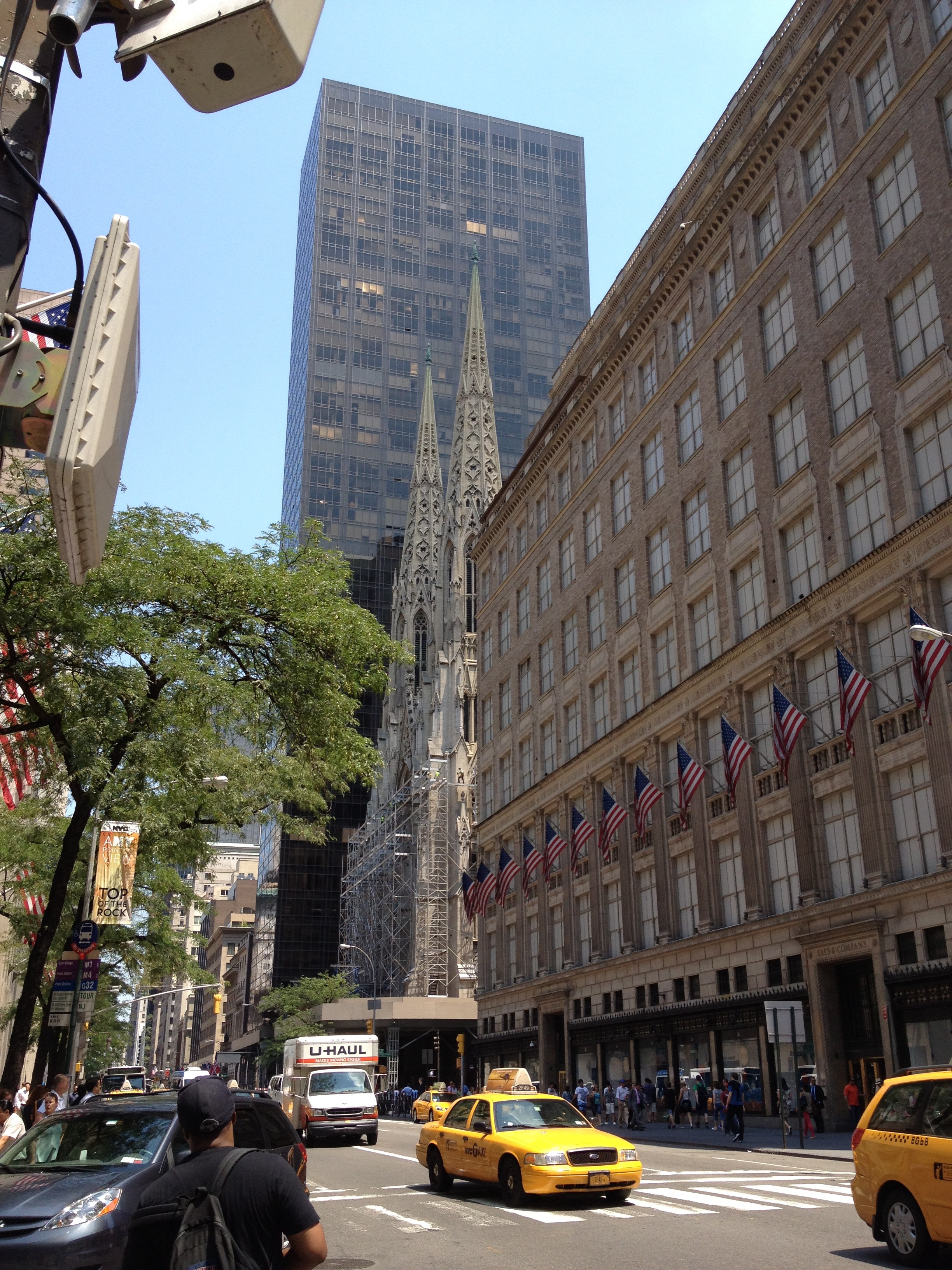
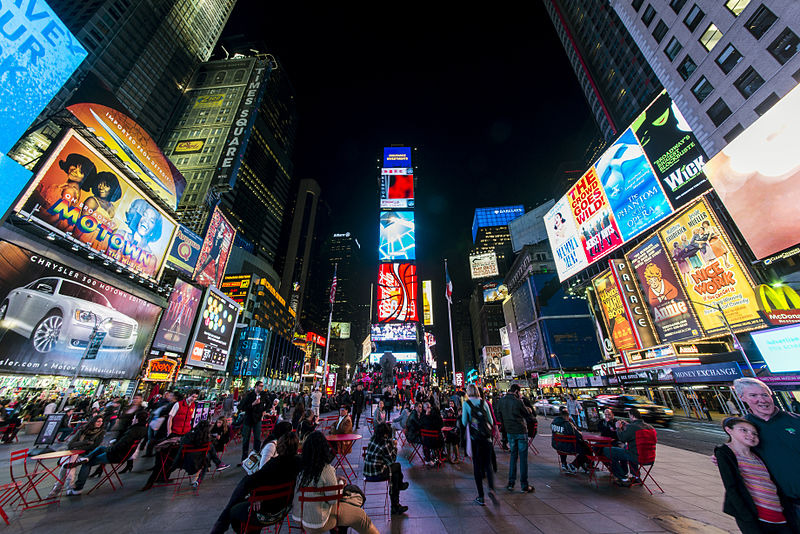
This is a holy war in which neither side is right. In the work-a-day world that I inhabit Christmas is above all a long weekend with a respite from the drudgery of a long commute to ensure that the system continues. Thousands stream into New York City, which, amazingly, does seem to transform for the holidays. The city that is, for most of the year, cold and heartless, suddenly displays a more human face. Giant wreaths and tall trees appear, bright decorations hang in windows. Menorahs and dreidels become manifest. Signs of Kwanzaa or other solstice-related holidays are evident for those who know how to spot them. People in general seem more generous than usual. Even many businesses relax their time-grabbing strictures a bit. Christmas did not begin as a Christian holiday, nor, it seems, will it ever be fully supersessionist.

IMG_1849

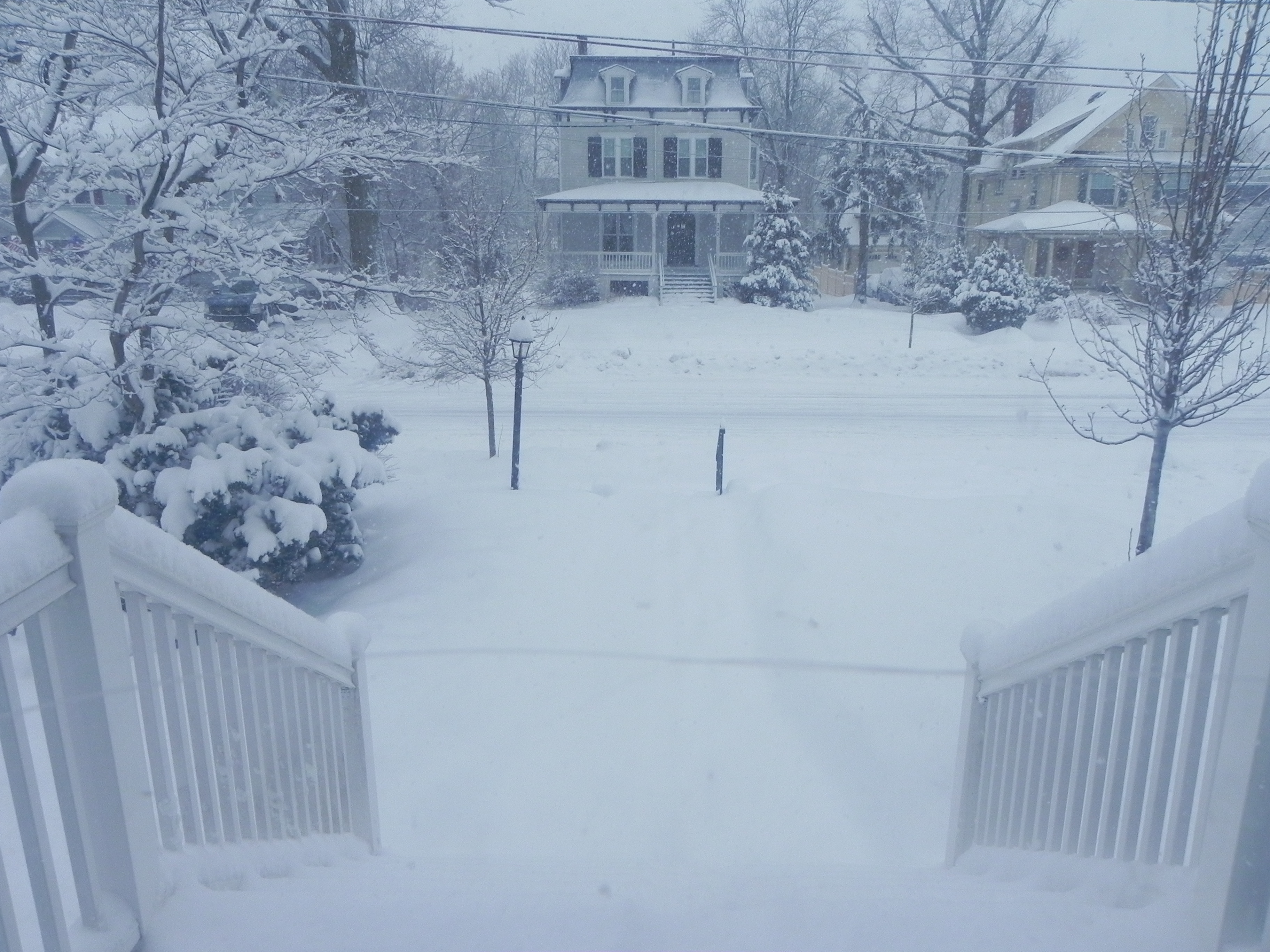
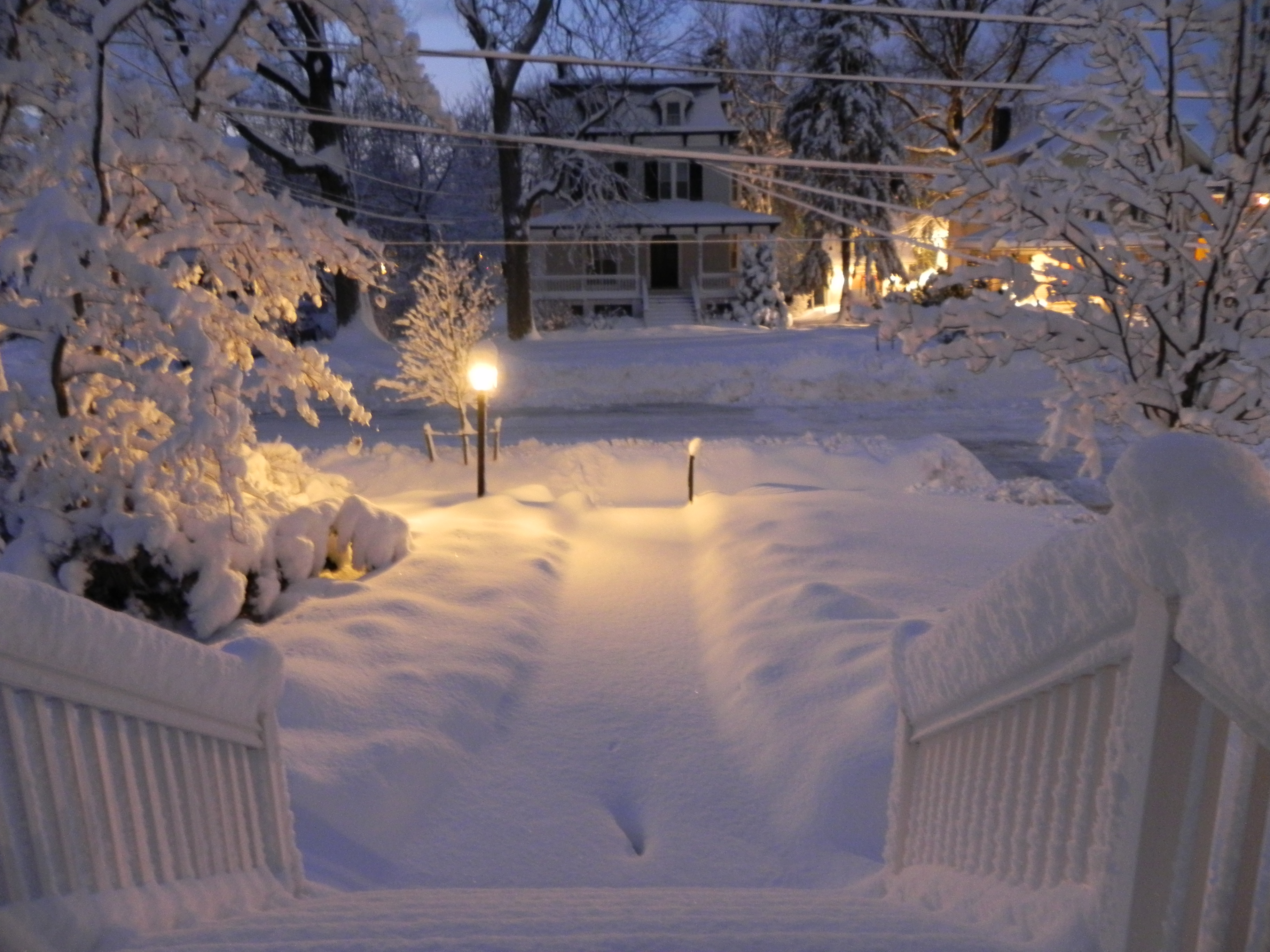
Celebration, I would suggest, is worth celebrating. Should atheists use a poster-child for the secular celebration of the holiday season? Should Christians have displays of mangers on church property where all passers by can see? Should Mensch on a Bench be displayed in stores? Should Santa be advocating for corporate giants who only want us to spend? Perhaps the answers are obvious. In my mind they are. We gather our families in, and in the northern style that has always resonated deeply with me, we look out the window and await the coming of the purifying snow.


When Darkness Reigns

I recently read an article about the Druids. The fact is, historically speaking, we know little of them. They are mysterious and silent and irrevocably linked in the imagination with the solstices. Cultures throughout the northern climes of the northern hemisphere have always treated the winter solstice with an extreme reverence. It is the day of the year when it seems like light just can’t come in any shorter supply. In the depths of that desperation, offerings are made to ensure that tomorrow, if only by the merest moments, the day will be longer. And so we begin the lengthy climb through frigid days to the point six months from now when light will reign supreme. We don’t know, historically, if the Druids gave the great significance to equinoxes and cross-quarter days that the Celts eventually incorporated into their religion, but we do know that much of the monumental architecture of the United Kingdom and Ireland is oriented toward the sun’s feeblest rays at the winter solstice. Stonehenge, New Grange, Maes Howe, and the list could go on and on. We are waiting for light.

Lawrence Hall of Science; photo credit: Tim Ereneta (Wikipedia Commons)

Lawrence Hall of Science; photo credit: Tim Ereneta (Wikipedia Commons)

The solstice seems to creep up on me these days. I work in a cubicle with no outdoor light visible. I leave for work in the dark and arrive home in the dark. I’m inclined to offer up prayers to Odin while I while away the hours before an unresponsive computer monitor. Business has already shut down in all but the greediest minds by this time of year. It is time to hibernate and await a brighter tomorrow. Even in the darkness there can be light. This weekend I attended a Hanukkah celebration, and looking at the menorah I was struck once again how fervently we seek light this time of year. Of course, Hanukkah is connected with the rededication of the temple after the desecration of the Seleucids, but is it coincidence that the candles are lit near the solstice? Perhaps I’m getting too old to believe in coincidences.

In the ancient apocalyptic mind, light and darkness were bitter enemies. Of course, today we recognize that people generally use eyesight as a primary way of interacting with the world—of keeping us from danger. With our diminished senses of hearing and smell, we feel vulnerable when we can’t see our potential predators. Light is the key to our successful preservation. Today technology has taken the place of ritual. We have artificial lights to help lengthen our working hours. We eschew the limitations of being associated with the earth’s rhythms. We are the masters of our own domain, and we can keep the forty-hour work-week going on all but the most insistent of holidays. Perhaps the wisdom of the Druids needs to be rediscovered. Perhaps only then will natural light really return.


M Is for Mary

While pre-celebrating Christmas with some friends recently, the topic of cats came up. This really isn’t surprising since two of the families present had been members of the local 4-H cats club. For a while cats were ubiquitous on the internet, but since I have so little time to browse the web anymore, I’m not sure if that’s still the case. Nevertheless, being near Christmas, someone narrated a story I’d never heard before. Tabby cats (like many jungle cats) have a distinctive marking in the form of an “M” on their foreheads. The legend suggests that on the first Christmas a tabby cat was in the manger. Seeing a mouse trying to crawl into the trough were baby Jesus lay, the cat killed the mouse, earning the thanks of Mary, who kissed it on the forehead, bestowing her characteristic M. It is a nice story (apart from the point of view of the mouse, I suppose)—an etiology to explain an evolutionary development in fur patterns.

Blessed is M...

Blessed is M…

Shortly after that my wife sent me a story on the BBC about the oldest inscribed human artifact. Zigzag marking found on a fossilized clam shell from Indonesia suggest that Homo erectus was an abstract thinker, I’m told. The markings, which must at least be 430,000 years old, predate the earliest known human markings by 300,000 years. If accepted by anthropologists this evidence could rewrite all of human history. We had no idea that Homo erectus had time to doodle on shells. Looking at the photos accompanying the BBC article, I couldn’t help but notice they’re in the shape of an M. Perhaps Mary kissed these shells too? So etiologies begin.

If you’ll pardon me for attempting to brush off my training in ancient languages, Mary of Nazareth was likely born into an Aramaic-speaking family. Her name, Mariam, would have been spelled with mem, which, although representing water is some scripts, took roughly this form: מ (assuming the Imperial Aramaic alphabet). If Mary were both historical and literate (the latter, at least, is doubtful) she would not have recognized the tabby’s distinctive mark as part of her name. It would have been an abstract symbol. Of course, God, being a natural lover of cats, may have had the Greek alphabet in mind, where the letter mu gives us our classical capital M. Mary, however, would probably still not have known what to make of it. We love to attribute significances to perceived patterns. The tabby’s distinctive M, as well as Homo erectus’s early exercises in penmanship present us with opportunities to continue making myths. And we should keep the myths in Christmas.


Magnificat

IMG_1857One of the advantages of a huge endowment is the luxury to experience culture. Although we don’t live in Princeton, we don’t live far from it, and most years we venture down to hear the free Advent Concert given by the Princeton Chapel Choir. For those of you who’ve never been to the Princeton campus, or perchance have not visited the chapel there, the setting is part of the experience. On the order of a small Medieval cathedral, the campus chapel at Princeton is by far the largest I’ve encountered, and the acoustics from the soaring stone are impressive, even to an untrained ear such as mine. Since my wife is the musical one in this marriage, she reads the program with an avidity I lack, but I do recognize striking music when I hear it. This year’s concert included a piece I recollected from a few years ago, Christine Donkin’s “Magnificat.”

I’m at the age where it is no longer surprising to find very talented people much younger than myself. Christine Donkin is in this class. A Canadian composer, she has had her music performed in major venues such as Carnegie Hall. Her “Magnificat” is the only piece with which I am familiar, but it is a powerful work that can be compared to a mystical experience in the listening. Written for women’s voices, the piece evokes a spirituality that seems to come easily to those who are submissive. The Magnificat is, by tradition, Mary’s psalm of submission to the divine will, based on 1 Samuel’s account of Hannah conceiving the prophet Samuel. In a world dominated by male humans as well as a male deity, the song of Mary is one of the subtle poems celebrating the upsetting of the entrenched power structures that have held women down. If you listen closely enough, its subversive elements become clear.

Donkin’s “Magnificat,” in a darkening cathedral on a December evening, is a moving experience. It is a piece that leaves me feeling as if I’ve temporarily been somewhere else. And that elsewhere is far from the turmoil and troubles of daily life. And there are no men involved.

Over the years we’ve heard many impressive performances in that stone edifice. None, however, it seems to me, so powerful as that of a young woman confronted with a reality beyond that of everyday life. A reality that men cannot touch, but which, when the circumstances are right, they might hear if they’re willing to listen, and in doing so might find their own burdens lightened for a few minutes on a winter’s evening.


Christmas Lights and Machine Guns

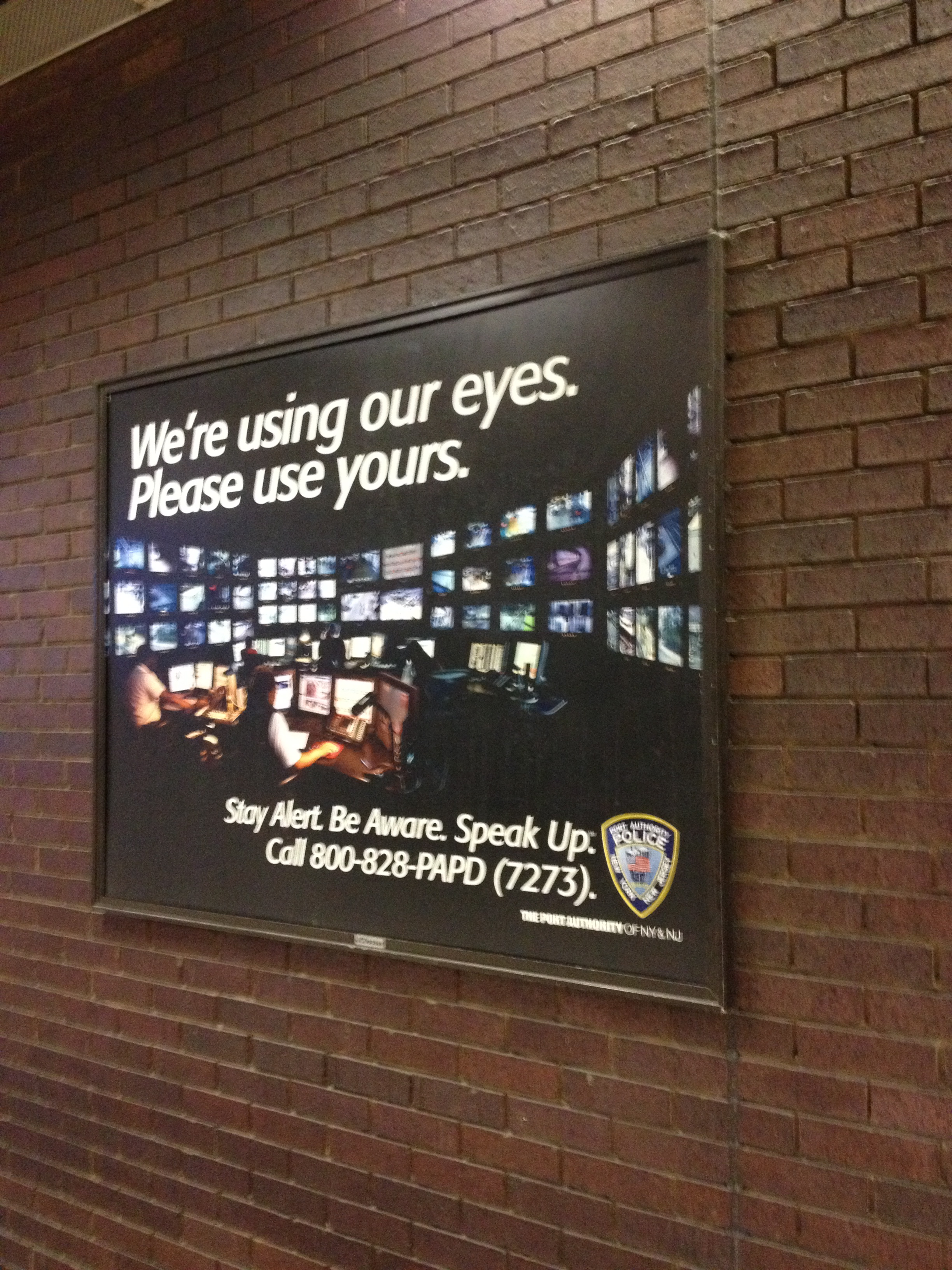
“Silent night,” the old hymn goes. “Holy night.” In a gray dawn after a weary, early-morning New Jersey Transit ride to Midtown, I climb off the bus to find the Port Authority Bus Terminal decorated for Christmas. I could say the holidays, since the dangling LED lights are white and non-suggestive of anything too Christian. There are, however, wreaths with red bows adorning the pillars. Beneath them walk men in fatigues with machine guns. I think I’m getting mixed messages here. Later today they’ll announce that there will be no indictment in the homicide of Eric Garner, just a few days after a similar decision concerning Michael Brown’s shooting. There will be protests here in New York, and there will be armed militia when I rush by this evening for an even longer ride home. It’s Christmas time in the City.

IMG_1841

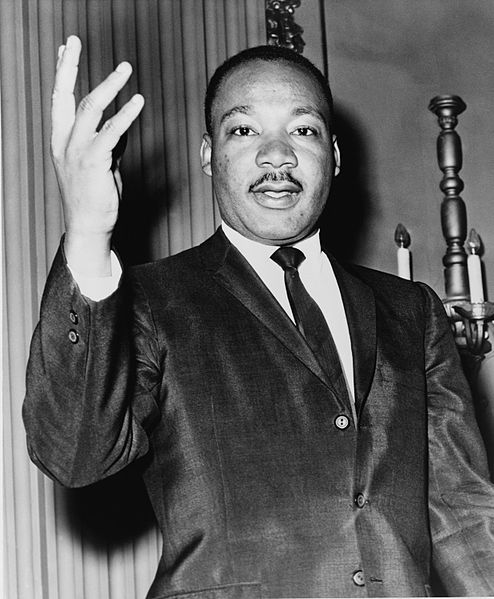
Staten Island may be a long way from Ferguson, Missouri, but both are far, too far from liberty and justice for all. Fear of the other is deep in the human psyche, but for generations we’ve been trying to educate our young that prejudging a person by their race is wrong. We don’t live what we say. Although my hometown was largely white, I had African-American friends growing up. Nothing suggested to me that they were more likely to break the law than any of the other kids I knew. In fact, the bullies I encountered were all white. To our small town, in my young eyes, race didn’t seem to mean too much. We were generally working-class people trying to get by. Prejudice was a word I never heard. Of course, I don’t know the full life of my African-American friends. Perhaps they too received threats and taunts. I hope not, but it seems there’s been more rain than snow this Christmas season.

We live in a constant state of threat. If it’s not racial unrest at home, it’s distrust of the Arab abroad. Always our response is the same—attack and subdue. Show superior force. Some of my fellow commuters look pretty frazzled to me. That night a fight nearly broke out on the bus with a couple of passengers arguing about the territoriality of the narrow seats. I’m looking at the nice Christmas lights brightening the prematurely dark sky as we trundle through the various neighborhoods where the bus makes its stops. This is a racially mixed neighborhood if the people regularly getting off here are any indication of the demographics. It seems so peaceful. The machine guns enforcing civility are far behind. Sleep in heavenly peace. Sleep in heavenly peace.


Thank You

Comments being rare on this blog, I do read them when they come along. Recently I had a reader comment, in the form of a question (as sometimes happens): “Do Native American Indians do ‘Thanksgiving’?” Although I’m fairly certain this was intended as a rhetorical question, I was raised a literalist and couldn’t help trying to formulate an answer. Although I can make no claims to know Native American culture well (I wish I did) it led me to ponder the concept of Thanksgiving. No doubt the idea had at least informal religious beginnings. Even with the early European settlers, a religious diversity was already appearing. Still, although the Native Americans lost pretty much everything, they were still involved, at least according to the early accounts. The great spirit they thanked was not likely conceived of in the way that the god of the pilgrims was, and yet, thankfulness is a natural human response. Writers, often fully aware that their work deserves publication, frequently thank an editor for accepting it. It’s a deeply rooted biological response.

800px-The_First_Thanksgiving_cph.3g04961

For some of us, Thanksgiving is more about having time to recuperate after non-stop work for about ten months. The standard business calendar gives the occasional long weekend, but after New Year’s the only built-in four-day weekend is Thanksgiving. It is that oasis we see in the distance as we crawl through the desert sand. Time to be together with those we love rather than those we’re paid to spend time with. To rest and be thankful.

Among the highlands of Argyll, in western Scotland, is the picturesque Glen Croe. Years ago, driving with friends through the rugged scenery of boulders and heather, the little car struggled with its burden of four passengers. We stopped at a viewpoint known as “Rest and Be Thankful.” The name derives from an inscription left by soldiers building the Drover’s road in 1753, at the highest point in the climb. The Jacobite movement and the Killing Time had instilled considerable religious angst to the Scotland of the previous century and led to the calamity of Culloden less than a decade before the road was laid. These religious differences led to excessive bloodshed throughout a realm supposedly unified by the monarchy. Even though no natives protested displacement, religion led to hatred and mistrust, as it often does. Is not Rest and Be Thankful, however, for everyone, no matter their faith or ethnicity? And in case anyone is wondering, yes, this rhetorical question contains a metaphor to contemplate. Rest and be thankful.


Someplace Beyond Longing

November is a month pregnant with significance. It is the month of NaNoWriMo (National Novel Writing Month; when I tried it a few years back I finished a novel in three weeks). It is the start of the “Holiday Season” with Thanksgiving kicking off a slightly more relaxed schedule for businesses and students alike. Often the first day of Advent falls near the end of the month. In many places it has already provided the first snow of the season. For scholars of religion, however, November is the month of the American Academy of Religion and Society of Biblical Literature annual meeting. This year it will be held in San Diego, and will, no doubt, impact my blogging schedule somewhat. Being a creature of consistency, I try to upload my posts around 4:30 a.m. eastern time on weekdays, as I start pulling myself together for work. I’ll be three hours off for the latter part of this week, but if trips to California conform to any pattern, I may still find myself awaking at 1:30 wondering why the city is so quiet. California, here I come!

When I attended as a participant, I gave a paper nearly every year. Several of these papers were making their way toward a book that will never be published. Some produce content. Others only consume. Attending as a participant was kind of like a professional vacation—a few days off the usual teaching schedule, trying to find colleagues to catch up on, listening to papers. From the publishing perspective, it is a non-stop four-day weekend of work. As I see my colleagues on their way to late night receptions, I have to beg off. Tomorrow’s a working day for me. The exhibit halls open at eight, and I will have no idea what time it is in any case.

Ironically AAR/SBL is one of the things that has remained consistent in my professional life. It is almost a migratory feeling. I began attending in 1991, only missing the odd year here and there when something more important took its place. I was, however, never an insider. I chaired one of the sections for six years, but nobody ever contacted me suggesting we meet up. I could advance no one’s career. Now my calendar’s full. Now that I have something others want, suddenly I’m a commodity. Funny thing about a conference dedicated to disciplines associated with selflessness. As I pack my bags and make my plans to take care of details while I’m gone, my mind wanders to the purpose of it all. I used to dream that I would forget to visit the book stalls, and on the plane returning home I’d realize that I’d missed one of the most important parts of the show. That nightmare no longer plagues me. It is now the sole purpose for which I attend.

Am I that obvious?

Am I that obvious?


Allhallowtide

Allhallowtide is a triduum. No, I’m not writing in tongues. Ecclesiastical language can often be foreign to the secular world, and the fact that it’s All Souls’ Day for some has me thinking about feasts that come in threes. I first heard the word “triduum” at Nashotah House. There, of course, the great spring coalition of Maundy Thursday, Good Friday, and Easter made the holy triduum of required marathon chapel attendance. It was not unusual to spend a dozen hours in chapel during that stretch. Always considered less important, but perhaps far more human, was the autumnal triduum of Allhallowtide: All Hallow’s Eve (Halloween), All Hallows (All Saints, or Hallowmas), and All Souls’ Day. In Mexican tradition the three days make up the Day of the Dead. For people who live close to the economic edge of perpetual poverty, that makes perfectly good sense. Even for the liturgically literate, however, parsing the triduum of Allhallowtide takes some effort. We all know Halloween, and the title All Saints is self-explanatory. All Souls’ might require some thought.

All Souls’ commemorates the “faithful departed.” We can’t all be saints. (Well, in some traditions all Christians get to use the title, but alas, in the more Catholic world, no.) What about those who’ve died believing, but not earning a place among Ralph Vaughn Williams’ masterpiece? The ordinary, like us? All Souls’ is our day. Since the macabre is considered puerile, what with its possibilities of ghosties, and ghoulies, and one-eyed beasties, the church has continued to give a polite nod to Halloween (at Nashotah it used to be done up in great style) but doesn’t take it seriously. More evangelical denominations say it’s demonic, but in actuality, historically, it is the opposing triduum to that of the spring. Liturgical life holds an incipient balance for those who don’t take things too literally. Understanding our mythologies covers a multitude of sins.

Perhaps this chilly, rainy Allhallowtide in the northeast has me far from the hot and dry Day of the Dead, but I admire the Mexican acknowledgement that something should be done about those who’ve died never knowing affluence. Somewhere just to the north lies one of the most successful (until recent years) economies in the world. Social fragmentation, violence, and drugs (which draw big money from that self-same northern economy) bring many of our fellow North Americans to their knees at the feet of Santa Muerte. The light is fading fast at this time of year, and the wind is ripping the desiccated leaves from their skeletal branches, preparing us for the long chill that is to come. While work prevents too much investment in the liturgical year, I look with a peculiar longing over this triduum, and this soul, in any case, is grateful for a weekend to contemplate it all.

Jakub_Schikaneder_-_All_Souls'_Day


Transformations

WerewolfsGuideToLifeHalloween, when you think about it, is an odd holiday. I know many who claim it as their favorite although you get no presents and not even a day off work. I suspect that part of the mystique comes in the form of Halloween representing autumn in miniature. The slow death of summer as the chill of winter settles in. The trees, vibrant in their dramatic death throes, are beautiful and melancholy at the same time. The long hours of darkness leave plenty of opportunities to see ghosts. Rich Duncan and Bob Powers’ book, The Werewolf’s Guide to Life: A Manual for the Newly Bitten, is appropriate for the season. This lighthearted parody of self-help books nicely illustrates how monsters often come into contact with religion. As a secular handbook, the Guide nevertheless addresses itself to the religious questions of life: should a werewolf go to confession? How do you deal with guilt? Do werewolves go to heaven? Monsters often force us to face the questions we just can’t answer.

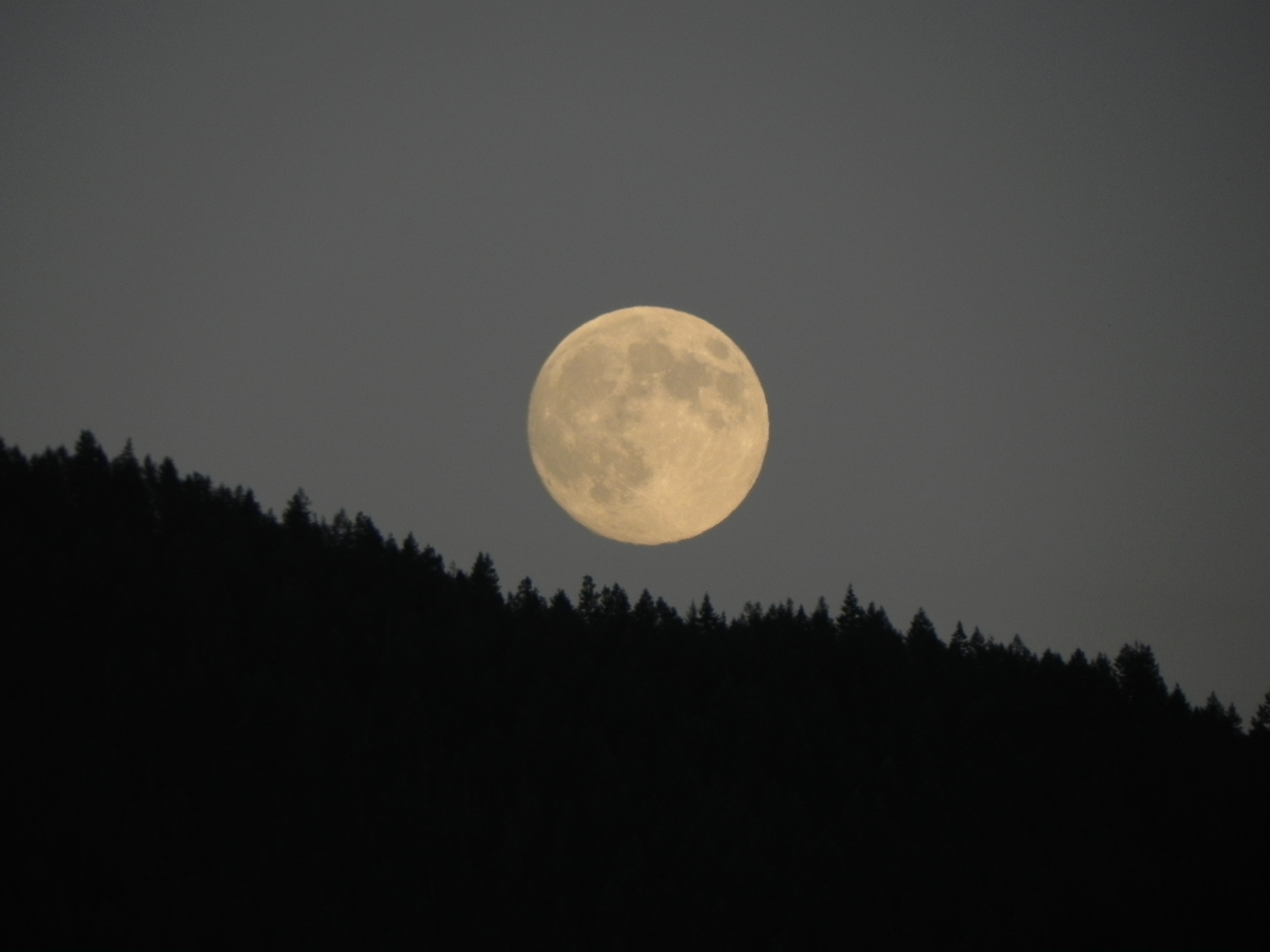
The werewolf, of course, is the manifestation of a person gone feral. While people don’t actually physically change into animals, evolution has left us with a deep kinship to our fellow creatures. At times when work, or school, or relationships become trying, we are tempted to let the beast loose. One size doesn’t fit all, despite the many attempts of society to keep the vast majority of people in the same plight. Halloween is a cathartic holiday that permits us to be someone else and, perchance, to howl at the moon. Not exactly like Carnival, Halloween thrives on false appearances. We wear costumes. The trees and sunlight that apparently die are really only cycling through an annual death and resurrection.

Halloween can’t touch Christmas for a holiday that commemorates new beginnings, but in many ways Halloween is the more visceral of the two. In Manhattan, although Halloween decorations show up early in October, the holiday is lost in the city. The werewolves pretty much keep to themselves. As Christmas, with its lucre, becomes the next obvious holiday (in stores Halloween decorations already give way to those of Christmas at the start of October now) the city transforms. Despite its multi-ethnic and multi-religious makeup, Christmas trees will begin to appear, some impressively large, and the greens will remind everyone that it is time to spend. You’ll get days off work and the days will be painfully brief. Light will slowly return to the skies and the cycle will begin all over. Some will watch this all with wolf-like eyes, however, awaiting the next season of monsters and myths, knowing they are what make us truly human.