Dusting the Lilim

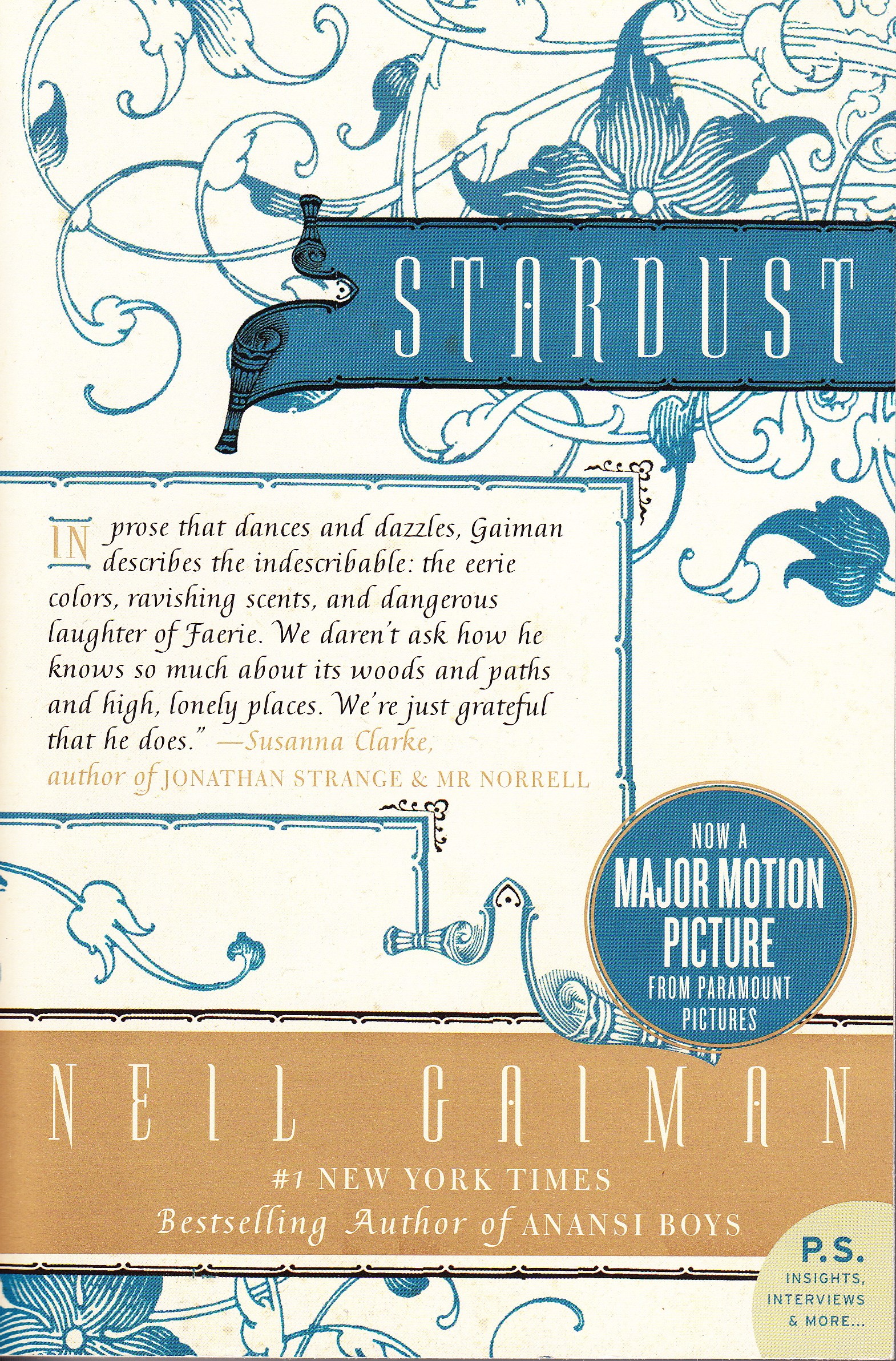
Having grown up on a literary diet of comic books and Doc Savage novellas, I have always had an appreciation for the fantastic. Since our town was relatively dull, it helped to have flights of imagination within the price range of those with humble means. I discovered Neil Gaiman (it seems that many profound writers are named Neil or Neal) through the machinations of one of my Rutgers students. After reading American Gods, which was an obvious starting place for someone of my erstwhile profession, I have sampled a bit more of his fare. I long ago gave up on comic books since I prefer the pictures I make in my own head, although I must admit that the few graphic novels I’ve tackled have required considerable thought. So it was that I came upon Stardust, a graphic-turned-prose novel.

Stardust serves up a number of folklore themes with the charm and wit that Gaiman generously doles out. It is a story replete with witches, fairies, and storm gods. A figurative smorgasbord of the mythical. What particularly arrested my attention was Gaiman’s use of the title Lilim for his witches. Lilim (or lilin) are mythical creatures of Semitic pedigree related to the (in)famous Lilith. Some traditions make the Lilim her children, and it has been suggested that they also put in an appearance or two in Mesopotamian mythology. Gaiman’s portrayal is fairly accurate here with the Lilim being selfish thieves of the night, but not entirely evil.

Beyond the escapism of relatively happy endings, this mix of evil tinged with the helpless inevitability of aging speaks paradigmatically of mythical ambiguity. Many modern-day religions tout the answers, but mythology parades the possibilities. The mythology of old continually returns to us in new forms. Using a mix of fantastical creatures from various eras of human story-telling, Stardust is a gentle fairytale for adults. Like the book of Ecclesiastes the story has a fatalism to it, no real happy ending but no hair-rending tragedy either. Turning the classic quest for the father into an unwitting search for the mother, the novel offers seemingly endless potential for hope. Although penned a few years ago, that message is still desperately needed today.

Malleus Practice

Misfortune takes a quiet seat in the back of the bus for many people, but it is always there riding behind you. My recent trip to Salem is now over, but it has left me with that haunted feeling that sometimes tragedy just won’t let go. Reading up on the history of witches and the belief therein, it is pretty clear that the whole idea began as a form of theodicy. Misfortune happens. When a one-to-one correspondence attends it, people don’t worry too much. (John has a stomachache. We know that John slapped Bob, and Bob punched John in the stomach so there’s no supernatural agent at work here.) When the adversity comes out of nowhere, to all appearances, we naturally look for a cause. As long ago as ancient Sumer, and probably before, the answer was sometimes the baleful influence of enemies with supernatural powers. The witch was born.

This idea has remarkable longevity. Even as the eighteenth century dawned, just a few short years after the tragedy at Salem, Puritans and politicians embarrassingly looked at their feet and admitted this mockery of justice had been an unfortunate error. Yet they still believed witches existed. The concept is alive even today in parts of the world minimally influenced by schooling in science and logic. (I taught at a seminary where various witch hunts still took place; books were even burned.) Who doesn’t know the feeling that a totally natural disaster was in some way targeting them? Whether tornadoes, tsunamis, or rain on your Memorial Day picnic, the normal human response is one of a minor (or major) persecution complex.

To solve the riddle of witches, horseshoes and witch bottles are not necessary, but education is. Witchcraft was not considered Satanic until the late Middle Ages when apocalyptic fever raged through Europe with the Black Death. Not understanding microbes, the populace supposed a great war presaging the end of times was escalating between God and Satan. The minions of the Dark Lord were spawned by witches and demons. (Add Tim LaHaye and you’ve pretty much got Left Behind.) To solve the problems of the righteous, sacrifice a few innocent victims. If we call them witches—actually any undesirable name will do, eh, Senator McCarthy?—we will feel justified in doing so. The real solution, namely, working together to overcome natural and human-made afflictions, is really just too hard.


God’s Guards

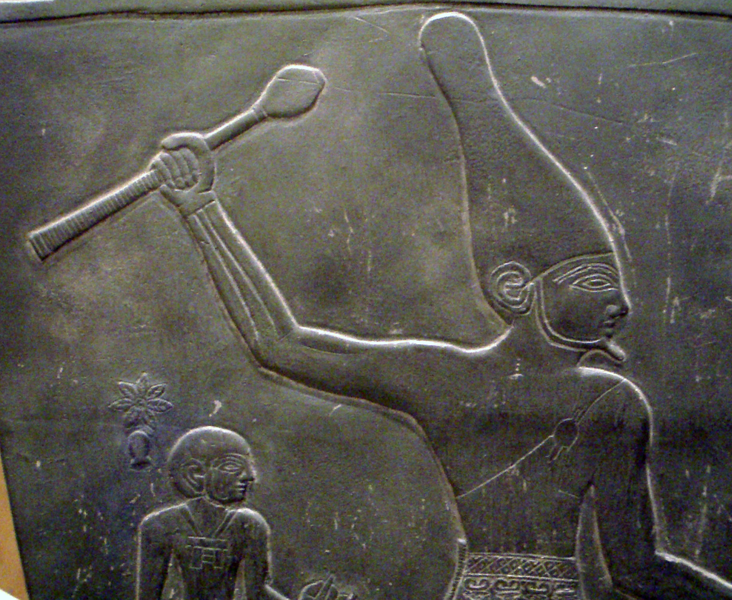
That past informs the present in an oblique way. As religions continue to evolve they often depart from their original purposes. In preparation for my one surviving summer course, Ancient Near Eastern religions, I’ve been reviewing textbook choices. The procedure has reminded me of the unusual nature of ancient Egyptian religion. I have long contended that the environmental and social circumstances of a people determine the character of their religion. In Mesopotamia and the Levant, where rain is not always cooperative and impressive storms roll in, the gods often represent the awesome power of the atmosphere and the unpredictable will of the divine. In Egypt the fertility of the soil is assured by the regular flooding of the Nile. Rain does not play the same role in agriculture in such a system. Whereas the gods of the Mesopotamians are often stormy and violent, those of Egypt are generally peaceful and serene.

Egyptian religion developed independently of ancient Asia. Relatively isolated in the narrow strip of rich soil along the Nile and in the wave-dominated fan of the delta, Egypt reached an early cultural apex. Their religion emphasized the balance and continuity of life. Of course, it helps when your king is a god. This religion was based on the premise of an afterlife, the very fire-insurance that lends urgency to many Bible-thumpers today. Instead of believing the short, and often harsh life experienced by earth-bound mortals was the full picture, those placid eyes of stone pharaohs stare off toward a continued existence beyond that of life in the desert.

This tranquil religion did contain violent elements as well, but overall stability was valued and change unwelcome. Now as we see violence erupting in Egypt as the great ethical monotheistic religions clash for superiority, it is legitimate to wonder what has gone wrong. When did benevolent Ra become subject to the combating ideologies of Yahweh and Allah (who are, in terms of pedigree, the same deity)? Religion has become a tool in the utility belt of political power players. Since no one steps down willingly, the gods must duke it out. Even within Christianity, as is evident in America, multiple gods claim the title of creator and master. Perhaps it is the price of democracy. Otherwise we might experience the fact that even those pharaonic eyes did not always smile.

You wouldn't like me when I'm angry.


Triskaidekaphobia

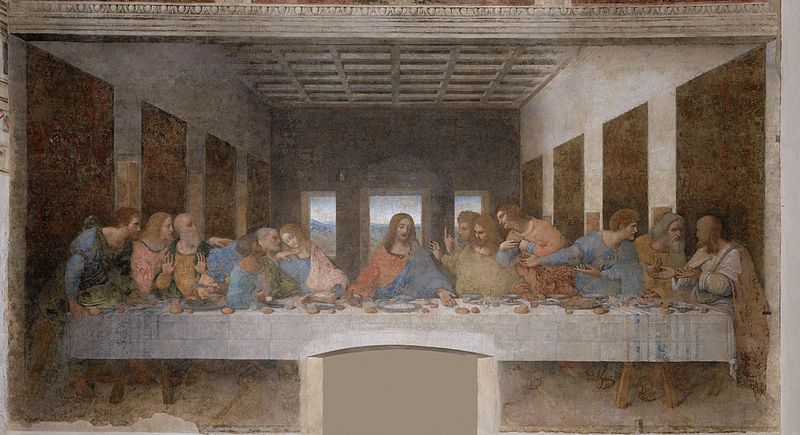
Friday the thirteenth. The very concept awakens images of horror movies and inauspicious happenings. An interview with a Psychology professor at Rutgers recently discussed this unusual phobia. Mike Petronko of the Graduate School of Applied and Professional Psychology had this to say: “Exactly how this got started is difficult to say, but the belief appears to date back to ancient times. Often, superstitions are rooted in religion. Some folklorists believe the fear may stem from the Last Supper, when, according to Christian belief, Jesus and his 12 disciples gathered for the final meal, which set the stage for his crucifixion, on Good Friday.” There is no doubt that the origin of the superstition is religious and that Fridays earned their notorious reputation because of Good Friday. Even today, as any Roman Catholic can tell you, Friday dietary requirements differ from those of other days.

But wasn't this a Thursday?

Thirteen is a little harder to pin down. It is a prime number after ten, but then, so are eleven and seventeen. It may have its unlucky associations back in the old Mesopotamian base-six numerical system. Once you reach past the first doubling of six you meet thirteen. Even today hotels are designed with no thirteenth floor, although pasting a fourteen over the actual thirteen is merely for psychological relief. Mathematics insists thirteen follows twelve. As Petronko notes, the fear is real. Airliners do not have row 13 and hundreds of millions of dollars of revenue are lost because so many people refuse to engage in regular practices (such as flying) on Friday the thirteenth.

Religion and fear are not strange bedfellows. In fact, religion, in its earliest origins, seems to have been a coping mechanism for fear. People are afraid of many things – that is the curse of consciousness. We can anticipate eventualities that will never materialize. We imagine them happening to us. Religion seeks to placate those forces that are beyond our control. We may lay claim to a highly advanced and technologically sophisticated society, but millions of people are anxiously awaiting the end of this day. Rutgers, like most universities, hardly sees the need to fund the study of religions. Nevertheless, our very culture belies that indifference. Many people are afraid today and we still don’t even know why.


Thor’s Day

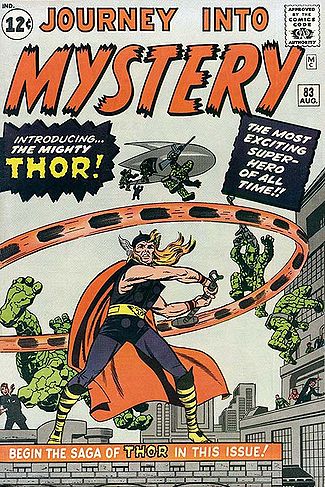
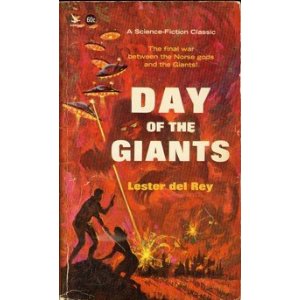
Mythology has visited the big screen in many guises, but among the current spate of superhero films a god may rival mere mortals and mutants. Thor opens in theaters today, bringing a Norse god back into the public eye. Like many young boys I owe my early reading predilection to comic books. One of my favorite heroes was Thor (our birthdays were very close) but I couldn’t quite make out how he was a superhero with the unfair advantage of being a god. Why weren’t other gods down here with us? At some level I sensed Thor’s rage, and perhaps even his estrangement from his father. Was there a sadness to this mighty wielder of thunder? When I was a little older Lester del Rey’s Day of the Giants became one of my favorite books. Norse mythology is plaintive compared to the world of the jovial Greek gods. Even the beloved Balder dies.

Thor is the embodiment of one of the most ancient principles of divinity: control of the storm. A generation after Odin, Thor also experiences that generational divide that all ancient people felt marked the lives of the gods. Zeus likely developed as a more civilized form of Hadad (Baal). In Ugaritic mythology Baal is the lord of the storm; he bears a mace where Thor will grasp a hammer. Baal, however, is often described as the son of Dagan, likely an early Mesopotamian storm god. Back to the earliest levels of civilization miniscule humans have quaked in wonder at the power of storm gods. Making Thor into a superhero humanized him a bit, and with classic comic-book biceps he was sure to be a hit among scrawny boys with dreams of grandeur. We would never have been allowed to read comic books featuring Baal.

The salient point, I suppose, is what makes a god a god? In the mythological mindset, deities are quite human except for their immortality and their strength. The might of gods clashes with the might of other gods. Omnipotence takes the fun out of the equation, for a truly all-powerful deity has orchestrated this whole cosmos and we are just pathetic players on the stage. Thor rages against the machine. If a god cannot be defeated, there is no story to tell. It may be difficult to predict how well Thor will perform on the big screen, but if I am not alone in my fascination of watching gods struggle against even greater gods, this may be like the Day of the Giants for grownups and kids alike.


Ice Father in Heaven

The Internet can be a window into the collective consciousness of a nation. In a world where even the Weather Channel invites comments on its forecast page, the outlook of many Americans is laid bare. This latest shot of winter weather on the northeastern quarter of the country is an excellent example. It is still March, the tempestuous month of the war god, so a little snow in the northern latitudes should come as no surprise. An unnamed dean at a state school here in New Jersey had just sent out an email blast the week before stating, with decanal authority, that there would be no more weather delays this year. Yesterday there was still snow on the ground after the storm. Frustrated citizens cursed – actually cursed – the winter on weather.com.

For years I have maintained that the weather is key to understanding the human perception of the divine. From ancient Sumer’s An and Enlil through classical Greece’s Uranus and Zeus, the gods unquestionably in charge are the sky gods. The guys who control the weather. In Israel Yahweh took that job description from a reluctant Hadad – aka Baal – and many people considered this a serious mistake. Don’t mess with the weather god! As the snow begins to melt once more, even those of us in the enlightened twenty-first century should be reminded that our sense of what the world should be is an illusion. Nature evolved our brains, and now our brains think they have the right to take over.

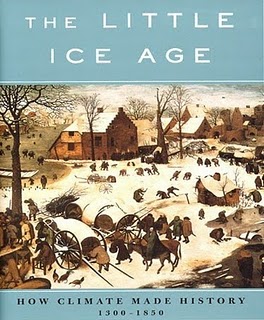
Once, back in Wisconsin, I stepped outside on a chilly June morning and saw flecks of snow in the air. It wasn’t “snowing” – it doesn’t snow in June – but there was definitely a frozen sort of precipitation hanging tentatively in the air. I was teaching at the most self-righteous of seminaries at the time, and it became clear to me, once again, that we are not in control. Among the scariest books I read in Wisconsin was Brian Fagan’s The Little Ice Age. I was at work on my book on weather language in the Psalms (still unpublished) and the unsettling truth drifted around me like this winter’s snows: if a new ice age settles in, there is nothing we can do to stop it. Geologists still can’t state what triggers these periodic events, or even what their timetable might be. If earth’s ice caps again begin to grow, however, I am certain that we will also see a dramatic increase in religiosity. For the gods, we all know deep down, are in the skies.


Wayward Ninevites

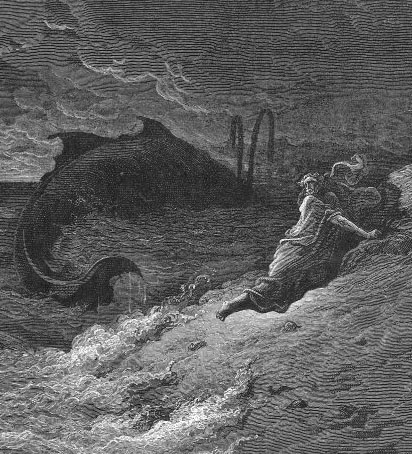
“Come listen to my tale, of Jonah and the whale, way down in the bottom of the ocean;” a children’s song with a catchy tune that has a way of becoming a lifetime companion. Among the earliest Bible stories many children learn is the remarkable story of Jonah and the whale. And since the Bible is God’s word, it must be historical, right? Many modern readers have a difficult time fathoming that Jonah is not a book of history. As if living three days underwater isn’t enough of a stretch, stalwart bibliolaters ignore the tons of archival material from Nineveh itself and claim that the entire city spent a day, or a week, worshiping Yahweh. It stretches the imagination.

Too close for comfort

While working at Gorgias Press I discovered, in an entirely unexpected way, just how seriously some otherwise rational adults take this tale. I had to postpone an important meeting with an influential client because it had fallen on “the Rogation of the Ninevites.” As a lifelong biblical scholar and student of ancient religions, this was a festival I’d never before encountered. A web search refused to yield too much information for as long as my curiosity lasted, but I did find out that the date is difficult to nail down (apparently sometime a week or two ago), and that it predominates among Orthodox Christians of Iraq and Syria. These believers claim the heritage of the fictionally converted Ninevites. Even if the book of Jonah were intended as history, the conversion would have been to Judaism, not Christianity.

As I tried to find a new date with our lucrative associate, I realized once again just how far faith is willing and able to stretch. The story of Jonah is a cautionary tale, almost a fable, reminding post-exilic Jews of the occasional righteousness of the other. While other interpretations have been ceaselessly floated by serious scholars, I have never discovered anyone outside the putative descendents of the fabricated Ninevites who take this non-historical event to be important enough to jeopardize an essential business deal. Anyone who attempts to introduce logic into such an equation may well find him-or-herself, Geppetto-like, slowly digesting in the enormous gastric cavity of a whale that has a taste for prophets.


Jehovah’s Eden

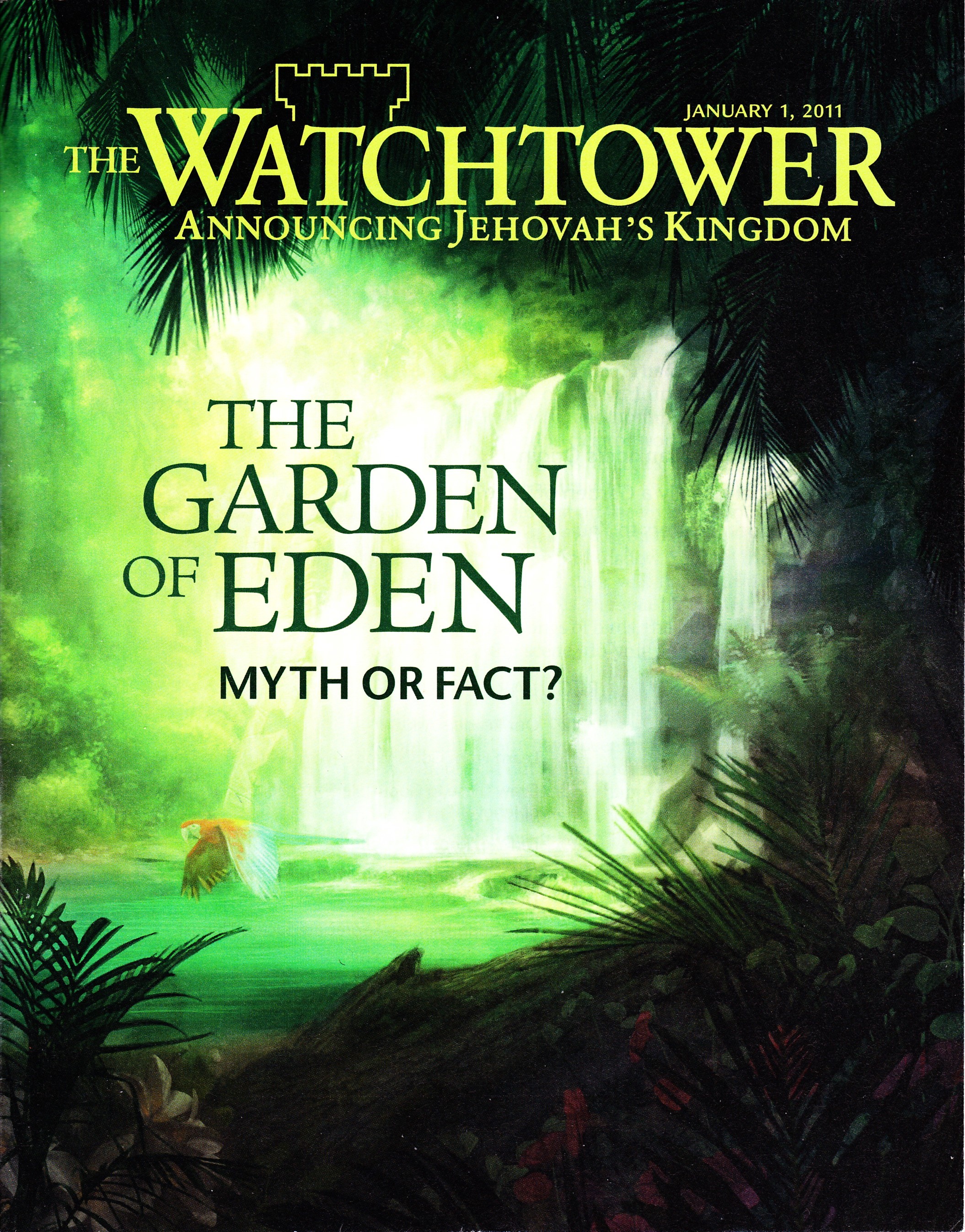
As a religious studies specialist, I inhabit a world where definitive answers are comparatively rare. It is clear that my assigned Jehovah’s Witnesses case-workers are not similarly constrained. While I was out earlier this week, they left a copy of the newest edition of the Watchtower for my edification. The cover shows an Edenic garden and bears the legend, “The Garden of Eden: Myth or Fact?” Now, I thought I knew the answer to that one. So I started to read. I learned that it was because of philosophers and their nonsense that people ceased to believe in Eden. Most people in world believe there was a paradisiacal garden, way back when, so it must be fact. I also learned that the reason we can’t find Eden today is that the Flood wiped it away. Seems a shame; with proper drainage it could be as dry as Aden and as rich as Dilmun.

The story in the magazine is set up as a series of objections raised as to why the Garden of Eden is rejected by skeptics. Literalist biblical answers to the objections are then offered. Ironically, one of the most obviously missing objections is that of geology. The article states that, prior to being destroyed by the flood, Eden would likely have suffered from the devastation of earthquakes. The area, it seems, is in the earthquake belt. Still, the garden was created “some 6,000 years ago,” despite what all those earthquake-toting geologists tell us. Somebody has forgotten to set their calendar back by a few billion years.

A more serious objection missing from the critique is that of mythology itself. Those who’ve studied the background to the story of Eden realize that most of the elements in the story are recycled myths known among the Mesopotamians. Special trees, crafty snakes, people being created from clay – all these are standard elements in Mesopotamian mythology that predates the Genesis creation accounts. If modern people understood that the point of mythology is to convey truths that are beyond the factual, perhaps we wouldn’t have such insistence that Eden is fact, despite the facts of science. The Garden of Eden: Myth or Fact? Clearly myth. And that rescues the story from the burden of bearing facts it was never intended to convey.


Mercer Metaphor

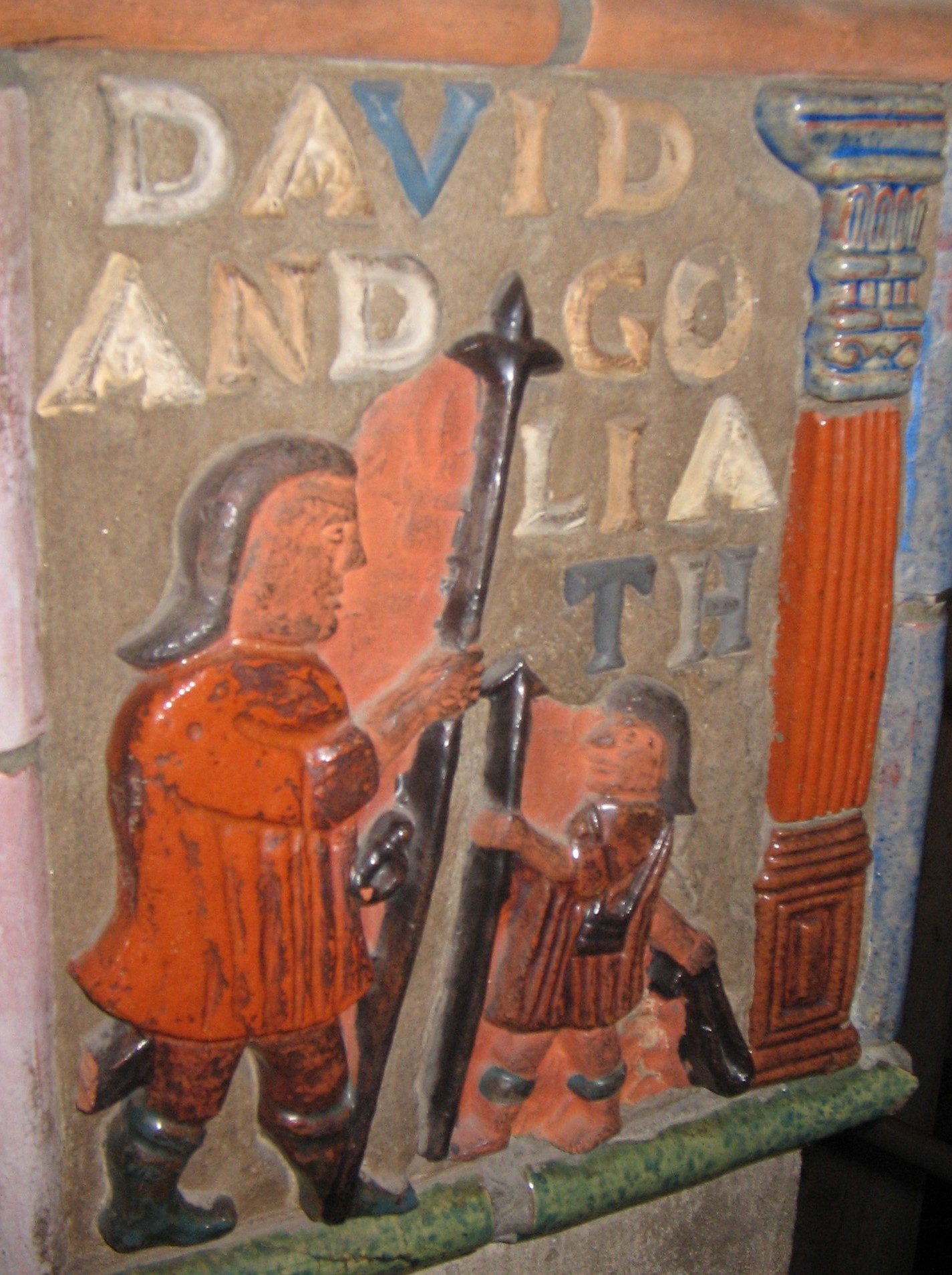
Not being a follower of the rich and famous, I had never heard of Henry Chapman Mercer before visiting his house. Mr. Mercer has long departed, but he was a tile-maker with a very rich auntie back at the turn of the penultimate century. Being from Doylestown, Pennsylvania, Mercer poured his money (literally) into a castle made of concrete. This sturdy, labyrinthine structure, called Fonthill, is a five-story museum that is an hommage to ceramics and the art of tile making. The friends who introduced us the museum enticed me with the information that Mercer had embedded Sumerian tablets in the wall of his concrete mansion. Indeed he had. Standing in the house that Charles Dickens once visited, I realized that the literary connections stretched beyond Sumer to the lifetime of Mercer himself. And right in the middle was the Bible.

Who might that giant be?

There is so much to see in every room of Fonthill that I could not hope to take it all in. No photographs are allowed inside, so I was desperately trying to remember every square centimeter that I was lucky enough to examine. The Bible, however, came in the form of clay. Mercer designed tiles. A tile factory still sits on the grounds of the house. Many of these tiles depict biblical scenes. Perhaps sharing a shudder with most of the wealthy, Mercer had concerns for the afterlife. The Bible is the balm in Gilead. Although I couldn’t take photos in the house, pieces made from the same molds adorned the nearby Mercer Museum that we visited later that day. Both buildings lack adequate heating but abound in human-made stone. I snapped a couple of biblically themed tiles before eagerly heading to the warmth of the car.

Elijah reaches for a handout

Meanwhile the news declares that unemployment benefits are being shortened by a bloated government. Those who’ve been forced out of work by a capitalism out of control will now have to make their own jobs, it seems. Bush-era tax breaks are being desperately defended by congressmen who look surprisingly well fed. The rich have never had it so bad. Henry Mercer did not have to work for his money, yet the Bible adorns his monument in stone. Fonthill is definitely worth the trip to Doylestown. While you’re there, look for the ubiquitous Bible. The Bible, although possibly the most misunderstood book in human history, lends its gravitas even to the vaunted towers of Babel.


Black Monks and Grim Reapers

Last night I assisted my daughter with a stint of volunteering at the local community “haunted house” for charity. This is one of the high points of October, so I was glad to be asked. I reprised my role that I developed for Nashotah House: in that context the character was called “the Black Monk,” based on a local ghost story. While I was on the faculty of Nashotah there were plenty of students who swore the Black Monk story was true, the actual event involved an early student who drowned while trying to walk across water (something many students think they are capable of) – this was actually during the winter, however, and Upper Nashotah Lake is not always as thickly frozen as people assume. The poor student broke through and is buried in the cemetery on campus. Halloween was a major event at that Gothic location until a new, evangelical administration came along. During a haunted hayride, the kids of the community lumbered along on a hay-wagon while costumed students jumped out to scare them. I played along in a costume my wife made where my face was invisible and the flowing black robes eerily blended into the night.

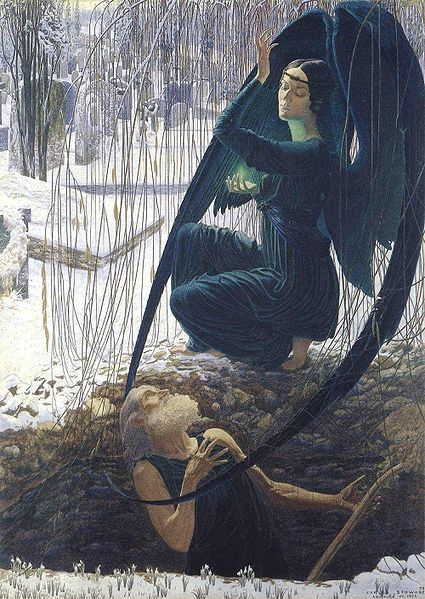
In my current secular context, of course, I was simply The Grim Reaper. This character has a very ancient pedigree. Religions from the earliest times have personified Death as a character that all people inevitably meet. The Mesopotamians had Ereshkigal, the Queen of the Underworld, the Ugaritians had Mot, the god whose name is “Death,” and the Hebrew Bible has “the Angel of Death.” We are often not given a physical description of this baleful but sometimes beneficent supernatural entity. When Revelation was finally penned, Death is one of the four horsemen, and he rides a pale horse, but we do not find many physical details. In the fifteenth century Death was pictured as a skeleton, often with a scythe. His role is that of the classical psychopomp, or guide to the next world. He is not evil, but when the doorbell rings you’d rather hope it had been Avon calling rather than the G.R.

Carlos Schwabe, Death of the Undertaker

Appealing to the fear of the unknown, I lurked last night in the shadows, face completely obscured, not speaking, stepping out to reminded holiday revelers that what is really scary is that which we can not define. When playing the silent ghoul, sudden movements are not necessary to frighten, shouts and screams are unimportant. The simple reminder of mortality and the unspoken question “is he here for me?” are sufficiently frightening on their own. Whether the Black Monk or the Grim Reaper, this character has a natural place on the chilly nights of October. And sometimes it seems there is just not enough October to keep all of us in line.


The Problem with Demons

One of the perks to life among a university community is the special programs that come to campus. As an adjunct instructor with a schedule so confusing that even Escher would get lost, however, I do not often have the opportunity to take advantage of such programs. More’s the pity since next week Montclair State University is hosting an event called “The Real Exorcist.” One of the very few authorized exorcists of the Catholic Church will be speaking on campus. The event overlaps with a previously scheduled class at Rutgers.

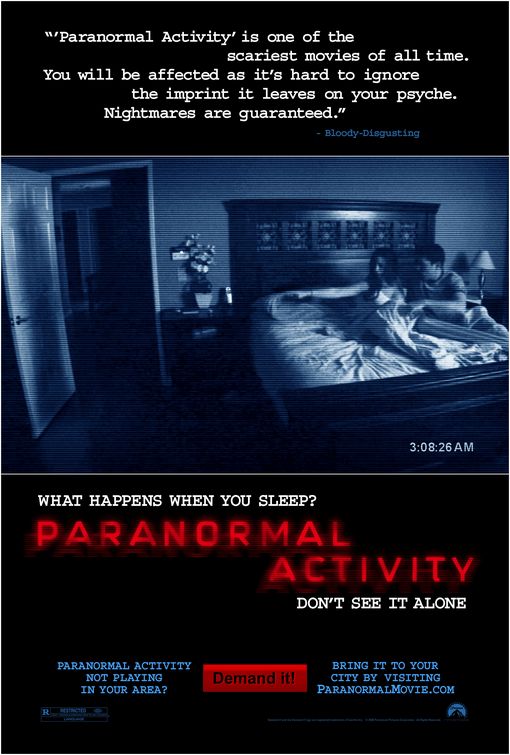
A little disappointed, last night I sat down to watch Paranormal Activity, the indie movie that made such a splash last year. Assuming it was a ghost story, I wasn’t too concerned about watching it alone on an October night. When I discovered it was a demon story, however, I wasn’t sure watching it alone was such a good idea. You see, in the hands of paranormal investigators the demon has undergone a transformation. Ancient Mesopotamians believed in a set of lesser gods who caused misfortune, although they don’t seem to have been pure evil and they didn’t call them demons. By the time we reach nascent Christianity, demons are cohorts of the Devil and are utterly malign and capable of possessing a person making them do the bidding of their dark lord. That’s where they remained on the divinity scale until modern day investigators using scientific equipment found them. I confess to having watched Ghost Hunters a time or two. Here the demon has morphed into a non-human disembodied entity – the very antagonist of Paranormal Activity.

Being aware of the origin of concepts is often a comforting place to be. When I realize that no special revelation has suddenly validated the existence of a baleful creature set to do me serious harm, a relief encompasses me. The problem with demons is that they don’t evaporate so easily. “Invented” by the Mesopotamians to explain misfortune, by the change of the era they had evolved into (largely) an explanation for epilepsy and mental illness. Now today they are back as haunting entities that have no human sympathy since they were never human. Paranormal investigators take them very seriously, despite their checkered theological pedigree. I guess I side with Shakespeare on this one: “there are more things in heaven and earth, Horatio…” After all, it is October and the nights are growing noticeably long.


Exorcists, Serpents, and Rainbows

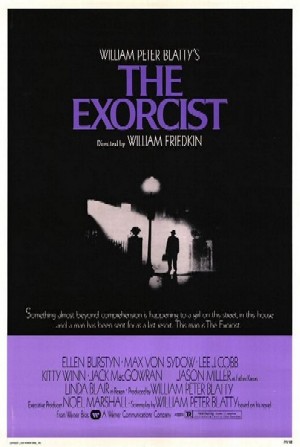
Tuesdays are release days for many new media products. I’m not sure why, but I accept it. This past Sunday’s paper ran a couple of stories by Stephen Whitty concerning the Blu-ray release of The Exorcist, counted by some critics as the scariest movie of all time. The press around the original release of the film in the early 1970s was enough to prevent me from seeing it until I was in my forties. I’m done using the word “release.” In an interview with Linda Blair, the iconic Regan MacNeil of the film, Whitty quotes her as noting that the rumors of “curses” on the filming of the movie were without basis. “But other people seemed to be trying to find something that didn’t exist,” she said. That sage statement could refer to considerable aspects of a society hungry for religious answers, but ill-educated on the religious facts-of-life.

Although sorely critiqued at the time by those whose religious sensibilities had been offended (Blatty is no theologian), Whitty nevertheless notes, “It may be a film full of gross obscenity. But in the end, ‘The Exorcist’ is a recruiting poster for that old-time religion.” He correctly observes that beliefs in possessing demons and that challenged social conventions will lead to evil permeate the movie. Traditional Catholicism wins out over that foreign Pazuzu every time. Even for those with more progressive beliefs, the film is difficult to watch. Religion, in addition to criticizing films, also provides some of the best plots.

Not to be counted among those best, but illustrative of the point, is Wes Craven’s The Serpent and the Rainbow. Ever since my days at the University of Wisconsin Oshkosh students have been after me to watch this film. Confused, dream-like, and at times difficult to follow, the movie opens with a claim to have been based on a true story. It isn’t the typical zombie movie either, although it features zombies. More of an attempted scientific thriller, the film explores the dangers of tetrodotoxin, “the zombie drug” when in the wrong hands. Understated in the movie, however, is the religious nature of Voodou. This is perhaps the most obvious failing point in the story. If the movie were to be really scary, the viewer has to believe that this is possible. The skepticism of science blocks the potential for unbridled religious expression. That is perhaps why The Exorcist has retained its power over all the years. Unlike more rational explorations of the world, it allows the audience to believe in personified evil that only old-time religion can cure.


Bleached Angels

A friend recently asked why, in the canons of western art, angels suddenly made the shift from colorful to predominately white. What was behind this loss of color? The history of angel imagery is complex and a great deal of the complication derives from a generally iconoclastic sensibility in late Israelite religion. Images were frowned upon, so we do not get “Hebrew angels” recorded for us. The current-day perception of angels seems to go back to Mesopotamian Apkallu figures and Egyptian deities. In both ancient cultures various deities and demi-gods were portrayed as winged humans. The Egyptian figures, at least, were colorful. In the world of the Hebrew Bible angels are nowhere cited as having wings and they were likely imagined as being pretty much the same as humans in form. Many biblical characters mistake angels for people.

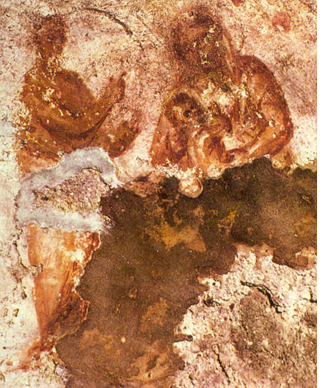
In Greek portrayals, Nike, goddess of victory, is a winged character. Eros, the god of love, also bears wings (and unlike Nike, he is generally bare all over.) In some vase paintings the Harpies are winged women. Since Greek pottery painting was generally monochromatic, we don’t have much color to go on. The earliest Christian angel portrayal comes from the Priscilla Catacomb in Rome. This angel is monochrome and wingless. The more familiar, and lavishly colored angels are Byzantine creations. Since my opinions on art history are not to be trusted, it is advisable not to make too much of this, but Byzantine art made flamboyant use of saturated hues to bring glory to God. This is part of the tradition behind Orthodox icon writing, and angels were simply following suit.

In the Middle Ages in Europe, angels were widely used to represent good and evil. It would stand to reason (if not to art-historical standards) that “good angels” would show their goodness by donning white apparel while “evil angels” would take on darker garb. This also fits with the growing tendency to represent Satan as dark red or black in color during this time period. As angels symbolized goodness, they became bleached of their former, Byzantine color. Symbolic value outweighed aesthetic sensibilities. Today angels retain their ancient legacy of Mesopotamia, Egypt, and Greece. Wings fit the view of angels as messengers, although ancient ideas of their colors depended more on the artistic conventions of the culture than any attempt to be true-to-life.

The earliest Christian angel (left)