Watchers and the Holy One

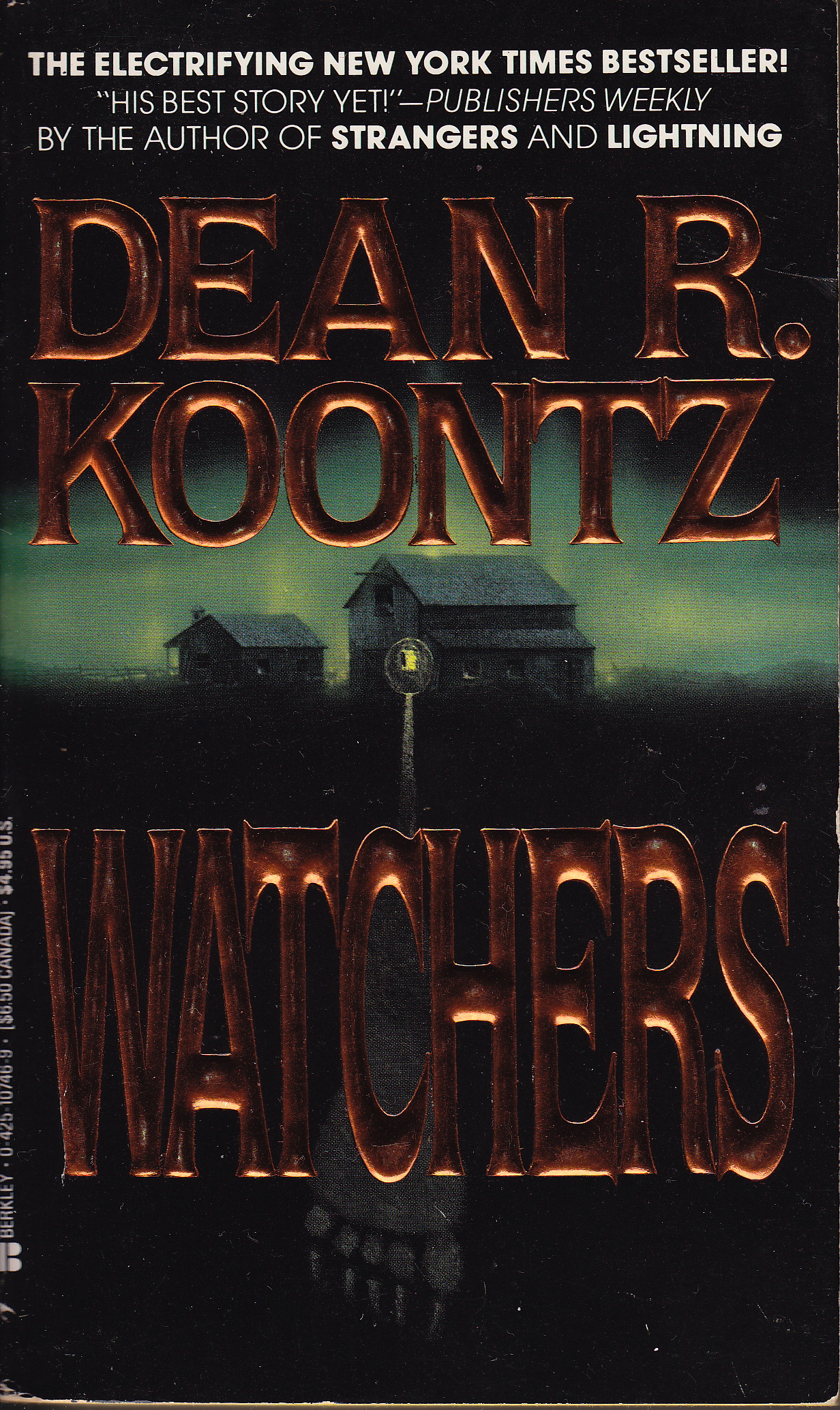
WatchersI’m not really a fan of Dean R. Koontz’s thrillers, but I do find myself turning to them from time to time. Like Stephen King’s, Koontz’s books are easily found at book sales, but you don’t always have your choice of which titles. I picked up Watchers because it had a vaguely biblical sound to it. The title seems to fit the story only loosely, but there are a number of points where God is invoked in the tale. Watchers is a book about genetic engineering, both the good and the bad aspects of it. Scientists have produced a dog as intelligent as a human being, and a monster that kills indiscriminately; a Cain and Abel. As this is being explained to one of the characters, he says “If we can do this, we have the power and, potentially, the wisdom of God.” Here, in a nutshell, is the debate about intentional genetic modification. We don’t have the ability to see ahead very far, and although we like to think ourselves god-like, we could very well be creating catastrophes. At least, in this story, God is deemed wise.

Some time later another character in the story opines that when humanity can create an intelligent species, it is our responsibility to act, in a sense, as its deity. “If we’ve come so far that we can create as God creates, then we have to learn to act with the justice and mercy of God.” Interestingly, there is no question of theodicy here. The justice and mercy of God are assumed, despite the many wakeful nights and unsettled days of the theologians. Casting God as the “good guy” is not as easy as it used to be, and our own “engineering” isn’t always assumed to be for the good of our own planet.

Finally, as some of the characters are discussing who has the right to own this super-intelligent dog, God is invoked once again. The qualities of the dog (a golden retriever, since, one presumes, a Rotweiler, for instance, might have different qualities), its courage, ability to distinguish right from wrong, ability to love, and selflessness, make it more in the image of God than human beings. Again, God here is unquestioningly assumed to be the great good, the advocate of humankind. I realize novelists are under no obligation to be theologians, yet it is difficult to tell a tale of genetic tampering without invoking the Almighty. What I find so interesting here in Koontz is that despite the evil of some of the characters, the goodness of God is never called into question. It is assumed that the evil we create is our own while the good in the world belongs to God. It’s a view of the world that could be called almost biblical. Those who professionally reflect on these things, however, often come to a different conclusion.
Brain Dead

I’ve been thinking about brains (is there any more existential thing to do?). Reading a book this week about the mind (see Thursday’s post) probably has something to do with it. And also having finished a book on zombies maybe contributes as well. You see, I find it strange when scientists assume that we can figure out all the answers with our limited brains. Although we are endlessly fascinated by them, neuroscientists have long noted that they do have weaknesses—they (brains) are easily fooled, and, for those who find no room for the mysterious in the universe, we’ve made up gods to keep us company. We know that relative brain size—relative to body mass, that is—is a large factor in intelligence, but we seem not to imagine the possibility of larger brains than those we carry around. I suppose it’s not without reason that alien brains are disproportionately larger than our own, according to the standard image of the “grays.” We don’t like to think there’s something smarter than us hanging around. It’s a frightening thought.

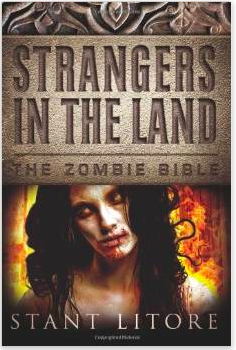
Screen Shot 2015-05-02 at 5.35.48 AMOn the more earthy side, brains have been the usual fare for zombies in one sub-division of the zombie movie neighborhood. George Romero gave us flesh eating as a paradigm, but eventually zombies settled on brains. This was on my mind as I finished the epic Strangers in the Land that Stant Litore kindly sent me in Kindle form. I’d read What Our Eyes Have Witnessed on my own, and the author wanted me to read more. Litore’s zombies are more in the canonical Romero sector—they eat flesh and their bite conveys zombiehood. Strangers in the Land takes its base story from the book of Judges. Only Deborah becomes a zombie slayer. Brains aren’t eaten here, but they must be destroyed for a zombie to—what? Redie? Full of colorfully drawn characters, the story rambles through the countryside of ancient Israel, plagued with zombies. It is the brain that keeps a zombie going.

While I have to stand by my recurring assessment that the zombie is a hard sell in novelistic form (here goes my mind again! Reading a book gives your brain too much time to focus on the utter impossibility of bodies missing organs or vital tissue to move, or “live,” even with a brain) Litore is onto an interesting idea here. Looking at it metaphorically (as surely he intends it) helps. Perhaps I just miss the lumbering revenants of Return of the Living Dead calling out “Brains! Brains!” The Bible, however, is endlessly open to reinterpretation. What Our Eyes Have Witnessed was post-biblical. This current installment moves us into the realm of reception history. I’ve been researching reception history and the undead for a few months now. I have some conclusions to share in an academic paper a few months down the road, but for the time being, I’m still trying to figure out brains. Or maybe I’m just out of my mind.


Google Me This

Technology frequently flummoxes me. Although I use it daily, it changes more swiftly than I can hope to. Working for a British company, for example, my computer seems to be a loyalist. It supposes that it is in the United Kingdom even as it sits on my desk in New York. I’m told this has something to do with a mystical key called an “IP address.” When I search Amazon, prices come up in pounds. When I google something, I’m told that European laws restrict certain searches. And, interestingly, I discover that Google’s icons of the day have a British theme.

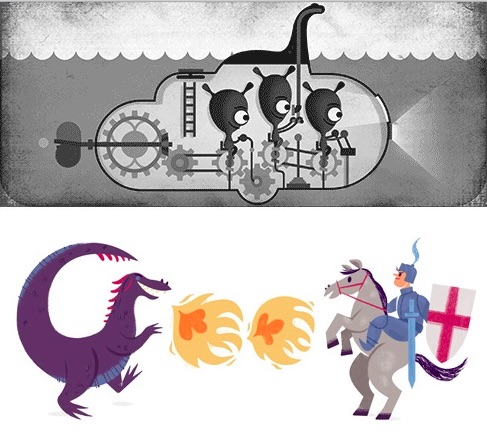
GoogleI’m assured Google is a fun place to work. One of those enlightened companies that believes reducing stress and increasing enjoyment of employees leads to good results. Were that all companies so enlightened. In any case, the famous Google logo is often decorated with a commemoration of the day. This past week, two such icons appeared on my UK searches. The first commemorated Nessie with something like the 81st year of her appearance. The icon puckishly showed Nessie to be a fake, a submarine actually piloted by aliens. Later that same week, on St. George’s Day, a dragon appeared on the icon. I began to wonder about this reptilian connection. If lake monsters are real, many make the claim that they must be plesiosaurs, their dinosaur cousins that most resemble them. St. George, clearly a character cut from the same cloth as Hadad, slays a dragon—an equally mysterious reptile.

We tend to associate dragons with evil, although in world mythology they appear equally as often as harbingers of good. Human interaction with reptiles has always been fraught. Somewhere along our evolutionary track we must’ve shared a common ancestor with them. Even today some responses, such as fight or flight, are referred to as those occurring in the “reptilian brain.” In Genesis 3 the serpent slithers in. According to Revelation, at the other end of the canon, the snake is still there at the end. It was only happenstance that Nessie and George’s unnamed monster appeared in the same week, I suppose. Nevertheless, there is a deep connection between them and us. We can’t seem to get away from them, even should we flee across the ocean.


I’m No Legend

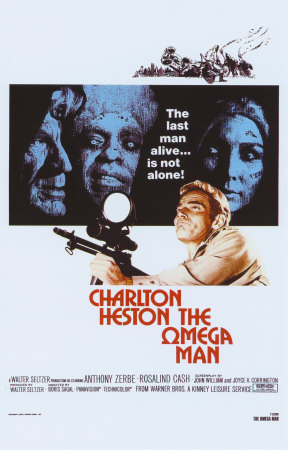
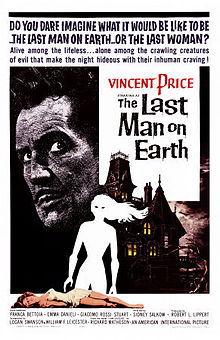
First there was The Last Man on Earth with that rare, disappointing performance by Vincent Price. Then there was The Omega Man, putting Charlton Heston into the role that fit him better than Moses. Finally, returning to the original title, I Am Legend featured Will Smith as Robert Neville. Having watched all three movies, I knew I should have read Richard Matheson’s short novel first. After all, it was a vampire story, and who doesn’t feel utterly alone once in a while? I finally decided to make an honest man of myself. It occurred to me as I started to read that I didn’t know how this story would end. All I had ever seen were cinematic treatments—and who writes anything serious about genre fiction? Still, I needed to know.

Last Man

Matheson was one of the writers who had caught Rod Serling’s attention on the Twilight Zone. Having read some of his short stories I could see why. Not knowing the ending, some of them can actually be scary. I Am Legend isn’t exactly frightening. It is, however, thought-provoking and sad. Matheson, a New Jersey native, wasn’t among the most literary of writers. Nevertheless, he conveys some deeply disturbing images of humanity in this particular novel. After all (spoiler alert!) Robert Neville is the evil one. He has been killing vampires with a cold calculation, no matter whether they are living or undead (good or bad). Who has a right to kill whom depends on your point of view.

The-Omega-Man-Poster

In I Am Legend, Matheson makes it clear that Neville, the last man alive, is an atheist. The problem, as it usually is, is theodicy. How could a god allow such a massive tragedy to strike not only himself, but the entire world? After the vampire virus had spread, Neville finds himself dragged into an evangelistic meeting by terrified survivors who had turned to religion to make sense of their tragedy. Neville escapes as quickly as he can. The movie versions tend to ignore this poignant aspect of the narrative. After all, the audience watching must sympathize with Neville or the whole draw of the movie is off. In a nation where atheists are trusted about as much as vampires, it seems that Matheson left us a parable as well as a legend.


The Lure of Lore

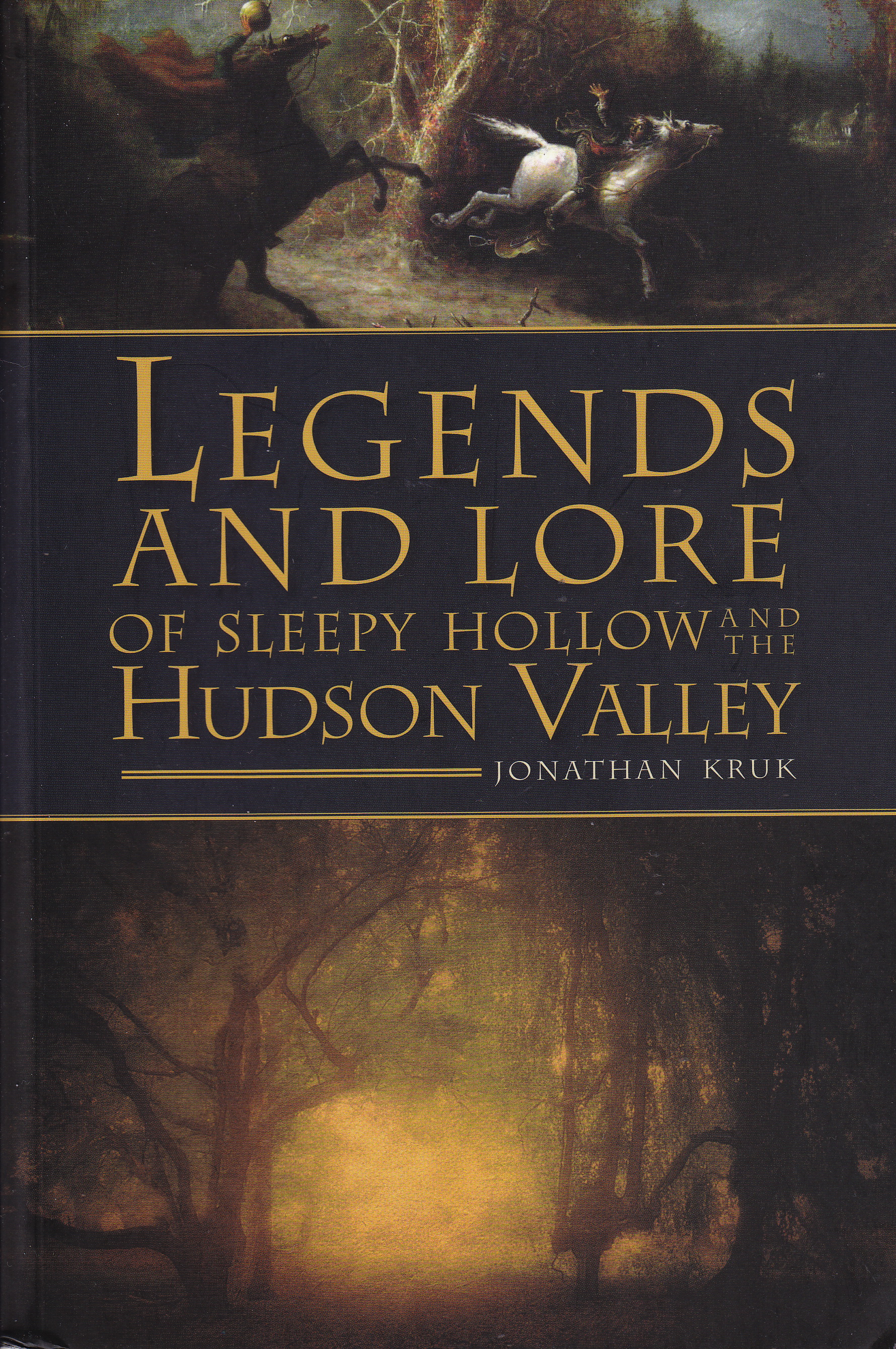
SleepyHollowOne of my doctoral advisers, Nick Wyatt, has become a friend over the years. I’m sure he would agree that he is often called a maverick, but in the best possible way. He is one of the brightest people I’ve ever known. When it was time for his Festschrift to appear, I had been unceremoniously tipped out of academia and left to my own devices. Being his first doctoral student, I had to contribute a piece, and so I settled on one I had written about an Edinburgh ghost story that seems to have roots in ancient Sumer.  Nick is the kind of scholar who can appreciate such ventures. This paper came to mind while reading Legends and Lore of Sleepy Hollow and the Hudson Valley by Jonathan Kruk.  Kruk labels himself a storyteller, and that was a venerable role in ancient times.  In fact it was a priestly one.  Kruk draws out the many tales of headless horsemen and other spirits mentioned in Washington Irving’s “Legend of Sleepy Hollow.” Nothing is proven here, but that’s not the point.

Headless ghosts were a staple of nineteenth-century lore not only in the Hudson Valley, but also in Scotland and Germany, as well as in many other locations.  How a spirit became decapitated is generally part of the draw to such ghoulish stories, and Kruk convincingly points to the tradition of the Wild Hunt as an element in Ichabod Crane’s famous ride.  The point is that stories often contain a truth that facts can’t match.  Case in point: the legend of Sleepy Hollow is alive and well. There have been periods, and will likely be more periods, when interest wanes, but we keep coming back to the story because it teaches us something about ourselves.  Empiricism is all fine and good until you find yourself facing a headless phantom on a nighttime highway.  Experience all of a sudden takes the wheel.

What does this have to do with Professor Wyatt?  My Festschrift article was reviewed, at a much earlier stage, by the journal Folklore.  I received a very sniffy rejection letter, citing, among other scholarly infractions, that I had referred to a popular publication (say it isn’t so!) as a source of the Edinburgh ghost story text. Where else was I to find it?  What scholar would bother to replicate an obviously—let’s just say it—uneducated tale?  Isn’t it beneath scholarly dignity? The stories we tell, I’ve always believed, make us who we are. It may be that materialists will have the last laugh.  When they are carted to the graveyard, however, I can guarantee that there will those among the common mourners who will be able to make a believable tale that their lives meant something after all.


Pacific Rim

Pacific_Rim_FilmPoster

Pacific Rim is a movie that once again brings monsters and religion together in the cinema. Since I’m generally late seeing movies, I won’t worry too much about spoilers here, but in case you’re even later than me here’s the gist of it: giant monsters from outer space (properly an interplanetary portal) are emerging from the Pacific Ocean to take over the earth. These radioactive, dinosaur-like aliens are called Kaiju. Although they can be taken down with conventional weapons, the most effective fighting tool is the Jaeger, a colossal robot piloted by two humans acting as the two hemispheres of the brain. These humans must “drift”—share their brains—in order to control these massive machines in unison. Lots of action and destruction, of course, ensue. We later find out that dinosaurs were an earlier invasion of these same aliens, but that our environmental degradation has made the atmosphere much better for them, and this time they’re back for good.

The resistance is led by a mysterious marshal named Stacker Pentecost. Pentecost, of course, is the festival celebrating either the giving of the Torah (Jewish) or the giving of the Holy Spirit (Christian). In either case, it is a holiday celebrating God’s plan for humanity. As Pentecost leads his beleaguered and shrinking army of jaegers against the Kaiju, scientists Geiszler and Gottlieb disagree about how to conquer the beasts. Gottlieb swears, “Numbers are as close as we get to the handwriting of God,” while advocating the predictive elements based on the statistics of the attacks. Science and religion have come to an uneasy truce here. As Geiszler seeks a Kaiju brain to drift, he observes some of the masses in Tokyo praying to the fallen beasts. A blackmarket dealer in Kaiju remains explains that they believe the Kaiju have been sent by God. Pentecost unwittingly concurs when he declares it is time to end the apocalypse.

Pacific Rim, like most Guillermo del Toro films, is a complex movie. There is also more than a sprinkling of H. P. Lovecraft here. The worship of the Kaiju keyed me in to the fact that these were the old gods, come to earth, under the sea, from space. As the first category 5 Kaiju swims past the camera, I couldn’t help but think of Cthulhu. Although Kaiju is Japanese for “monster,” it even sounds like his sacred name. We fear that which is larger, stronger, and unknown to us. When that fear becomes reverence we are on the brink of worship, and our monsters have become our deities.


Strange Days

The flight from London to New York is eight hours. Although I always travel with books, sometimes the selection made before the actual reality of time on a plane turns out to be too academic. I read academic books on my daily commute from New Jersey to New York and back, but these trips are not so drawn out as the long flight across the Atlantic. Since my flight was departing Terminal 2 at Heathrow, I had trouble finding a bookstore. There are stores that sell books, but having been to Blackwell’s the day before, the selection was not inspiring. I wandered to the magazine section. Magazines can be good travel fodder since they don’t demand the rigors of a monograph, and glossy pictures always add to the appeal. But what to buy?

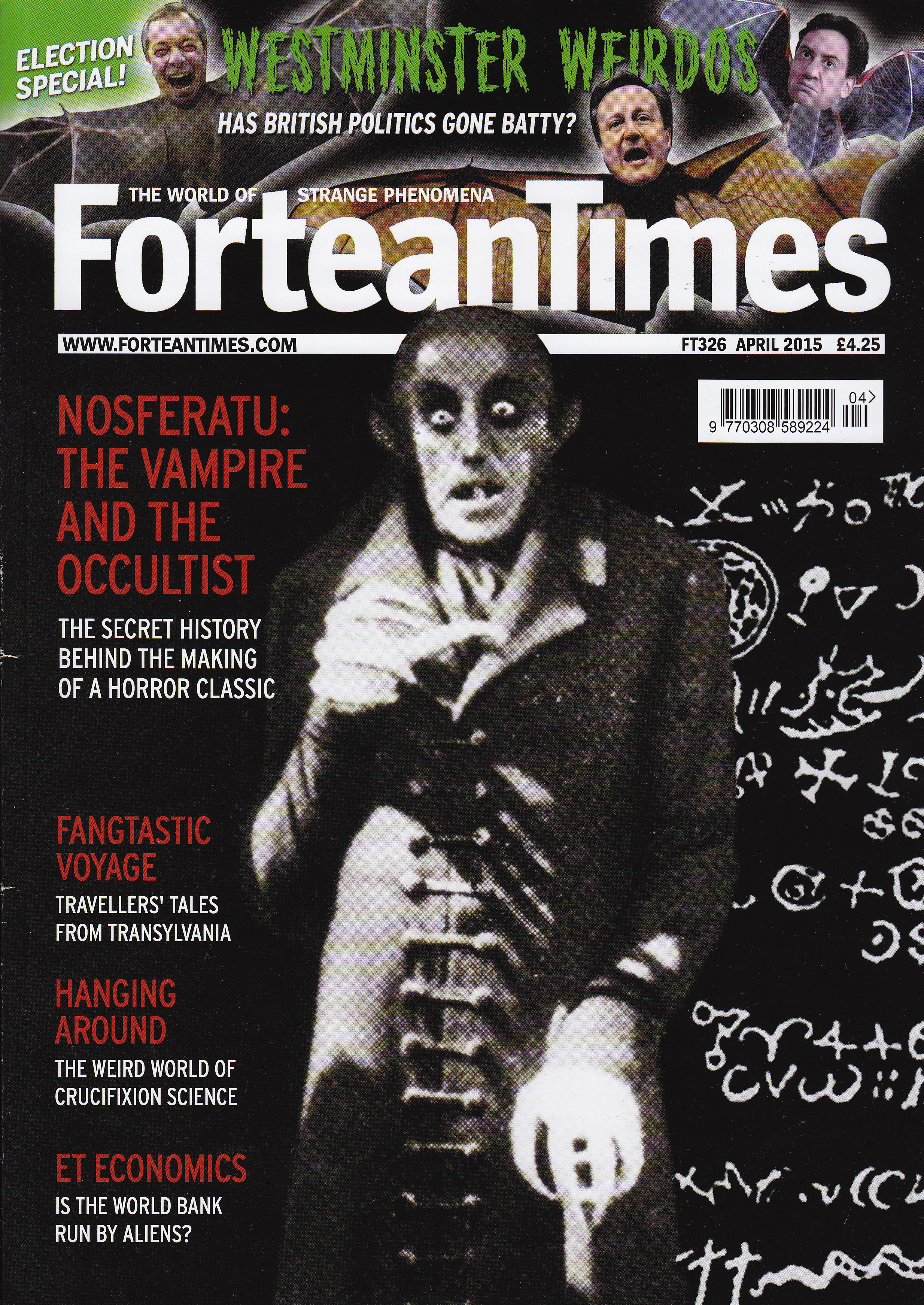
ForteanTimesLooking over the covers, I found one featuring vampires. It turned out to be the Fortean Times, but since I had a row to myself on the plane, I couldn’t see the harm in having a magazine about strange phenomena. I’d never actually read an issue of the Fortean Times before, although I had a general idea of what to expect. While it may seem odd, there is a pretty solid connection between the paranormal and religion. I’ve noticed this for years. Reading through the Fortean Times, it was clear that others have made the connection as well. Many of the articles, including the ones on vampires, touched on obvious religious themes and motifs. This was so much the case that I began to wonder if any kind of solid wall can be erected between the two.

Religion, broadly conceived, tends to be concerned with the non-material world. Its claims tend to defy empirical verification, and its subject matter is often at odds with science (at least in the mainstream). The paranormal is open to scientific investigation in that it tends to be based on secular claims. Like religion, however, it tends to dwell in the non-material realm. After all, vampires coming back from the dead is hardly a phenomenon that is readily recorded with any instrument beyond a Hollywood movie camera. Still, most religions are hostile to the paranormal, and investigators of the paranormal may be unconnected to religion. Both, however, are an engaging recipe for a long flight. Especially if nobody is sitting in the row next to you.


Unconventional Resurrection

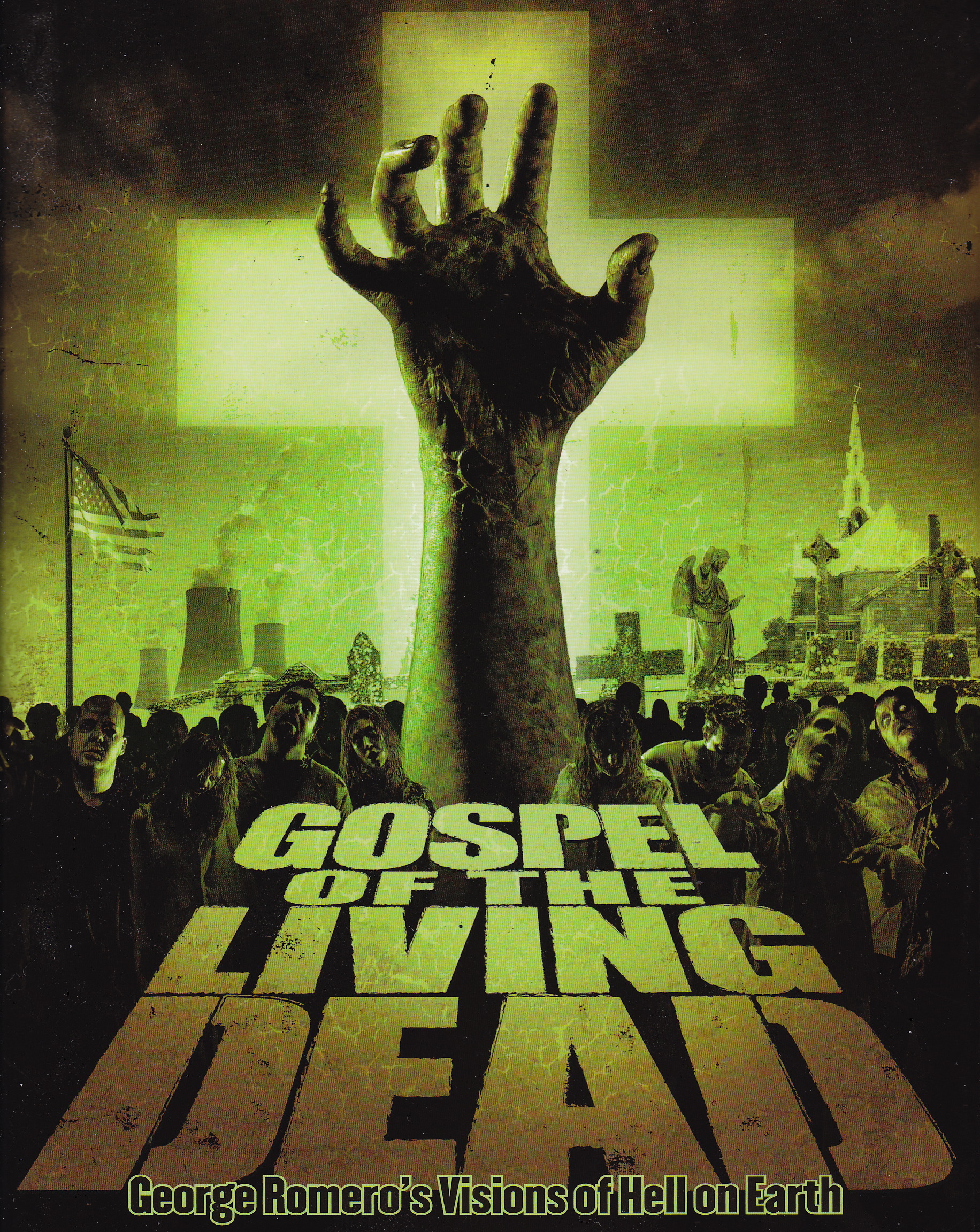
GospelLivingDeadWith talk of resurrection in the air, it seems natural to turn to zombies. In this internet age the monster of choice seems to change from day to day, but since the turn of the millennium zombies have been a contender for popular favorites. In a world where many of us feel zombified by our work, this is no surprise. Late capitalist power structures drain the life, leaving only the shell. In a situation where zombies appear so frequently, it is difficult to keep current. I bought Kim Paffenroth’s Gospel of the Living Dead shortly after it was published. Subtitled George Romero’s Visions of Hell on Earth, it saves itself from too my obsolescence by taking the narrative from Romero’s movies, and one remake, thus leaving room for the many other zombie movies to come and go. While it does make reference to 28 Days Later and Shaun of the Dead, most of the discussion stays pretty close to Romero, taking the reader through his quaternity of movies in the genre.

Roughly paralleling Romero’s oeuvre with Dante’s Inferno, Paffenroth treats the movies theologically. Not surprisingly, sin and ethics play a large part in his analysis. The undead, after all, are not un-spiritual. As I read along, however, I often thought how a western Pennsylvania connection gives some insight into what Romero is trying to do. Perhaps we are in danger of over-reading without the context (what biblical scholars call isogesis, but which post-modernists call simply reading). For example, some of the place names are given a theological significance in Gospel of the Living Dead that some of us who grew up in the area recognize as just another town. This always comes home to me when watching Night of the Living Dead. The posse out to hunt zombies always reminds me of people I knew in high school. After all, the first day of buck season was a local holiday.

Still, I have trouble seeing Romero agreeing with the dialogue revolving around sin. Yes, his first two movies were as much social criticism as they were horror. The Vietnam War and consumerism were true evils to be cast in parables and shown to the public. Zombies were prophets. Paffenroth suggests that zombies will never become mainstream commodities, but time has shown that even zombies can be bought out. World War Z was a Hollywood extravaganza. The Walking Dead is hardly the domain of outcasts and pariahs. Romero’s monsters were, alas, not more powerful than capitalism. Even zombies can be purchased. Zombies and vampires can indeed earn money, and resurrection itself comes with a price.


Getting Exorcise

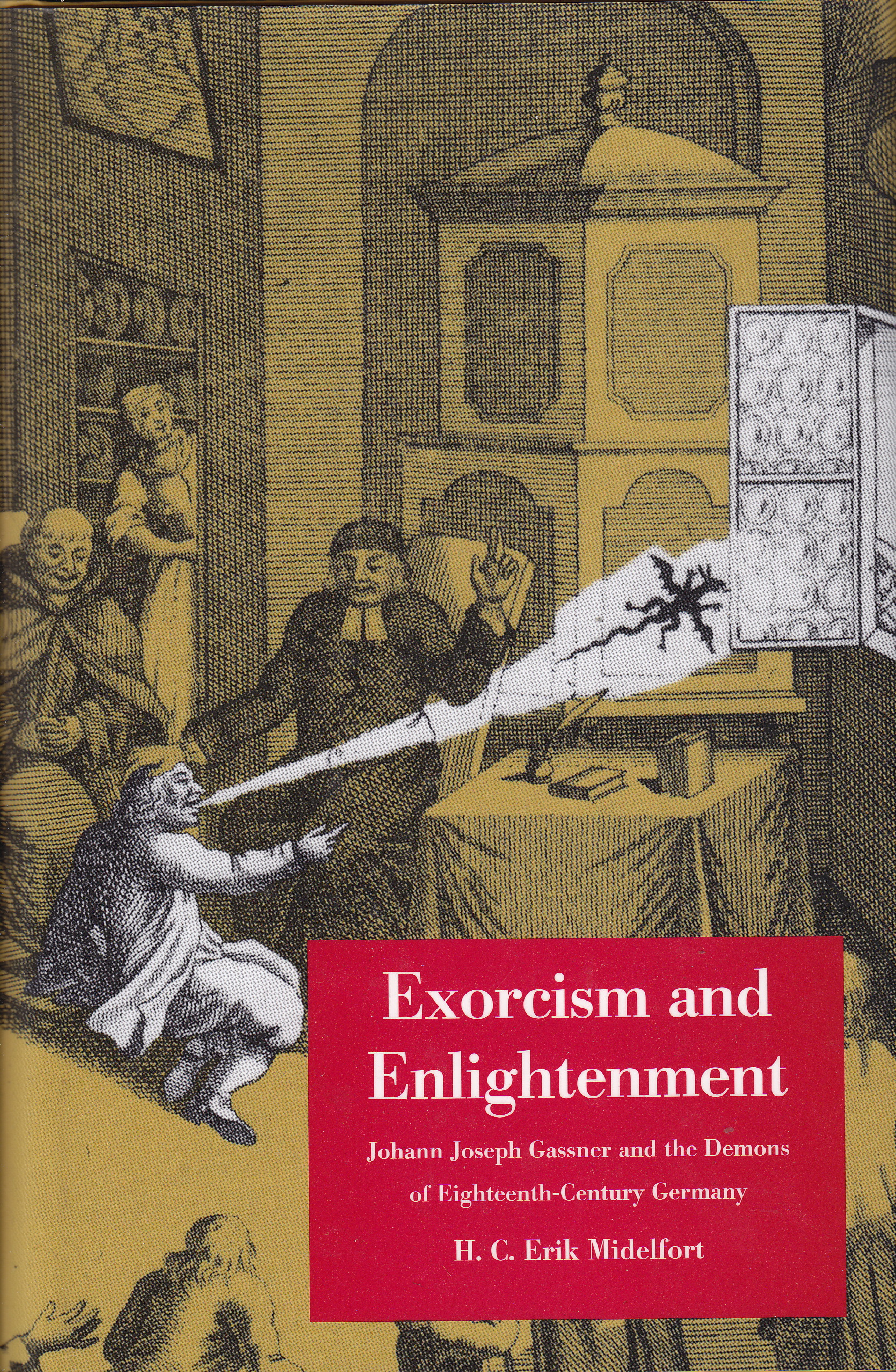
ExorcismTo be honest, I can’t recall having heard of Johann Joseph Gassner before. Given his role in the European witch-hunting culture, however, I must have read his name a time or two. As with most names out of context, it was quickly forgotten. H. C. Erik Midelfort, therefore, is to be congratulated with bringing out not only Gassner’s name, but his remarkable career. Exorcism and Enlightenment: Johann Joseph Gassner and the Demons of Eighteenth-Century Germany, like so many other books, came to my attention in a bookstore. Books on demons have a strange kind of draw to someone interested in both religion and monsters, and since it was on an overstock shelf, I found it impossible to let it lie. This proved to be a wise decision.

Midelfort proves himself one of the rare academics who doesn’t talk down to his readership, yet makes what could be a complex topic understandable. Complex is about the only word to describe what would become Germany in the Eighteenth Century. The remnants of the Holy Roman Empire left a divided region with prince-bishops—clerics with political control outside their own dioceses—vying for all kinds of authority. Although the Enlightenment was well underway, the region was embroiled in the controversy of a priest by the name of Gassner. Gassner was a healer, but also an exorcist. Believing that many torments suffered by the populace were demon-spawned, he used highly public and, to some, incredible exorcisms before healing those in need. His success was unquestioned, but the church, struggling between Catholicism and Lutheranism, as well as struggling to find a place in the Enlightenment world, found Gassner a bit of an embarrassment. What do you do with demons in a world where science says they don’t exist?

One of the most notable takeaways from Midelfort’s book, for me, is that the Enlightenment did not suddenly change the world. Even fully aware of empirical experimentation and the use of reason, the scholarly world did not utterly acquiesce to a subdued materialism. It still hasn’t. As the case of Gassner demonstrates, our comfortable, physically predictable world holds some surprises for us yet. At least for Gassner, believing demons don’t exist doesn’t stop them from tormenting people. As he cured his thousands, skeptics gathered (including his contemporary Franz Mesmer) to explain away what was happening. Even today, as Midelfort points out, we can’t explain the placebo effect. There’s no question, however, that it works. As does, if the media is to be believed, the occasional exorcism in the twenty-first century.


Once Bitten

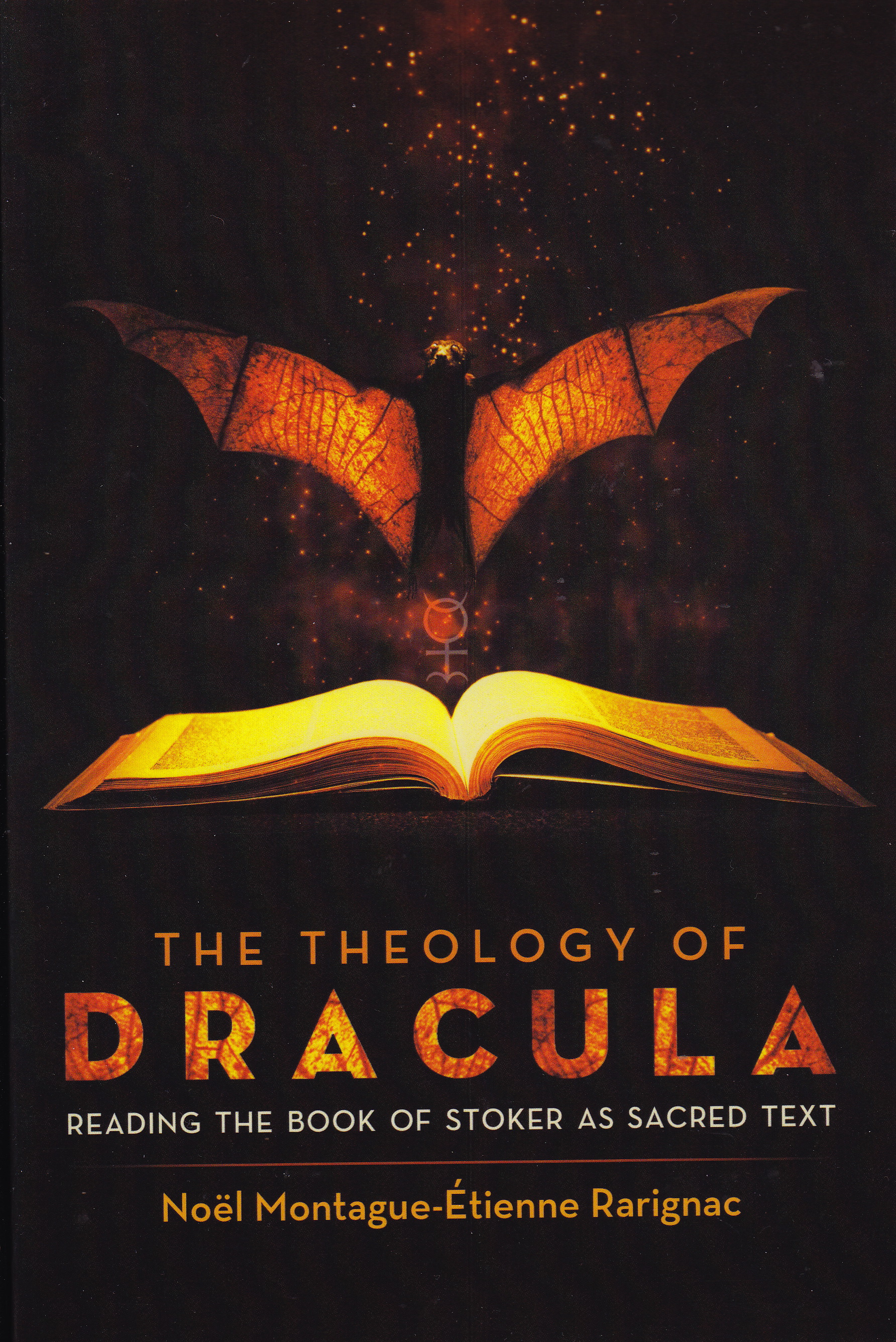
TheologyOfDraculaOnce vampires sink their fangs into you, it’s hard to shake them. I’m referring to an intellectual connection here, instead of a physical one. M. Jess Peacock’s book on theological vampires spurred me to read Noël Montague-Étienne Rarignac’s The Theology of Dracula: Reading the Book of Stoker as Sacred Text. It has been on my “to read” list for some time, and since I finished re-reading Dracula recently, I felt the canonical text was still fresh enough in my mind to take on an analysis. I have to confess that even though I grew up as a religious kid, and I loved monsters, I had no idea that the two were connected. Strangely, religion tended to elicit a fearful response while monsters gave me a kind of comfort. Of course, I always supposed that was normal. Then I learned that mature adults didn’t talk about, or even think about, monsters. I had to try to find solace in religion instead. Rarignac clearly figured out, however, that Dracula was a sacred text long before I came along.

What exactly does it mean to treat a book as a sacred text? Before anyone gets any funny notions, I need to say that Rarignac is not suggesting vampirism is, or should be a religion. That hasn’t prevented other people from seeing it that way, but that’s not what this book is about. It is about Bram Stoker’s Dracula. Devoting the kind of attention to detail that is often reserved for biblical texts, The Theology of Dracula examines the many religious traditions (not all of them Christian) that lie behind the novel. Stoker drew on many “pagan” traditions, including those of ancient Egypt and of Nordic mythology. Clearly Dracula responds to Christian symbols pretty violently, but he isn’t a classic Catholic. In fact, he seems to shy from Catholicism while admitting that its symbols work.

Rarignac, however, suggests more than this. He suggests that Dracula was written intended to be a sacred text. Not a Bible—we already have one of those, thank you—but a text that has its own mythology and symbols. Dracula‘s characters are not always what they seem. Careful scrutiny reveals that they often have celestial connections that tie them to ancient mythologies long forgotten by most modern people. We read the book expecting it to be about a vampire. Well, clearly it is. But not only a vampire. There is a much larger story at work in Dracula, and Rarignac has done an admirable job tracing its Vorlage (if I may step into jargon for a moment) and its wider context in the world of literary creations that specialize in our nightmares. There is much at which to marvel in this little book. I’m not convinced that Stoker intended his book to be read this way, but it is nonetheless a richer experience for it. Rarignac gives a simple monster tale real teeth.


Theological Fiends

SuchADarkThingVampires are among the most theological of monsters. Not that I’m a theologian, but I sometimes read those who are. Although zombies and vampires rival one another for the ascendent monster of the moment, I’ve always had a soft spot for the vampire, conceptually. The actual idea of drinking blood has always distressed my vegetarian sensibilities, but there is a deep intrigue about the character who constantly takes and never gives. And sees in the dark. And is practically immortal, unless violently killed. All of these aspects, and more, have theological undertones. M. Jess Peacock’s Such A Dark Thing: Theology of the Vampire Narrative in Popular Culture deals with such ideas and more. A self-admitted fan of all things vampiric, Peacock finds unexpected angles to the undead metaphor that make for connections between Christianity and the cultural vampire. He explores Otto’s understanding of the holy and how vampires fit aspects of it, the importance of blood, theodicy, and sin, as well as religious iconography and why crosses work against vampires (when they do). Most fascinating, however, is how vampires effect social change.

Since I often write about monsters, and specifically vampires, on this blog, it should be no surprise that I should read such a book. The question of why vampires have such staying power in our society is one that many have pondered. Peacock, by tying the vampire into deep theological needs (and we’ve been taught for many decades that theological needs are unrealistic fantasies themselves) has perhaps found a reason why. Just because we deny a need doesn’t mean it isn’t real. Think of all those Medieval monks denying sexuality. Biology, no matter how transcendent our focus, has a way of reminding us that we have needs. Vampires are, if anything, very forthright about their requirements. You have blood, they need blood. They will take it any way they can. And this leads to its own kind of ethic where, in some movies and stories, we, the victims, end up rooting for the vampire.

The social justice aspect of Peacock’s study is the one I found most compelling. We live in an era in which financial vampires openly and selfishly drain the blood of any victims they may find. What they do is done in daylight and no crucifix is large enough, no stake is strong enough, to stop them. We sit in our theater seats and watch as the economy rises and falls with the wealthy and their willingness to invest (or not) in the very economy that made them rich. Elections are won now by money supplied by corporations. Yes, the presidency can be, and is, purchased. Most politicians don’t know the price of a loaf of bread. Christianity, in any case, understands bread and blood to be analogues. The two are complementary, and represent the totality of human need. The vampire, as Peacock notes, can symbolize the difficulties of social justice. They may have their fangs deeply embedded in our necks, but at some level we have come to love our vampires. Even when they give us nothing in return.


Soulful Phantoms

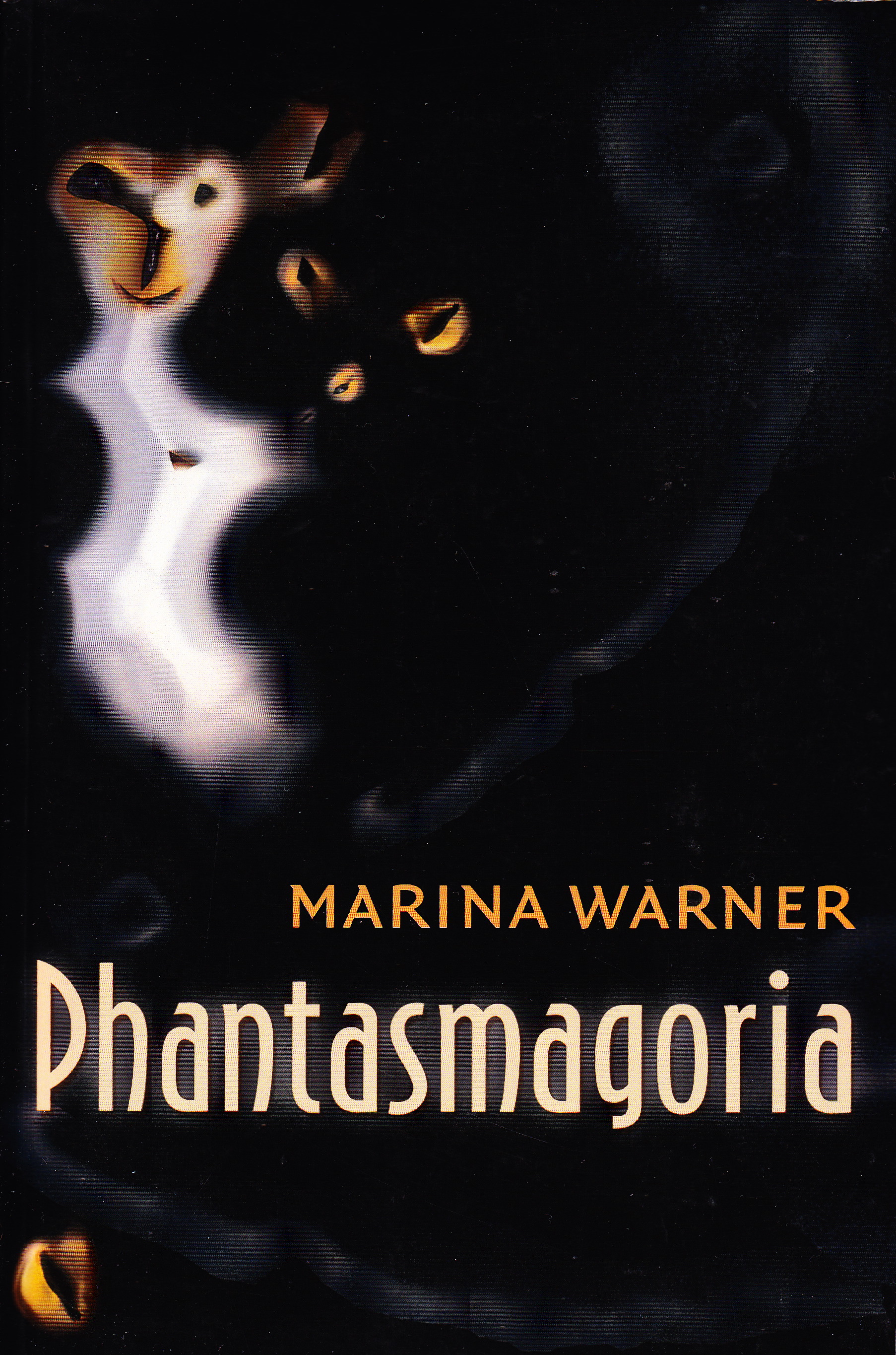
PhantasmagoriaPhantasmagoria is a most appropriate title for the book by Marina Warner that bears that single-word name. The back cover bears none of those helpful tags that give the reader a handle by which to categorize the book. The subtitle helps somewhat: Spirit Visions, Metaphors, and Media into the Twenty-first Century. The book is about ensoulment. The popular rage among many academics is the exploration of embodiment—the times and trials and wisdom of having a physical body. (We all know it, but it is the scholar’s job to think about it.) Warner asks what soul stuff is and pursues this through many media: wax, air, clouds, light, shadow, mirror, ghost, ether, ectoplasm, and film. She’s not suggesting that souls are made of these things, but rather that people have used these media to explore what a soul might be. Apart from being a fine historical resource on these different avenues of exploration, individual chapters in the book focus on various artists, psychologists, parapsychologists, writers, and Scriptures. This makes for a fascinating, if challenging, exploration to undergo.

One of the topics that emerges in the discussion is how soul distinguishes itself from other unquantifiable aspects of being human: what is mind, for example. We can’t really define soul, but it is frequently differentiated from mind or personality, neither of which is particularly well understood. In an era when we’ve not so much ceased to ask these questions as sublimated them into various fictional realms, a book like Phantasmagoria is especially important. The reaction against materialistic reductionism is strong, if not empirically provable. We still flock to theaters to watch zombies on the screen, precisely because we too have become soulless. Romanticism had a place for Gothic sensibilities as well.

Along the way Warner makes a particularly apt observation that politics and entertainment have become difficult to distinguish. Thinking over the number of entertainers who’ve become policy makers, this is a particularly disturbing thought. We trust the media and it gives us entertainment. Most college professors make so little money as to be jokes when it comes to running a political campaign. Where your treasure is, as the saying goes. Media, in all the forms explored, has failed to capture the soul. The chapter on Revelation (the book) is truly spectacular, coming, as it does, in the section on film. It is the embracing of the chimera of the end of the world pieced together from various myths and nightmares that our political leaders find, in many cases, far too compelling. Someone like Warner might be a much better leader to trust, even if she is a scholar.


Monster Map

Monster QuestMonsters are becoming more mainstream. Or at least it seems that the ridicule factor, with which I had to deal as a child, has moderated a bit. A friend recently sent me a link to Hog Island Press’s Monsters in America map. No doubt, skeptical persons will dismiss such whimsical charts as a load of hooey, but people continue to see unusual things. Although we don’t subscribe to any television service, it has become clear that ghosts and Bigfoot have become pretty standard fare for reality shows. Lake monsters still make appearances from time to time, and since we aren’t always watching the waters, nobody’s terribly surprised. And who knows what’s flying below the radar at night? People have believed in monsters from the very earliest of times. We, however, live in an age when belief can’t exist without proof, and our world of the plausible has shrunk because of it.

Another problem here is the definition of “monster.” The traditional monster was pure fiction—werewolves, vampires, and zombies simply don’t exist. We tell scary stories about them because it’s fun to be afraid when we know there’s really no such thing. American monsters, on the other hand, are based on eyewitness reports, reliable or not. I grew up literally on the edge of the woods in a rural town and never saw anything cryptozoological in nature. At the same time I learned that it’s difficult to see everything in the woods. I would’ve never guessed, for instance, that the number of deer and bear that were shot each season were only a small representative of their populations. The woods, it seemed, should’ve been much more crowded.

Those who’ve spent time in the woods know that nature doesn’t reveal everything easily. Looking at the Hog Island Press chart, I notice some new creatures (to me) and some surprising omissions. Wisconsin and Michigan, both heavily wooded and (I speak from experience here) areas of strangeness, seem devoid of the creatures so commonly reported. Linda Godfrey has written extensively about the dog-men (or werewolves) not uncommonly reported in both states. I suppose that in making such a map there is an embarrassment of riches. People see things all the time, and urbanites have a difficult time identifying species the naturalist finds, well, natural. One need not be credulous to enjoy the monsters of the natural world. It is fun, in any case, to consider the possibilities, now that monsters have gone mainstream.


A Lot of Salem

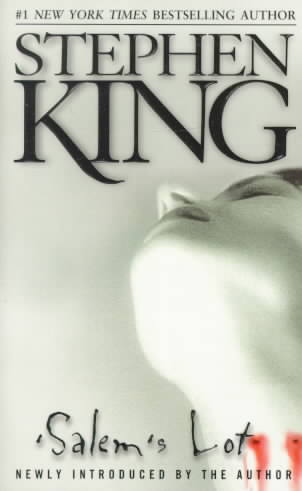
SalemsLotVampires may seem out of place late in December, but they never really go out of season. That will be my excuse, anyway, for writing about Stephen King’s ‘Salem’s Lot, which I have just finished reading. Like many of King’s books, ‘Salem’s Lot takes a fair commitment of time to get through, and I actually started it back in November when it feels natural to have creepy thoughts. I suppose winter is more of a ghost season than a vampire season, but I have read what I have read. So, vampires.

The book is old enough now to have been a kind of prequel to the current vampire craze. Prior to picking up the tome, however, I didn’t know that it as a vampire story. I’m not sure it made as much of an impact as the shudder-inducing Twilight series (and that is a shudder of the most ironic kind). ‘Salem’s Lot is, after all, a fairly conventional vampire story—a Dracula reset in rural Maine. Instead of a Jonathan Harker we have a Ben Mears. Instead of Abraham van Helsing, we have Matt Burke. The plot is much the same, the end result is much the same. And vampires are banished by religious paraphernalia, as we’ve come to expect. For me the ultimate Maine vampire will always be Barnabas Collins (the kind fitting more the description of Jonathan Frith than Johnny Depp). Barlow, as a vampire, is entirely too self-serving. Barnabas is a deeply conflicted ghoul, a monster you can love. But not too much, because then we’d be left in the twilight. Mixing the vampire just right is tricky, and it seems that a soap opera was the place that got it right.

The movie Thirty Days of Night, based on the graphic novel, places vampires squarely in the middle of winter. In the thirty days of no sunshine in the Arctic Circle, the vampires of winter flood the town. Perhaps the idea relates to ‘Salem’s Lot for an entire town to come under siege. Or maybe not. When I read vampire stories I hope to come out transformed, I guess. Elizabeth Kostova’s The Historian may have spoiled me in that regard. As with most King novels, however, ‘Salem’s Lot is artfully written and at least for the characters a new story with a small twist on the old ending. In at least one regard, it is true to life—although they learn that the church banishes vampires, nobody joins and they only pray as a last resort.


Manitous

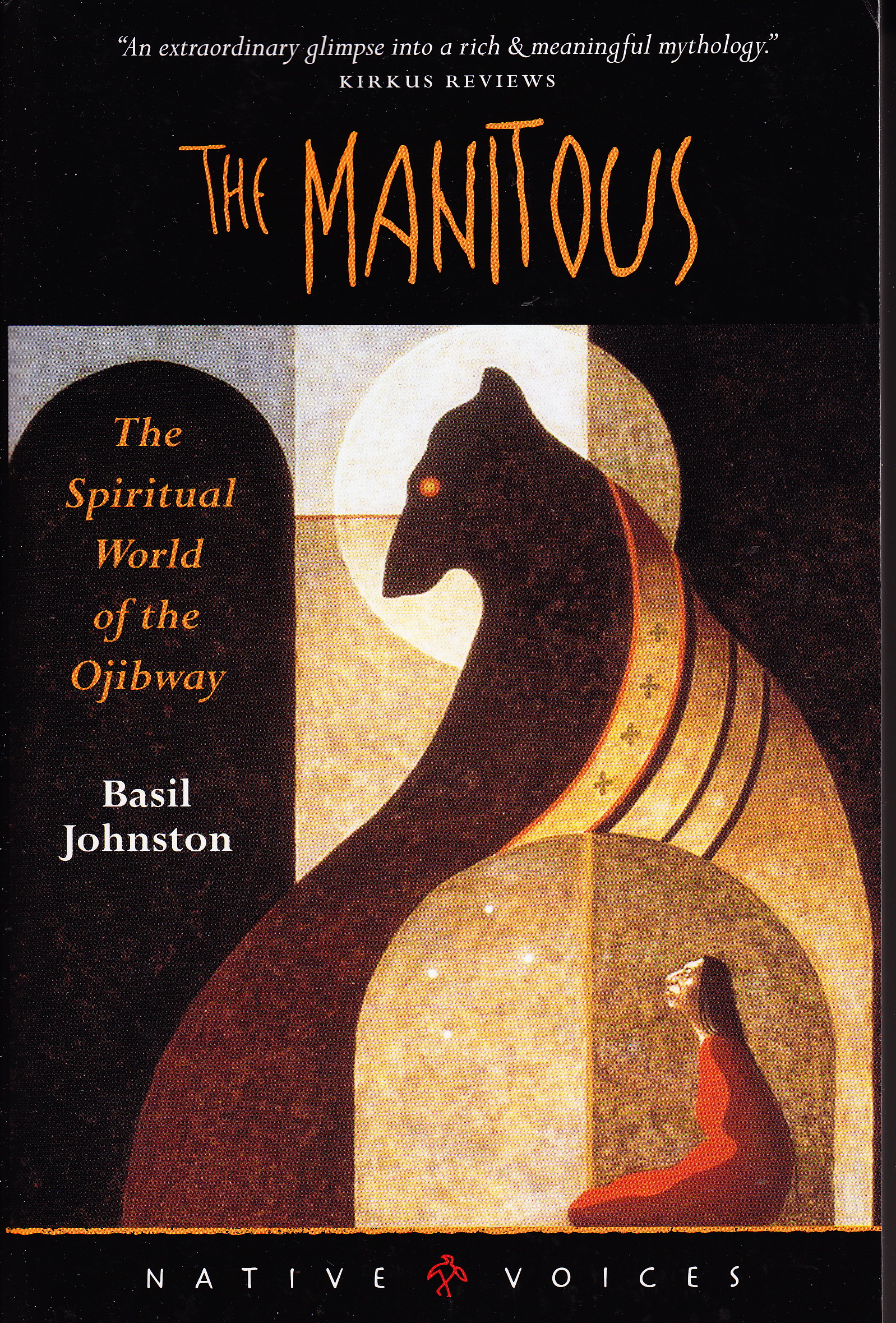
ManitousOne of the yearly autumnal rituals we’ve established is the watching of Escanaba in da Moonlight. It is a silly, crude, and profound movie that revolves around Native American lore—namely, the creature known as the bearwalk. Despite the high level of interest in monsters on the internet, the bearwalk continues to be elusive. Robert C. Wilson wrote a novel, Crooked Tree, about this Ojibwa legend, but academics have seldom explored it. The few resources I found pointed me to the wendigo. Wendigos are frightening spirits of the forest, sometimes presented as skinwalkers, or shape-shifters, who prey on unwary human beings. Some writers call them werewolves, but this isn’t exactly correct. Frustrated at finding no solid information, I picked up a copy of Basil Johnston’s The Manitous: The Spiritual World of the Ojibway. Johnston, who is Anishinaabe, writes to preserve the heritage of his people.

Manitous don’t have a direct equivalent in English. Some have been inclined to designate them as gods or spirits, but they inhabit that strange realm that overlaps with humans as well. The Ojibwa viewed the world as more animate than western science allows. People were part of this larger universe, but were not the sole end of intelligent life. The tales in this book map out an unseen territory where manitous may be found in lakes and streams, in the hearts of trees, in the early prototypes of humankind, and yes, in the wendigo. The wendigo (also spelled windigo or weendigo) is a representation of excessive acquisitiveness. They often begin life as humans, but become cannibals. As they eat other people their hunger grows, along with their bodies, and they cannot be satisfied. The more they eat the more their hunger remains. They are, therefore, extremely destructive, roaming the woods seeking human victims.

Throughout The Manitous, Johnston gives little in the way of editorial comment. One of his stories is a parable for the coming of Europeans and their subsequent treatment of Native Americans, but most of the tales are of the natural world. The wendigo occupies the last chapter of his book. Before putting the matter to rest, however, Johnston makes a poignant and valid point. Although the Ojibwa no longer believe in a literal wendigo, the treatment of the earth by corporations has taken its place. Always hungry, excessively greedy for more to be taken from the earth, industrialists have made the wendigo look as if it were an amateur slaughterer. Living lightly on the land, the Native Americans tried to take only what they needed. Europeans, on the other hand, created new things in order to keep the hunger going. And those who constantly create new needs grow wealthier and wealthier. Instead of naming this inherently destructive system the wendigo, we call it progress and happily invite it to live among us.